DAOU Vineyards

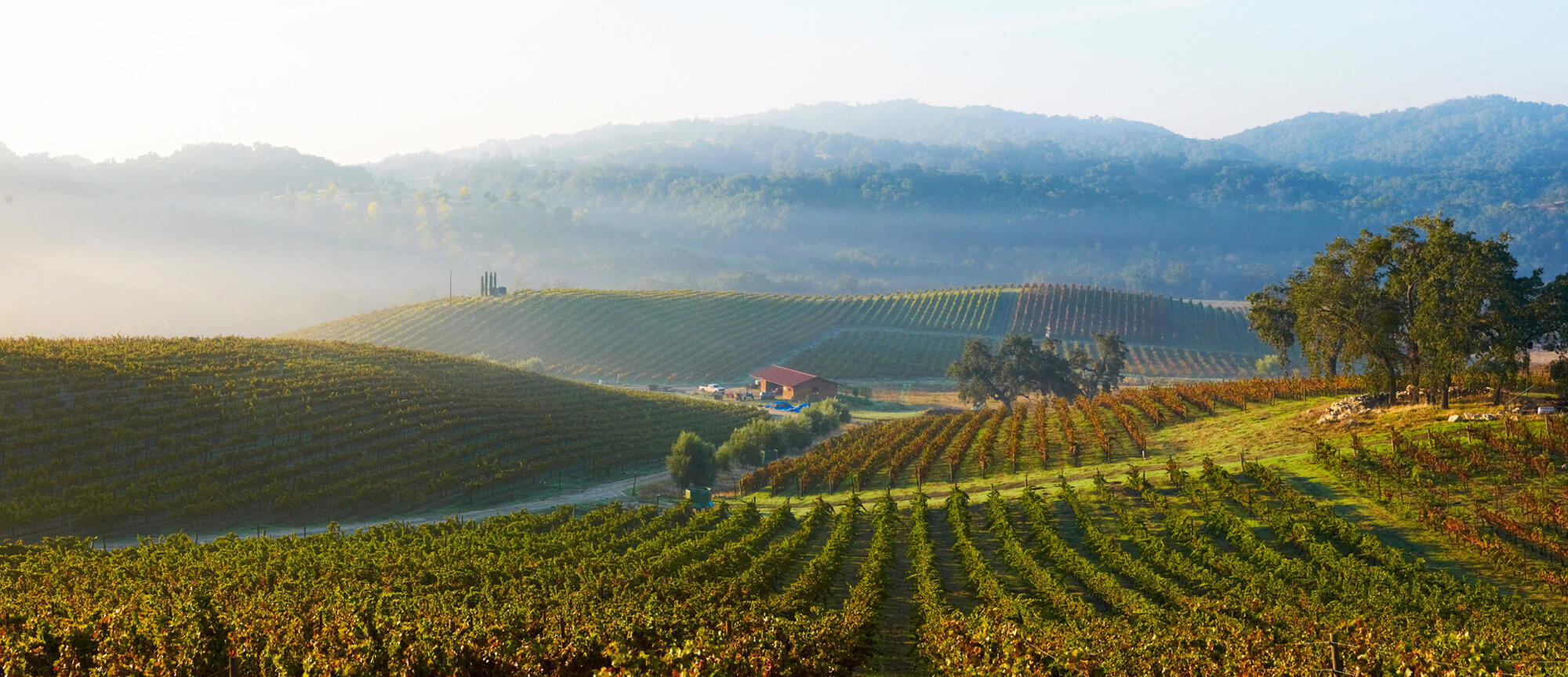
DAOU Vineyards sits on the western hills of Paso Robles, where the Adelaida District's elevation and diurnal temperature swings define some of California's most structured Cabernet.
Pearl is the En Primeur Club membership app — saves, bookings, and concierge access live there. Same editors, same standards.
- Address
- 2777 Hidden Mountain Rd, Paso Robles, CA 93446
- Phone
- +1 805-226-5460
- Website
- daouvineyards.com
- Directions
- Get directions
 Saves & bookings on Pearl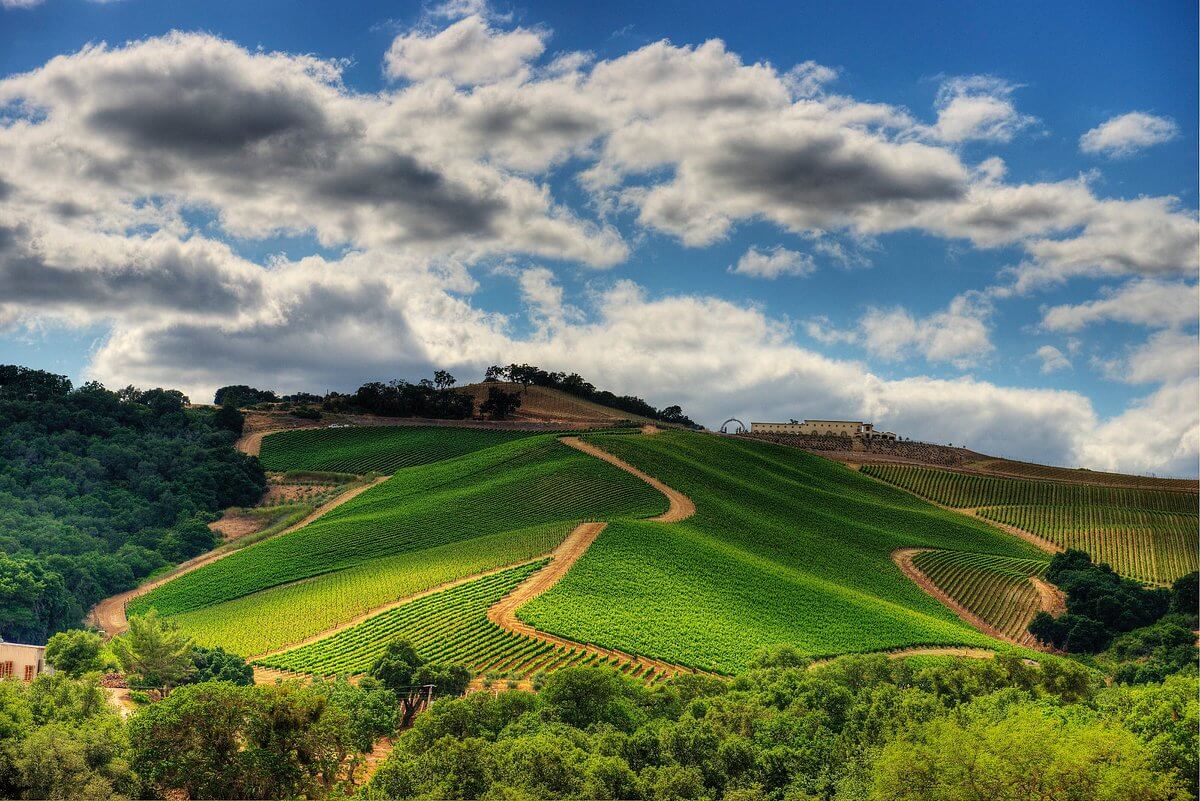
The Western Hills and What They Produce
The Adelaida District on the western side of Paso Robles operates under different conditions than the warmer flatlands to the east. Elevations here can reach over 2,200 feet, and the gap between daytime highs and overnight temperatures regularly exceeds 50 degrees Fahrenheit during the growing season. That swing is the structural engine behind Paso's more age-worthy reds: fruit ripens fully in the afternoon heat, then locks into place as temperatures fall through the night, preserving the acidity that keeps wines from reading as flat or overbuilt. DAOU Vineyards, positioned on Hidden Mountain Road in the heart of this subregion, works within that framework. The address is not incidental; it is agronomic context.
California Cabernet has long divided into two broad camps: the ornate, extraction-forward style that dominated the late 1990s and 2000s, and a more restrained, site-driven approach that gained ground through the 2010s. The Adelaida District, with its limestone-rich soils and cooler growing profile, has become a reference point for the latter camp. DAOU's first vintage in 2010 placed it at the beginning of that broader shift in critical appetite, and the winery has tracked with the category's movement toward structure and precision ever since.
Daniel and Georges Daou: Credentials as Context
In California's premium wine tier, the winemaker's background functions as a proxy for stylistic intent. Daniel Daou and Georges Daou serve as the winemaking team at DAOU, and their involvement signals hands-on estate control rather than the consultant-driven approach that characterizes many larger California operations. This distinction matters for how the wines are positioned: estate-controlled programs tend to produce more consistent house style across vintages, because decision-making stays within a single, coherent framework. It also tends to mean that the wines are built to reflect the specific site rather than a generalized market preference.
That site focus aligns with what has happened to Paso Robles' premium reputation over the past fifteen years. The American Viticultural Area was subdivided in 2014, creating eleven distinct sub-appellations, of which the Adelaida District is especially closely associated with premium Cabernet production. Wineries in that district, including Adelaida Vineyards and Halter Ranch Vineyard, operate in a comparable set defined by elevation and soil type rather than by Paso's broader, more commercial identity.
Where DAOU Sits in the Paso Hierarchy
Paso Robles covers more than 600,000 acres, and the quality range across producers is correspondingly wide. At the volume end, large-production operations use Paso's warmer eastern growing areas to supply grocery-channel brands. At the estate end, smaller producers in the Adelaida and Templeton Gap districts work smaller yields and direct-to-consumer allocations. DAOU has expanded significantly since 2010, which places it in an interesting middle position: it retains estate credentials and critical recognition, but it operates at a scale that gives it distribution reach beyond the small-allocation model that defines producers like Herman Story Wines.
A three-star designation at that level places DAOU in direct comparison with other recognized California estate producers, including Accendo Cellars in St. Helena and Alpha Omega Winery in Rutherford, both of which operate in the premium Napa tier. The comparison is instructive: DAOU's recognition places it in conversation with Napa's recognized producers while maintaining a Paso identity and, typically, a more accessible price positioning than equivalent Napa labels.
The Progression Through a DAOU Tasting
Estate tastings in Paso's western hills have developed their own rhythm over the past decade. The format at most serious producers moves from lighter, higher-acid whites through structured reds and into reserve or library selections, using the progression to demonstrate what the site can produce across variety and aging. At properties working primarily with Cabernet Sauvignon and Bordeaux blends, this arc has a particular logic: you build toward the wines that leading express the estate's identity, using earlier pours to establish baseline and calibrate the taster's palate.
DAOU's estate lineup follows the logic of that Cabernet-forward program. The Adelaida District's limestone subsoils contribute a mineral texture that distinguishes the wines from Paso's more clay-heavy eastern plantings, and a careful tasting progression should make that distinction legible. Reserve and single-vineyard tiers tend to show the diurnal effect most clearly: tight structure on entry, with the fruit expression that Paso's warm afternoons produce sitting behind a framework that keeps the wines from reading as overripe.
Producers working the same district with comparable site credentials include J. Lohr Vineyards and Wines and Bianchi Winery, each of which represents a different scale and stylistic emphasis within the broader Paso category. Tasting across that comparable set provides the clearest way to understand what the Adelaida District's specific conditions contribute to California Cabernet, and where DAOU's choices sit within the available options.
Planning a Visit
DAOU Vineyards is located at 2777 Hidden Mountain Road in Paso Robles, in the western hills of the Adelaida District. The address reflects the property's elevation and distance from the commercial corridor around downtown Paso Robles, so visiting requires a deliberate drive rather than a casual detour. Paso Robles is accessible from San Luis Obispo to the south and from the Central Valley via Highway 46 to the east, placing it within reach of both Los Angeles and San Francisco as a multi-day regional destination.
By appointment only, the estate is best visited with plans made ahead. Wine club membership, common among Adelaida District producers, often provides access to allocation wines that are not available through retail channels. For visitors building a wider itinerary, Alban Vineyards in Arroyo Grande and Andrew Murray Vineyards in Los Olivos extend the Central Coast premium circuit south of Paso, while Alexander Valley Vineyards in Geyserville, Artesa Vineyards and Winery in Napa, and Adelsheim Vineyard in Newberg anchor comparable itineraries further north. For the full picture of what Paso Robles offers beyond individual estates, see our full Paso Robles restaurants guide.
Pricing, Compared
Comparable venues nearby, for context on price, style, and recognition.
| Venue | Cuisine | Price | Notes |
|---|---|---|---|
| DAOU VineyardsThis venue — the venue you are viewing | Not listed | $$$$ | Not listed |
| Opolo Vineyards | Not listed | $$$ | Willow Creek District, Zinfandel, Cabernet Sauvignon |
| Oso Libre Winery | Not listed | $$$ | Adelaida District, Cabernet Sauvignon, Mourvèdre |
| Halter Ranch Vineyard | Not listed | $$$ | Adelaida District, Cabernet Sauvignon, Syrah |
| Denner Vineyards | West Paso Robles, Syrah, Grenache | $$$ | Not listed |
| Whalebone Vineyard | Not listed | $$$ | Adelaida District, Cabernet Sauvignon, Zinfandel |
Recognition history
Dated appearances from independent guides and award organizations, with the underlying list record or original source where available.
Falstaff Winery - Listed
Falstaff
Continue exploring
More in Paso Robles
Wineries in Paso Robles
Browse all →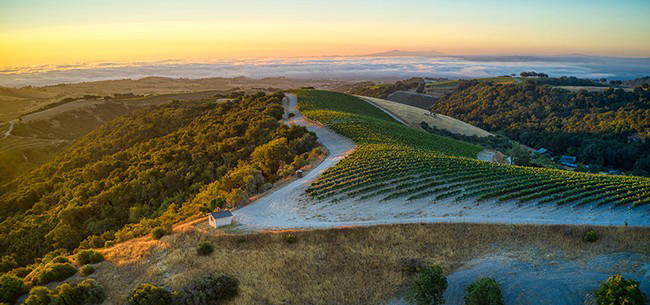
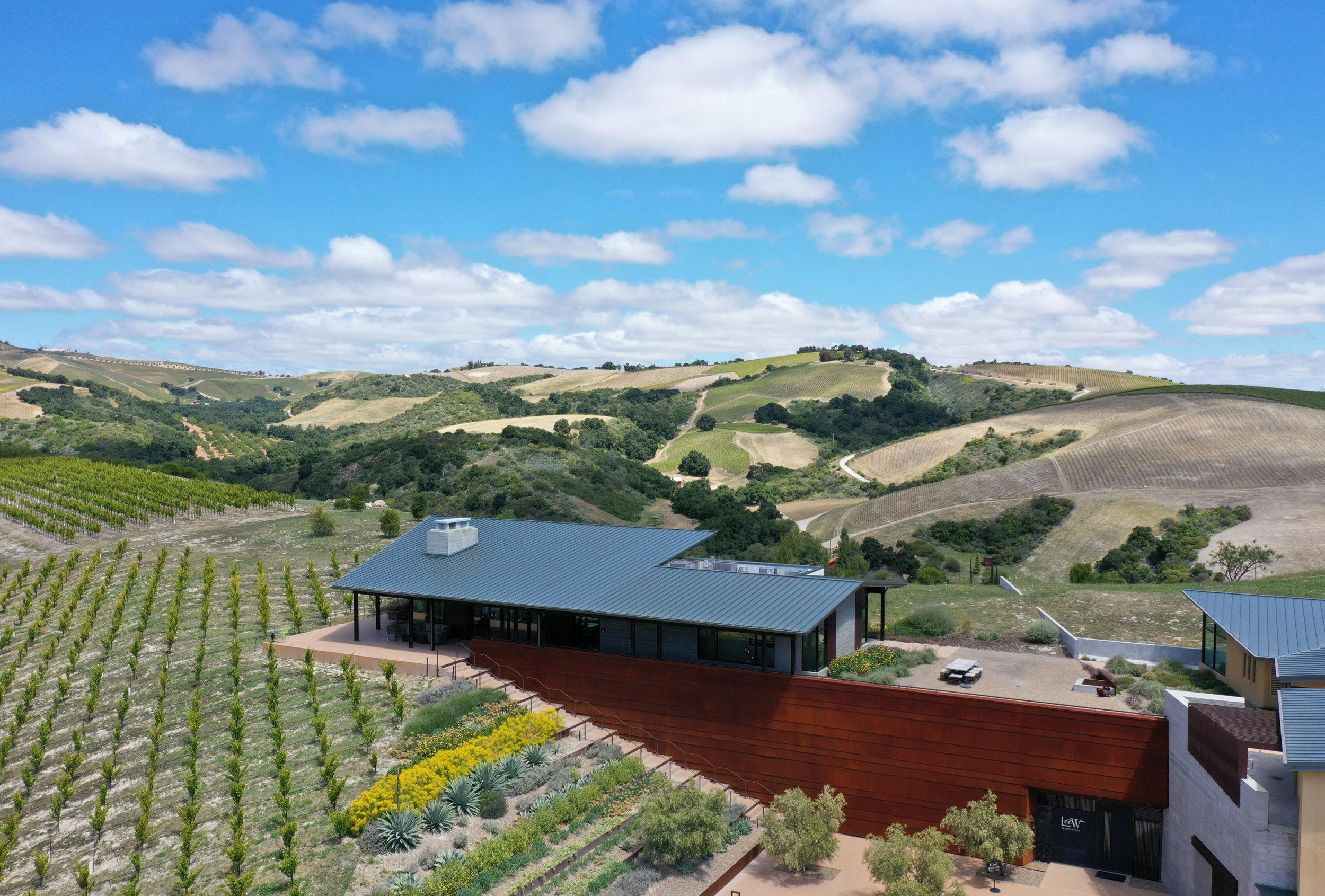
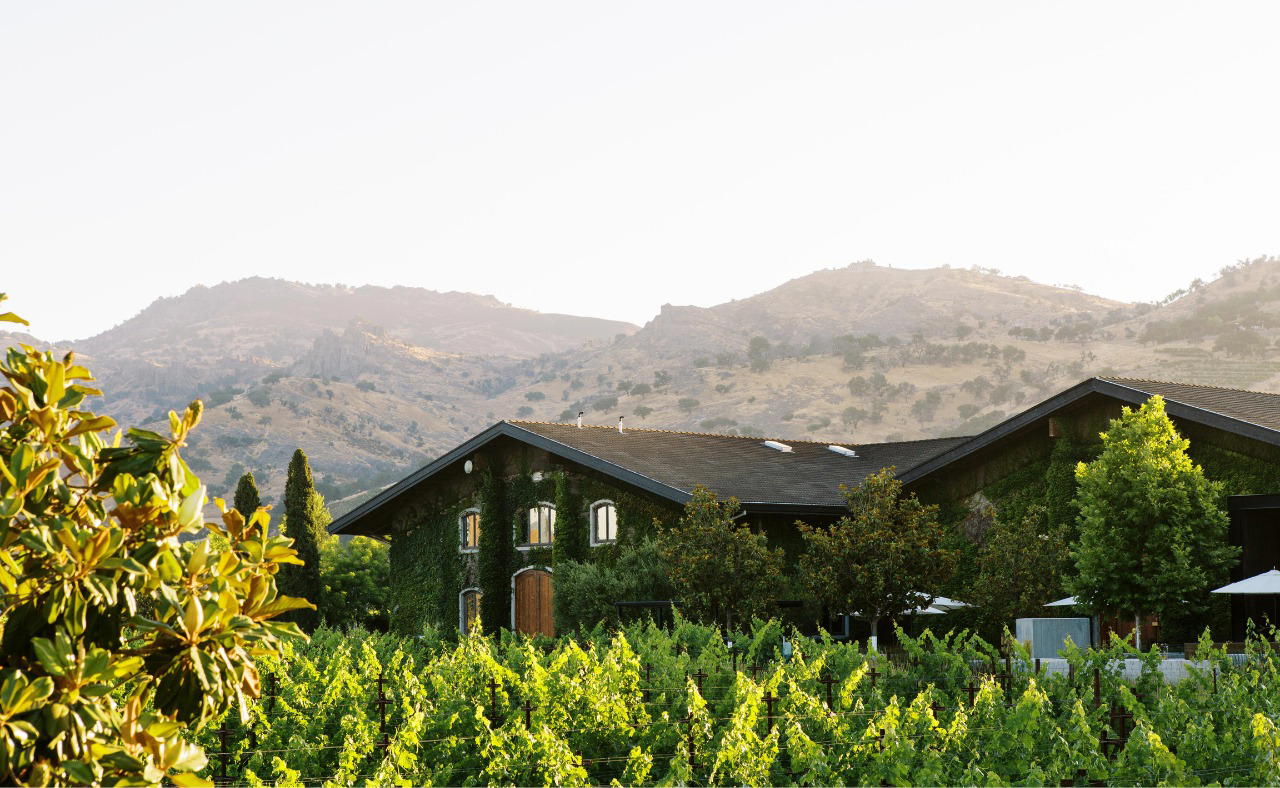
Bars in Paso Robles
Browse all →
Restaurants in Paso Robles
Browse all →
At a Glance
- Scenic
- Elegant
- Sophisticated
- Romantic
- Romantic Getaway
- Special Occasion
- Group Outing
- Vineyard Tour
- Panoramic View
- Terrace
- Estate Grounds
- Mountain
- Vineyard
- Adelaida AVA
- Cabernet Sauvignon
- Cabernet Franc
- Petit Verdot
- Merlot
- Petite Sirah
- Zinfandel
- Syrah
- Chardonnay
- Pinot Noir
- Sauvignon Blanc
- Still Red
- Still White
- Still Rosé
- Seated Tasting
- Private Tasting
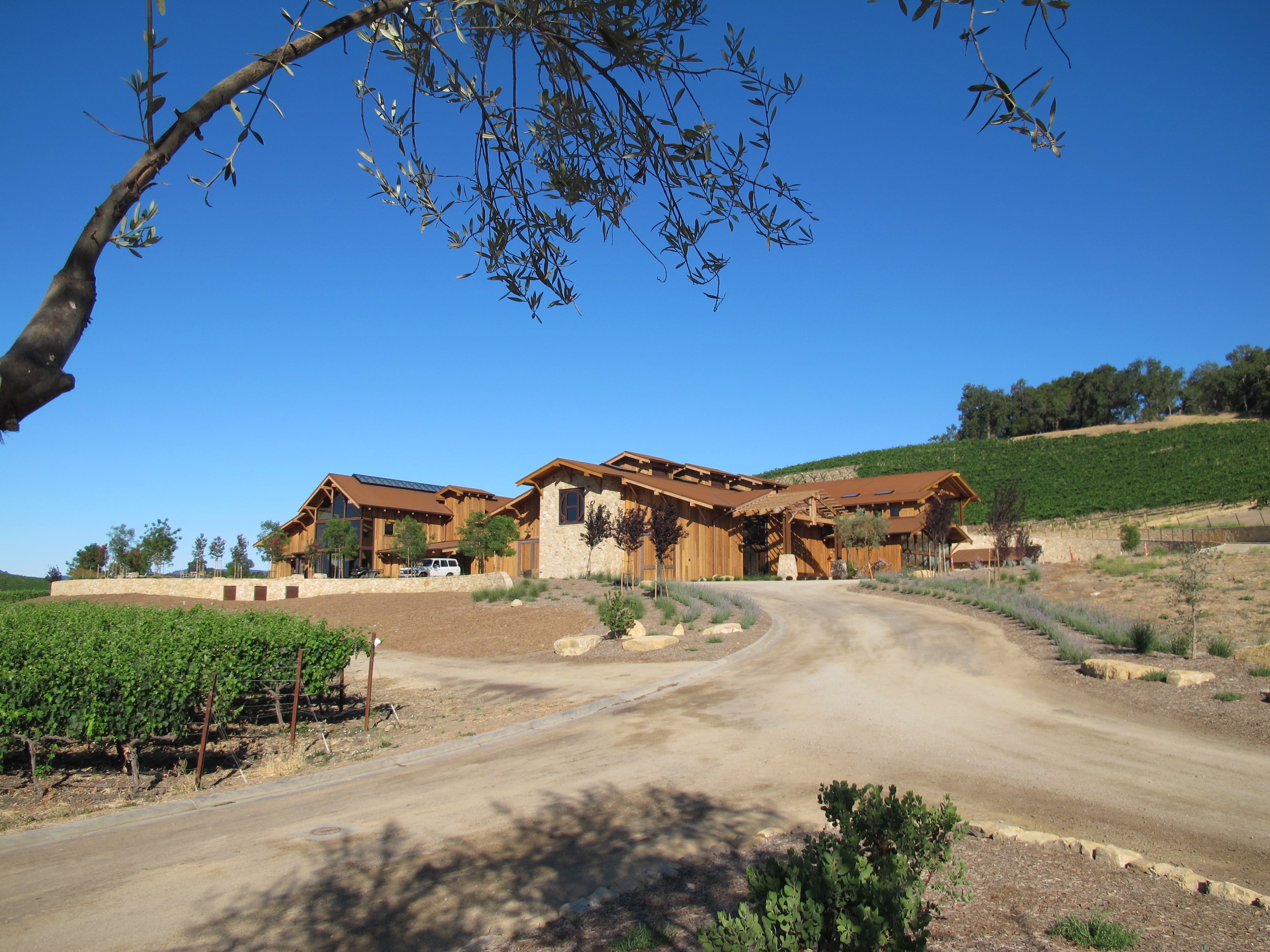
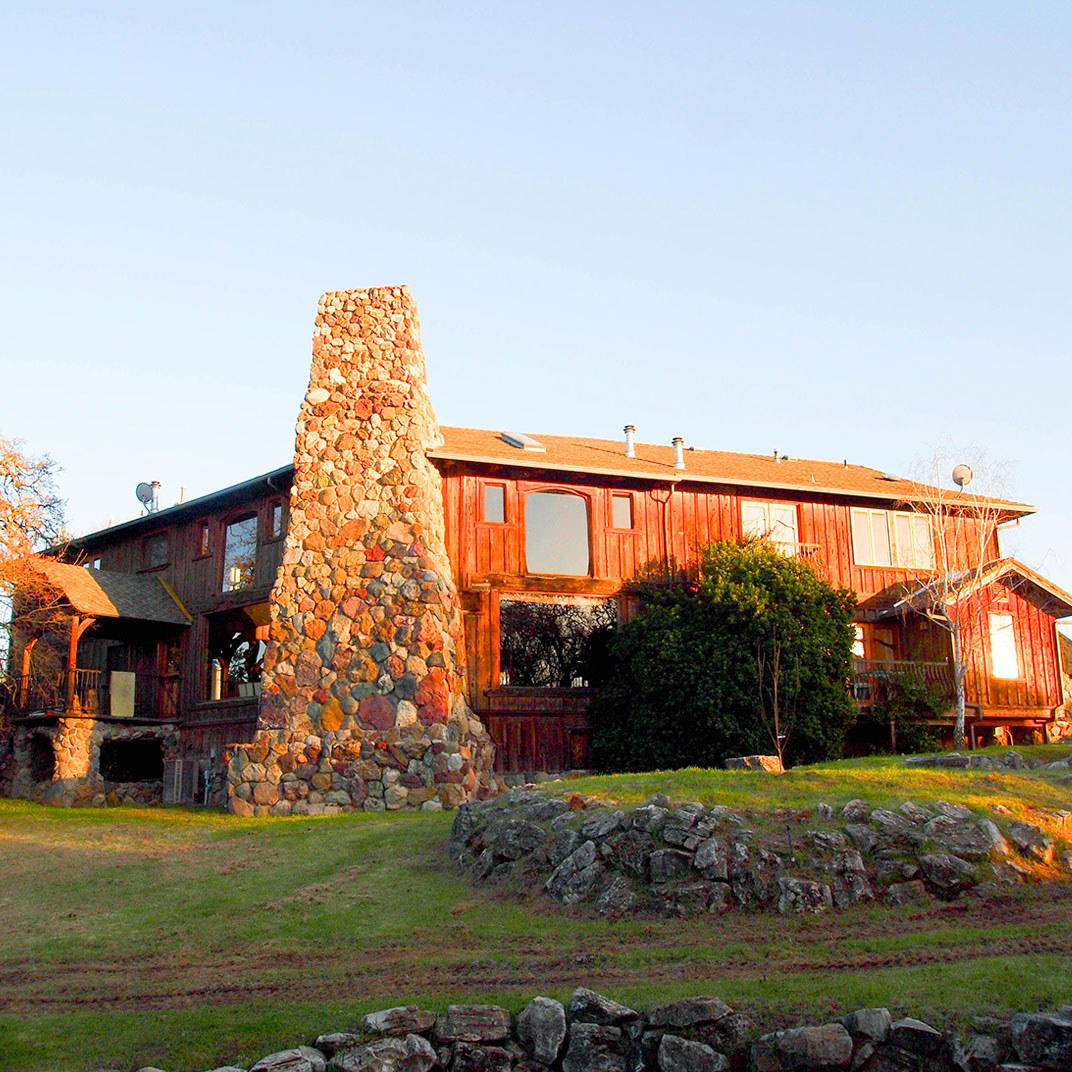
Beautiful Spanish Colonial-style tasting room with neutral tones, outdoor patio seating amid manicured grounds, and a relaxing, upscale atmosphere enhanced by dramatic vistas.