Halter Ranch Vineyard
Halter Ranch Vineyard operates from a historic Adelaida Road property with a first vintage dating to 2002, placing it among the earlier entrants in Paso Robles' western-side premium tier. The address at 8910 Adelaida Rd puts it deep in the calcareous-soil corridor that defines Paso's highest-ambition farming.
Pearl is the En Primeur Club membership app — saves, bookings, and concierge access live there. Same editors, same standards.
- Address
- 8910 Adelaida Rd, Paso Robles, CA 93446
- Phone
- +1 805-226-9455
- Website
- halterranch.com
- Directions
- Get directions
 Saves & bookings on Pearl
Adelaida Road and the Westside Wager
The drive up Adelaida Road tells you something before you reach any gate. The road climbs and narrows, the oak woodland thickens, and the temperature drops a few degrees relative to Paso Robles' downtown floor. This is the calcareous-soil corridor of Paso's Westside, where a cluster of producers has spent the better part of two decades arguing, through their wines, that the region belongs in a different conversation than the broad Central Coast appellation suggests. Halter Ranch Vineyard sits on this road, at 8910 Adelaida Rd, part of a cohort that includes Adelaida Vineyards and, further along the western hills, producers whose elevation and marine-influenced cooling separate them decisively from Paso's hotter eastern benchland.
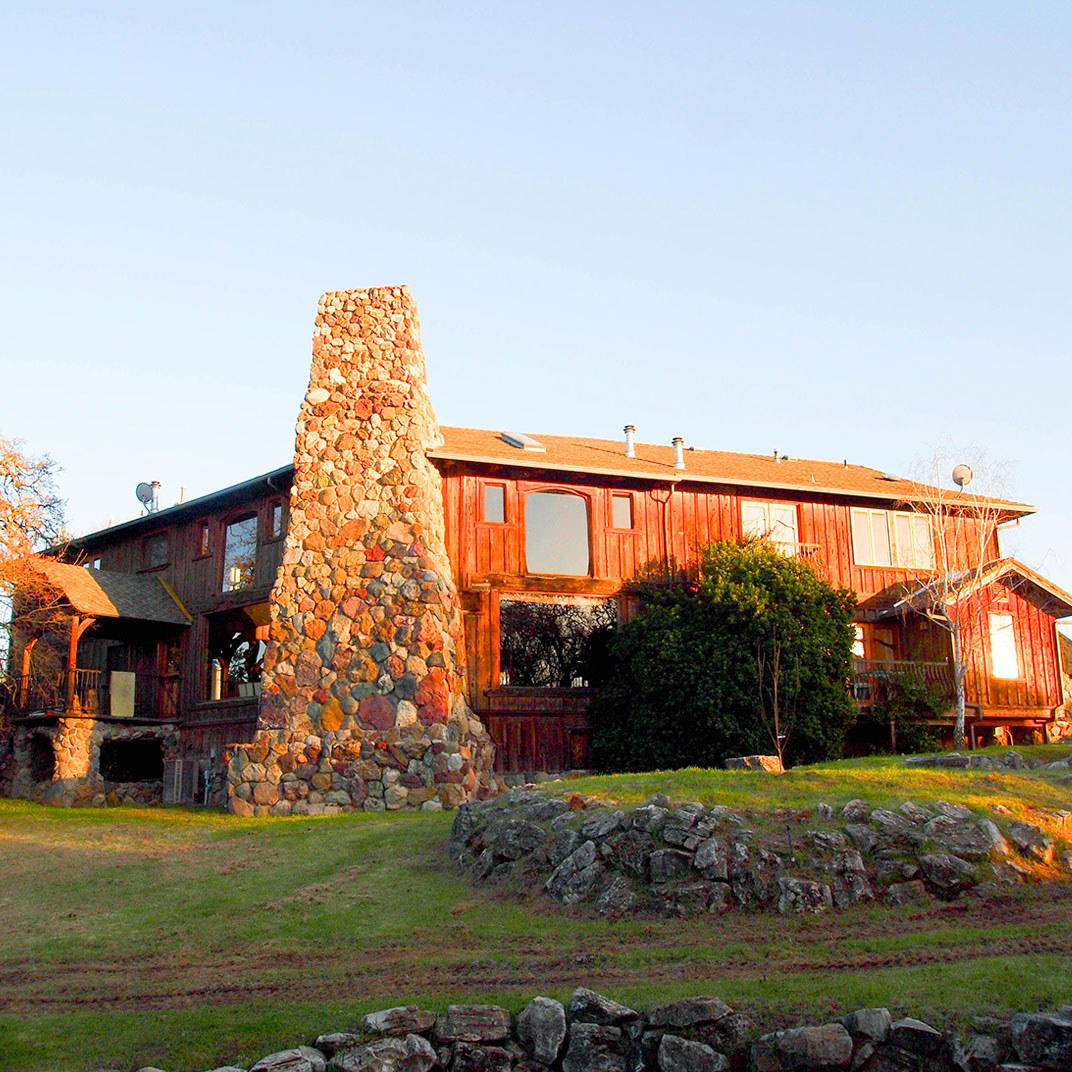
The physical property carries more history than the wine program itself. The estate's agricultural roots predate the modern winery, and arriving at the tasting room you encounter a scale of landholding that is uncommon among Paso's newer boutique operations. That scale matters for a specific reason: farming continuity across a large, varied block allows a winemaker to work with differentiated parcels rather than sourcing across multiple outside contracts. It is an advantage that shapes the kind of wine program Kevin Sass can build.
Kevin Sass and the Discipline of Place
Winemaking philosophy at Paso Robles' Westside estates has generally sorted into two camps: those chasing density and extraction to compete on the international showmanship circuit, and those pursuing site-expressiveness, restraint, and a longer-arc approachability. The distinction is consequential. Paso's climate, even on the cooler Westside, allows grape sugars to accumulate rapidly, which means the winemaker's intervention philosophy determines whether a wine reads as regional terroir or as a category of its own making.
Kevin Sass occupies the second camp. His approach at Halter Ranch is oriented toward the property's specific conditions rather than toward a stylistic ideal imposed on the fruit. In a region where producers like DAOU Vineyards have built international recognition on a high-extraction, high-allocation model, and where Herman Story Wines pursues an expressive, single-vineyard minimalist program, Sass's position represents a middle register: structured and ambitious, but grounded in what the Adelaida district's soils and elevation actually produce.
Halter Ranch's estate program dates to 2002, giving it more than two decades of harvests on its own blocks. That timeline matters more than it might seem. In Paso Robles, where rapid growth has brought many producers to market without the backing of estate-farmed fruit or long vintage records, a winery with twenty-plus harvests of data on its own blocks occupies a different credibility tier. The 2002 start date places Halter Ranch among Paso's establishment producers, not its recent wave, and Sass has had sufficient seasons to understand how the property's microclimates behave across warm, cool, and erratic vintages.
To understand what that positioning means, it helps to map the competitive field. Paso's Westside has a relatively compact group of estates that consistently draw serious wine attention: Adelaida Vineyards, DAOU Vineyards, and a handful of others whose combination of estate farming, track record, and critical reception separates them from the larger, more production-volume operations closer to Highway 46.
Accendo Cellars in St. Helena and Alpha Omega Winery in Rutherford represent Napa parallels in this tier, while Alban Vineyards in Arroyo Grande sits as a Southern California analog in the estate-Rhône space. Halter Ranch's rating positions it within that broader California prestige cohort, not merely as a Paso regional standout.
Paso Robles' Western Corridor: What the Appellation Is Becoming
Paso Robles earned its own AVA in 1983, but the internal differentiation that now shapes serious producer decisions came later, with the 2014 creation of eleven sub-appellations including the Adelaida District. The regulatory recognition of what farmers and winemakers already knew, that the Westside's limestone-rich soils, marine fog, and afternoon winds from the Templeton Gap produce structurally different fruit than the eastern alluvial flats, gave estates like Halter Ranch a geographical identity to work with.
This matters for the wine program in concrete terms. Calcareous soils tend to moderate vine vigor, concentrate root systems, and produce wines with higher natural acidity relative to their sugar accumulation. For Rhône varieties and Bordeaux blends, the combination of Westside elevation, thermal variation, and soil drainage creates a ripening pattern that allows structural complexity without the over-extraction that warmer-climate growing often necessitates. The producers who have built their reputations on this geography, from Adelaida Vineyards to newer entrants, share a recognizable wine signature even across different varietal emphases.
Outside Paso Robles, similar estate-and-place ambitions are playing out at Andrew Murray Vineyards in Los Olivos with Rhône-focused farming, and at Adelsheim Vineyard in Newberg in Oregon's Willamette Valley. The common thread is a winemaker committed to site over style, building wines that require time in bottle to resolve rather than delivering immediate impact at the tasting counter.
Planning a Visit
Halter Ranch sits at 8910 Adelaida Rd, which means visitors should plan for a dedicated drive rather than a casual stop between downtown Paso Robles tasting rooms. The western appellation estates are spaced across hilly terrain that rewards a focused half-day or full-day itinerary. Combining Halter Ranch with nearby producers like Adelaida Vineyards or the broader Westside circuit makes geographic sense; the eastern-side producers such as Bianchi Winery and J. Lohr Vineyards and Wines represent a different day's itinerary, given the distance and the stylistic contrast between the two sides of the appellation.
The Short List
Comparable venues nearby, for context on price, style, and recognition.
| Venue | Cuisine | Price | Notes |
|---|---|---|---|
| Halter Ranch VineyardThis venue — the venue you are viewing | Not listed | $$$ | Not listed |
| Brecon Estate | Not listed | $$$ | Adelaida District, Cabernet Sauvignon, Cabernet Franc |
| L'Aventure Winery | Not listed | $$$ | Paso Robles Willow Creek District, Syrah, Grenache |
| Hope Family Wines | Not listed | $$$ | Paso Robles, Cabernet Sauvignon, Grenache |
| Herman Story Wines | Downtown Paso Robles, Syrah, Grenache | $$$ | Not listed |
| Sextant Wines | Not listed | $$$ | El Pomar District, Cabernet Sauvignon, Grenache |
Continue exploring
More in Paso Robles
Wineries in Paso Robles
Browse all →
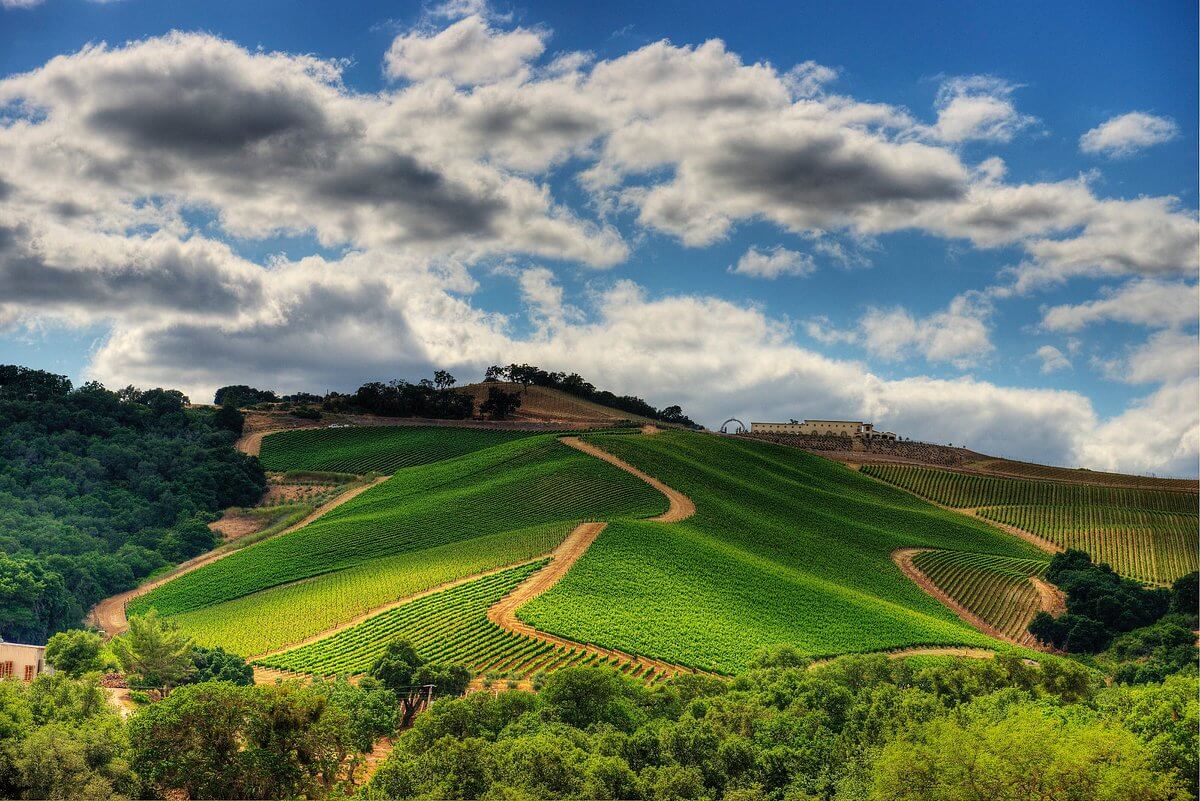
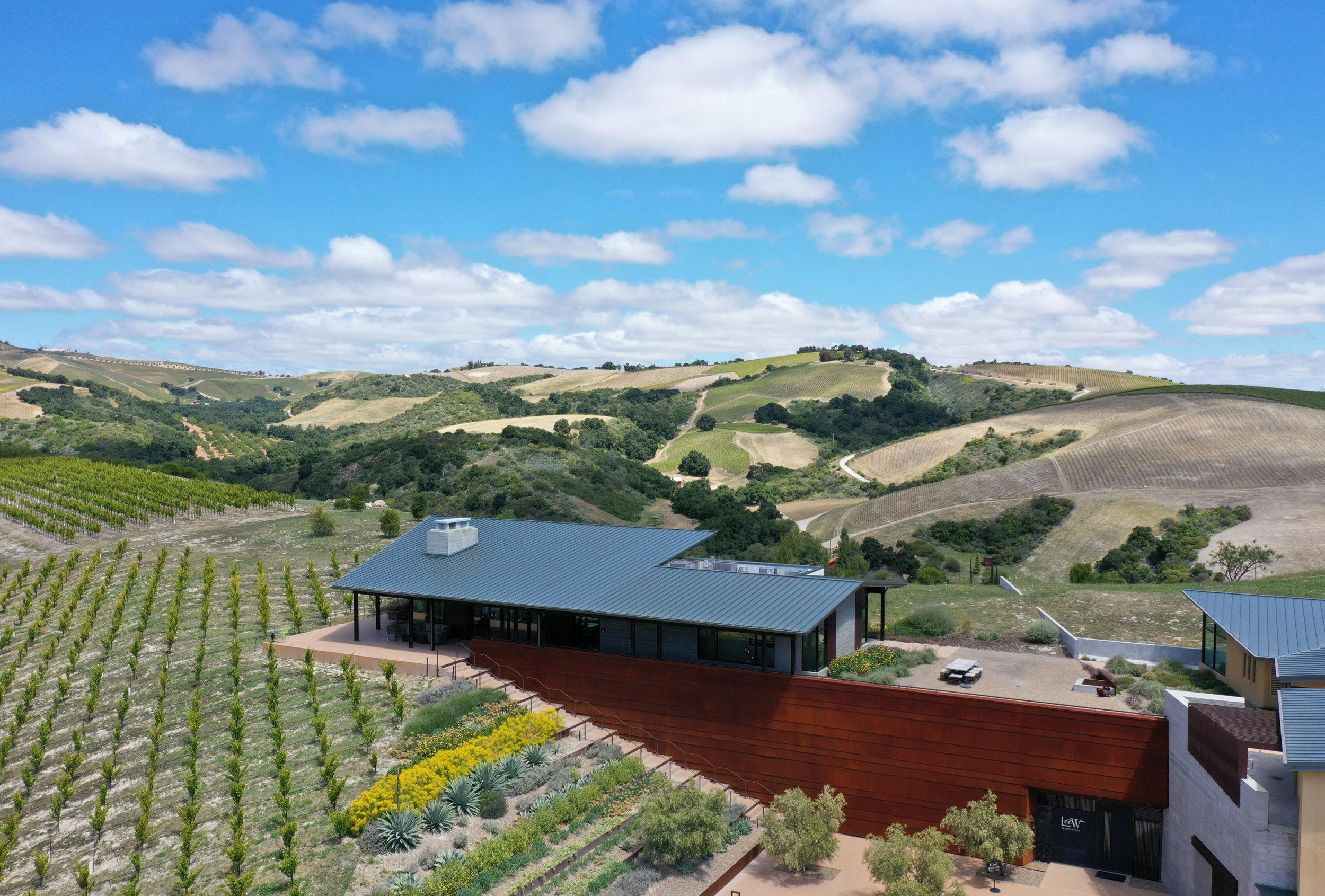
Bars in Paso Robles
Browse all →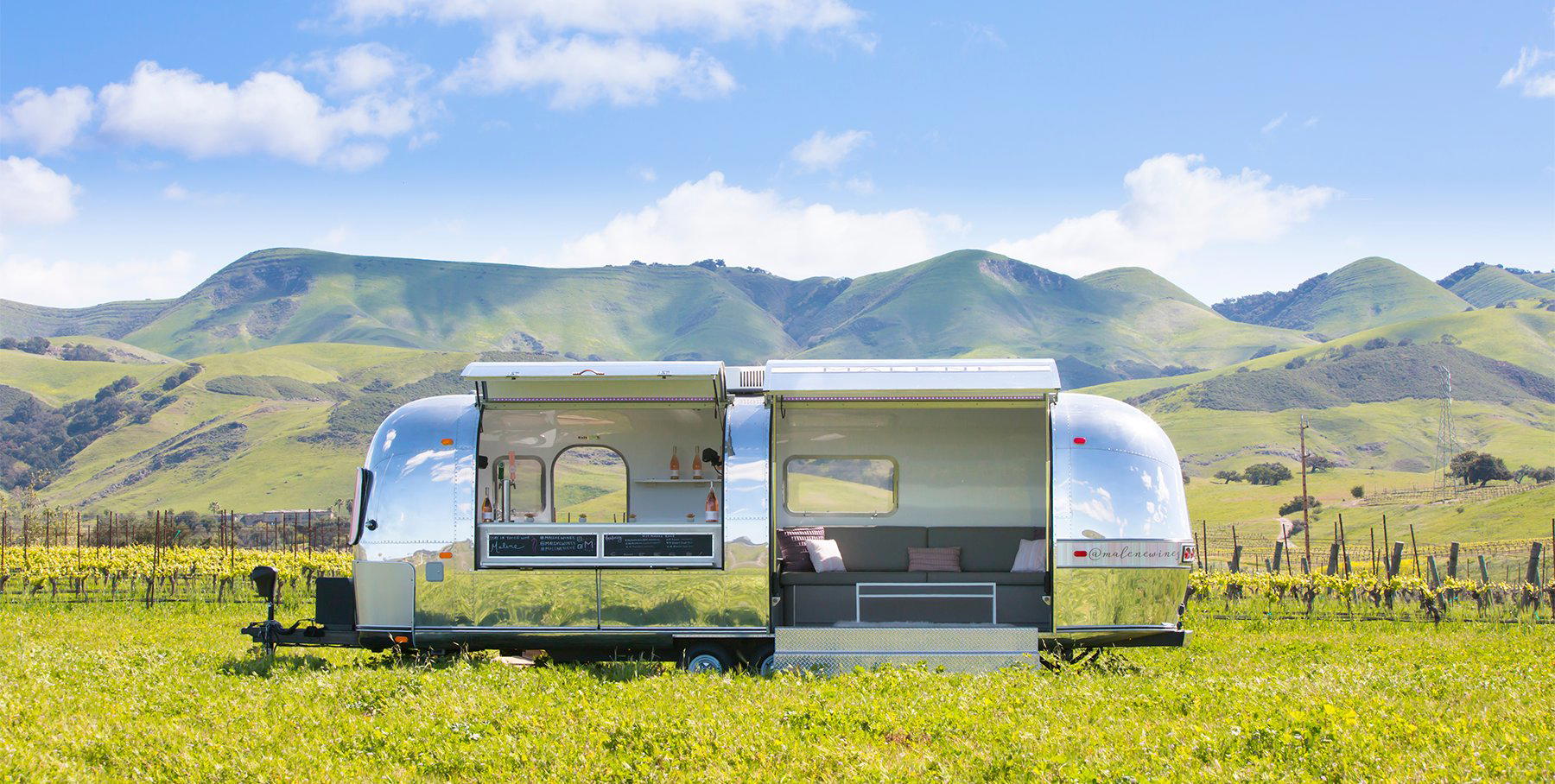
Restaurants in Paso Robles
Browse all →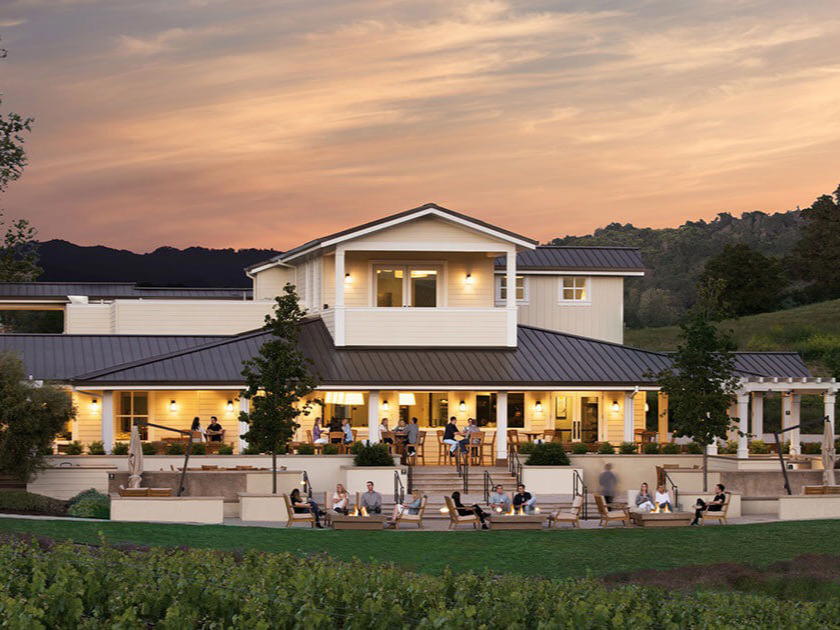
At a Glance
- Scenic
- Elegant
- Rustic
- Romantic
- Romantic Getaway
- Group Outing
- Wine Education
- Special Occasion
- Cave Tasting
- Vineyard Tour
- Estate Grounds
- Garden
- Panoramic View
- Private Tasting
- Organic
- Sustainable
- Vineyard
- Mountain
- Garden
- Adelaida District, Paso Robles
- Cabernet Sauvignon
- Syrah
- Grenache
- Merlot
- Petit Verdot
- Malbec
- Viognier
- Grenache Blanc
- Picpoul Blanc
- Tempranillo
- Tannat
- Carignan
- Vermentino
- Still Red
- Still White
- Still Rosé
- Sparkling
- Estate Flight
- Silver Label Flight
- Cave Tour
- Guided Expedition
Relaxed and comfortable with natural surroundings; guests describe a non-pretentious atmosphere enhanced by live music and scenic vistas of the Santa Lucia Mountains.