
Falstaff Winery - Listed
Copa Wines belongs to the quieter Chilean current that treats terroir as the argument, not hospitality theatre. From Coquimbo, the label points south to Itata for Torontel, País and Cinsault, using minimal-intervention methods and small-scale production to foreground heritage varieties, texture and regional identity.

Coquimbo’s wine story is not only about polished cellar-door experiences. Copa Wines fits a smaller, production-led lane: a Chilean winery project focused on terroir-driven, minimal-intervention wines, presented in a direct, artisanal style rather than as a highly polished tourist destination.
A small-scale Coquimbo wine project
Copa Wines is best understood as a small-scale Chilean winery project in Coquimbo. The picture is intentionally simple: the emphasis is on terroir, minimal intervention, and an artisanal presentation.
Minimal-intervention craft without cellar-door theatre
The strongest confirmed positioning is philosophical rather than technical. Copa Wines is associated with terroir-driven, minimal-intervention winemaking, but public details do not establish a specific cellar process, bottle list, release schedule, or visitor program. That makes the project more relevant for readers interested in small Chilean wine production than for travelers looking for a polished, amenity-heavy wine-tourism experience.
Where it sits for a Coquimbo wine reader
For a Coquimbo wine reader, Copa Wines stands out as a small, artisanal project rather than a broad tourist estate. It suits drinkers who are interested in Chilean wines shaped by place and a lighter-touch production philosophy. For broader trip planning, compare it with other dining and drinking options in Coquimbo generically, while keeping expectations focused on the wine project itself rather than on confirmed restaurant, bar, hotel, or visitor-estate services.
Frequently asked questions
What's the atmosphere like at Copa Wines?
Copa Wines in Coquimbo has the feel of a small production project rather than a polished visitor estate. The focus is on terroir-driven, minimal-intervention wines, with a straightforward, artisanal presentation.
What's Copa Wines's location?
Copa Wines is in Coquimbo.
Why do people go to Copa Wines?
People look to Copa Wines for a small-scale Chilean winery project focused on terroir-driven, minimal-intervention wines. It is best framed as an artisanal producer rather than a polished tourist destination.
How hard is it to get in to Copa Wines?
Treat Copa Wines as a small Coquimbo wine project and confirm any access or purchasing details directly before making plans.
What's Copa Wines a strong choice for?
It is a strong choice for drinkers interested in small-scale Chilean wines with a terroir-driven, minimal-intervention focus. The appeal is the straightforward, artisanal positioning rather than a polished hospitality format.
Any planning tips for Copa Wines?
Plan around the fact that Copa Wines is presented as a small-scale, artisanal winery project in Coquimbo, not as a confirmed full-service visitor estate. Confirm any visit, purchase, or availability details directly before relying on them.
Recognition history
Dated appearances from independent guides and award organizations, with the underlying list record or original source where available.
Falstaff Winery - Listed
Falstaff
Request a visit to Copa Wines
Tell us when you would like to go and how many people, and we put the request to the estate and reply to you by email.
Continue exploring
More in Coquimbo
Wineries in Coquimbo
All wineries in Coquimbo →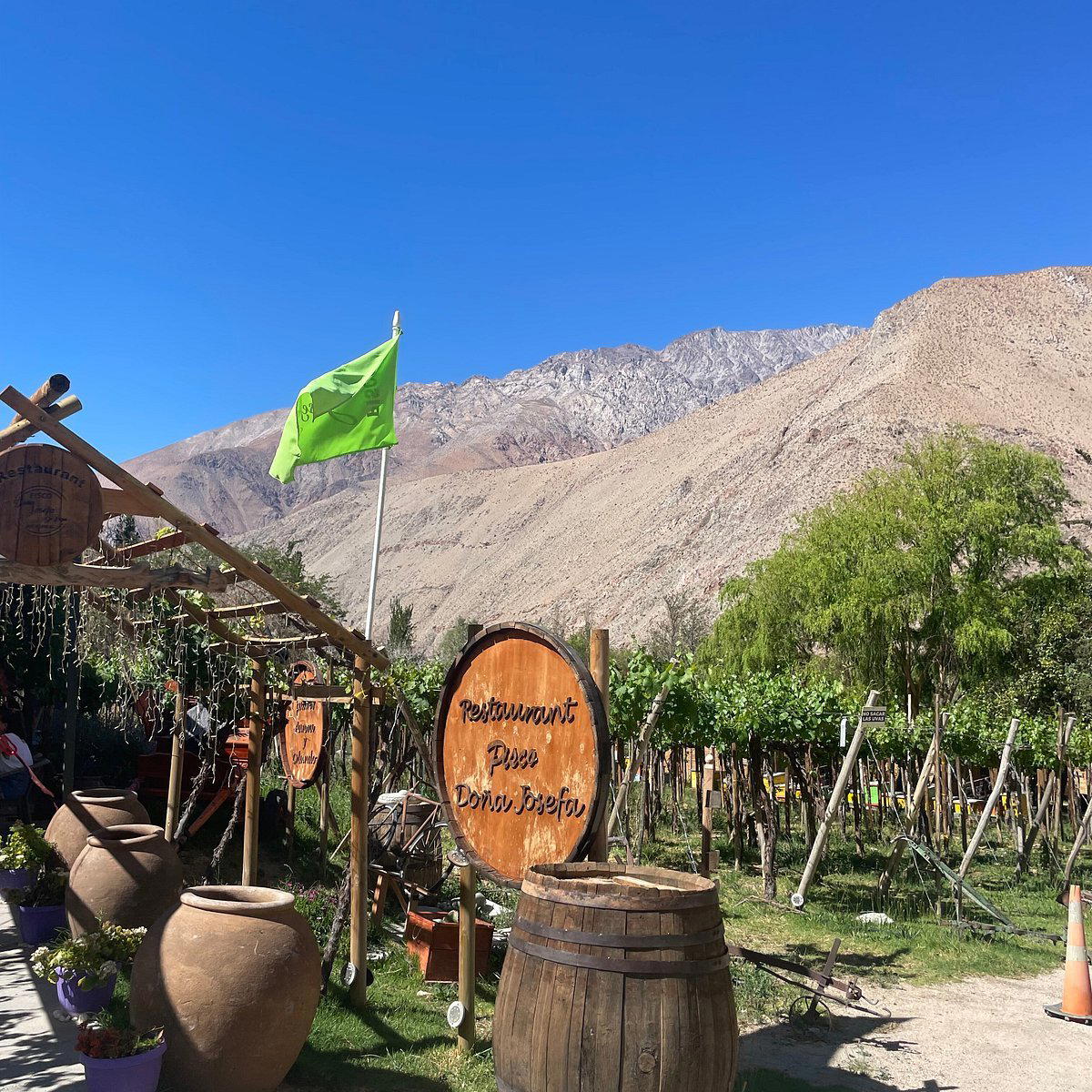
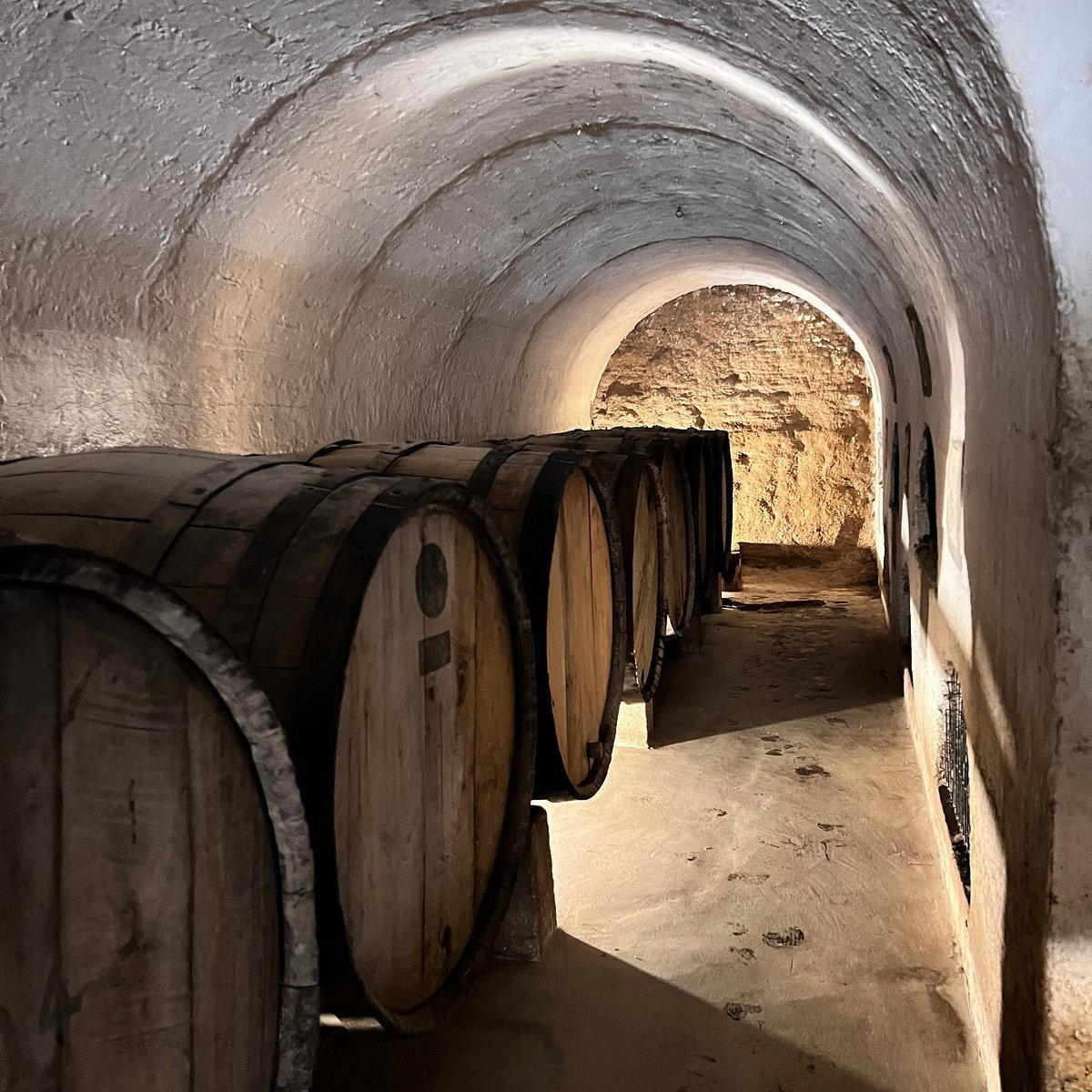
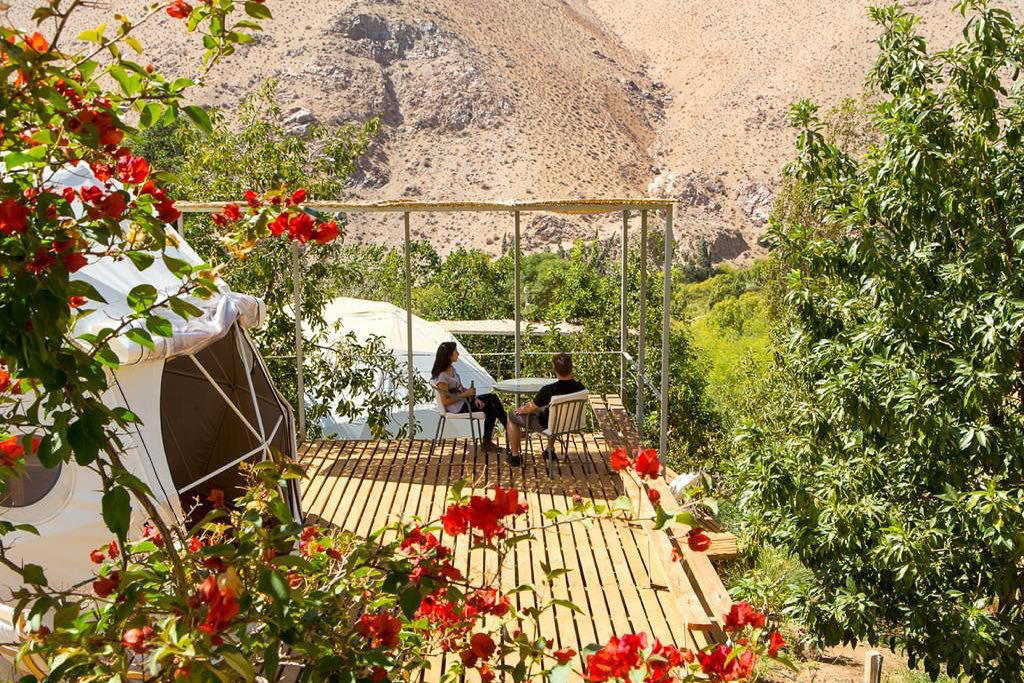
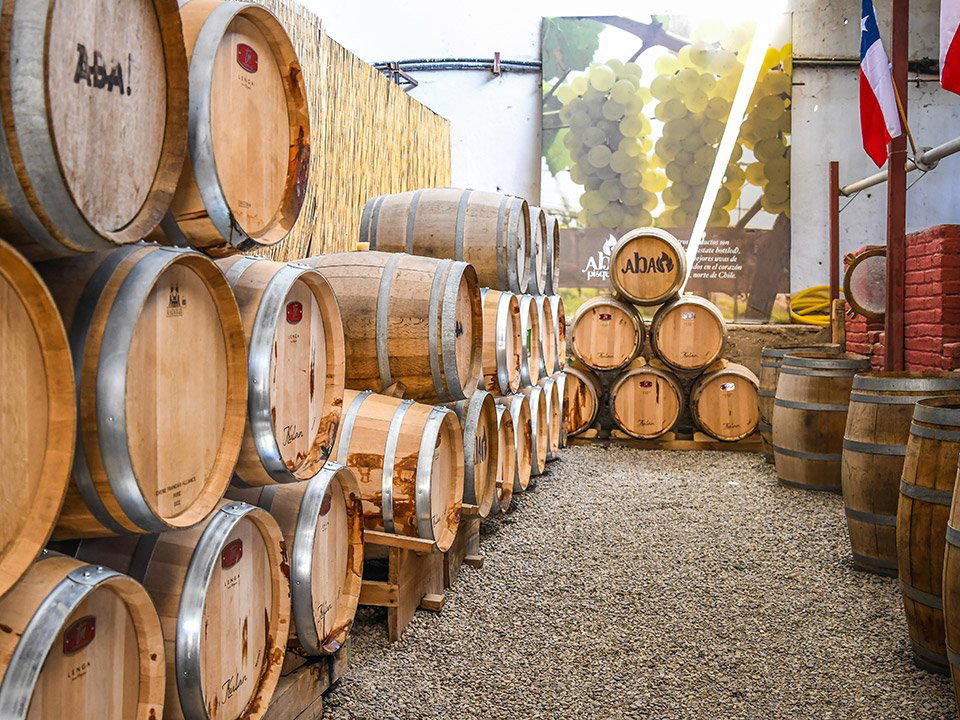
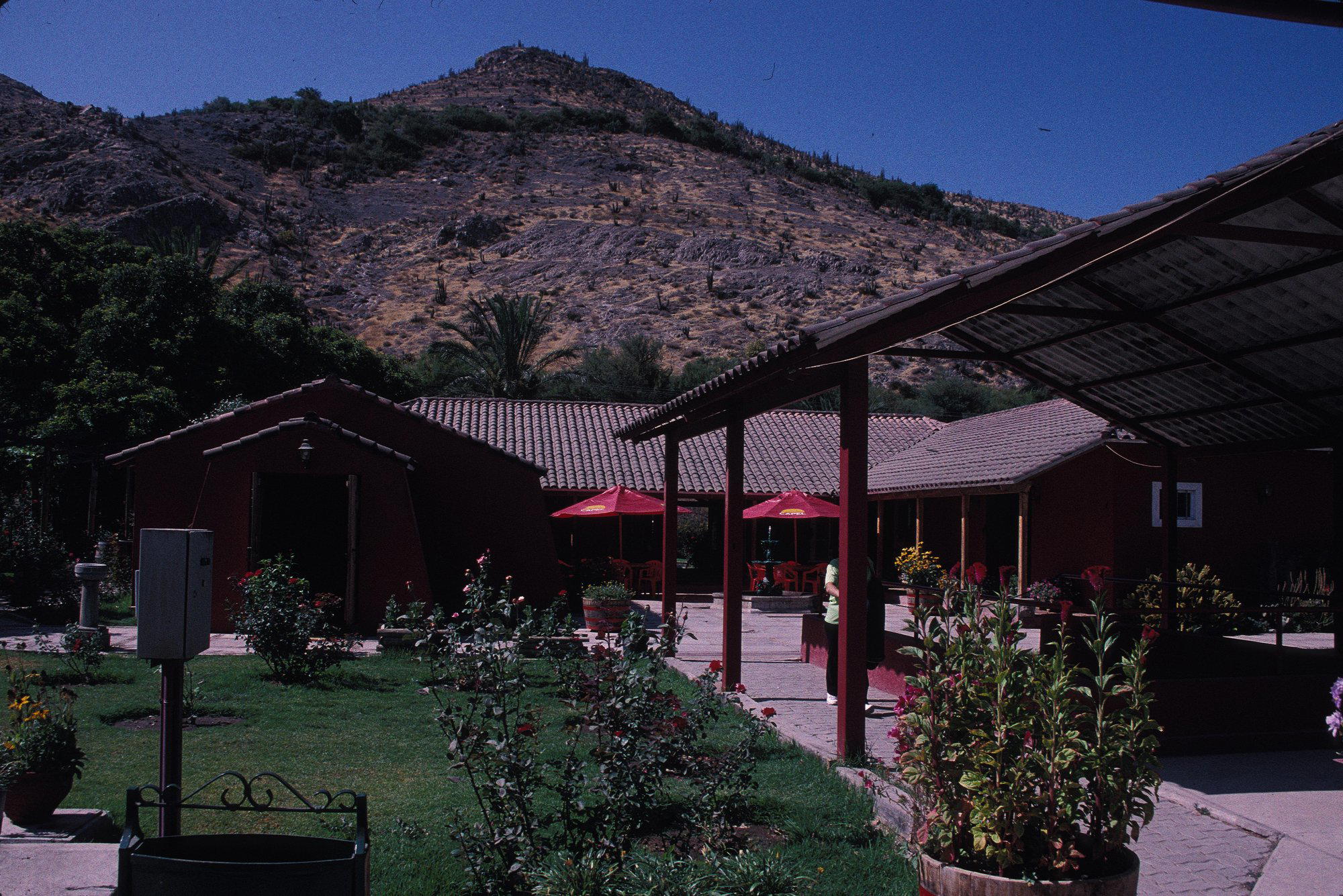
Restaurants in Coquimbo
Browse all →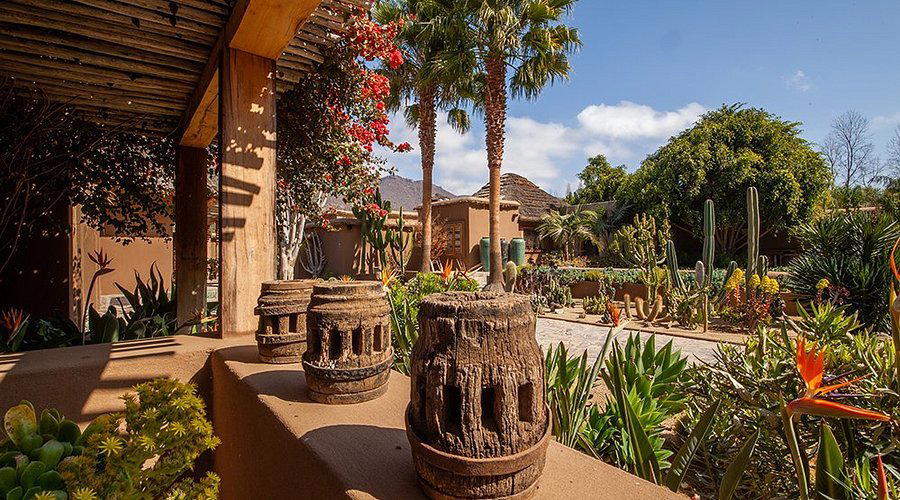
Hotels in Coquimbo
Browse all →
Details
- Sustainable
- Still Red
- Still White
Current opening hours
- Monday
- 9 AM–7 PM
- Tuesday
- 9 AM–7 PM
- Wednesday
- 9 AM–7:30 PM
- Thursday
- 9 AM–7:30 PM
- Friday
- 9 AM–7:30 PM
- Saturday
- 9 AM–7:30 PM
- Sunday
- 9 AM–7:30 PM
Hours can change for holidays and private events. Hours as of .
Small-scale Chilean winery project focused on terroir-driven, minimal-intervention wines, presented in a direct, artisanal style rather than a polished tourist destination atmosphere.