Vergelegen Wine Estate


World's 50 Best #34 · Falstaff Winery - Listed
Few Cape Winelands estates carry the historical and botanical weight of Vergelegen. The scale and composition of its 17 themed gardens alone warrant the drive from Cape Town.

Pearl is the En Primeur Club membership app — saves, bookings, and concierge access live there. Same editors, same standards.
- Address
- Lourensford Rd, Somerset West, Cape Town, 7130
- Phone
- +27 21 847 2111
- Website
- vergelegen.co.za
- Directions
- Get directions
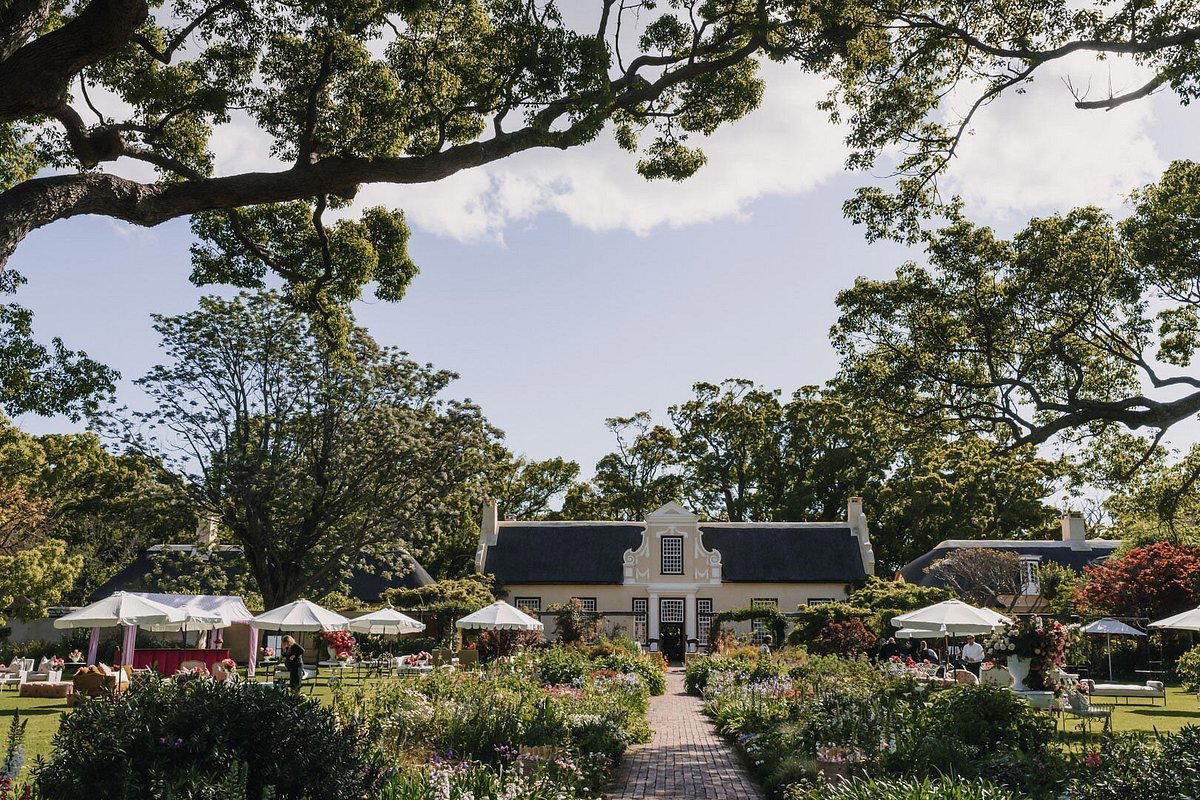
Where History and Terroir Converge
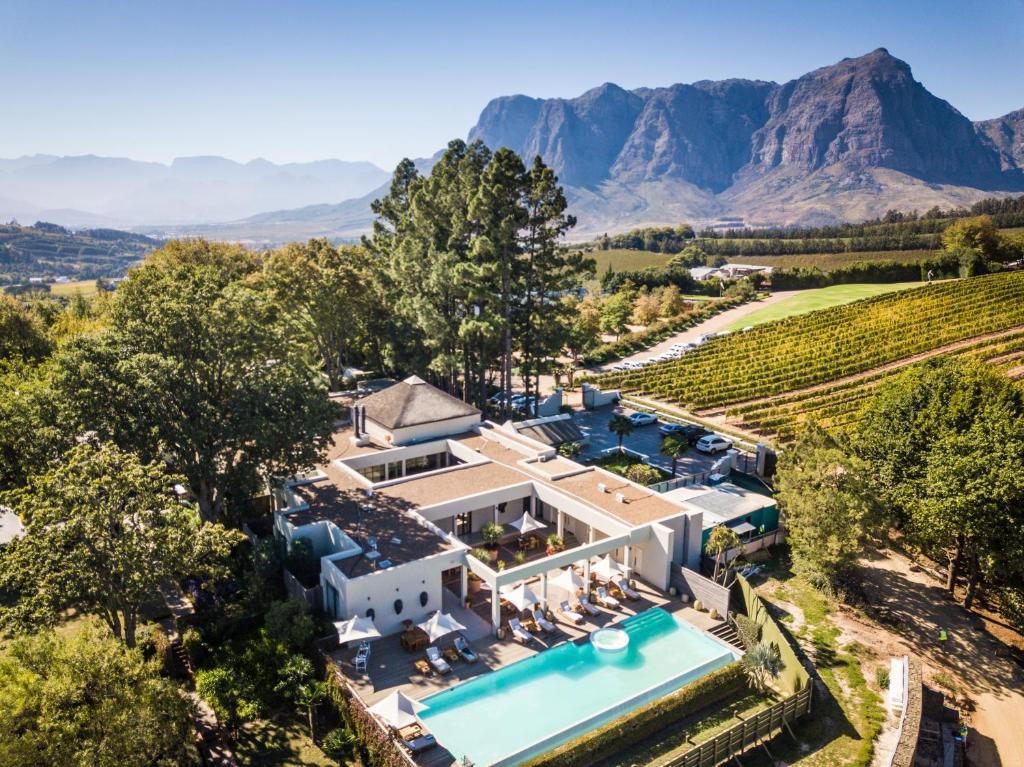
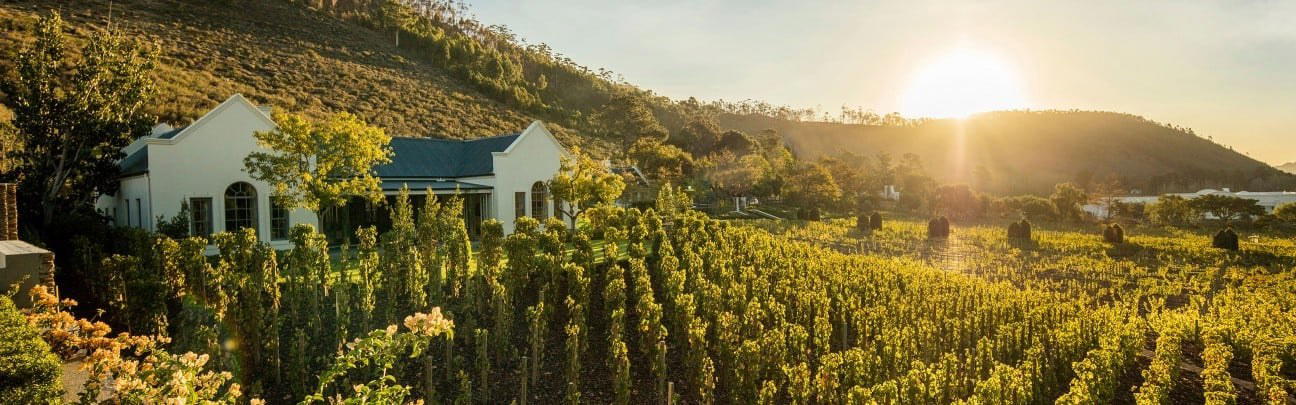
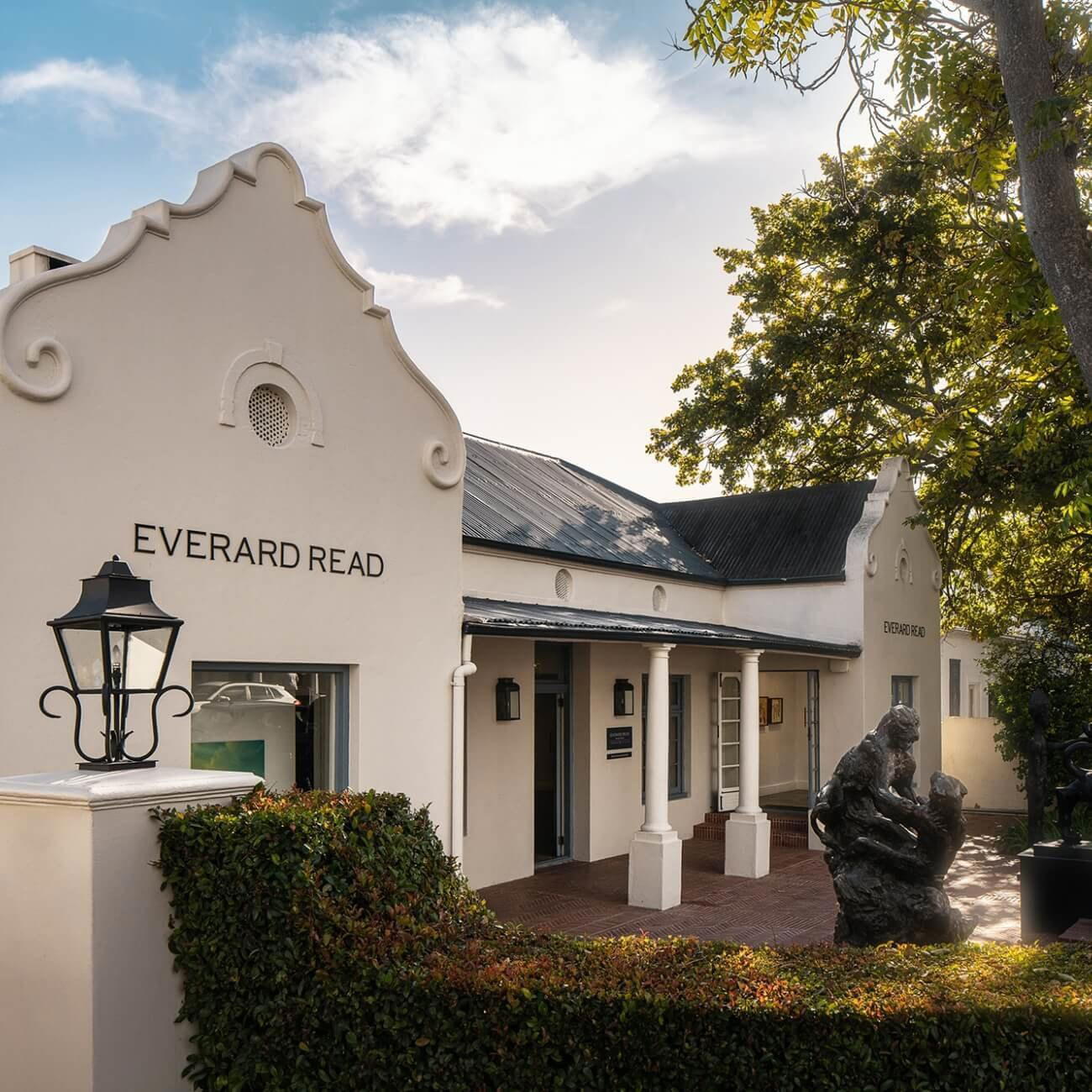
The approach to Vergelegen sets expectations correctly. The long oak-lined avenue, centuries-old camphor trees, and Cape Dutch gables visible before you reach the tasting room signal that this is a different category of wine estate from the newer, design-forward producers that have proliferated across the Helderberg and Stellenbosch valleys. Founded in 1700, Vergelegen is one of the oldest continuously operated wine properties in the Western Cape, and the physical evidence of that history is everywhere: in the restored architecture, in the garden architecture, and in the density of mature planting across its 3,000 hectares.
That founding date matters for understanding Vergelegen's place in the Cape Winelands hierarchy. While estates like Lourensford Wine Estate and Morgenster Estate operate as neighbours in the Somerset West corridor, Vergelegen occupies a distinct tier defined less by wine style than by the totality of the estate experience.
Seventeen Gardens and the Logic of the Landscape
The botanical dimension of Vergelegen is not incidental to the wine visit; it is, for many visitors, the primary reason to make the journey. The estate contains 17 distinct themed gardens, each maintained to a standard that would be demanding for a public botanical institution, let alone a private wine estate. The planting across these gardens reflects sustained horticultural investment over decades, with specimens and groupings that have had sufficient time to reach their full scale and character.
This approach to the landscape distinguishes Vergelegen from the garden-as-backdrop model that many wine estates adopt. At properties like Babylonstoren in Franschhoek, the productive kitchen garden is the central horticultural statement. Vergelegen operates differently: its gardens are thematic and educational as much as aesthetic, arranged around specific plant families, historical periods, or design principles. The result is a property that rewards extended time, not a quick pass through between tasting flights.
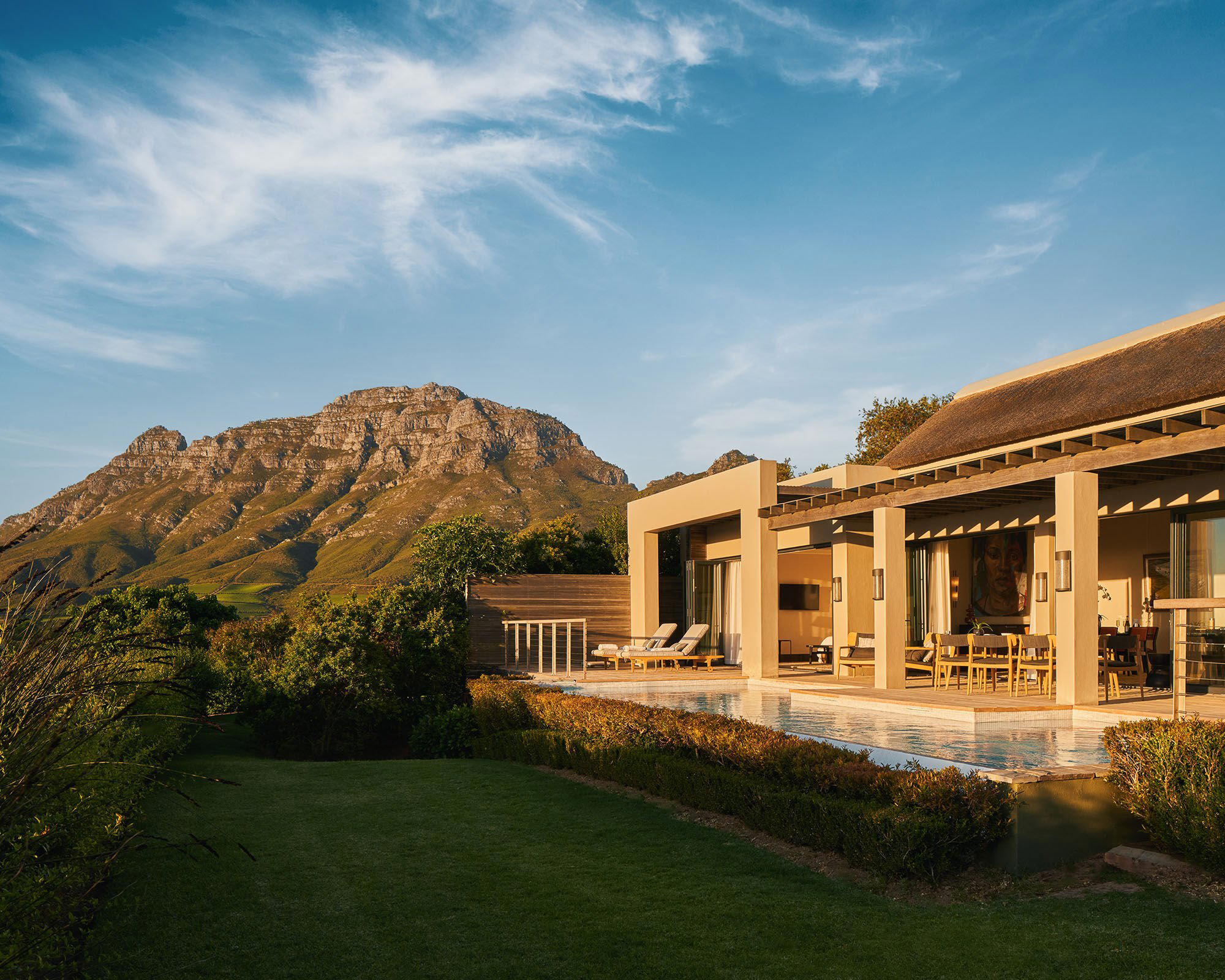
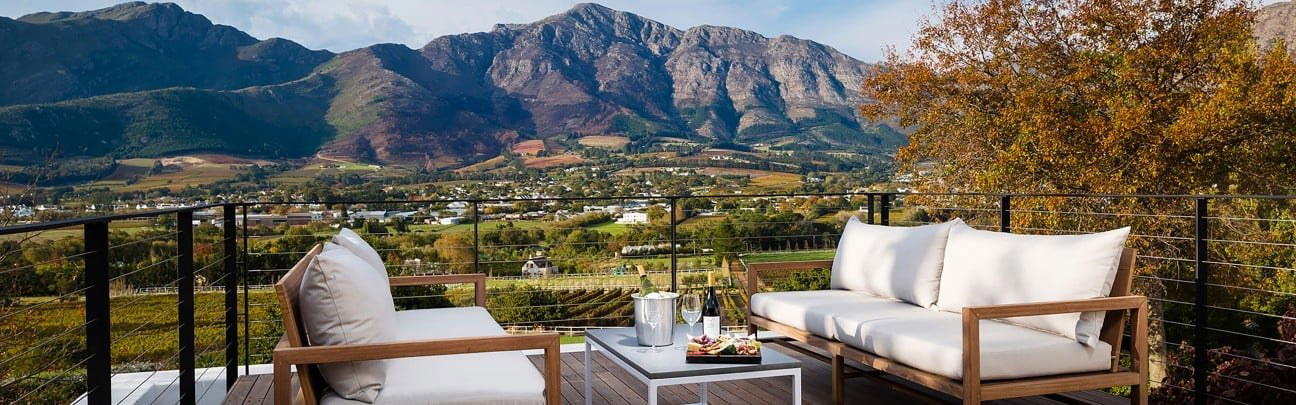
The Helderberg mountains form the backdrop to much of the estate, providing the kind of topographic framing that elevates a wine visit into something closer to landscape engagement. The interplay of formal Cape Dutch architecture, ancient trees, managed garden rooms, and distant mountain ridgelines is compositionally unlike the more open, valley-floor estates that dominate Stellenbosch's tourist circuit.
Vergelegen in the Somerset West Wine Context
Somerset West sits at the northern edge of the Helderberg Basin, a sub-region that benefits from cooling maritime influence off False Bay. The geography matters for understanding wine style: properties here tend to produce Bordeaux varieties with more aromatic precision and longer aging potential than warmer Stellenbosch sites allow. Waterkloof Wine Estate has built an international reputation on this terroir, focusing on biodynamic farming and site expression. Vergelegen draws from the same basin but at a scale and with a heritage footprint that places it in a different competitive conversation.
At 3,000 hectares, Vergelegen is not a boutique producer in the mould of Sadie Family Wines in Swartland or Beaumont Family Wines in Bot River, where small-batch, minimal-intervention winemaking drives the narrative. The estate operates at a scale that allows for tiered production: accessible entry-level wines alongside the reserve and flagship ranges that carry the estate's competitive identity in international markets. This structure is common among the Cape's larger heritage estates and positions Vergelegen similarly to how Constantia's leading properties, such as Constantia Glen, balance volume with prestige-tier releases.
The Estate as a Full-Day Destination
Vergelegen's scope means that a single-hour tasting visit undersells what the property offers. The gardens alone require several hours if approached with any seriousness, and the combination of tasting rooms, restaurant facilities, historical buildings, and walking routes across the wider property is designed to support an extended stay. This model of the wine estate as all-day destination has become increasingly common across the Western Cape, with Val de Vie Estate in Paarl representing one anchor of the lifestyle-estate format, but Vergelegen's execution is grounded in historical substance rather than contemporary amenity.
For visitors arriving from Cape Town, Somerset West sits roughly 50 kilometres east of the city centre along the N2, making Vergelegen a natural inclusion on any Winelands itinerary that also takes in Neethlingshof Estate in Stellenbosch or extends south towards Creation Wines in Hermanus. The drive from Cape Town takes approximately 45 minutes under normal conditions, and the estate's size means it works better as the primary destination for a half-day or full-day visit than as a brief stop between other producers.
Visitors planning to cover the broader Helderberg and Walker Bay circuit might note that Graham Beck Wines in Robertson and Oude Molen Distillery in Grabouw represent different expressions of the region's production depth, and pairing any of these with a morning at Vergelegen constructs a day with genuine range across styles, scales, and terroir types.
For an estate of Vergelegen's age and scale, maintaining that standard across all assessment categories requires the kind of sustained institutional investment that distinguishes heritage estates from newer operations.
For further orientation on the region's wine and dining options, the full Somerset West guide maps the broader landscape. Properties carrying equivalent recognition in other formats, such as Aberlour in the Speyside context or Accendo Cellars in St. Helena within Napa, illustrate how heritage and sustained quality accumulate into a form of institutional credibility that newer estates cannot replicate through investment alone.
Planning a Visit
Vergelegen's address on Lourensford Road in Somerset West places it at the foot of the Helderberg, with clear signage from the main arterial routes. Given the estate's scope, arriving before midday allows sufficient time to cover both the gardens and the tasting facilities without rushing. Hours, booking requirements, and current tasting formats should be confirmed directly with the estate, as these details shift seasonally and with event programming. The estate operates year-round, though the shoulder months of autumn and spring offer the most comfortable garden conditions. Vergelegen functions simultaneously as a wine producer, heritage site, and botanical garden, and planning the visit with all three dimensions in mind produces a materially different experience from treating it as a standard tasting stop.
The Quick Read
Comparable venues nearby, for context on price, style, and recognition.
| Venue | Cuisine | Price | Awards | Notes |
|---|---|---|---|---|
| Vergelegen Wine EstateThis venue — the venue you are viewing | Not listed | $20–30 | World's 50 Best #34 · Falstaff Winery - Listed | Not listed |
| Morgenster Estate | Not listed | Not listed | Falstaff Winery - Listed | Somerset West, Merlot, Cabernet Sauvignon |
| Waterkloof Wine Estate | Somerset West, Chenin Blanc, Chardonnay | $50–100 | Falstaff Winery - Listed | Not listed |
| Lourensford Wine Estate | Somerset West, Chardonnay, Shiraz | $10–20 | Falstaff Winery - Listed | Not listed |
| Tokara Winery | Not listed | Not listed | World's 50 Best #71 · Falstaff Winery - Listed | Helshoogte Pass, Cabernet Sauvignon, Sauvignon Blanc |
| Delaire Graff Estate | Not listed | $200–300 | World's 50 Best #79 · Star Wine List | Helshoogte Pass, Banhoek, Chardonnay, Merlot |
Recognition history
Dated appearances from independent guides and award organizations, with the underlying list record or original source where available.
World's 50 Best Vineyards #34
World's 50 Best
Falstaff Winery - Listed
Falstaff
Continue exploring
More in Somerset West
Wineries in Somerset West
Browse all →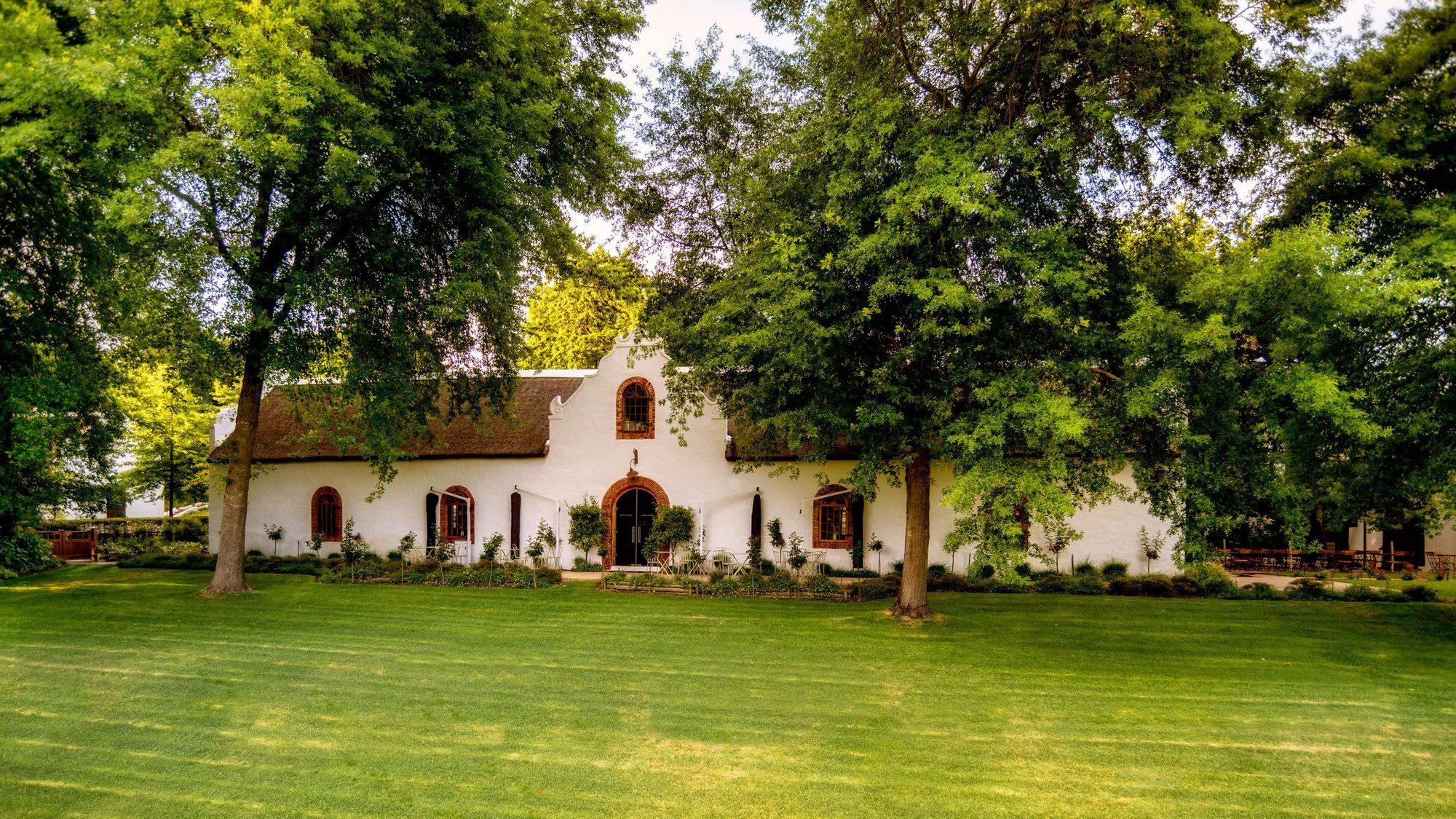
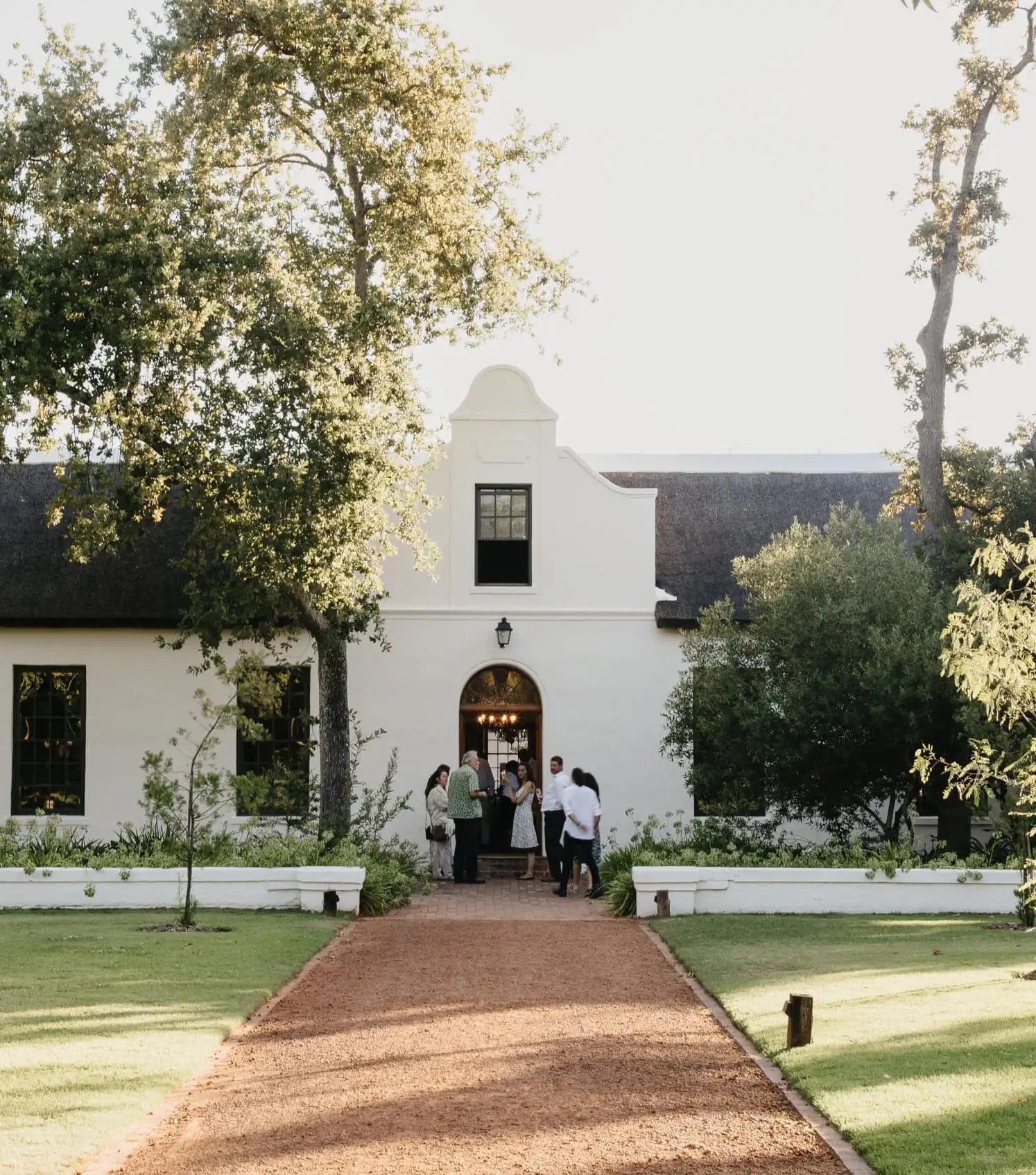
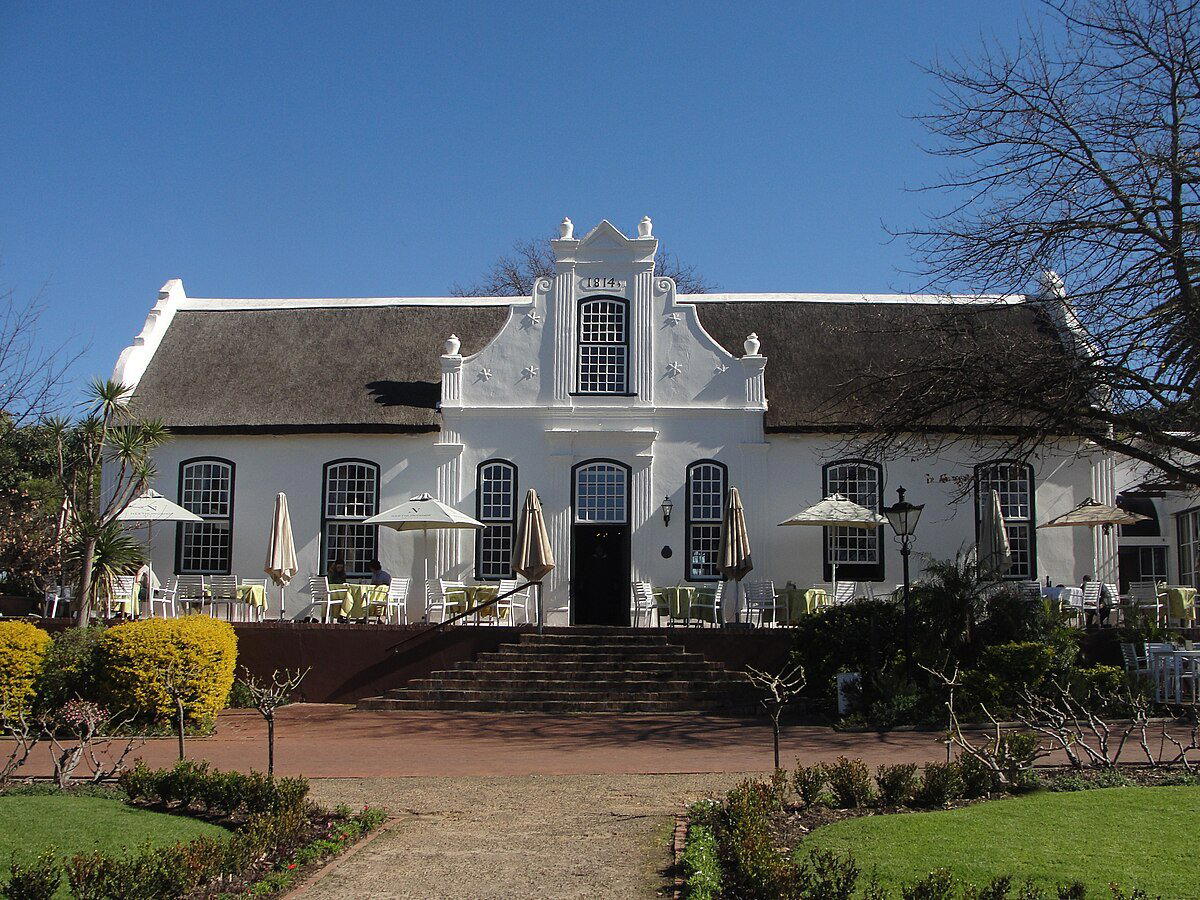
Bars in Somerset West
Browse all →
Restaurants in Somerset West
Browse all →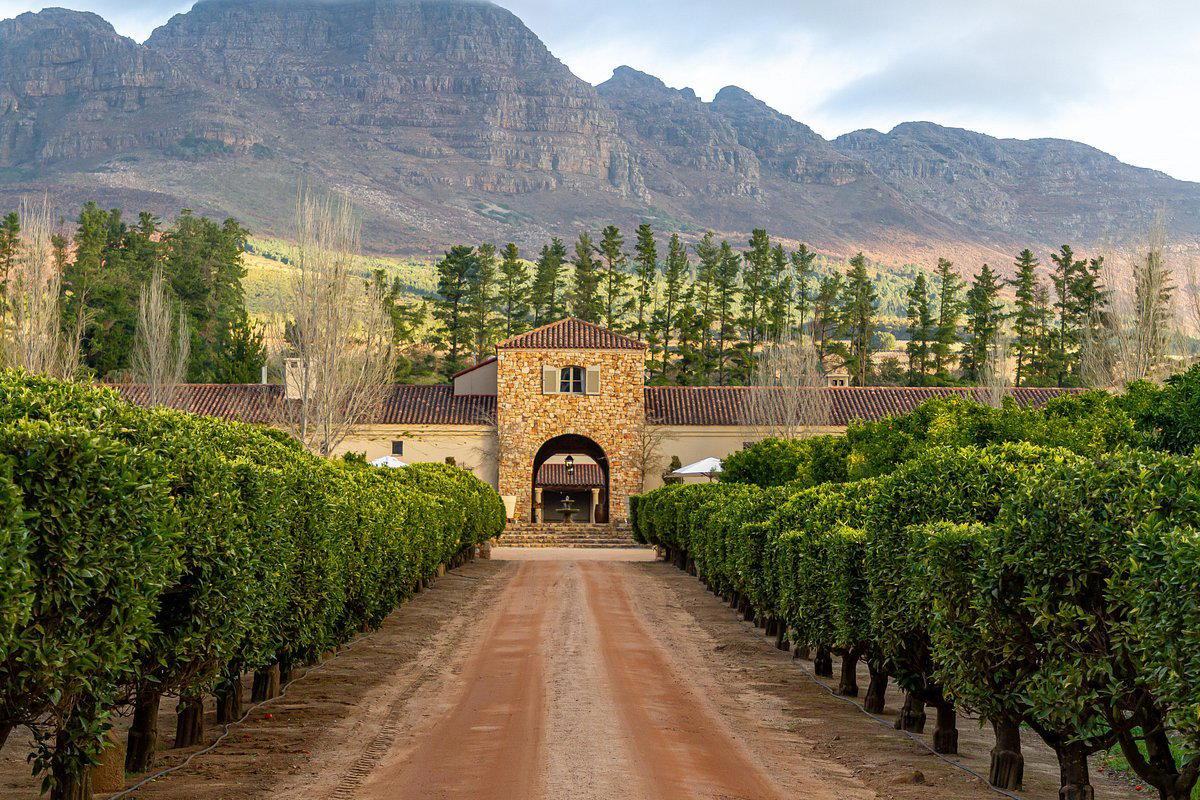
Details
- Scenic
- Elegant
- Classic
- Historic
- Romantic Getaway
- Group Outing
- Celebration
- Special Occasion
- Corporate Event
- Vineyard Tour
- Estate Grounds
- Garden
- Terrace
- Panoramic View
- Historic Building
- Sustainable
- Mountain
- Garden
- Vineyard
- Sauvignon Blanc
- Chardonnay
- Cabernet Sauvignon
- Still Red
- Still White
- Wine Tasting
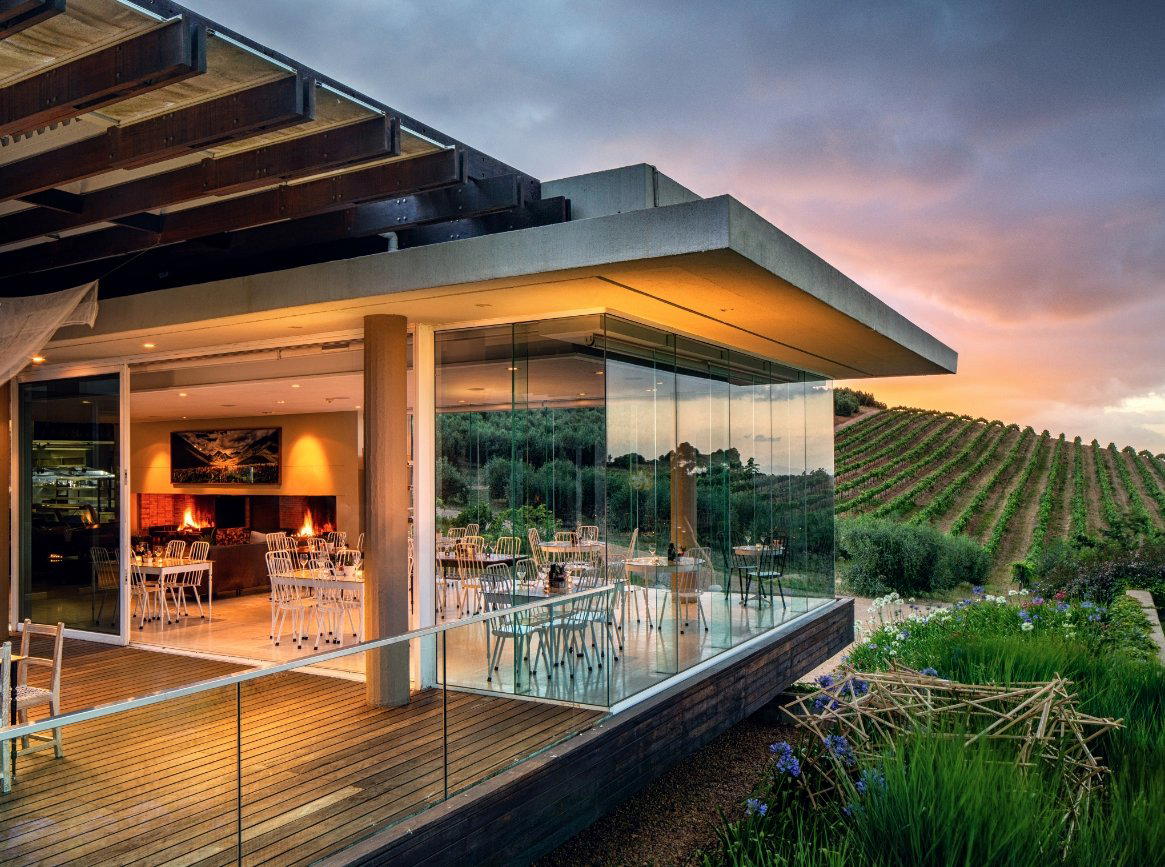
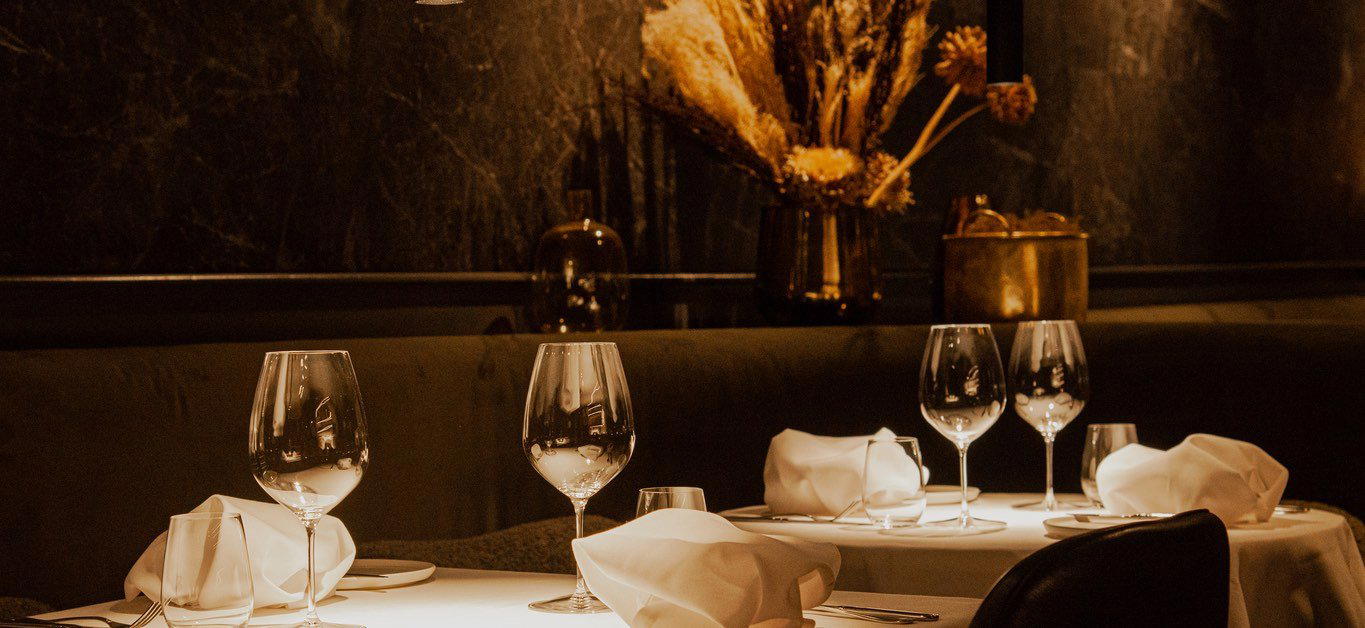
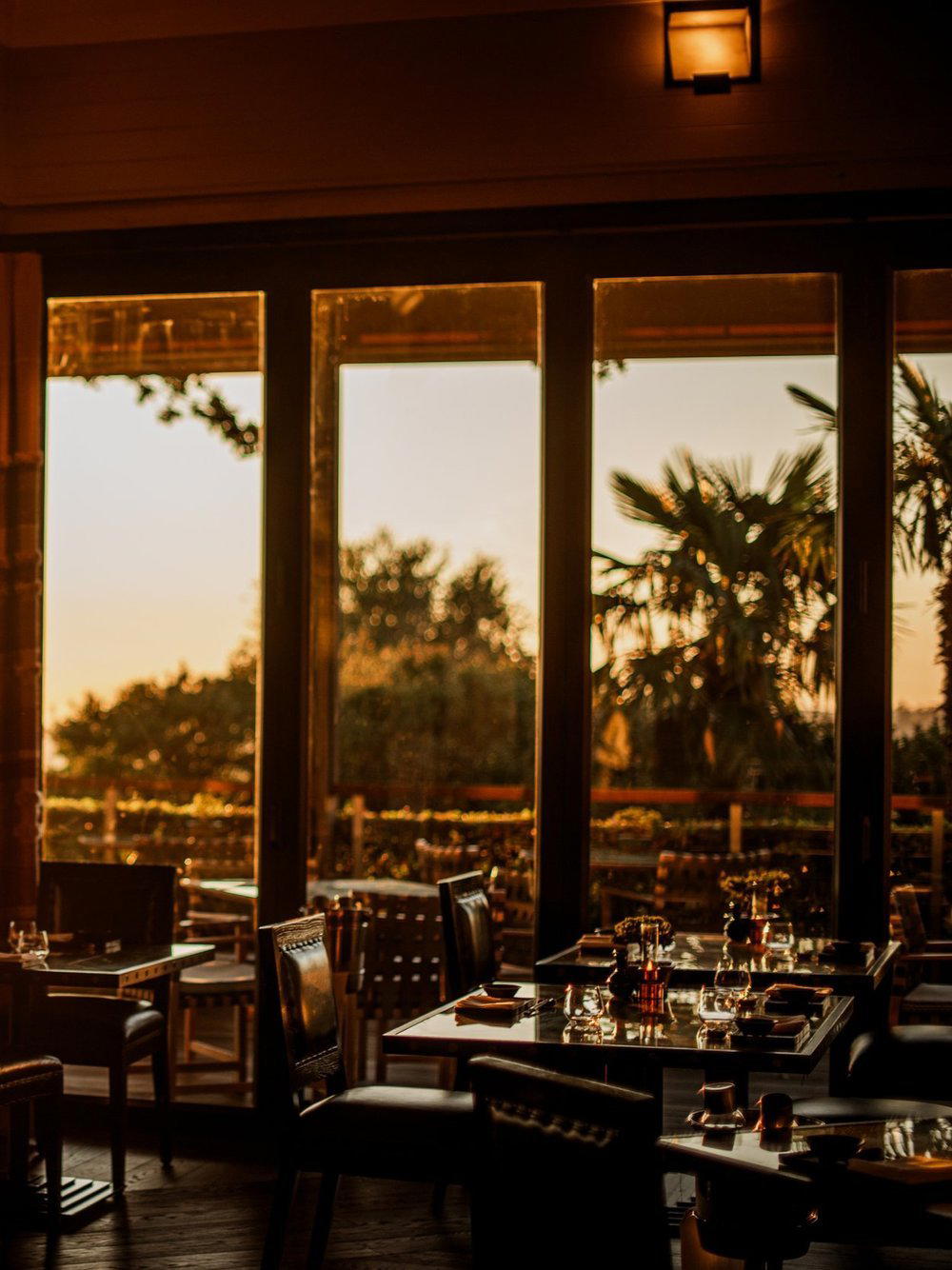
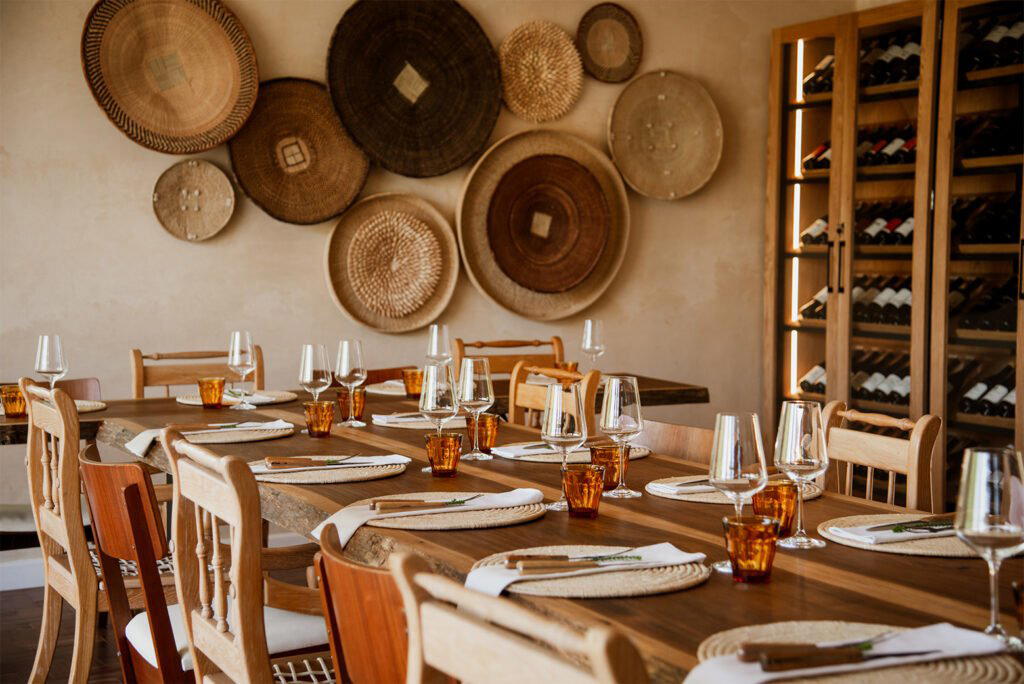
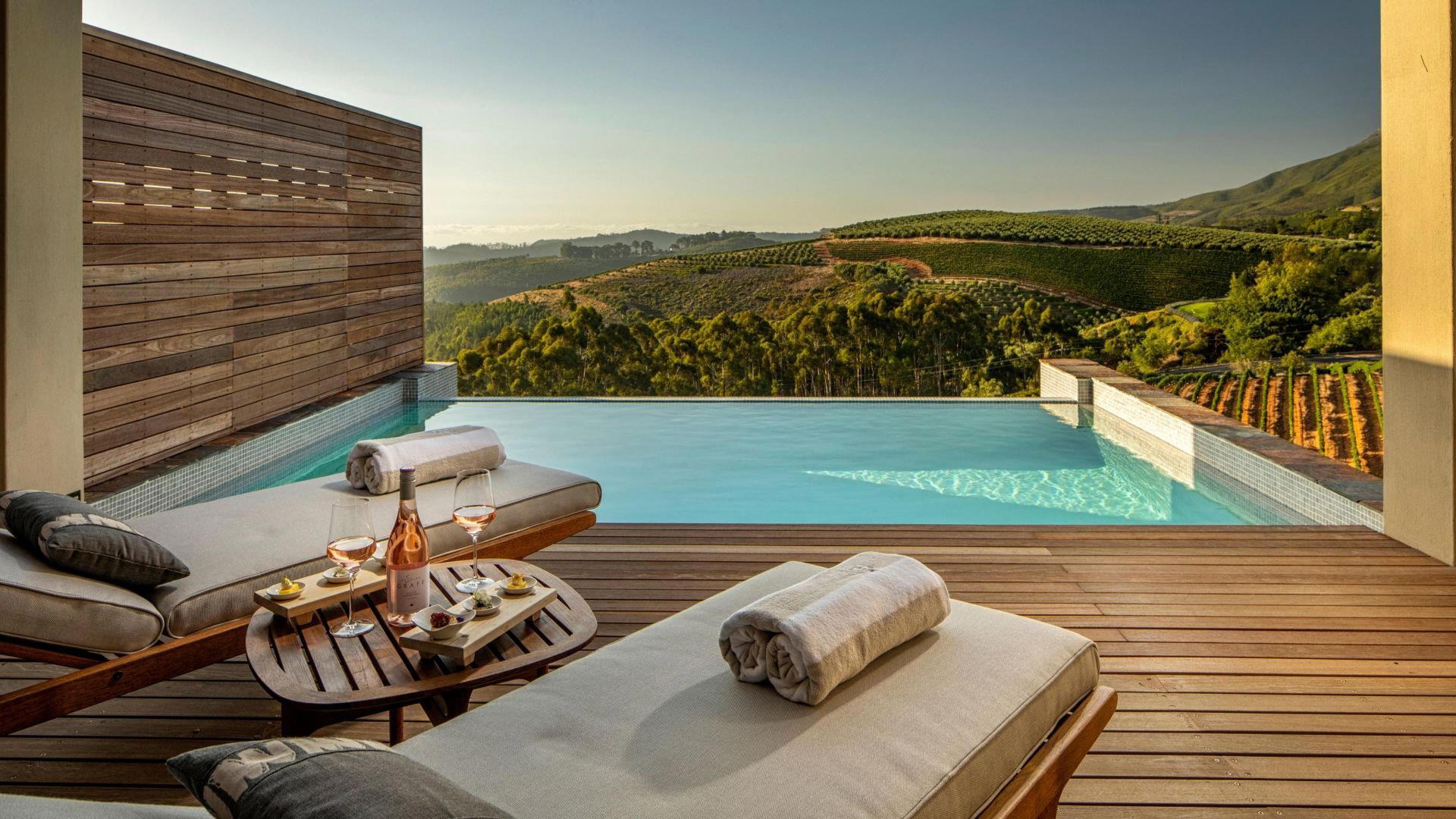
Serene and picturesque with manicured gardens, mountain views, cozy fireplaces in cooler months, and a relaxed elegant atmosphere praised in guest reviews.