Aviary Wine & Kitchen
On South Lamar, Aviary Wine & Kitchen occupies the intersection where Texas-sourced produce meets kitchen technique borrowed from further afield. The wine list anchors a room that reads as neighborhood restaurant rather than destination dining, with a format that rewards regulars and first-timers equally. It sits in a South Austin corridor where the bar is high and the competition is genuine.
Pearl is the En Primeur Club membership app — saves, bookings, and concierge access live there. Same editors, same standards.
- Address
- 2110 S Lamar Blvd, Austin, TX 78704
- Phone
- +1 737 230 8781
- Website
- aviarywinekitchen.com
- Directions
- Get directions
 Saves & bookings on Pearl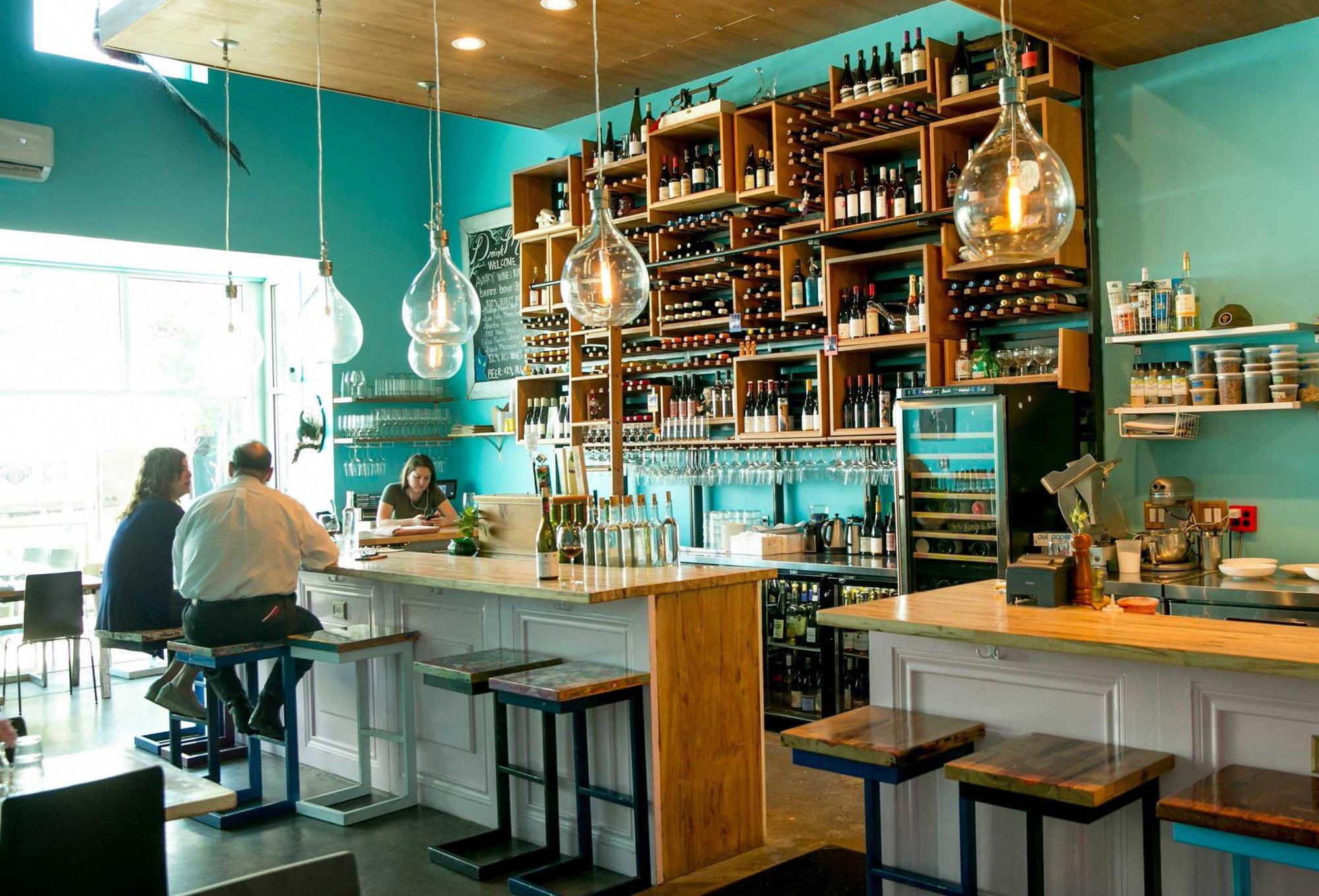
South Lamar and the New Grammar of Austin Dining
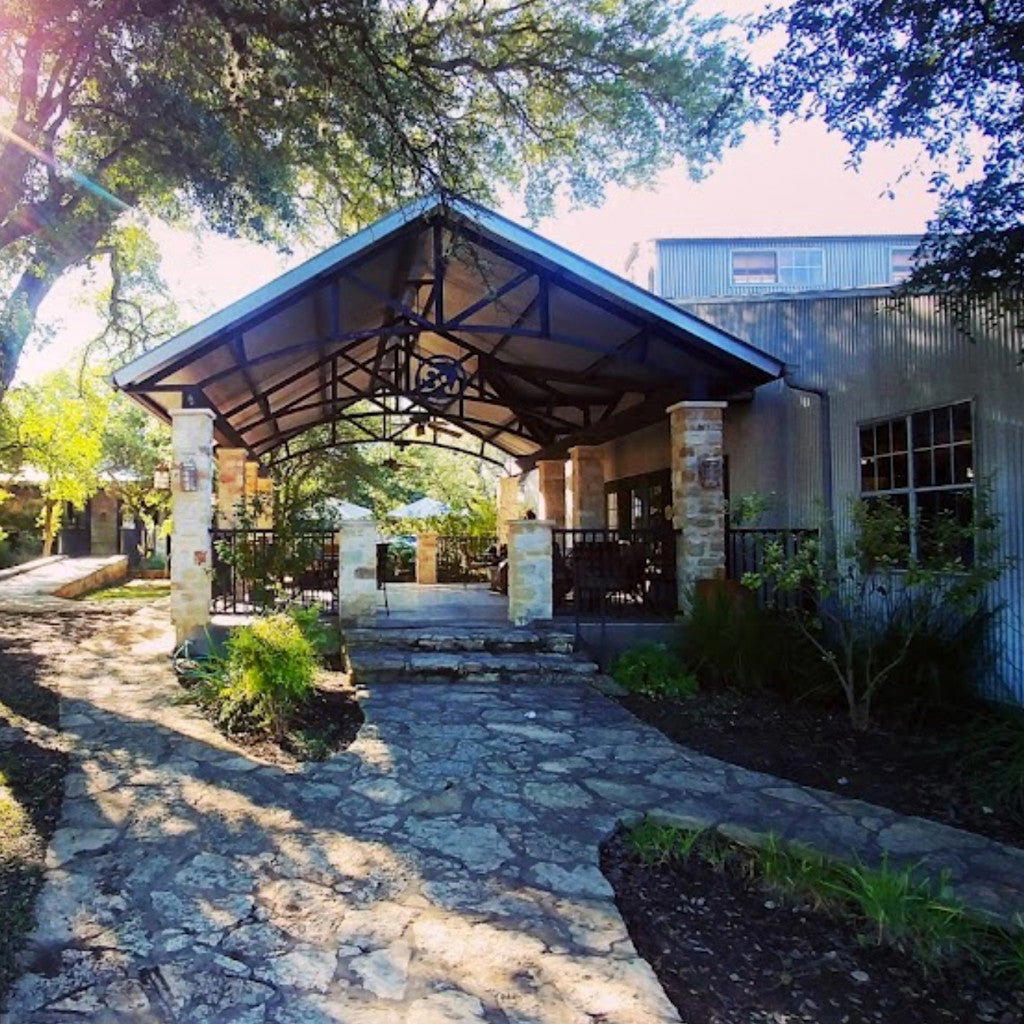
South Lamar Boulevard has spent the better part of a decade sorting itself into two tiers: venues that trade on Austin's reputation for looseness and good times, and those making a quieter, more considered argument about what Texas ingredients can do when treated with the rigour of a fine-dining kitchen. Aviary Wine & Kitchen at 2110 S Lamar Blvd sits in the second category. The building reads from the street as a neighbourhood spot rather than a high-concept project, which is part of the point. In Austin's southside, the restaurants that hold their ground across multiple years tend to be the ones that resist the opening-week press-cycle energy and build something more durable instead.
The format signals intentions immediately. Wine & Kitchen as a naming convention is a deliberate pairing: the cellar and the stove are presented as co-equals, neither propped up as the main attraction. That balance has become one of the more interesting structural moves in American casual-fine dining over the past several years, particularly in cities where the wine bar format was once treated as a separate, lighter category from serious restaurant cooking.
Local Product, Imported Discipline
The editorial angle worth applying to Aviary is what might be called the Texas-global translation problem. The Hill Country and Gulf Coast give Austin kitchens extraordinary raw material: ranched protein, coastal seafood with short supply chains, heritage grain producers within driving distance, and a vegetable season that extends well beyond what most northern cities can access. The question for any kitchen working in this environment is whether technique serves the ingredient or overwhelms it.
Wine-and-kitchen format implies an answer to that question. Programmes built around wine pairing as a structural element of the meal tend to push kitchens toward restraint: overworked preparations fight the glass, while cleaner, more direct cooking reinforces it. This is the discipline that kitchens like Kumiko in Chicago have applied to the cocktail format, and that operators from Bar Leather Apron in Honolulu to Jewel of the South in New Orleans have demonstrated in their respective categories: when the drink programme is taken seriously, it imposes a productive constraint on everything around it.
For Texas kitchens specifically, that constraint pairs well with the indigenous product story. Gulf shrimp, Hill Country lamb, and mesquite-smoked applications all carry enough intrinsic character that technique can afford to step back and organise rather than build from scratch. The comparison here is to what Julep in Houston has done for Southern spirits tradition: use deep knowledge of what the region already produces to frame a programme that feels both rooted and intentional.
Where Aviary Sits in the South Austin Field
South Lamar is not short of wine-forward restaurants. Flourish Plant Shop & Wine Bar operates nearby in a lighter-bites register, and the broader South Congress and South Lamar corridor has seen a steady accumulation of rooms where the list matters as much as the menu. Aviary occupies a position in this field that prioritises kitchen ambition alongside the bottle selection, which separates it from the more bar-leaning wine formats in the neighbourhood.
The comparison to pure bar operations is also worth drawing. Austin's bar scene, represented at its sharpest by venues like Nickel City and the newer programme at 2500 E 6th St, operates in a different register entirely. Those rooms are about the drink as primary object. A wine-and-kitchen format asks guests to commit to both sides of the equation across an evening, which changes the pacing, the spend, and the type of conversation the room generates. It is a longer, slower format, and that has its own competitive logic in a city that already has strong options for the quick-drink or the late-night set.
For guests arriving from out of town and working through the Austin restaurant field, the routing question is about what kind of evening the room is built for. Aba Austin serves a Mediterranean-influenced programme that draws a different crowd and time signature. Antone's Nightclub sits at the other end of the South Austin spectrum entirely. Aviary carves out a position between the destination-dining tier and the casual neighbourhood room, which in practical terms means it works for a mid-week dinner with a bottle as well as a more deliberate Saturday reservation.
Planning Your Visit
Aviary Wine & Kitchen is located at 2110 S Lamar Blvd in the 78704 zip code, which puts it in walking distance of several other South Lamar anchors and within a short drive of the South Congress strip. South Lamar has reasonable street parking for Austin, and the venue's position on the boulevard makes it direct to reach from either the downtown core or the Bouldin Creek neighbourhood to the east. For a fuller picture of how Aviary fits into the Austin dining field, the EP Club Austin guide maps the city's restaurant scene by neighbourhood, price tier, and format type. Readers planning across multiple cities can also cross-reference parallel wine-programme venues in the EP Club network, from ABV in San Francisco to Superbueno in New York City and The Parlour in Frankfurt on the Main, to calibrate expectations across markets.
The Short List
| Venue | Notes |
|---|---|
| Aviary Wine & KitchenThis venue — the venue you are viewing | Not listed |
| Flourish Plant Shop & Wine Bar | Wine bar/light bites |
Continue exploring
More in Austin
Bars in Austin
Browse all →

Restaurants in Austin
Browse all →
Hotels in Austin
Browse all →
At a Glance
- Cozy
- Trendy
- Intimate
- Sophisticated
- Date Night
- After Work
- Group Outing
- Casual Hangout
- Special Occasion
- Standalone
- Seated Bar
- Lounge Seating
- Communal Tables
- Natural Wine
- Conventional Wine
- Classic Cocktails
- Craft Cocktails
- Zero Proof
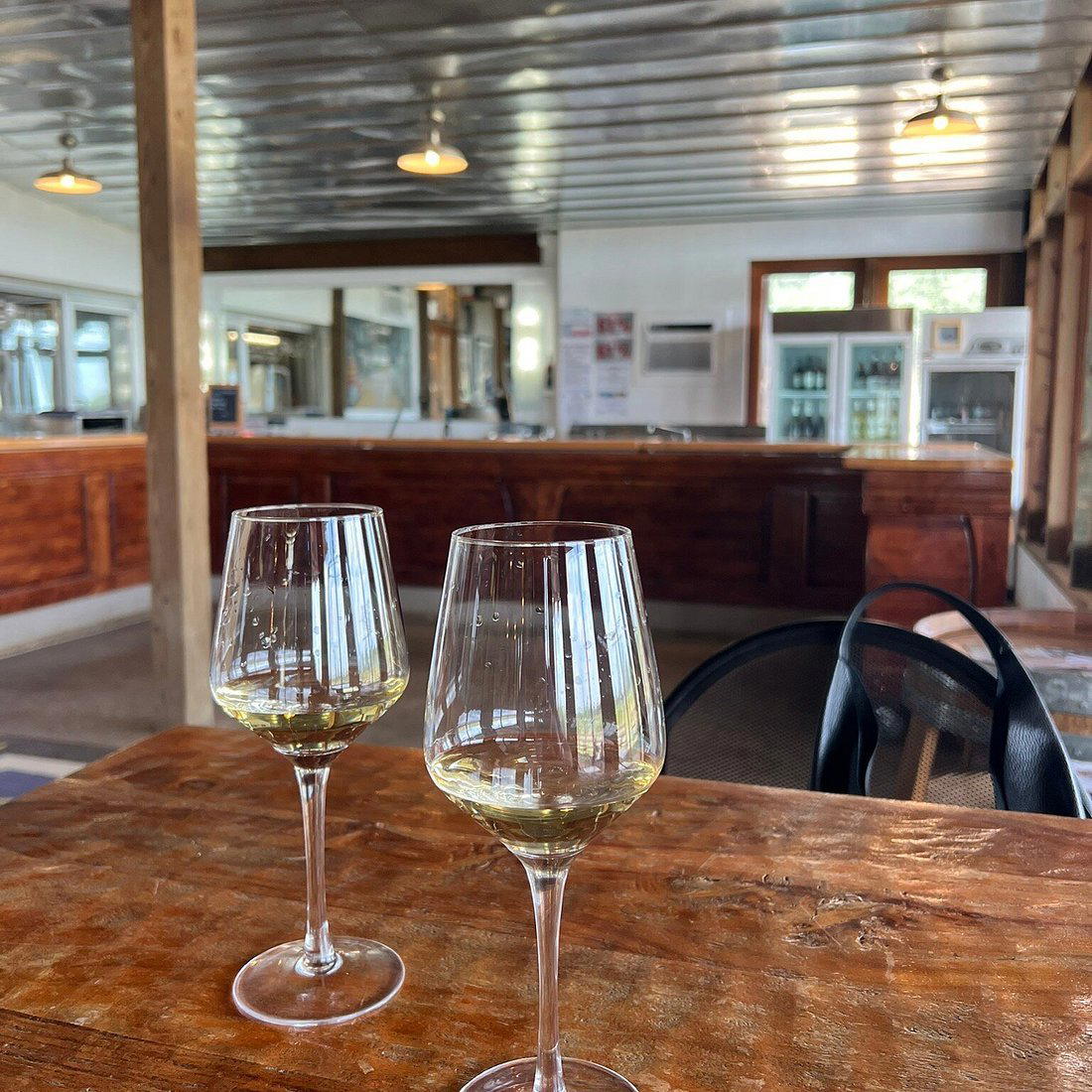
A funky, eclectic South Lamar wine bar and restaurant with a stylish, under-the-radar feel; reviews describe it as charming, jazzy, and a date-night spot with a polished yet fun dining experience.
Know Before You Go
- Getting there
- 2110 S Lamar Blvd, Austin, TX 78704