Tenuta Luce

Falstaff Winery - 5 Stars
Tenuta Luce is a Montalcino wine estate defined by altitude, soil contrast, and a modern Super Tuscan identity. Its 615-acre property includes 217 acres of vines, with Sangiovese placed on higher sandstone-limestone parcels and Merlot on lower clay plots, creating a polished red-wine program with a clear sense of place.

Pearl is the En Primeur Club membership app, where members save venues, book tables and use the concierge.

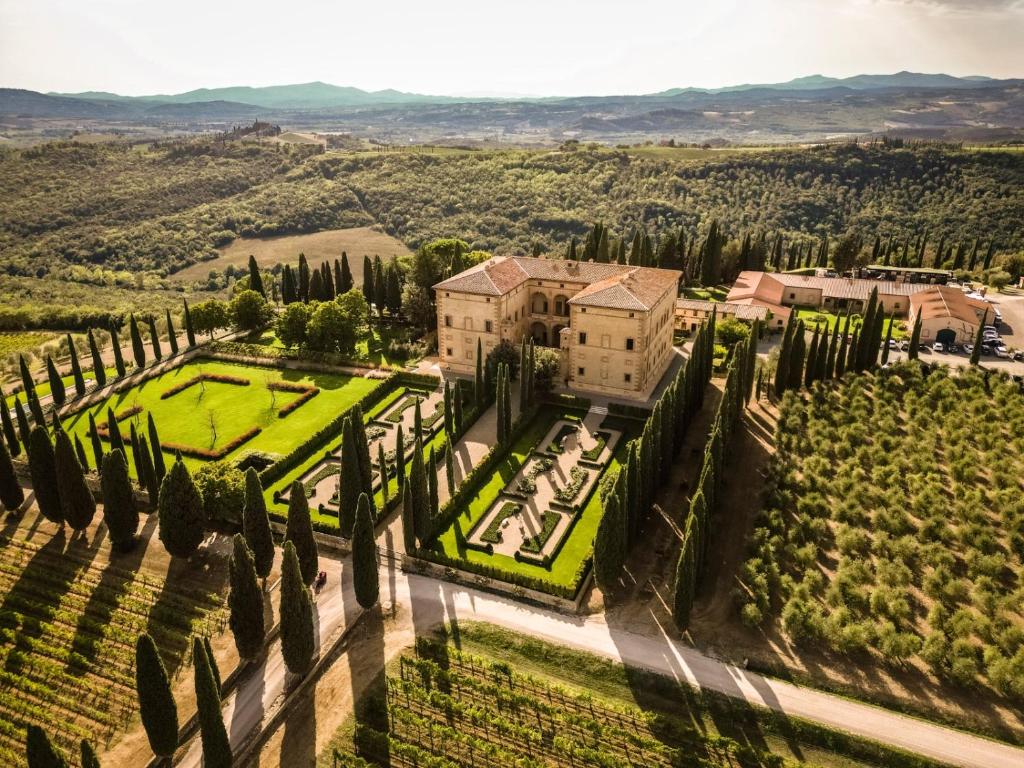
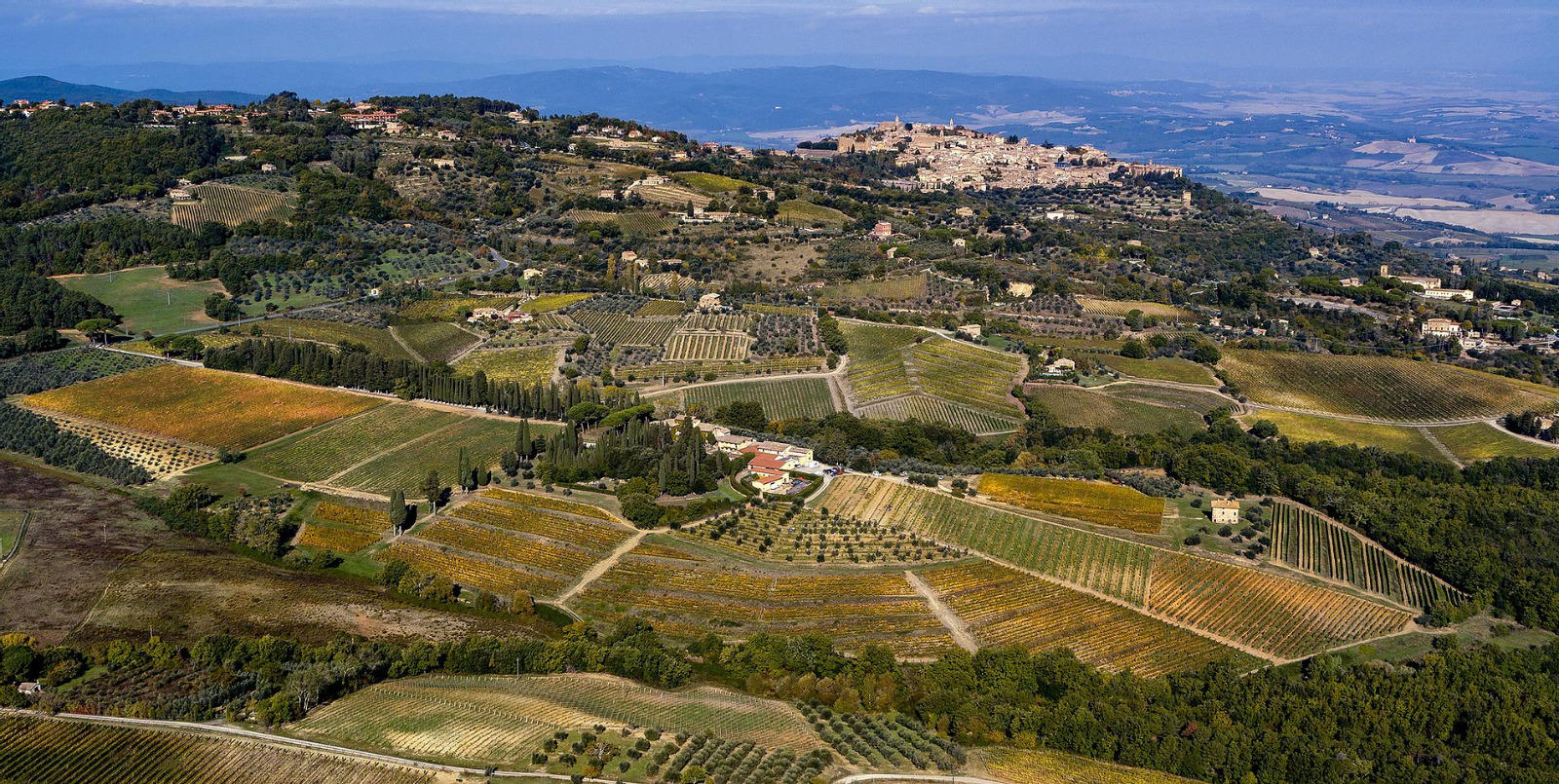
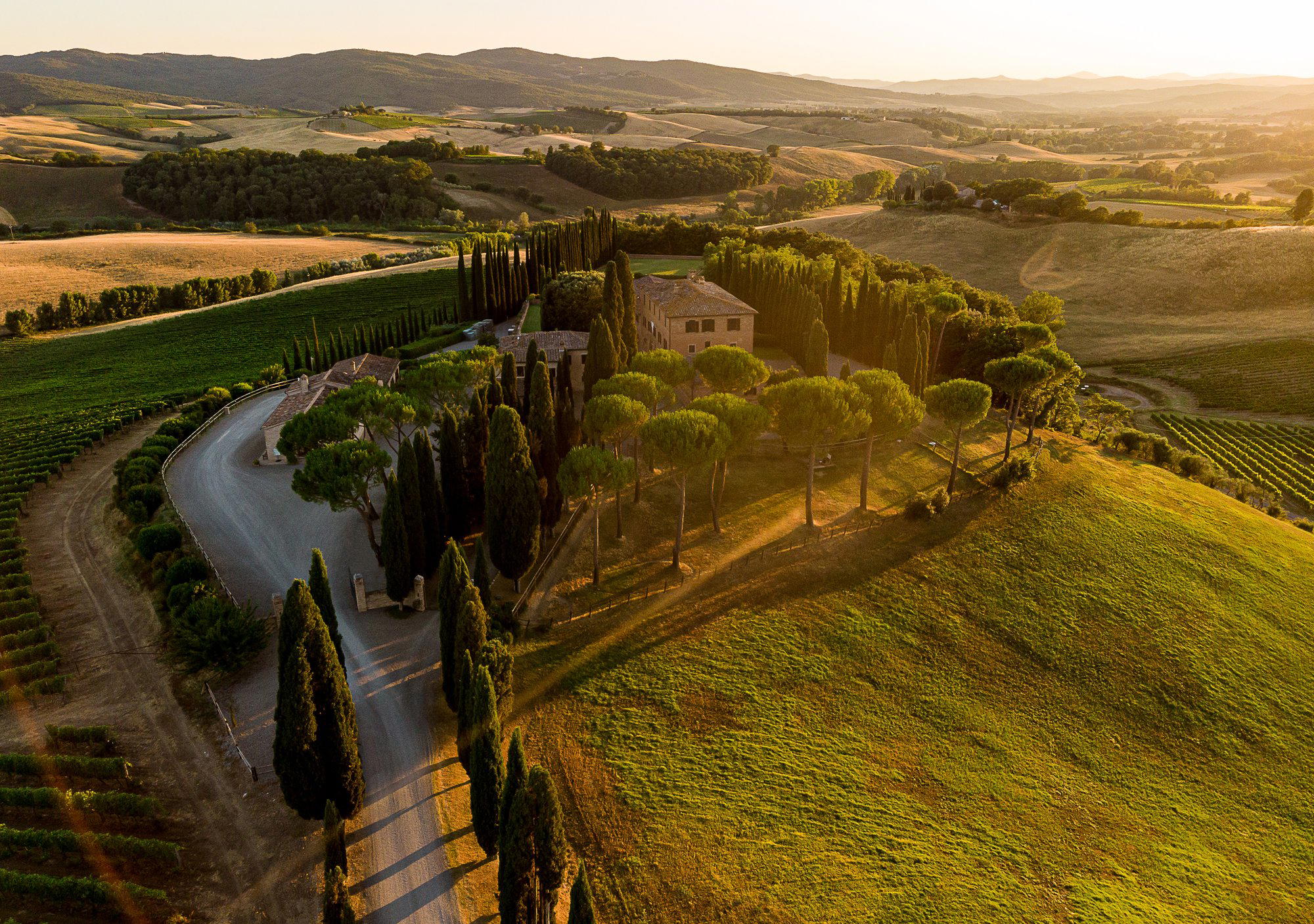
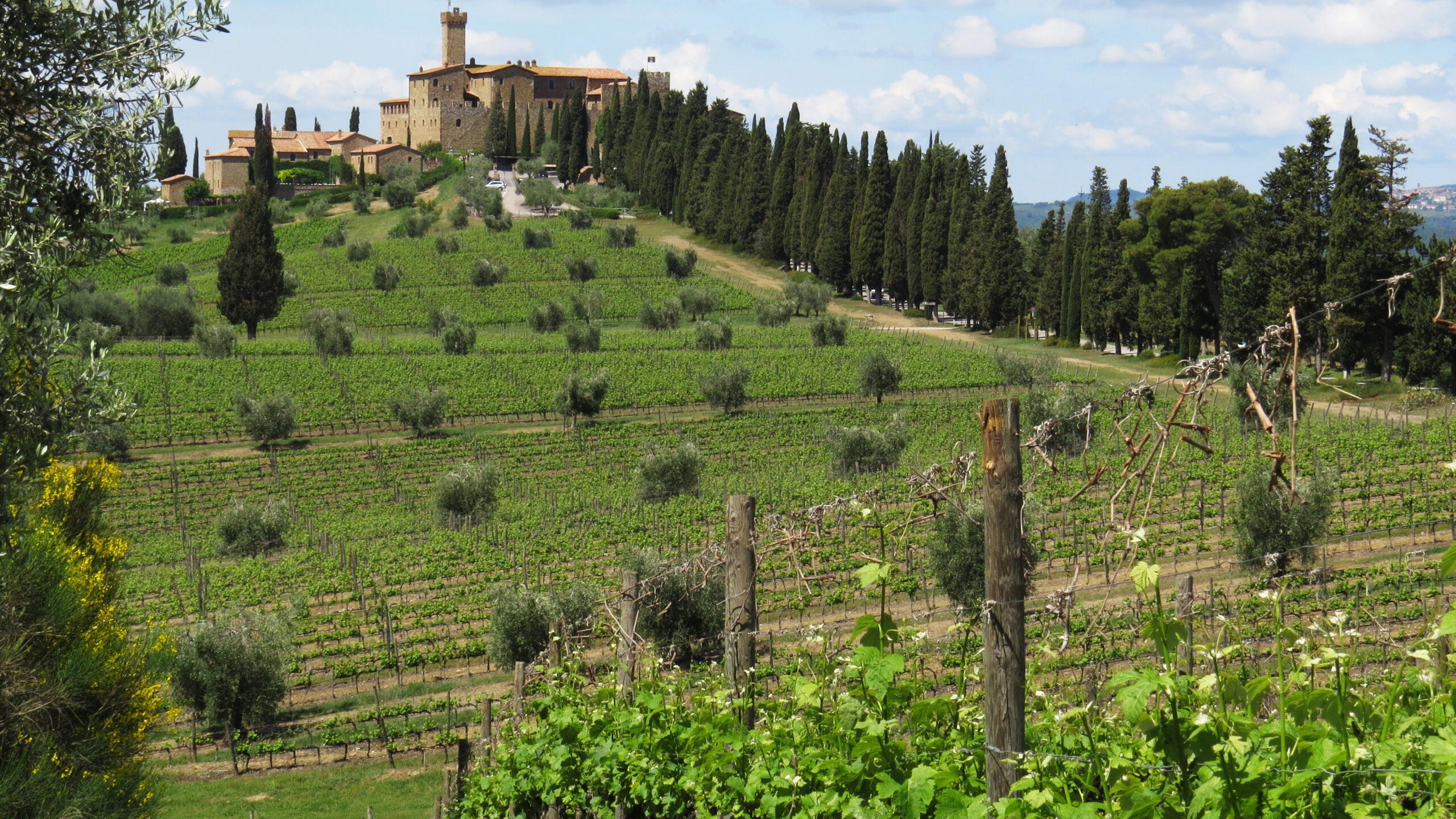
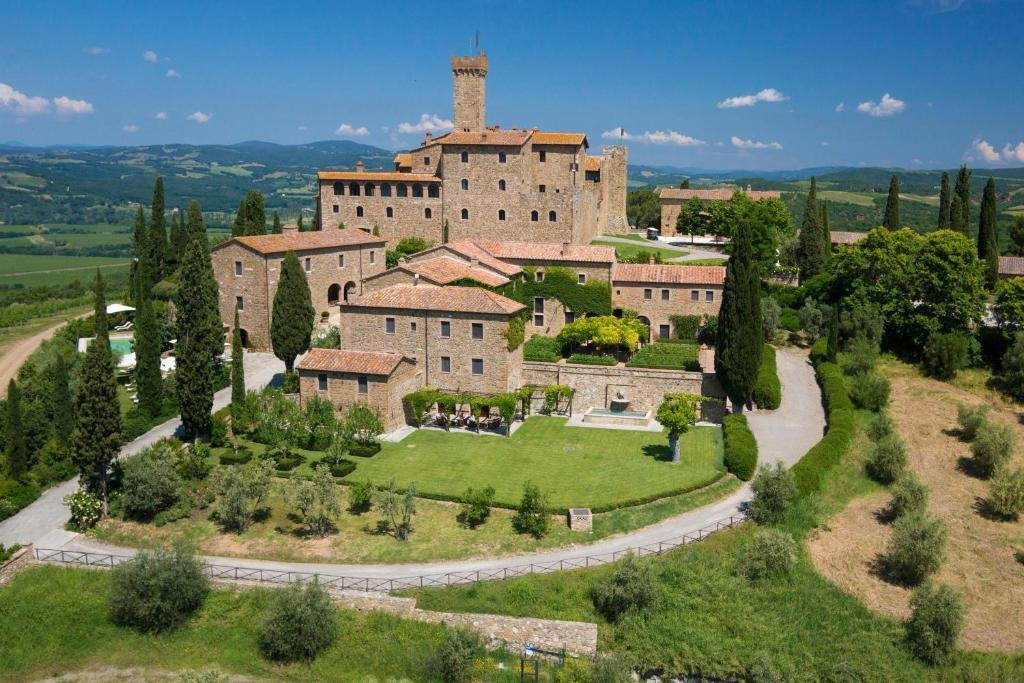
Approaching Tenuta Luce means entering the quieter side of Montalcino’s wine culture: hill country, vine rows, olive groves, woods, and the Val d’Orcia frame rather than cellar-door theatre. The estate’s modern winery is built into the hillside, a design choice that says a great deal about the house style before a glass is poured. This is Montalcino seen through contrast: medieval Tuscan setting, contemporary cellar, Sangiovese structure, Merlot depth.
That contrast is the point. Montalcino’s global identity is tied to Sangiovese and Brunello di Montalcino, yet Tenuta Luce belongs to the smaller, more international thread of the region: a Super Tuscan project that treats local tradition as a base rather than a boundary. Founded in 1995 through the partnership of Marchese Vittorio Frescobaldi and Robert Mondavi, it brought a Californian-Tuscan ambition to a zone more often read through Brunello orthodoxy. The Frescobaldi family took full responsibility for the estate in 2004, giving the project continuity within one of Tuscany’s serious wine dynasties.
Altitude, clay, and the logic behind the Luce style
The estate scale matters because the wines are built from site decisions, not just cellar polish. Tenuta Luce covers 615 acres, with 217 acres planted to vine. Sangiovese occupies higher-elevation parcels reaching 1,500 feet, where sandstone and limestone soils support the grape’s line, acidity, and structural bite. Merlot sits lower, on clay plots that suit ripeness and breadth. In a region where single-variety Sangiovese often carries the conversation, this parcel logic explains why Luce reads as both Montalcino and something more internationally framed.
The production sequence reinforces that duality. Merlot is typically harvested in mid-September, while Sangiovese follows three to four weeks later; the varieties are blended after fermentation. The finished Luce wine is aged in 100% new French oak barrels. Those choices place the estate on the polished, modern side of Tuscan red wine: controlled extraction, barrel influence, and a rounded architecture rather than a spare, old-school expression. Stefano Ruini’s background across Médoc estates adds another clue to the technical register, especially in how Bordeaux training can shape decisions around blend assembly and oak management.
Cellar completed in 2017 sharpened that identity further. In Montalcino, new infrastructure can be a stylistic declaration as much as an operational upgrade. Here, modern vinification facilities sit beside a vineyard philosophy that depends on altitude, soil variation, and harvest timing. The result is not a generic luxury red; it is a wine program organized around the tension between Sangiovese’s regional authority and Merlot’s softer, more international register.
A compact portfolio built around Super Tuscan ambition
Portfolio is deliberately tight: Luce, Lucente, Lux Vitis, and Luce Brunello. Luce is the flagship and the clearest statement of the estate’s founding idea, a Montalcino red shaped by Sangiovese and Merlot rather than by Brunello convention alone. Lucente functions as the second wine, giving the house style a more accessible lane without changing the underlying grammar. Luce Brunello, produced in small quantity, brings the estate back to pure Sangiovese and pays direct respect to the Brunello tradition that emerged in the second half of the 19th century.
That Brunello matters for credibility. A Wine Spectator 94-point score for Luce Brunello di Montalcino 2015 gives external recognition to the estate’s pure Sangiovese work, not only its blend-led identity. The more interesting reading is competitive rather than numerical: the estate can speak Brunello when it chooses, but its market identity is built on being the first winery in Montalcino to produce a Merlot-Sangiovese blend. That first-mover role gives the estate a specific place in the region’s modern history.
The Luce name also carries cultural framing. Meaning “light,” it was inspired by the altar at Santo Spirito in Florence, tying the label to Renaissance-era symbolism and Frescobaldi family reference points. In global fine wine, that kind of visual memory has commercial force, but it works here because the vineyard logic is concrete. The story would be thin without the altitude, clay, Sangiovese, Merlot, and cellar discipline behind it.
How to read the estate within Montalcino
Montalcino rewards patience because its wine culture is layered: long Brunello traditions, family estates, modern cellar investment, and a tourism economy that can flatten those differences for visitors in a hurry. Tenuta Luce is better understood as a high-end, identity-led estate than as a casual tasting stop. The room, the label architecture, and the vineyard hierarchy all point toward a producer built for collectors and serious Tuscan wine drinkers who want Montalcino with a broader international accent.
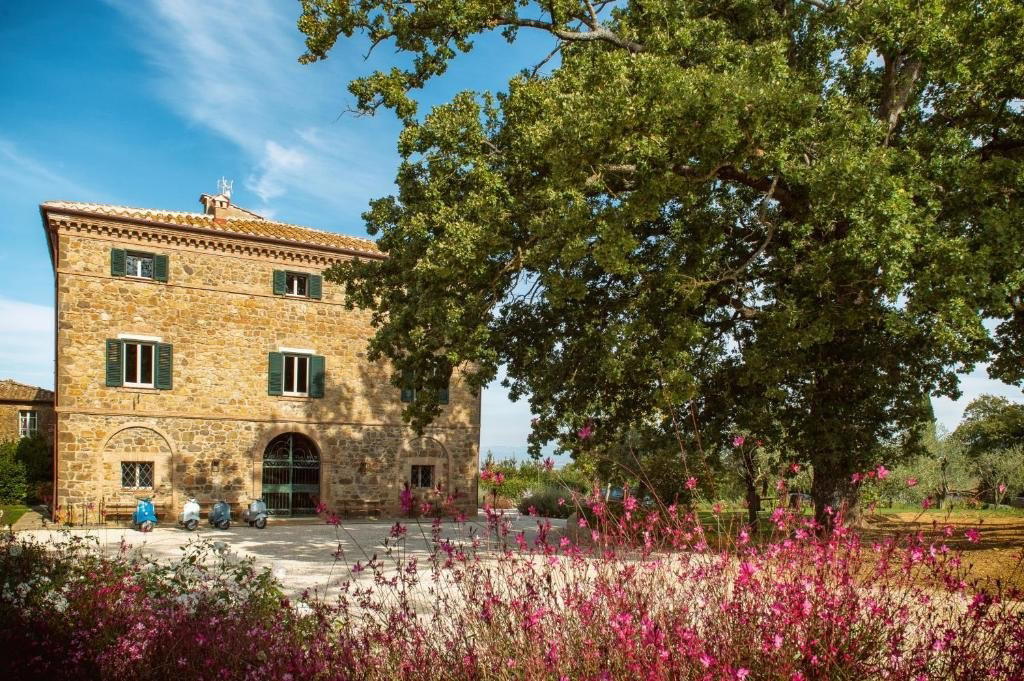
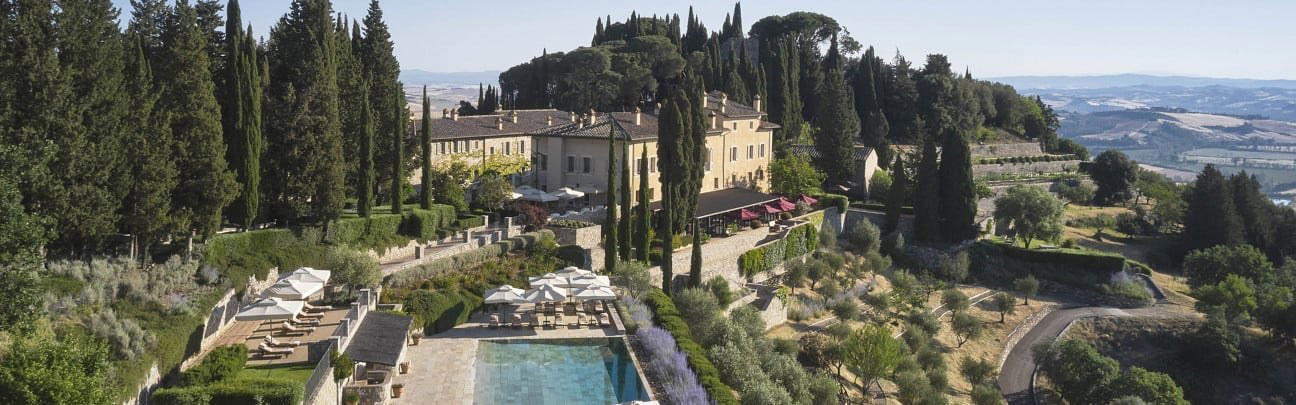
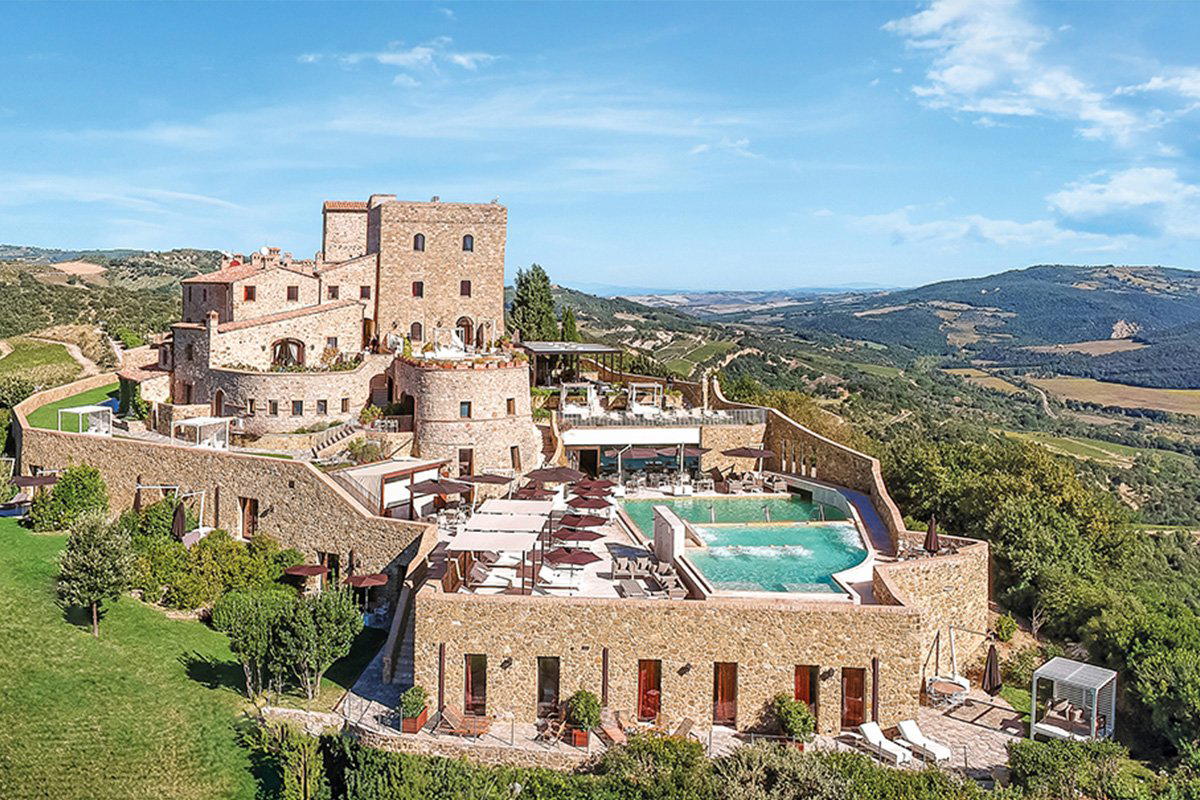
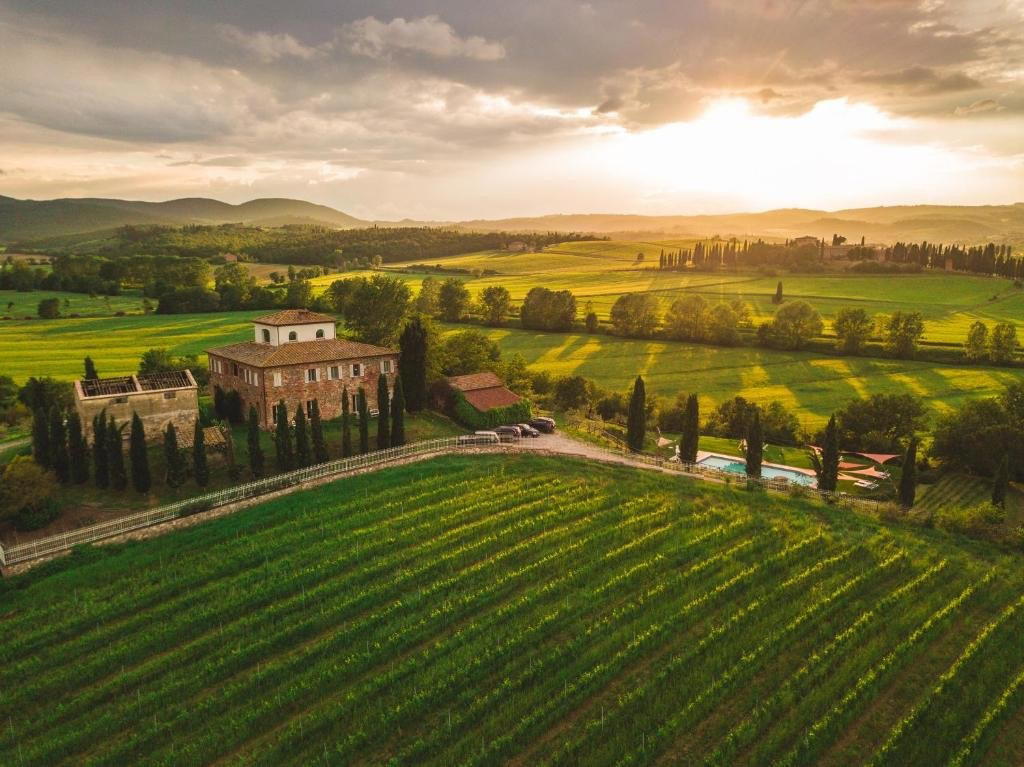
The setting supports that reading. A hilltop estate in southwest Montalcino, surrounded by vineyards, olive groves, woods, and Val d’Orcia views, gives the wines the kind of spatial context that premium Tuscan estates rely on: agriculture first, beauty second, brand last. The winery’s one-level structure under the hill adds architectural restraint to a project that could otherwise feel showy. For a wine education trip, the value lies in tracing how the same property can produce both a Super Tuscan blend and a Brunello expression from its estate vineyards.
Sustainability language around the estate is rooted in respect for nature, seasonal rhythms, and the balance of the territory. The more concrete agricultural signal is site matching: Sangiovese on higher sandstone-limestone parcels, Merlot on lower clay. That does not replace formal certification, but it does show a viticultural approach based on suitability rather than uniform planting. In Montalcino, that distinction is meaningful because soil, altitude, and exposure are not decorative details; they decide the wine’s architecture.
For broader planning around the city, EP Club’s Montalcino coverage can be read by category: Our full Montalcino wineries guide, Our full Montalcino restaurants guide, Our full Montalcino hotels guide, Our full Montalcino bars guide, and Our full Montalcino experiences guide. Readers mapping a wider winery itinerary can also reference Aglieta Roberto, Agostina Pieri, Agricola Poggio Rubino, Aisna, and Altesino. For context beyond Tuscany, see 3GP SRL in Treviso, 47 Anno Domini in Trebaseleghe, A Mano Wine in Noci, »der Steiner« Hans Steiner in Podersdorf am See, and & Handwein in Mannheim.
Recognition history
Dated appearances from independent guides and award organizations, with the underlying list record or original source where available.
Falstaff Winery - 5 Stars
Falstaff
Continue exploring
More in Montalcino
Wineries in Montalcino
All wineries in Montalcino →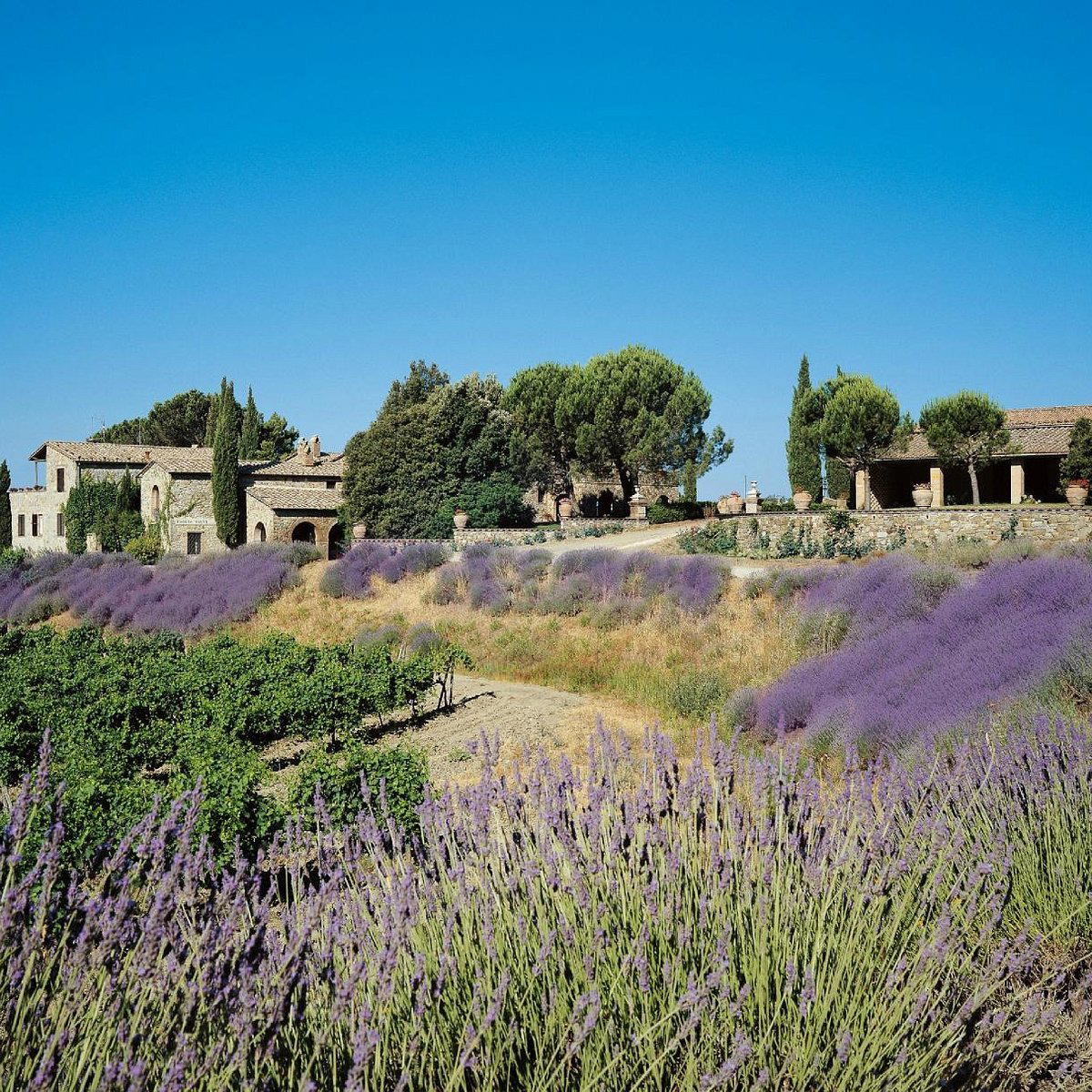
Bars in Montalcino
All bars in Montalcino →

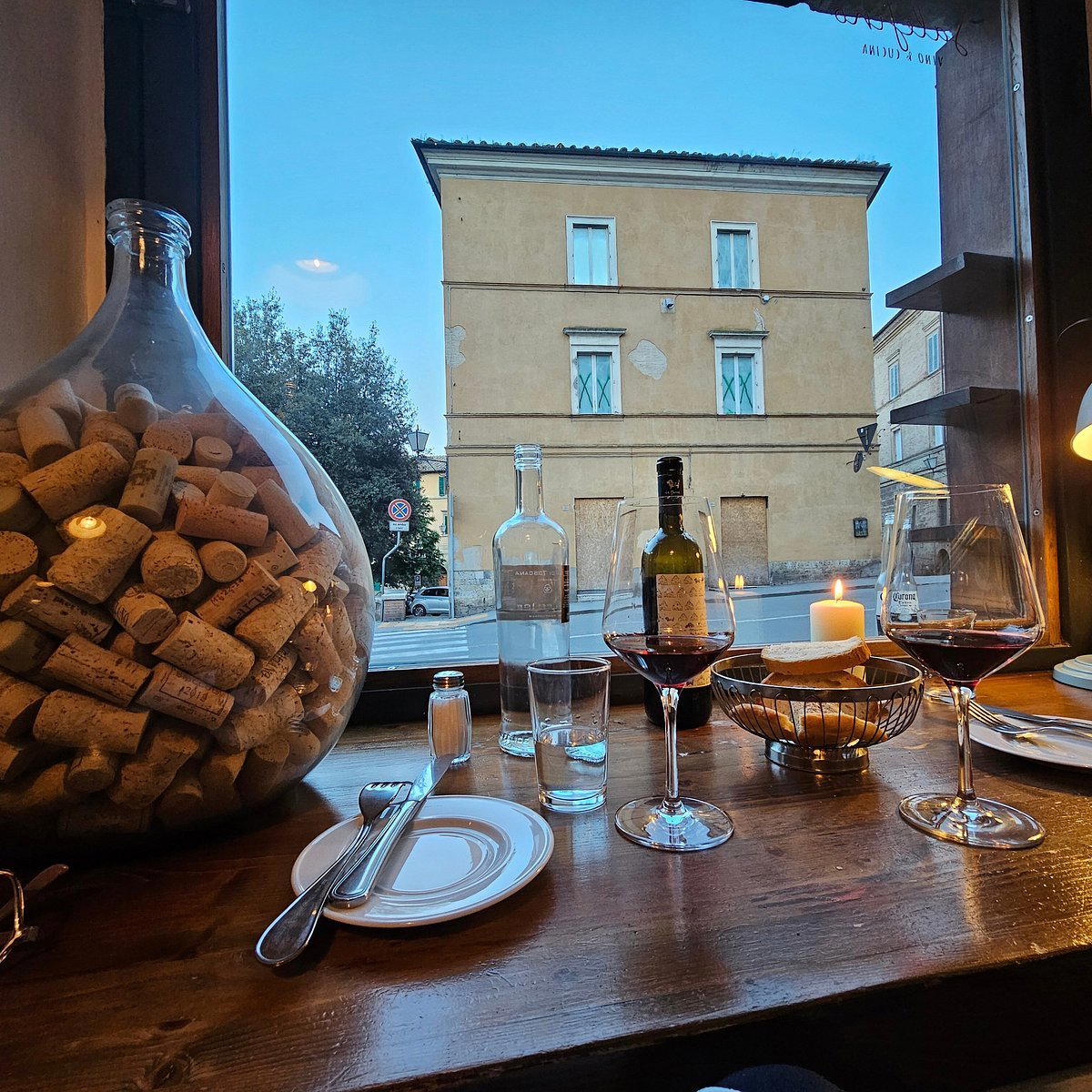
Restaurants in Montalcino
All restaurants in Montalcino →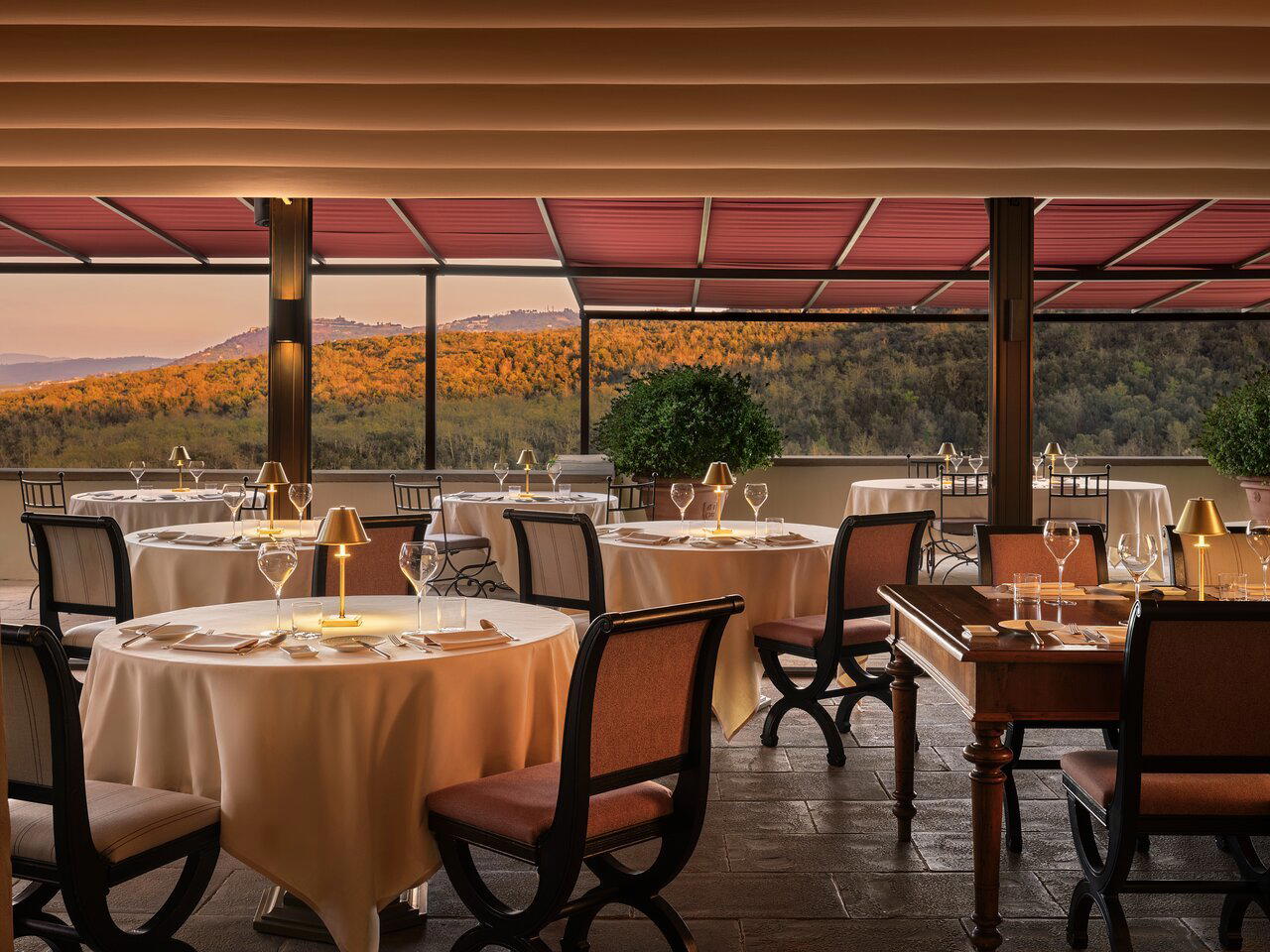
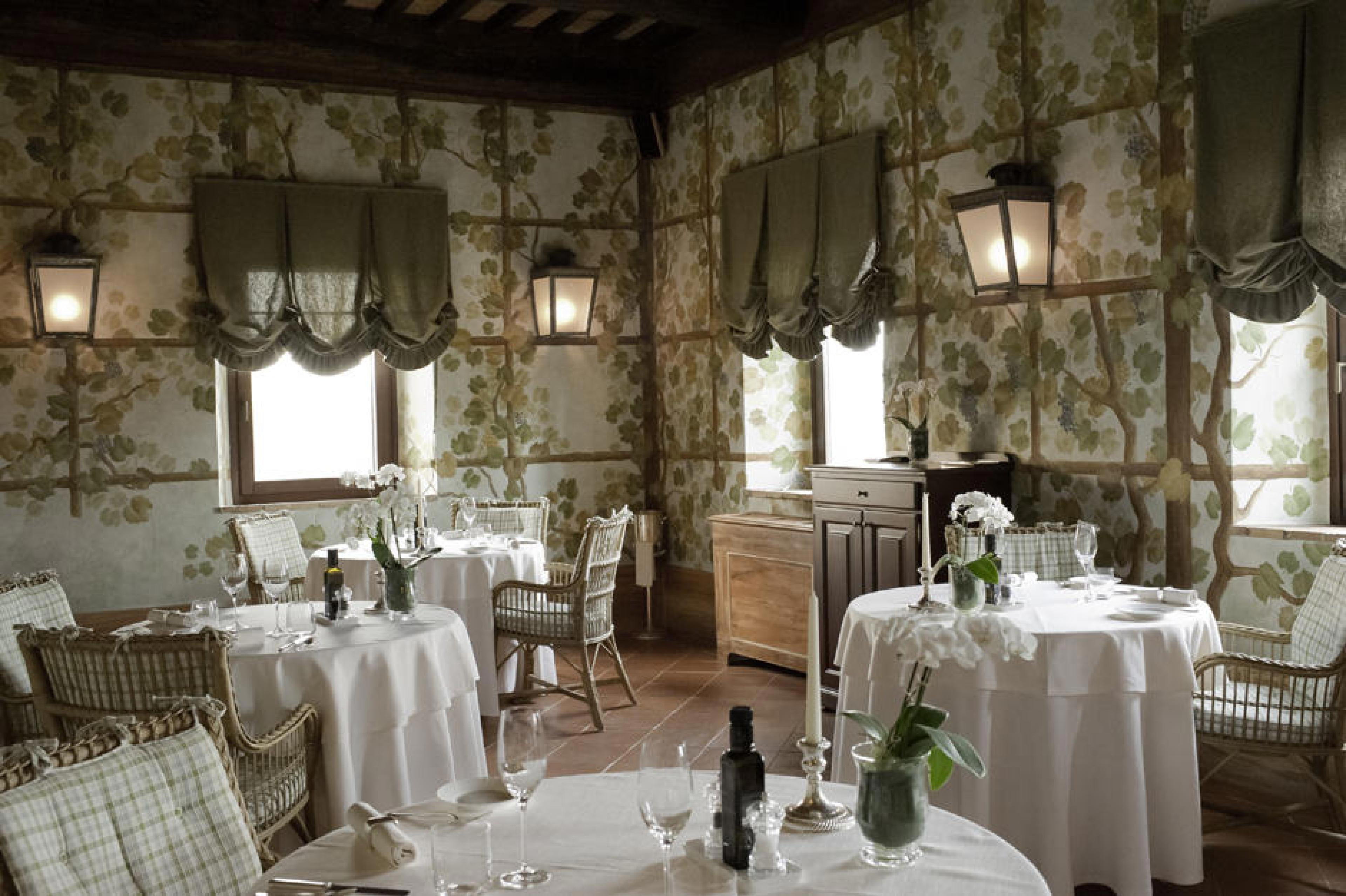
Details
- Scenic
- Classic
- Sophisticated
- Quiet
- Well Known
- Wine Education
- Special Occasion
- Romantic Getaway
- Group Outing
- Vineyard Tour
- Estate Grounds
- Barrel Room
- Historic Building
- Design Destination
- Private Tasting
- Sustainable
- Vineyard
- Mountain
- Sangiovese
- Merlot
- Cabernet Sauvignon
- Still Red
- Guided Tasting
- Winery Tour Tasting
- Private Tasting
- English
- German
- Italian
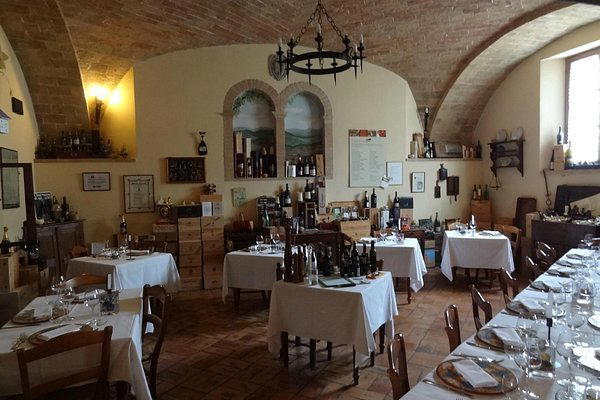
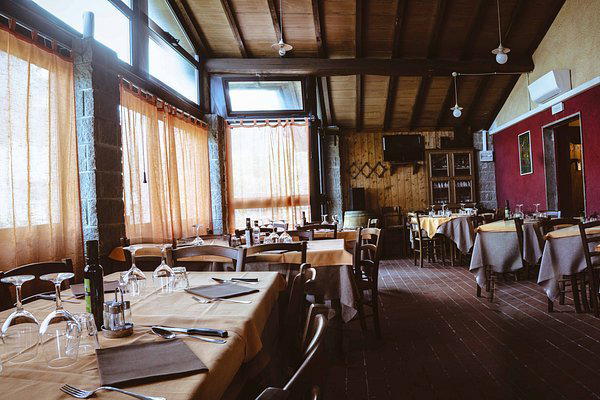
A scenic, polished Montalcino estate with a medieval Tuscan setting, a modern state-of-the-art winery, and a design that integrates the cellar into the hillside to respect the surrounding landscape.