Stanton Vineyards
The property sits within a competitive set defined by allocation-driven releases and small-production ambition. For collectors tracking Oakville's most recognized addresses, Stanton represents a credentialed entry point into that tier.
Pearl is the En Primeur Club membership app — saves, bookings, and concierge access live there. Same editors, same standards.
- Address
- Oakville, United States
- Phone
- (707) 967-0482
- Website
- stantonvineyards.com
- Directions
- Get directions
 Saves & bookings on Pearl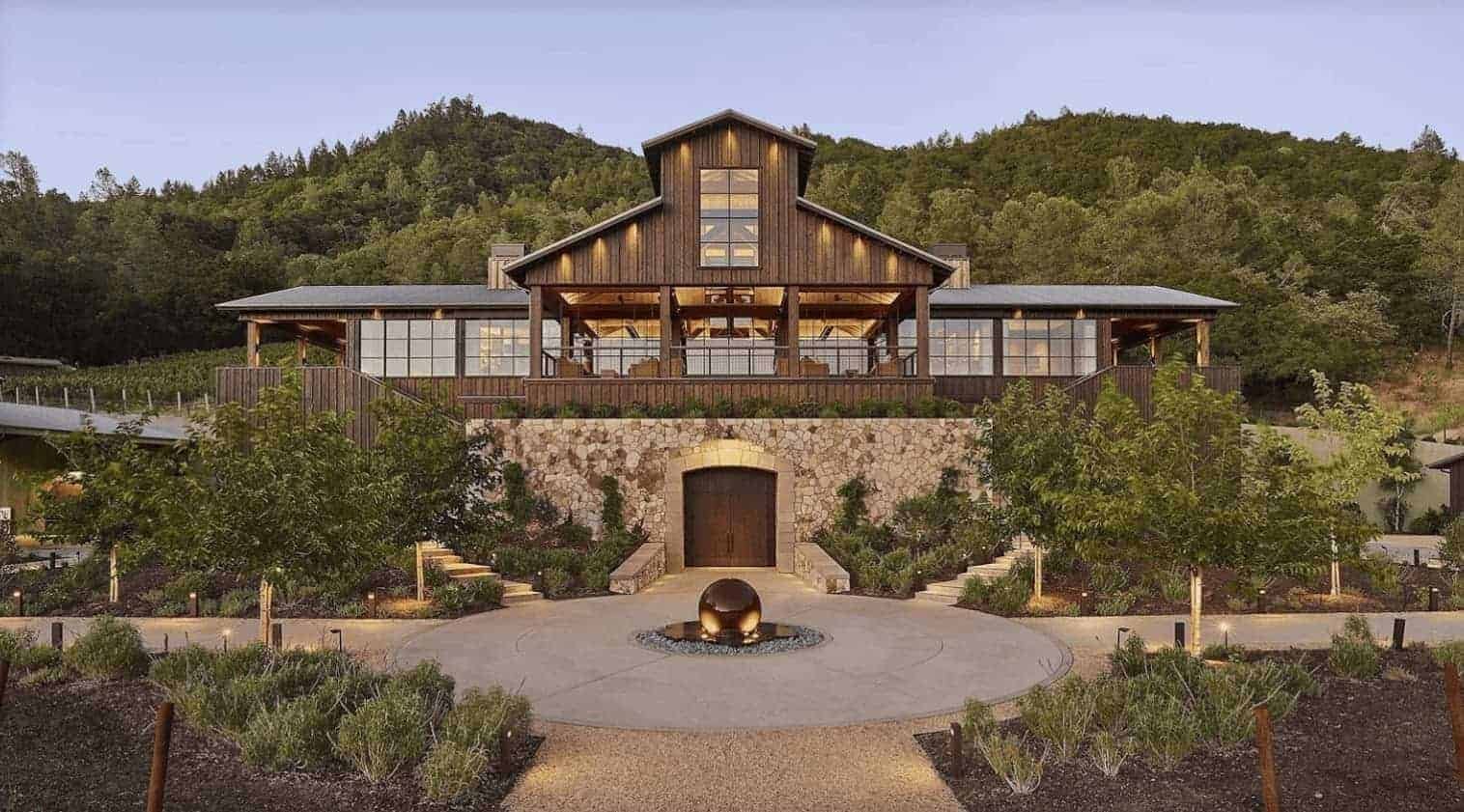
Where Oakville Cabernet Finds Its Footing
The drive along the Oakville Cross Road tells you most of what you need to know about the appellation's ambitions. This narrow strip of western Napa Valley, where afternoon fog from the Mayacamas Mountains tempers afternoon heat, has produced some of California's most discussed Cabernet Sauvignon over the past four decades. Vineyards here compete in a comparable set that includes Opus One, Far Niente, and a cluster of single-vineyard houses that operate largely on allocation. Stanton Vineyards belongs to that Oakville cohort, a producer that has earned formal recognition in this demanding field.
That rating places Stanton in a tier where performance, not volume, defines the conversation. Oakville's appellation identity has always been built around site specificity: the Oakville AVA, established in 1993, covers roughly 8,100 acres and is home to some of the valley's most prized benchland soils, particularly the well-drained Bale loam and gravelly alluvium that runs along the valley floor. Wines from this corridor tend toward structural density with genuine aging capacity, qualities that draw collectors who think in decades rather than seasons. Stanton operates in that tradition.
The Architecture of an Oakville Tasting
Approaching any serious Oakville producer, the visitor arrives with a set of reasonable expectations shaped by the appellation's track record. The tasting progression at estates in this tier typically unfolds as a study in terroir expression rather than variety of style: you are not moving between Chardonnay and Zinfandel and Syrah for contrast's sake, but following a red-wine thread that tightens as it deepens. Stanton's program opens on lighter-framed reds before anchoring on the estate Cabernet that defines the property's reputation.
That structural logic is not arbitrary. The Oakville benchland's most planted variety, Cabernet Sauvignon, performs differently at different elevations and orientations within the same appellation. A mid-valley site will produce wines with more fruit-forward aromatics; a hillside-adjacent block will carry firmer tannin and greater aromatic complexity. Producers who treat their tasting as a progression through these micro-conditions are teaching the visitor something real about the land.
For comparison within the same appellation, Nickel and Nickel has built its entire identity around single-vineyard Cabernet flights that function as a masterclass in Oakville site differentiation. Groth Vineyards takes a more estate-unified approach, offering a tasting that anchors in its Reserve program. PlumpJack Winery layers in a stylistic contrast between its conventional and sealed-with-screw-cap experimental releases. Each of these formats reflects a different editorial argument about what Oakville Cabernet should say. Stanton, holding its 2025 prestige rating, is making an argument of its own, one that the recognition signals as credible within that competitive field.
How Stanton Sits Within the Oakville Tier
Oakville's wine identity has split, broadly, into two production philosophies. The first emphasizes integration with international ownership structures and high-volume visibility, estates whose names appear on wine lists in major cities partly because distribution infrastructure supports that reach. The second emphasizes scarcity and allocation as the primary quality signal, operating on mailing lists and direct-to-consumer channels that keep production tight. Stanton Vineyards, from the evidence of its prestige-tier recognition, sits closer to the latter model.
That positioning shapes the visitor experience before a cork is ever pulled. Allocation-model producers tend to invest more in the tasting encounter itself, because the visit is often how collectors enter the mailing list pipeline. The encounter is less a sales transaction and more a credential exchange: the producer demonstrates the wine's quality and provenance; the visitor signals seriousness of purpose. At properties in this tier, that dynamic runs in both directions, and it rewards preparation on the visitor's side. Arriving at Stanton with some grounding in Oakville's appellation geography and its established comparable set, Cardinale Winery, Silver Oak Napa Valley, will open more productive conversation than arriving cold.
For context beyond Napa Valley, the allocation dynamic plays out similarly at properties like Accendo Cellars in St. Helena and Alpha Omega Winery in Rutherford, where tasting access is managed to reflect production scale. At further-flung California addresses, Adelaida Vineyards in Paso Robles, Alban Vineyards in Arroyo Grande, and Andrew Murray Vineyards in Los Olivos each operate on similar small-production logic in their respective appellations. Outside California entirely, Adelsheim Vineyard in Newberg and Alexander Valley Vineyards in Geyserville represent the same kind of credentialed independent producer committed to appellation identity above marketing volume.
Planning the Visit
Oakville does not function as a walk-in appellation. Particularly recognized producers require advance reservations, and at the prestige tier, availability runs weeks to months ahead of any given date. Visitors building a Napa itinerary around the Oakville AVA should treat the booking process as the first act of the visit: identify two or three priority estates, reach Stanton Vineyards directly via their official channels, and confirm format and availability before arranging travel logistics. The appellation sits roughly at the midpoint of the valley between Yountville to the south and Rutherford to the north, making it a natural anchor for a tasting circuit rather than a standalone destination.
Cost Snapshot
Comparable venues nearby, for context on price, style, and recognition.
| Venue | Cuisine | Price | Notes |
|---|---|---|---|
| Stanton VineyardsThis venue — the venue you are viewing | Not listed | $$$ | Not listed |
| Tamber Bey Vineyards | Calistoga, Cabernet Sauvignon, Merlot | $$$ | Not listed |
| Turnbull Wine Cellars | Oakville, Cabernet Sauvignon, Merlot | $$$ | Not listed |
| Miner Family Winery | Oakville, Cabernet Sauvignon, Chardonnay | $$$ | Not listed |
| Kelleher Family Vineyards | Not listed | $$$$ | Oakville, Cabernet Sauvignon, Sauvignon Blanc |
| TOR Wines | Oakville, Cabernet Sauvignon | $$$$ | Not listed |
Continue exploring
More in Oakville
Wineries in Oakville
Browse all →
Bars in Oakville
Browse all →
Restaurants in Oakville
Browse all →
At a Glance
- Classic
- Rustic
- Elegant
- Wine Education
- Special Occasion
- Vineyard Tour
- Estate Grounds
- Vineyard
- Oakville AVA
- Cabernet Sauvignon
- Petite Sirah
- Merlot
- Cabernet Franc
- Petit Verdot
- Malbec
- Mourvedre
- Still Red
- Private Tasting
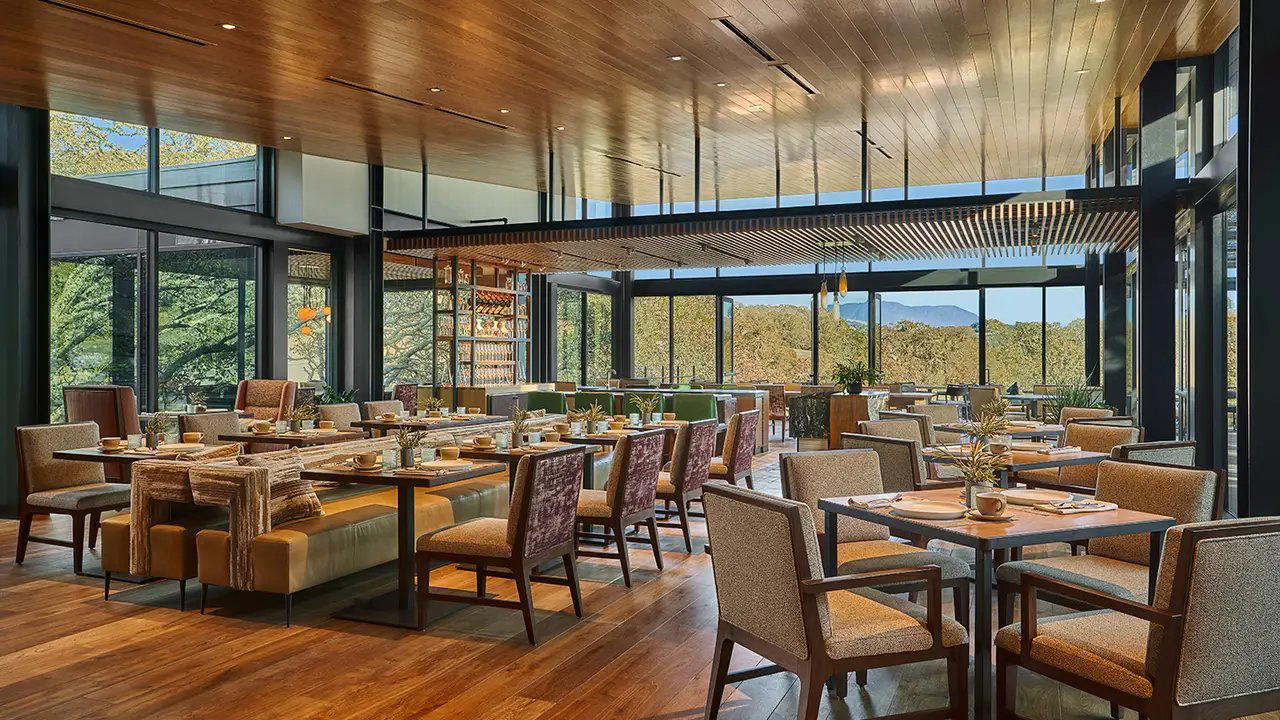
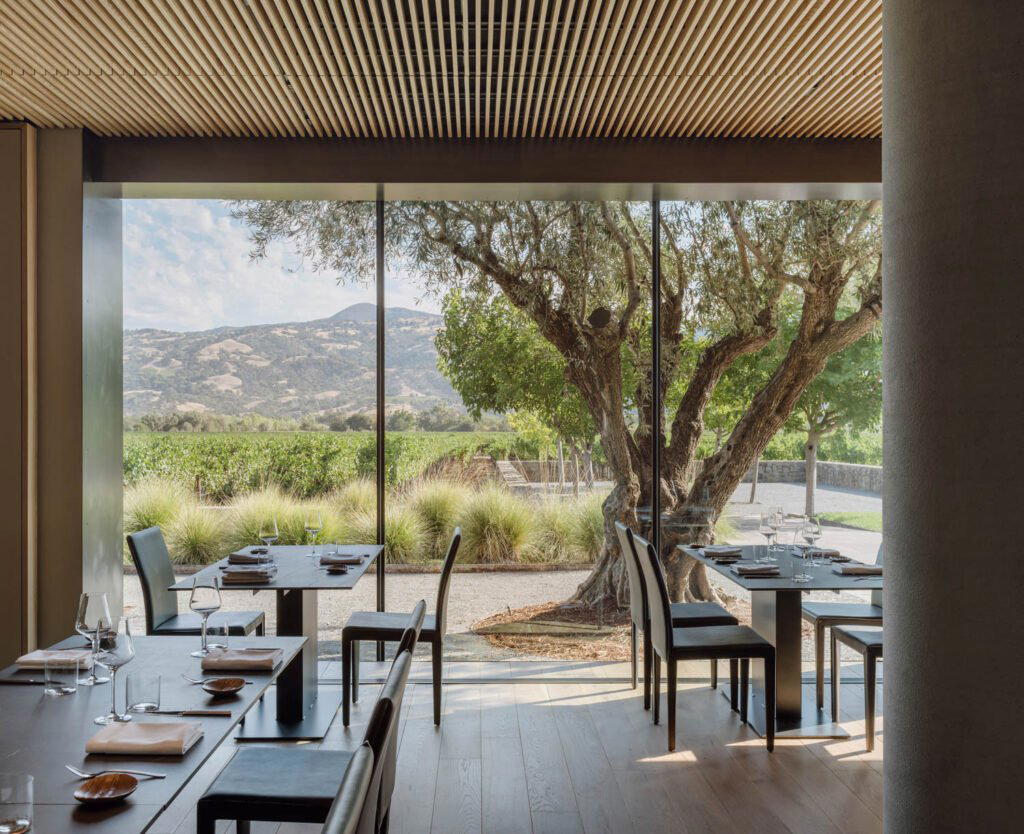
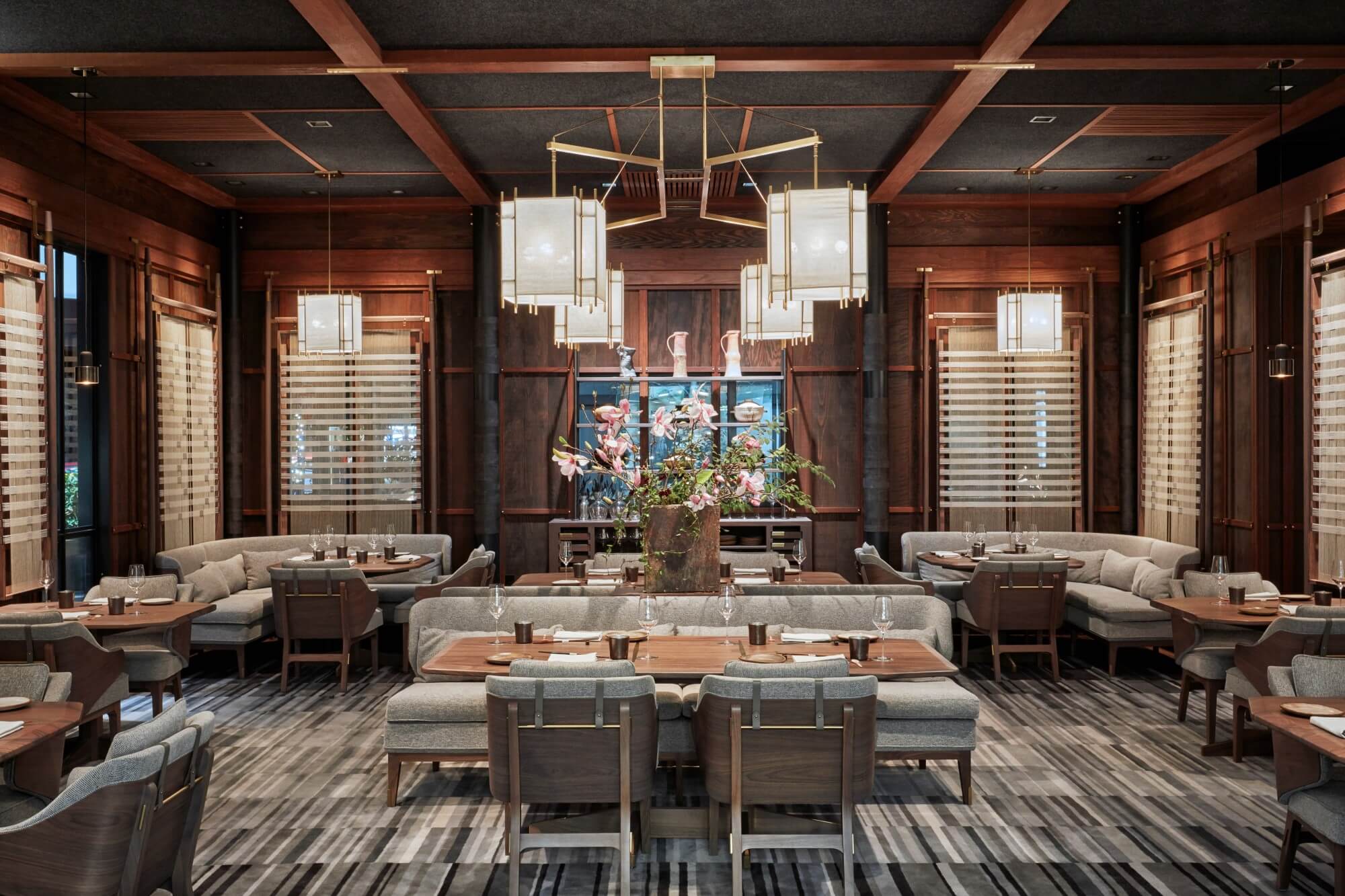
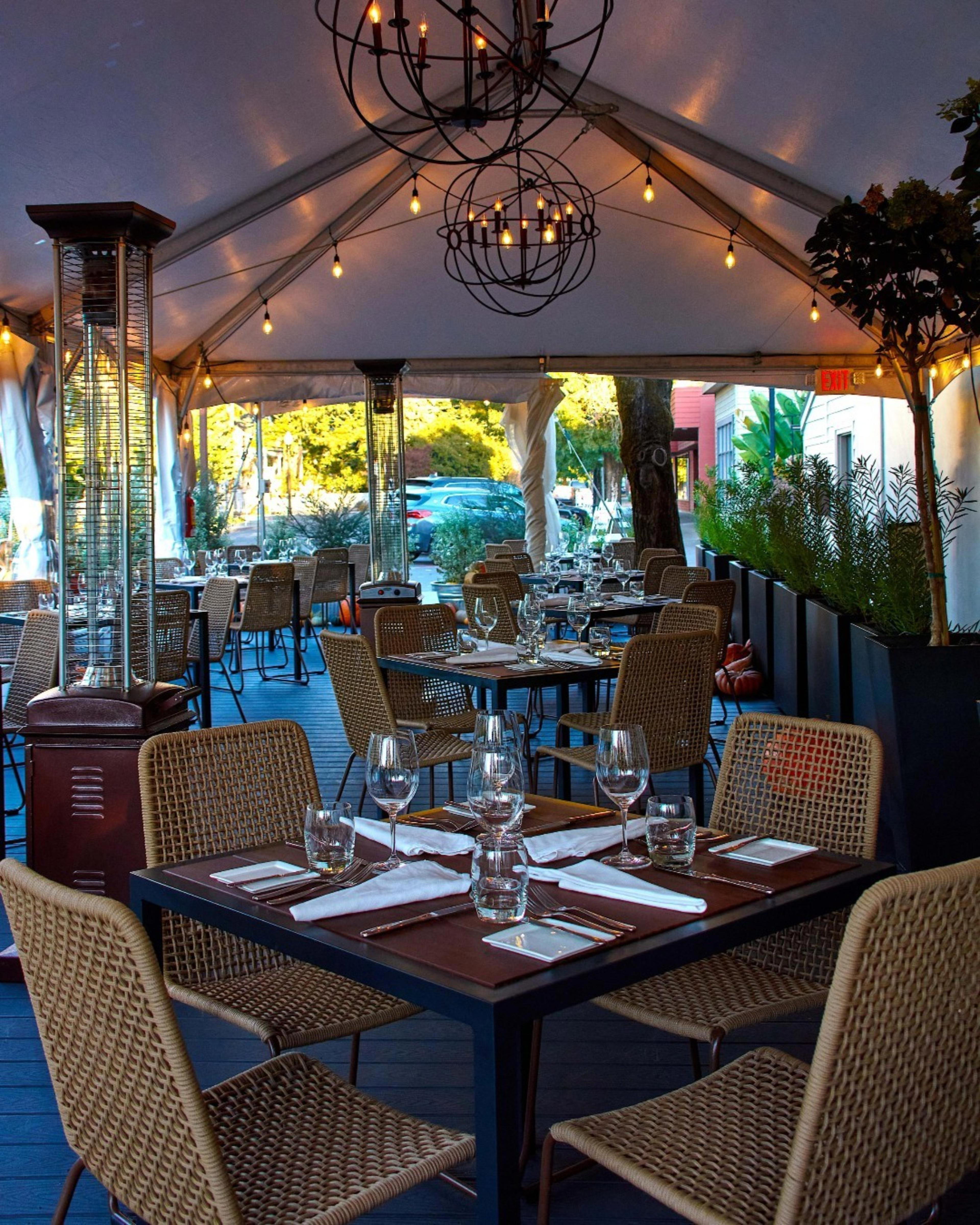
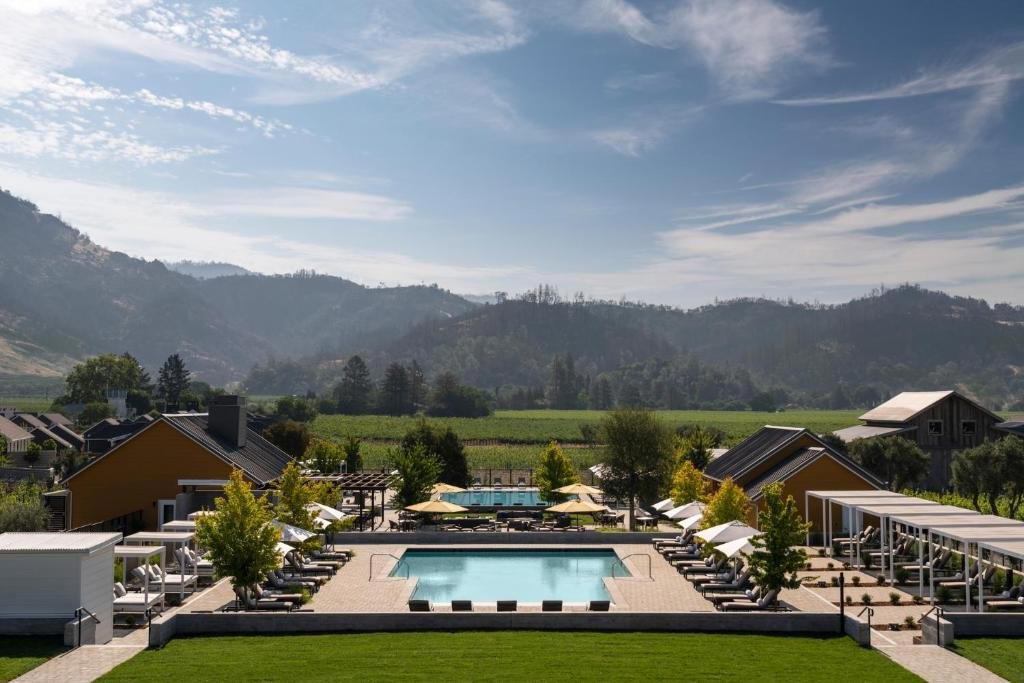
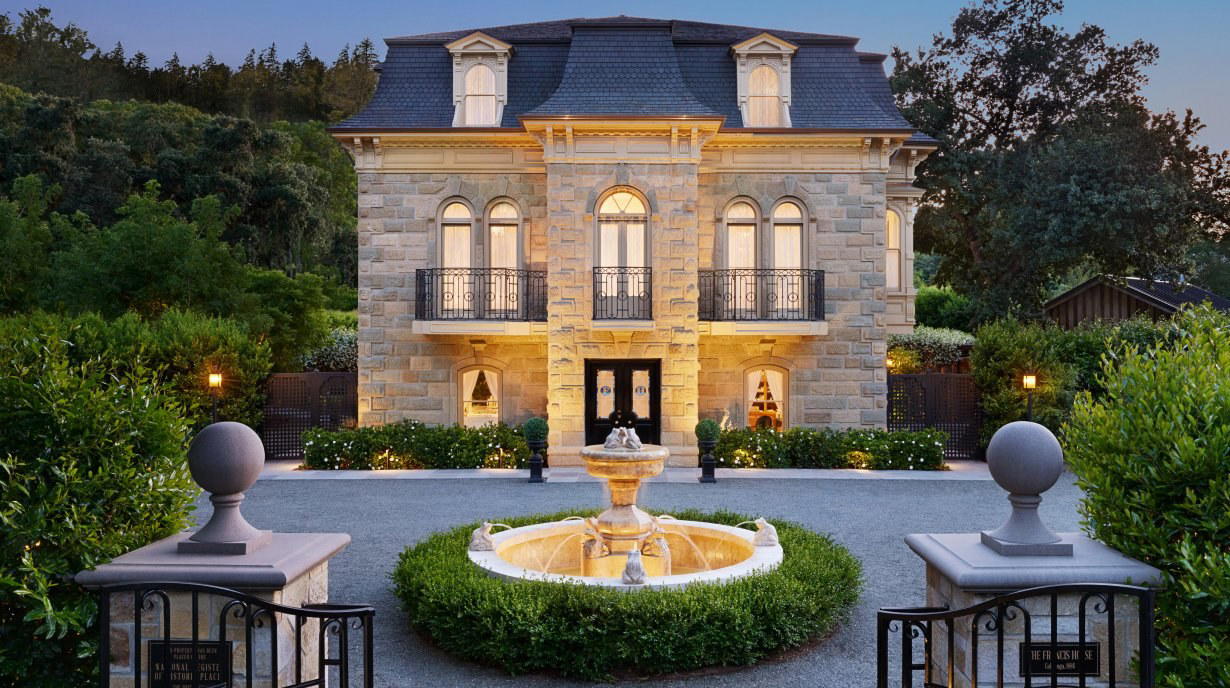
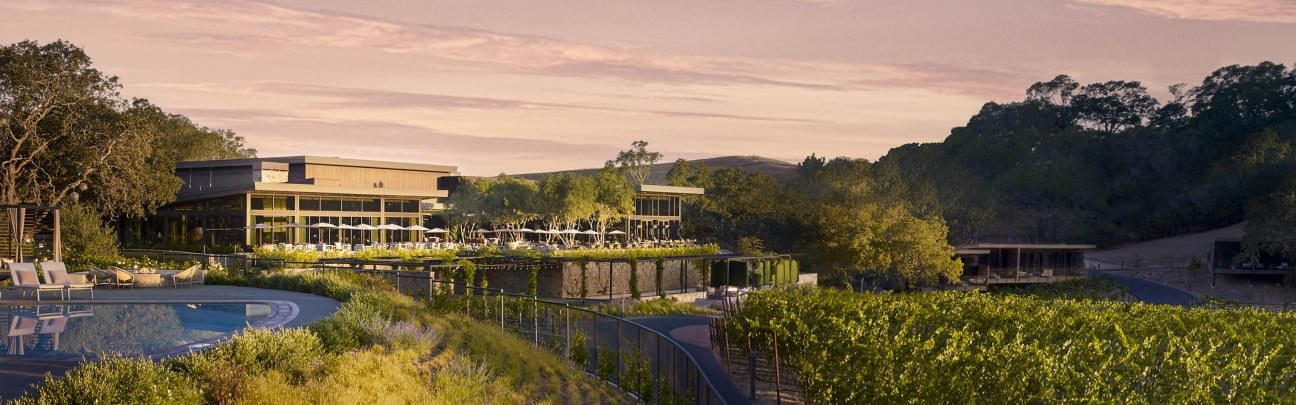
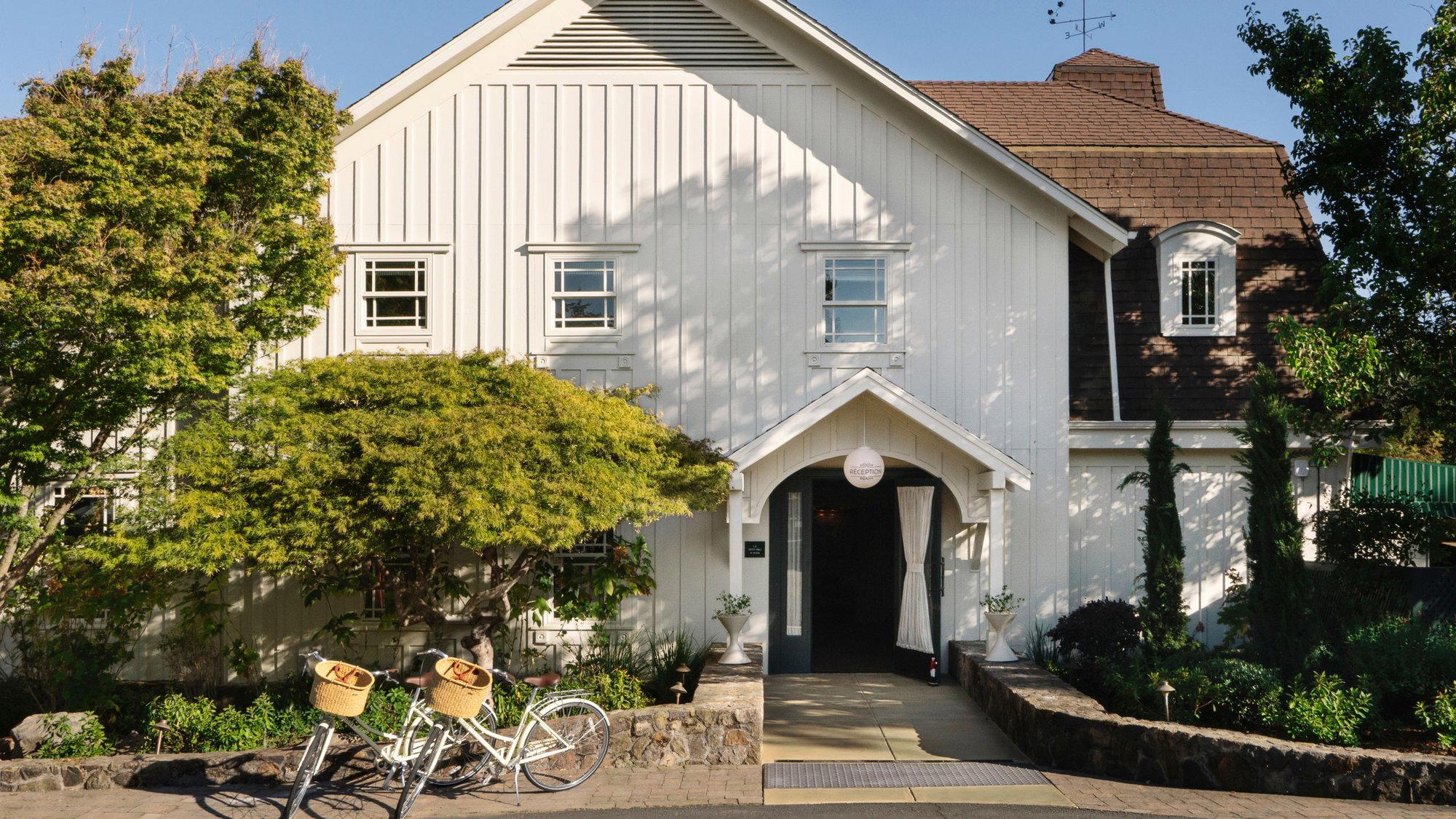
Elegant and sophisticated with a focus on the purity of estate-grown red wines in an intimate, family-run setting.