Gaststätte Figl

Michelin Plate
Our verdict
Gaststätte Figl anchors the Ratzersdorf neighbourhood with a dual-track menu that ranges from Austrian classics—lemon-breaded fried chicken with pumpkin seed oil—to lighter, globally influenced plates like Wasserburg salmon trout ceviche with yuzu. Behind a bright yellow façade, the dining room mixes modern fixtures with traditional detail, and a secluded terrace extends service outdoors.

Pearl is the En Primeur Club membership app — saves, bookings, and concierge access live there. Same editors, same standards.
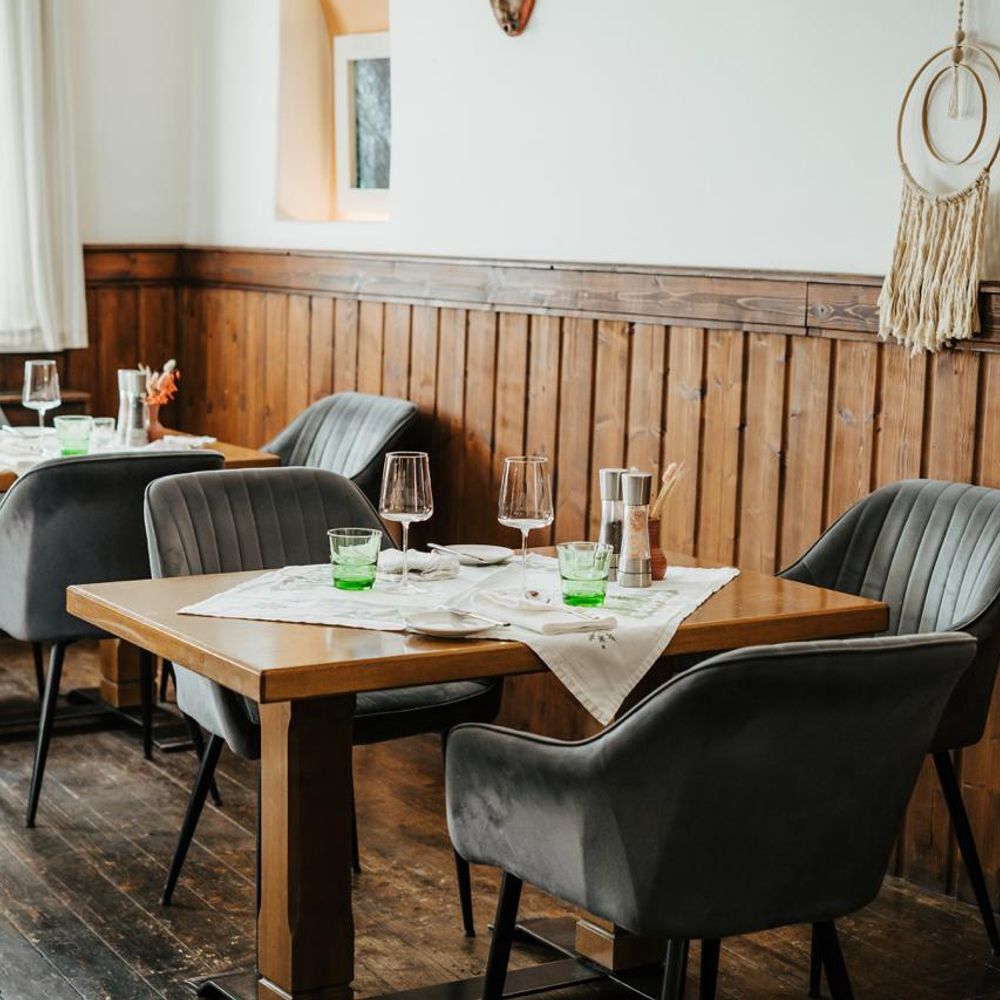
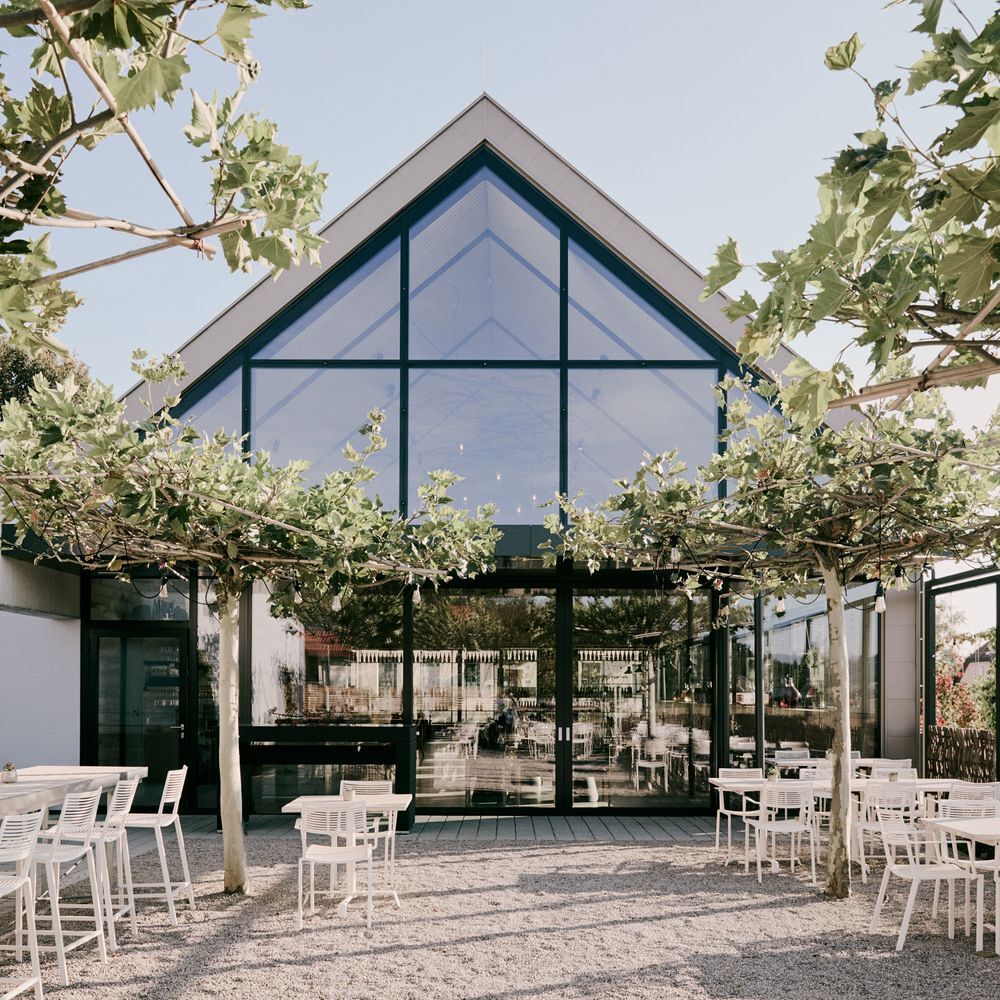
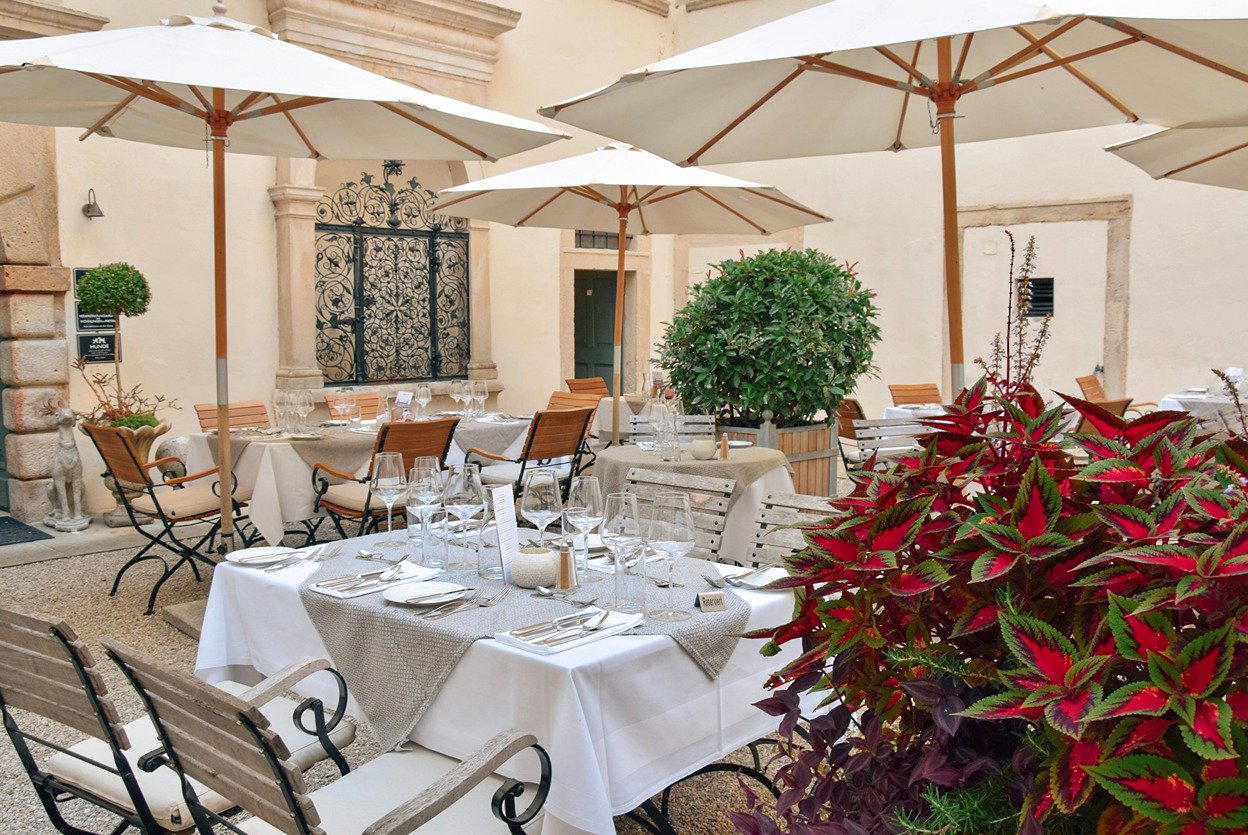
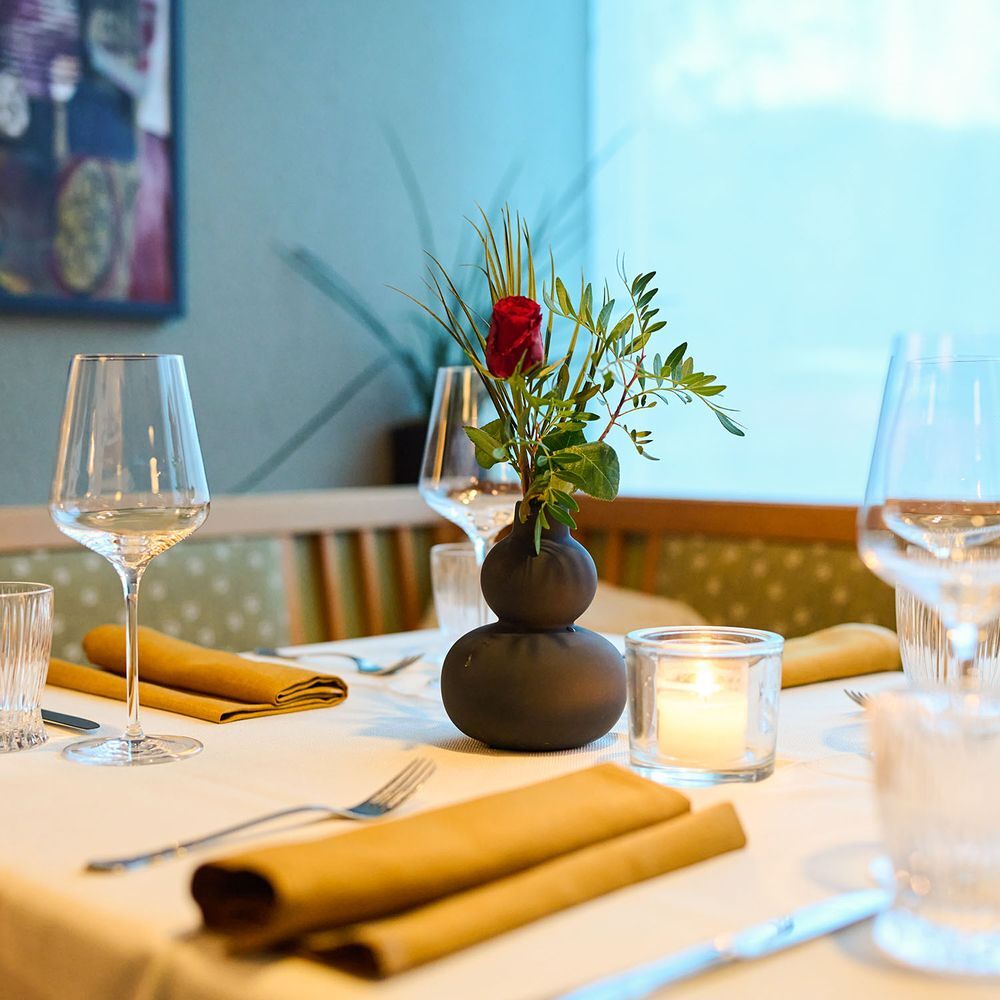
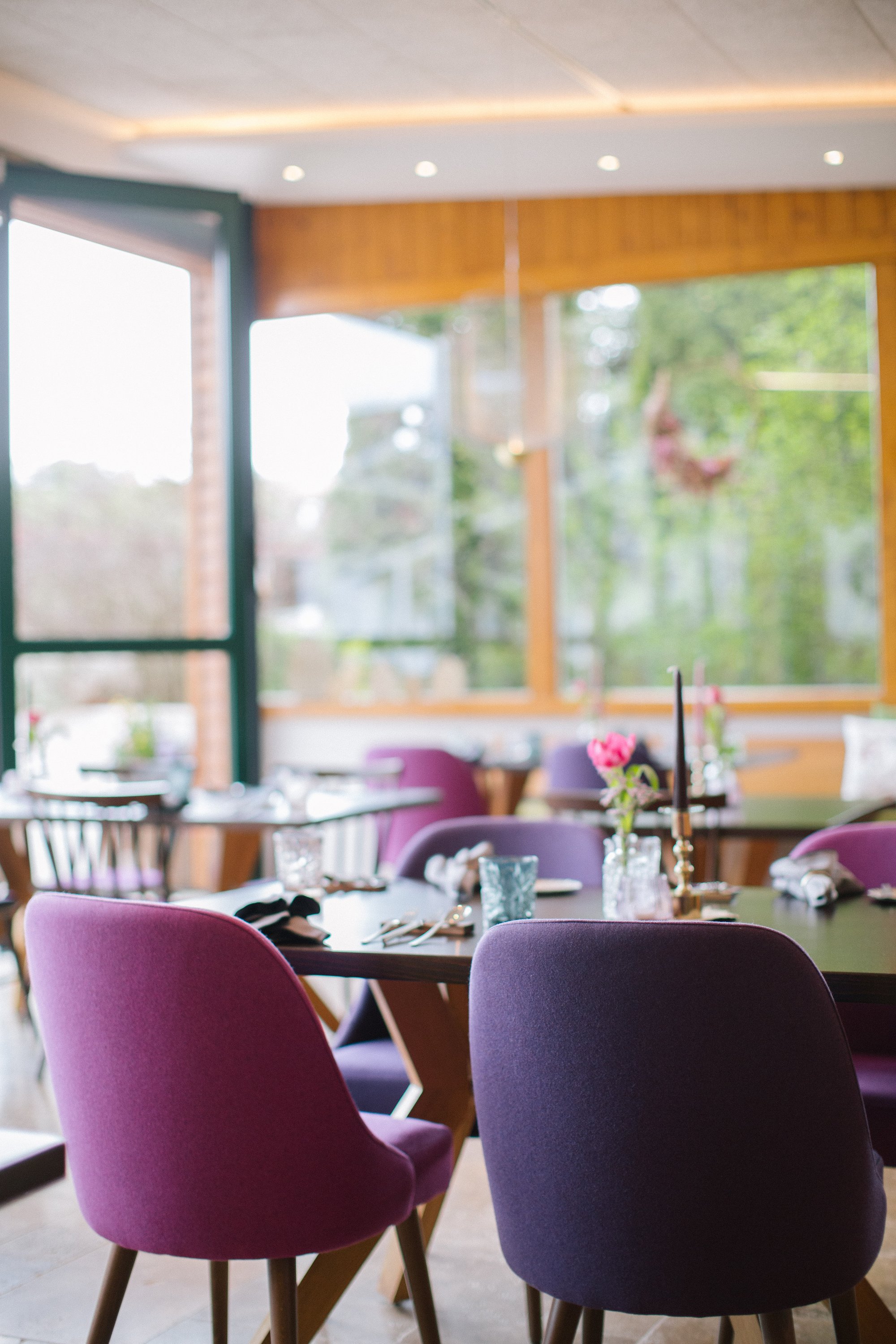
The bright yellow façade on Hauptplatz 4 signals a dining room that has bridged traditional Sankt Pölten hospitality and a more contemporary menu for years. Inside, Gaststätte Figl marries wood panelling and period detail with clean, modern furniture, creating a space that reads as neither rustic inn nor minimalist brasserie but a deliberate hybrid of both. A secluded terrace offers warm-weather service away from the square's foot traffic, and the friendly, attentive service style sits somewhere between the formality of a fine-dining counter and the ease of a neighbourhood gasthaus.
A Split Menu Anchored in Local Sourcing
The kitchen works a two-track repertoire: one side rooted in Austrian tradition, crisp-skinned fried chicken, potato-and-lamb's lettuce salad dressed with pumpkin seed oil, lingonberry preserves, and the other leaning into lighter, internationally accented compositions. The Wasserburg salmon trout ceviche marries fennel, sesame, carrot, and yuzu, drawing on fish sourced from lakes closer to Sankt Pölten than the ocean. That ingredient geography matters: trout from the Wasserburg region carries a cleaner, more mineral-forward flavour than farmed alternatives, and the menu's reliance on regional fish, game, and dairy defines its identity more than any single cooking technique or chef biography. The deboned lemon breaded fried chicken strips away the usual bone-in presentation, making the dish easier to eat without sacrificing the crisp crust or juicy interior that define the style. Pumpkin seed oil, a staple of Austrian kitchens, adds a nutty richness to the accompanying salad, and the lingonberries provide the tart counterpoint that balances the fried weight. These are not reinventions, they are precise executions of familiar plates, distinguished by sourcing discipline and a willingness to accommodate both the diner seeking comfort and the one chasing lighter, more globally inflected flavours. For context on how Sankt Pölten's dining scene splits between tradition and newer formats, see our full Sankt Polten restaurants guide.
Ratzersdorf Context and Peer Format
Ratzersdorf operates as a quieter annex to Sankt Pölten's central district, with fewer high-traffic brasseries and more residential dining rooms that draw regulars rather than weekend crowds. Gaststätte Figl has held a loyal local following in this neighbourhood, functioning as both weeknight destination and special-occasion room depending on the calendar and the table's composition. The mix of modern cuisine and classic favourites mirrors a broader shift in mid-sized Austrian cities, where traditional gasthäuser either hold their ground with unreconstructed menus or, as here, thread in lighter, more international touches without abandoning the foundational dishes that built their reputations. Vinzenz Pauli, also in Sankt Pölten, operates a similar dual-track strategy, though its menu skews more contemporary. The yellow façade and terrace setup position Gaststätte Figl as a daytime-friendly option as well, though evening service draws the fuller reservation slate. For hotel options nearby, consult our full Sankt Polten hotels guide; if you are planning a broader Lower Austrian itinerary, 2Stein in Krems offers a wine-focused format forty minutes northwest.
The menu's international flair extends beyond the ceviche: yuzu and sesame point to pantry staples that have migrated from specialist kitchens into mainstream Austrian dining over the past decade, much as pumpkin seed oil and lamb's lettuce once defined regional identity. The kitchen does not announce a farm-to-table ethos or name its suppliers on the menu, but the specificity of the Wasserburg salmon trout and the presence of lamb's lettuce, a cold-season green native to the region, suggest a supply chain rooted in proximity rather than convenience. This is ingredient sourcing as quiet discipline: the kitchen buys what grows or swims nearby, then writes around it. For travellers accustomed to the more declarative sourcing rhetoric of Copenhagen or California, the Austrian approach can read as understated, but the results on the plate make the case without footnotes.
Sankt Pölten's dining landscape includes traditional beisl formats, modern European brasseries, and a handful of internationally inflected spots; Gaststätte Figl sits in the overlap, accessible to the diner who wants schnitzel but not beholden to the canon. The terrace, set back from the main square, offers a degree of seclusion unusual in a city-centre location, and the interior's blend of old and new materials mirrors the menu's dual register. If you are mapping a day in Sankt Pölten, the venue works equally well as a lunch anchor or an evening reservation, though the kitchen's range means you will want to scan the menu in advance to confirm which track, classic or contemporary, suits the occasion. For bar options, see our full Sankt Polten bars guide; for regional wine cellars, check our full Sankt Polten wineries guide. If you are extending into the broader Austrian dining map, 's Paul Restaurant in Traunkirchen offers a lake-focused menu in the Salzkammergut, while [aend] in Vienna runs a more progressive tasting format. For Alpine formats, AD VINUM in Sölden pairs modern Austrian cooking with altitude; for urban options, Adelphia in Graz and Adria Fischrestaurant in Wels offer regional-seafood and Mediterranean angles, respectively. Smaller-format spots like 1er Beisl im Lexenhof in Nußdorf am Attersee and 7burger in Salzburg round out the spectrum. For travellers seeking mountain-resort dining, 1st Lobster in Kitzbühel and À la carte restaurant Leni's in Going am Wilden Kaiser operate at higher price points. Sankt Pölten also offers a range of experiences beyond the table. For contrast in format and price, compare Jōdo Saké Bar in Los Angeles or Onigiri Time in Pasadena, though those operate in entirely different culinary traditions.
The room accommodates solo diners at smaller tables near the bar, couples on the terrace, and larger groups in the main dining space, making it adaptable to a range of party sizes and occasions. Service balances efficiency with warmth, a rhythm that works whether you are ordering a single plate at lunch or working through multiple courses at dinner. The kitchen's willingness to run both heavier classics and lighter, ingredient-focused plates on the same menu reflects a pragmatism common in regional Austrian dining: the goal is to fill seats across lunch and dinner, weekday and weekend, without forcing a single culinary point of view. That flexibility can dilute identity in less disciplined hands, but here the thread of ingredient quality, the Wasserburg trout, the pumpkin seed oil, the careful deboning of the fried chicken, holds the menu together even as it spans styles and eras.
Frequently asked questions
Is Gaststätte Figl child-friendly?
The friendly service and dual-track menu, Austrian classics alongside modern international plates, accommodate families without special provisions. The deboned lemon fried chicken with potato salad appears regularly on orders from younger diners, and the secluded terrace offers additional space during warmer months.
Is Gaststätte Figl formal or casual?
Casual. The interior blends modern and traditional elements but expects no dress code, and the menu splits evenly between approachable Austrian staples and international-leaning plates like Wasserburg salmon trout ceviche with yuzu. Service is attentive but relaxed, matching the neighbourhood pace of Ratzersdorf rather than the formality of a fine-dining room.
Does Gaststätte Figl have a Michelin star or similar recognition?
Gaststätte Figl has received recognition including: A popular culinary destination in the neighbourhood of Ratzersdorf. Behind the bright yellow façade awaits a beautiful interior that blends both modern and traditional elements; outside, there is a secluded terrace. Service is friendly and ….
What part of town is Gaststätte Figl in?
Gaststätte Figl is located at Hauptplatz 4, Sankt Pölten, Niederösterreich, 3100, AUT, Sankt Polten.
Comparable Spots, Quickly
Comparable venues by cuisine and price in the same metro.
| Venue | Cuisine | Price | Awards |
|---|---|---|---|
| Gaststätte FiglThis venue — the venue you are viewing | Modern Austrian with regional, seasonal focus | $30–50 | Michelin Plate |
| Vinzenz Pauli | New Austrian Cuisine | $20–30 | Michelin Plate |
Recognition history
Dated appearances from independent guides and award organizations, with the underlying list record or original source where available.
Michelin Plate
Michelin
Continue exploring
More in Sankt Polten
Restaurants in Sankt Polten
All restaurants in Sankt Polten →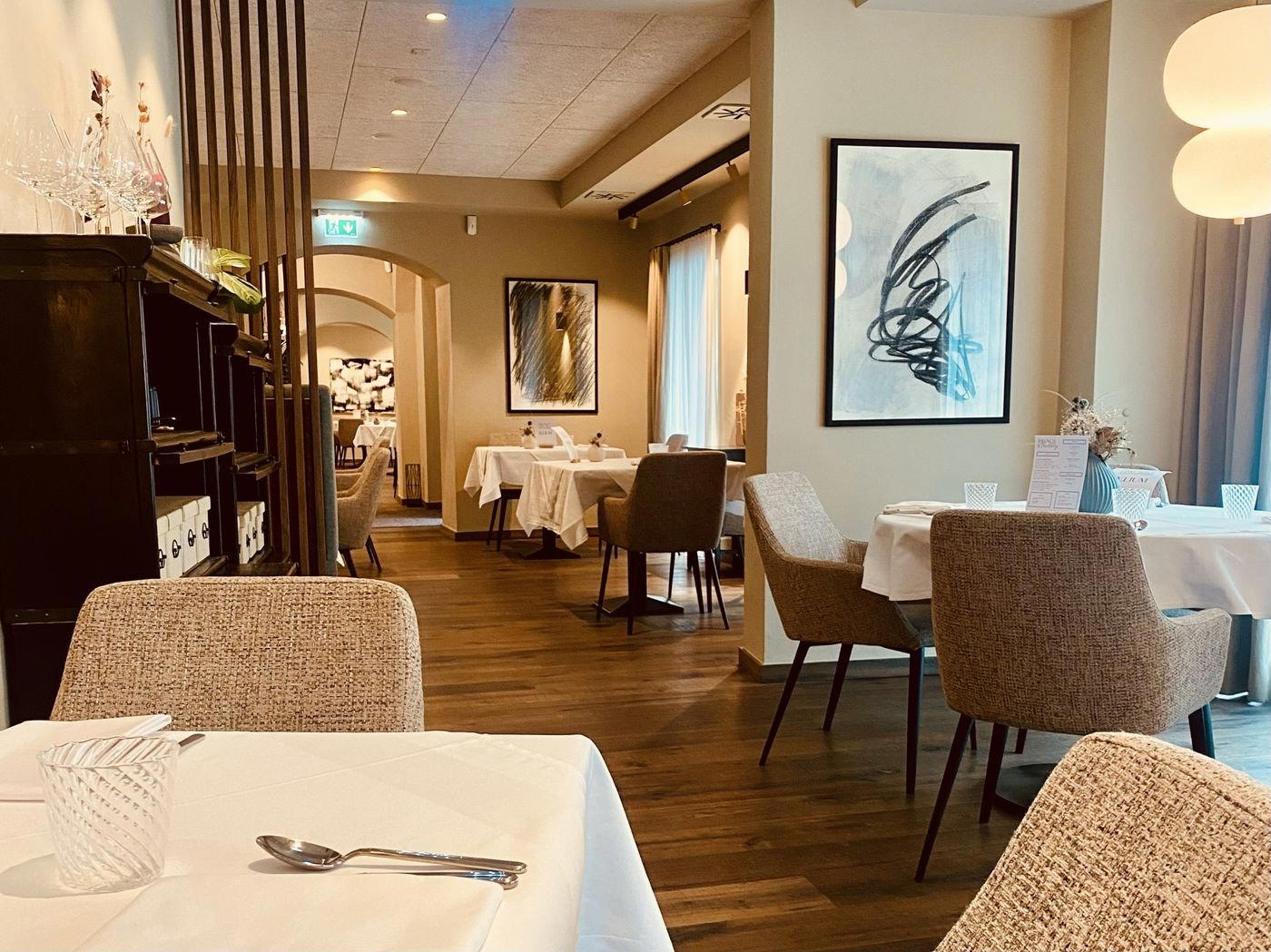
Bars in Sankt Polten
Browse all →
Hotels in Sankt Polten
Browse all →
Gaststätte Figl
The wine
- Wine program
- Curated wine list
- Extensive wine list
Details
- Cozy
- Rustic
- Romantic
- Classic
- Lively
- Date Night
- Business Dinner
- Group Dining
- Family
- Special Occasion
- Private Event
- Private Dining
- Courtyard
- Standalone
- Design Destination
- Extensive Wine List
- Local Sourcing
- Farm To Table
- Tasting Menu
- A La Carte
- Set Menu
- Wine
- Cocktails
- Vegetarian Friendly
- Vegan Options
- Gluten Free Options
Warm, cozy and rustic with an old-inn feel, combining traditional gastropub charm, a winter garden and classic dining rooms, suited both to romantic dinners and festive group celebrations.