J. Lohr Vineyards & Wines
J. For visitors exploring the Westside and beyond, it anchors the region's larger-production, multi-varietal conversation.

Pearl is the En Primeur Club membership app, where members save venues, book tables and use the concierge.
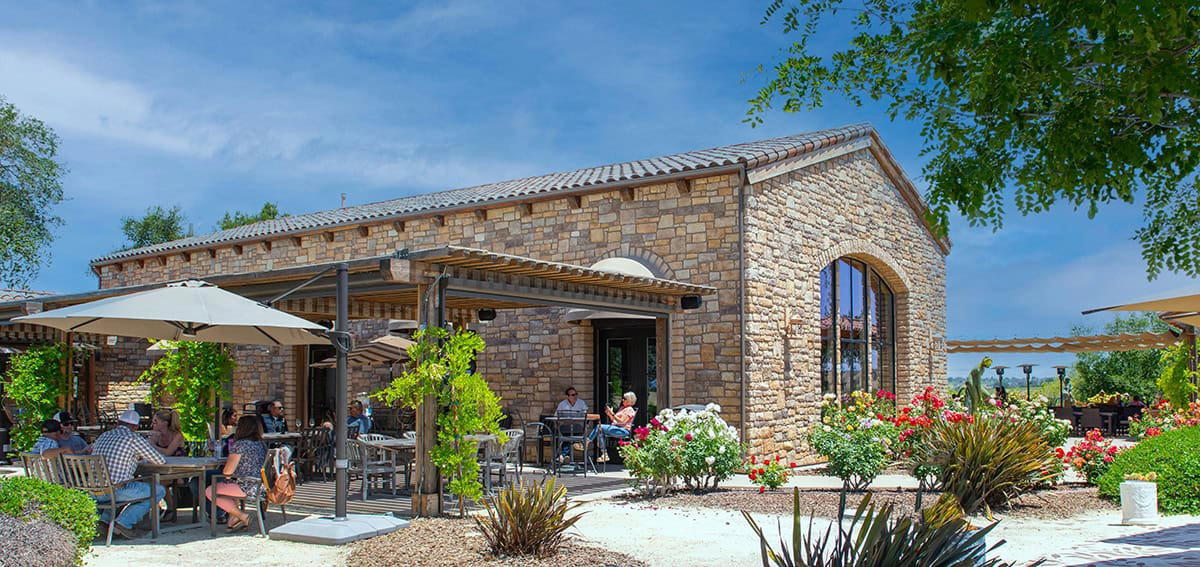
Paso Robles and the Sourcing Question
In any serious conversation about California wine, where the grapes come from matters as much as what happens to them afterward. Paso Robles is an appellation built on geological and thermal diversity: the Westside AVAs draw on calcareous soils and marine influence funneled through the Templeton Gap, while the warmer eastern reaches favor the kind of fruit weight that built the region's early Zinfandel reputation. J.
That multi-appellation approach is neither a compromise nor an afterthought in the California context. Producers such as DAOU Vineyards and Halter Ranch Vineyard operate with deep roots in single-estate or tightly defined Paso Robles sourcing, placing their identity firmly in the appellation's specific terroir story. J. Lohr's model is a different proposition: a range built on breadth, with the Paso Robles estate as the flagship production anchor. Understanding that distinction is how you read a visit here correctly.
The Award in Context
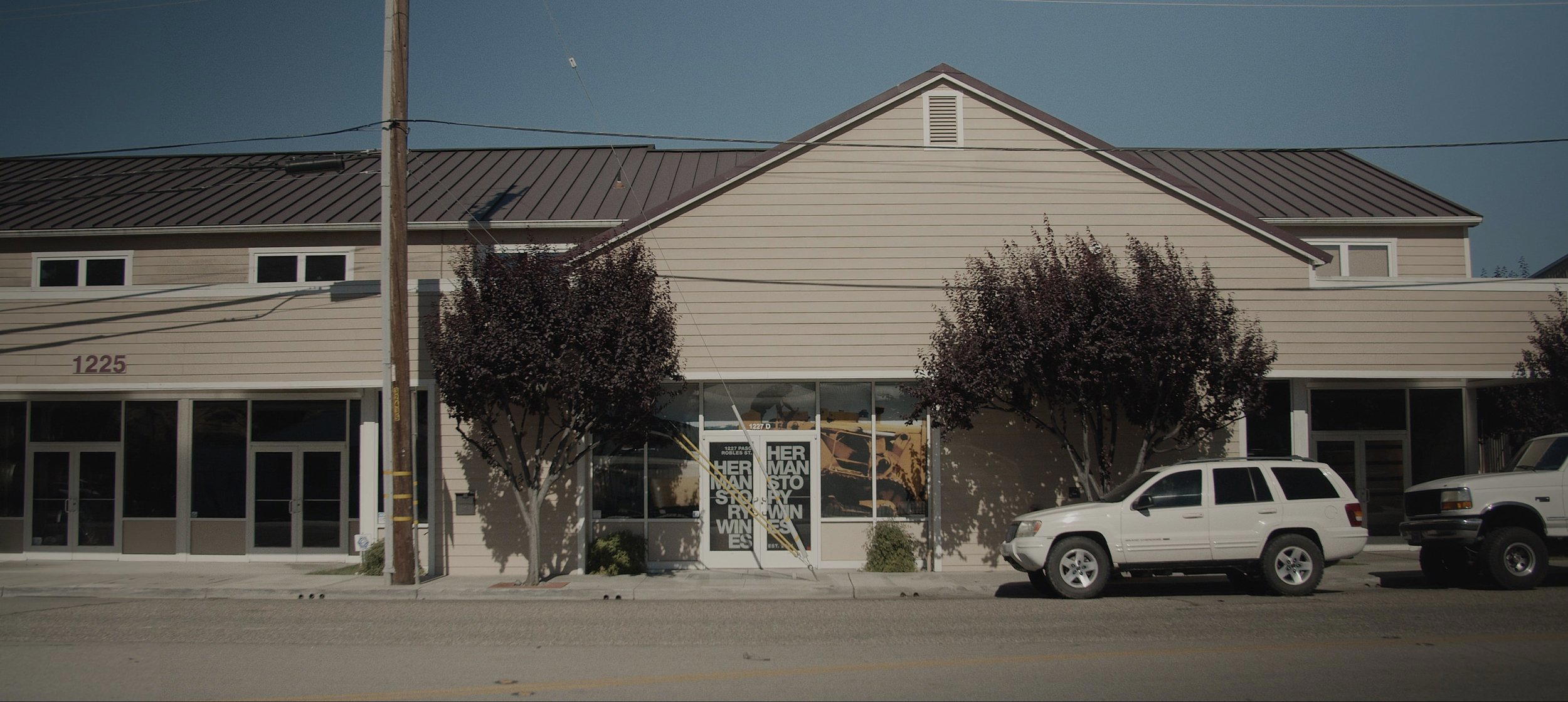
In Paso Robles, where the competitive field now includes highly regarded estates such as Adelaida Vineyards and Herman Story Wines, prestige-level recognition carries weight as a sorting mechanism for visitors deciding where to direct their time.
Across California's premium winery landscape more broadly, the producers earning recognition at this level tend to share a common discipline: controlled sourcing, varietal focus that maps to what the appellation actually does well, and production decisions that hold quality through large runs. The award here functions less as a superlative and more as a positioning marker, confirming that J.
What the Range Reflects
J. Lohr's portfolio spans varieties and price points in a way that few Paso Robles producers attempt. The Cabernet Sauvignon from the estate's Paso fruit competes in a category that Bianchi Winery and others also contest, while the range extends into white varieties and Rhone-influenced bottles that reflect the appellation's ongoing conversation about what it can do beyond red Bordeaux blends. That conversation has been active across the Central Coast for over a decade, with producers at Alban Vineyards in Arroyo Grande and Andrew Murray Vineyards in Los Olivos having staked serious ground in Rhone varieties south of Paso's city center.
The implication for a visitor is that J. Lohr functions as a broad-spectrum entry point into what Paso Robles produces rather than a specialist argument for one variety or site. That breadth has trade-offs: the focus and singularity that makes a visit to a single-vineyard estate feel revelatory is not the primary offer here. What the scale does provide is comparative scope, the ability to taste across multiple price tiers and styles within a single estate, which has its own value for a visitor building fluency with the region.
The Paso Robles Context for Serious Visitors
Paso Robles has developed into one of California's most internally differentiated wine regions. The appellation's eleven sub-AVAs, formalized over the past decade, reflect genuine distinctions in soil, elevation, and climate that producers now use to make increasingly specific claims. A visit to J. Lohr fits most naturally into a broader itinerary that moves between production scales and sourcing philosophies, pairing the estate with smaller Westside houses to build a fuller picture of what the appellation contains. The drive itself covers meaningful climatic ground: temperature differentials of fifteen degrees Fahrenheit between the eastern flatlands and the Westside hills are not unusual in summer, and those numbers show up directly in what the wines from each zone taste like. Paso Robles, understood this way, is less a single appellation than a collection of microclimates operating under a shared name.
Producers at the opposite end of the scale spectrum, such as allocation-model houses, operate with booking requirements and production limits that push the visitor experience toward a different kind of intimacy. J. Lohr's profile as a larger producer means access is more open, which makes it a practical starting point before moving into the restricted-access tier of the appellation's smaller estates. For context on how other California wine regions handle this same spectrum of scale, the approaches taken at Alpha Omega Winery in Rutherford, Artesa Vineyards and Winery in Napa, and Alexander Valley Vineyards in Geyserville offer instructive comparisons across Northern California's premium tier.
Internationally, the question of how large-production estates maintain prestige-level recognition is one that producers in regions as different as Speyside and the Peloponnese have navigated, as shown by estates such as Aberlour and Achaia Clauss in Patras. The common thread is usually sourcing discipline: knowing what your raw material does well, and not asking it to do otherwise.
For a full picture of where J. Lohr fits in the wider Paso Robles drinking and dining scene, see our full Paso Robles restaurants guide, which maps the appellation's wineries and tables across the region's distinct neighborhoods and sub-AVAs. Oregon's premium tier offers further comparative grounding through producers such as Adelsheim Vineyard in Newberg, where a different production philosophy and climate produce a different argument about what West Coast viticulture can achieve.
Planning a Visit
J. Specific hours, current tasting formats, and booking requirements are best confirmed directly with the estate before arrival, as these details shift seasonally at most Paso Robles properties. Spring and fall bring the most temperate visiting conditions; summer afternoons on the eastern side of the appellation can reach temperatures that make outdoor tasting areas uncomfortable by midday.
Awards and Standing
Comparable venues nearby, for context on price, style, and recognition.
| Venue | Cuisine | Price | Awards | Notes |
|---|---|---|---|---|
| J. Lohr Vineyards & WinesThis venue (the venue you are viewing) | Cabernet Sauvignon, Petite Sirah | Not listed | Not listed | Not listed |
| Grey Wolf Cellars | Cabernet Sauvignon, Grenache | $30–50 | Falstaff Winery - Listed | Westside |
| Sculpterra Winery | Viognier, Grenache | $20–30 | Not listed | Paso Robles |
| Vina Robles Vineyards & Winery | cabernet sauvignon | Not listed | Not listed | Paso Robles |
| Lone Madrone Winery | Grenache, Vermentino | $30–50 | Not listed | Adelaida |
| San Antonio Winery (Paso Robles) | Cabernet Sauvignon, Syrah | $20–30 | Not listed | Paso Robles |
Continue exploring
More in Paso Robles
Wineries in Paso Robles
All wineries in Paso Robles →



Details
- Rustic
- Scenic
- Classic
- Group Outing
- Wine Education
- Solo Exploration
- Vineyard Tour
- Estate Grounds
- Panoramic View
- Sustainable
- Vineyard
- Mountain
- Cabernet Sauvignon
- Petite Sirah
- Merlot
- Chardonnay
- Still Red
- Estate Tasting
- Single Vineyard
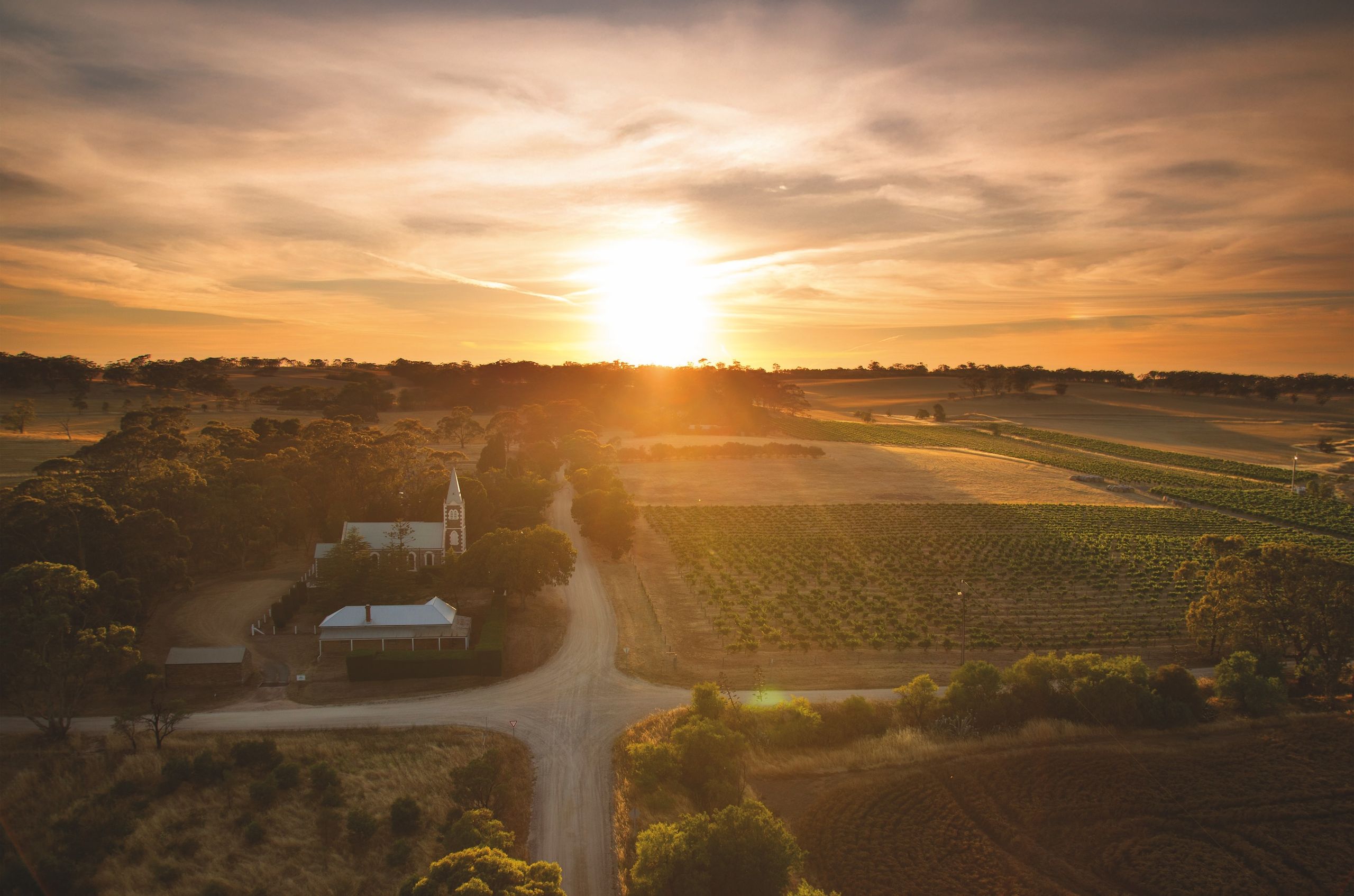
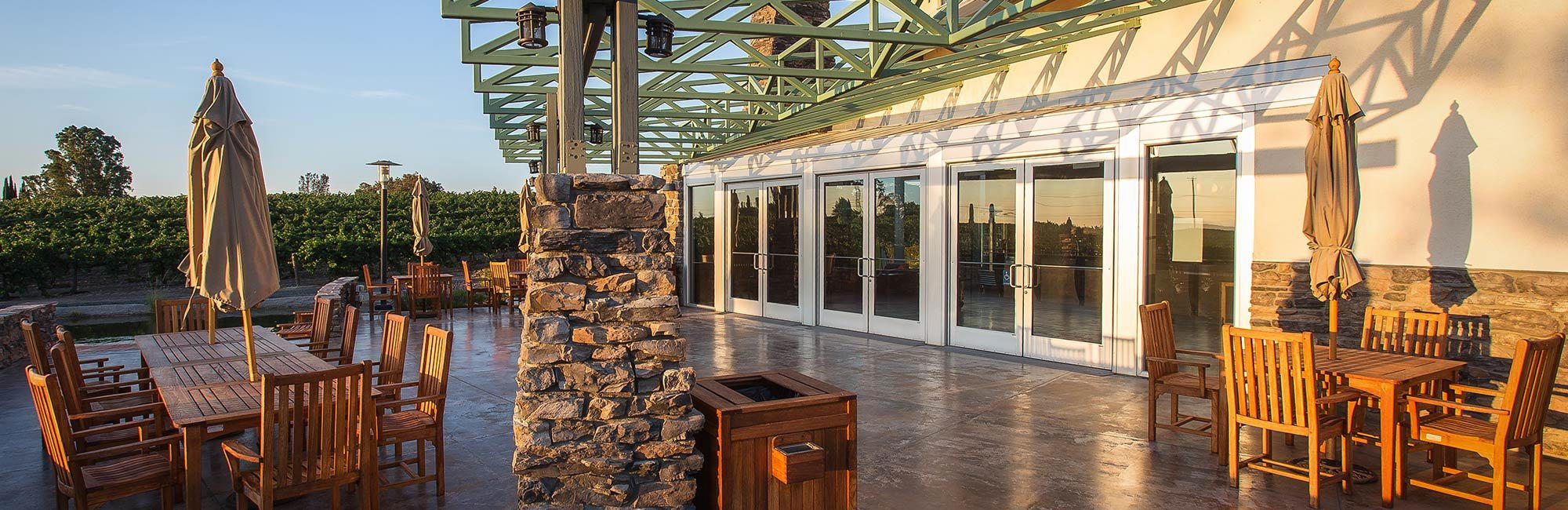
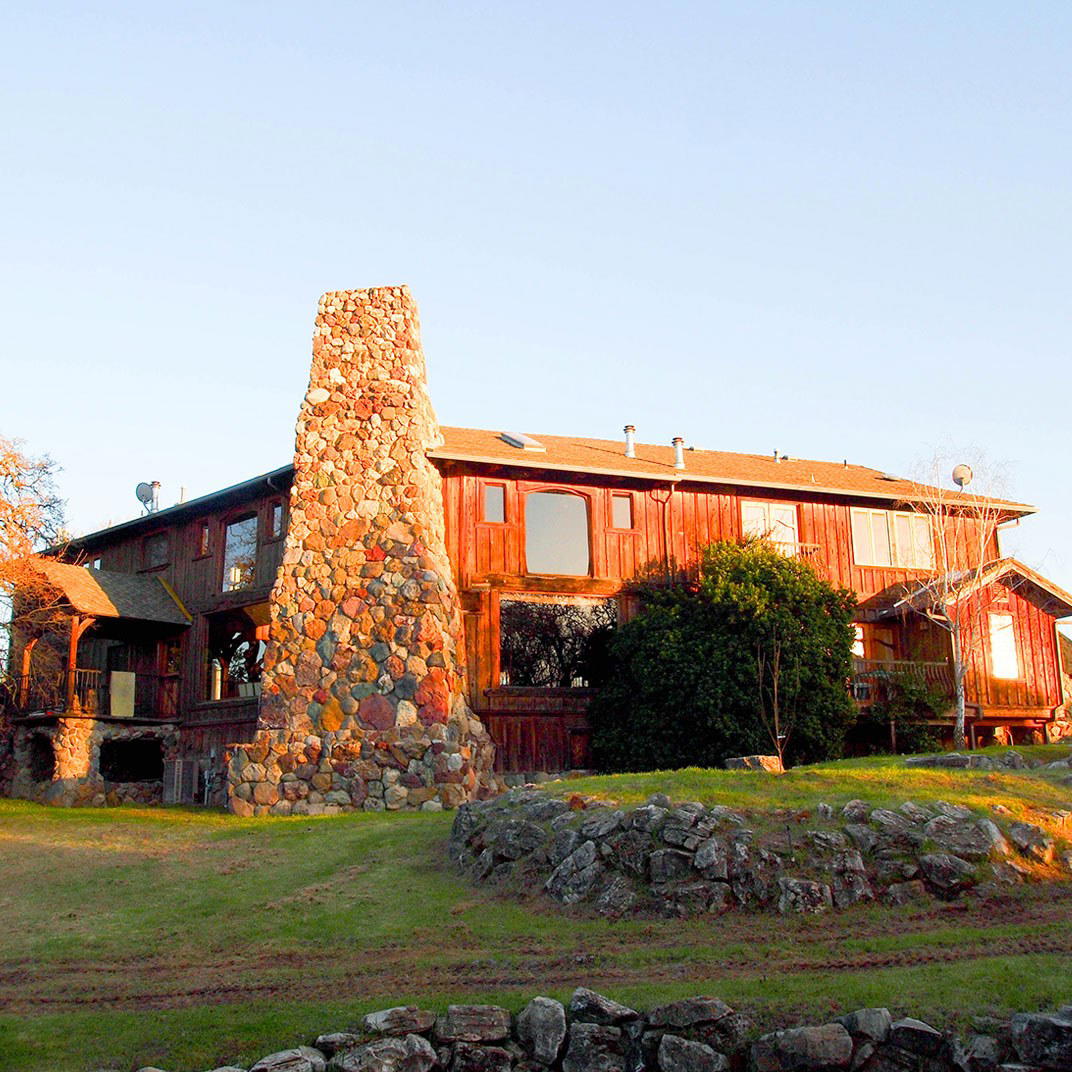
Relaxed and scenic with rolling hills, vineyard views, and a beautifully appointed veranda overlooking the estate grounds.