Peachy Canyon Winery
Peachy Canyon Winery sits along the rural edges of Templeton in California's Paso Robles wine country. The property is rooted in the rugged, dry-farmed character that defines the westside hills, where the terrain and coastal wind patterns shape wines with a distinctly regional identity. For visitors seeking a grounded, unhurried tasting experience away from the region's more commercial corridors, Peachy Canyon holds a clear position.
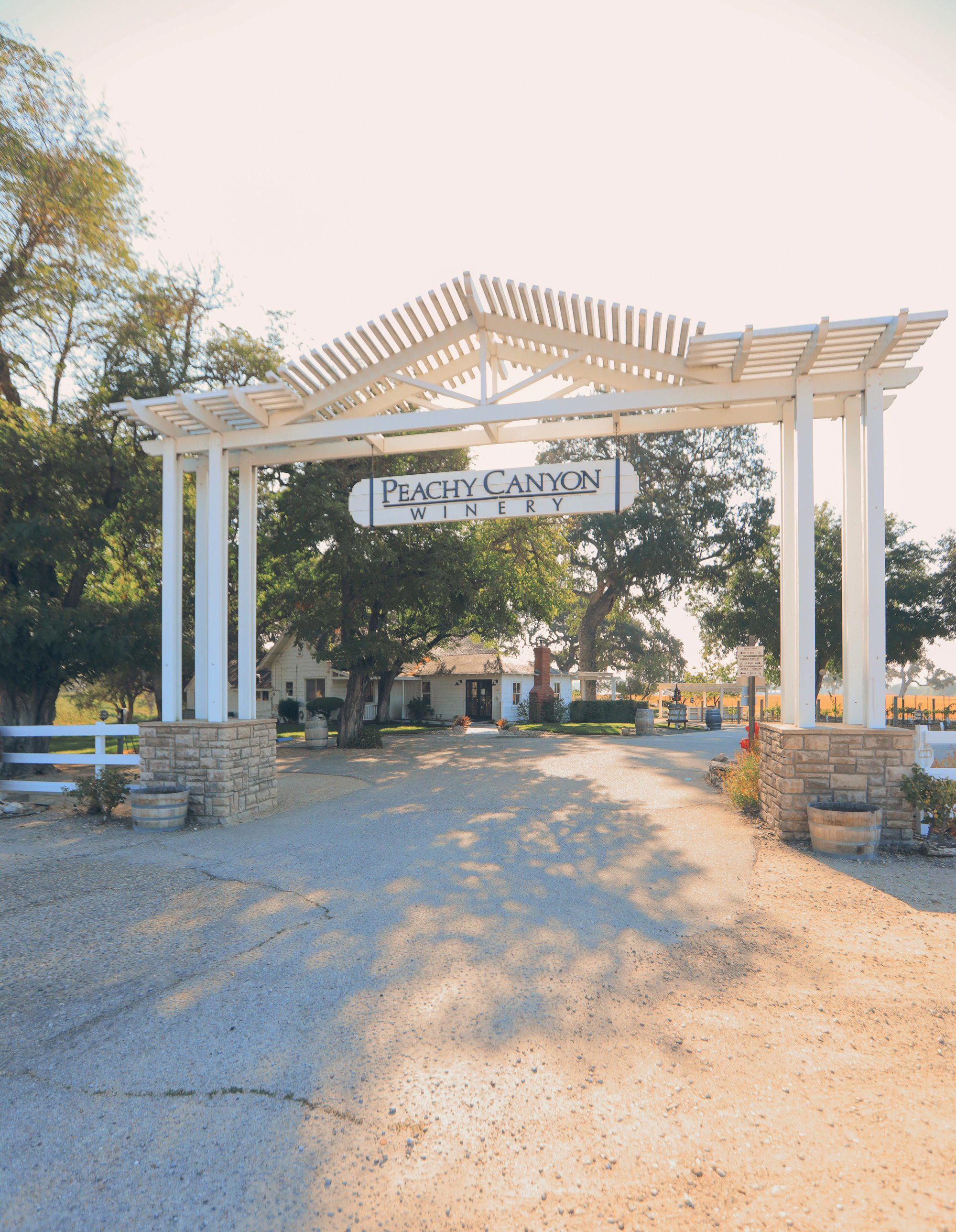
Where the Westside Hills Define the Wine
Paso Robles divides itself along a geological and climatic fault line that shapes everything about the wines produced here. To the east, the terrain flattens into warm, fertile ground where Zinfandel and Cabernet ripen reliably. To the west, the Templeton Gap channels Pacific air eastward through the Santa Lucia Range, dropping afternoon temperatures sharply and pushing vines toward longer, more deliberate ripening. Peachy Canyon Winery sits within this western corridor, on North Bethel Road in Templeton, positioned squarely in the environment that gives the appellation its most talked-about terroir signal.
The address alone places the winery in a specific conversation. This stretch of the westside is home to properties like Adelaida Vineyards and Halter Ranch Vineyard, both of which have built reputations on the idea that calcareous soils and marine-influenced air produce wines with more structural tension than those grown in warmer inland conditions.
The Physical Logic of the Property
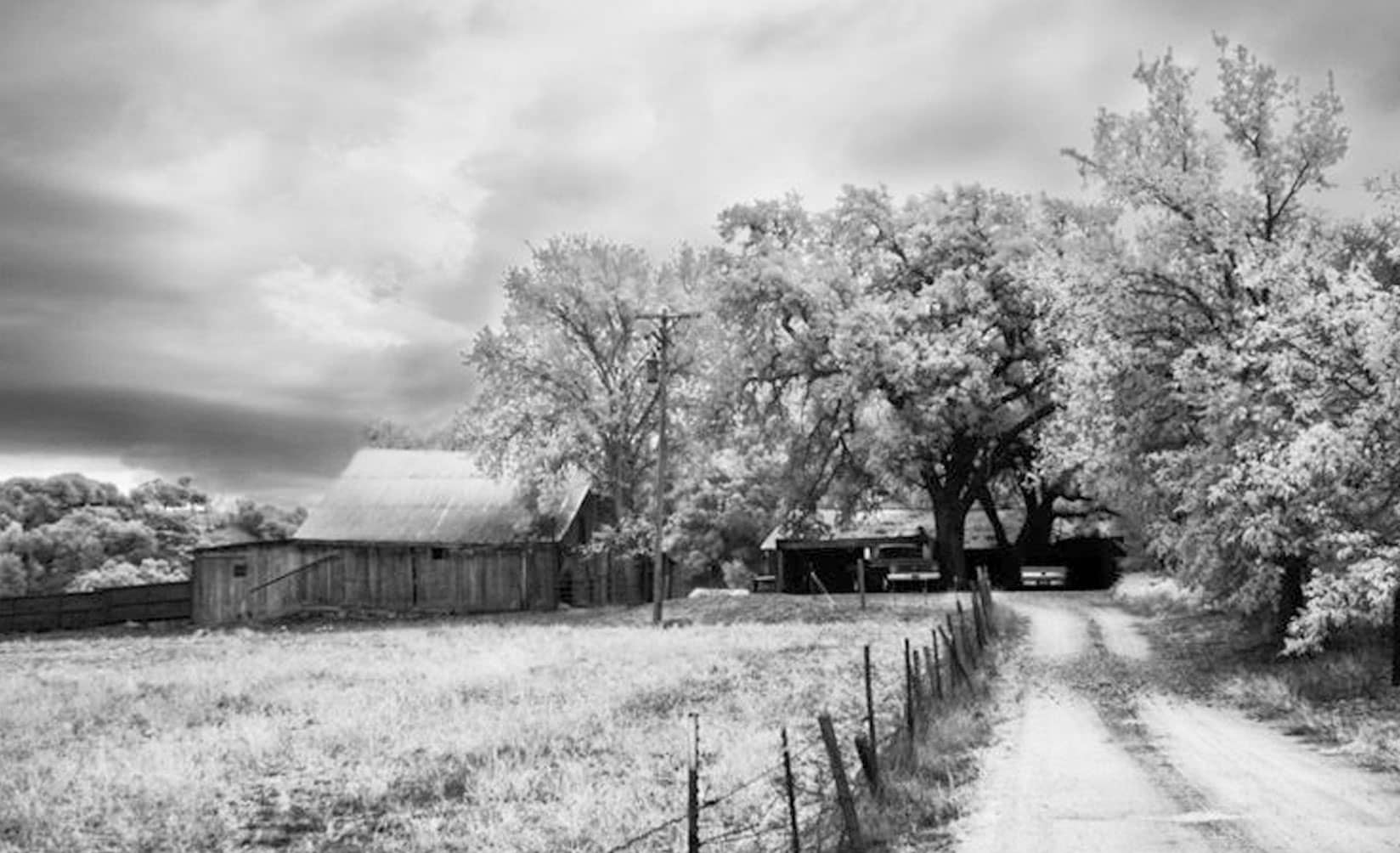
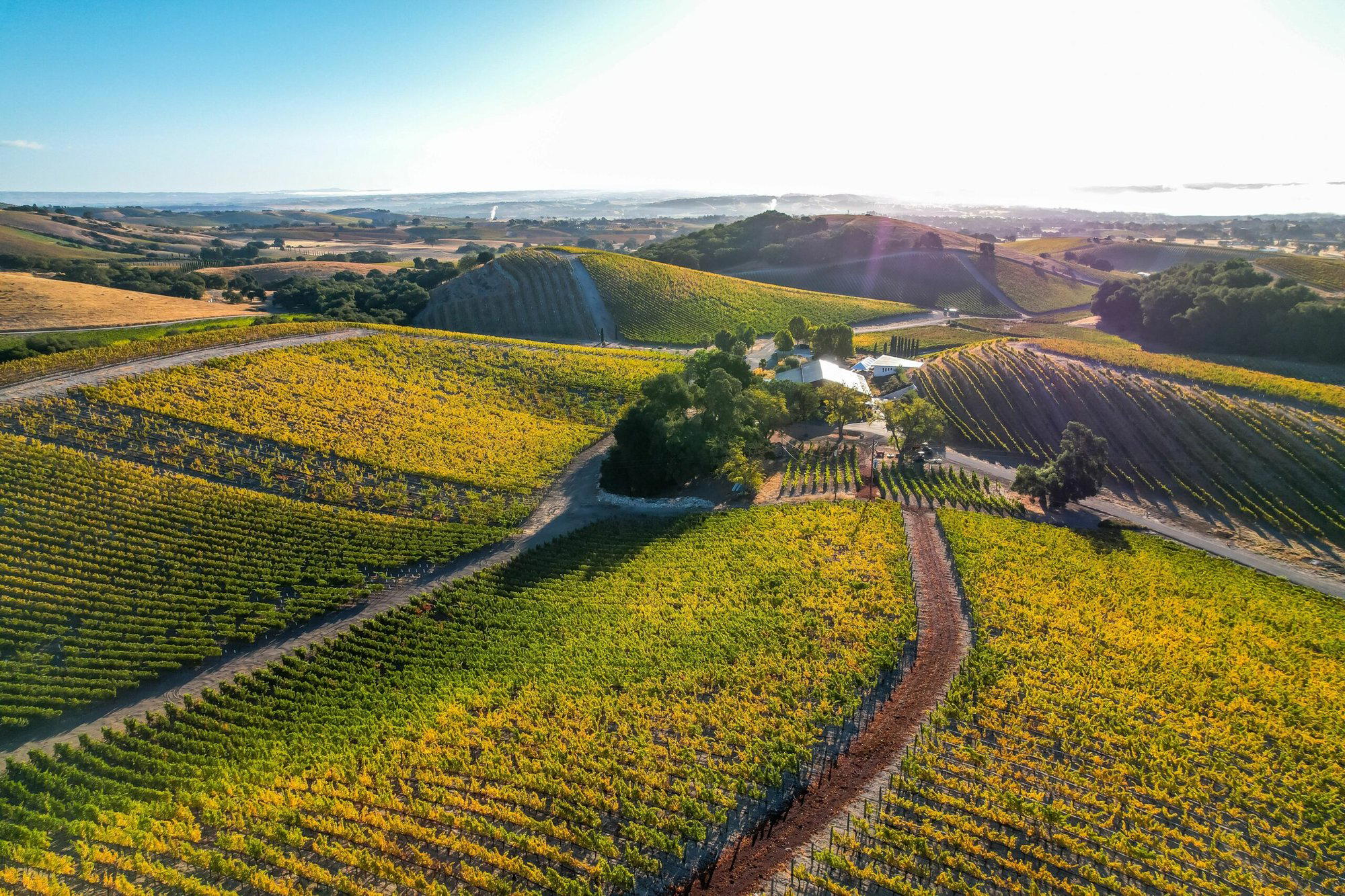
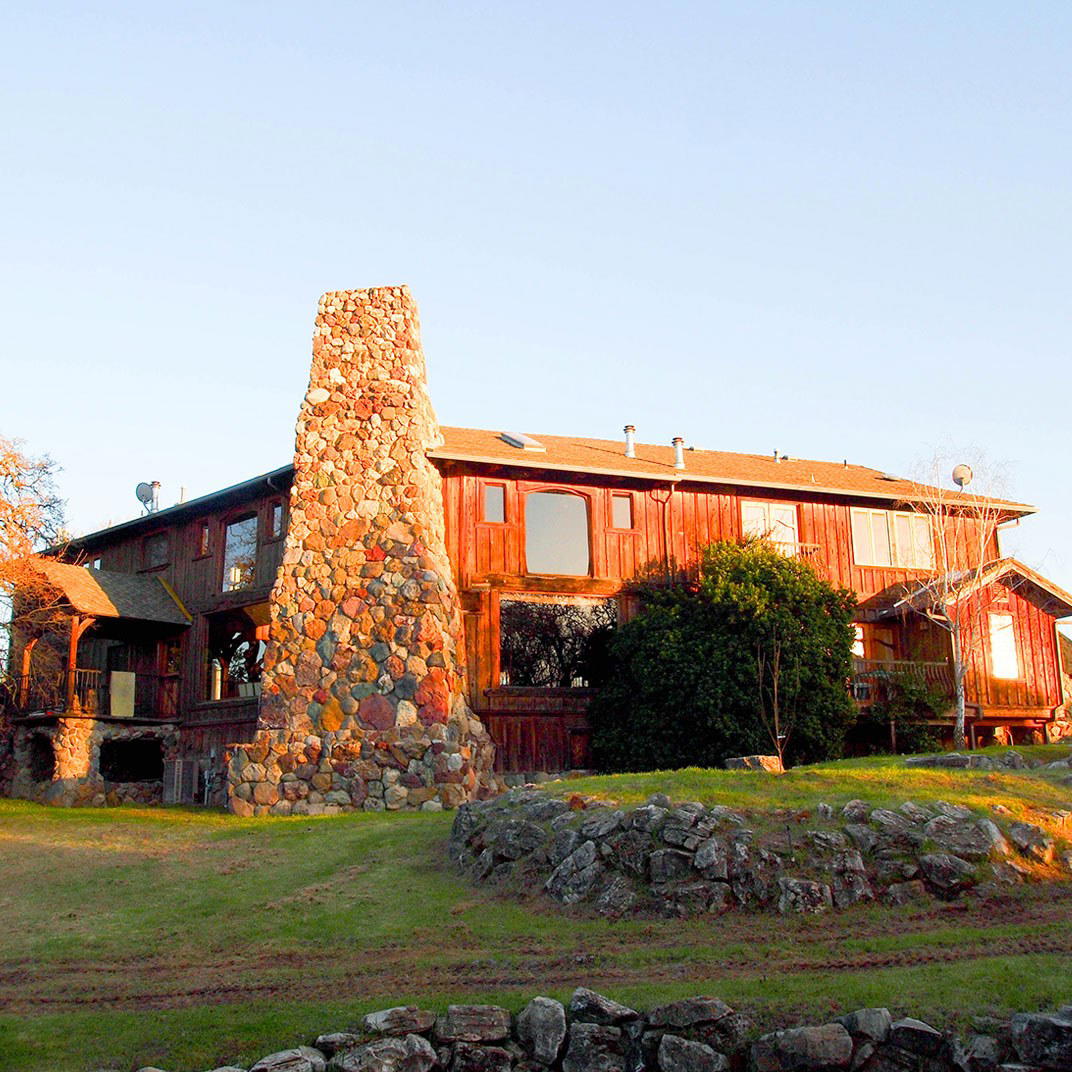
The western hills of Paso Robles are not conventionally picturesque in the way that Napa's manicured valley floor tends to be. The terrain here is dry, scrubby, and honest. Oak woodland interrupts the vineyard blocks. The soil is pale and rocky where limestone sits close to the surface. On a clear afternoon, the light hits the hillsides at a low angle, and the view across the ridgelines carries the particular quality of uncrowded California wine country: no neighboring tasting rooms within eyeline, no organized row of wine buses in the car park.
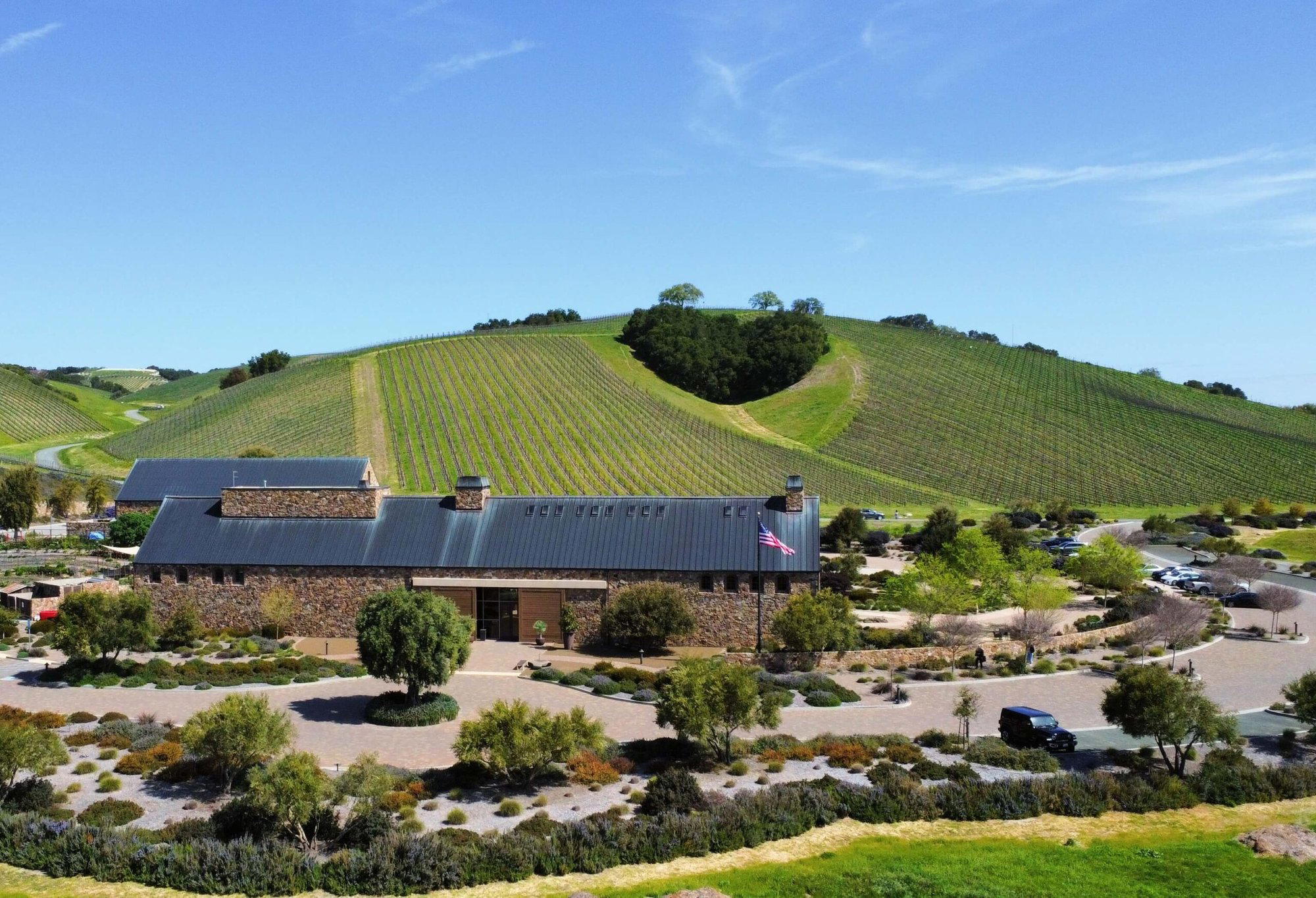
This physical character is not incidental to Peachy Canyon's identity. Wineries in this part of Templeton tend to reflect their surroundings in how they operate. The atmosphere skews toward the agricultural rather than the hospitality-resort model that has become common at higher-volume destinations. Visitors arriving here are engaging with the land as a primary reference point, not merely as a backdrop to a designed experience. That contrast matters when choosing how to spend a day in Paso Robles, and it places Peachy Canyon in a different register than a more produced property like DAOU Vineyards, which has leaned deliberately into architecture and panoramic staging.
Zinfandel Country
Paso Robles built its early reputation on Zinfandel, and the westside's combination of old vine material, warm days, and cool nights remains among the more compelling arguments for the variety in California. The grape performs differently here than it does in Lodi or Sonoma's Dry Creek Valley: the diurnal range preserves acidity that the berry's natural sugar levels can otherwise overwhelm, and the limestone content in westside soils tends to produce wines with a drier, more mineral-edged finish than alluvial benchland fruit.
Peachy Canyon has a documented association with this tradition. What the location and recognition together suggest is a producer working within Paso's Zinfandel identity rather than departing from it, in the way that some newer westside operations have pivoted toward Rhône varieties or Bordeaux blends to chase a different price tier. For comparison, Herman Story Wines and Bianchi Winery represent different angles on the regional identity, with their own stylistic departures from the Zinfandel baseline.
Situating Peachy Canyon in the Wider California Picture
California wine tourism has split into increasingly distinct tiers over the past decade. At one end, high-investment properties in Napa and Sonoma have formalized the tasting experience into something that resembles luxury hospitality more than agricultural engagement: reservation-only seated experiences, multi-course food pairings, architectural statements. Properties like Accendo Cellars in St. Helena, Alpha Omega Winery in Rutherford, and Artesa Vineyards and Winery in Napa all operate with the assumption that the visitor experience is a product in its own right. At the other end, smaller production wineries with agricultural roots have maintained a lower-intervention approach to hospitality as well as to viticulture.
Paso Robles sits between these poles more comfortably than most California regions, and the westside in particular has resisted the full hospitality-resort transformation. The presence of properties in different stylistic registers across the wider California wine world, from Adelsheim Vineyard in Newberg to Alban Vineyards in Arroyo Grande and Andrew Murray Vineyards in Los Olivos, shows how varied the tasting-room model has become even within California's premium tier. Alexander Valley Vineyards in Geyserville offers another point of comparison: a family-owned property with deep regional roots that has maintained an approachable presence even while producing wines that receive consistent critical attention.
Peachy Canyon's positioning on the westside places it in the latter category: a producer whose credibility rests on vineyard identity and wine quality rather than on experience design. That is not a limitation; for a significant portion of wine-focused visitors to Paso Robles, it is precisely the point. The region's westside properties, taken as a group, have made terrain-first winemaking their collective argument, and Peachy Canyon is part of that argument.
Planning a Visit
North Bethel Road is accessible from US-101 via the Vineyard Drive corridor, which serves as the informal spine of the westside tasting route. The drive from central Paso Robles takes roughly twenty to twenty-five minutes depending on the route. The area has no major urban infrastructure nearby, so visitors planning a full day on the westside typically build a loose itinerary around a handful of properties rather than treating any single stop as a destination in isolation. Reaching Peachy Canyon is easiest by car; the rural road network is not walkable between properties, and rideshare availability in this part of Templeton is limited.
The Paso Robles harvest window runs roughly September through October, when the westside sees its highest traffic. Spring and early summer offer more open access and cooler visiting conditions. For practical booking details, checking directly with Peachy Canyon before arriving is the appropriate approach, and our full Paso Robles restaurants and wineries guide covers the broader regional picture for context on how to structure a visit to the area.
For those building a westside circuit, pairing a visit to Peachy Canyon with stops at Adelaida Vineyards and Halter Ranch Vineyard gives a useful cross-section of how different producers are working with the same terroir inputs. The variation in style and hospitality format across those three properties tells a coherent story about the westside as a wine district.
Frequently asked questions
Is Peachy Canyon Winery more low-key or high-energy?
The property's rural location on North Bethel Road in Templeton, its agricultural setting, and the westside character of the surrounding area all point toward a lower-key, terrain-focused experience rather than a high-energy hospitality operation. It is worth confirming current format and tasting options directly with the winery, as these details can shift seasonally.
What's the wine to focus on at Peachy Canyon Winery?
Peachy Canyon has an established association with Zinfandel grown on the westside of Paso Robles, a variety that has shaped the region's reputation since before the appellation gained wider national attention. The combination of calcareous soils, diurnal temperature variation, and the property's long involvement with the grape makes Zinfandel the natural reference point. Specific current releases are best confirmed with the winery directly, since EP Club's data does not include current portfolio details.
Why do people visit Peachy Canyon Winery?
The location also places it on a westside route that connects several serious producers, making it a logical stop for those building a focused tasting itinerary rather than a casual weekend drive.
How far ahead should I plan for Peachy Canyon Winery?
Contacting the winery directly to confirm availability and any reservation requirements is the practical first step before committing to travel dates.
Price Lens
Comparable venues nearby, for context on price, style, and recognition.
| Venue | Cuisine | Price | Notes |
|---|---|---|---|
| Peachy Canyon WineryThis venue (the venue you are viewing) | Not listed | $20–30 | Not listed |
| J. Lohr Vineyards & Wines | Not listed | Not listed | Paso Robles, Cabernet Sauvignon, Petite Sirah |
| Broken Earth Winery | Not listed | Not listed | Estrella Bench, Cabernet Sauvignon, Merlot |
| Le Vigne Winery | Not listed | $20–30 | East Side, Cabernet Sauvignon, Chardonnay |
| Sculpterra Winery | Paso Robles, Viognier, Grenache | $20–30 | Not listed |
| Le Cuvier Winery | Adelaida District, Zinfandel | $30–50 | Not listed |
Request a visit to Peachy Canyon Winery
Tell us when you would like to go and how many people, and we put the request to the estate and reply to you by email.
Continue exploring
More in Paso Robles
Wineries in Paso Robles
All wineries in Paso Robles →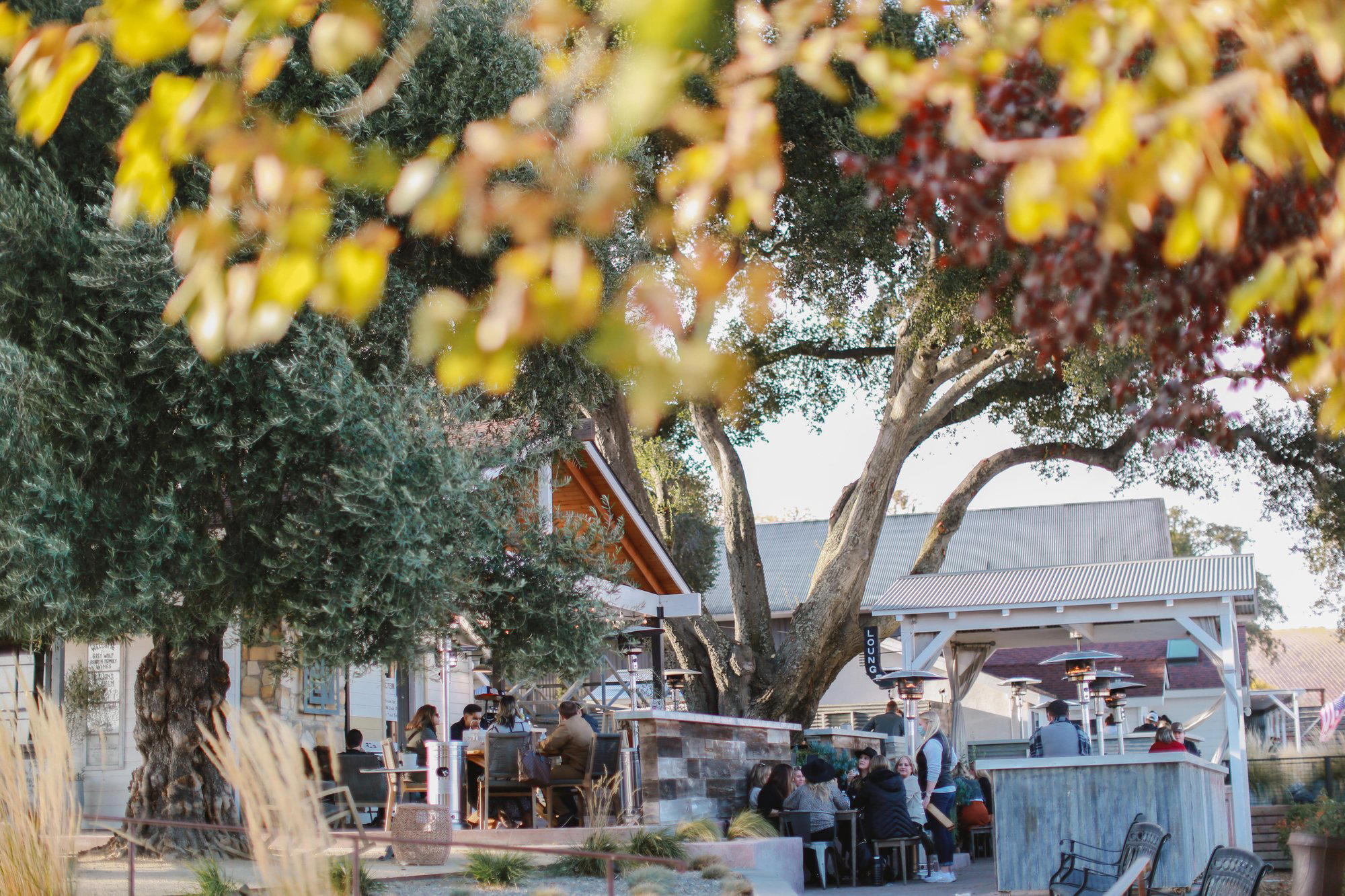

Details
- Rustic
- Cozy
- Scenic
- Classic
- Wine Education
- Group Outing
- Estate Grounds
- Picnic Area
- Panoramic View
- Historic Building
- Organic
- Dry Farmed
- Vineyard
- Zinfandel
- Petite Sirah
- Grenache
- Syrah
- Cabernet Sauvignon
- Malbec
- Still Red
- Flight Tasting
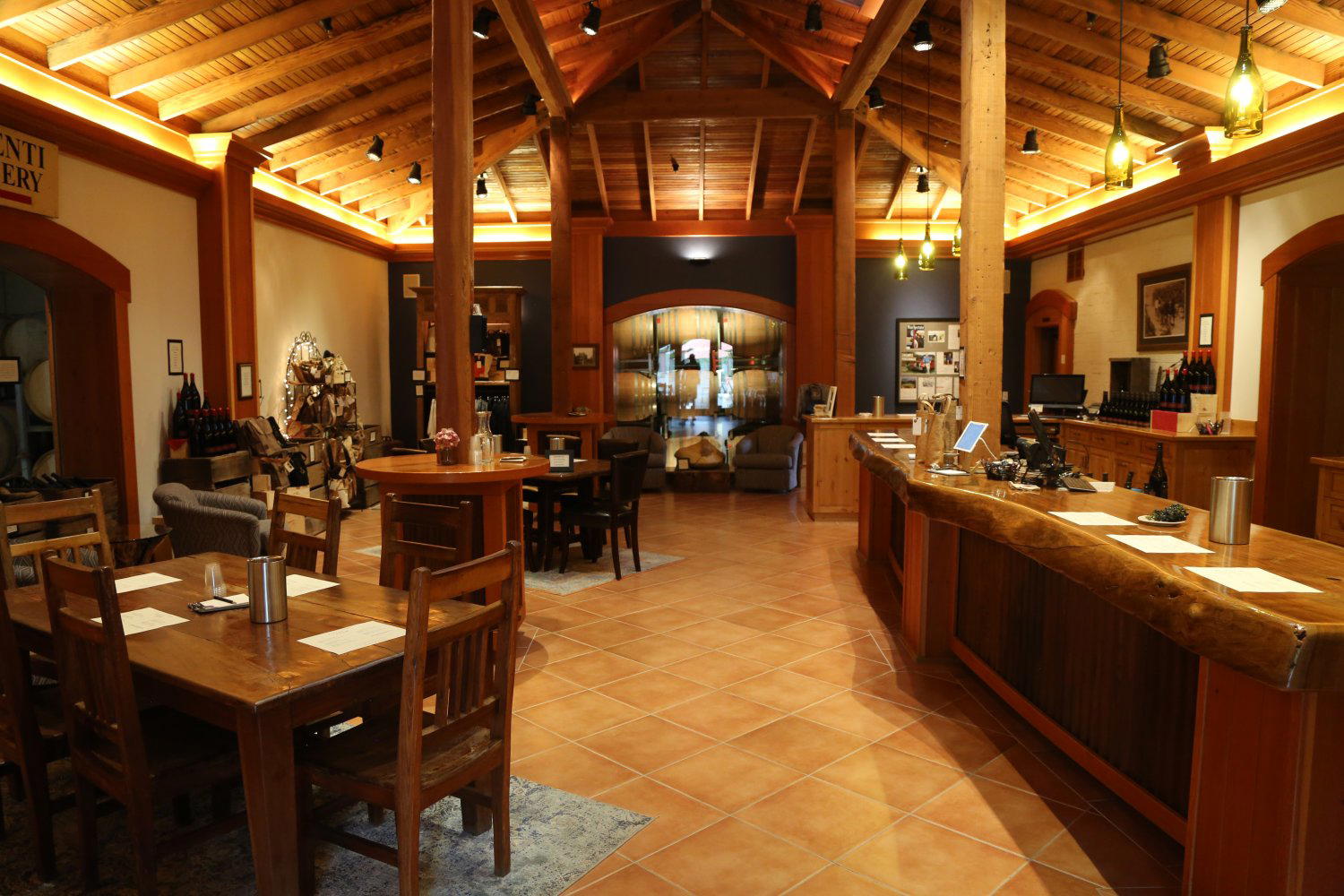
Cozy and rustic atmosphere in a refurbished 1800s schoolhouse with friendly staff, indoor tasting bar, and shaded outdoor garden seating.