Penman Springs Vineyard
Located on Penman Springs Road in the Eastside appellation, the vineyard operates in a part of Paso Robles defined by calcareous soils and warm diurnal swings that shape both the fruit and its capacity to age.

Pearl is the En Primeur Club membership app — saves, bookings, and concierge access live there. Same editors, same standards.
- Address
- 1985 Penman Springs Rd, Paso Robles, CA 93446
- Phone
- (805) 237-7959
- Website
- penmansprings.com
- Directions
- Get directions
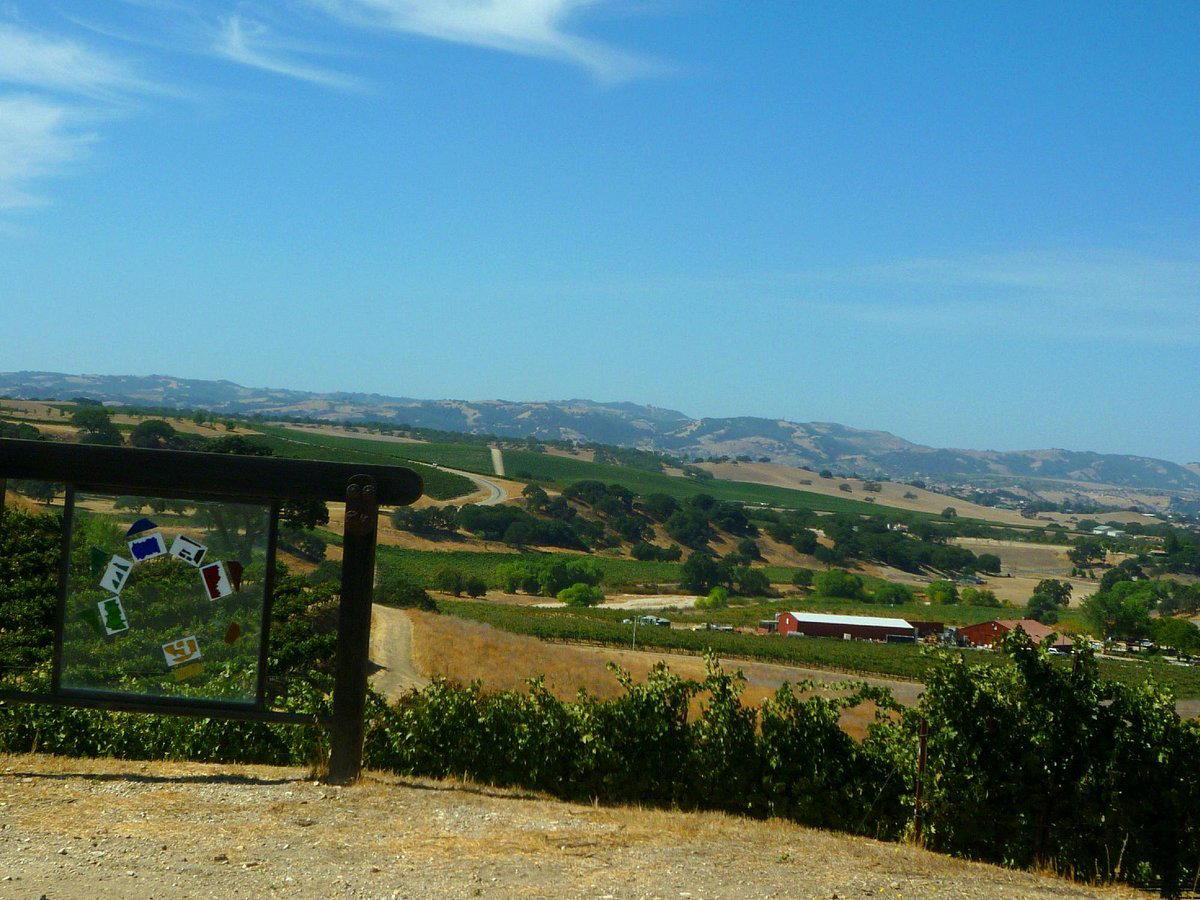
Where Paso Robles Eastside Terroir Meets Deliberate Aging
Drive east out of downtown Paso Robles on Highway 46 and the landscape shifts within minutes: the fog-cooled western hills give way to a broader, flatter terrain where calcareous clay soils and temperature swings of up to 50 degrees Fahrenheit between day and night define what grows here and how it develops in barrel. Penman Springs Road sits in this Eastside corridor, an address that places the vineyard inside one of the Central Coast's most discussed subregional conversations.
The Eastside Context: Why the Address Matters
Paso Robles earned AVA status in 1983, but the more meaningful distinction arrived in 2014, when the appellation was formally subdivided into eleven sub-AVAs. The Paso Robles Estrella and Creston District designations encompass much of what producers and critics loosely call the Eastside — terrain that leans toward Rhône varieties and Cabernet-based blends built for structure rather than immediate accessibility. Calcareous soils here drain well, stress the vine moderately, and concentrate phenolics in ways that reward extended barrel aging rather than early release.
That context matters when positioning Penman Springs alongside peers. Producers like Halter Ranch Vineyard and DAOU Vineyards have built their reputations partly on the argument that Paso Robles Westside limestone and Eastside clay-calcareous profiles can each generate wines with genuine aging architecture. Penman Springs operates from that same premise, with a property position that puts it in the same sub-regional conversation without simply replicating those estates' scale or stylistic choices.
After Harvest: The Barrel and the Blend
In Paso Robles, the winemaking decisions that separate prestige-tier producers from competent volume players almost always happen after harvest. The region's growing conditions are, by most accounts, generous: sunshine, warmth, and the diurnal swing do a large part of the work in the vineyard. What differentiates one producer from another at the top of the tier is what happens in the cellar — which barrels are selected for a given wine, how long the wine ages before blending trials begin, and how the final assembly is timed relative to bottling.
For Eastside properties with calcareous-influenced fruit, extended barrel time tends to integrate the tannin structure that the soils and warm days naturally produce. This is not a stylistic quirk specific to one producer; it is a regional pattern. Wines from this corridor that have been released too early often read as warm and dense without resolution. Among Paso Robles producers holding comparable recognition, the consistent variable is patience in the aging program.
This aligns Penman Springs with a broader California pattern visible at estates like Accendo Cellars in St. Helena and Alpha Omega Winery in Rutherford, where the cellar program is the primary argument for the wine's prestige positioning, not the brand or the tasting room experience alone.
Paso Robles' Prestige Tier: A Smaller Field Than It Appears
The Paso Robles wine scene is large in volume terms but considerably smaller when filtered for prestige-rated producers. The area around Highway 46 East and its side roads hosts dozens of wineries, but the subset that attracts allocation-level attention and critical recognition is narrower. Adelaida Vineyards operates from the Westside's chalky soils with a different stylistic orientation, while Herman Story Wines has built recognition through small-lot production and a distinct stylistic voice. Bianchi Winery occupies another part of the regional spectrum. Each of these sits within the same broad geography but represents a different answer to the same question: what is Paso Robles wine at its most considered?
The rating system's Prestige tier is not applied generously across the region, which means this recognition functions as a meaningful marker for visitors and buyers trying to prioritize within a crowded appellation.
Visiting: What to Know Before You Go
Penman Springs Vineyard is located at 1985 Penman Springs Road, Paso Robles, CA 93446, a working address on the Eastside that situates it away from the more trafficked tasting room clusters near downtown. Visitors heading to the Eastside corridor typically combine multiple stops, given the geographic logic of the area; properties along this stretch are more spread out than those grouped near the Westside's Highway 46 West corridor.
This applies particularly during harvest season (typically September through October), when many smaller Paso Robles estates shift their tasting operations or close temporarily for production. Spring visits, from late March through May, generally offer the most consistent access across the appellation's prestige-tier producers.
For a broader overview of the Paso Robles dining and wine scene, including how to sequence Eastside and Westside visits effectively, see our full Paso Robles restaurants guide. Those planning a wider Central Coast itinerary may also find value in the profiles for Alban Vineyards in Arroyo Grande and Andrew Murray Vineyards in Los Olivos, both of which represent the Rhône-variety strand of Central Coast winemaking that shares a philosophical kinship with parts of the Paso Robles Eastside conversation.
Producers outside California who operate with comparable cellar-focused prestige programs include Adelsheim Vineyard in Newberg for Oregon Pinot context, and internationally, estates like Achaia Clauss in Patras demonstrate how aging tradition and regional identity intersect at the prestige level across very different wine cultures.
A Lean Comparison
Comparable venues nearby, for context on price, style, and recognition.
| Venue | Cuisine | Price | Notes |
|---|---|---|---|
| Penman Springs VineyardThis venue — the venue you are viewing | Not listed | Not listed | Not listed |
| Glunz Family Winery & Cellars | Not listed | Not listed | Paso Robles, Zinfandel, Cabernet Sauvignon |
| Aaron Wines | Tin City, Petite Sirah, Pinot Noir | Not listed | Not listed |
| Zenaida Cellars | Templeton Gap, Zinfandel, Syrah | Not listed | Not listed |
| Steinbeck Vineyards & Winery | Not listed | $20–30 | Paso Robles, Cabernet Sauvignon, Zinfandel |
| J Dusi Wines | Paso Robles, Zinfandel, Grenache | Not listed | Not listed |
Continue exploring
More in Paso Robles
Wineries in Paso Robles
Browse all →
Bars in Paso Robles
Browse all →
Restaurants in Paso Robles
Browse all →
Details
- Rustic
- Intimate
- Cozy
- Scenic
- Solo Exploration
- Wine Education
- Estate Grounds
- Picnic Area
- Panoramic View
- Vineyard
- Mountain
- Aglianico
- Cabernet Sauvignon
- Syrah
- Muscat Blanc
- Merlot
- Petite Sirah
- Petit Verdot
- Still Red
- Still White
- Still Rosé
- Complimentary Tasting
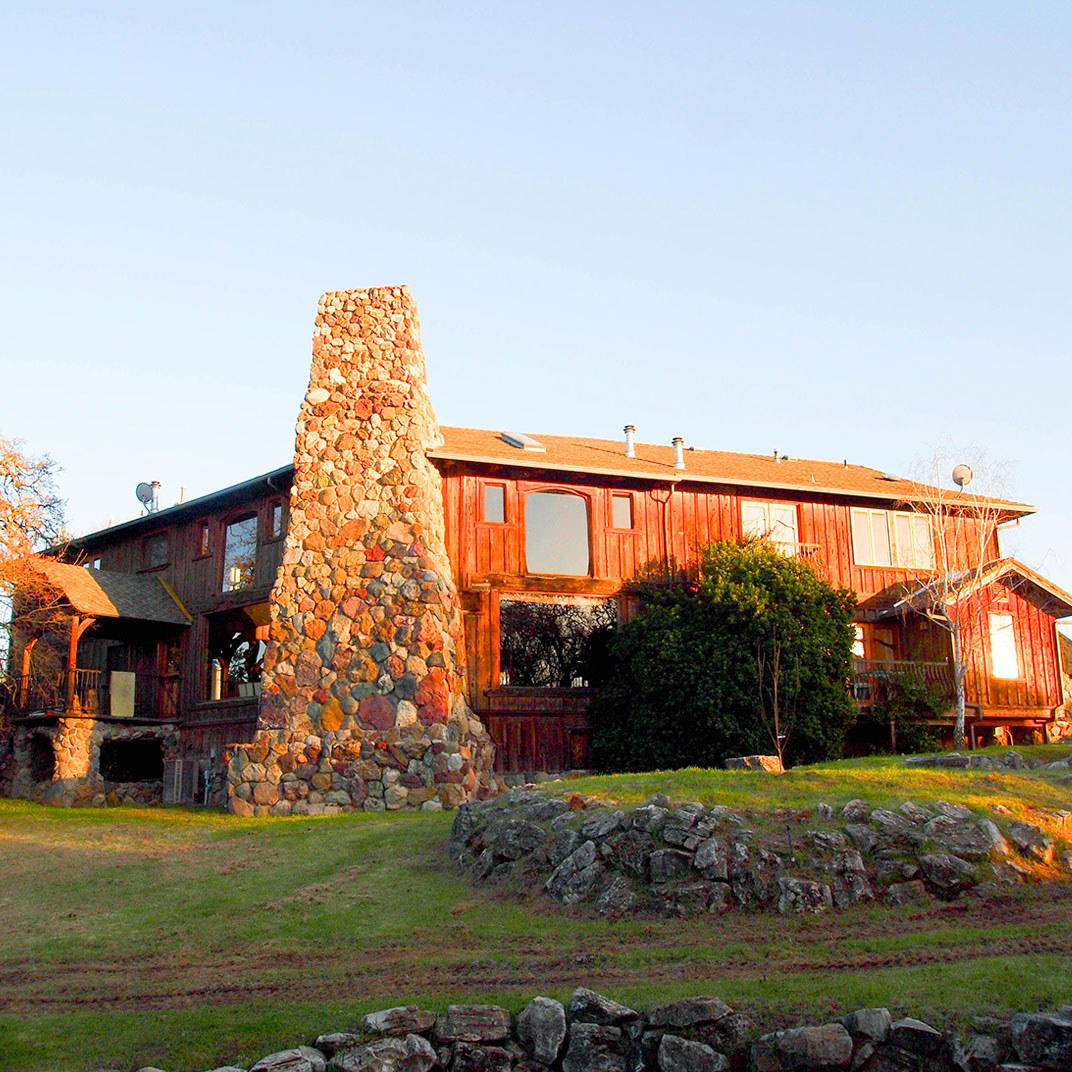
Cozy and hospitable tasting room with friendly service, dramatic hill views, and a relaxed, homey feel enhanced by cheese, bread, and dips.