Rust en Vrede Wine Estate


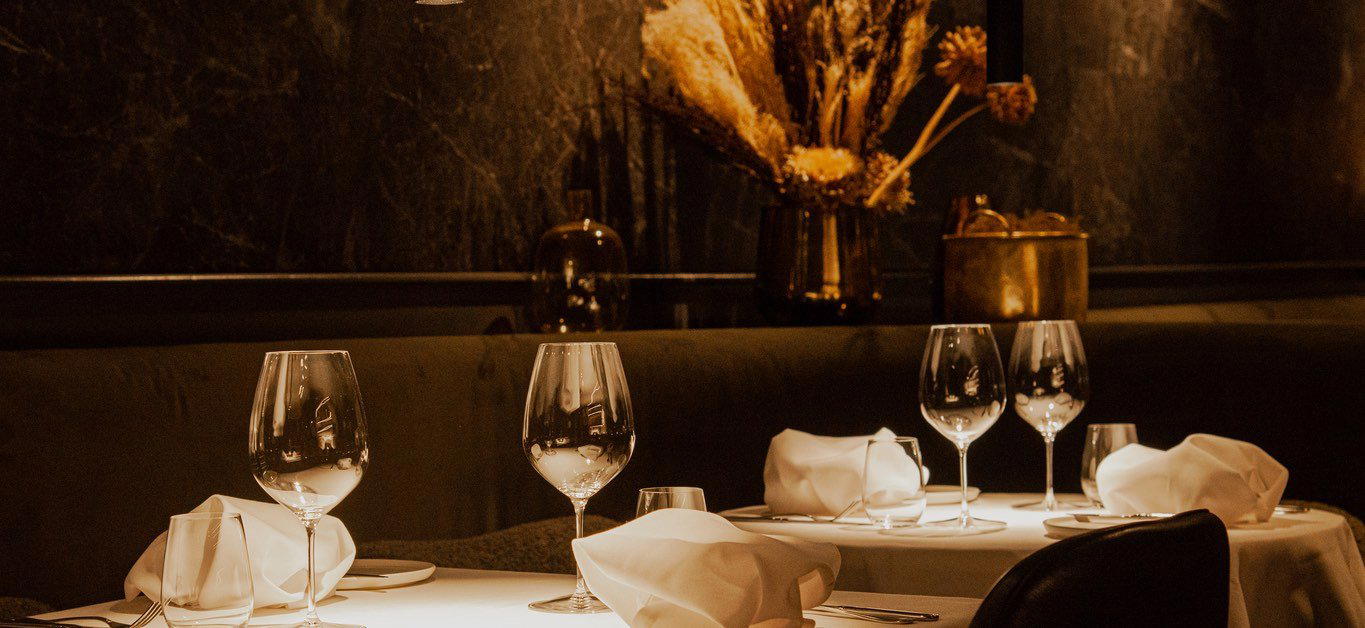
On Annandale Road in the Stellenbosch hills, Rust en Vrede Wine Estate pairs a six-course tasting menu with estate-grown wines inside a Cape Dutch building that dates to the eighteenth century. Book well ahead and arrive with time to walk the vineyards before sitting down.
Pearl is the En Primeur Club membership app — saves, bookings, and concierge access live there. Same editors, same standards.
- Address
- Annandale Rd, Stellenbosch, 7600
- Phone
- +27 21 881 3881
- Website
- rustenvrede.com
- Directions
- Get directions
 Saves & bookings on Pearl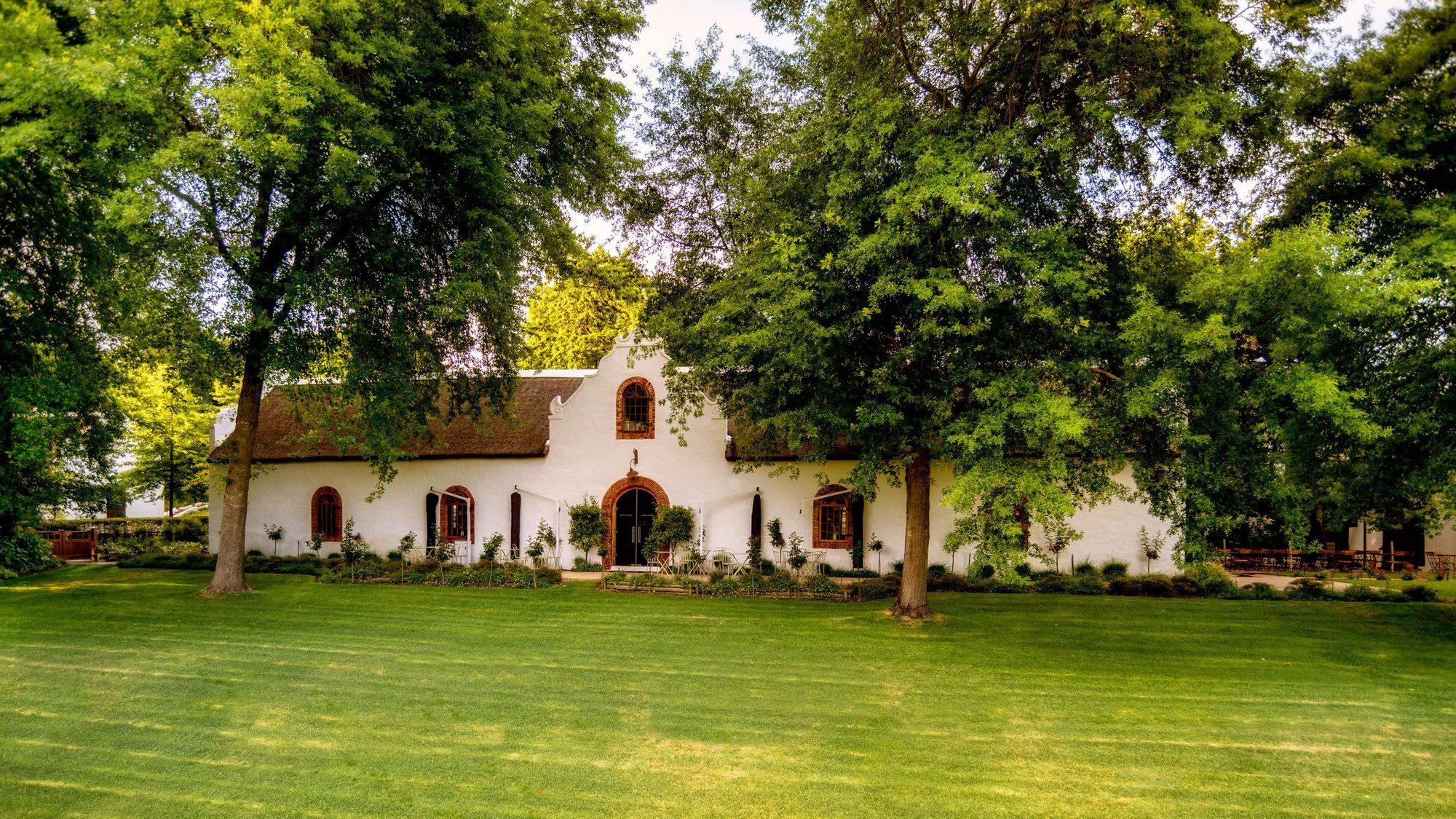
Where Cape Dutch Architecture Meets Estate Wine Dining
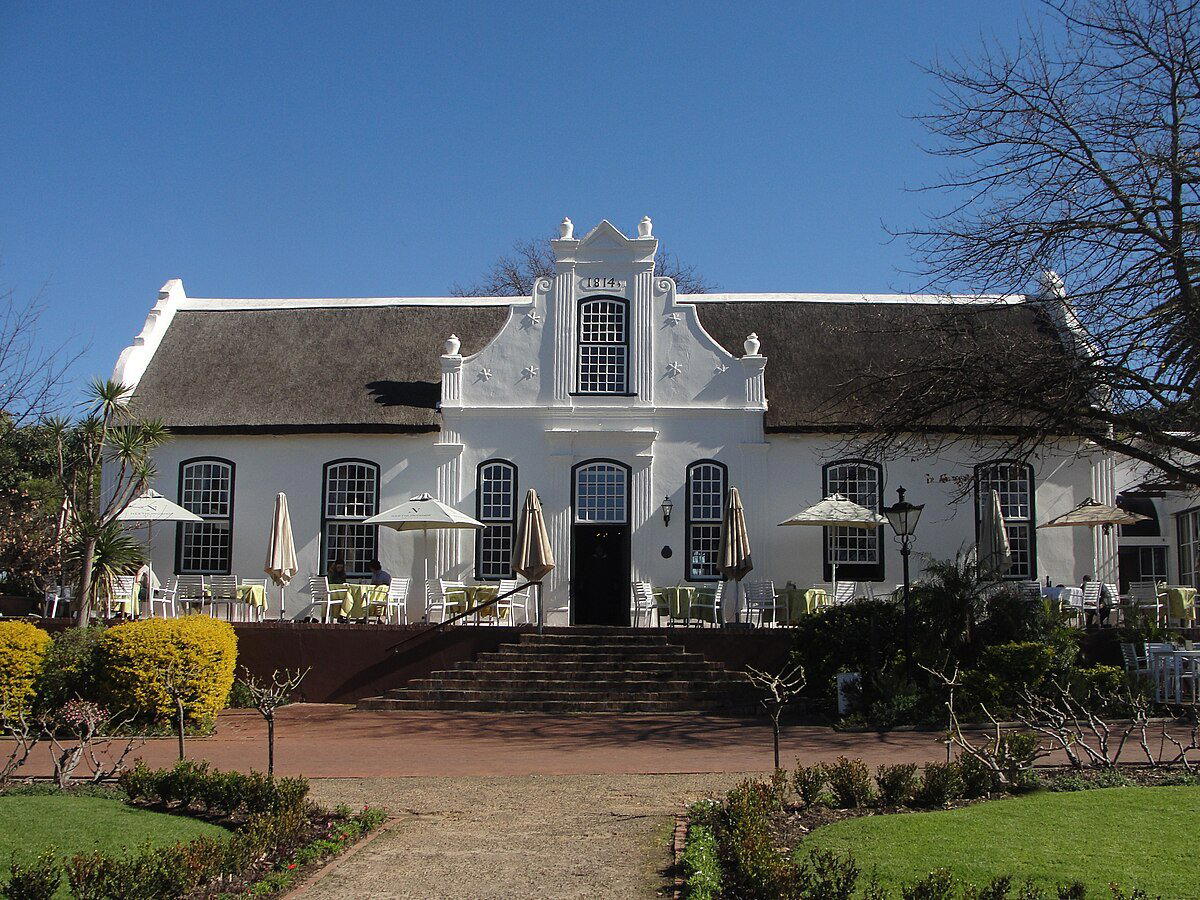
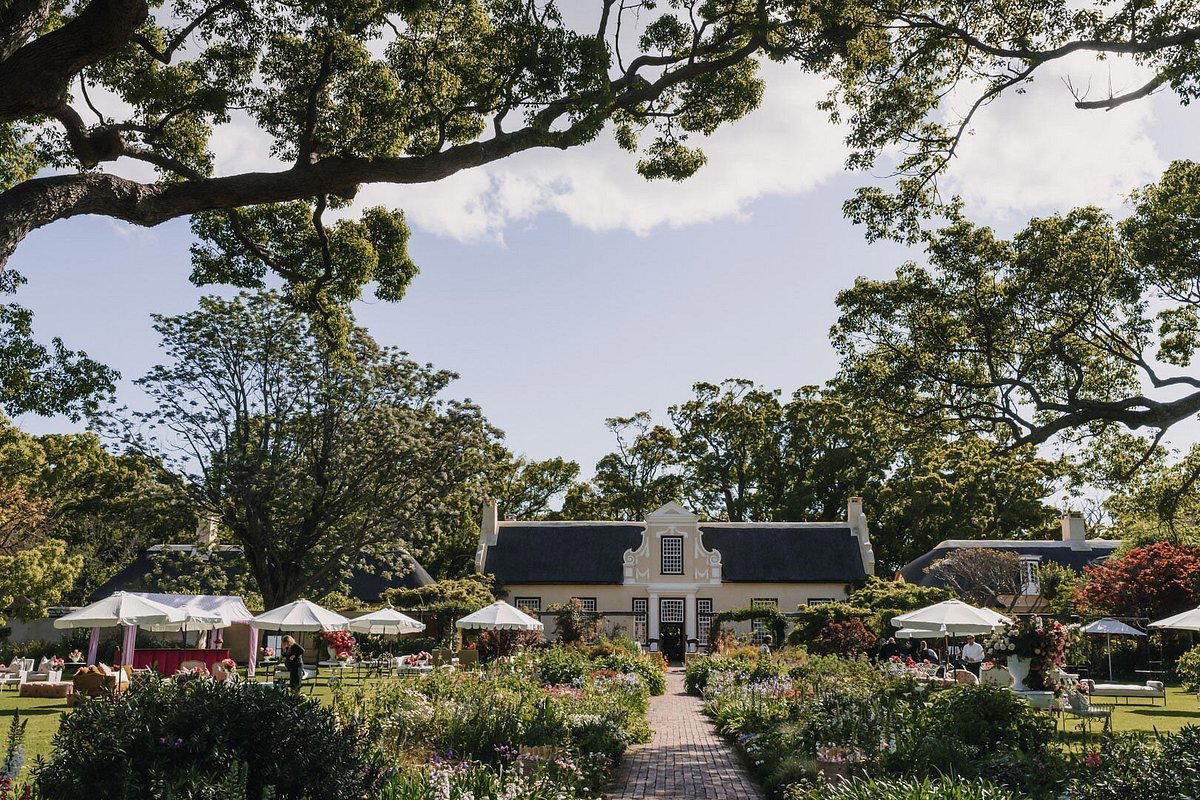
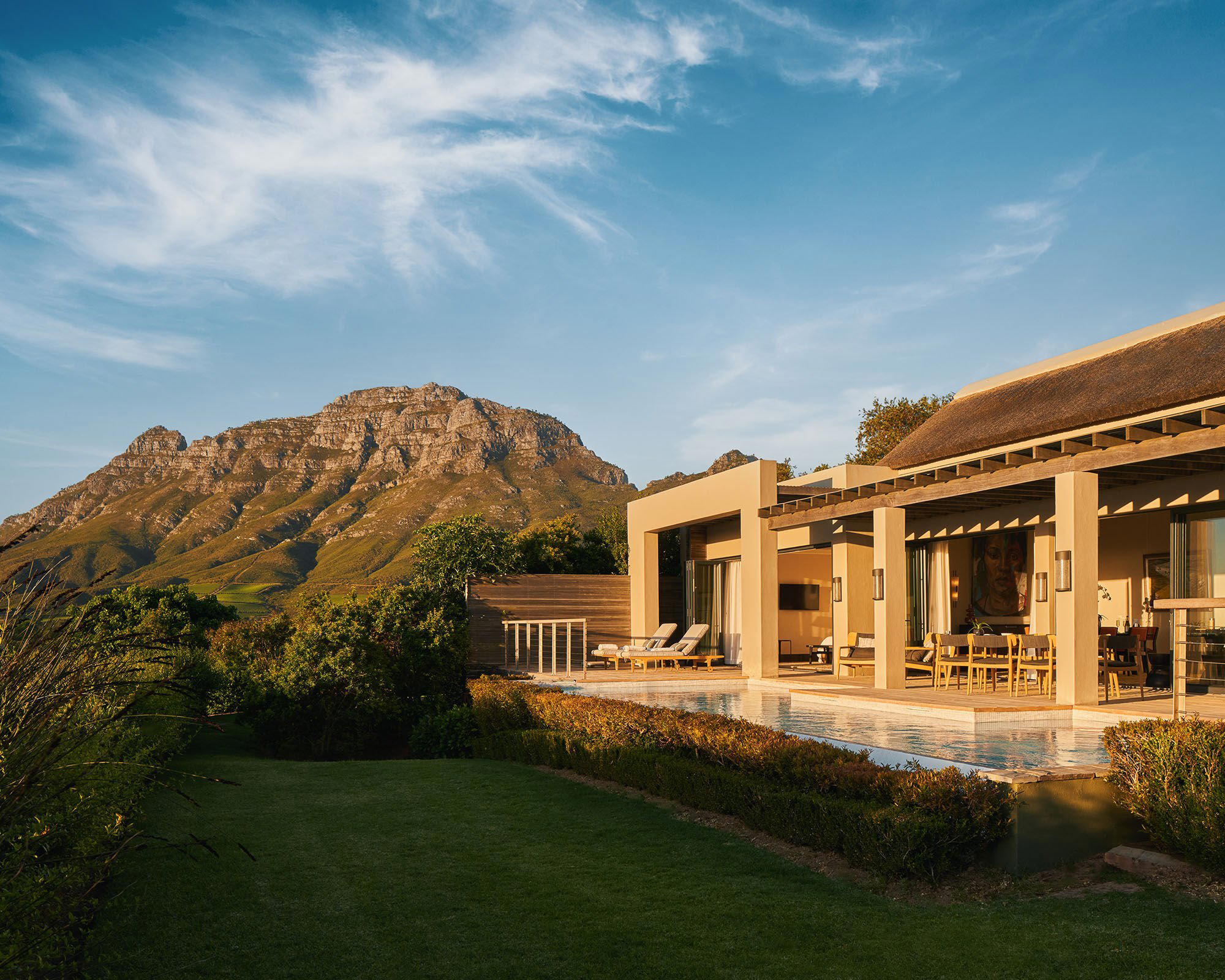
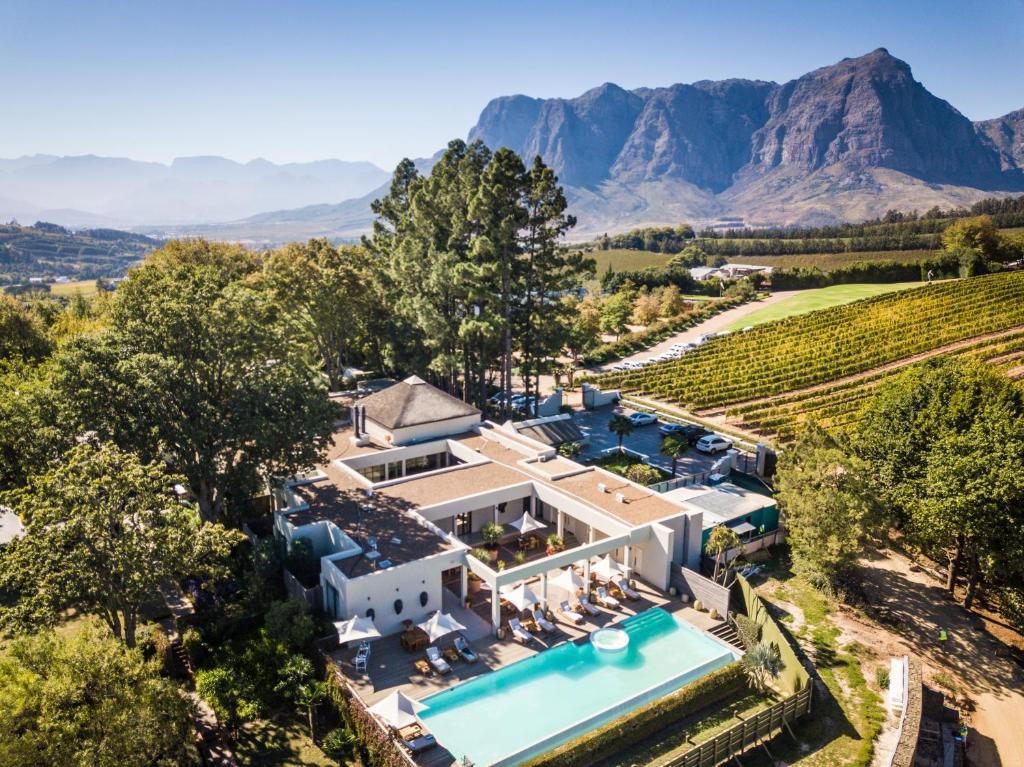
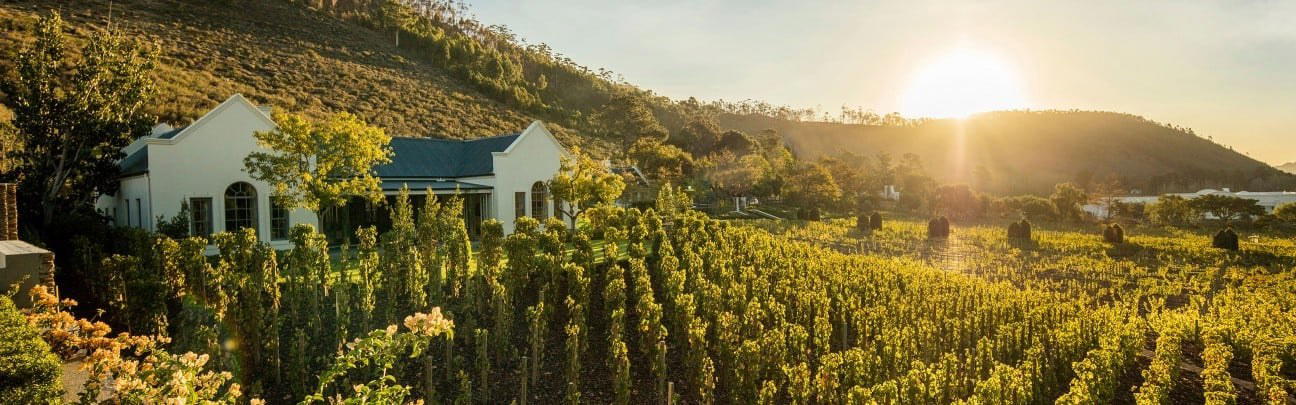
The approach to Rust en Vrede sets the register before you reach the door. Annandale Road winds through vine rows at the foot of the Helderberg, and the whitewashed gables of the Cape Dutch homestead appear at a scale that makes the surrounding mountains feel deliberately framed rather than incidental. This is a landscape shaped by three centuries of viticulture, and the building carries that weight in stone and plaster rather than in signage or branding. Estates that combine historic architecture with serious wine production occupy a specific tier in Stellenbosch, one where the physical setting does editorial work that newer properties cannot replicate regardless of investment.
Within the Stellenbosch wine estate category, the pairing of formal dining with estate-grown wine is a point of differentiation that separates properties like Rust en Vrede from pure-production houses and from lifestyle farms where the restaurant is an afterthought to the cellar door. The six-course tasting menu format signals a particular intent: the kitchen is building a progression, not assembling dishes from a printed card. That format only holds credibility when the wine program is deep enough to match it course by course with estate product, which narrows the viable comparable set considerably. Across the Winelands, comparable combinations of heritage architecture, dedicated tasting-menu kitchens, and production-level wine programs can be found at Vergelegen Wine Estate in Somerset West and at Delaire Graff Estate further along the Helshoogte ridge, though each operates within a distinct architectural and ownership context.
Terroir as the Organizing Principle
Rust en Vrede's position on the north-facing slopes of the Helderberg is not incidental to the wine program; it is the argument the wine program makes. The Helderberg, a granite and decomposed shale formation rising above Somerset West and Stellenbosch, produces a specific thermal signature: warm enough in summer to fully ripen Cabernet Sauvignon and Shiraz, but with sufficient altitude and Atlantic influence to retain the acid structure that keeps those varieties from tipping into over-extraction. Estates across the Helderberg appellation lean into that profile, and Rust en Vrede has historically concentrated its production on red varietals that express it most directly.
That focus matters in the dining context because a tasting menu paired with estate wine is only as coherent as the wine program's internal logic. Where an estate produces across a wide range of varietals and price points, the pairing progression can feel arbitrary. A focused red wine identity gives the kitchen a clearer brief: build dishes that work with weight, tannin, and dark fruit structure rather than pivoting between light whites and full reds across the same menu. For guests comparing estate dining experiences in the region, Tokara Winery on the Helshoogte Pass takes a different approach, with a broader varietal range and a restaurant that draws on the estate's olive and wine production in combination. Spier Wine Farm operates at larger scale with multiple dining options, while Asara Wine Estate positions itself more toward hotel-format hospitality. Rust en Vrede sits apart from all three in its commitment to a single-format, formally structured dining experience.
In practical terms, it confirms that the kitchen and floor are performing at a level where the experience can be planned around rather than treated as a discovery. Guests visiting the Winelands for a dedicated food and wine itinerary can anchor a day around Rust en Vrede with reasonable confidence in execution.
For regional comparison: across the broader Western Cape, the Prestige tier includes estates that have invested structurally in their food programs rather than running kitchens as secondary revenue. Babylonstoren in Franschhoek operates a garden-to-table program at recognized level, while Creation Wines in Hermanus has built its reputation specifically around wine-and-food pairing menus that draw visitors to the Hemel-en-Aarde valley.
Planning Your Visit
Rust en Vrede sits on Annandale Road in the Stellenbosch wine corridor, accessible by car from the town center in under fifteen minutes. The estate format suits a half-day or full-day allocation: arrive early enough to walk the vineyard before the tasting menu begins, and allow the afternoon to extend naturally rather than treating the meal as a fixed window. The six-course format requires time, and the wine pairing adds length to each course transition.
Reservations are advised well in advance, particularly from October through April when the Winelands draws international visitors alongside domestic wine tourism. Guests building a Stellenbosch wine itinerary might pair the Rust en Vrede experience with cellar visits to Neethlingshof Estate on the same day, as the two estates represent contrasting approaches to heritage wine production in the region. For broader regional exploration, Val de Vie Estate in Paarl, Graham Beck Wines in Robertson, and Constantia Glen in Cape Town offer different terroir expressions worth including in a multi-day Western Cape wine itinerary. Further afield, Oude Molen Distillery in Grabouw provides an interesting counterpoint for guests interested in spirits production alongside wine.
Cuisine-First Comparison
Comparable venues nearby, for context on price, style, and recognition.
| Venue | Cuisine | Price | Notes |
|---|---|---|---|
| Rust en Vrede Wine EstateThis venue — the venue you are viewing | Cabernet Sauvignon, Syrah | $$$$ | Not listed |
| Glenelly Estate | Cabernet Sauvignon, Merlot | $$$ | Idas Valley |
| L’Avenir Wine Estate | Pinotage, Chenin Blanc | $$$ | Stellenbosch |
| Neethlingshof Estate | Pinotage, Cabernet Sauvignon | $$$ | Stellenbosch |
| Meerlust Wine Estate | Cabernet Sauvignon, Merlot | $$$ | Stellenbosch |
| Muratie Wine Estate | Pinot Noir, Chardonnay | $$$ | Knorhoek Valley |
Recognition history
Dated appearances from independent guides and award organizations, with the underlying list record or original source where available.
Falstaff Winery - Listed
Falstaff
Star Wine List
Star Wine List
Continue exploring
More in Stellenbosch
Wineries in Stellenbosch
Browse all →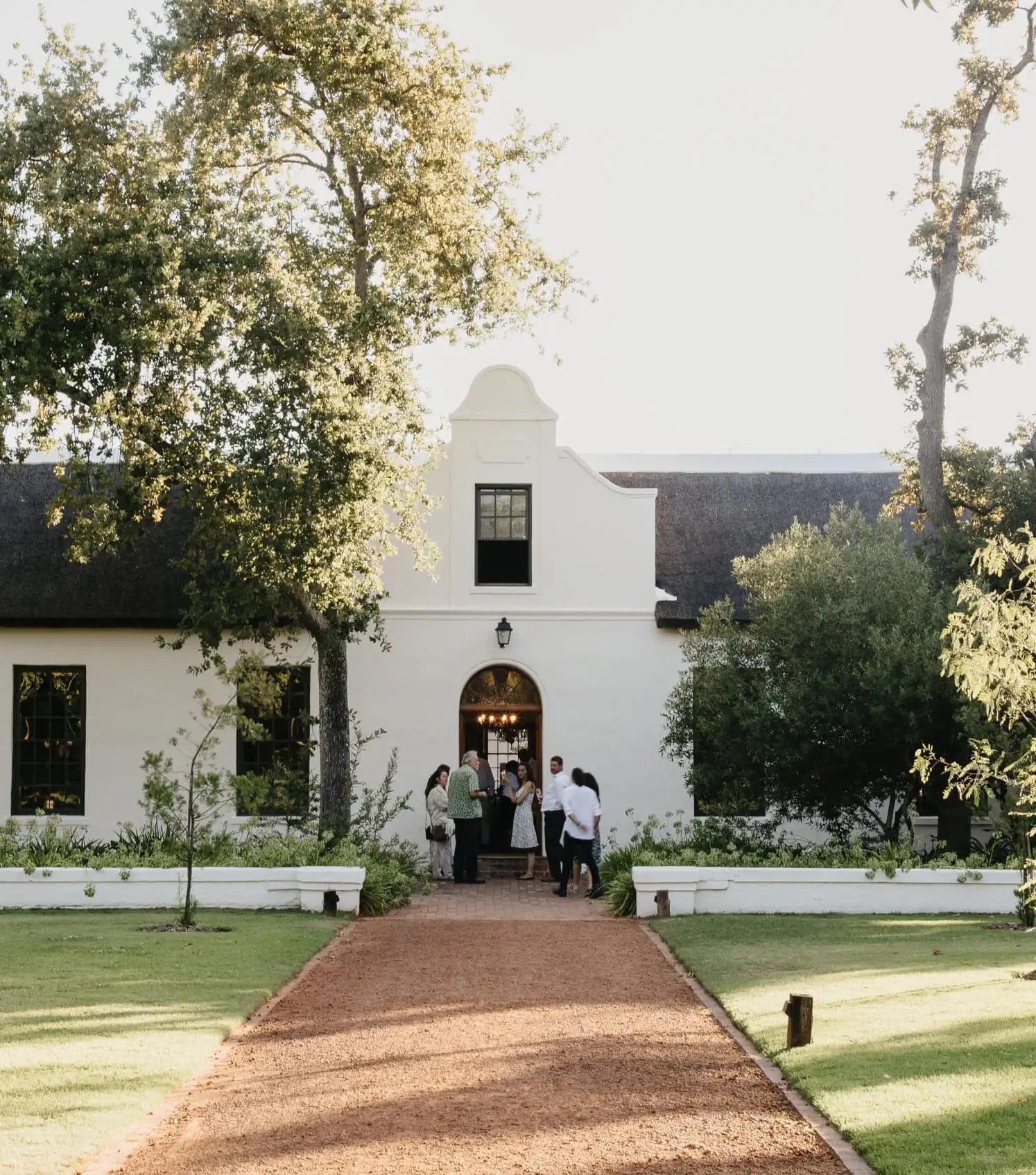
Bars in Stellenbosch
Browse all →
Restaurants in Stellenbosch
Browse all →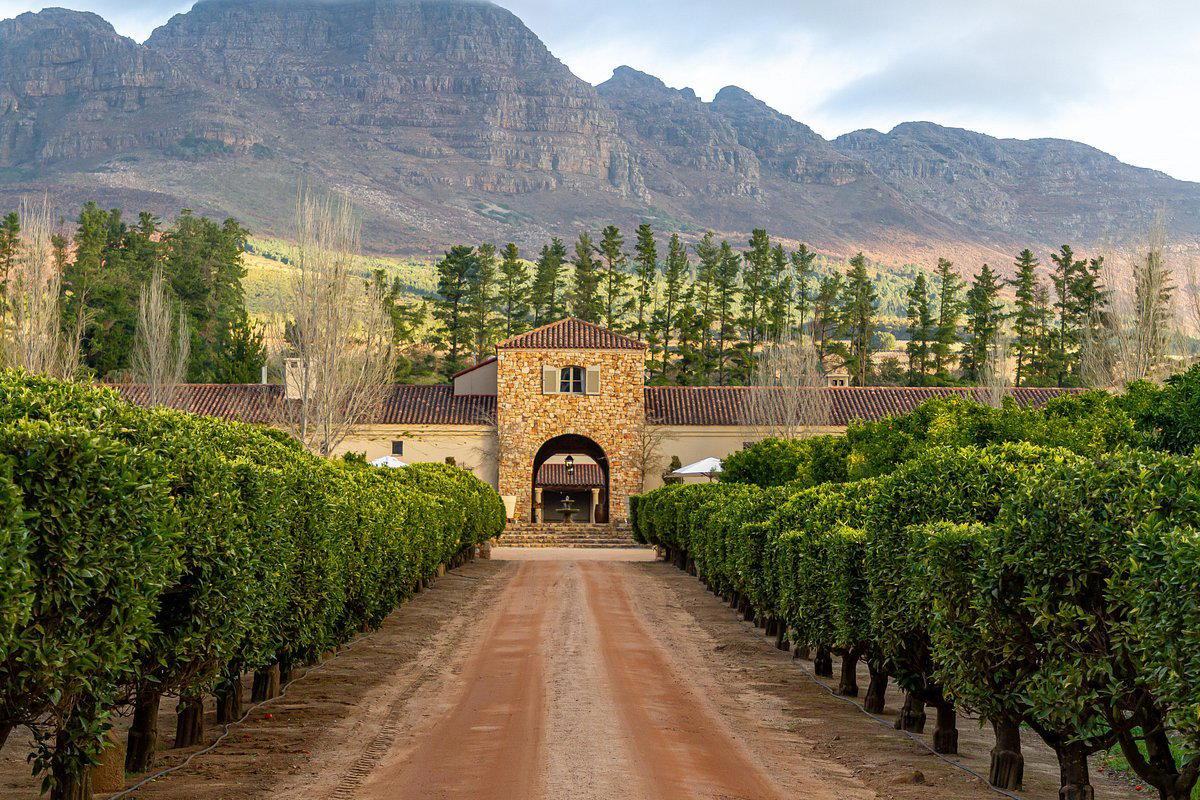
At a Glance
- Classic
- Elegant
- Well Known
- Sophisticated
- Special Occasion
- Wine Education
- Celebration
- Vineyard Tour
- Estate Grounds
- Panoramic View
- Historic Building
- Mountain
- Vineyard
- Stellenbosch
- Cabernet Sauvignon
- Syrah
- Merlot
- Still Red
- Guided Tasting
- Private Tasting
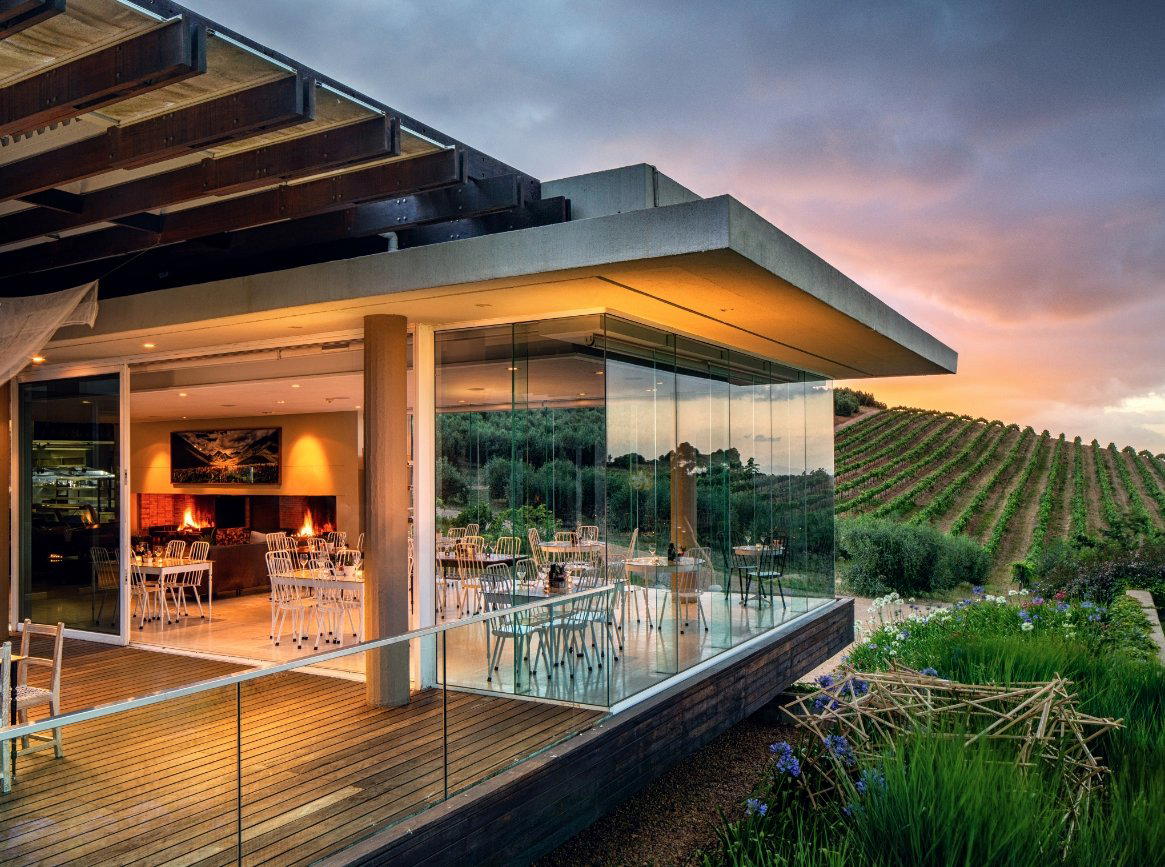
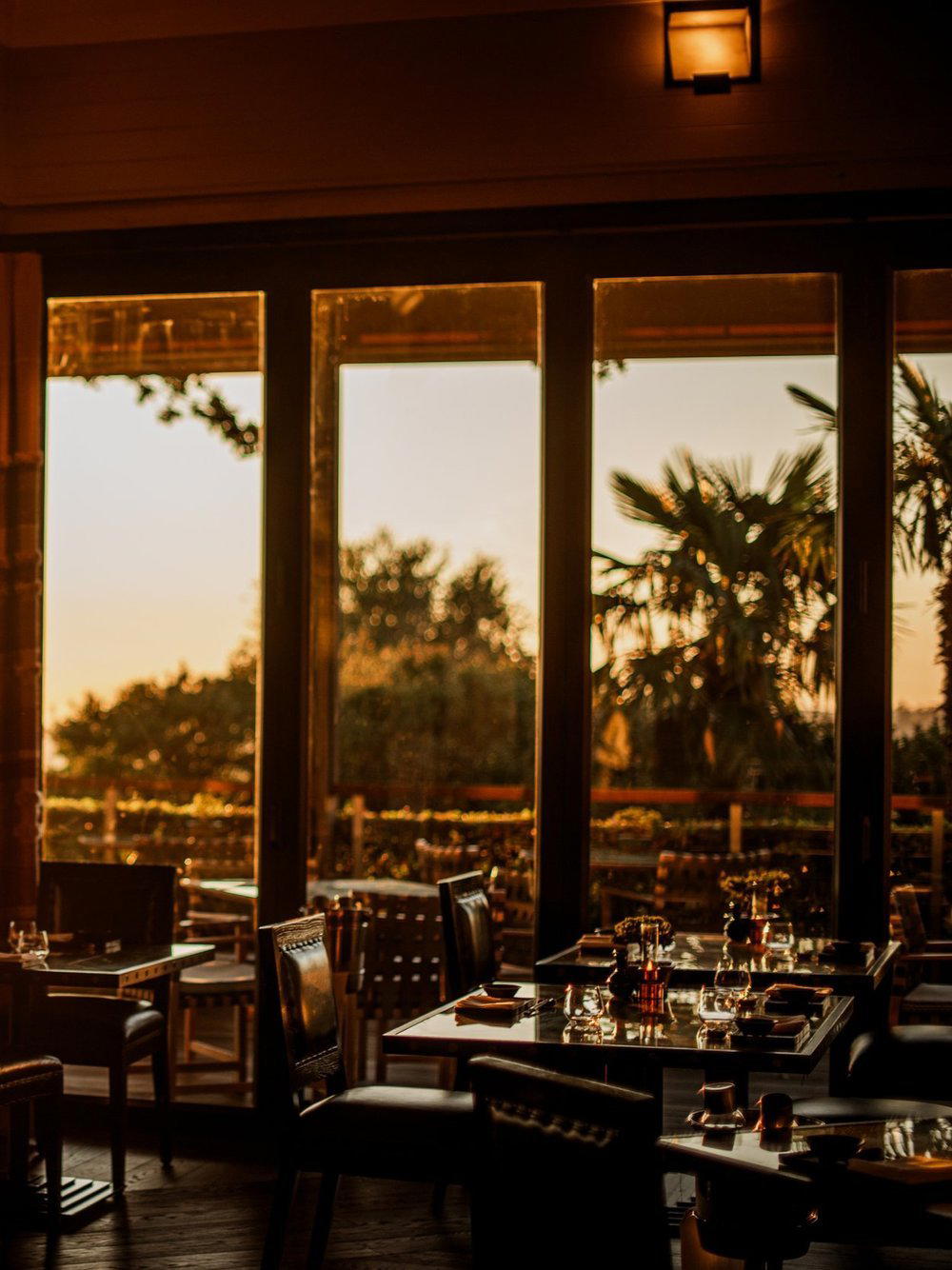
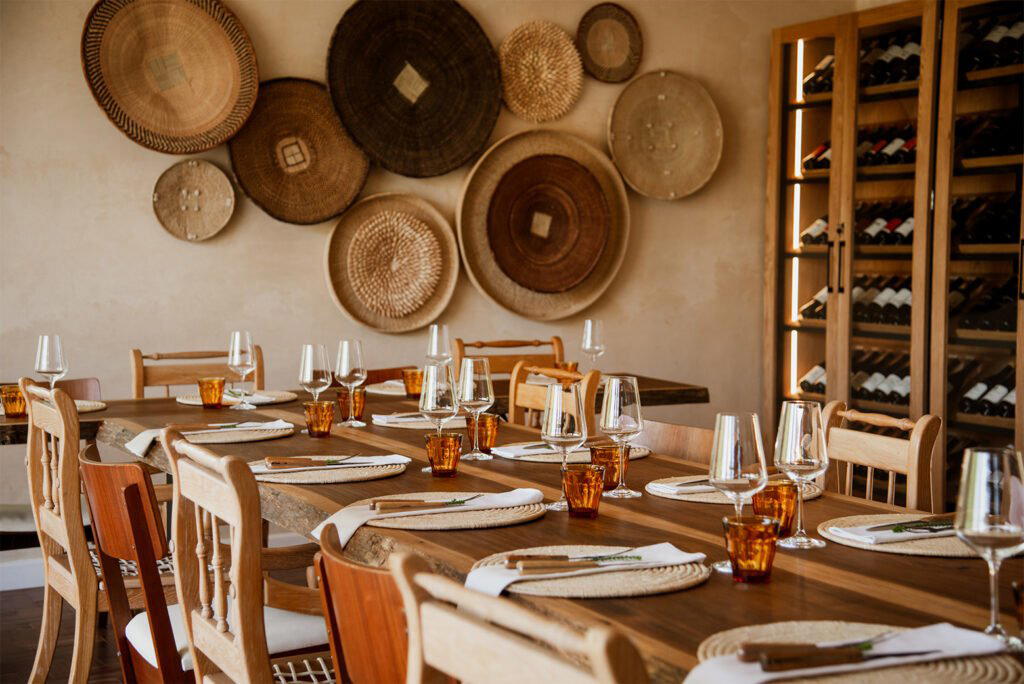
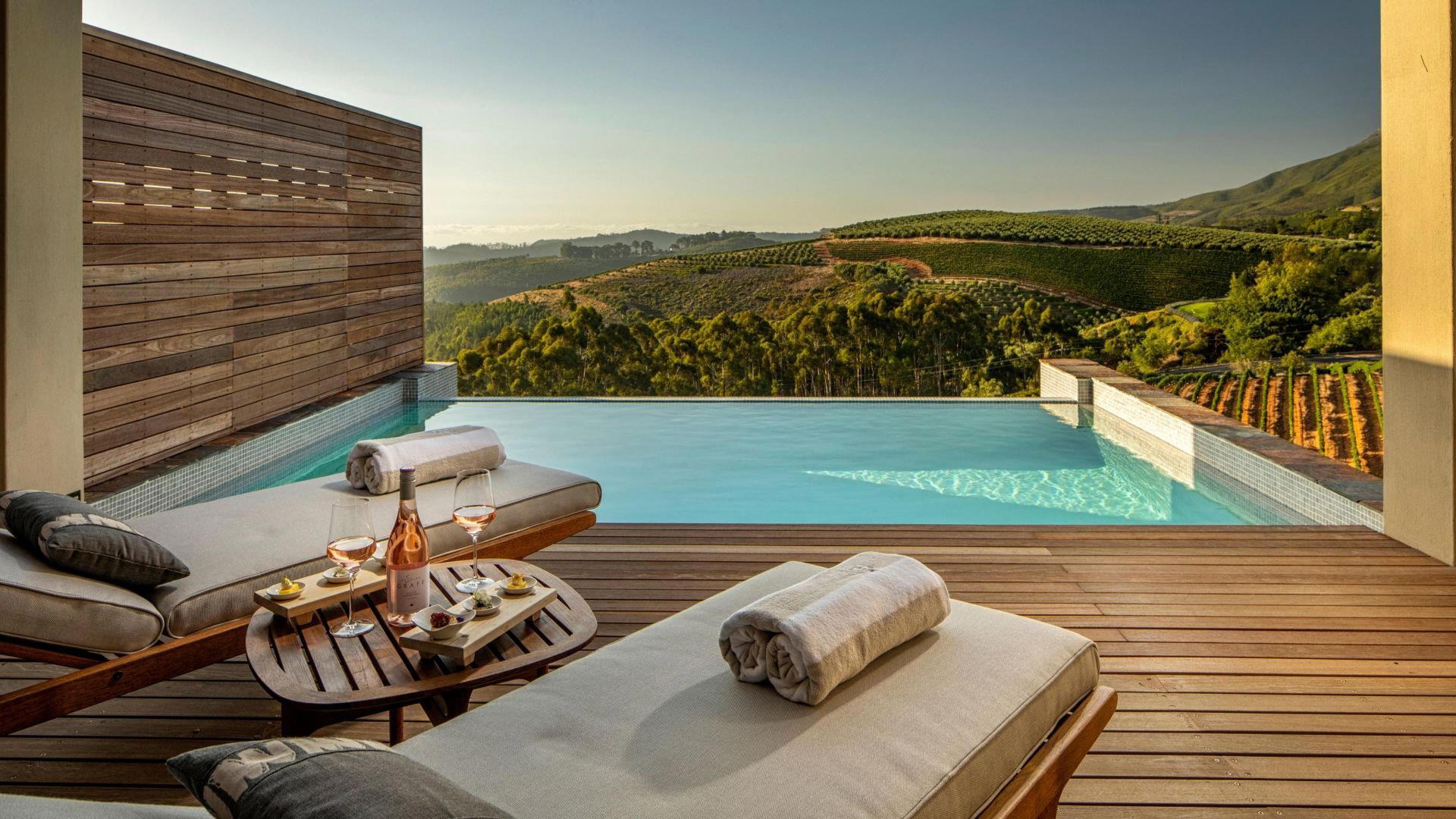
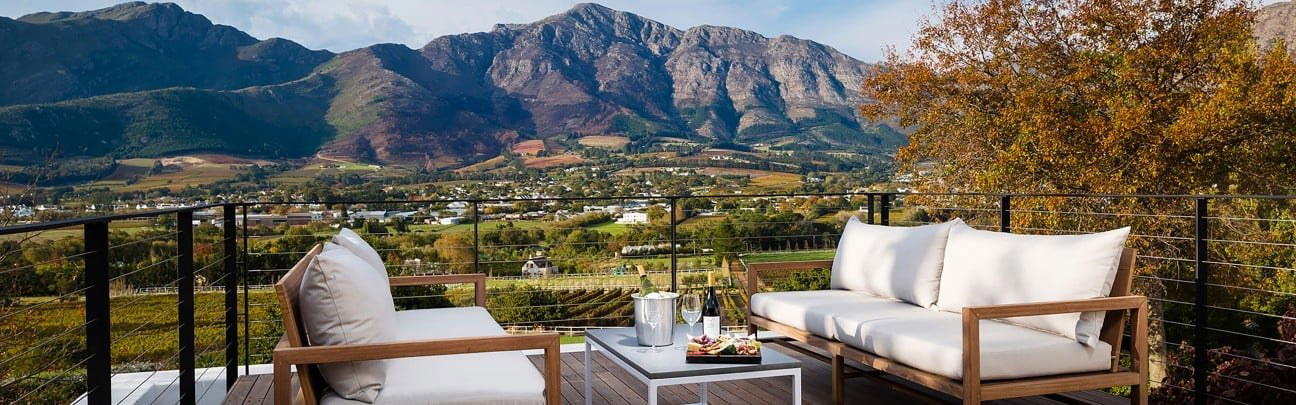
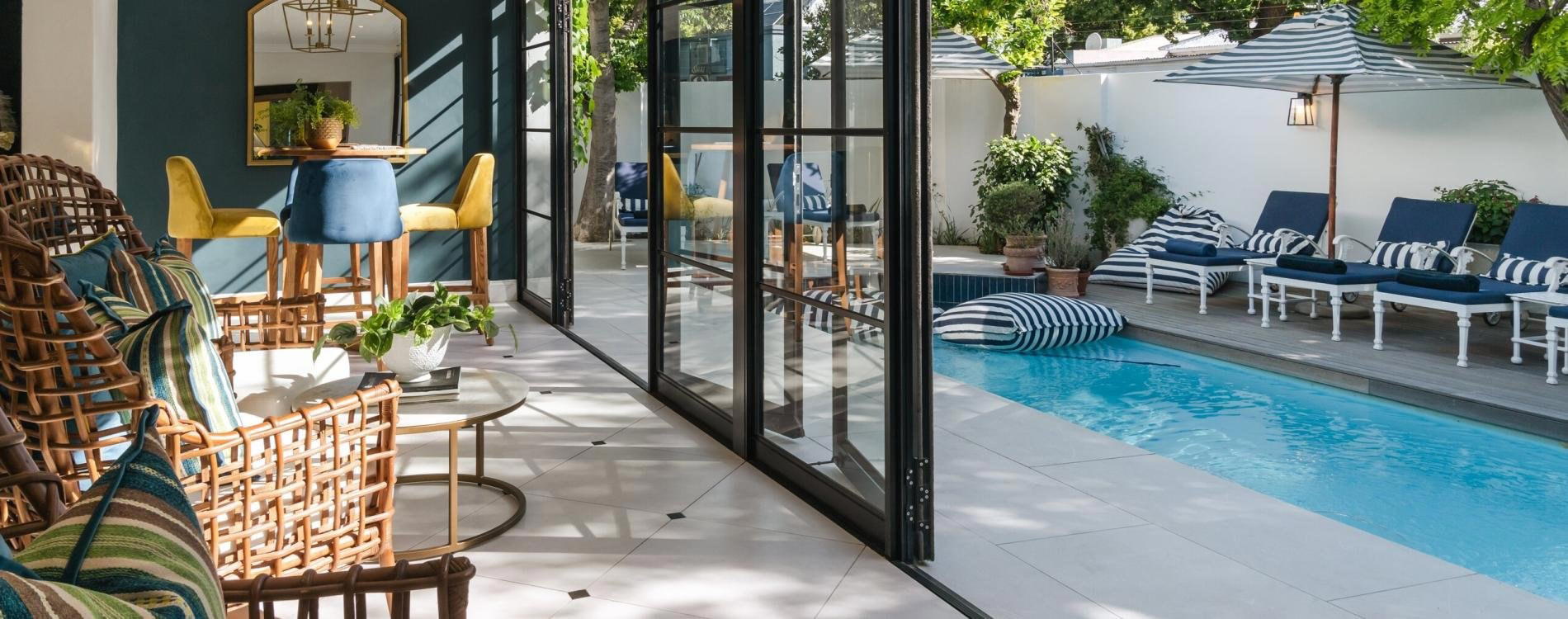
Elegant and welcoming tasting room with dramatic vineyard and mountain views, complemented by luxurious restaurant atmosphere.