Romios Distillery

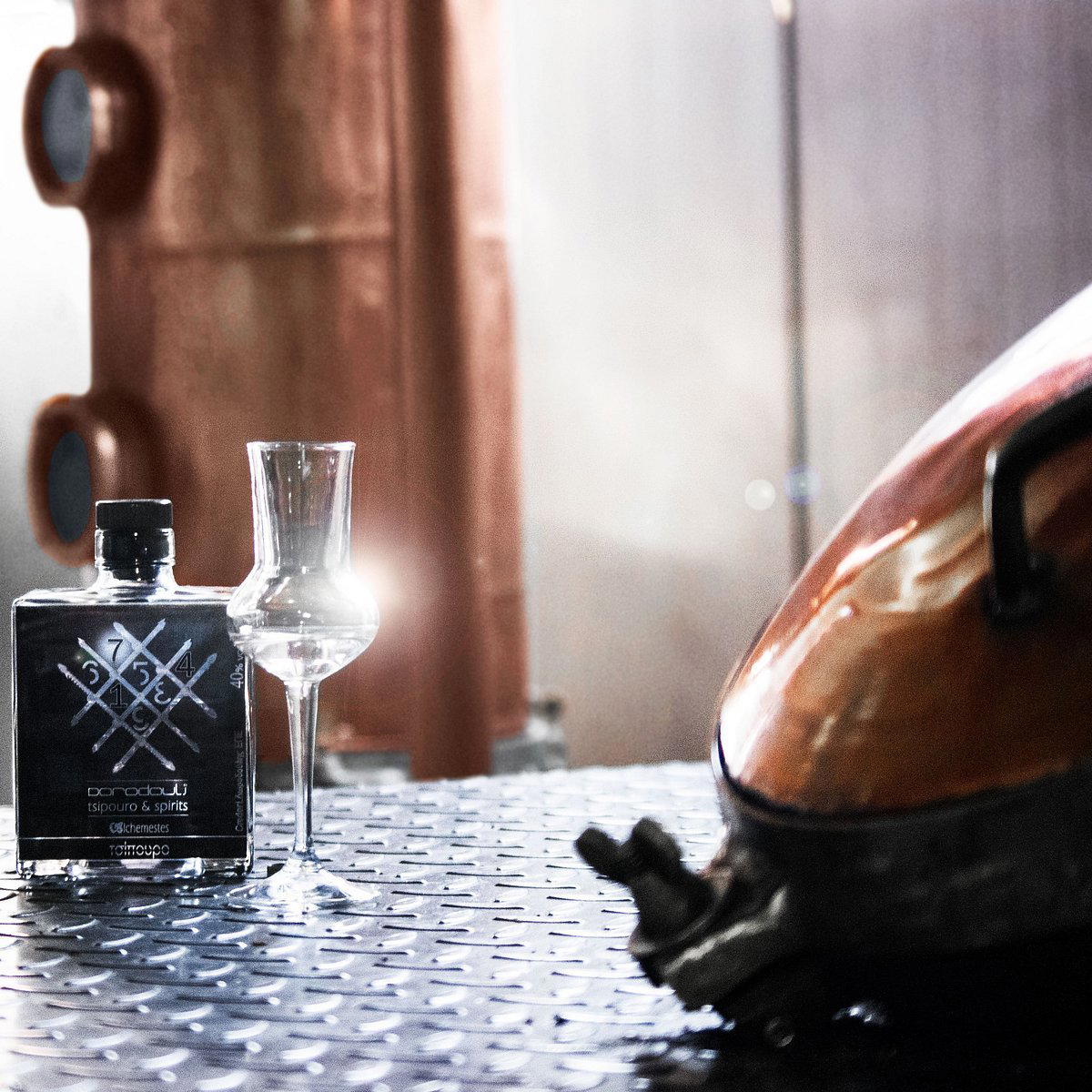
Romios Distillery operates from the airport-area industrial corridor of Neo Risiо, on the southwestern edge of Thessaloniki, where northern Greece's distilling tradition intersects with modern production ambition. A 2025 Pearl 1 Star Prestige award places it within a recognised tier of Greek spirits producers. For visitors tracing the Thessaloniki drinks circuit, it represents a less-visited point on a map that also includes the city's more established winery and distillery names.
 Discover on Pearl
Pearl is the En Primeur Club membership app — saves, bookings, and concierge access live there. Same editors, same standards.
- Address
- Dorodouli Distillery, Airport Area of Thessaloniki N, Neo Risio 575 00, Greece
The Industrial Edge Where Greek Spirits Are Refined
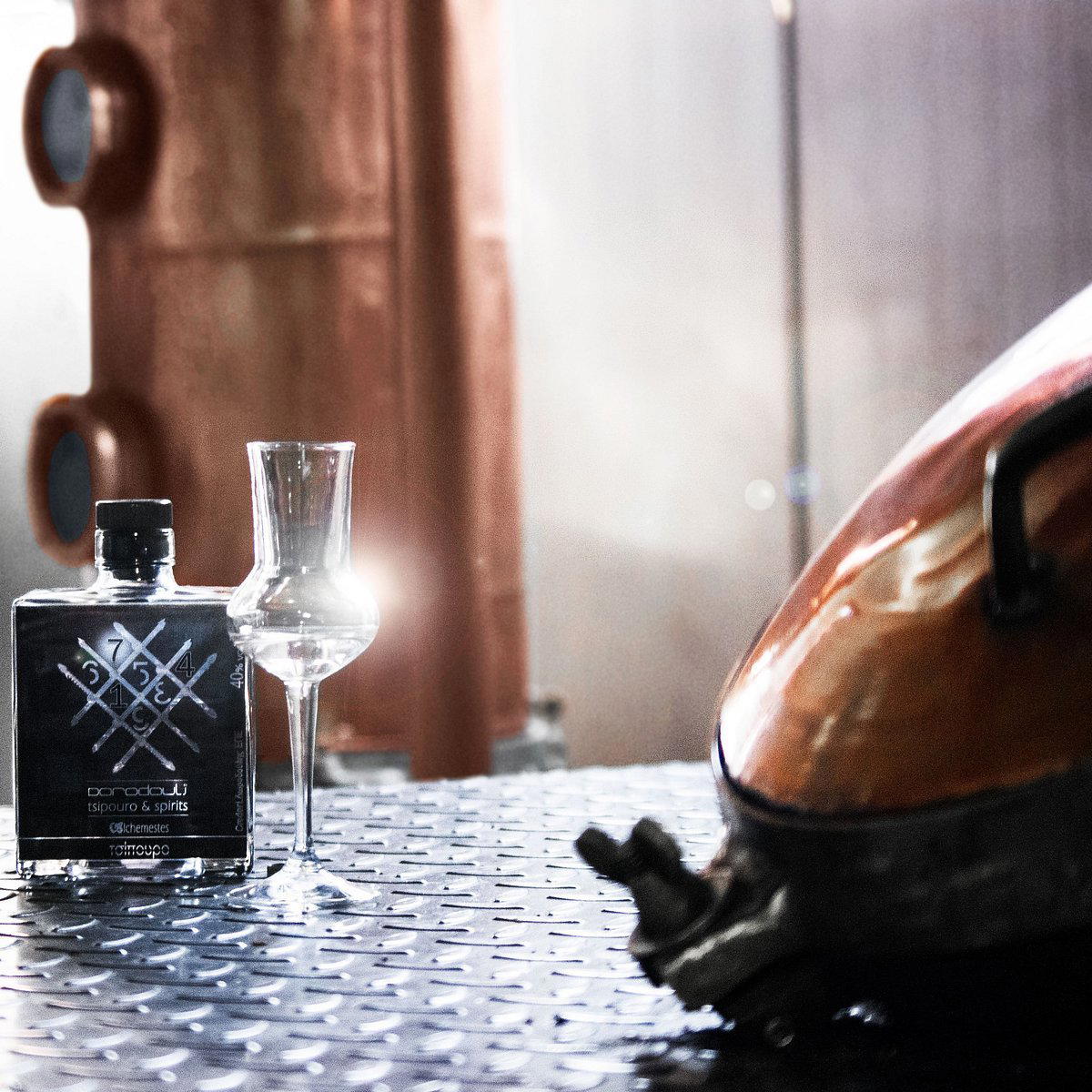
Thessaloniki's drinks production has never been concentrated in the city centre. The warehouses, processing facilities, and distilling operations that supply northern Greece sit in the industrial zones that arc around the port and extend toward the airport, places built for logistics, not tourism. Romios Distillery occupies one of those working addresses: the Dorodouli Distillery site in Neo Risio, a 575 00 postal district on the airport road that few visitors reach unless they are specifically looking. Arriving here, the environment is infrastructure before it is atmosphere, wide roads, low industrial buildings, the faint chemical sweetness that clings to any site where fermentation and distillation happen at scale. That industrial register is not incidental. It is a direct signal about what the operation prioritises: production discipline over visitor spectacle.
The distillery holds a 5.0 Google rating from 8 reviews. Within the Thessaloniki comparable set, which includes Babatzim Distillery, Dorodouli Distillery, Tsantali Distillery, and Boutari Distillery, that kind of formal recognition matters as a sorting mechanism. Greece's spirits sector is crowded at its base; producers who have cleared a recognised quality threshold occupy a meaningfully different bracket.
What Happens After the Still: Aging and the Northern Greek Approach
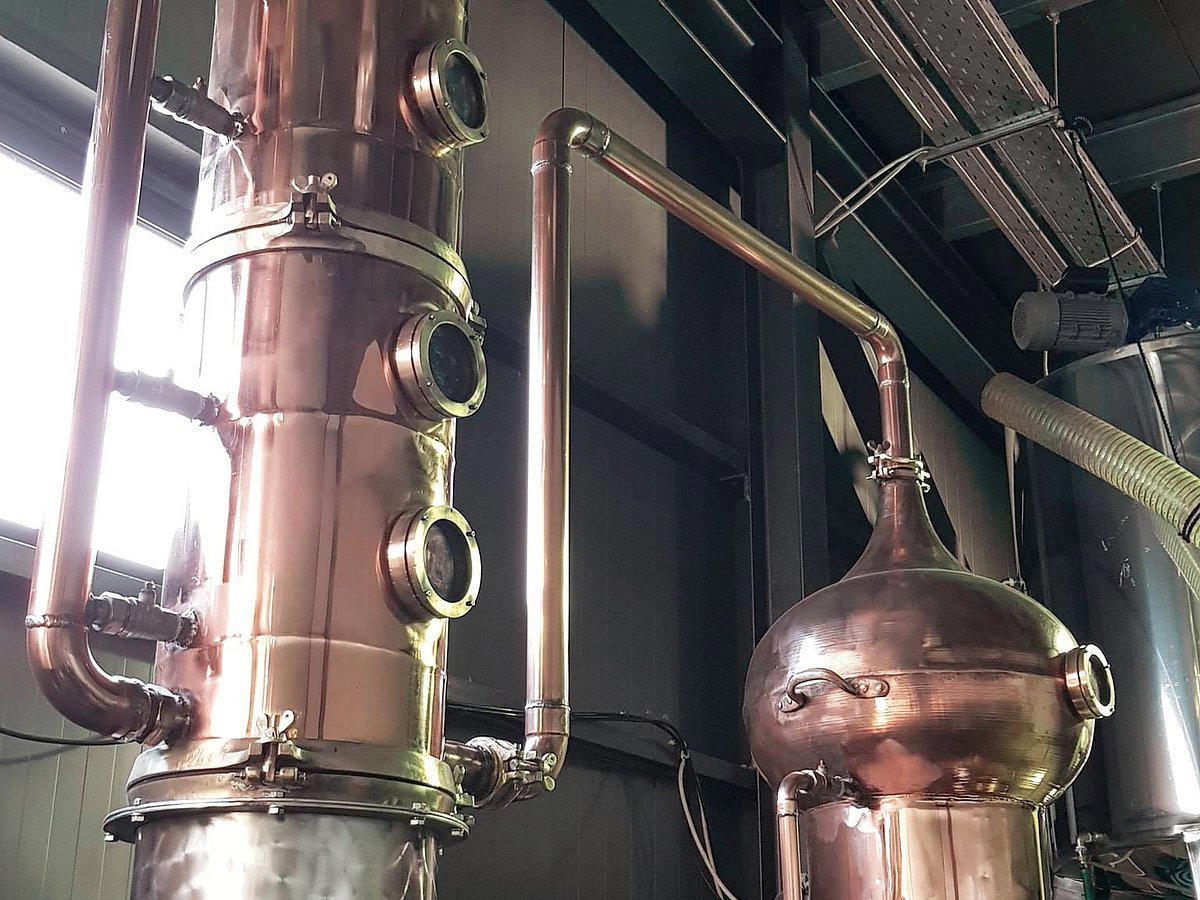
The editorial angle through which Romios Distillery is leading understood is not the still itself but what follows it. In northern Greek spirits production, the period between distillation and bottling carries significant consequence. The region's climate, warmer and drier than coastal Aegean zones, but with genuine seasonal temperature swings, affects how distillates interact with barrel or vessel over time. Producers who take the aging and maturation phase seriously are working with those temperature differentials deliberately, using seasonal contraction and expansion cycles to accelerate or moderate extraction from wood. The result, when managed well, is a spirit that carries more structural complexity than one simply rested in a neutral environment.
For a distillery operating from a site shared with the Dorodouli Distillery operation in Neo Risio, the logistical infrastructure for that kind of maturation work is credibly present. Industrial-scale distillery sites in this part of Greece typically maintain bonded warehouse space capable of holding significant volume through multi-season aging cycles. Whether Romios runs short-cycle or extended maturation programs is not established in the available record, but the Pearl 1 Star Prestige recognition in 2025 implies that whatever is happening between distillation and bottling is producing results that have cleared a quality bar. Across Greece, producers who have earned similar recognition, from Achaia Clauss in Patras with its documented aging cellars to smaller operations like Alpha Estate in Amyntaio, tend to share a consistent characteristic: deliberate decision-making at each stage of the production chain rather than speed-to-market orientation.
Thessaloniki's Drinks Production in Context
Northern Greece's drinks identity is more varied than its international reputation suggests. Thessaloniki is primarily known for food, the city's seafood, its Ottoman-influenced pastry culture, its braised meat traditions, but it also anchors a serious production corridor for both wine and spirits. The Axios delta to the west, the Chalkidiki peninsula to the south, and the upland zones toward Naoussa and Amyntaio give the broader region access to agricultural raw materials that underpin a diverse drinks sector. Malamatina Winery represents the retsina-and-table-wine end of that tradition; the distillery operations cluster around the airport corridor and represent a different, spirits-focused branch of the same productive inheritance.
Internationally, the reference points for serious Greek distilling remain few. Tsipouro, the grape-based spirit that is the dominant idiom in mainland production, has begun to attract the kind of attention that ouzo has long held, partly because producers have started treating barrel aging as a variable to control rather than an afterthought. Visitors who have traced similar production stories elsewhere, at Aberlour in Aberlour for Scotch whisky aging culture, or at Accendo Cellars in St. Helena for American fine wine maturation philosophy, will recognise the underlying logic even when the spirit category differs. Post-distillation decisions are where category differentiation actually happens.
Within Greece itself, the comparison set for any Thessaloniki distillery earning formal recognition now extends across the country. Anatolikos Vineyards in Xanthi and Abraam's Vineyards in Komninades represent the Thracian production tradition that sits to the northeast; Akrathos Newlands Winery in Panagia on the Chalkidiki coast offers a point of comparison for how geography shapes production style even at short distances. Aiolos Winery in Palaio Faliro and Acra Winery in Nemea extend that map further south. Placed in that national context, Romios Distillery's 2025 recognition is less a local curiosity and more a data point in a broader story about Greek spirits finding a quality tier that formal recognition systems can index.
Planning a Visit: What the Location Requires
The practical reality of visiting Romios Distillery shapes the experience before you arrive. Neo Risio sits southwest of central Thessaloniki, near the airport road, and is not served by routes that connect naturally to the city's central hospitality zone. Independent transport, a rental car or a taxi from the city centre, is the workable approach. For visitors building a Thessaloniki drinks itinerary, the airport proximity is a genuine asset: a visit here can be scheduled at either end of a trip without requiring a dedicated cross-city journey. The airport area corridor, which also anchors the Dorodouli Distillery site, represents a distinct node on any production-focused tour rather than a stop that integrates easily into pedestrian city exploration.
Contacting the distillery directly before visiting is the only reliable approach for confirming access, tasting formats, and current scheduling. This is consistent with how many working Greek distilleries operate: production comes first, and visitor programming is structured around that primary function rather than the reverse.
The seasonal dimension is worth noting. Spring and autumn are the periods when Thessaloniki's climate is most hospitable for distillery visits: summer heat in an industrial production zone is a different experience from a visit in October or April, when the temperature swings that matter for aging are most legible in the environment itself. Producers who take maturation seriously are also more likely to have material worth discussing during the transitional seasons, when barrel work and blending decisions tend to be active.
Continue exploring