Palia Athina

In the Toumba neighbourhood of Thessaloniki, Palia Athina operates as a textbook example of the old-school Greek tavern format: long tables, traditional dishes, and a pace set by the meal rather than the clock. It sits within a city whose tavern culture predates the modern restaurant category by generations, making it a reference point for anyone tracing how Greeks have historically eaten together.
Pearl is the En Primeur Club membership app — saves, bookings, and concierge access live there. Same editors, same standards.
- Address
- Imvrou 24, Thessaloniki 544 53, Greece
- Phone
- +30 231 091 2292
- Directions
- Get directions
 Saves & bookings on Pearl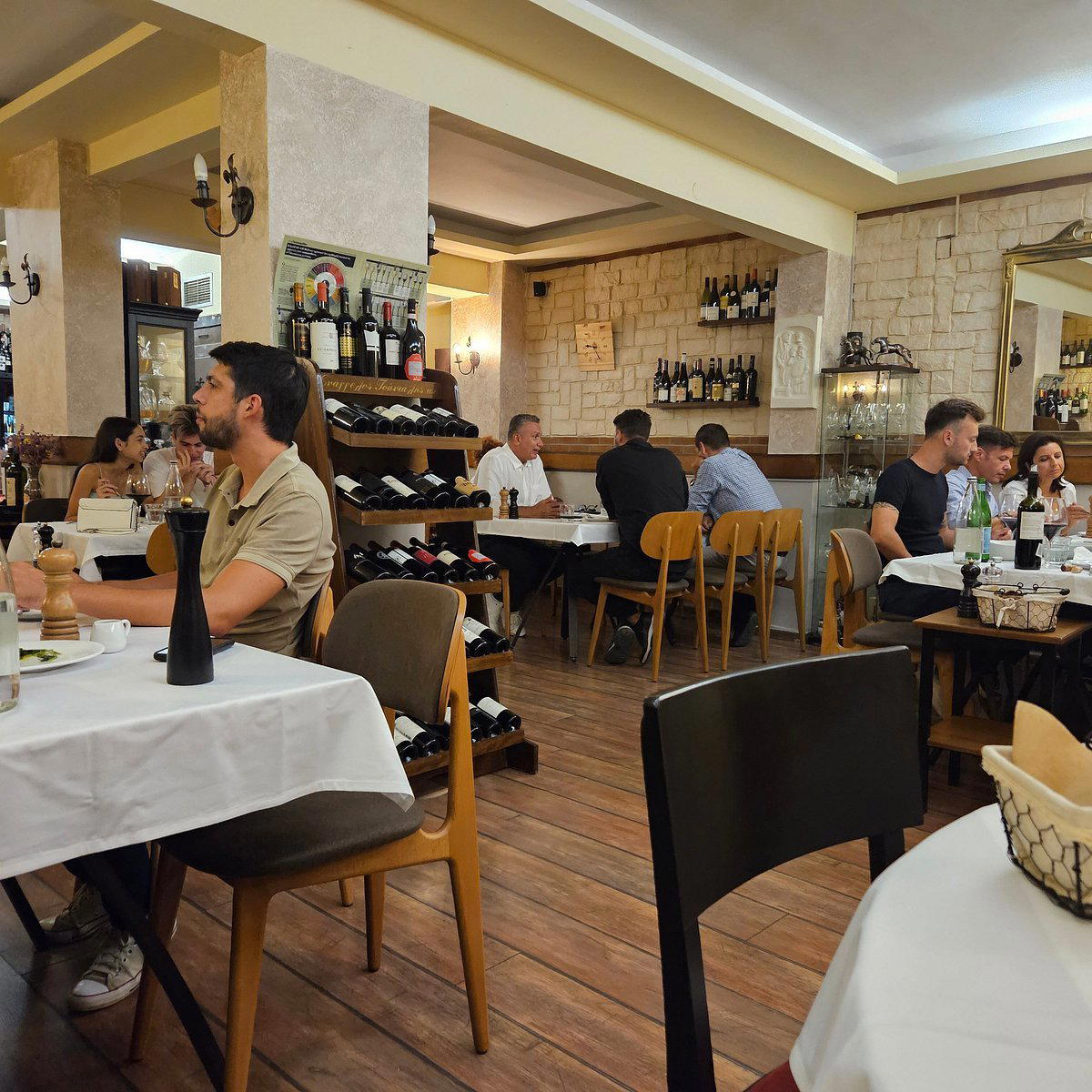
Where the Meal Sets the Pace
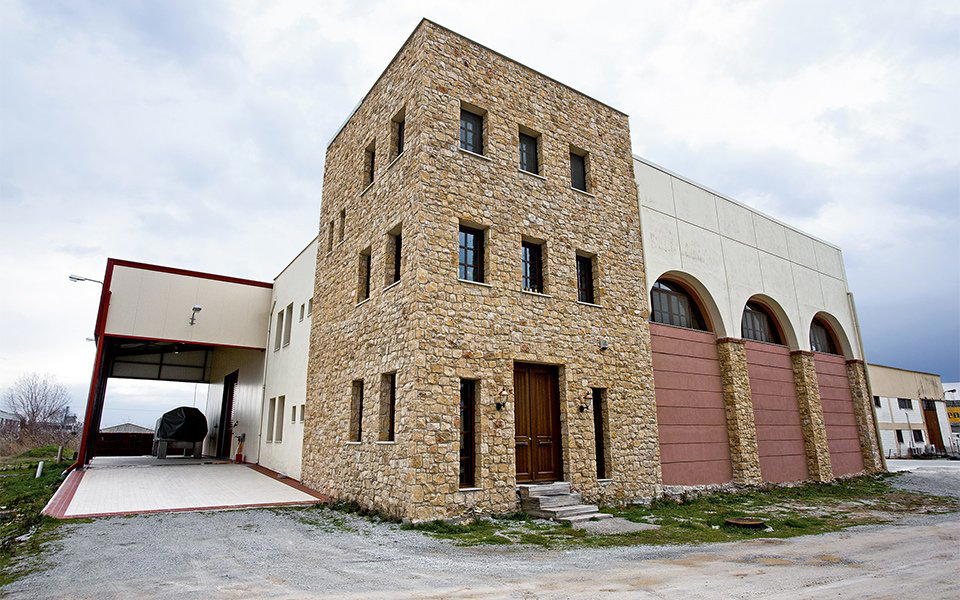
Approach Palia Athina on Imvrou 24 in Toumba and the signals are deliberate: a facade that makes no attempt at trend-chasing, a room that prioritises function over statement, and, once inside, the particular hum of a place where people have come to eat rather than to be seen. Toumba is a residential quarter east of Thessaloniki's centre, a neighbourhood whose dining identity is shaped by locals who return weekly rather than visitors who arrive once. That context matters. Taverns in areas like this operate under a different set of pressures than those near the waterfront promenade or the Ladadika district, where tourist traffic and Instagram visibility tilt the offering. Here, the room holds itself accountable to regulars.
The old-school tavern format that Palia Athina represents is among the more durable templates in Greek food culture. It predates the modern restaurant category in Greece by a wide margin, and it has survived repeated waves of culinary modernisation precisely because it is not trying to compete with them. Where contemporary Greek restaurants like Delta in Athens or Lycabettus in Oia work within a framework of technique-forward reinvention, the old-school tavern operates on an entirely different register: familiar dishes, shared formats, and a pacing logic that belongs to the table rather than the kitchen.
The Ritual of the Tavern Table
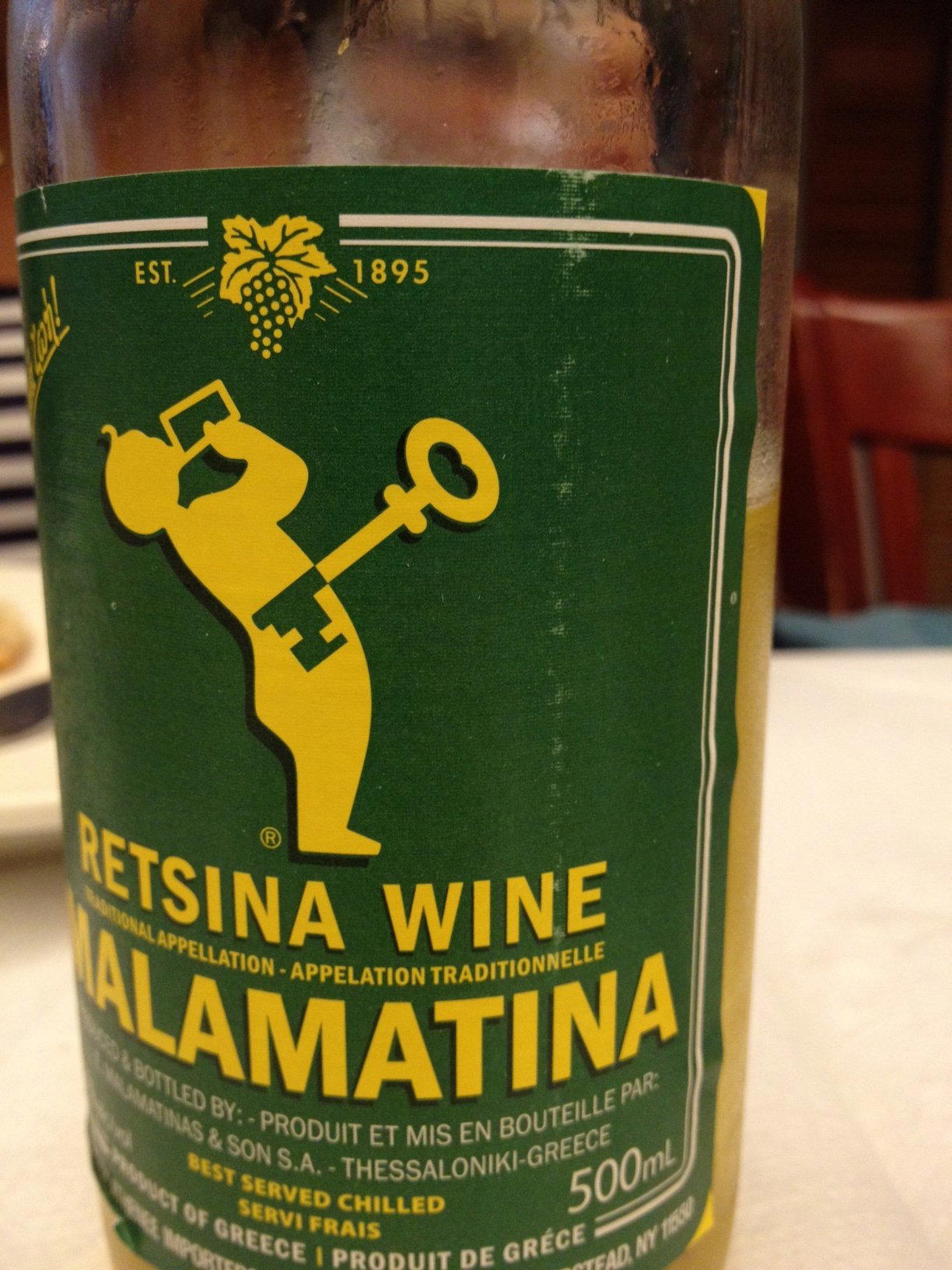
Understanding how to eat at a place like Palia Athina requires understanding what the Greek tavern meal actually is. It is not a sequence of courses in the European fine-dining sense. The rhythm here moves through the logic of the mezze-adjacent table: dishes arrive as they are ready, portions are sized for sharing, and the meal expands or contracts according to the appetite and mood of the group. Bread arrives early. Wine or ouzo is poured without ceremony. The table fills incrementally, and conversation is not interrupted by the arrival of food so much as extended by it.
This format places demands on the diner that are different from those of a tasting menu counter. There is no handed menu in the conventional sense of a guided progression. Ordering is more negotiated, often verbal, and frequently shaped by what the kitchen has that day. For visitors accustomed to the structured formats of places like Le Bernardin in New York City, the apparent informality can read as absence of craft. It is not. The craft in a tavern of this type is in the sourcing and execution of deeply familiar dishes, where the margin for error is small precisely because the dishes are so well known. A flawed moussaka or a poorly seasoned horiatiki is far more legible to the local diner than a failed modernist construction.
Traditional Greek dishes at taverns across Thessaloniki tend to reflect the city's geographic and historical position. The city sits at the intersection of multiple culinary traditions: the Macedonian interior, the Ottoman legacy, the Aegean coast, and the food memory carried by Greek Orthodox communities displaced from Asia Minor in the 1920s. That displacement history is particularly present in Thessaloniki's food culture in a way that is less visible in Athens. Spice use, specific pastry formats, and certain slow-cooked preparations carry traces of it, and taverns in older residential neighbourhoods often preserve these through recipe continuity rather than conscious archival effort.
Toumba and the Off-Centre Tavern Circuit
Thessaloniki's restaurant scene has a well-documented centre of gravity around the seafront, the Aristotelous Square axis, and the Ano Poli hillside. But the city's most consistent everyday eating often happens away from those zones. Toumba, known primarily as a football district (the Toumba Stadium sits nearby), is a neighbourhood where the dining options are shaped by density and repetition rather than destination appeal. A tavern that survives here does so because it feeds people who come back, not because it attracts first-time visitors drawn by guidebook recognition.
That competitive dynamic produces a different kind of accountability than the one operating in tourist-facing districts. It also produces a different social texture. Tables at the restaurant are likely to include multi-generational groups, extended families, and the kind of long, slow weekday lunches that have largely disappeared from urban dining elsewhere in Europe. For the traveller whose Thessaloniki itinerary already includes a contemporary dinner at Classico Bistro Moderne or an exploratory evening at Iberico Restaurant, a meal here provides a counterweight: a format where the architecture of dining has changed little in fifty years, and where that continuity is the point.
Thessaloniki's broader dining and drinking scene is substantial, and the city rewards time spent across its different registers. Our full Thessaloniki restaurants guide maps the range from traditional to contemporary. For those building a longer stay, our full Thessaloniki hotels guide, bars guide, wineries guide, and experiences guide provide the adjacent context. For comparison points elsewhere in Greece, Almiriki in Mykonos, Aktaion in Firostefani, Olais in Kefalonia, Etrusco in Kato Korakiana, Avaton Luxury Beach Resort in Halkidiki, Myconian Ambassador Thalasso Spa in Platis Gialos, and Myconian Utopia Resort in Elia span the range of what Greek dining looks like at different points on the formality and geography spectrum. Even Emeril's in New Orleans offers a useful transatlantic comparison: a restaurant defined by regional identity rather than international neutrality, where the cooking stakes its claim on specificity of place.
Planning a Visit
The restaurant is located at Imvrou 24 in the Toumba district of Thessaloniki. As a neighbourhood tavern operating in the old-school format, it is well suited to unhurried meals: a weekend lunch or an early weekday evening when the pace of the room can be felt rather than resisted. No specific booking data is confirmed in our records; for a tavern of this type in a non-tourist neighbourhood, arriving at off-peak hours or calling ahead is generally advisable, though walk-ins are common in the format. Specific hours, pricing, and current menu availability should be confirmed directly with the venue before visiting.
Style and Standing
Comparable venues nearby, for context on price, style, and recognition.
| Venue | Cuisine | Price | Notes |
|---|---|---|---|
| Palia AthinaThis venue — the venue you are viewing | Traditional Greek Steakhouse | $$ | Not listed |
| Φουλ του μεζέ | Traditional Greek Meze | $$ | Ladadika |
| Aeras | Modern bar for drinks & nightlife | $ | .null |
| Ο Γύρος της Ελλάδος | Greek Gyros | $ | Κέντρο |
| Classico Bistro Moderne | Modern Greek Bistro with Mediterranean Influence | $$ | Waterfront/Themistokli Sofouli |
| Afesou | Aperitivo Bar / Spritzeria | $$ | Thessaloniki city center |
Recognition history
Dated appearances from independent guides and award organizations, with the underlying list record or original source where available.
Star Wine List
Star Wine List
Continue exploring
More in Thessaloniki
Restaurants in Thessaloniki
Browse all →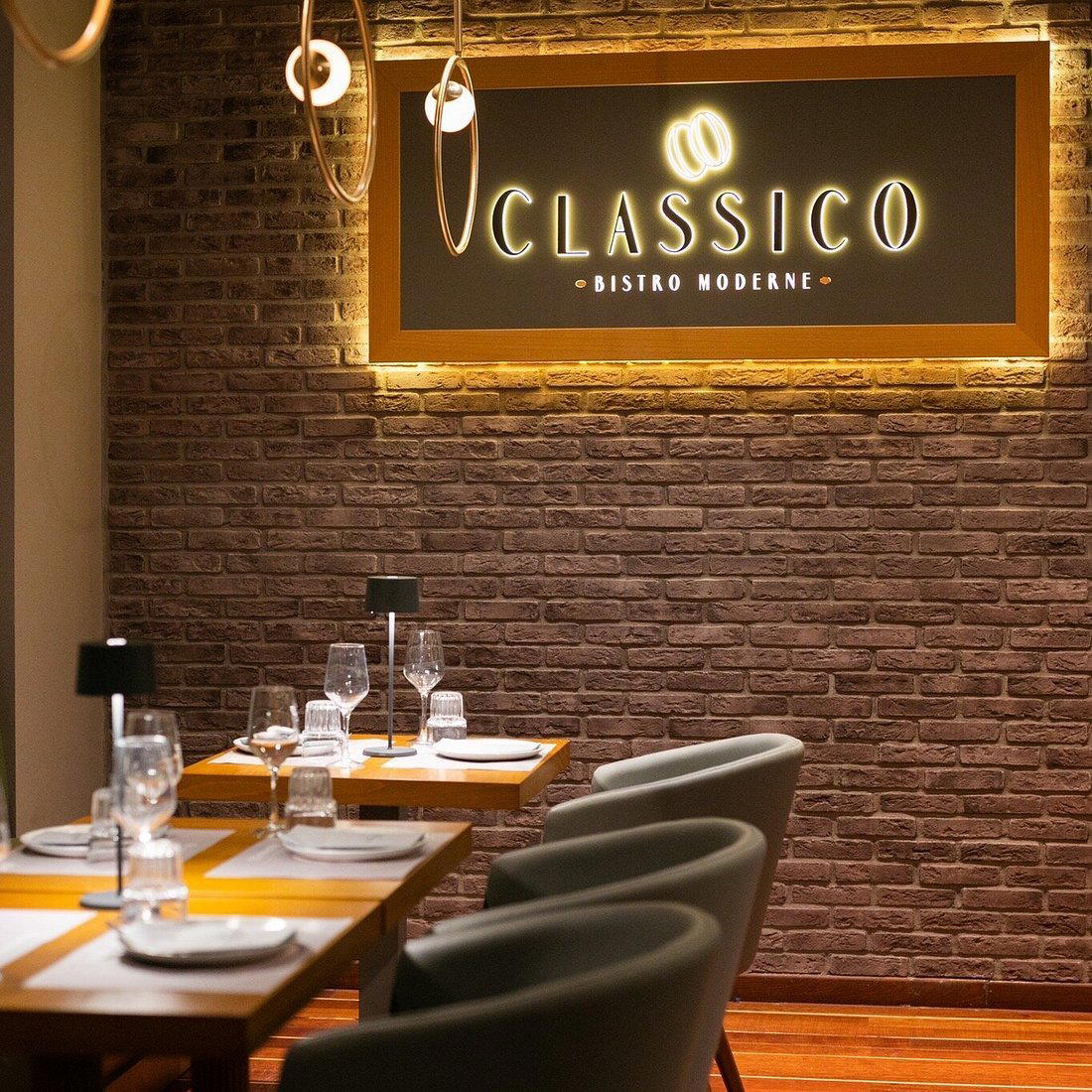
Bars in Thessaloniki
Browse all →
Hotels in Thessaloniki
Browse all →
At a Glance
- Classic
- Cozy
- Group Dining
- Business Dinner
- Family
- Extensive Wine List
Current opening hours
- Monday
- Closed
- Tuesday
- Closed
- Wednesday
- 7:15 PM–12:30 AM
- Thursday
- 7:15 PM–12:30 AM
- Friday
- 7:15 PM–12:30 AM
- Saturday
- 2–5:30 PM, 7:15 PM–12:30 AM
- Sunday
- 1:30–7:30 PM
Hours can change for holidays and private events. Last verified .
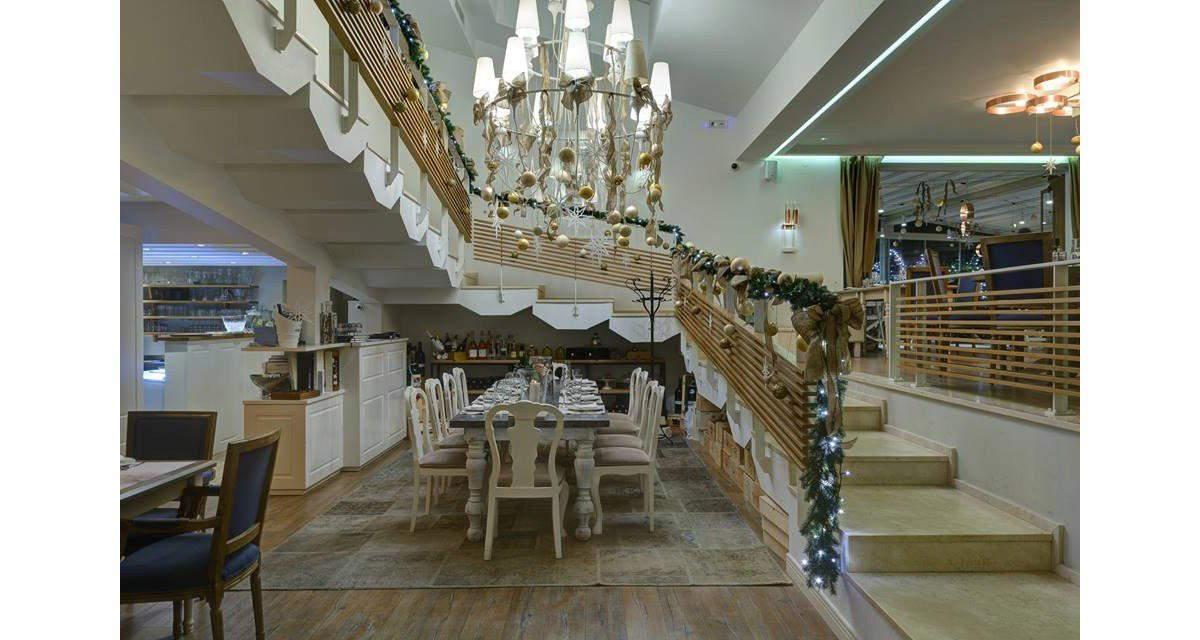
Cozy, beautifully decorated traditional Greek tavern interior with comfortable spacing, smoke-free environment, and a welcoming family atmosphere.