Tsantali Distillery

Tsantali Distillery operates from Nea Kallikratia in Halkidiki, placing it within one of northern Greece's most productive wine and spirits corridors. For visitors travelling the Halkidiki peninsula, it represents a serious production address with formal critical recognition behind it.
Pearl is the En Primeur Club membership app — saves, bookings, and concierge access live there. Same editors, same standards.
- Address
- Agios Pavlos, 63080 Nea Kallikratia, Halkidiki, Greece
- Phone
- +302399076100
- Website
- tsantali.gr
- Directions
- Get directions
 Saves & bookings on Pearl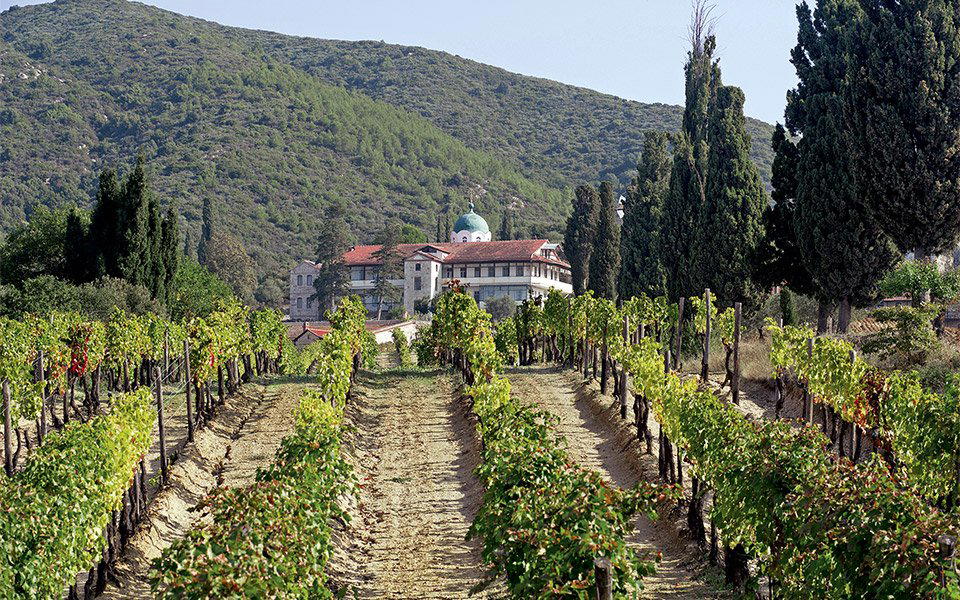
A Production Address on the Halkidiki Coast
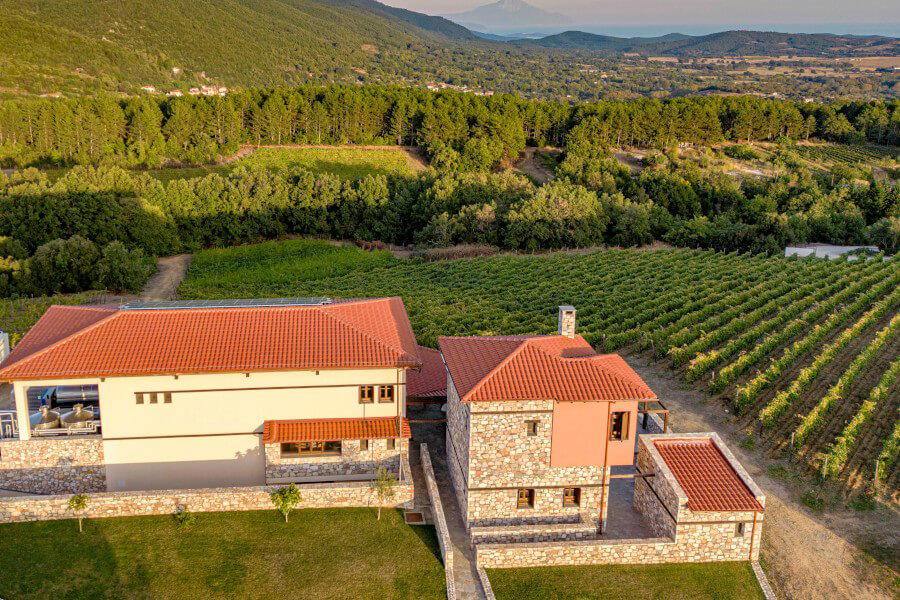
The road from Thessaloniki to Halkidiki follows the coast southeast until the peninsula begins to narrow and the industrial hinterland gives way to agricultural land and pine. Nea Kallikratia sits early on that route, before the three-pronged peninsula splits off toward Kassandra and Sithonia. It is here, in the Agios Pavlos district, that Tsantali Distillery occupies its production address, a site that places it within the broader northern Greek spirits and wine corridor that stretches from the city itself down through the peninsula's growing zones.
Northern Greece's distillery and winery cluster is denser than most visitors expect. The Thessaloniki region alone hosts a range of operations, from smaller family producers such as Babatzim Distillery and Dorodouli Distillery to established wine names like Malamatina Winery and Boutari Distillery.
Critical Standing in 2025
In the context of the Greek spirits and wine sector, such tiered prestige awards function as the clearest external benchmark available for producers that operate without the global visibility of, say, a Napa Valley estate or a Speyside single malt house like Aberlour. Greek producers, whether they sit in northern Macedonia, the Peloponnese, or Halkidiki, have increasingly sought formal international recognition to signal quality beyond the domestic market. Tsantali's 2 Star rating in the Pearl system places it in a mid-to-upper tier of that recognition framework.
For comparison, producers in other Greek regions carry similar external credentials. Achaia Clauss in Patras and Alpha Estate in Amyntaio both hold recognised positions within their respective regional categories. Tsantali's award signals it belongs in the same broad conversation about Greek production quality, even if its specific output and format differ from those estates.
Halkidiki as a Production Region
The choice of Nea Kallikratia as a production base is not incidental. Halkidiki's climate, with warm Mediterranean summers and moderating sea breezes, suits both viticulture and the agricultural supply chains that feed distillery operations. The peninsula has a long association with Greek Orthodox monastic winemaking, particularly through the Mount Athos communities further southeast, and that tradition of serious, place-rooted production gives the region a cultural weight that goes beyond tourism. Producers here are making a geographical argument as much as a commercial one.
That argument gains traction when set against the broader Greek spirits revival. Tsipouro and ouzo production in northern Greece has attracted renewed attention over the past decade, with younger consumers and international spirits buyers reconsidering Greek distillates alongside better-known categories. Producers in Halkidiki occupy an interesting position: close enough to Thessaloniki to benefit from urban distribution and hospitality demand, yet rooted in a peninsula with genuine agricultural identity. Akrathos Newlands Winery in Panagia, also on the Halkidiki peninsula, sits within the same regional argument.
Food Pairing and the Hospitality Context
Greek spirits and wines carry specific hospitality logic that differs from French or Italian counterparts. In northern Greece, tsipouro is not an after-dinner spirit in the Cognac tradition, it arrives alongside food, often from the first moment guests sit down. Mezedes, the small plates of cured fish, cheese, pickled vegetables, and grilled meats that define the northern Greek table, are calibrated around the clean, high-proof cut of an unaged distillate. The pairing is structural rather than decorative: the spirit's heat clears the palate between plates, and its anise character (when present) complements the brininess of taramasalata or the fat of smoked mackerel.
For a distillery like Tsantali, operating in the Halkidiki corridor where seafood is a dominant local ingredient, this hospitality context shapes how the production is understood and presented. A visitor arriving at the distillery in late afternoon is entering a tradition where the product and the table are considered together. This contrasts with the wine-led hospitality model of regions like Nemea in the Peloponnese, where operations such as Acra Winery frame their visitor experience around cellar tours and structured tastings. The northern Greek distillery model tends toward a more informal, food-forward engagement, spirits arrive as part of a broader table rather than as the sole focus.
Greek wine producers, including those in the Thessaloniki orbit, have increasingly formalised this food-pairing logic into their visitor programmes. Anatolikos Vineyards in Xanthi and Abraam's Vineyards in Komninades both operate in a similar northern Greek register where hospitality extends beyond the glass. The region's producers have understood, earlier than many, that serious wine and spirits tourism in Greece requires demonstrating how the product lives on the table.
Positioning Within the Thessaloniki Producer Set
Among the Thessaloniki-adjacent producers, Tsantali's Halkidiki address gives it a distinct positioning relative to city-based operations. Where Laoutari Distillery operates within the urban Thessaloniki context, Tsantali's Nea Kallikratia location connects it to the peninsula's agricultural supply. This geography matters for producers of distillates: proximity to raw material sources, whether grape pomace from local vineyards or botanicals from the Halkidiki hills, affects the quality argument a distillery can make.
In a city where the hospitality culture around spirits runs deep, Thessaloniki is the city most associated with tsipouro culture in Greece, more so than Athens, producers with formal recognition carry weight in a market that has educated palates and specific expectations. Producers from further afield, including Aiolos Winery in Palaio Faliro, occupy a different competitive register; for northern Greek spirits buyers, provenance and regional credentials matter as much as production method. Tsantali's Halkidiki base provides both.
Planning a Visit
Nea Kallikratia sits roughly 30 kilometres southeast of central Thessaloniki on the route toward Halkidiki, making it a practical half-day trip from the city rather than a deep-peninsula expedition. Visitors travelling the Halkidiki route in late spring or early autumn will find the drive direct and the peninsula less congested than the peak summer months of July and August. The distillery address in the Agios Pavlos district is accessible by car; public transport connections to this part of Halkidiki are limited, so independent travel is the practical option.
Visitors should verify current visiting arrangements directly before travelling. Given the distillery's formal award standing, engagement with advance planning is advisable: operations at this level in Greece often operate visiting programmes on appointment rather than open-door schedules.
Comparable Venues
Comparable venues nearby, for context on price, style, and recognition.
| Venue | Cuisine | Price | Notes |
|---|---|---|---|
| Tsantali DistilleryThis venue — the venue you are viewing | Agioreitiko, Xinomavro | $$ | Not listed |
| Boutari Distillery | Winery | Not listed | Thessaloniki |
| Dorodouli Distillery | Winery | $$$ | Neo Rysio |
| Babatzim Distillery | Cabernet Sauvignon, Merlot | $$ | Ossa, Lagkada |
| Malamatina Winery | Savatiano, Roditis | $$ | Kalochori |
| Romios Distillery | Winery | Not listed | Thessaloniki |
Recognition history
Dated appearances from independent guides and award organizations, with the underlying list record or original source where available.
Falstaff Winery - Listed
Falstaff
Continue exploring
More in Thessaloniki
Wineries in Thessaloniki
Browse all →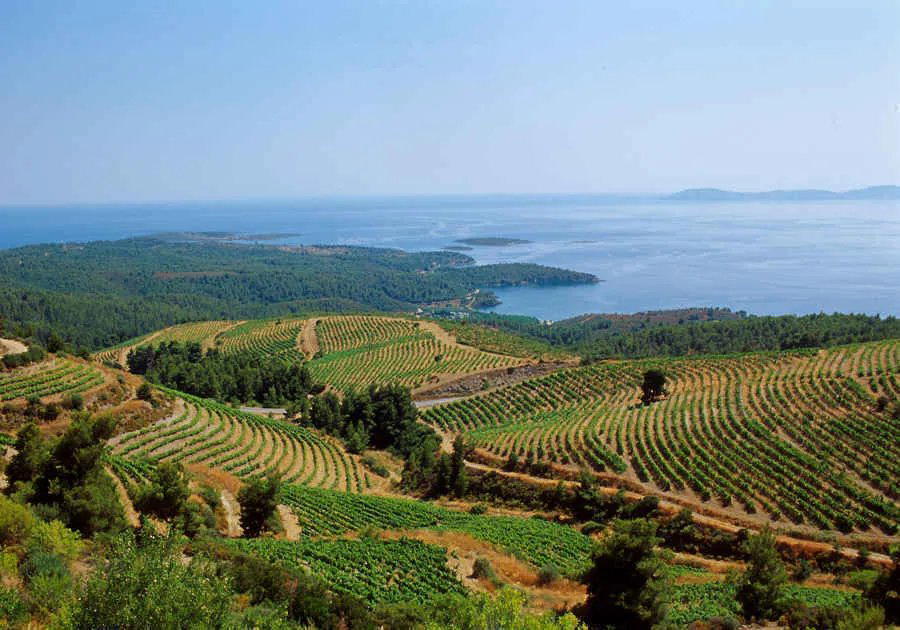
Bars in Thessaloniki
Browse all →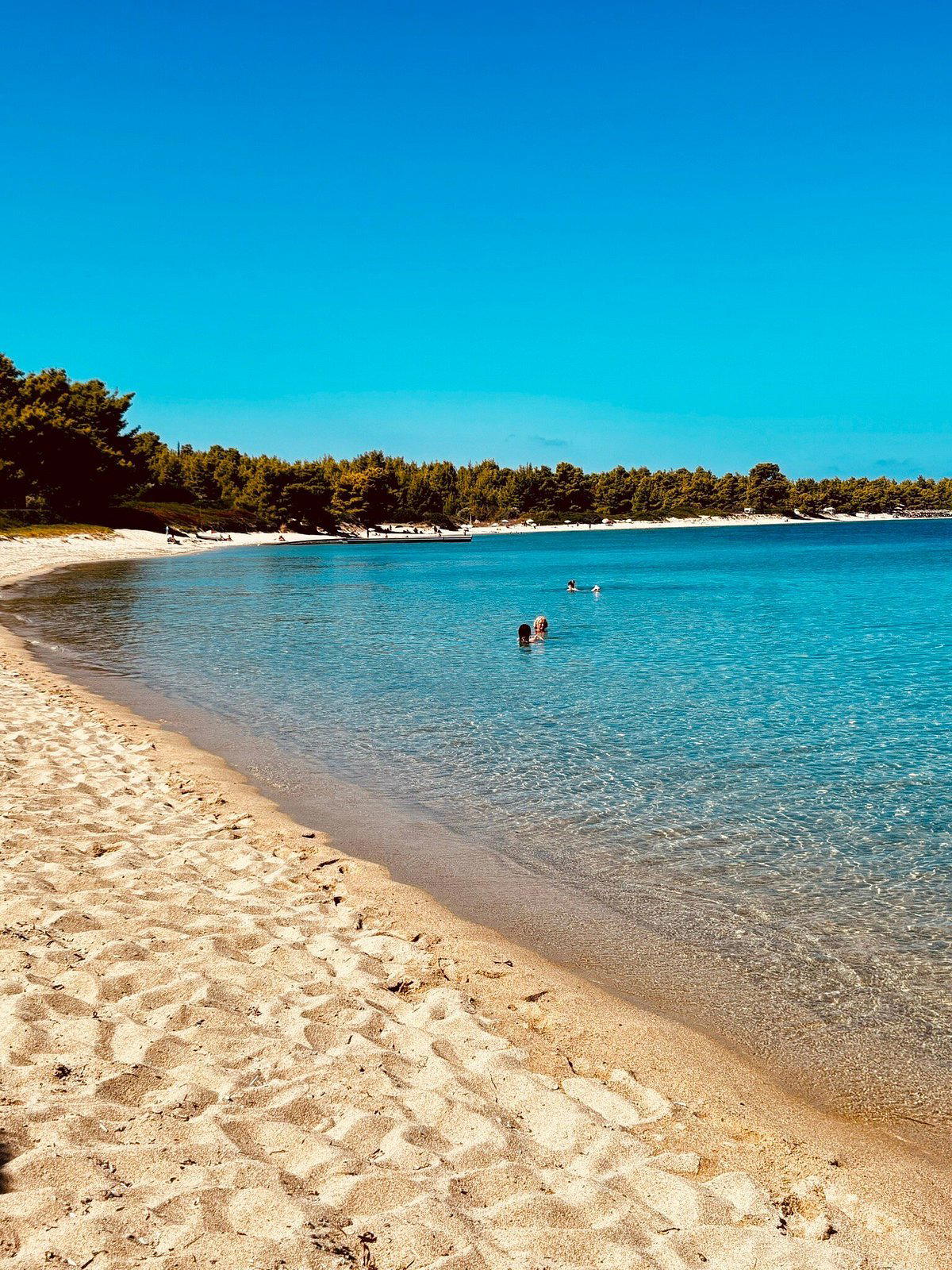
Restaurants in Thessaloniki
Browse all →


At a Glance
- Classic
- Rustic
- Wine Education
- Vineyard Tour
- Historic Building
- Organic
- Sustainable
- Mountain
- Vineyard
- Naoussa
- Agioreitiko
- Xinomavro
- Still Red
- Still White
- Tasting
- Tour
Traditional and respectful of Greek viticulture heritage with a focus on quality production.