Laoutari Distillery

Laoutari Distillery operates from the airport-area industrial corridor of Neo Risio, outside Thessaloniki, where Greece's northern spirits tradition finds a focused, production-led home. A Pearl 1 Star Prestige award (2025) places it in a defined peer tier alongside fellow Thessaloniki producers. Plan visits with advance contact, as the site sits outside the city's main producer cluster.
 Discover on Pearl
Pearl is the En Primeur Club membership app — saves, bookings, and concierge access live there. Same editors, same standards.
- Address
- Dorodouli Distillery, Airport Area of Thessaloniki N, Neo Risio 575 00, Greece
Where Northern Greece Distills Its Identity
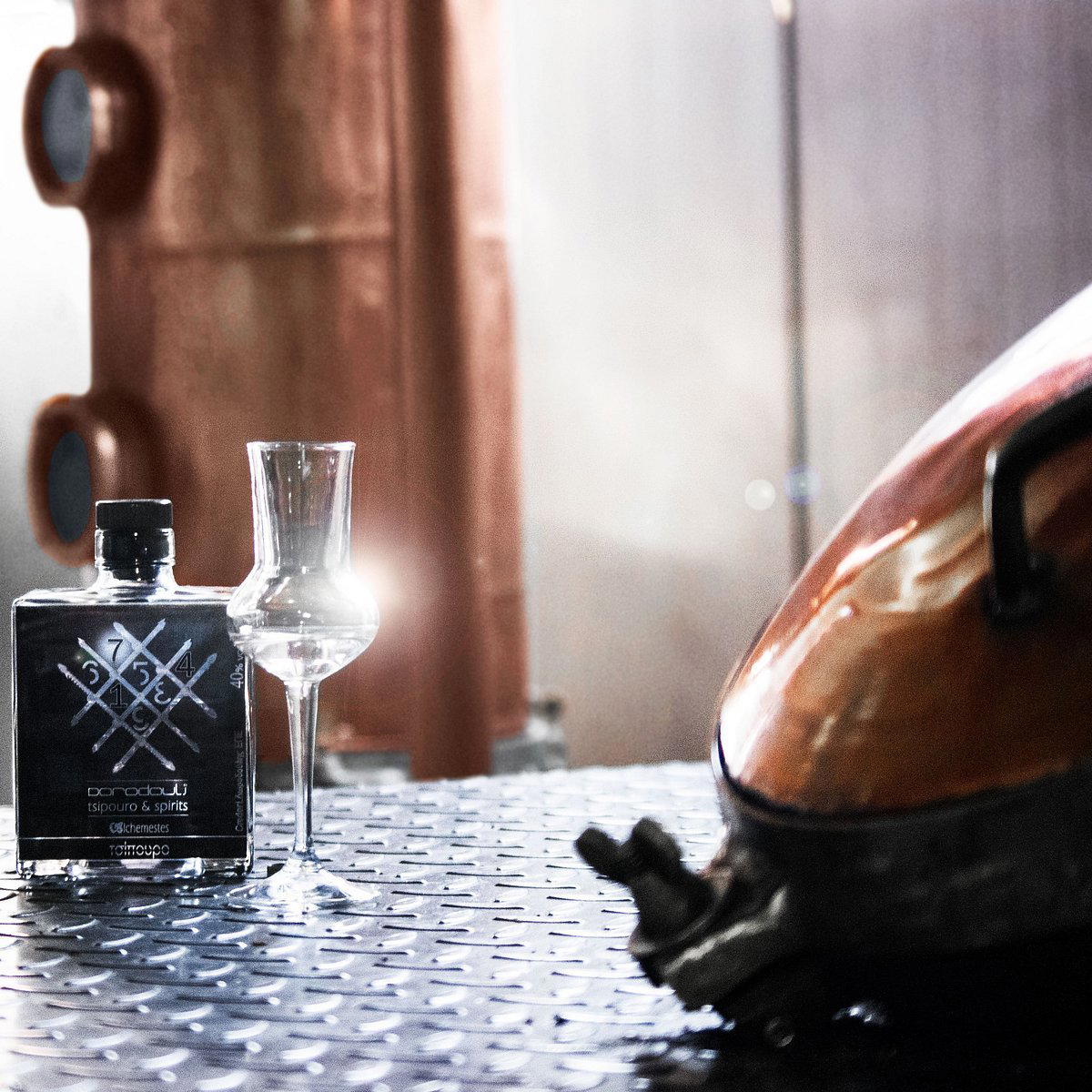
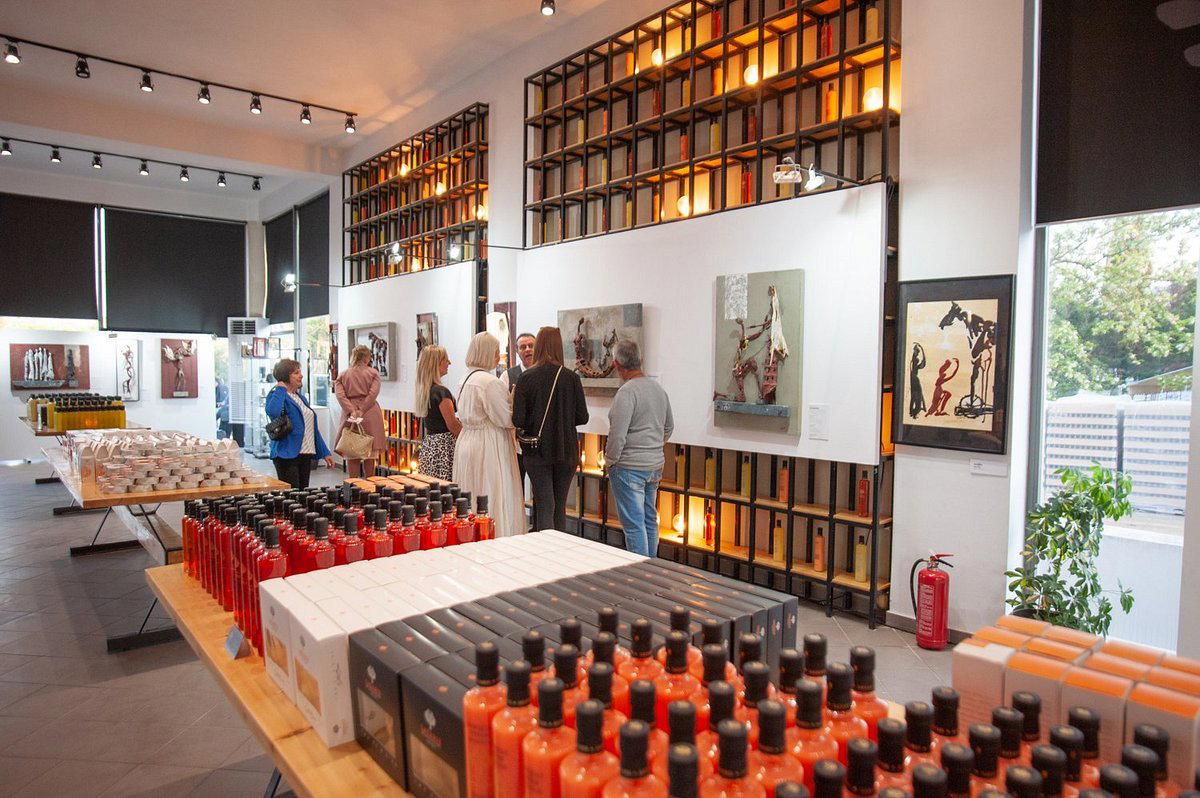
The approach to Thessaloniki's airport-area industrial zone tells you something about how Greek spirits production actually works: unglamorous access roads, flat terrain running toward the Thermaic Gulf, and a landscape that prioritises function over spectacle. Laoutari Distillery sits in Neo Risio, within a corridor that shares geography with the Dorodouli Distillery, one of the region's longer-established production sites. The physical setting is industrial, but that context matters. Northern Greek spirits and wine production has historically concentrated not in scenic hillside estates but in purpose-built facilities close to transport links, a practical inheritance from an era when Thessaloniki was a commercial and trading hub for the Balkans and beyond.
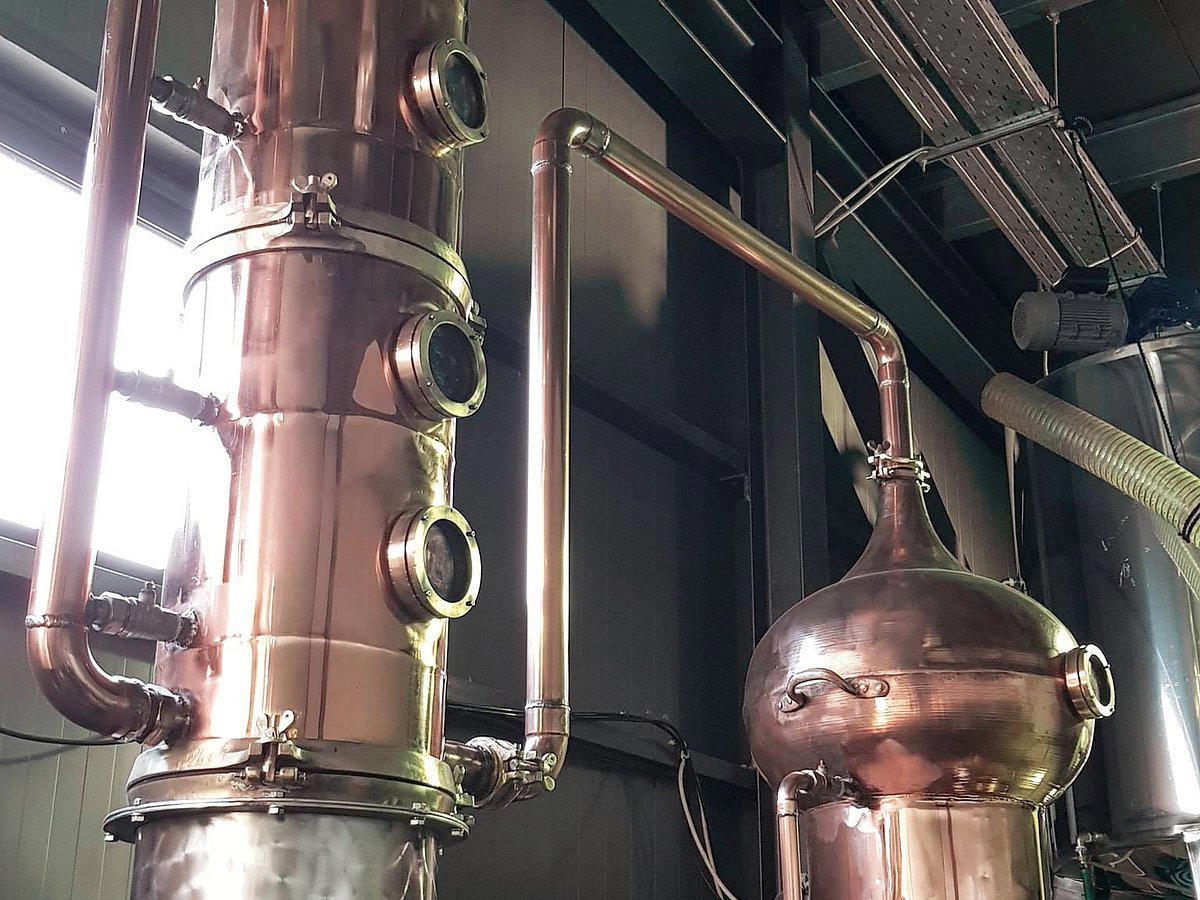
This is worth understanding before you arrive. Visits to production-focused distilleries in this zone are a different proposition from touring a vineyard terrace in Naoussa or walking rows of vines at Alpha Estate in Amyntaio. The draw here is craft and process, not panorama. What you encounter is the working side of Greek spirits, stills, storage, the particular smell of a distillery mid-production, rather than photogenic terracing or curated tasting pavilions.
Peer Context: Thessaloniki's Producer Cluster
Thessaloniki supports a concentration of spirits and wine producers that is unusual for a Greek city of its type. Where Athens-adjacent producers often operate in relative isolation or position themselves toward tourist traffic, Thessaloniki's cluster, which includes Babatzim Distillery, Tsantali Distillery, Boutari Distillery, and Malamatina Winery, reflects a regional commercial tradition rooted in production scale and distribution reach.
Laoutari sits within that cluster, though it occupies a more specialist tier. The 2025 Pearl 1 Star Prestige recognition positions it alongside producers operating at a defined quality threshold, distinct from volume-oriented peers. Across Greece, the Pearl Prestige tier has become a reliable indicator of producers who are working with precision rather than simply capacity, a meaningful signal in a country where spirits quality has historically been uneven and recognition slow to arrive. For a point of comparison outside Greece, consider how craft distilleries in Scotland's secondary production zones, like Aberlour in Aberlour, occupy a niche that is simultaneously regional and internationally legible. The geography differs, but the logic of a prestige award anchoring a smaller producer's credibility is consistent.
The Physical Setting: Function as a Form of Honesty
The editorial angle most travel writers reach for when covering Greek producers is landscape, olive trees, stone terraces, the Aegean horizon. Laoutari's Neo Risio address resists that framing entirely. What the location offers instead is transparency: you are at a place where production is the primary activity, not experience design. The Dorodouli address shared in Laoutari's record suggests proximity to, or possible co-location within, a broader production facility, a pattern common in the Thessaloniki zone, where shared infrastructure reduces overhead for smaller operators.
This is not a drawback. Some of Greece's most technically accomplished spirits producers operate from exactly this kind of environment. The absence of a designed visitor experience can actually signal seriousness about the product itself. Compare this to how the most focused natural wine producers in, say, the Peloponnese, including operations near Acra Winery in Nemea, often operate from utilitarian cellars rather than visitor-ready estates. The product carries the argument.
What to Taste, and How to Approach It
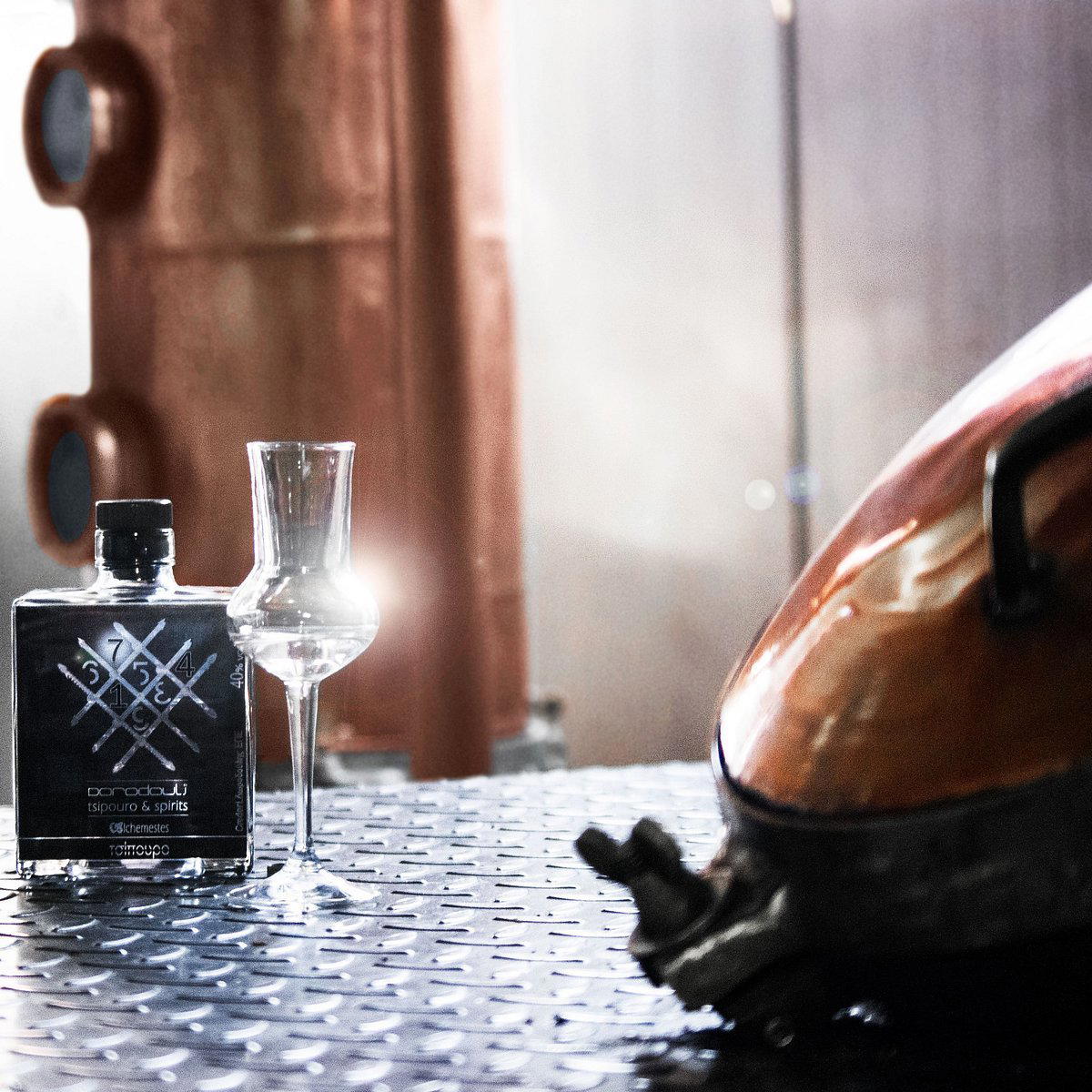
Specific tasting notes and current product lines are not available in verified form for Laoutari, so what follows is category context rather than menu description. Greek distilleries in the Thessaloniki region typically produce tsipouro, the grape marc spirit that is the north's defining drink, alongside ouzo and, increasingly, aged spirits that align with international craft categories. The Pearl 1 Star Prestige award (2025) confirms quality at a level that warrants serious attention.
For visitors approaching from further afield in Greece, the northern tsipouro tradition differs meaningfully from the anise-dominant ouzo associated with the islands and the south. Macedonian tsipouro is often produced without anise, presenting as a cleaner, sometimes barrel-aged spirit with marc character at the centre. Whether Laoutari works in that tradition or extends into other categories is something confirmed directly with the producer before visiting. Contact the venue directly before visiting.
For broader context on how Greek spirits production connects to the wine regions supplying its raw materials, the range of producers across northern and central Greece, from Abraam's Vineyards in Komninades to Akrathos Newlands Winery in Panagia, shows how deeply integrated spirits and viticulture remain in Macedonia and Thrace.
Planning a Visit: Practical Notes
Neo Risio is accessible from Thessaloniki by car, sitting in the airport-area corridor to the city's southeast. Public transport options are limited, and the address, within or adjacent to the Dorodouli production zone, is not configured for casual drop-in visits. Before planning a visit, contact the distillery directly. The full Thessaloniki guide covers the broader producer and restaurant scene, which provides useful context for building a multi-stop itinerary across the city's food and drinks producers.
Visitors with time to extend their Greek spirits research should consider the range of production contexts across the country. Achaia Clauss in Patras represents the historic estate model, while producers like Anatolikos Vineyards in Xanthi and Aiolos Winery in Palaio Faliro illustrate how geography shapes production character across Greek regions. For an international point of reference on what craft prestige looks like outside a heritage-estate context, Accendo Cellars in St. Helena shows how a boutique producer can earn peer recognition without scale.
Continue exploring