Malamatina Winery
The winery sits within a northern Greek wine scene that increasingly draws attention for its indigenous varieties and proximity to the Axios delta's distinct terroir. For visitors orienting around Greek wine production, Malamatina represents a documented prestige tier within the Thessaloniki cluster.
Pearl is the En Primeur Club membership app — saves, bookings, and concierge access live there. Same editors, same standards.
- Address
- Arkadiou 4, Kalochori 570 09
- Phone
- +30 231 075 2324
- Website
- malamatina.com
- Directions
- Get directions
 Saves & bookings on Pearl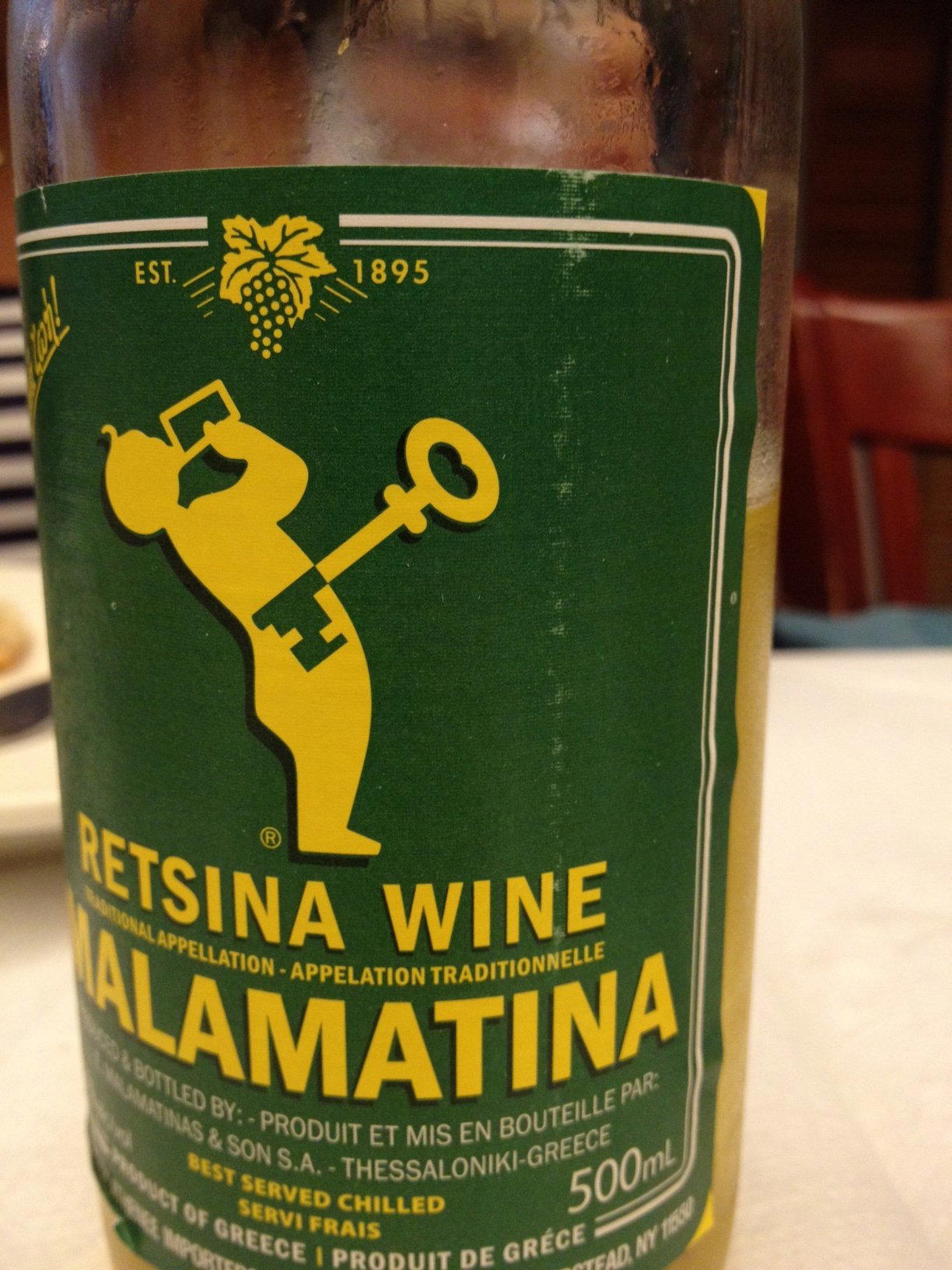
Western Thessaloniki and the Winemaking Edge of the City
Approach Kalochori from the city centre and the urban density dissolves quickly into flat agricultural land, the Axios delta visible to the west and the industrial fringe of Greece's second city giving way to something slower and more rooted. This is where Malamatina Winery sits, at Arkadiou 4, on the kind of address that doesn't announce itself with signage visible from the motorway but rewards those who make the deliberate trip. The western periphery of Thessaloniki has historically been overlooked in favour of the waterfront restaurants and city-centre bars that define the visitor's first impression of the city, but it is here, closer to the productive agricultural land of the Thessaloniki plain, that some of the region's more serious wine production takes place.
Northern Greece's wine identity has been reshaped significantly over the past two decades. Where the region was once associated primarily with bulk production and a handful of dominant commercial labels, a more differentiated picture has emerged: smaller operations working with indigenous varieties, producers paying closer attention to vineyard management, and a growing body of critical recognition that places northern Greek wine in a different conversation from its previous reputation.
Viticulture in the Thessaloniki Hinterland
The terrain around Kalochori is not the dramatic hillside vineyard country that defines many of Greece's most photographed wine regions. It is flat, functional, and agricultural in a way that can read as prosaic until you understand what the land actually offers: proximity to the Axios and Loudias rivers, a climate moderated by both the Thermaic Gulf to the east and the cooler air descending from the Macedonian interior, and soils that carry a distinct profile compared to the volcanic or limestone-heavy land further south. This combination makes the Thessaloniki plain viable for varieties that struggle in hotter, drier conditions, and it creates a logical basis for the kind of viticulture that prioritises freshness and structural precision over the extracted, high-alcohol profile that warmer Greek regions can produce.
The broader northern Greek wine scene has increasingly oriented around sustainability as a competitive differentiator. Producers working in Macedonia and Thrace have found that the region's cooler growing conditions make interventionist viticulture less necessary: lower disease pressure in drier seasons, more natural acid retention, and a longer hang time that builds complexity without forcing the grape to rush toward sugar accumulation.
For those mapping the Thessaloniki wine scene geographically, the producers operating in and around the city represent a genuinely diverse set of approaches. Babatzim Distillery and Dorodouli Distillery anchor the spirits side of the local production scene, while Laoutari adds further texture to what is, taken together, a production cluster of some depth. Malamatina sits within the wine-focused segment of that cluster, at an address close enough to the city to be accessible but far enough from the tourist centre to serve primarily a trade and specialist visitor audience.
Indigenous Varieties and What Northern Greece Produces
Greek wine's most compelling argument to international audiences over the past decade has been the depth of its indigenous variety library. Xinomavro, the dominant red variety of Macedonia, produces wines that occupy a structural niche closer to Barolo or Burgundy than to the ripe, fruit-forward reds that many casual consumers associate with Mediterranean wine. Assyrtiko, though most associated with Santorini, has demonstrated adaptability across Greek terroirs. Malagousia, a white variety resurrected from near-extinction in the 1980s and closely associated with northern Greece, has become something of a calling card for producers willing to invest in its aromatic complexity.
That conversation now extends well beyond Greece's borders. Productions from northern Greek appellations appear with increasing regularity on wine lists in London, Copenhagen, and New York, carried by sommeliers who have found that the structural profile of Macedonian reds and the aromatic precision of northern Greek whites justify their place alongside more familiar European benchmarks.
Visiting, Context, and Planning
Kalochori sits west of central Thessaloniki, and visiting Malamatina is the kind of excursion that works well with a car or arranged transport rather than public transit. This is typical of smaller prestige producers in Greece's wine regions: the experience tends to be appointment-driven, with visits arranged through direct communication rather than walk-in access.
For a fuller picture of what Thessaloniki offers across wine, spirits, and dining, our full Thessaloniki guide maps the city's food and drink scene by neighbourhood and category. Those planning a wider Greek wine itinerary will find productive comparisons further afield: Alpha Estate in Amyntaio represents the Florina-area expression of Macedonian viticulture, while Abraam's Vineyards in Komninades and Akrathos Newlands Winery in Panagia extend the northern Greek wine map toward different microclimates and soil types. Further south, Achaia Clauss in Patras, Acra Winery in Nemea, and Anatolikos Vineyards in Xanthi complete a picture of how Greek fine wine production is distributed across dramatically different geographies. International reference points like Accendo Cellars in St. For Greek wine discoveries closer to Athens, Aiolos Winery in Palaio Faliro offers a point of contrast within the Attica region.
Standing Among Peers
Comparable venues nearby, for context on price, style, and recognition.
| Venue | Cuisine | Price | Notes |
|---|---|---|---|
| Malamatina WineryThis venue — the venue you are viewing | Savatiano, Roditis | $$ | Not listed |
| Babatzim Distillery | Cabernet Sauvignon, Merlot | $$ | Ossa, Lagkada |
| Dorodouli Distillery | Winery | $$$ | Neo Rysio |
| Laoutari Distillery | Winery | Not listed | Thessaloniki |
| Romios Distillery | Winery | Not listed | Thessaloniki |
| Tsantali Distillery | Agioreitiko, Xinomavro | $$ | Thessaloniki |
Continue exploring
More in Thessaloniki
Wineries in Thessaloniki
Browse all →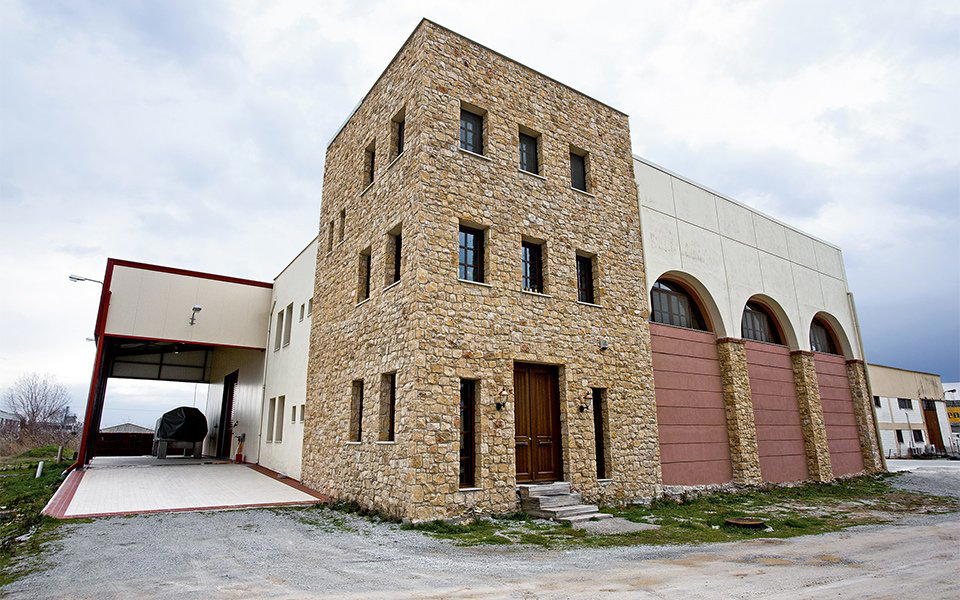

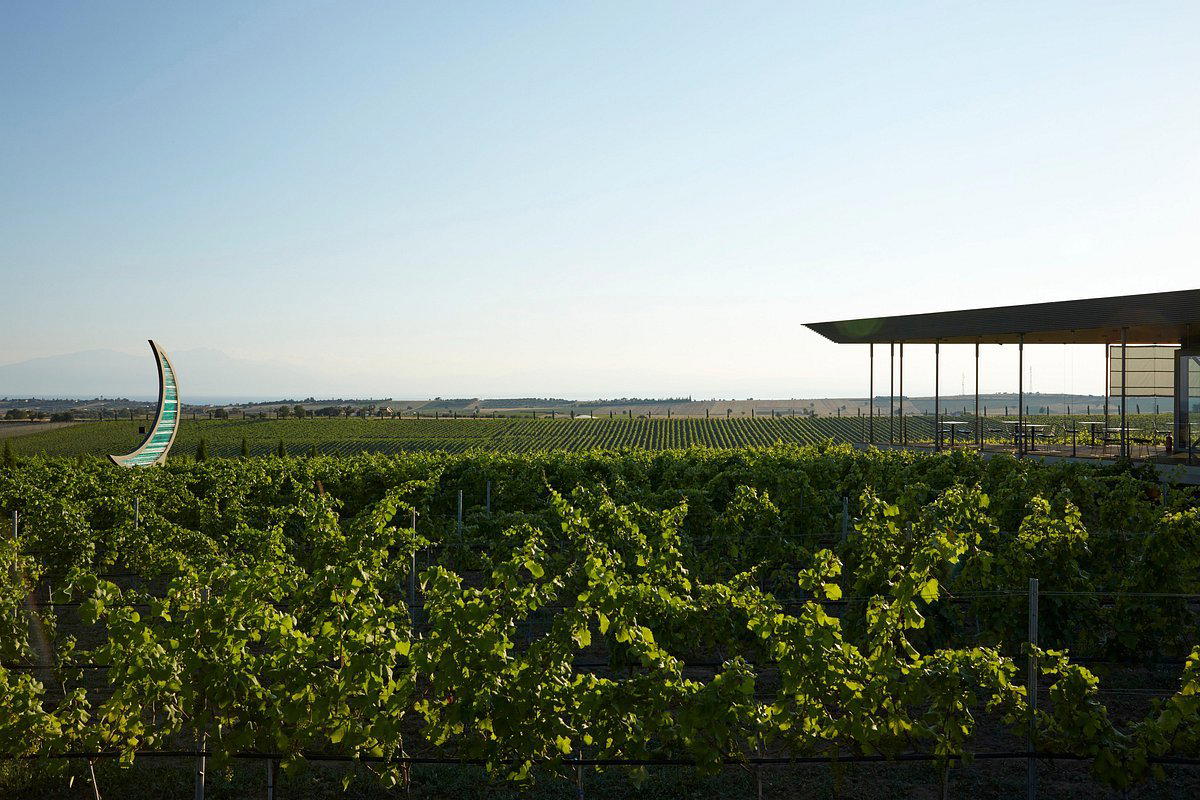
Bars in Thessaloniki
Browse all →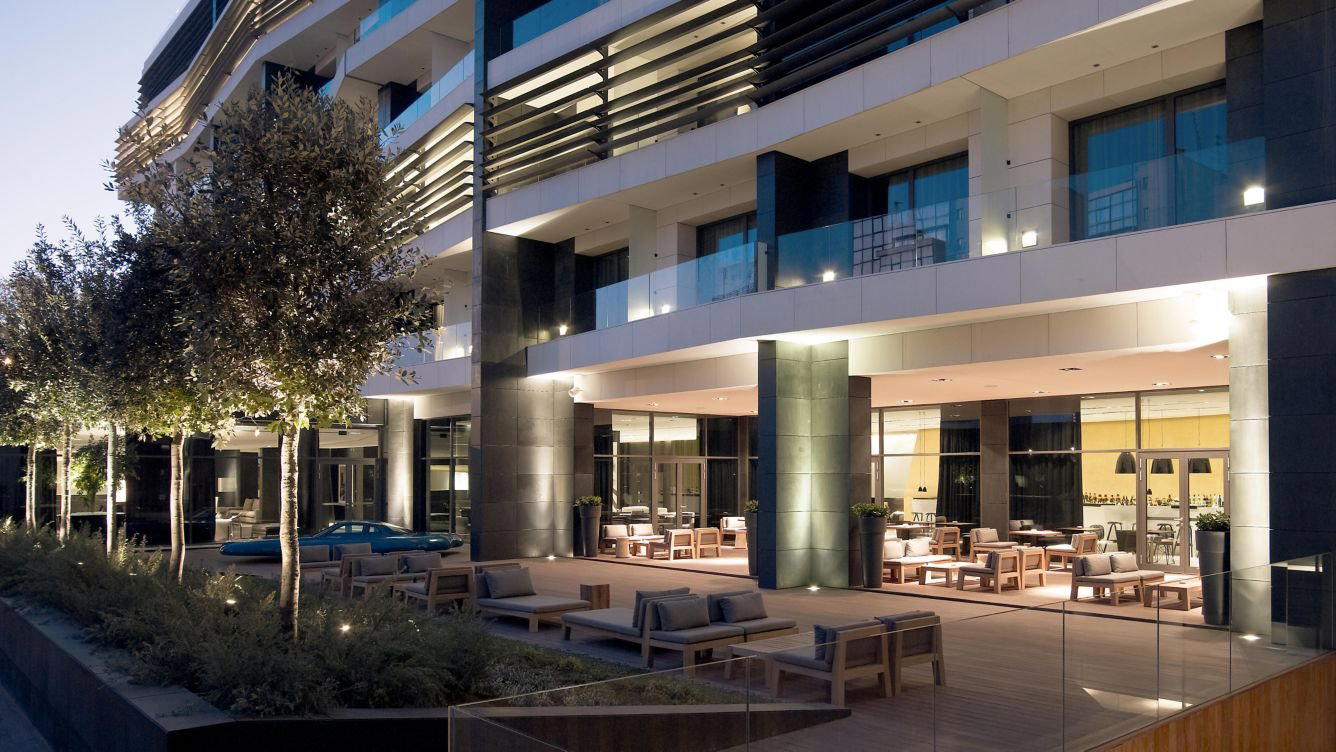
Restaurants in Thessaloniki
Browse all →
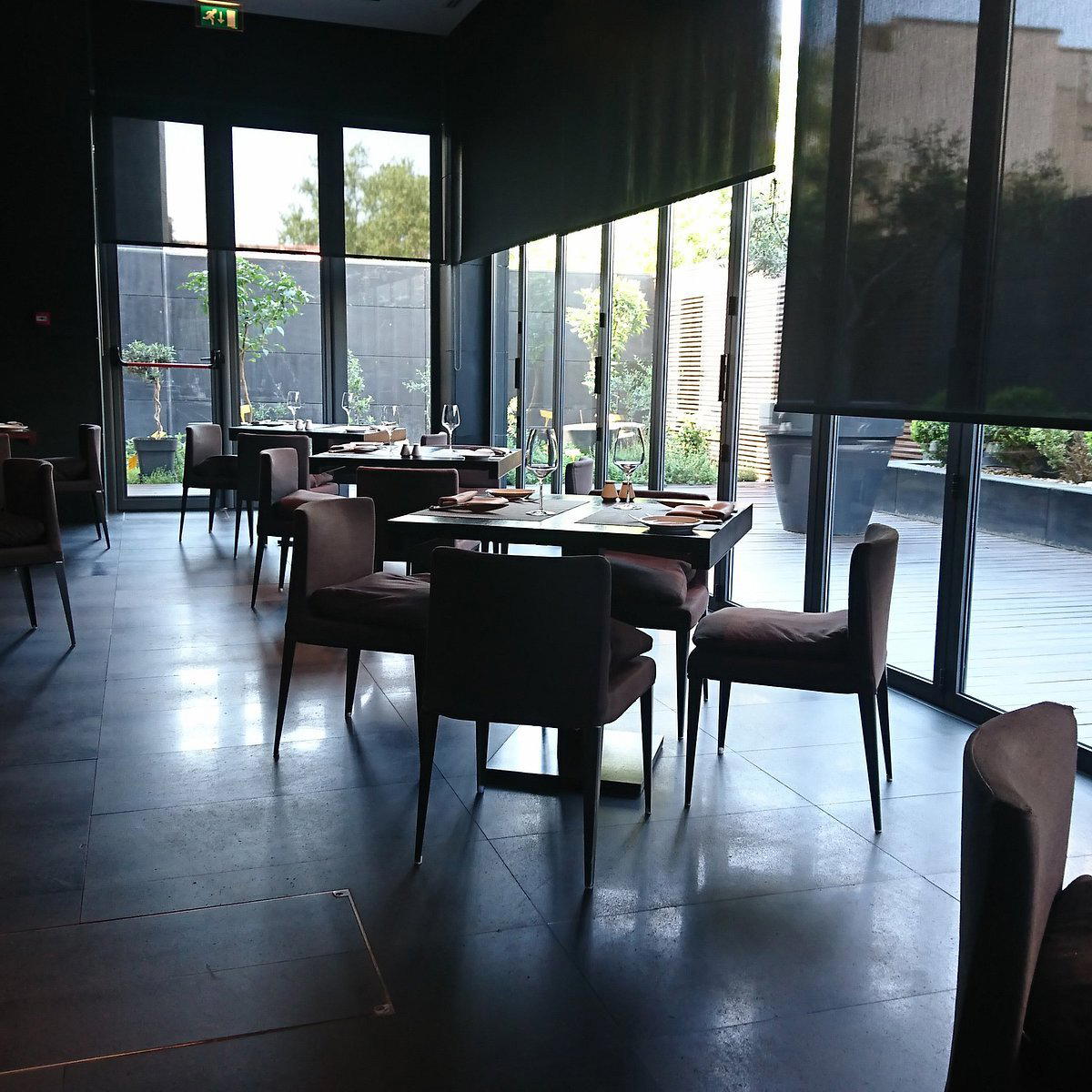
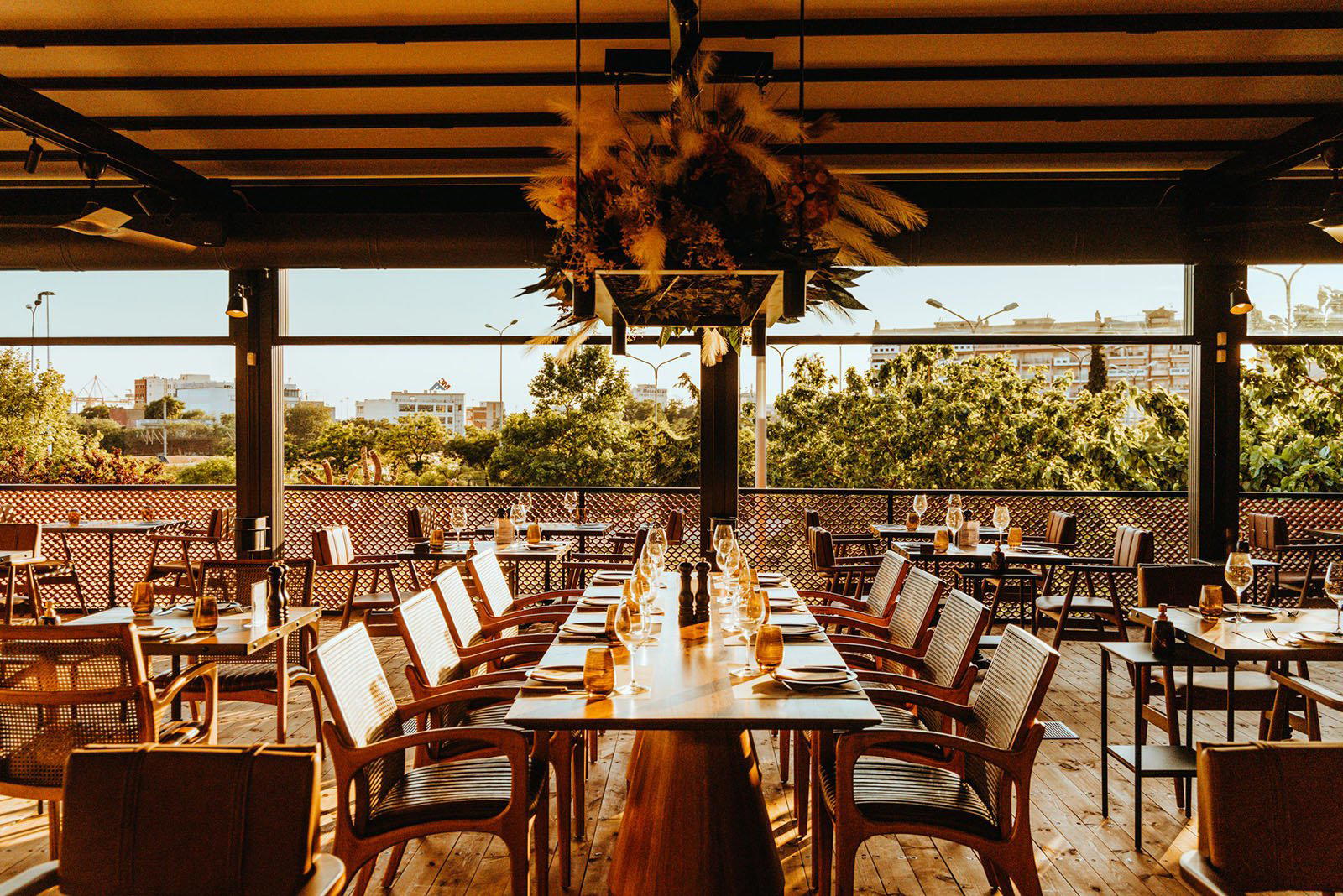
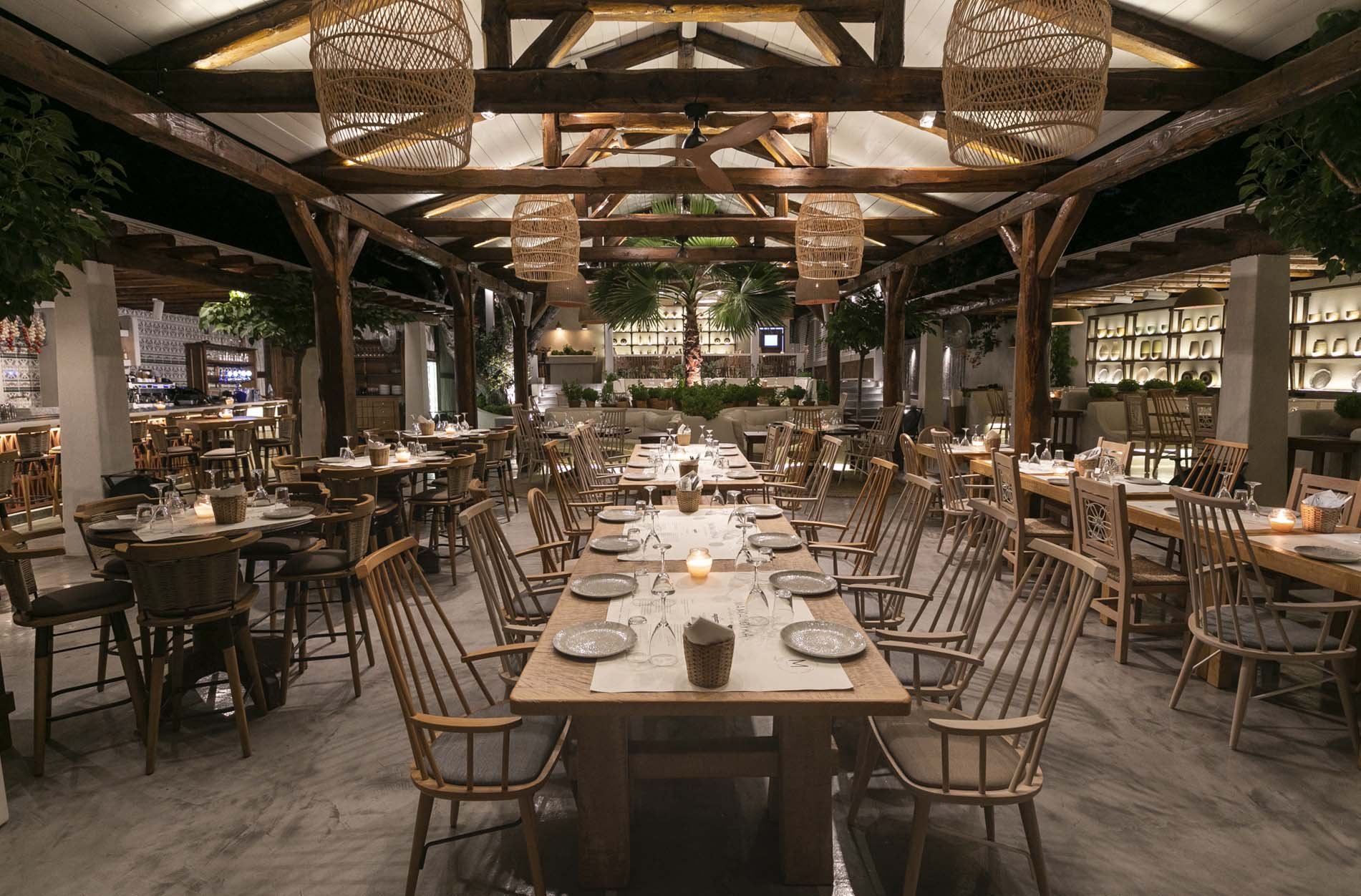
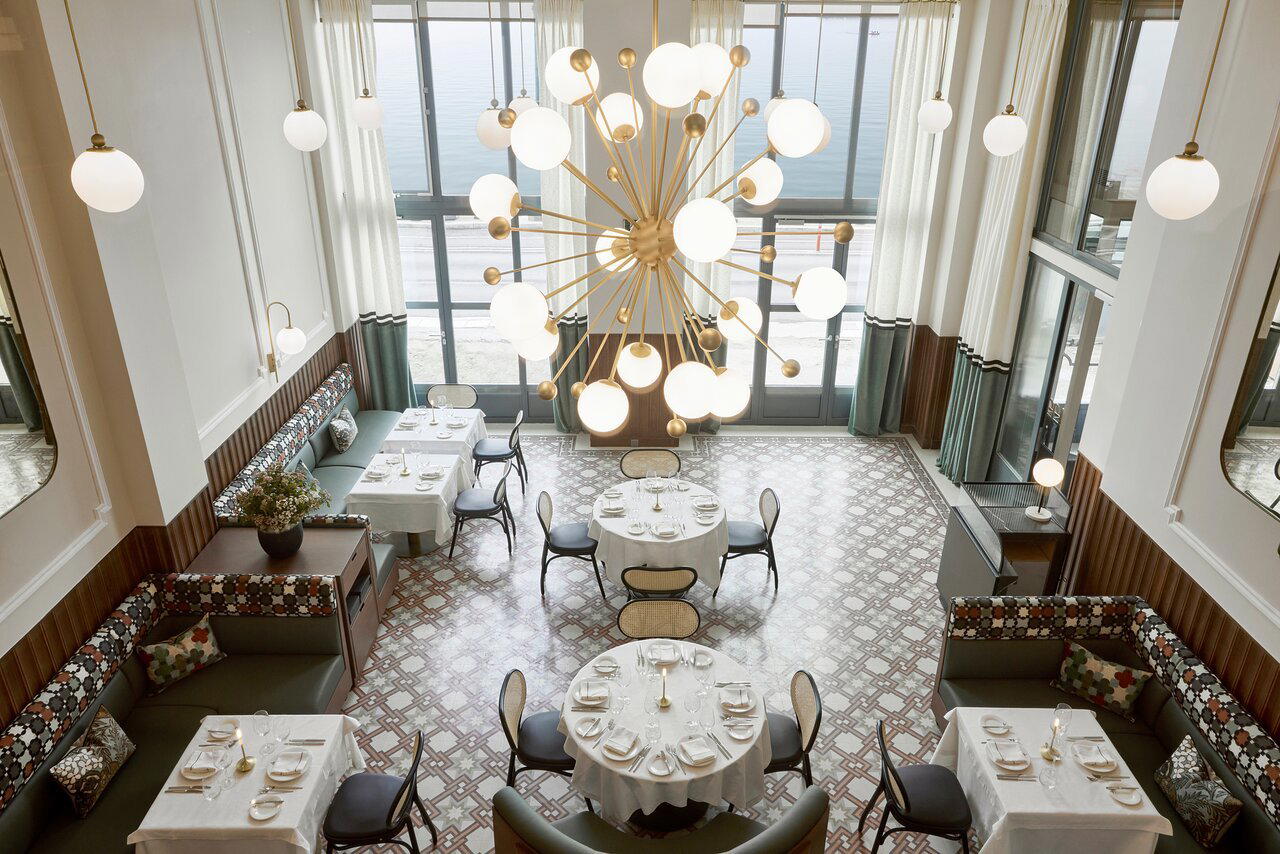


At a Glance
- Classic
- Rustic
- Wine Education
- Estate Grounds
- Vineyard
- Retsina Traditional Appellation
- Savatiano
- Roditis
- Still White
- Standard Tasting
Traditional and authentic atmosphere rooted in Greek heritage, evoking the warmth of Mediterranean sun and coolness of Greek vines through its well-known retsina.