
Domaine Gerovassiliou sits in Epanomi, on the southern edge of the Thessaloniki wine corridor, where the Epanomi peninsula's sandy soils and Aegean-facing aspect produce some of northern Greece's most closely watched whites and reds. For serious exploration of Greek terroir, this is a reference point in the northern Aegean wine scene.
Pearl is the En Primeur Club membership app — saves, bookings, and concierge access live there. Same editors, same standards.
- Address
- ktima Gerovassiliou, Επανομή 575 00
- Phone
- +30 2392 044567
- Website
- gerovassiliou.gr
- Directions
- Get directions
 Saves & bookings on Pearl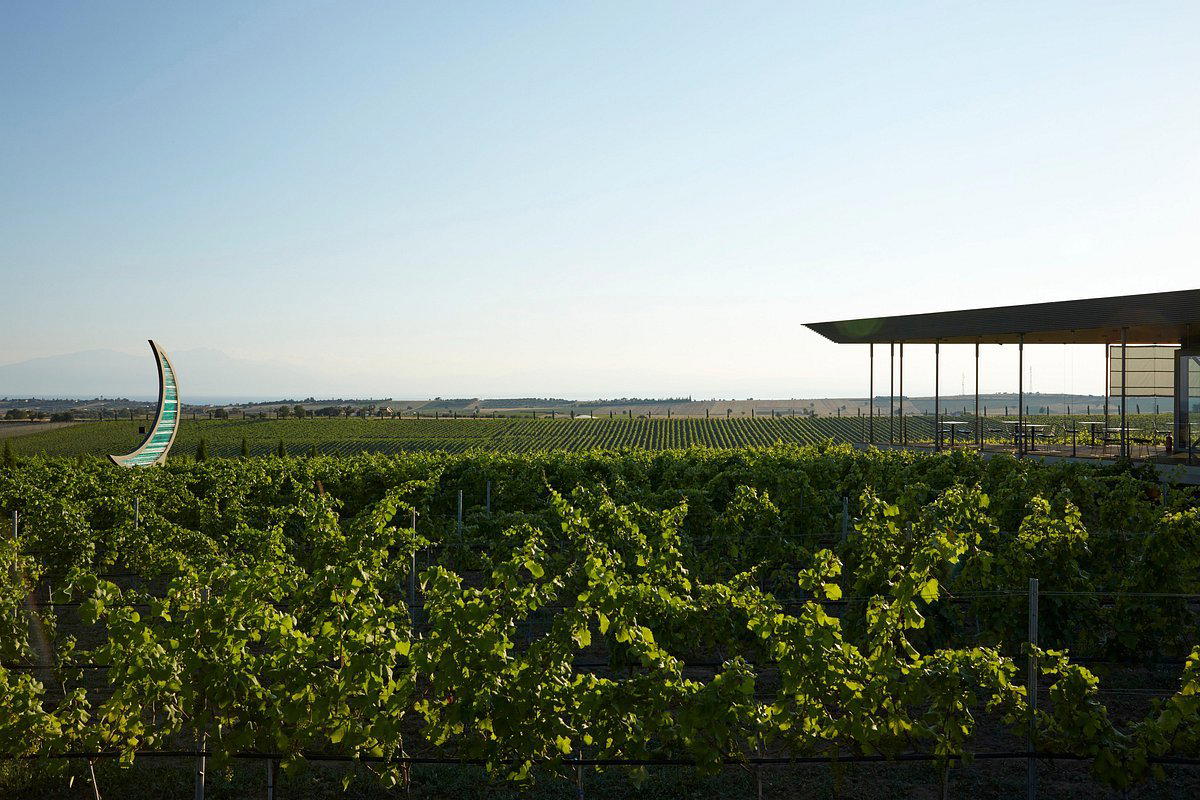
The Epanomi Peninsula and What the Land Produces
Southern Thessaloniki's wine country doesn't announce itself with dramatic altitude or volcanic drama. The Epanomi peninsula works on subtler terms: sandy, well-drained soils with a maritime influence from the Thermaic Gulf, a climate moderated by Aegean winds, and a growing season long enough to ripen both aromatic whites and structured reds without forcing them. In a Greek wine context that often defaults to Santorini's pumice or Naoussa's schist, Epanomi occupies a quieter but increasingly legible position. Domaine Gerovassiliou is the estate most responsible for making that position legible.
The domaine sits at the address ktima Gerovassiliou in Epanomi, roughly 25 kilometres southeast of Thessaloniki. The approach is agricultural rather than theatrical, vines run close to the road, and the estate reads as a working property before it reads as a destination. That orientation is worth noting before you arrive: this is a place shaped by its agricultural logic, not by hospitality design. The physical environment rewards visitors who come with the wine as the primary object of interest.
What Terroir Expression Means Here
The Epanomi appellation's identity is bound up in its soil composition. Sandy, low-fertility soils force vines to root deeply and limit yields naturally, producing fruit with concentration that doesn't rely on canopy management theatrics. The Aegean-facing aspect tempers summer heat accumulation, preserving acidity in whites that might otherwise read as flat in a warmer inland site. For visitors familiar with Greece's more celebrated appellations, the comparison is instructive: where Assyrtiko on Santorini derives tension from volcanic minerality and extreme sun exposure, Malagousia in Epanomi draws its aromatic complexity from this cooler, sandier environment.
Malagousia is the variety most associated with Gerovassiliou, and through this estate it became one of the varieties most associated with the revival of indigenous Greek grapes as a category. Before this work, Malagousia was close to extinction. The variety's aromatic profile, floral, with citrus and stone fruit registers, suits the Epanomi climate in ways that weren't commercially visible until production here demonstrated the connection. That history gives the wines a documentary quality alongside their sensory one: they are evidence of what the peninsula can do with material that nearly disappeared.
Reds from the estate draw on both international and indigenous varieties, navigating the tension common across northern Greek wine between Bordeaux-influenced winemaking and the case for local grape identity. That tension runs through the broader Thessaloniki corridor, from producers in Naoussa working with Xinomavro, like Artisans Vignerons de Naoussa in Stenimachos, to estates working with blended formats. Gerovassiliou's position within that conversation sits closer to the indigenous-first argument, though international varieties appear in the portfolio.
Recognition and Peer Context
Within Greece's wine recognition framework, that rating positions it alongside properties drawing serious international attention, not simply local acclaim. The award functions as a signal about consistency and ambition rather than a single vintage achievement.
Comparing Gerovassiliou's comparable set across Greece clarifies its position. Alpha Estate in Amyntaio operates in the Florina-adjacent highlands, working primarily with Xinomavro and international varieties at altitude. Artemis Karamolegos in Santorini represents the volcanic terroir argument at the other end of the country's geography. Gerovassiliou fits neither profile exactly, it is coastal, northern, and defined by a variety, Malagousia, that other producers now work with but that this estate effectively introduced to serious wine culture. That originating relationship with a variety gives the domaine a reference-point status that awards alone don't fully explain.
Beyond Greece, the broader Aegean wine story connects to producers across different island and mainland conditions. Anatolikos Vineyards in Xanthi works Thrace's northeastern edge, and Akrathos Newlands Winery in Panagia sits on the Chalkidiki peninsula, closer geographically to Epanomi than most. Comparing those properties helps visitors understand what Epanomi's specific combination of sandy soil and maritime moderation produces that adjacent sites don't replicate.
The Wine Museum on the Estate
The domaine houses a wine museum that has become a draw independent of the tasting experience. The collection covers winemaking tools and vessels across centuries of Greek wine history, and the curation places Epanomi's contemporary production within a long agricultural timeline. For visitors approaching Greek wine with any historical curiosity, the museum converts what might be a quick tasting visit into a half-day engagement. It is one of the more substantive estate-based wine collections in northern Greece, and it shifts the character of a visit away from pure commercial tasting toward something with more educational texture.
That museum presence also marks the estate's position within Greek wine tourism more broadly. Greece's wine regions are still developing the visitor infrastructure that, say, Bordeaux or Napa takes for granted. Estates that have invested in on-site interpretation, like Gerovassiliou with its museum, or Achaia Clauss in Patras with its historic cellars, occupy a different tier of the visitor experience from wineries that function primarily as production facilities. The investment signals confidence in the wine tourism category and creates visits that justify the travel from Thessaloniki rather than just the tasting.
Planning the Visit from Thessaloniki
Epanomi sits close enough to Thessaloniki to function as a day trip rather than requiring an overnight stay in the area. The drive southeast from the city covers roughly 25 kilometres, making it accessible by rental car, and the estate address, ktima Gerovassiliou, Epanomi, is well-established enough to locate without additional navigation complexity. Combining a Gerovassiliou visit with exploration of the Epanomi coastline or a meal in the village gives the trip a full-day structure. For visitors building a broader northern Greek wine itinerary, the estate pairs naturally with Chalkidiki stops like Akrathos Newlands or with Thessaloniki-based urban wine destinations before or after.
Estate wineries in Greece, even those with museum facilities, can operate on seasonal hours or require advance booking for guided experiences. Building that confirmation into trip planning avoids the frustration of arriving at a closed estate.
For visitors building a longer Greek wine itinerary that extends south, Acra Winery in Nemea and Avantis Estate in Chalkida represent the Peloponnese and Central Greece dimensions of the country's wine geography. Aoton Winery in Peania sits within Attica, closer to Athens, and Aiolos Winery in Palaio Faliro offers an urban counterpoint.
Comparable Spots, Quickly
Comparable venues nearby, for context on price, style, and recognition.
| Venue | Cuisine | Price | Notes |
|---|---|---|---|
| Domaine GerovassiliouThis venue — the venue you are viewing | Malagousia, Assyrtiko | $$$ | Not listed |
| Magna Distillery | Winery | Not listed | Drama |
| Ouzo Mitsa Distillery | Winery | Not listed | Arta |
| Kazakis Distillery | Winery | Not listed | Limnos |
| Costa Lazaridi Distillery | Assyrtiko, Agiorgitiko | $$$ | Adriani |
| Boutari Distillery | Winery | Not listed | Thessaloniki |
Recognition history
Dated appearances from independent guides and award organizations, with the underlying list record or original source where available.
Falstaff Winery - Listed
Falstaff
Continue exploring
More in Epanomi
Wineries in Epanomi
Browse all →
Bars in Epanomi
Browse all →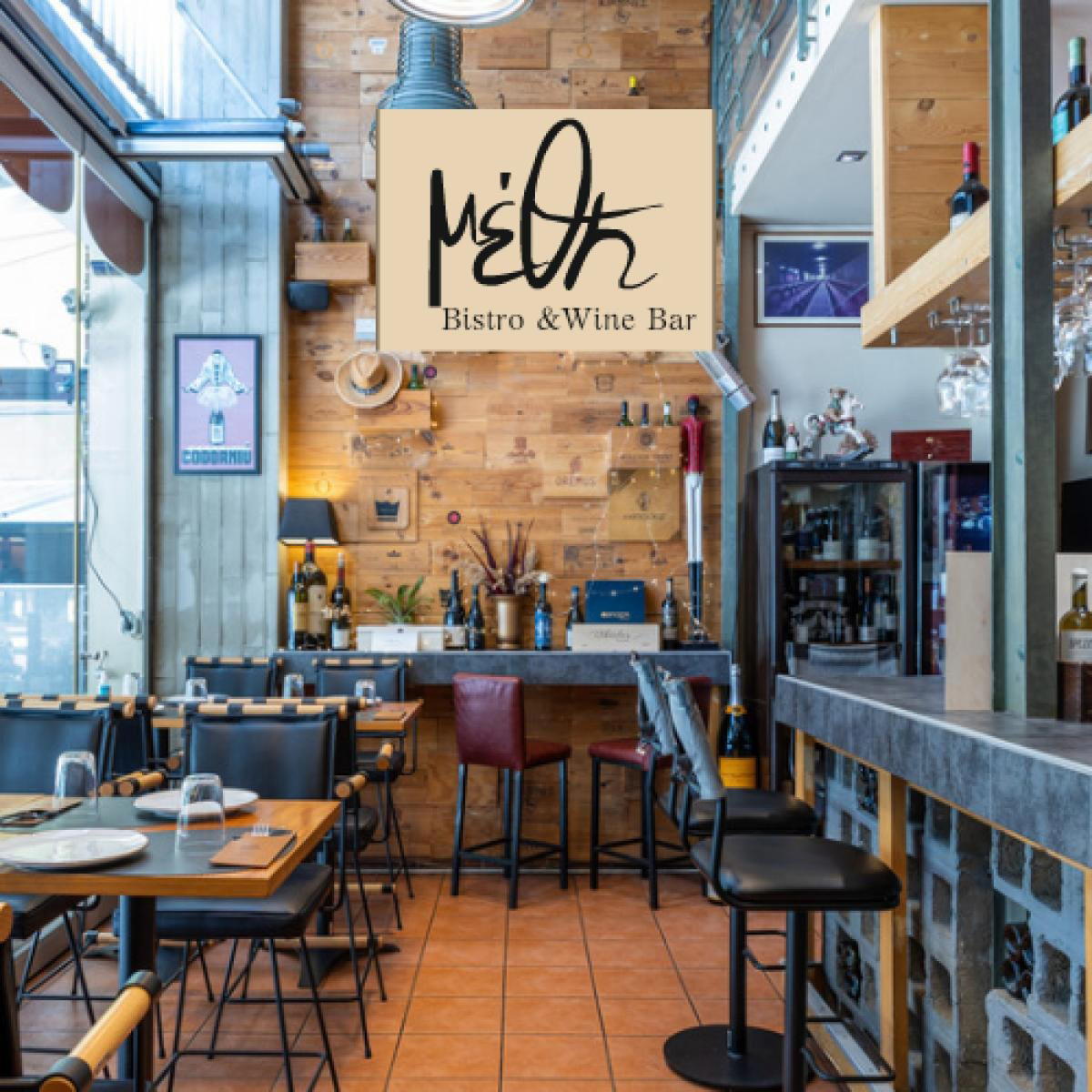
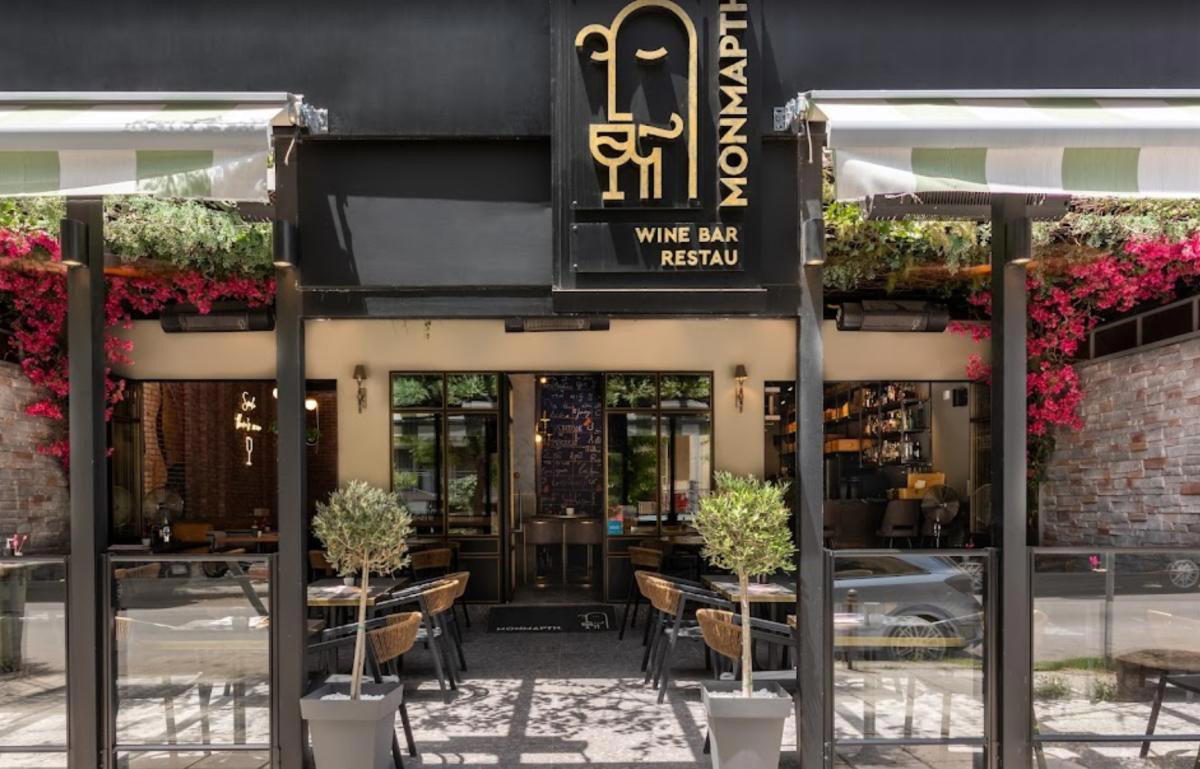
Restaurants in Epanomi
Browse all →

At a Glance
- Elegant
- Scenic
- Rustic
- Sophisticated
- Wine Education
- Solo Exploration
- Special Occasion
- Vineyard Tour
- Estate Grounds
- Panoramic View
- Sustainable
- Vineyard
- Garden
- Epanomi PGI
- Malagousia
- Assyrtiko
- Limnio
- Mavroudi
- Mavrotragano
- Syrah
- Merlot
- Viognier
- Chardonnay
- Sauvignon Blanc
- Still White
- Still Red
- Estate Tasting
- Private Tasting
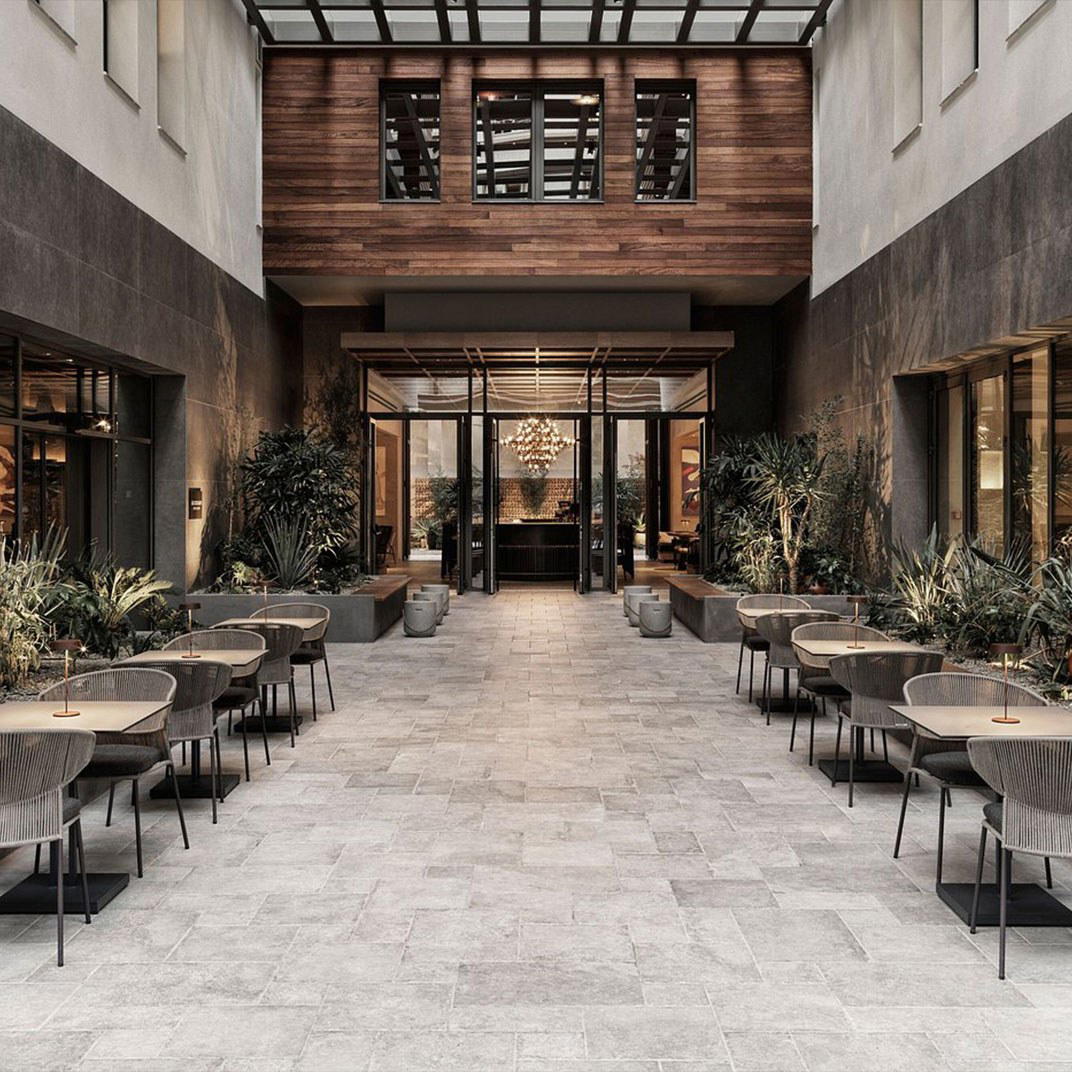
Elegant and scenic with modern winery architecture amid lush estate grounds and vineyards, blending tradition and sophistication.