Poggiotondo

Falstaff Winery - Listed
Poggiotondo reads as a Cerreto Guidi estate first and a wine label second: 50 hectares of organically farmed vineyards, native Tuscan grapes, and a style shaped by calcareous soils and Mediterranean light. The appeal is quiet and terroir-led, with appointment tastings suited to drinkers who care about Sangiovese, Chianti tradition, and farming credentials more than spectacle.

Pearl is the En Primeur Club membership app — saves, bookings, and concierge access live there. Same editors, same standards.
- Address
- Cerreto Guidi, Tuscany, Italien
- Directions
- Get directions

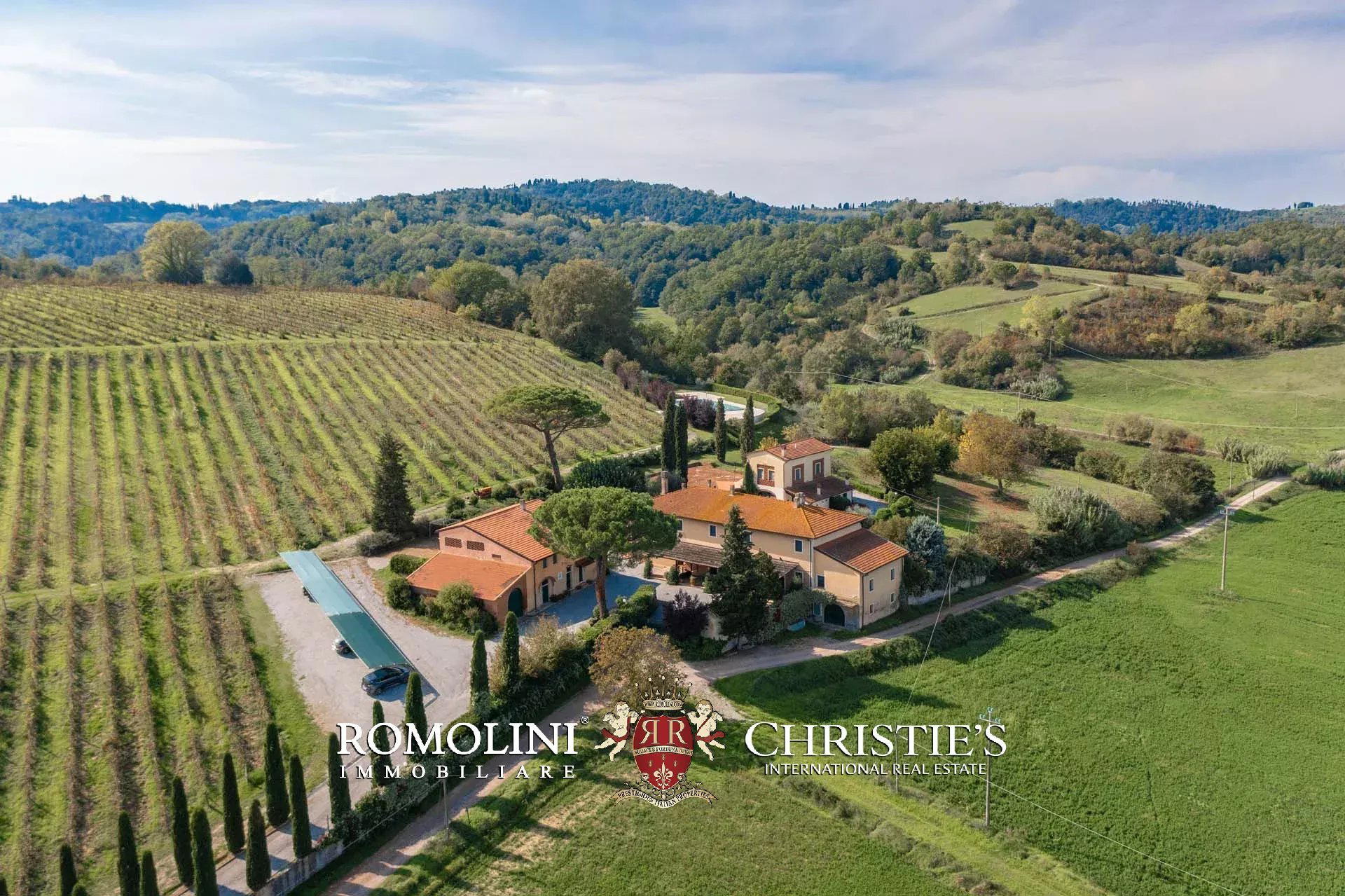
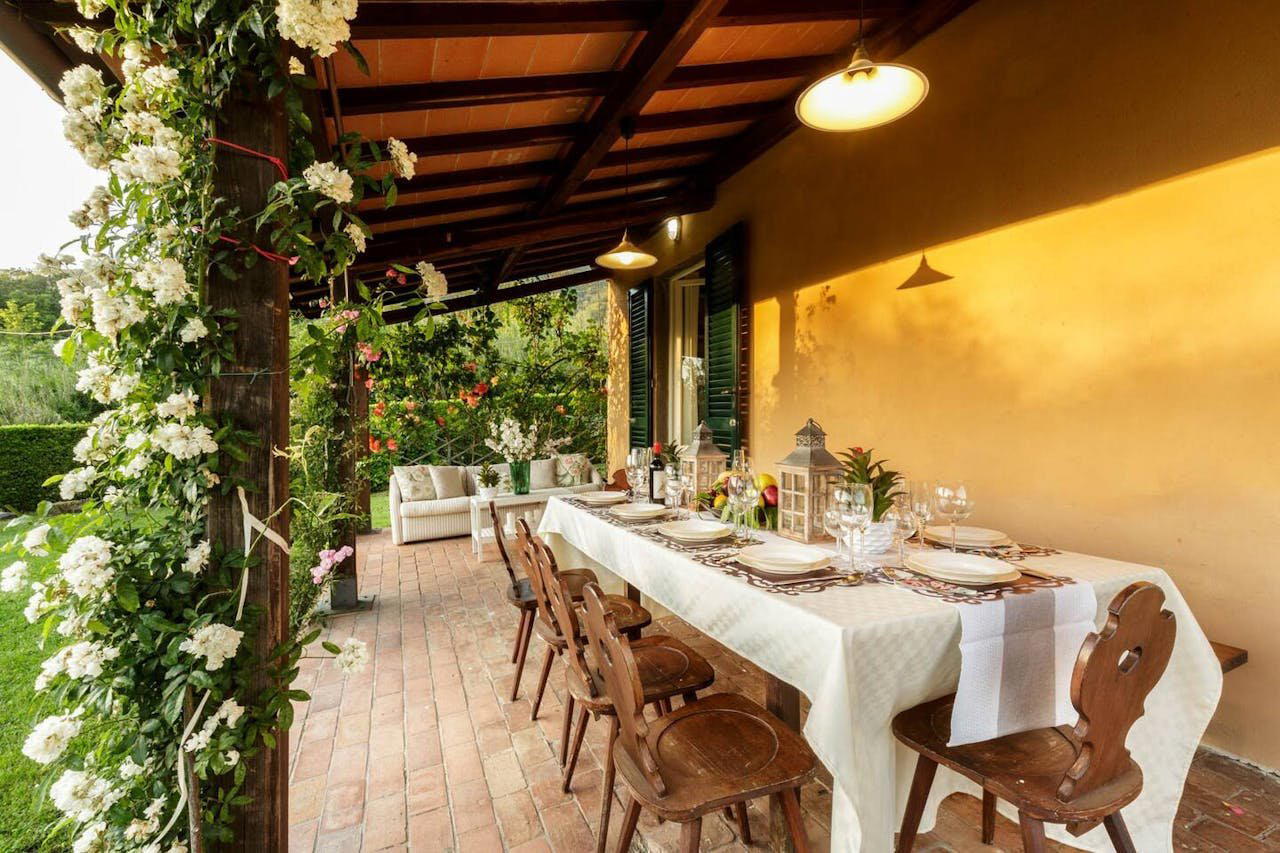
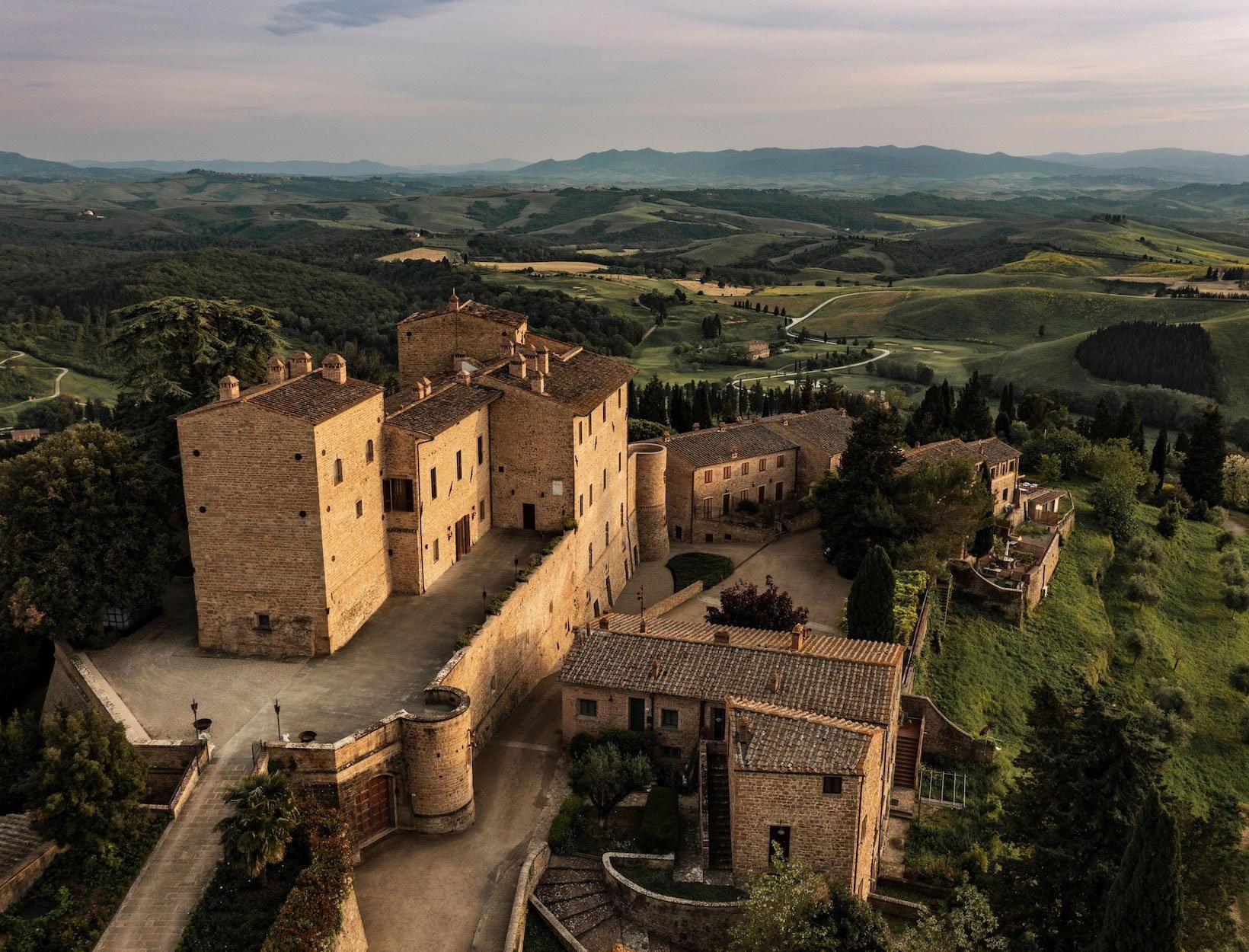
Approaching wine in Cerreto Guidi means leaving the postcard shorthand of Tuscany behind and reading the ground more closely: vineyard rows, pale calcareous soils, a quieter agricultural rhythm, and the sense that Chianti history here is carried by farms rather than grand performance. Poggiotondo fits that register. The estate’s atmosphere is rustic and low-key, framed by vineyards and cellar work rather than hospitality theatre, which makes it a useful address for understanding how this part of Tuscany translates land into wine.
The central point is terroir rather than polish. Cerreto Guidi sits in a Tuscan zone where Mediterranean conditions meet soils capable of giving Sangiovese and its companions structure without pushing them into excess weight. Poggiotondo works from 50 hectares of organically farmed vineyards and focuses on native varieties including Sangiovese, Canaiolo, Colorino, Trebbiano, and Vermentino. That grape set matters. It places the estate inside a regional grammar built on acidity, tannin, and blend logic, not on international variety signalling.
Calcareous soils, native grapes, and a Chianti grammar
Tuscany’s premium wine conversation often gets reduced to famous appellations and collector bottles, but Cerreto Guidi offers a more instructive lens: historical Chianti culture with a working-farm accent. Poggiotondo’s reference points are the traditional local varieties, including the Sangiovese-led framework associated with the older Chianti recipe, where Canaiolo, Colorino, and a small portion of Trebbiano help shape proportion and lift. That does not make the wines nostalgic; it makes them legible within their region.
Organic farming has been part of the estate’s formal identity since the 2014 vintage, and EQUALITAS certification followed in 2024. In a market where sustainability language can blur into decoration, those markers give the farming claims weight. The estate’s stated cellar approach is minimal intervention, which is the right kind of restraint for wines built around site and grape identity. The important distinction is that low intervention here is not a fashion cue; it is presented as a way of keeping Sangiovese, Canaiolo, Colorino, Trebbiano, and Vermentino connected to calcareous soils and Mediterranean seasonality.
The result, in editorial terms, is a producer to read through balance rather than force. Calcareous soils are prized across many European wine regions for their contribution to line, tension, and structural definition. In Cerreto Guidi, that meets enough warmth for ripening, creating the conditions for wines that can speak in detail rather than volume. Poggiotondo’s most persuasive role is therefore not as a trophy address, but as a case study in how a family estate can keep native grapes and organic viticulture at the center of its identity.
A family estate with sustainability credentials rather than trophy noise
The estate story begins in 1968, when Carlo Antonini purchased the property. That date gives Poggiotondo more than half a century of continuity, but the more useful detail is what the continuity supports: an agricultural line from land ownership to organic vineyard management. Today the estate is associated with Alberto Antonini and Alessandra, with the family narrative remaining part of the property’s public identity. In stronger editorial terms, the family detail matters because it reinforces stewardship, not because biography should overtake the wine.
Cerreto Guidi also supplies cultural depth. The town is linked to the Conti Guidi, sits on the historical Via Francigena, and has the Medici Villa in its orbit, a UNESCO World Heritage Site since 2013. For wine travelers, that context changes the pace of a visit. This is not a place to treat as a quick tasting stop between larger Tuscan names; it rewards travelers who connect vineyard, village, and route history in the same afternoon.
Poggiotondo’s recognition profile is quieter than estates built around medals and critic headlines. The meaningful signals are institutional and technical: organic certification from the 2014 vintage, EQUALITAS certification in 2024, and a Tastingbook profile that lists an 86 Tb wine average alongside an 86-point Toscana Sangiovese Organic Rosato 2020. Those figures are not a trophy cabinet, but they place the estate within a credible, specialist wine frame. The editorial value is clearest for drinkers who prioritize farming discipline, native varieties, and a regional rather than international style.
How to place Poggiotondo in a Cerreto Guidi wine day
Use this estate as a slower, education-led stop. The visit type is appointment-based, the mood is casual, and the setting is quiet, with vineyard views and a guided tasting format. That combination suits solo exploration, small groups, and travelers who want to understand organic Tuscan farming without a heavily staged experience. English-language touring is part of the offer, and the estate is better read as a wine-learning address than a food-pairing destination.
Within Cerreto Guidi, Poggiotondo belongs in a broader itinerary that treats wine as part of place rather than a stand-alone luxury product. For another local winery reference, see Tenute Rossetti, then widen the planning lens with Our full Cerreto Guidi wineries guide. Travelers building a full day around the town can cross-check dining, lodging, drinking, and cultural pacing through Our full Cerreto Guidi restaurants guide, Our full Cerreto Guidi hotels guide, Our full Cerreto Guidi bars guide, and Our full Cerreto Guidi experiences guide.
For broader Italian and European winery context, EP Club’s archive also tracks producers such as 3GP SRL in Treviso, 47 Anno Domini in Trebaseleghe, A Mano Wine in Noci, a6mani in Fragagnano, Abbadia Ardenga in Torrenieri, Abbazia di Crapolla in Neapel, Abbazia Monte Oliveto in Asciano, »der Steiner« Hans Steiner in Podersdorf am See, and & Handwein in Mannheim. Against that wider field, Poggiotondo’s argument is clear: organic Tuscan farming, native grapes, and a Cerreto Guidi setting where the land remains the lead voice.
Recognition history
Dated appearances from independent guides and award organizations, with the underlying list record or original source where available.
Falstaff Winery - Listed
Falstaff
Continue exploring
More in Cerreto Guidi
Wineries in Cerreto Guidi
Browse all →
Bars in Cerreto Guidi
Browse all →

Restaurants in Cerreto Guidi
Browse all →


Details
- Rustic
- Quiet
- Scenic
- Classic
- Wine Education
- Group Outing
- Solo Exploration
- Estate Grounds
- Vineyard Tour
- Private Tasting
- Historic Building
- Organic
- Vineyard
- Sangiovese
- Canaiolo
- Colorino
- Trebbiano
- Vermentino
- Still Red
- Still White
- Still Rosé
- Guided Tasting
- Appointment Tasting
- English
A rustic Tuscan winery setting with an authentic, terroir-driven atmosphere shaped by vineyards, calcareous soils, and the Chianti landscape.