Muratie Wine Estate

Falstaff Winery - Listed
Its appeal to returning visitors rests on continuity: a working farm atmosphere, wines shaped by the estate's own terroir, and a pace that resists the polish of larger destination estates.

Pearl is the En Primeur Club membership app — saves, bookings, and concierge access live there. Same editors, same standards.
- Address
- Knorhoek Rd, Koelenhof, Stellenbosch, 7605
- Phone
- +27 21 865 2330
- Website
- muratie.co.za
- Directions
- Get directions
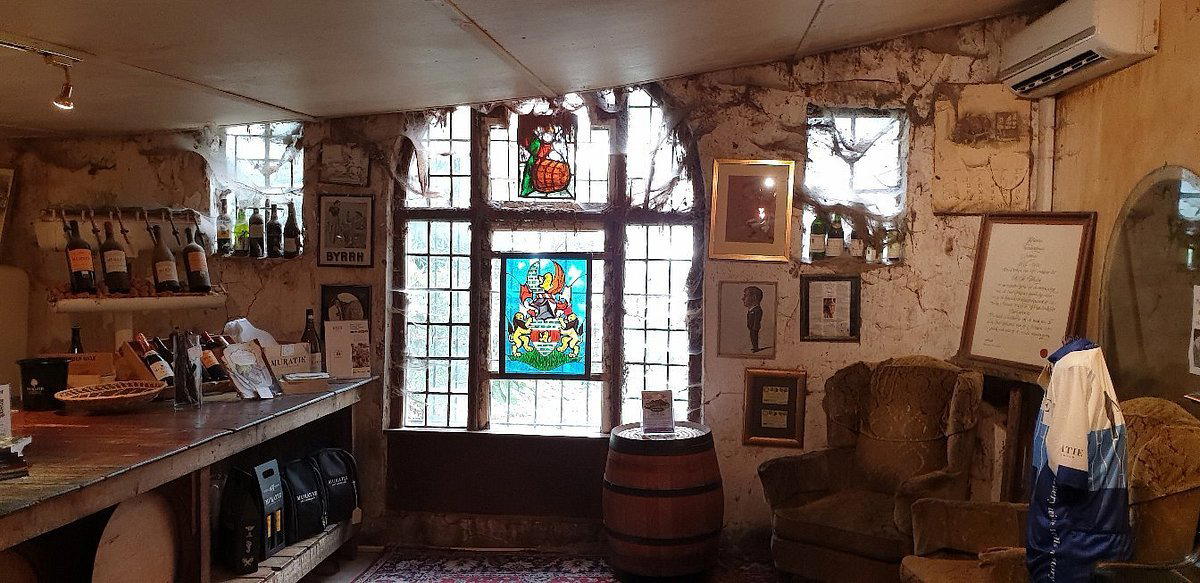
The Draw of a Working Estate in a Region of Polished Showrooms
Stellenbosch's wine route has split over the past decade into two distinct registers. One cohort, represented by properties like Delaire Graff Estate and Tokara Winery, has moved toward high-design destination experiences with galleries, fine-dining restaurants, and the corresponding price architecture. The other cohort has held its ground as working farms first, tasting rooms second.
That distinction matters to the people who keep coming back. In a wine region where the aesthetic competition is fierce, Muratie's continued relevance with returning visitors is not built on new architecture or a celebrity chef. It is built on the specific quality of being somewhere that feels the same as it did on a previous visit, which in wine tourism is rarer than it sounds.
What Keeps Regulars Returning
The profile of a Muratie regular is not the same as the first-time visitor working through a curated Stellenbosch itinerary. First-timers tend toward the large, well-signposted estates, properties like Spier Wine Farm or Neethlingshof Estate, where the infrastructure handles volume efficiently. Muratie attracts a different kind of return visit: people who have already done that circuit and are now calibrating more carefully toward atmosphere, wine character, and a pace that doesn't feel managed.
What that looks like in practice is a tasting experience that rewards patience. The estate's position on the Knorhoek Road corridor, away from the heaviest tourist traffic on the R44, means arrivals feel deliberate rather than incidental. Regulars tend to know this. They plan the visit as an anchor point rather than a stop on a longer list, arriving with time rather than a schedule.
The wine portfolio itself is what sustains repeat visits at the serious end. Stellenbosch's upper tier, populated by estates like Asara Wine Estate, competes on Cabernet-led blends and single-varietal Shiraz, and Muratie operates in that same tradition-forward red wine space. For visitors who track their own palate development across multiple visits to the same estate, seeing how wines from different releases sit alongside each other in a tasting context is part of the appeal. That is a different relationship to wine tourism than a single visit permits.
Seasonal Timing and the Estate in Context
The Stellenbosch wine season has two obvious peaks: summer harvest (roughly February to April), when the working farm atmosphere is at its most active, and the winter months from June to August, when crowds thin and the mountainous backdrop of the Simonsberg shifts to cooler, greyer tones. Both have their advocates among regulars. The harvest-period visits carry more energy and a sense of the estate functioning as a production site rather than a tasting destination. Winter visits offer quieter access to the wines themselves, with fewer competing groups in the tasting space.
For planning purposes, Koelenhof is accessible from central Stellenbosch along routes that take under fifteen minutes by car. The estate is not on the same cluster as the heavily trafficked Helshoogte Pass properties, which means it functions as a deliberate detour rather than an easy addition to a walking or cycling wine route. That slight logistical friction filters the visitor type naturally, which is part of why the atmosphere skews toward people who have made the trip on purpose. Visitors planning a broader Western Cape route will find useful regional context at our full Stellenbosch restaurants and wineries guide.
Where Muratie Sits Among Regional Peers
Across the Western Cape, premium wine estates occupy several different competitive tiers. At the top of the design-and-destination register, properties like Babylonstoren in Franschhoek and Vergelegen Wine Estate in Somerset West have built internationally recognized hospitality operations around their wine programs. At the wine-focused end with less hospitality overlay, estates in the Stellenbosch hills, the Constantia Valley, and the Robertson corridor pursue quality credentials on more traditional terms. Constantia Glen in Cape Town and Creation Wines in Hermanus represent that second tier in their respective sub-regions, and Muratie occupies a comparable position within Stellenbosch: Pearl-recognized, terroir-anchored, and positioned for visitors who prioritize the wine over the wider lifestyle offer.
Estates like Graham Beck Wines in Robertson and Val de Vie Estate in Paarl carry their own regional recognition signals, and across those estates the pattern is similar: formal awards function as peer-set markers rather than mass-market selling points, and the visitors who use them as booking criteria tend to be the ones who return.
For visitors extending a Western Cape spirits itinerary beyond wine, Oude Molen Distillery in Grabouw offers a different production tradition in the adjacent Overberg region. And for those tracking Stellenbosch's wine quality against international benchmarks, a lateral comparison to something like Aberlour or Accendo Cellars in St. Helena underlines how differently terroir-driven estates communicate their credentials across regions, and why Muratie's working-farm register is a deliberate positioning rather than a default.
Planning Your Visit
Muratie is located at Knorhoek Road, Koelenhof, Stellenbosch, 7605. The estate does not publish hours or booking details in centralized databases at time of writing, which reflects the pattern common to mid-sized Stellenbosch estates that manage visitor flow through direct contact and local word-of-mouth rather than online booking infrastructure. Visitors are advised to contact the estate directly before traveling, particularly during harvest season when tasting room access may operate on reduced or appointment-only capacity. Arriving without a reservation during peak summer weekends carries more risk of a limited experience than arriving mid-week or during the quieter winter months.
The surrounding Koelenhof area rewards visitors who treat the drive itself as part of the itinerary. The Knorhoek Road corridor passes through working vineyard land rather than tourist infrastructure, and arriving by car is effectively the only practical option. Stellenbosch town center, with its full range of accommodation and dining, is within easy driving distance and provides a logical base for multi-estate visits across the region.
Comparable Spots
Comparable venues nearby, for context on price, style, and recognition.
| Venue | Cuisine | Price | Awards | Notes |
|---|---|---|---|---|
| Muratie Wine EstateThis venue — the venue you are viewing | Pinot Noir, Chardonnay | Not listed | Falstaff Winery - Listed | Not listed |
| Rustenberg Wines | Cabernet Sauvignon, Chardonnay | $20–30 | Not listed | Stellenbosch |
| Uva Mira Mountain Vineyards | Sauvignon Blanc, Chardonnay | $50–100 | Not listed | Helderberg |
| Meerlust Wine Estate | Cabernet Sauvignon, Merlot | Not listed | Falstaff Winery - Listed | Stellenbosch |
| Kanonkop Wine Estate | Pinotage, Cabernet Sauvignon | $20–30 | Falstaff Winery - Listed | Stellenbosch |
| Waterford Estate | Cabernet Sauvignon, Chardonnay | $50–100 | Falstaff Winery - Listed | Helderberg |
Recognition history
Dated appearances from independent guides and award organizations, with the underlying list record or original source where available.
Falstaff Winery - Listed
Falstaff
Continue exploring
More in Stellenbosch
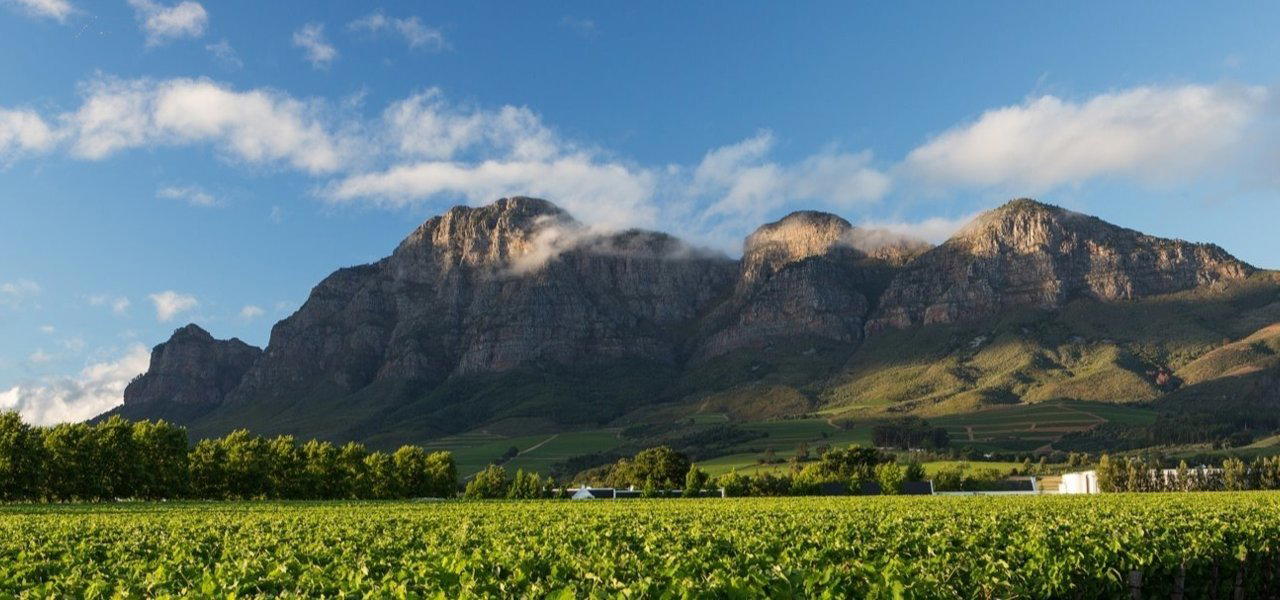
Wineries in Stellenbosch
Browse all →
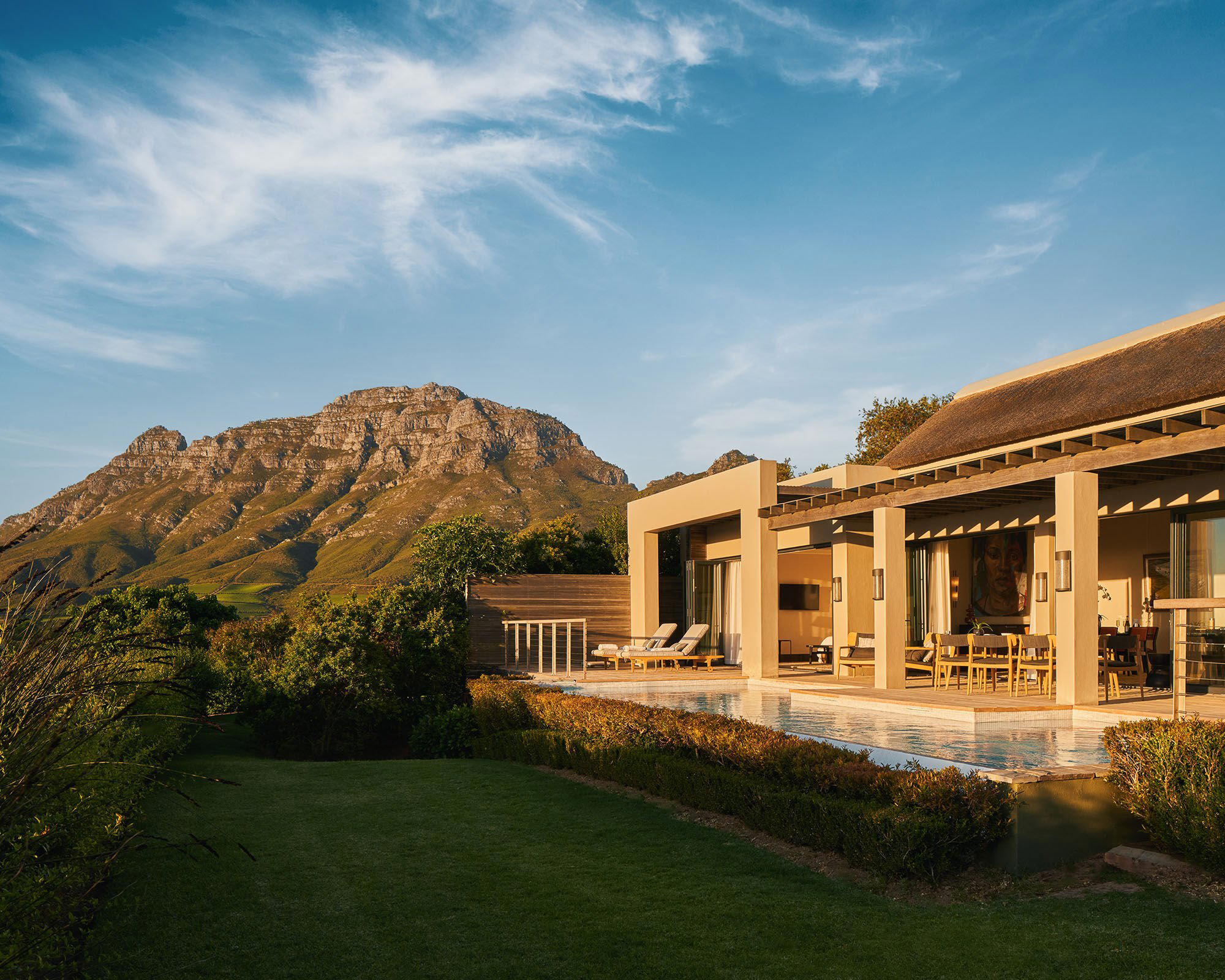
Bars in Stellenbosch
Browse all →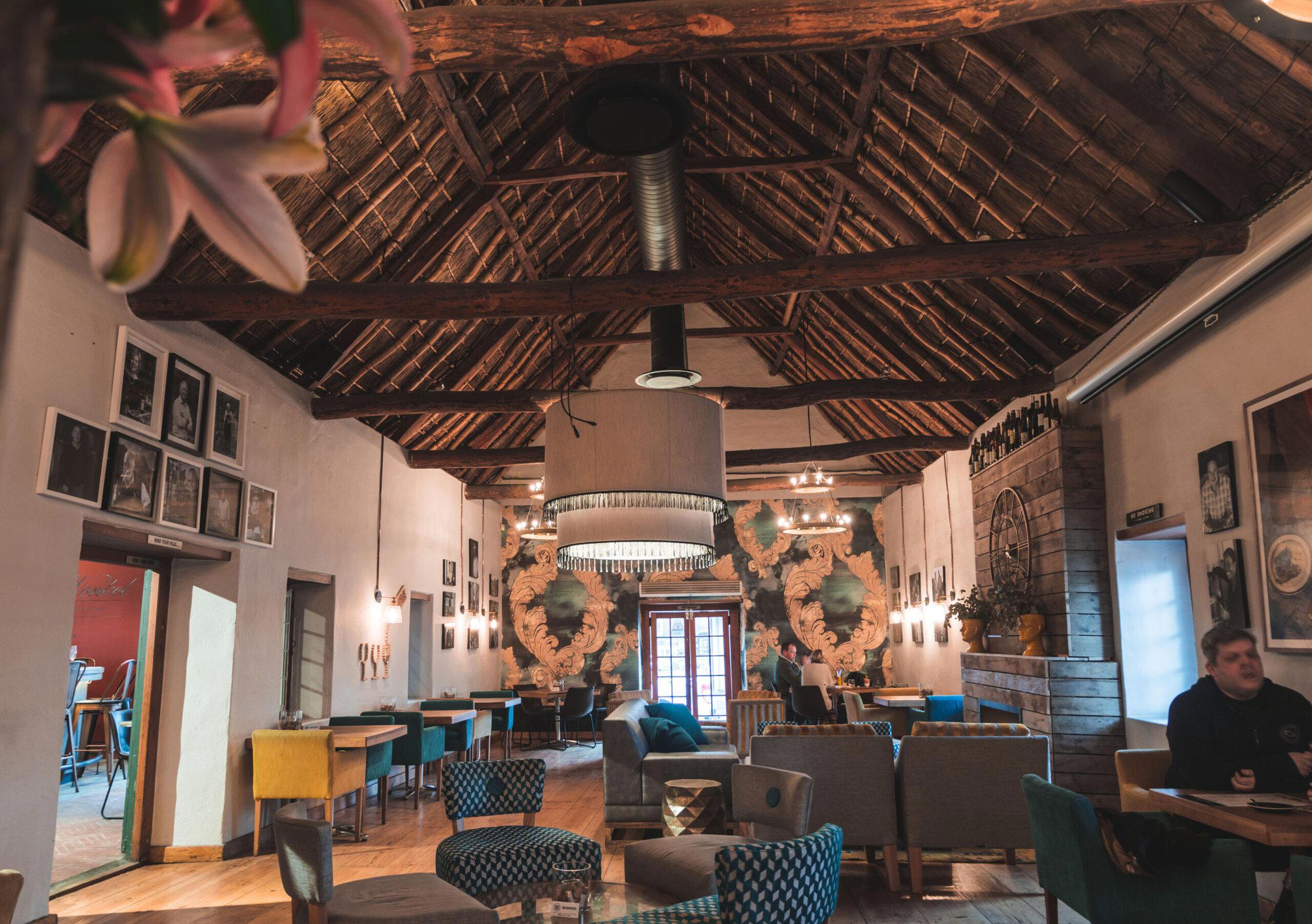
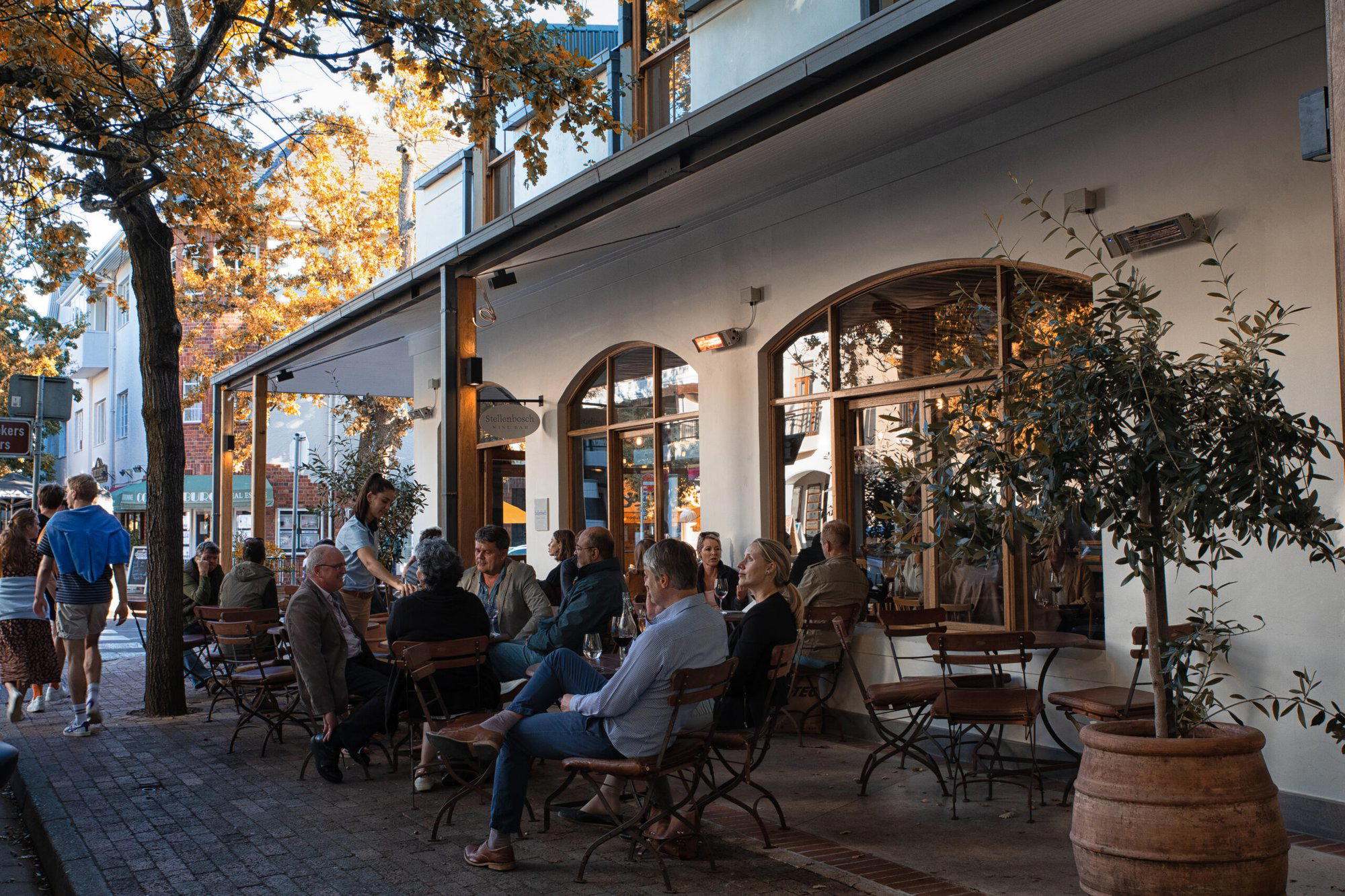
Restaurants in Stellenbosch
Browse all →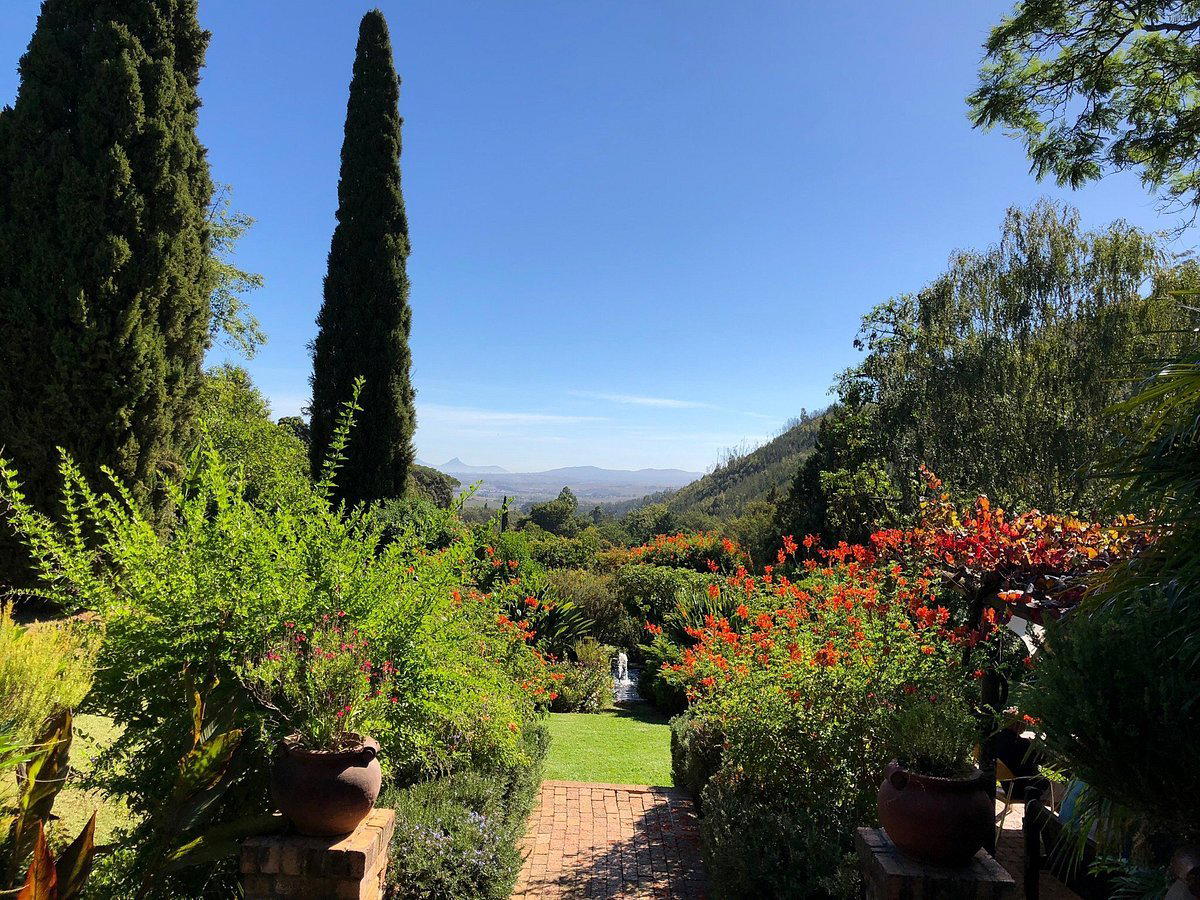
Details
- Rustic
- Historic
- Scenic
- Intimate
- Elegant
- Romantic Getaway
- Wine Education
- Special Occasion
- Historic Building
- Vineyard Tour
- Estate Grounds
- Sustainable
- Vineyard
- Mountain
- Garden
- Pinot Noir
- Chardonnay
- Shiraz
- Cabernet Sauvignon
- Grenache Noir
- Tinta Barocca
- Merlot
- Chenin Blanc
- Verdelho
- Viognier
- Sauvignon Blanc
- Still Red
- Still White
- Sparkling
- Fortified
- Wine Tasting
- Cellar Tasting
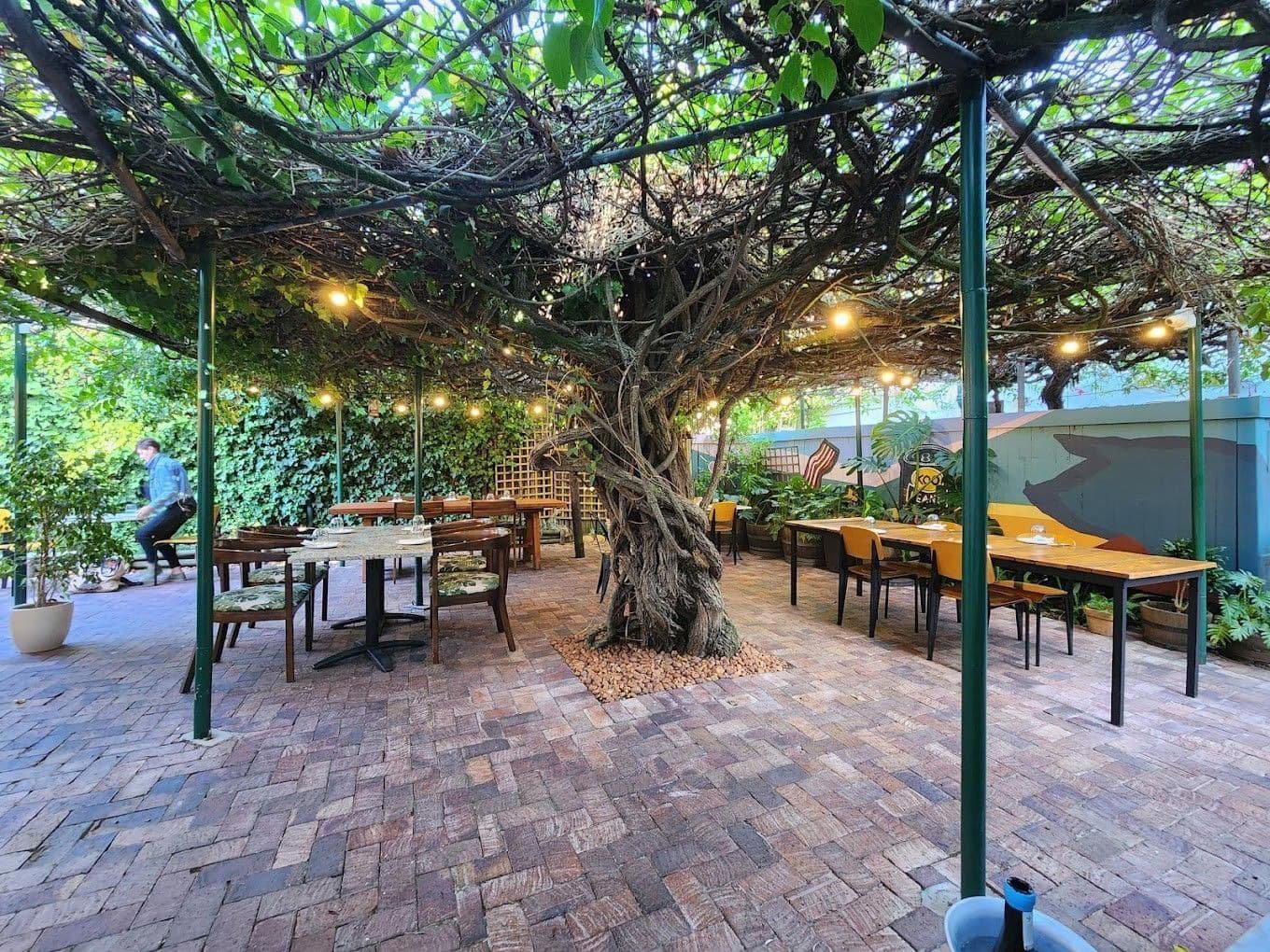
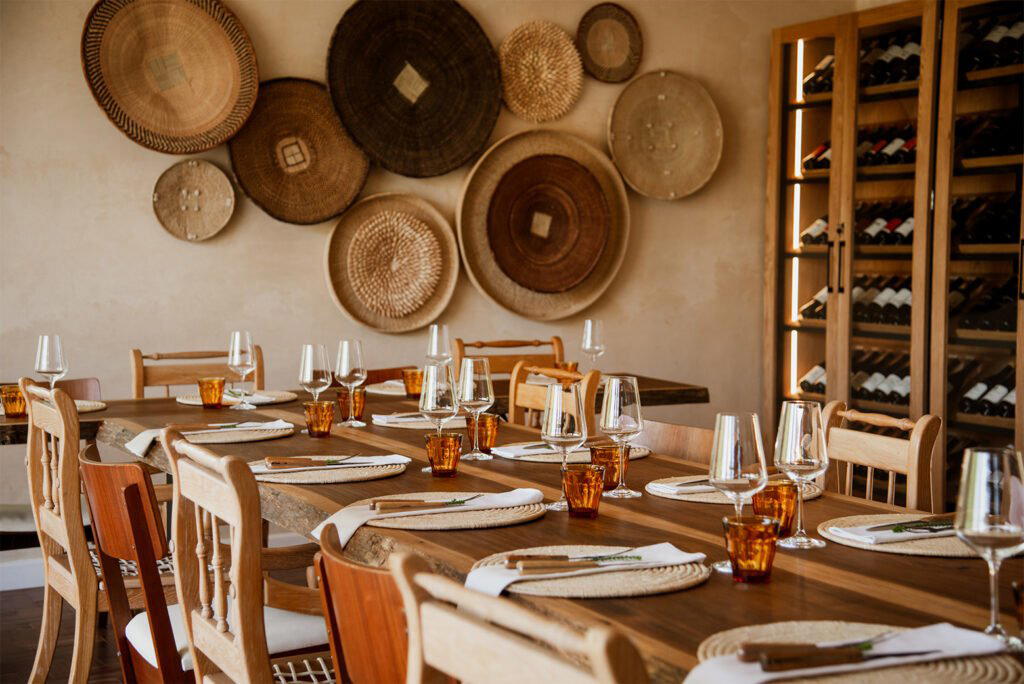
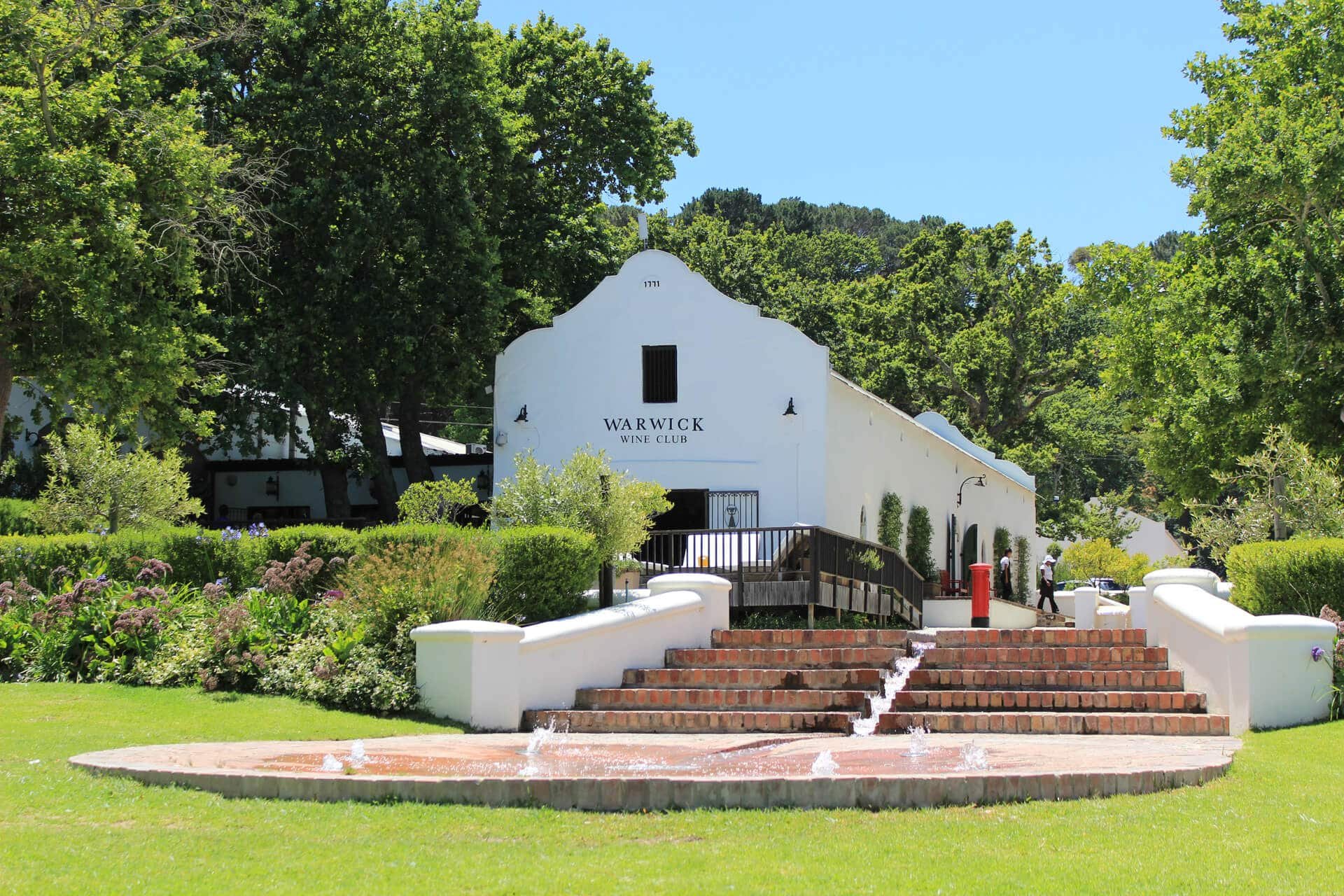
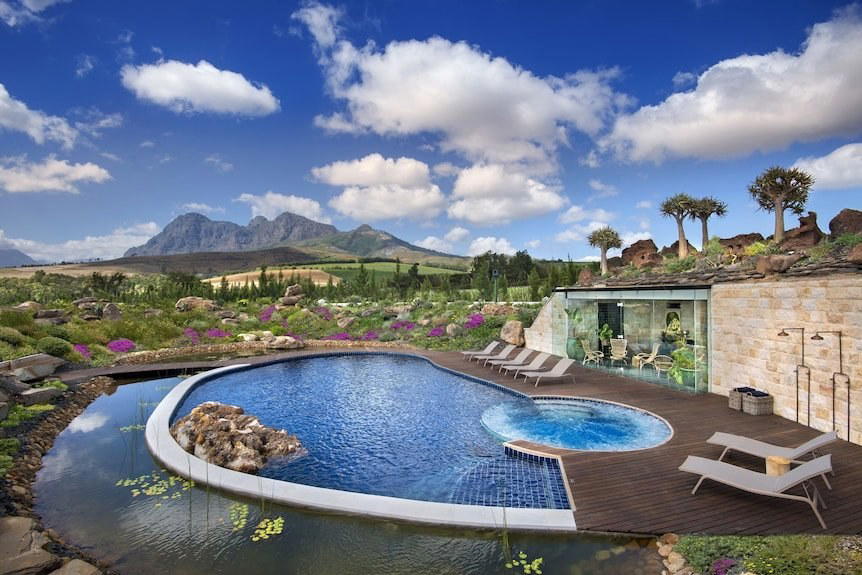
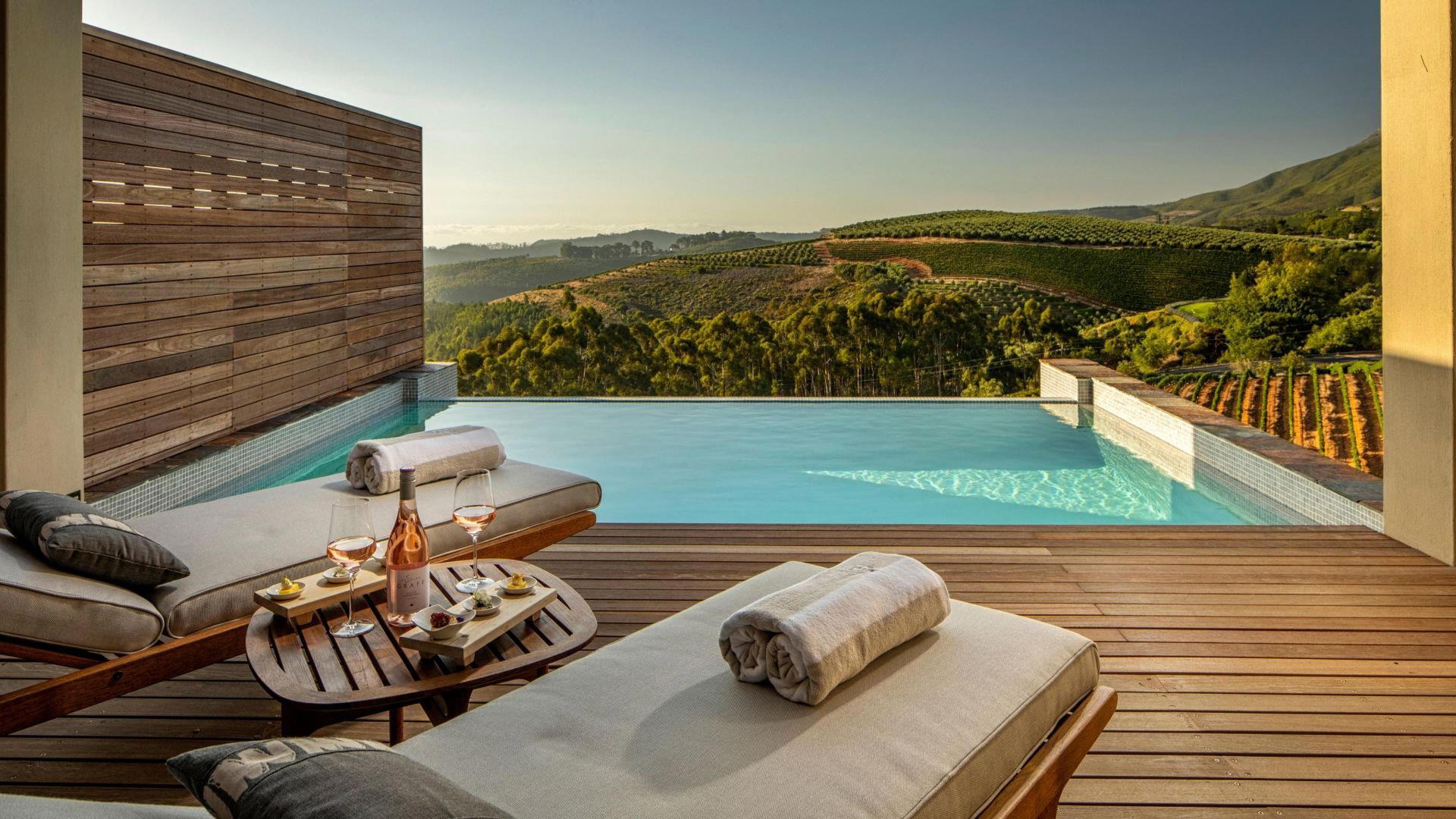
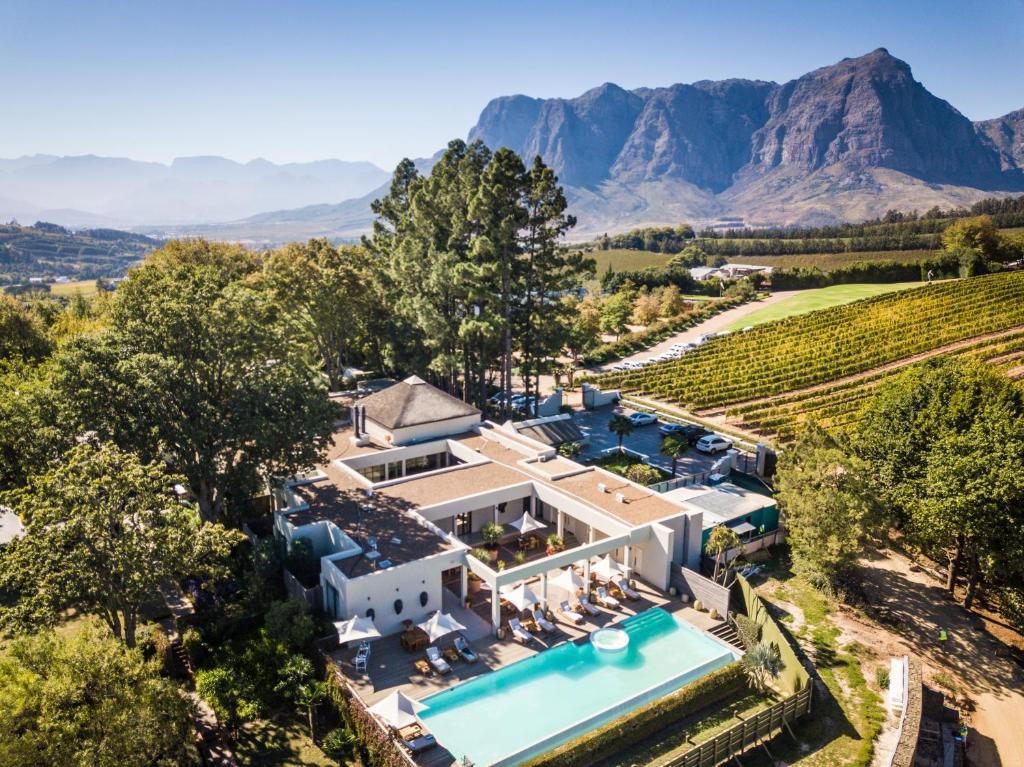
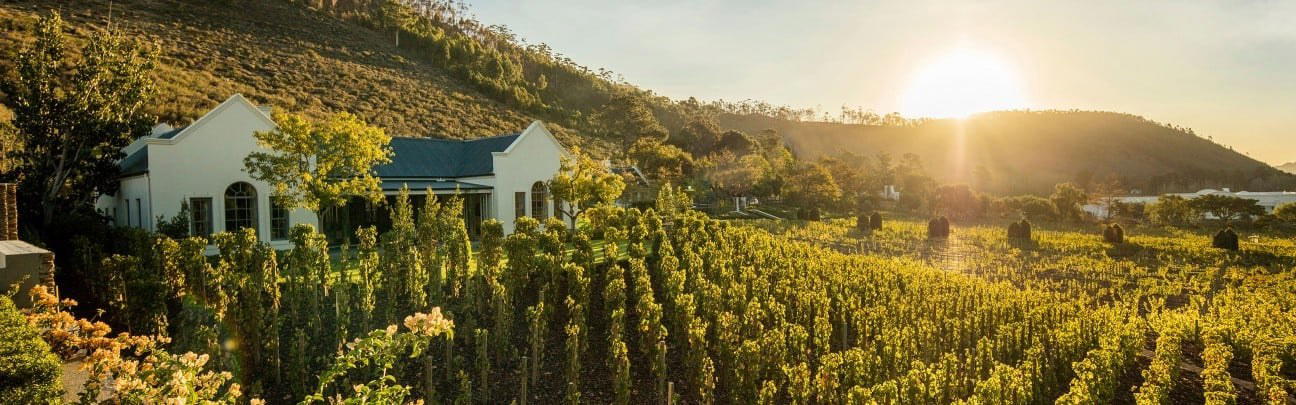
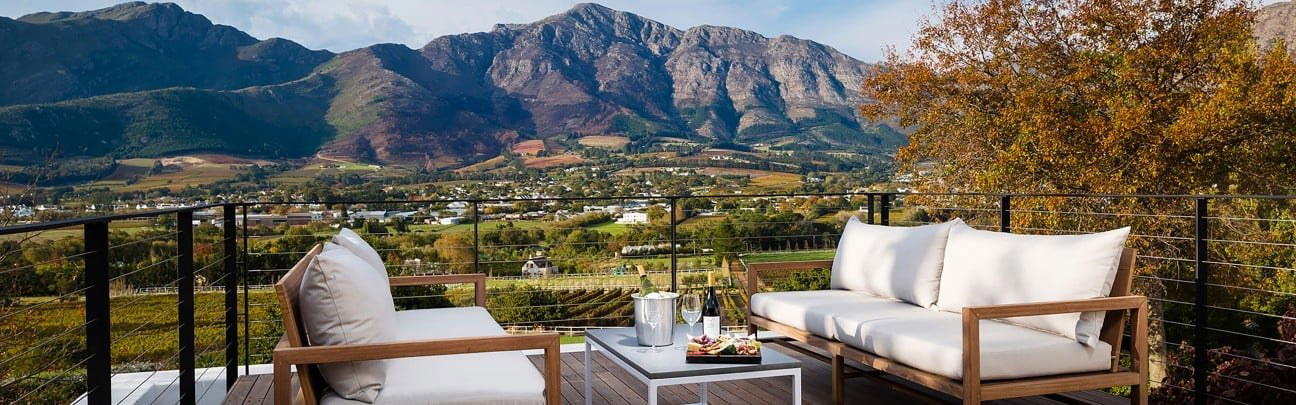
Rustic and historic with ivy-covered stone walls, unmanicured gardens, cozy fireplaces, and a patina of age evoking a step back in time amid charming old buildings and vineyard surroundings.