
Falstaff Winery - 2 Stars
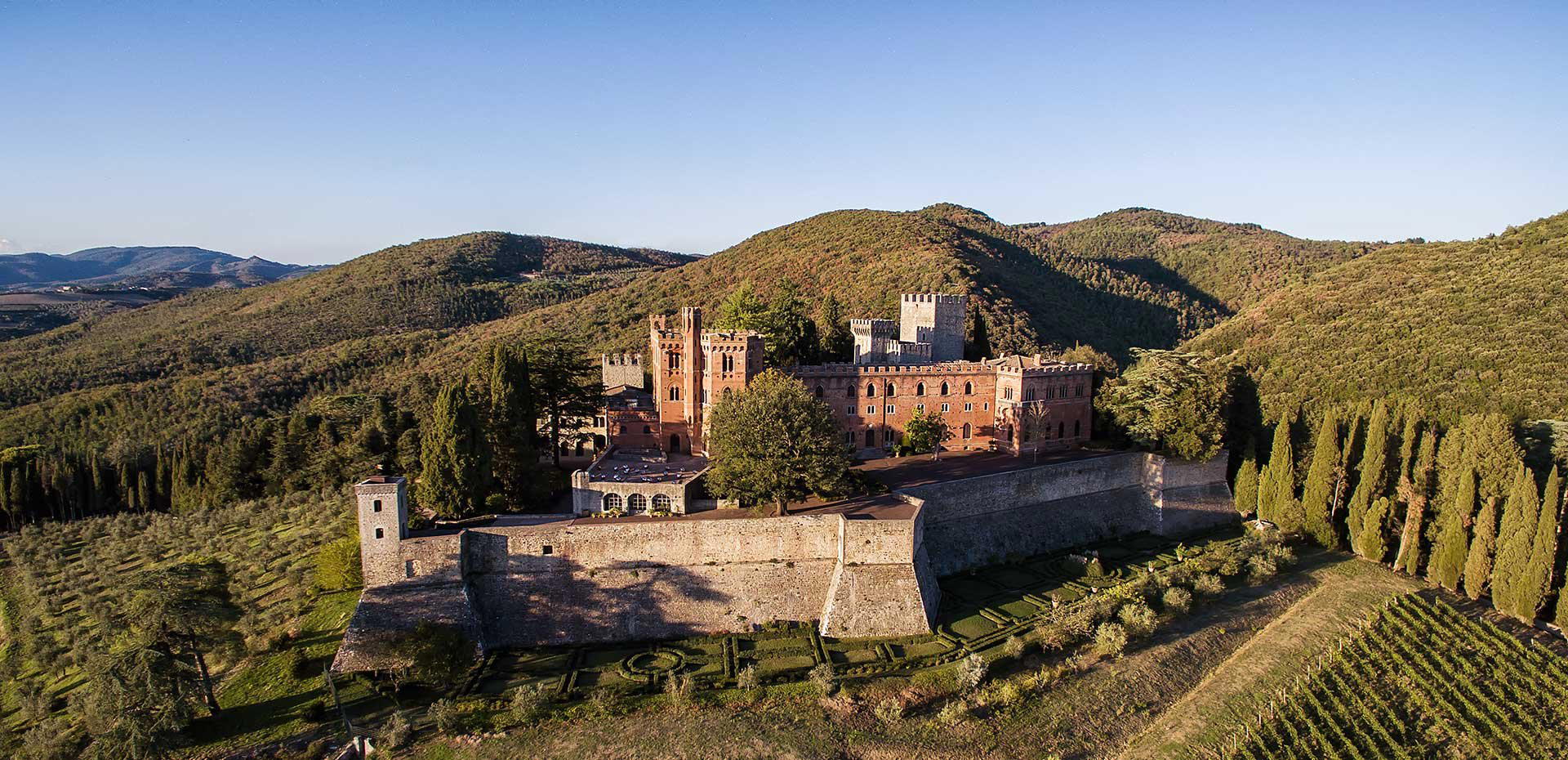
Migliarina & Montozzi is a historic Tuscan wine estate in Bucine, shaped by vineyards, olive groves, arable land and woodland around Villa Migliarina and Castello di Montozzi. Its interest lies less in trophy recognition than in the agricultural whole: organic farming since 2010, a cellar built for controlled fermentation and aging, and a visitor format that ties wine, Vin Santo and olive oil to the land that produces them.

Pearl is the En Primeur Club membership app, where members save venues, book tables and use the concierge.

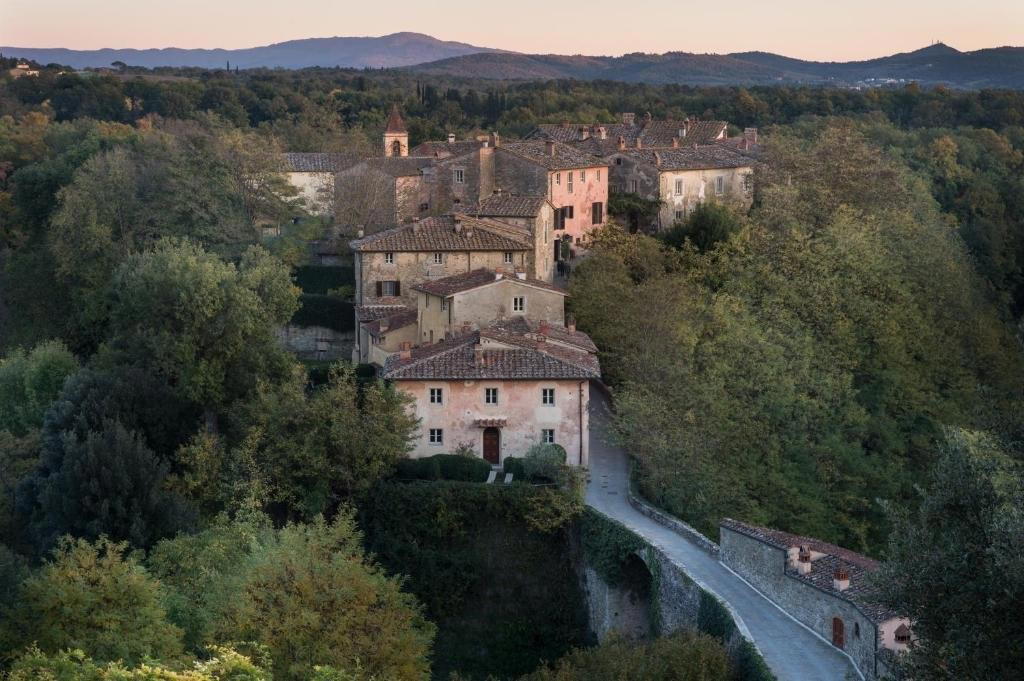
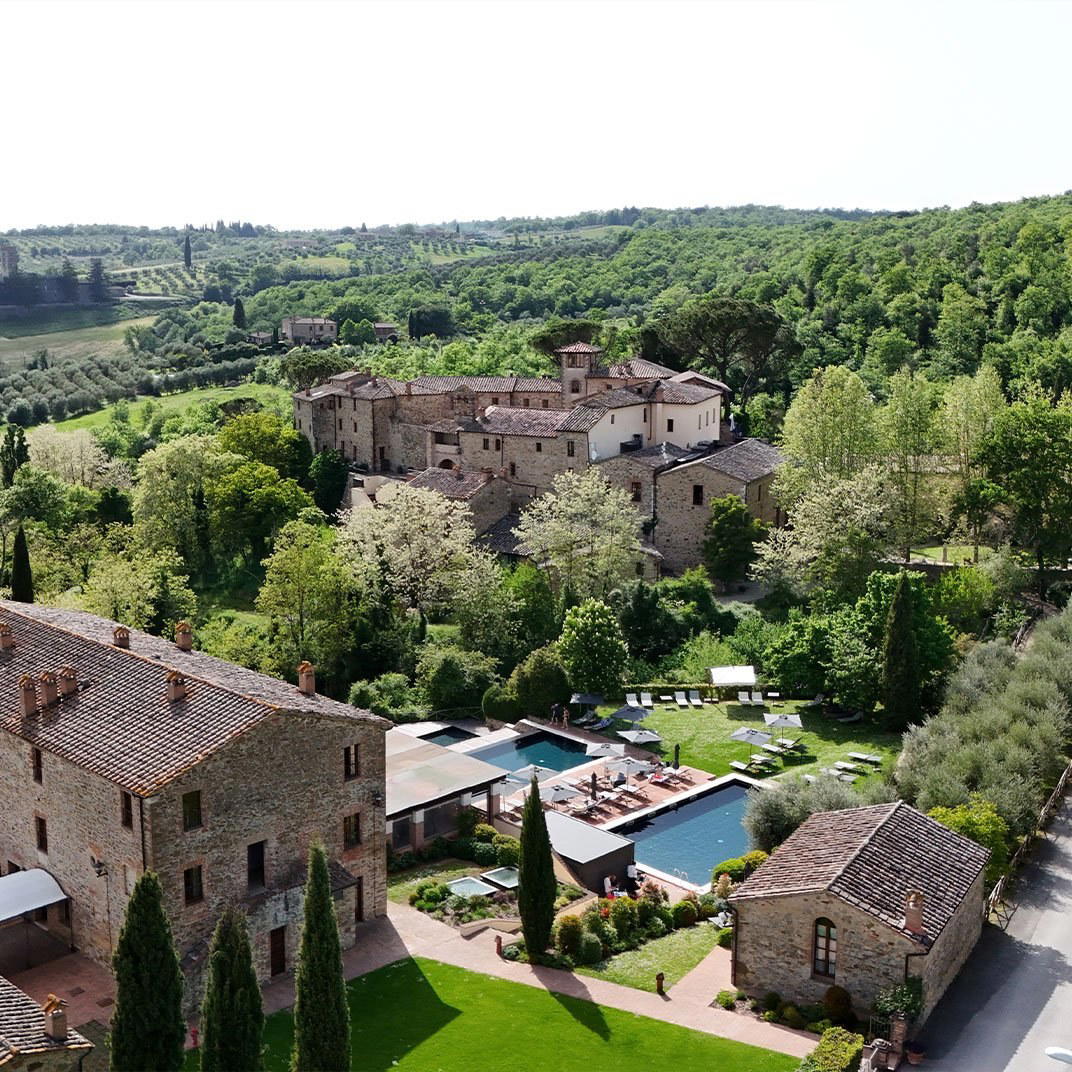
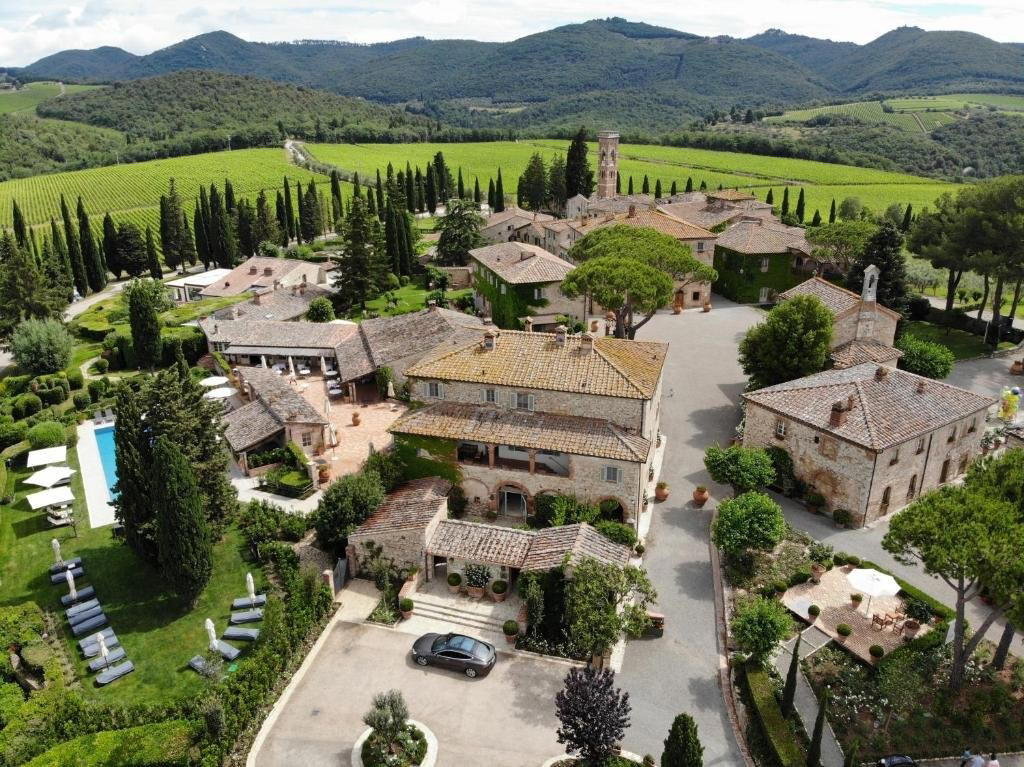
Approaching a Tuscan estate like this, the first point is not the tasting counter but the scale of the farm around it. Bucine sits in the Valdarno di Sopra and Chianti hills, where viticulture is rarely isolated from olive trees, grain fields, woodland and old stone architecture. Migliarina & Montozzi belongs to that older model of Tuscan agriculture: a working estate rather than a bottle-only brand, with Villa Migliarina and Castello di Montozzi anchoring the visitor’s sense of place.
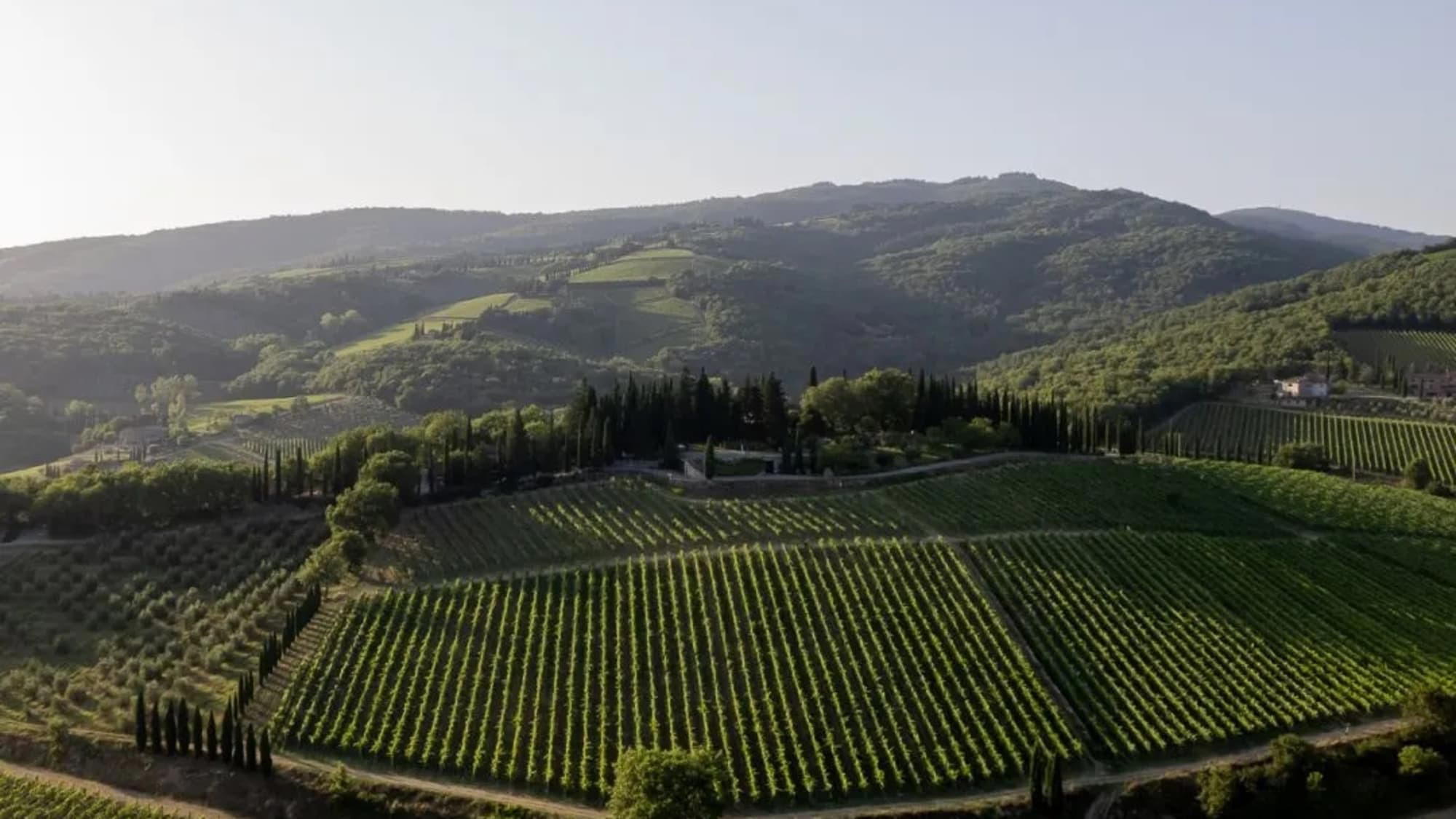
The estate’s appeal is therefore terroir in the broad Tuscan meaning of the word. The wines come from a mixed agricultural environment, not a monoculture vineyard campus. Roughly 500 hectares include about 28 hectares of vines, 27 hectares of olive groves, 200 hectares of cereals and forage, with the rest given to woodland connected to the Montozzi wildlife estate. That balance matters. In this part of Tuscany, wine has long shared land, labor and seasonality with oil, grain and forest; the estate’s character reads through that agricultural breadth.
A Tuscan estate where land use explains the wine
Large Tuscan properties can split into two camps: highly polished wine-tourism estates and farms where hospitality remains tied to production. This one sits closer to the second camp. The modern estate was formed through the consolidation of two farms at the beginning of the 20th century, while family vine-growing tradition is traced to 1660. Since that consolidation, the Bartolini Baldelli family has remained central to the property, with Antonio and Carlo Bartolini Baldelli named as current stewards alongside agronomist Maurizio Maurri and winemaker Beppe Rigoli.
The varietal picture is regional rather than experimental for its own sake. Sangiovese, Canaiolo, Colorino, Trebbiano and Malvasia connect the estate to central Tuscan tradition, while Cabernet Sauvignon, Merlot and Syrah place it within the broader Tuscan habit of folding international grapes into local structures. Appellation references include Chianti DOCG and Valdarno di Sopra DOC, which positions the estate between familiar Chianti identity and a more site-specific Arezzo-side context.
Organic agriculture has been in place since 2010, a meaningful date because it signals a settled farming direction rather than a recent label adjustment. The estate’s diversified land base also gives the sustainability story more substance than a single vineyard claim: vines, olives, cereals, forage and woodland all form part of the operating estate. That does not turn the property into an environmental case study, but it does place wine inside a broader stewardship model.
Concrete vats, oak cellars and the Vin Santo loft
The cellar details are unusually useful in understanding the production style. One winery is devoted to fermentation, with around twenty vitrified concrete vats ranging from 12 to 180 hectoliters and individual temperature control through a refrigeration system. Concrete remains important in Tuscany because it can support steady fermentation and storage without making oak the defining voice. Here, the format suggests control and separation of lots rather than rustic looseness.
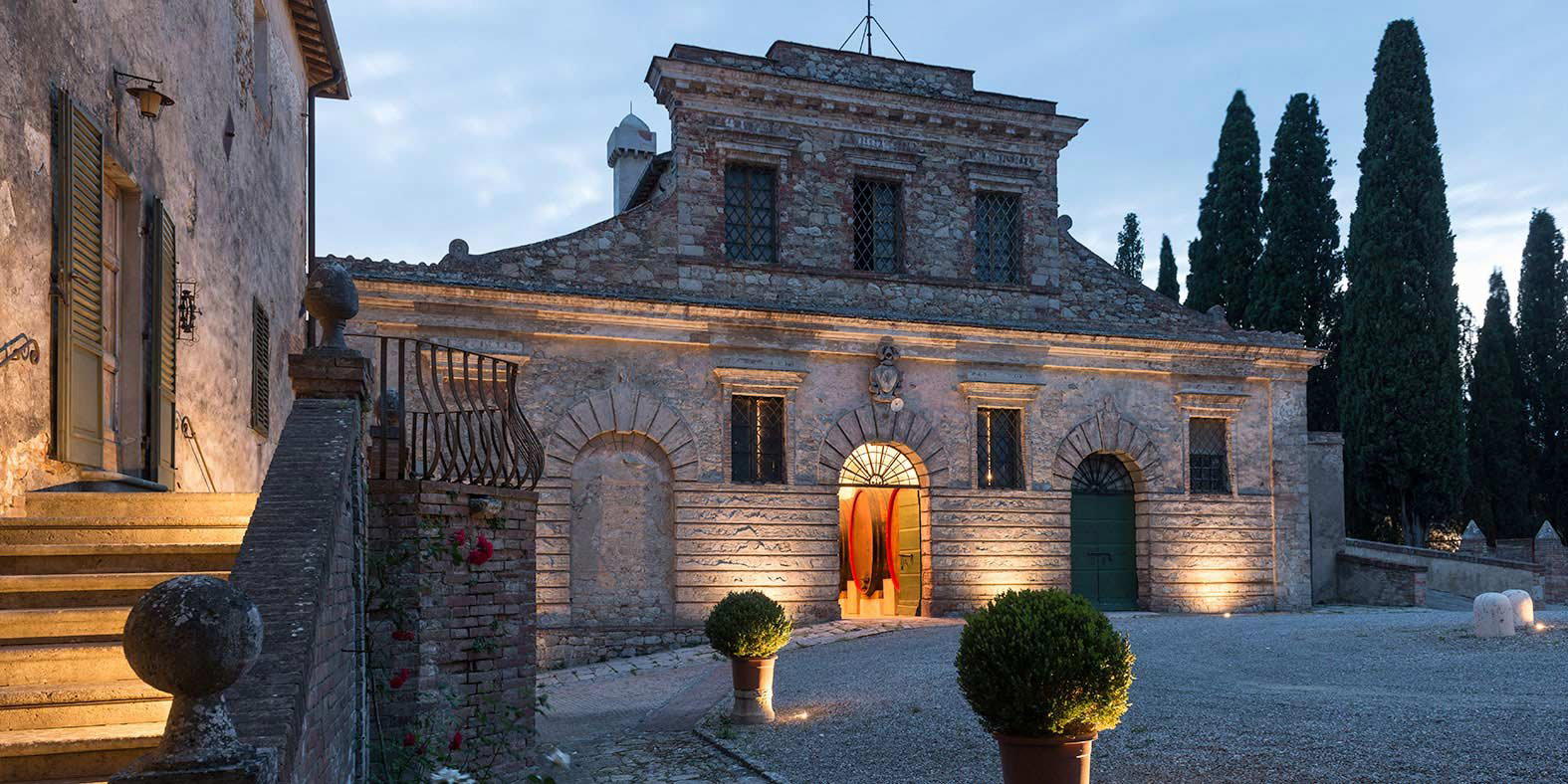
A second cellar at Castello di Montozzi holds oak barrels and tonneaux for aging, creating a clear division between fermentation and maturation. The dedicated vinsantaia is the stronger cultural signal: a loft above the fermentation cellar reserved for Vin Santo, where ventilation supports grape drying and aging. Vin Santo is not a side note in Tuscan tradition; it is one of the region’s clearest links between architecture, air movement, patience and dessert-wine identity. An orciaia for extra-virgin olive oil storage and bottling completes the agricultural picture, tying wine and oil into the same estate visit.
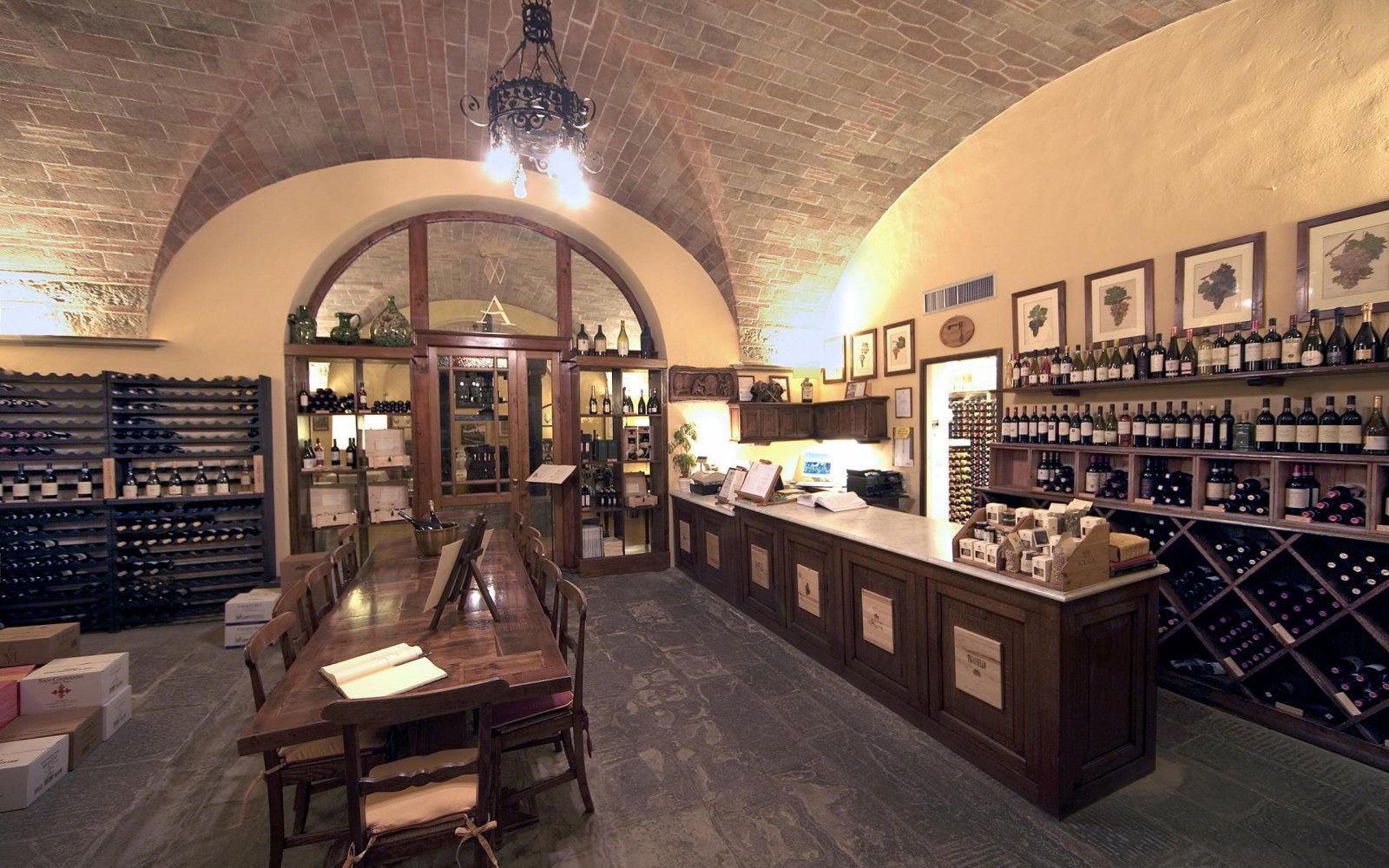
The tasting experience follows that production logic. This is a cellar-and-estate format, with standard tastings, winery tours, estate tastings and barrel cellar visits listed among the formats. Italian and English are supported for tours, and the typical visit length is about an hour. The room is not the point by itself; the value is in seeing how vineyard, cellar, Vin Santo and olive oil fit together inside a historic farm estate.
How to read it within Bucine and broader wine travel
Bucine is not a city-tasting-room destination. It asks for a slower reading of place, particularly for travelers moving between Florence, Siena and Arezzo who want rural Tuscany without reducing it to postcard scenery. Migliarina & Montozzi works for wine education, group outings and romantic rural stays because the setting carries real agricultural information: vineyards, gardens, mountain views, restored farmhouses and historic buildings all frame the tasting rather than decorating it.
The estate’s competitive position is heritage-led, not awards-led. There are no major medals or guide rankings attached here, so the editorial case rests on harder estate signals: long family continuity, organic farming since 2010, a large mixed agricultural property, two-cellar production architecture, a dedicated Vin Santo space and olive-oil handling on site. That is a stronger argument than generic countryside charm.
For broader planning in the area, EP Club’s city pages map the local mix across categories: Our full Bucine wineries guide, Our full Bucine restaurants guide, Our full Bucine hotels guide, Our full Bucine bars guide and Our full Bucine experiences guide. For readers comparing Italian winery formats beyond Tuscany, see 3GP SRL in Treviso, 47 Anno Domini in Trebaseleghe, A Mano Wine in Noci, a6mani in Fragagnano, Abbadia Ardenga in Torrenieri, Abbazia di Crapolla in Neapel, Abbazia Monte Oliveto in Asciano, Abbazia Santa Anastasia in Castelbuono, »der Steiner« Hans Steiner in Podersdorf am See and & Handwein in Mannheim.
Recognition history
Dated appearances from independent guides and award organizations, with the underlying list record or original source where available.
Falstaff Winery - 2 Stars
Falstaff
Continue exploring
More in Bucine
Wineries in Bucine
All wineries in Bucine →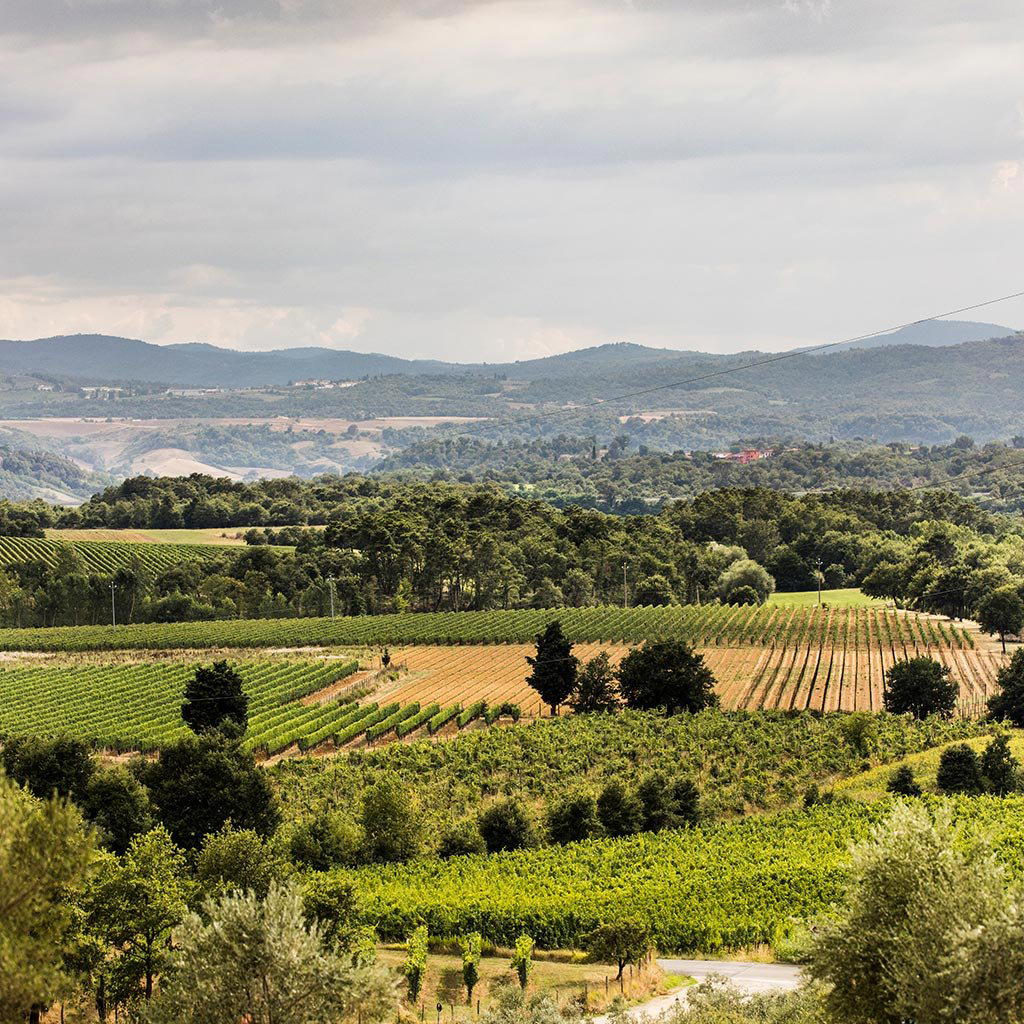
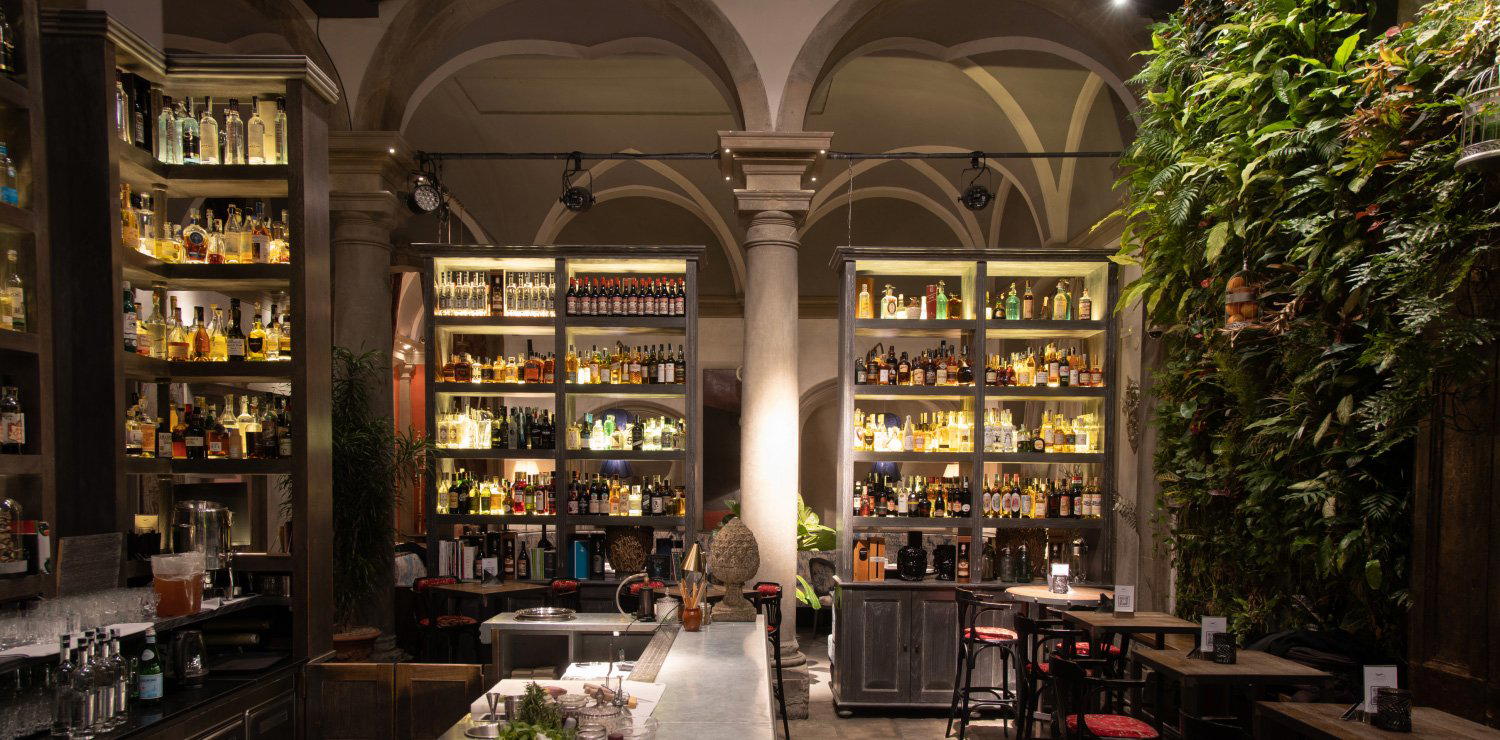
Bars in Bucine
Browse all →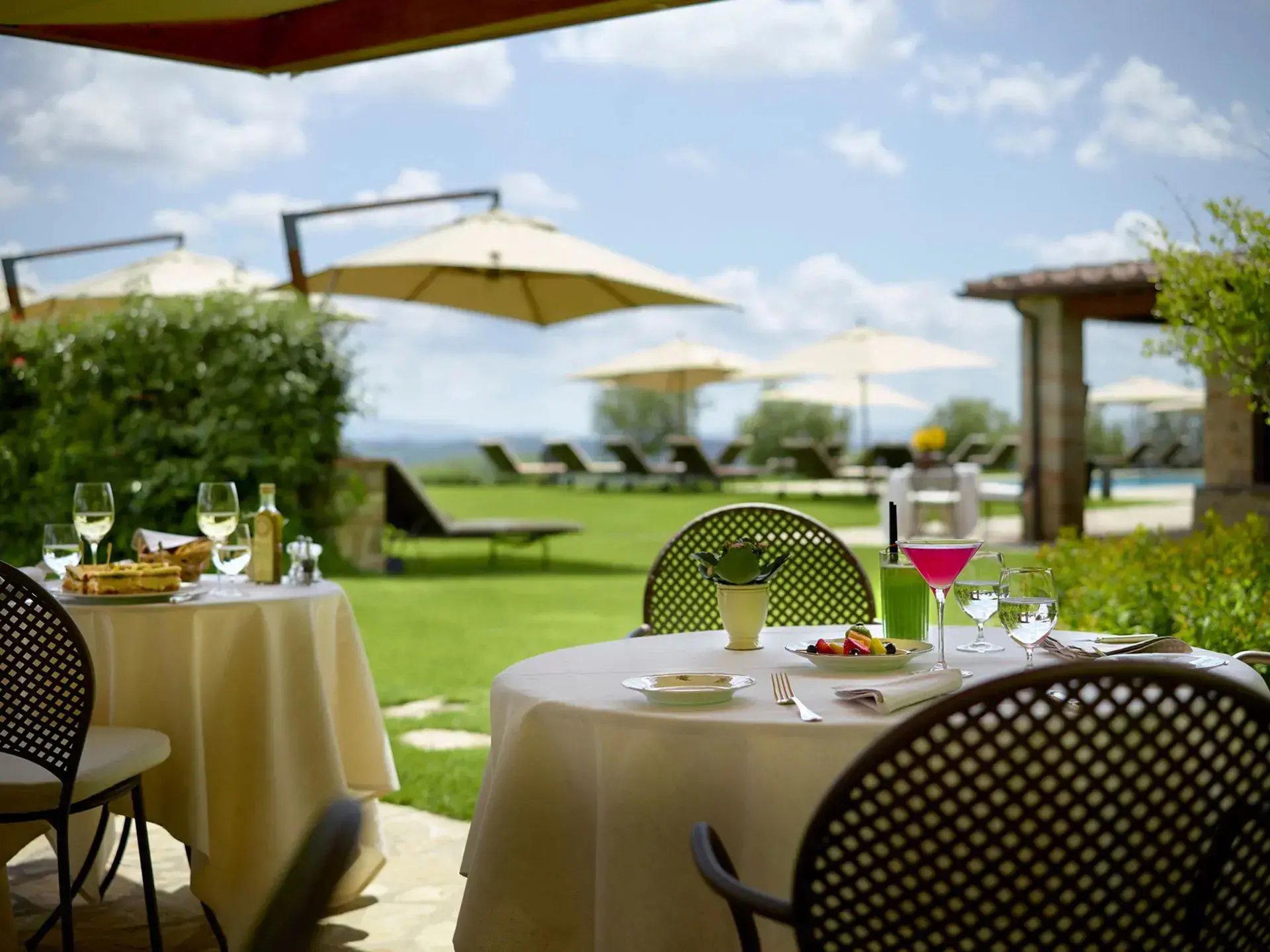
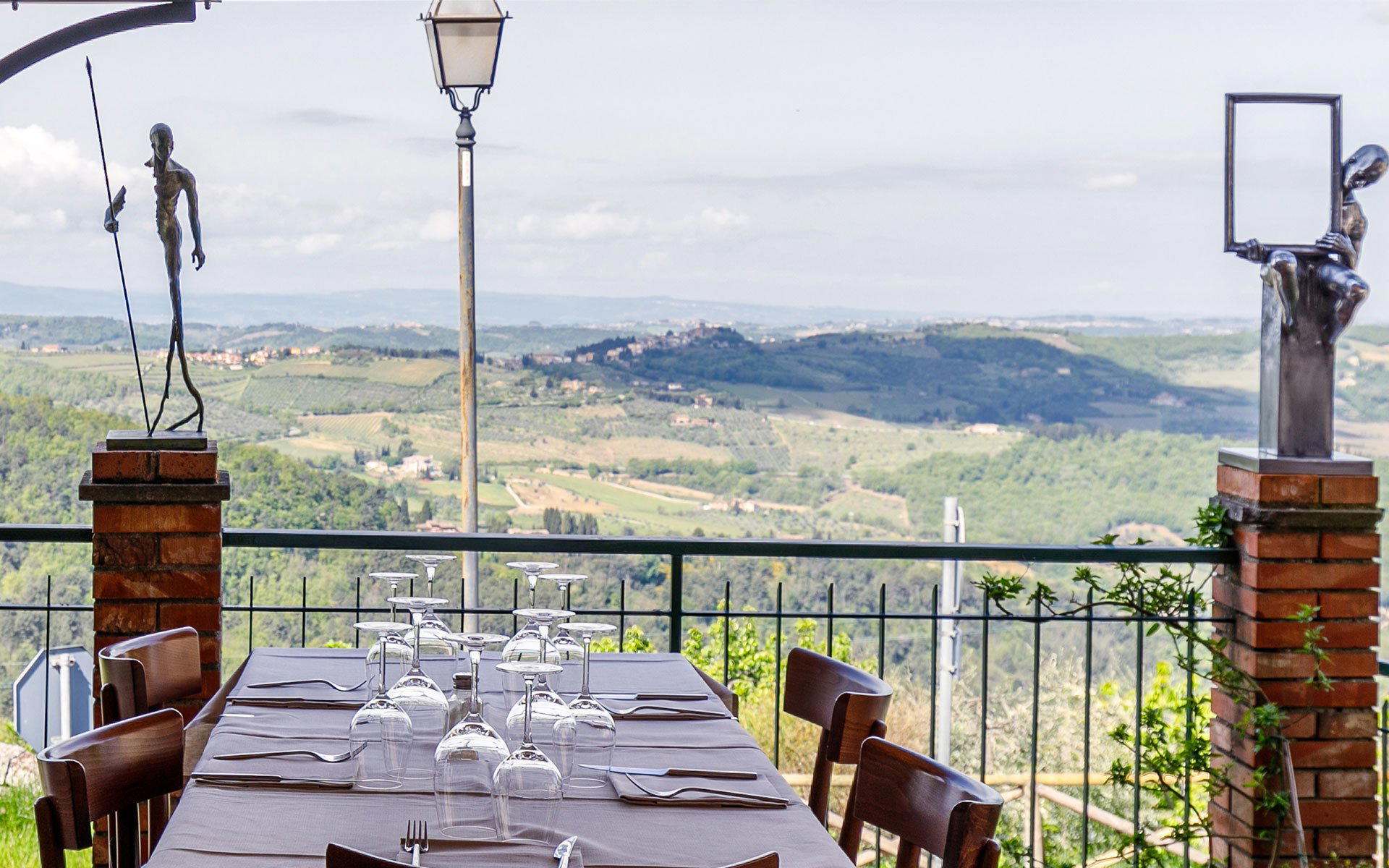
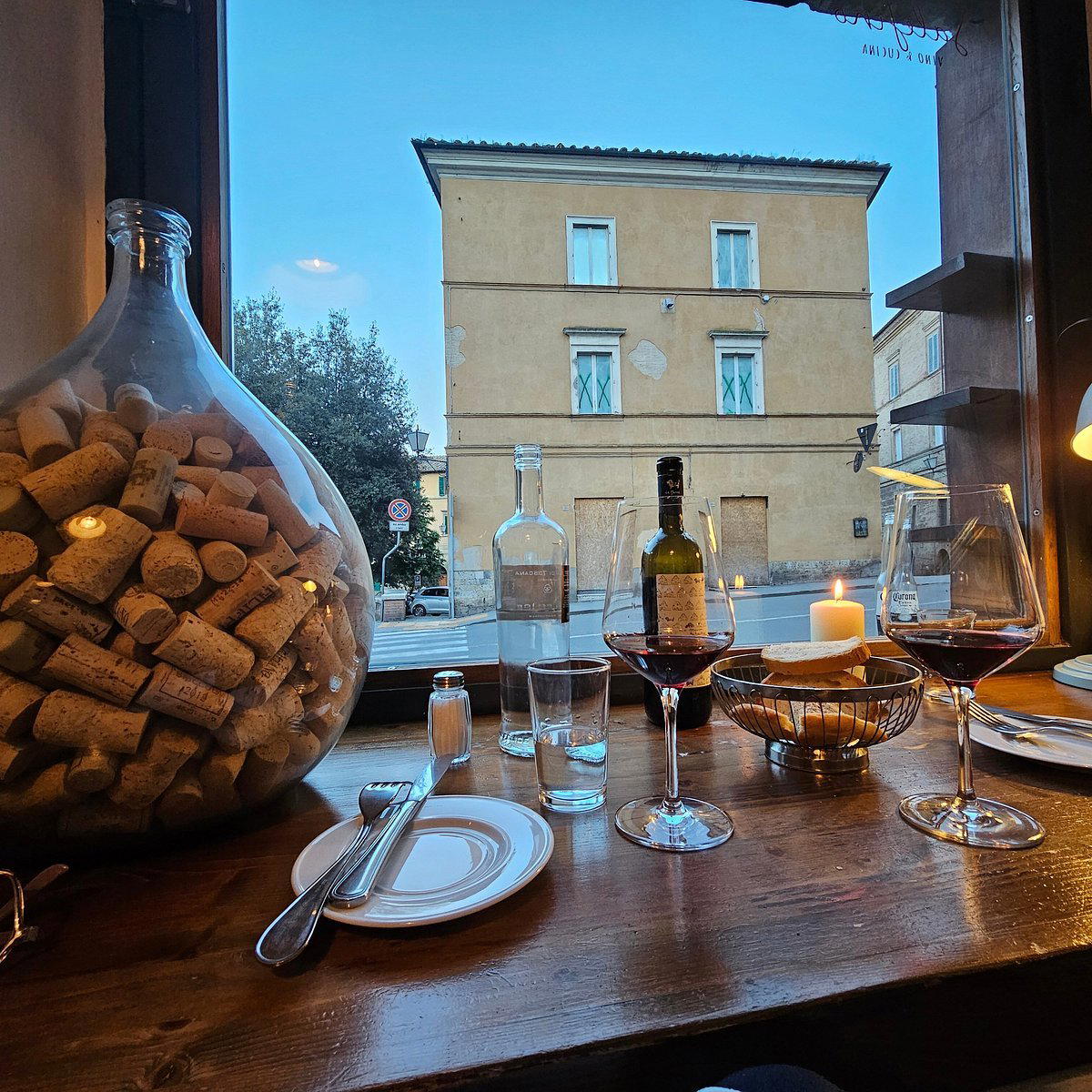
Restaurants in Bucine
Browse all →
Details
- Scenic
- Rustic
- Classic
- Romantic
- Intimate
- Romantic Getaway
- Group Outing
- Wine Education
- Special Occasion
- Solo Exploration
- Estate Grounds
- Vineyard Tour
- Historic Building
- Barrel Room
- Panoramic View
- Organic
- Sustainable
- Vineyard
- Garden
- Mountain
- Sangiovese
- Canaiolo
- Colorino
- Trebbiano
- Malvasia
- Cabernet Sauvignon
- Merlot
- Syrah
- Still Red
- Still White
- Still Rosé
- Dessert
- Fortified
- Standard Tasting
- Winery Tour + Tasting
- Estate Tasting
- Barrel Cellar Visit
- Italian
- English
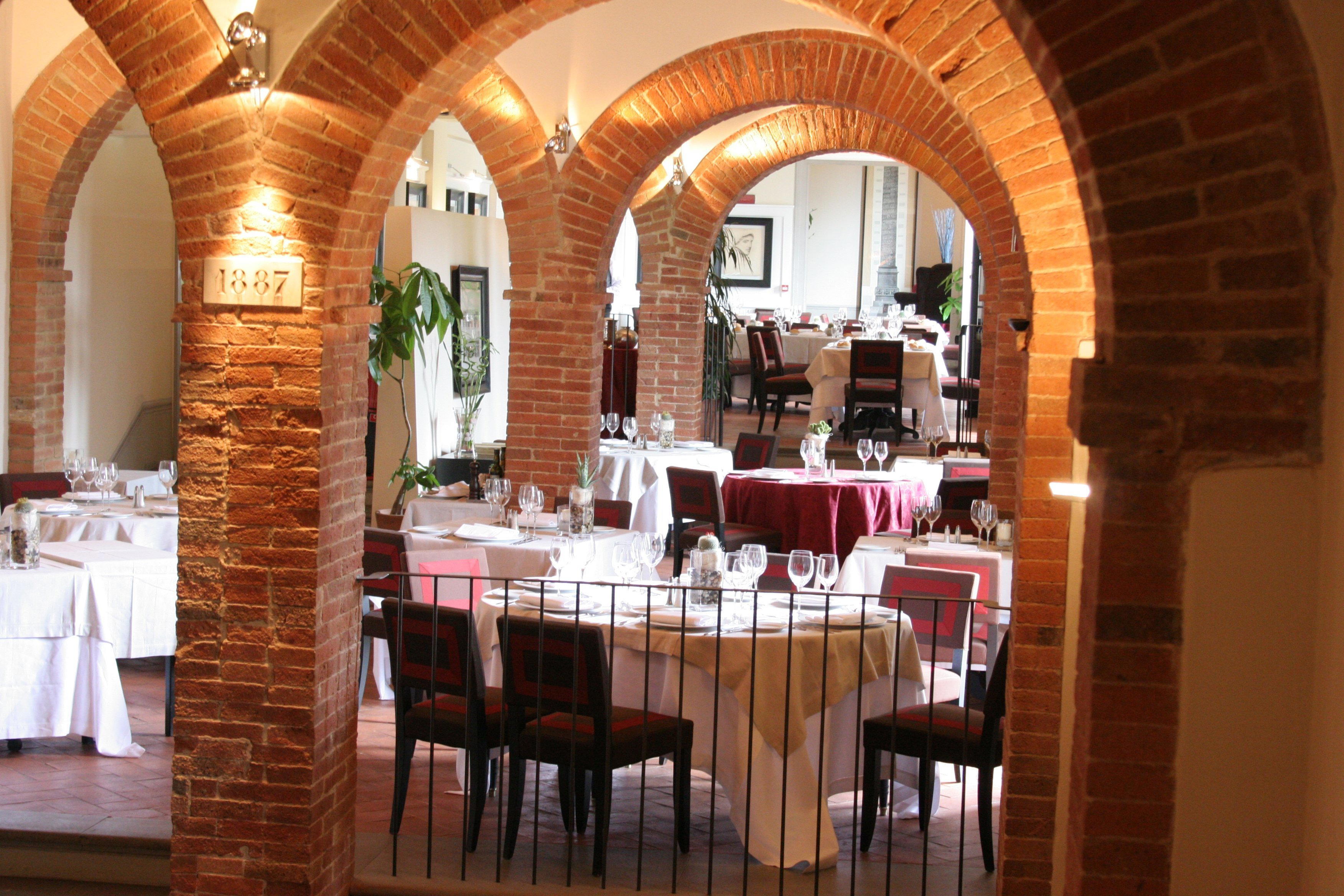
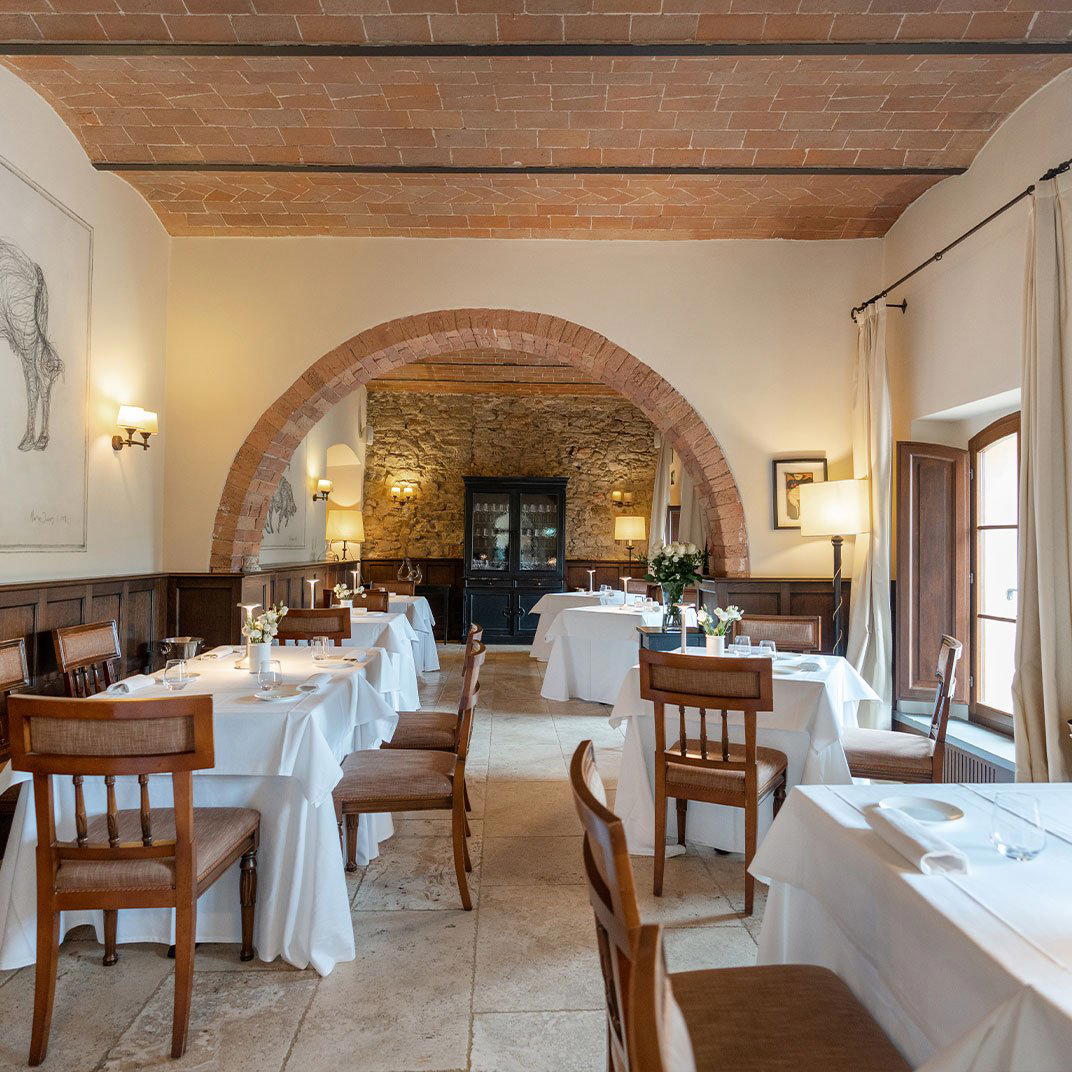
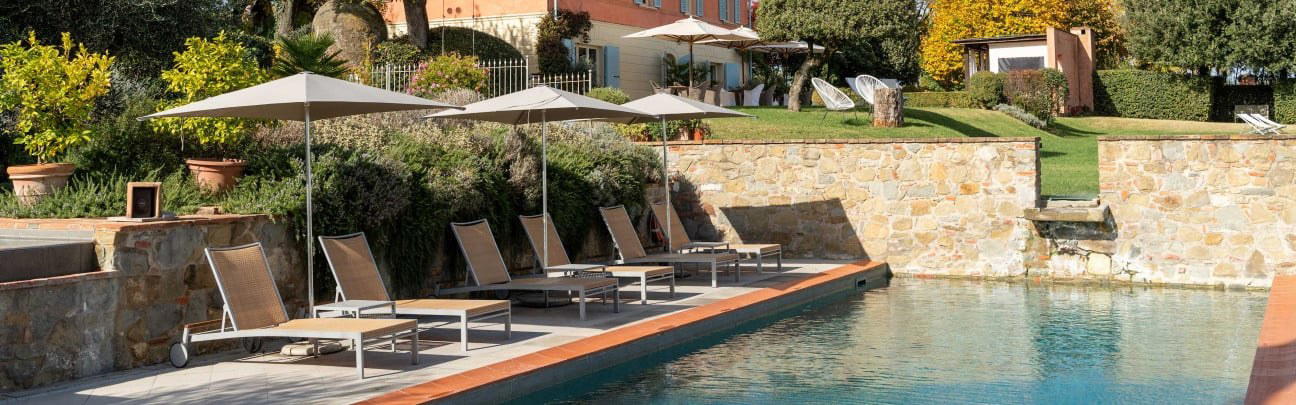
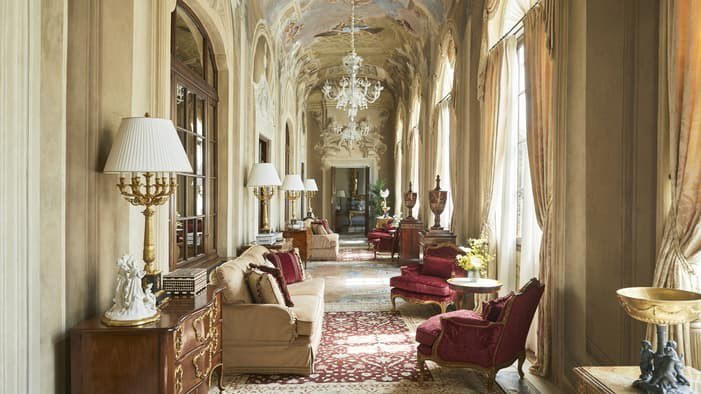
Historic Tuscan estate atmosphere with a scenic mix of vineyards, olive groves and restored farmhouses around a 1600s villa and castle, offering a tranquil, traditional setting for tastings in a dedicated cellar and tasting room.