Mezcal Vago (Aquilino García López)

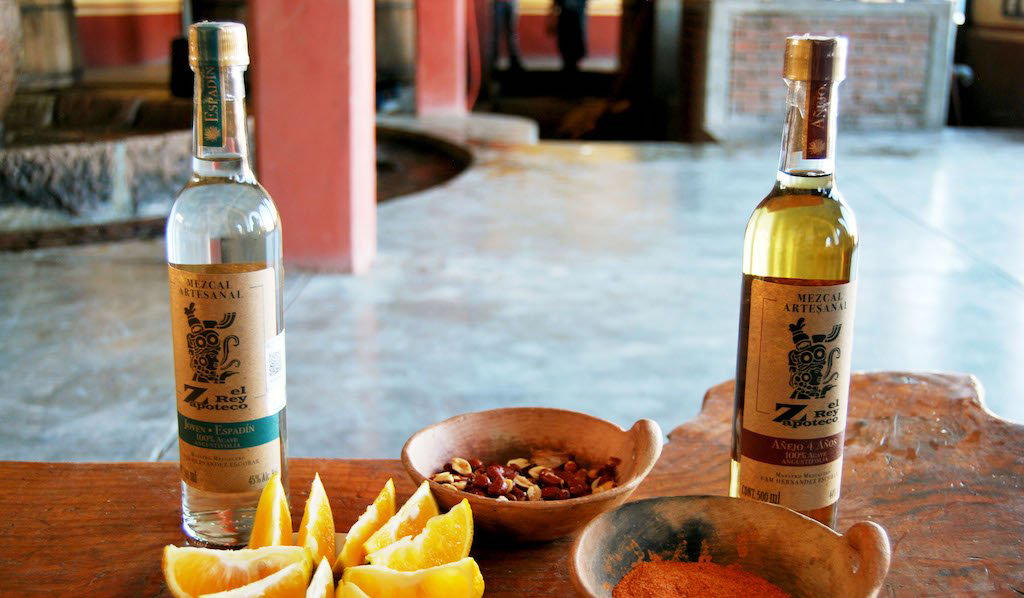
Mezcal Vago's Aquilino García López expression comes from Candelaria Yegolé, a remote Oaxacan village where tepeztate and other wild agave species define the terroir. Awarded a Pearl 2 Star Prestige in 2025, this producer sits in the upper tier of Oaxacan mezcal, where village-specific origin and traditional palenque methods carry more weight than brand recognition.
Pearl is the En Primeur Club membership app — saves, bookings, and concierge access live there. Same editors, same standards.
- Address
- Candelaria Yegolé, Oaxaca, Mexico
- Website
- mezcalvago.com
 Saves & bookings on Pearl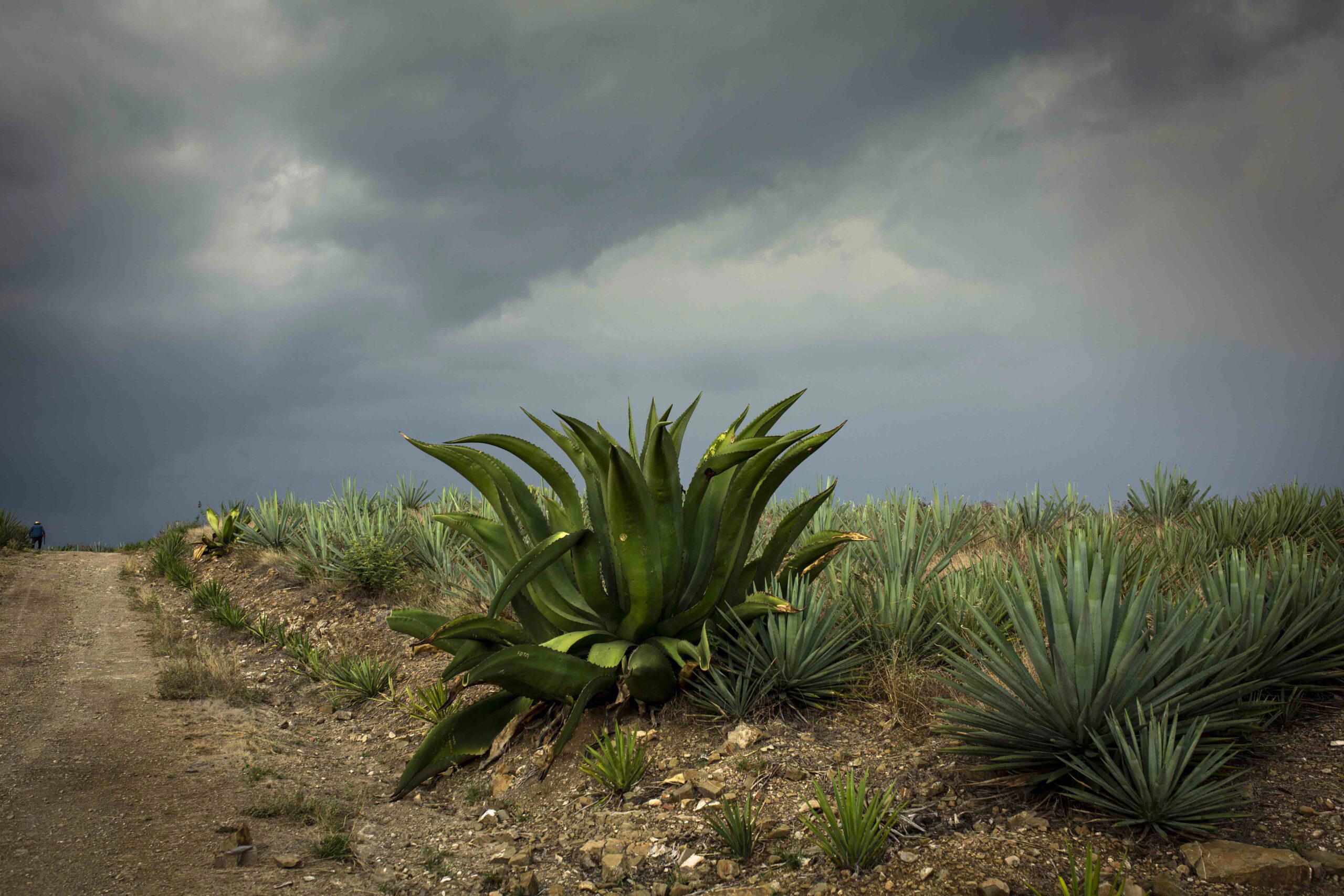
Candelaria Yegolé and the Logic of Village Mezcal
The Sierra Sur region of Oaxaca produces mezcal under conditions that make standardisation nearly impossible. Villages sit at varying elevations, with soils shifting from volcanic to alluvial within a few kilometres, and the agave species that thrive in one microclimate may not survive in the next. Candelaria Yegolé, a small community in the Miahuatlán district, sits in this zone of radical specificity. The mezcal that comes from here carries the character of that place in ways that larger, blending-focused operations cannot replicate. Mezcal Vago's expression produced by Aquilino García López is one of the better-documented examples of what village-specific Oaxacan mezcal means in practice.
Understanding this producer means understanding the broader category it belongs to. Over the past fifteen years, the mezcal market has split between accessible, blended expressions designed for global cocktail bars and a smaller, more demanding tier of single-producer, village-designated spirits that function more like grower Champagne or domaine-bottled Burgundy. Mezcal Vago sits firmly in the latter cohort. The brand was built around named producers in named villages, with Aquilino García López representing the Yegolé node of that network. The village name on the label is not marketing shorthand, it is a geographic claim with real terroir implications. For context on how other Oaxacan producers approach origin specificity from different districts, Rey Campero (Herencia de Sánchez) also operates in Candelaria Yegolé and represents a useful peer comparison within the same village.
What Terroir Means at This Elevation
The word terroir travels uneasily between wine and spirits, but in the context of agave, it holds up with more precision than critics sometimes allow. Wild-harvested agave species absorb decades of environmental data, soil mineral content, rainfall patterns, diurnal temperature shifts, before they are harvested and cooked. In Candelaria Yegolé, the combination of altitude, well-drained hillside soils, and access to wild agave populations means that producers working here are, in effect, distilling a landscape that took ten to thirty years to develop in the plant itself.
Mezcal Vago's Aquilino García López expressions have historically centred on tepeztate (Agave marmorata), one of the most volatile and site-sensitive of the commercially available wild agave species. Tepeztate can take twenty-five to thirty-five years to reach maturity, grows on steep rocky terrain rather than cultivated fields, and produces spirits with a pronounced mineral quality and a vegetal intensity that reflects the stress conditions of its growth environment. When you encounter this species in a glass, you are tasting the aggregate of those decades and that specific terrain. No blending, no age statement adjustment, and no production standardisation can reproduce what the agave accumulated in that hillside. This is not mysticism, it is simple plant biology expressed through distillation.
Producers working in this tier, including those in the Candelaria Yegolé production zone, operate at a scale and with raw materials that make volume impossible and consistency unpredictable in the leading sense. Each batch reflects harvest conditions, cook variables, and fermentation timing in ways that translate to bottle-by-bottle differences. Collectors and serious buyers treat individual batches as distinct releases rather than interchangeable products of the same brand.
The 2025 Pearl 2 Star Prestige Designation
The Pearl 2 Star Prestige award in 2025 places Mezcal Vago Aquilino García López in the upper recognition tier for spirits producers assessed in this cycle. Awards at this level function as a signal for buyers who need a shortcut through the considerable noise in the premium mezcal category. Over the last decade, the number of brands presenting themselves as artisanal, small-batch, or village-specific has grown faster than any external verification system could track. Recognition from a structured prestige framework helps distinguish producers whose methods and sourcing match their positioning from those whose labels imply more than the liquid delivers.
For buyers already familiar with grower-producer dynamics in wine, the logic is not unfamiliar. The question is not just whether the spirit tastes good, but whether the claimed origin and process are coherent and verifiable. Mezcal Vago's transparency model, built around named palenqueros and documented village sourcing, makes that verification more tractable than most. The designation validates that positioning within a formal assessment framework.
Mezcal Vago in the Broader Oaxacan Spirits Context
Oaxaca's mezcal production spans a wide range of formats, from large certified operations to single-family palenques with annual output measured in a few hundred litres. The commercial middle ground is increasingly contested. Brands that once occupied a premium niche now face pressure from both above (hyper-limited single-batch releases from micro-producers) and below (volume brands that have adopted artisanal signalling). Mezcal Vago's multi-producer model, where individual palenqueros are the named principals and the brand acts as a documentation and distribution layer, represents one structural answer to this pressure.
Comparison with other Oaxacan producers clarifies the positioning. Los Danzantes in Santiago Matatlán represents a different model, anchored in a major production village with a broader portfolio and hospitality infrastructure. Don Amado (Arellanes family) in Santa Catarina Minas offers another point of reference, operating from a district with its own distinct agave and production traditions. Banhez (UPADEC cooperative) in San Miguel Ejutla and Casa Cortés in La Compañía (Ejutla) show how the Ejutla corridor approaches production at different scales. Each of these producers is making a different argument about what Oaxacan mezcal is and where its value lies. The Aquilino García López expression from Vago makes a specific, legible argument: village matters, producer matters, agave species matters, and the spirit should be traceable back to each of those specifics.
For context on the broader Mexican spirits category, the contrast with tequila's dominant production model is instructive. Jose Cuervo (La Rojeña) in Tequila and La Primavera (Don Julio) in Atotonilco El Alto operate at a scale and with an industrial consistency that the village mezcal tier is structurally designed to oppose. The prestige premium in mezcal at this level is not about brand heritage in the Cuervo or Herradura sense, see also Casa Herradura and Cazadores for comparable tequila heritage operations, but about raw material provenance and process integrity at a scale that cannot be faked through branding alone. Other premium spirits categories offer partial analogies: Aberlour in Speyside and Accendo Cellars in Napa both occupy niche prestige positions within categories where terroir and provenance arguments run alongside production craft claims. The logic is structurally similar even if the liquid and geography are entirely different.
For anyone building a serious mezcal selection or visiting Oaxaca with production visits in mind, El Rey de Matatlán in Tlacolula de Matamoros and El Pandillo (G4) in Jesús María round out the picture of how Oaxacan and broader Mexican agave spirits are being produced at different price points and with different production philosophies.
Planning a Visit or Purchase
Candelaria Yegolé is a working production village in the Miahuatlán district, not a hospitality destination in the conventional sense. Accessing the palenque requires planning through established contacts or specialist tour operators working the Sierra Sur circuit out of Oaxaca City. Bottles are distributed internationally through specialist importers and are available via curated spirits retailers and premium bottle shops in markets where Mexican artisanal spirits have an established audience. Batch availability is limited and varies by release cycle, so serious buyers should work with importers directly rather than relying on general retail stock.
How It Stacks Up
Comparable venues nearby, for context on price, style, and recognition.
| Venue | Cuisine | Price | Notes |
|---|---|---|---|
| Mezcal Vago (Aquilino García López)This venue — the venue you are viewing | Agave Espadín, Agave Mexicano | $$ | |
| Rey Campero (Herencia de Sánchez) | Espadín, Tobalá | $$ | Candelaria Yegolé |
| NETA (Grupo Logoche) | espadín, tequilana | $$ | Logoche |
| Sombra | Winery | , | Santiago Matatlán |
| Banhez (UPADEC cooperative) | Espadín, Barril | $$ | San Miguel Ejutla |
| Pierde Almas | Winery | , | San Baltazar Chichicapam |
Continue exploring
More in Candelaria Yegolé
Wineries in Candelaria Yegolé
Browse all →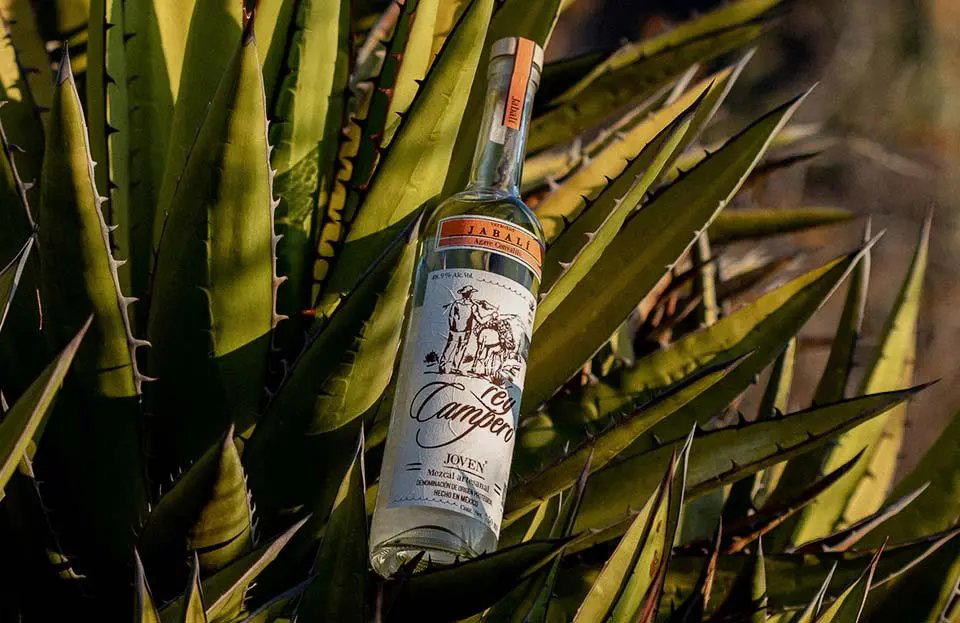

Restaurants in Candelaria Yegolé
Browse all →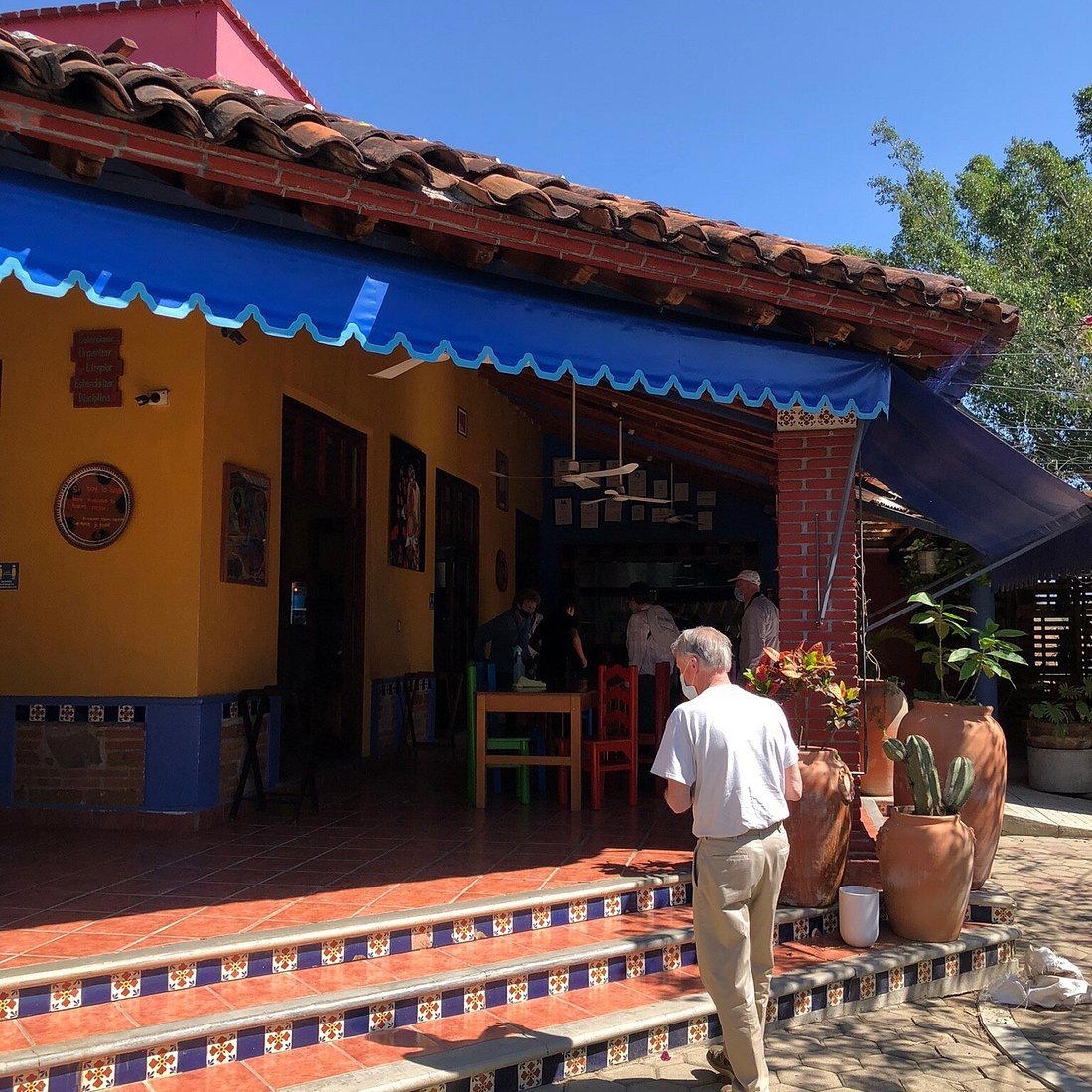
Hotels in Candelaria Yegolé
Browse all →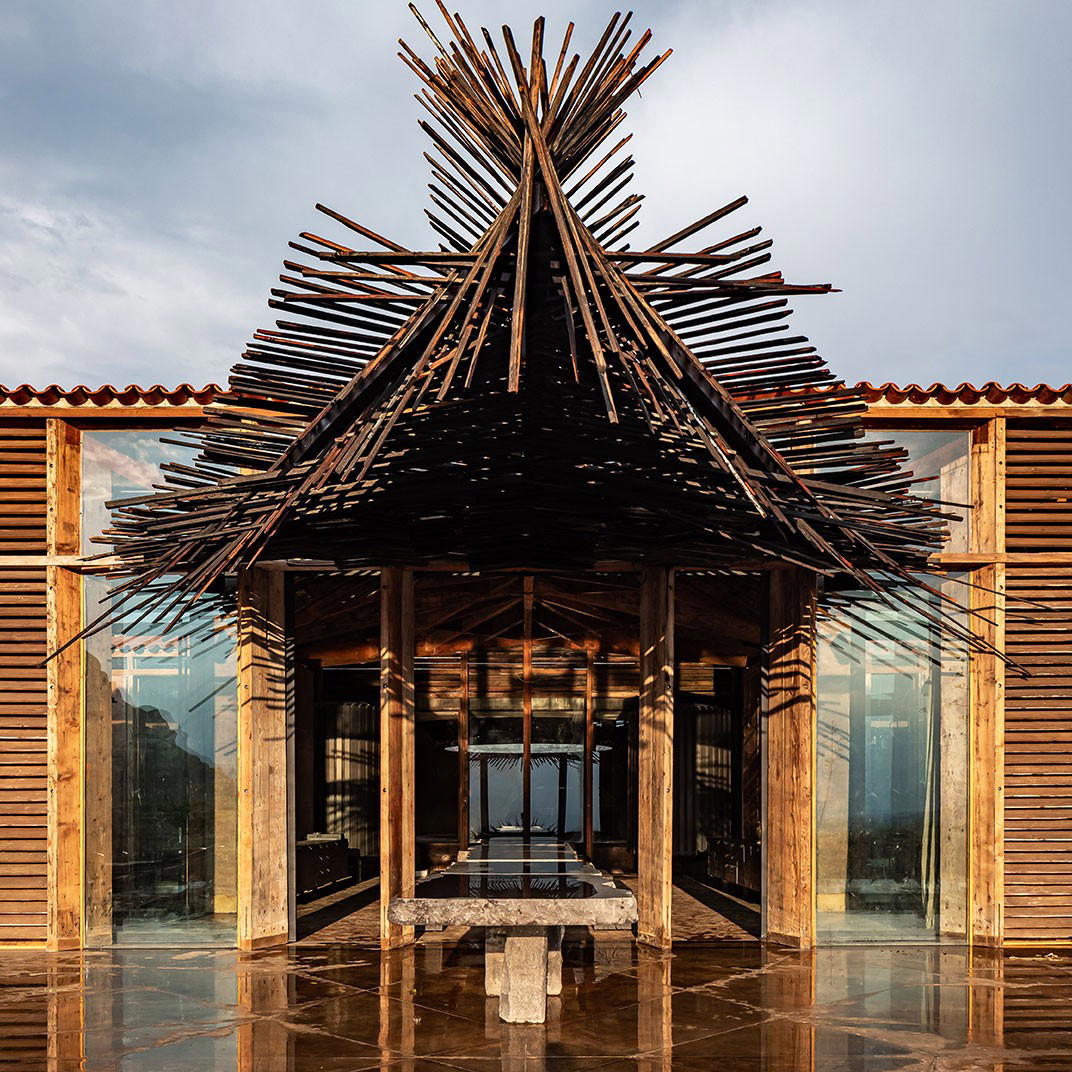
At a Glance
- Rustic
- Intimate
- Wine Education
- Estate Grounds
- Mountain
Remote mountain ranch setting with a focus on artisanal craft and family tradition.