
Falstaff Winery - Listed
A small family-run Alba winery for travellers who want Langhe terroir explained at vineyard scale rather than through trophy labels. Mario Rivetti - Cascina Serre works classic Piedmont varieties on calcareous-clayey hillside soils, with cellar visits that connect Nebbiolo, Barbera, Dolcetto and local truffle culture in a direct, low-formality format.

Pearl is the En Primeur Club membership app — saves, bookings, and concierge access live there. Same editors, same standards.
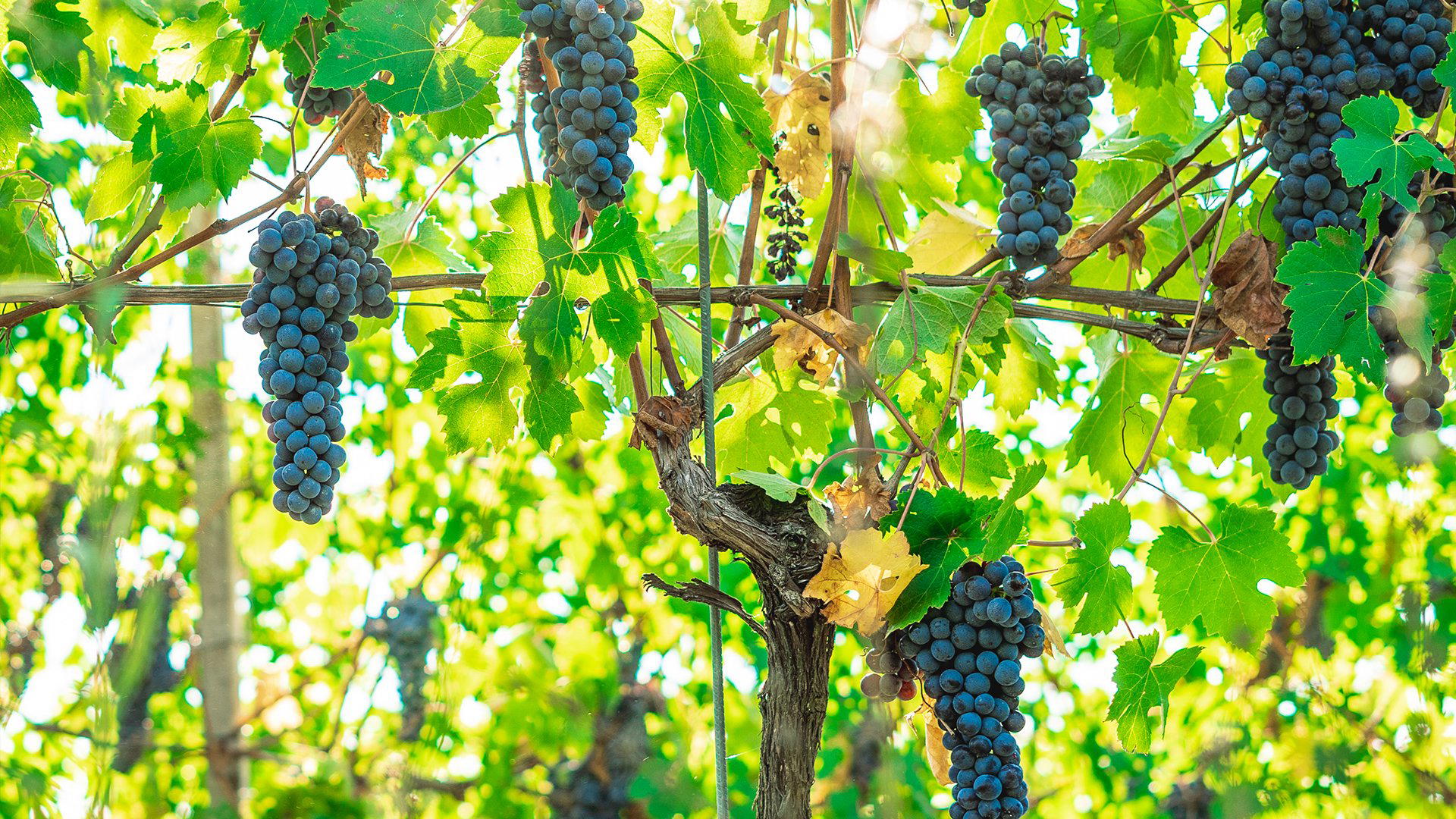
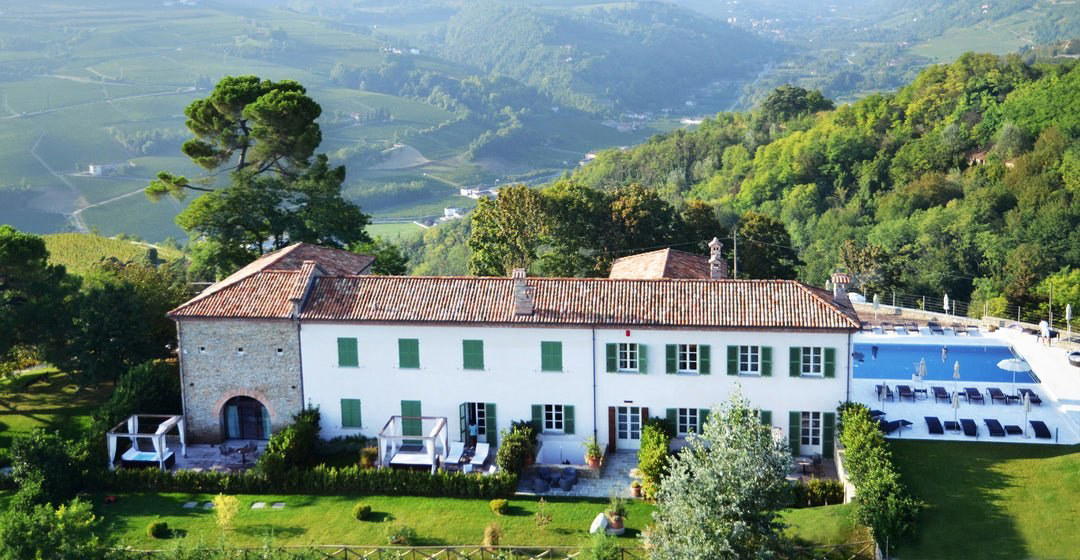
The approach to Alba’s hill wineries changes the conversation before a glass is poured. Vines climb above the town, the Langhe opens toward the Barolo and Barbaresco hills, and the point of a visit becomes less about collecting labels than reading the terrain. Mario Rivetti - Cascina Serre belongs to that smaller register of Piedmont wine tourism: family-managed, close to the vines, and built around the idea that Alba’s agricultural identity is not separated into wine on one side and food culture on the other.
That matters in a region where visitors often arrive with grand appellation names already fixed in mind. Alba sits between those famous zones, but its own role is subtler: a working center for Nebbiolo, Barbera, Dolcetto, truffles, hazelnuts and the restaurants that translate them into daily life. A winery visit here is strongest when it explains why the hill, the soil and the farming choices matter. This estate does that through a compact production story rather than through architectural spectacle or critical-award theatre.
Alba terroir seen through a small family estate
The estate’s useful distinction is scale. Its vineyards sit entirely within Alba, with roughly 10 to 12 hectares under family management and annual production in the range of 30,000 to 40,000 bottles. That puts the visit in a different frame from large-format destination wineries: the visitor can understand the production chain as a single connected system, from nearby rows of vines to cellar, barrel room and tasting table.
The technical foundation is clearly Langhe. Vineyards sit at about 300 to 350 meters above sea level, mostly with southern exposure, on calcareous-clayey soils that include Sant’Agata Marls. In Piedmont, those marly soils are not decorative background; they are part of the region’s grammar, often associated with structure, length and a more measured style of ripening. Here, the argument for the wines starts in the vineyard, not in cellar technique.
Portfolio follows that reading of place. Reds are anchored by Dolcetto d’Alba, Barbera d’Alba and Nebbiolo d’Alba, three varieties that tell different truths about the same territory: Dolcetto as a table-wine tradition, Barbera through acidity and structure, Nebbiolo through tension and age-minded form. Whites widen the picture with Langhe Favorita, Langhe Chardonnay and Moscato d’Asti. The Chardonnay is the clearest sign that the estate is not frozen in folklore, with one expression aged in French oak tonneaux for a year, but the overall center of gravity remains Piedmontese.
Farming practice gives the visit more substance than the usual rural romance. The estate uses integrated pest management, avoids pesticides and herbicides, and treats chemical intervention as a last resort. That is not the same as a certification claim, and it should not be read as one. It is, however, a concrete signal of vineyard stewardship, especially when paired with three generations of family work on the same land.
Vineyard, cellar and truffle culture in one visit
Hospitality in the Langhe can split into two modes: polished tasting-room performance or farm-level explanation. This estate sits closer to the second. The standard visit runs as a vineyard-to-cellar sequence, beginning among the adjacent vines when weather allows, then moving through production spaces, the aging room and a recently built tasting room. The room’s small capacity keeps the experience closer to a hosted conversation than a procession.
That format suits Alba because the region rewards context. A tasting of Dolcetto, Barbera or Nebbiolo gains force when the visitor has just heard how exposure, soil and seasonal decisions affect the fruit before harvest. Cold cuts and cheeses place the wines back into local food practice, which is exactly where many Langhe wines make the clearest sense. This is not a region where wine culture lives only in cellars; it sits at the table, alongside cured meat, cheese, tajarin, mushrooms and truffles.
The truffle-hunting option deepens that connection. Giuseppe, part of the family operation, is a trifulau, and that detail gives the add-on a local logic rather than the feel of a bolt-on tourist package. A wine estate above Alba that can connect vineyard, cellar and black truffle on the plate is speaking the language of the area with unusual clarity: land use, seasonality and hospitality become one subject.
The family leadership also matters, though not as a sentimental origin story. Anna Maria Rivetti and Loredana Rivetti have run the company together with Giuseppe since 2000, and the estate traces its founding to 1968. In a wine region where inheritance, land continuity and generational farming shape the commercial map, that timeline is a credential. It tells the visitor this is a working family cellar, not a lifestyle project constructed around a tasting counter.
How to place it within an Alba itinerary
Mario Rivetti - Cascina Serre is a strong fit for travellers using Alba as a base and looking for a winery visit that explains Langhe fundamentals without turning the afternoon into a trophy hunt. It belongs in an itinerary that pairs wine with restaurants, countryside time and seasonal food traditions rather than a rapid sequence of cellar appointments. The tone is casual, conversational and suited to guests who want to ask agricultural questions, not only photograph a view.
For broader planning around the city, EP Club’s Alba coverage can help connect the cellar visit with the rest of the day: see Our full Alba wineries guide, Our full Alba restaurants guide, Our full Alba hotels guide, Our full Alba bars guide and Our full Alba experiences guide. Other Alba winery pages worth cross-referencing include Adriano Marco & Vittorio, Azienda Agricola Lano Gianluigi, Azienda Agricola Pietro Rinaldi, Azienda Vitivinicola Cascina Casanova and Ceretto.
For travellers building a wider European wine route, the contrast is useful: compare regional formats through 3GP SRL in Treviso, 47 Anno Domini in Trebaseleghe, A Mano Wine in Noci, »der Steiner« Hans Steiner in Podersdorf am See and & Handwein in Mannheim. Alba’s appeal, in that wider context, is how closely wine, farming and the table remain tied together. This estate gives that relationship a compact, legible form.
Recognition history
Dated appearances from independent guides and award organizations, with the underlying list record or original source where available.
Falstaff Winery - Listed
Falstaff
Continue exploring
More in Alba
Wineries in Alba
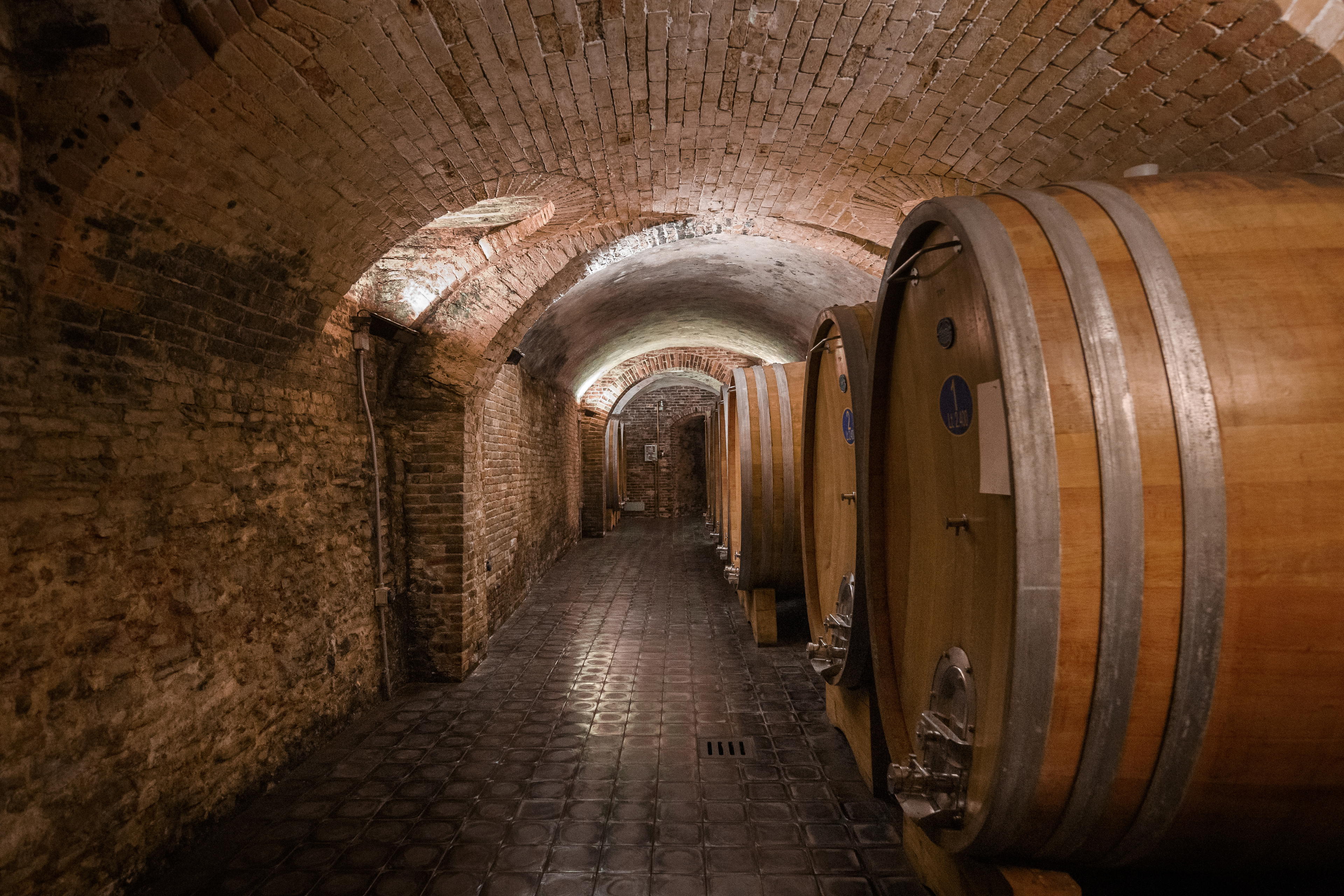
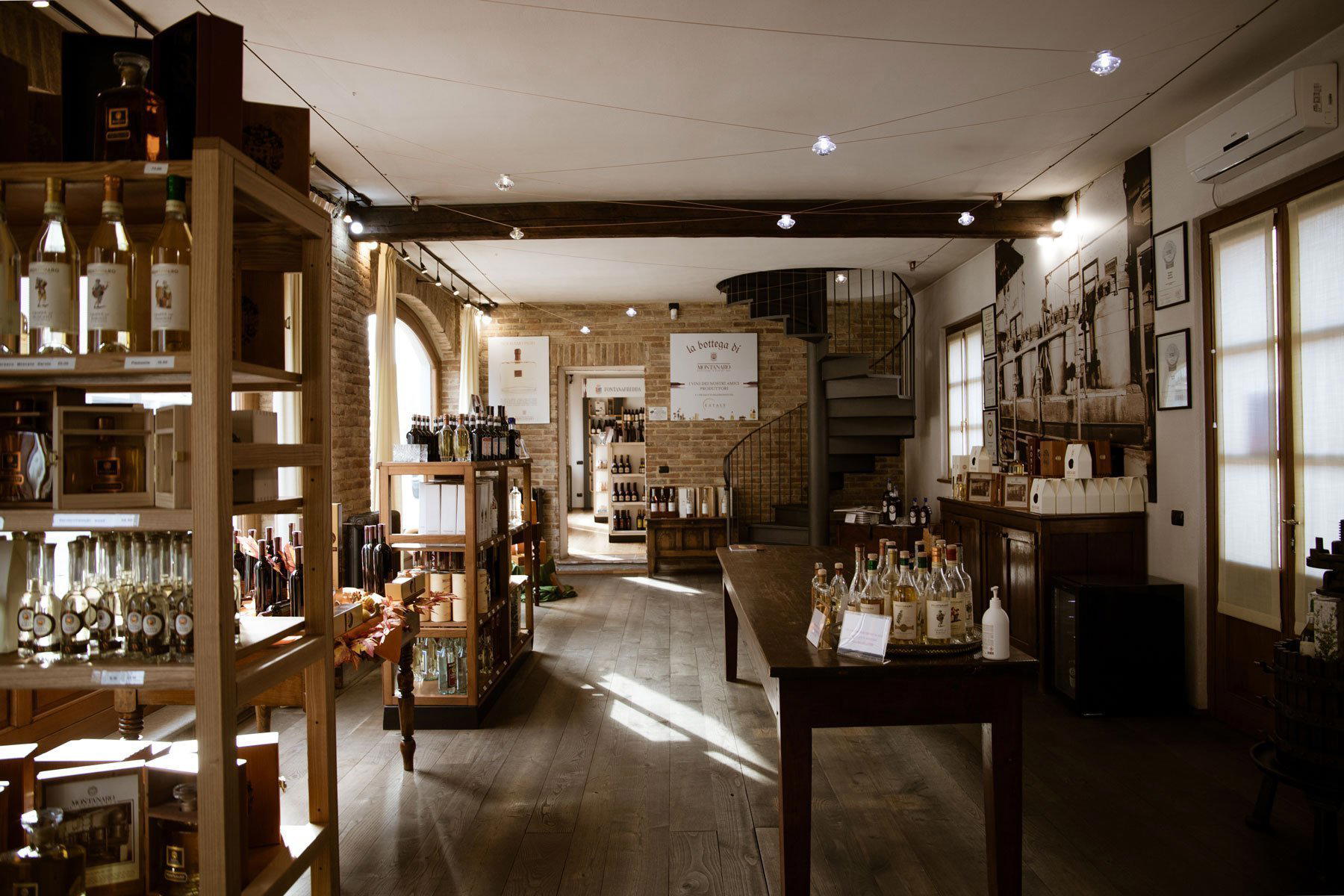
All wineries in Alba →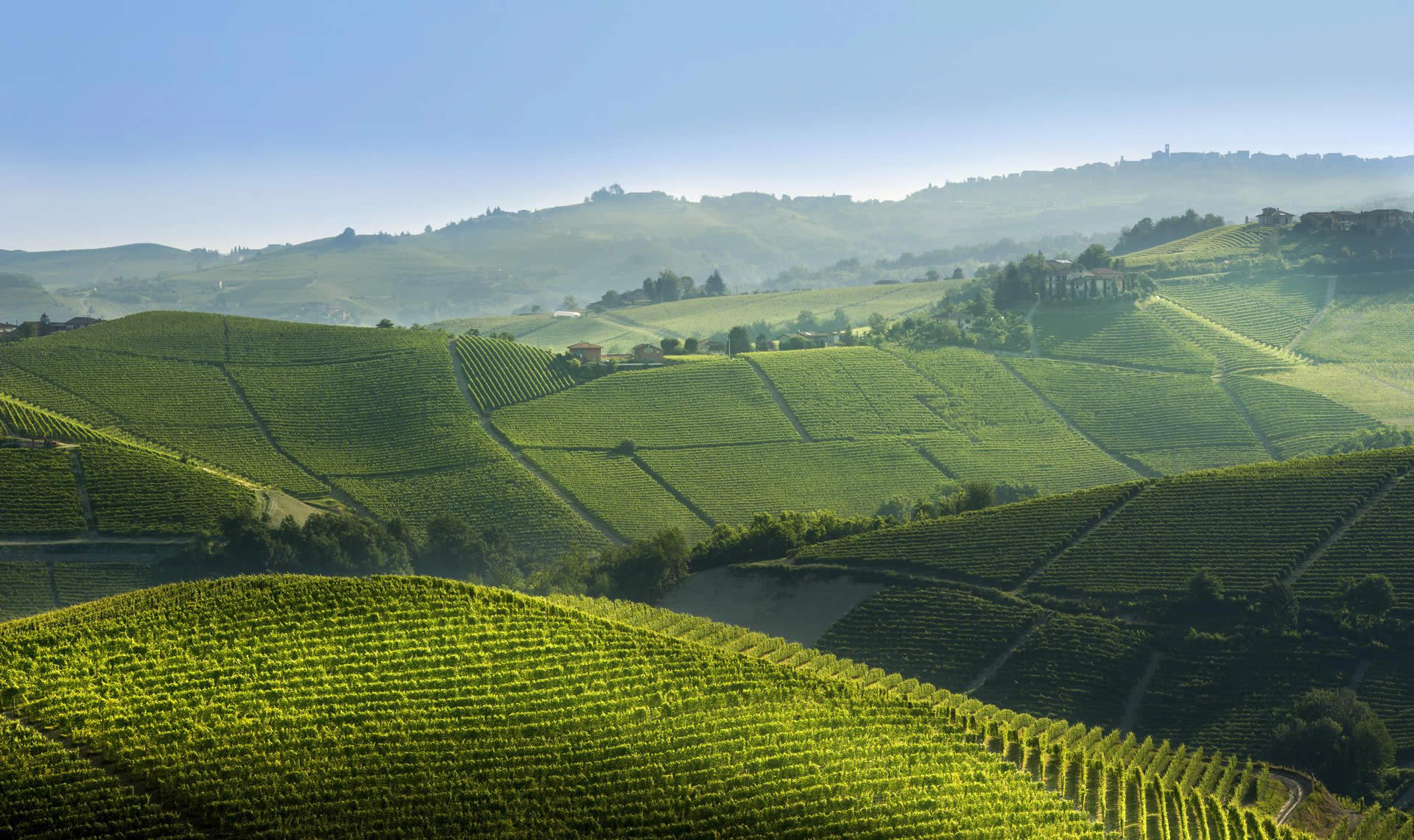
Bars in Alba
All bars in Alba →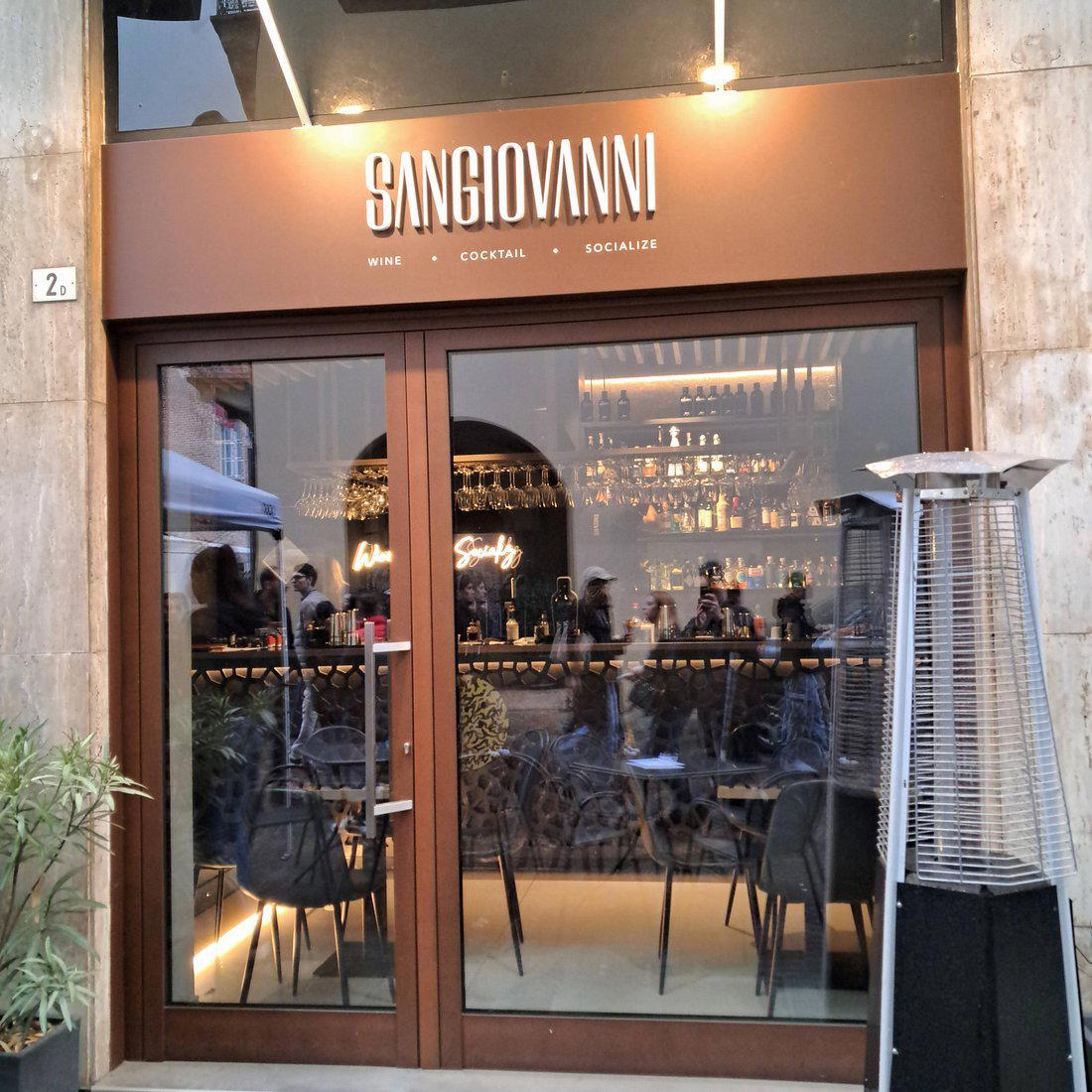
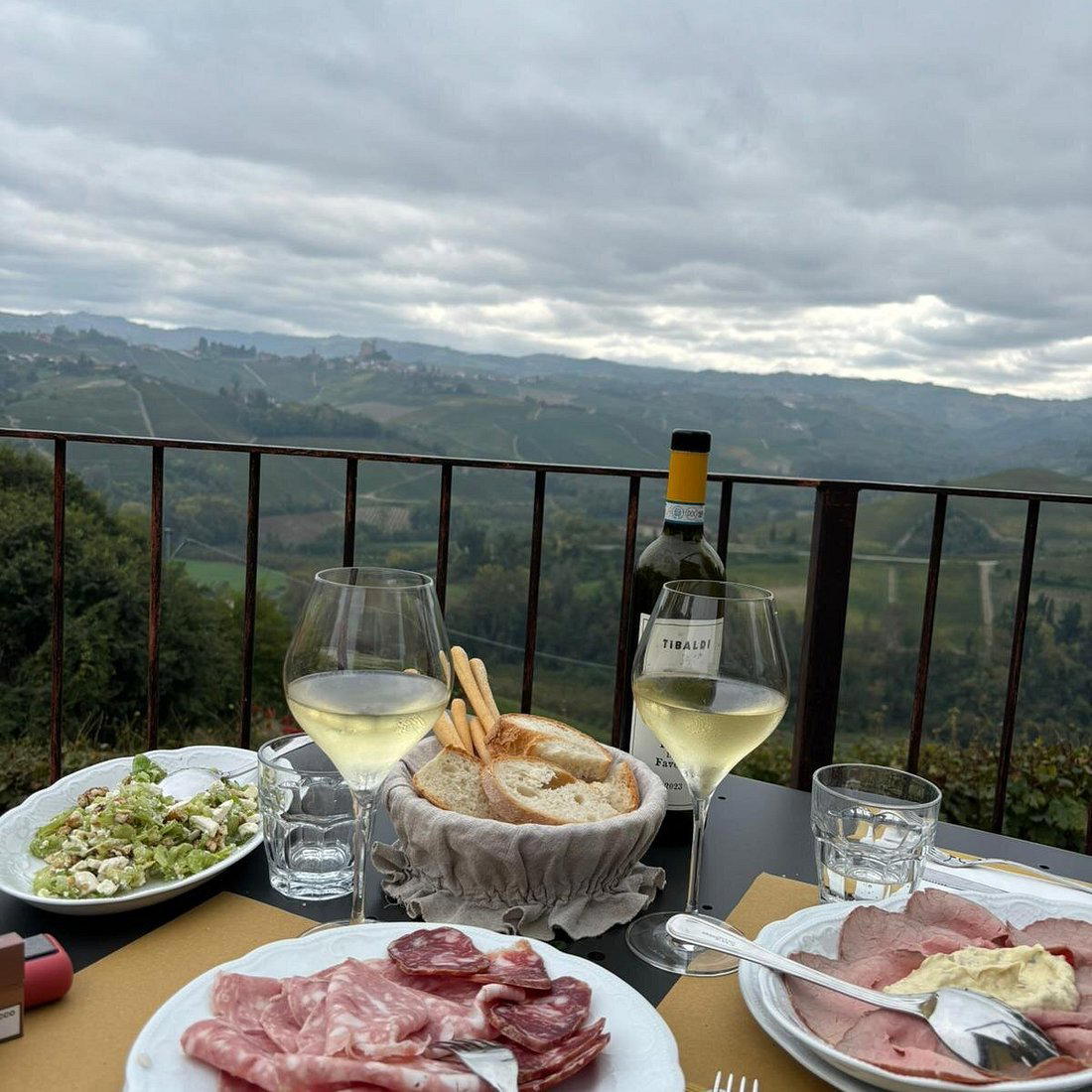
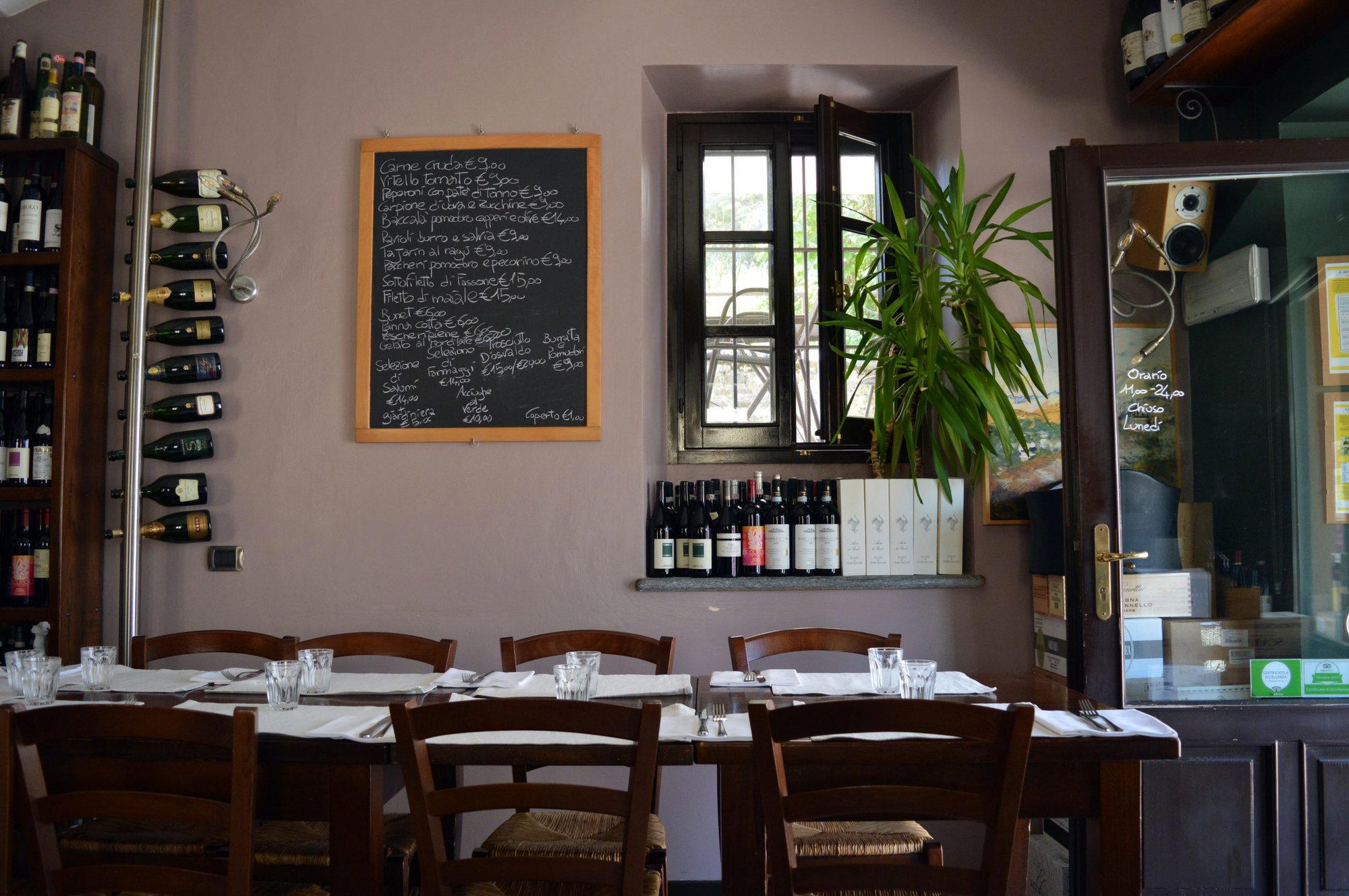
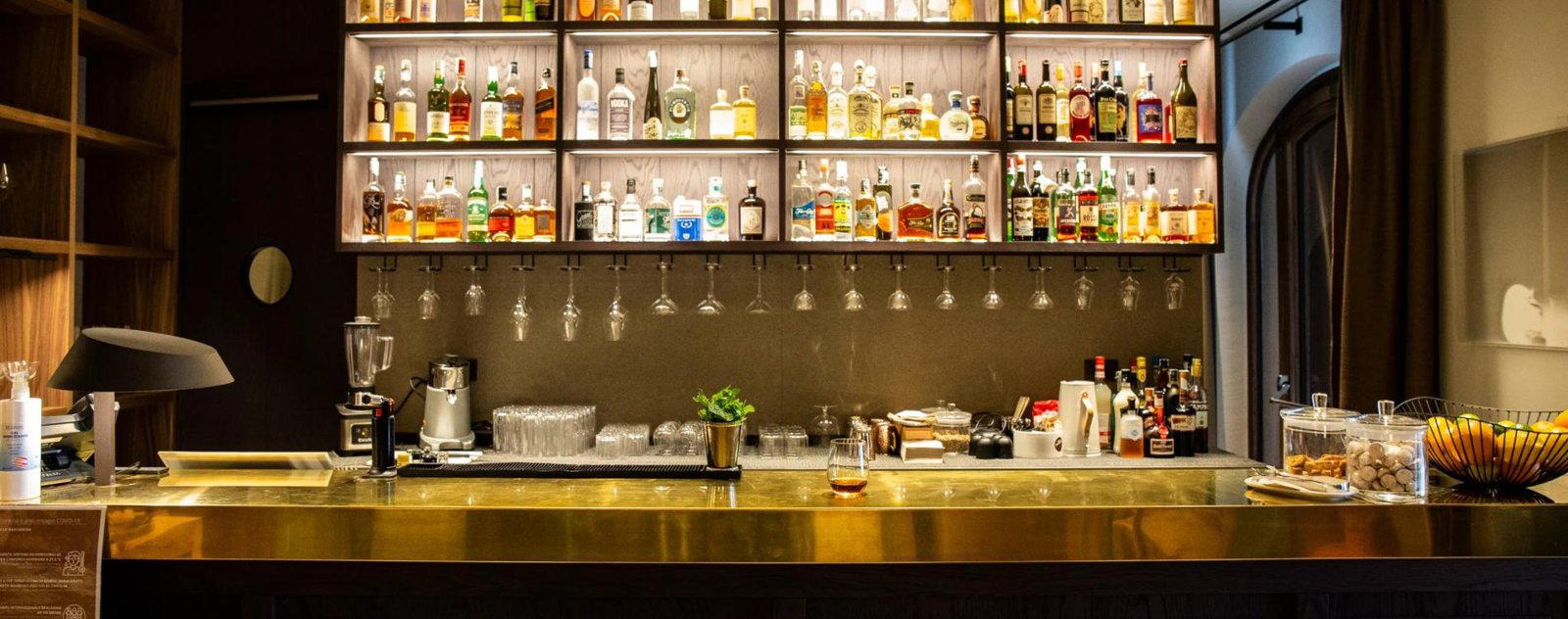
Restaurants in Alba
All restaurants in Alba →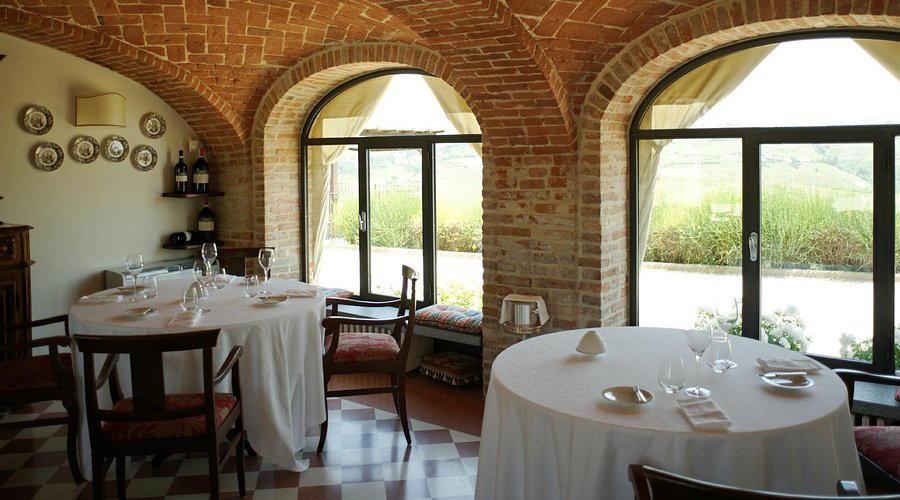
Details
- Scenic
- Cozy
- Rustic
- Intimate
- Classic
- Group Outing
- Romantic Getaway
- Wine Education
- Family
- Special Occasion
- Solo Exploration
- Vineyard Tour
- Estate Grounds
- Panoramic View
- Historic Building
- Private Tasting
- Sustainable
- Vineyard
- Mountain
- Garden
- Nebbiolo
- Barbera
- Dolcetto
- Chardonnay
- Favorita
- Moscato
- Still Red
- Still White
- Dessert
- Standard Tasting
- Premium Tasting
- Vertical Tasting
- Truffle Experience
- Italian
- English
Current opening hours
- Monday
- 9 AM–12 PM, 2–6 PM
- Tuesday
- 9 AM–12 PM, 2–6 PM
- Wednesday
- 9 AM–12 PM, 2–6 PM
- Thursday
- 9 AM–12 PM, 2–6 PM
- Friday
- 9 AM–12 PM, 2–6 PM
- Saturday
- Closed
- Sunday
- Closed
Hours can change for holidays and private events. Last verified .
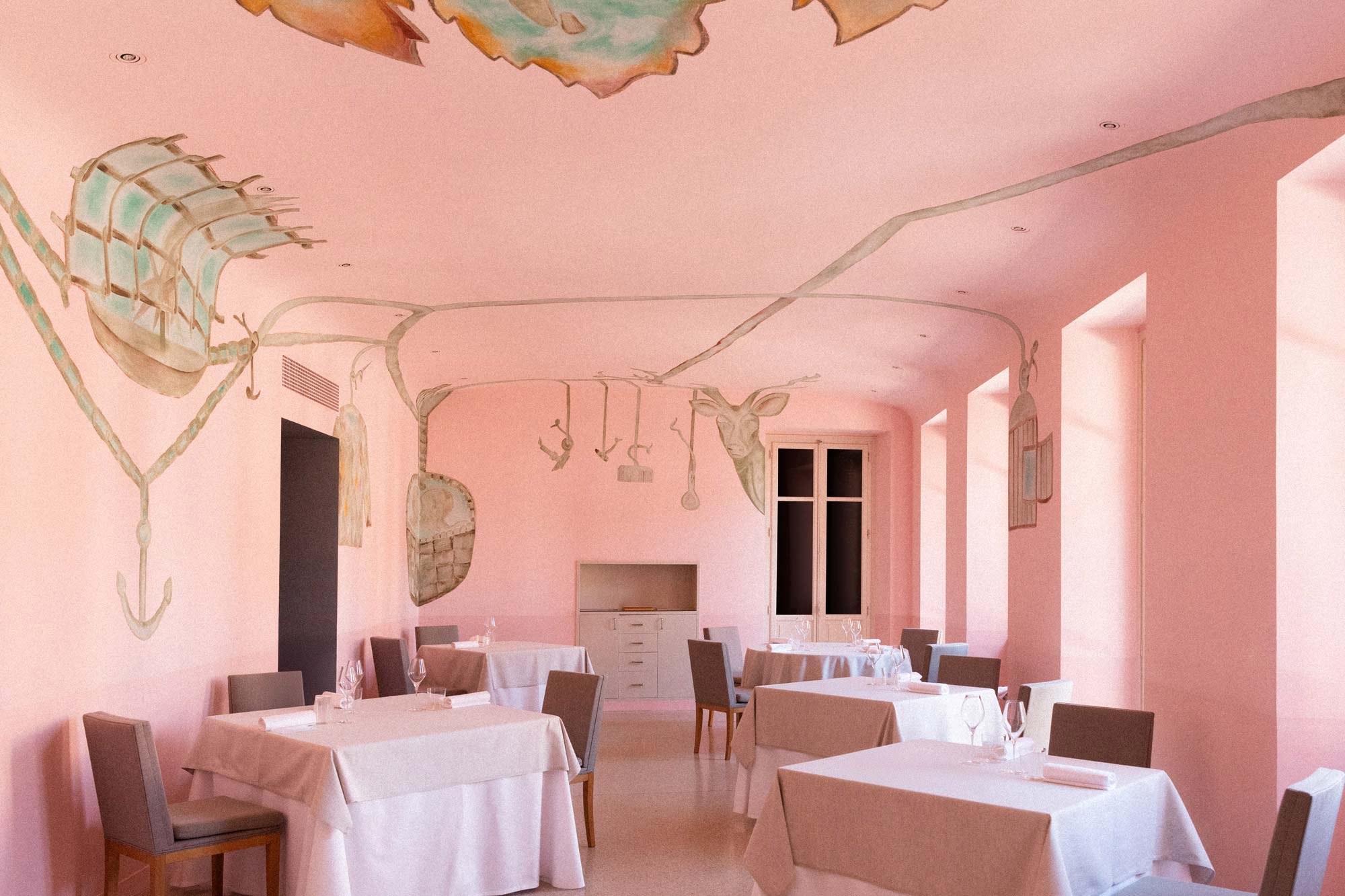
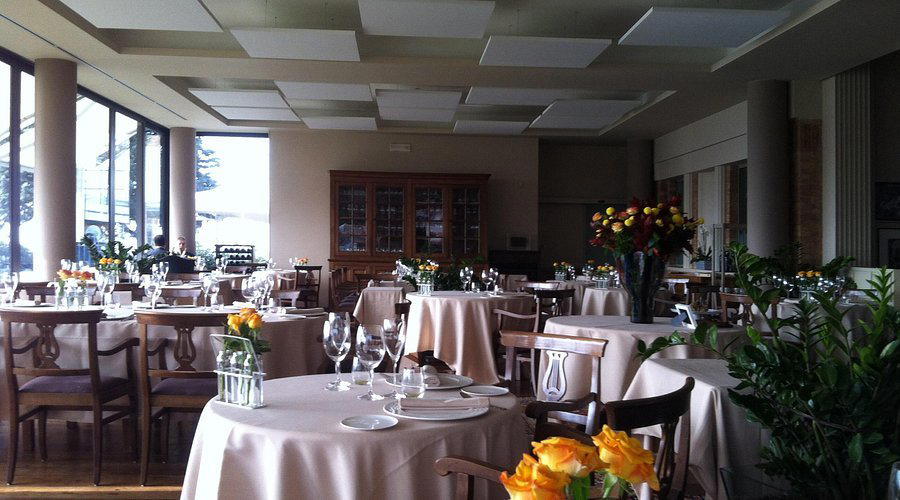
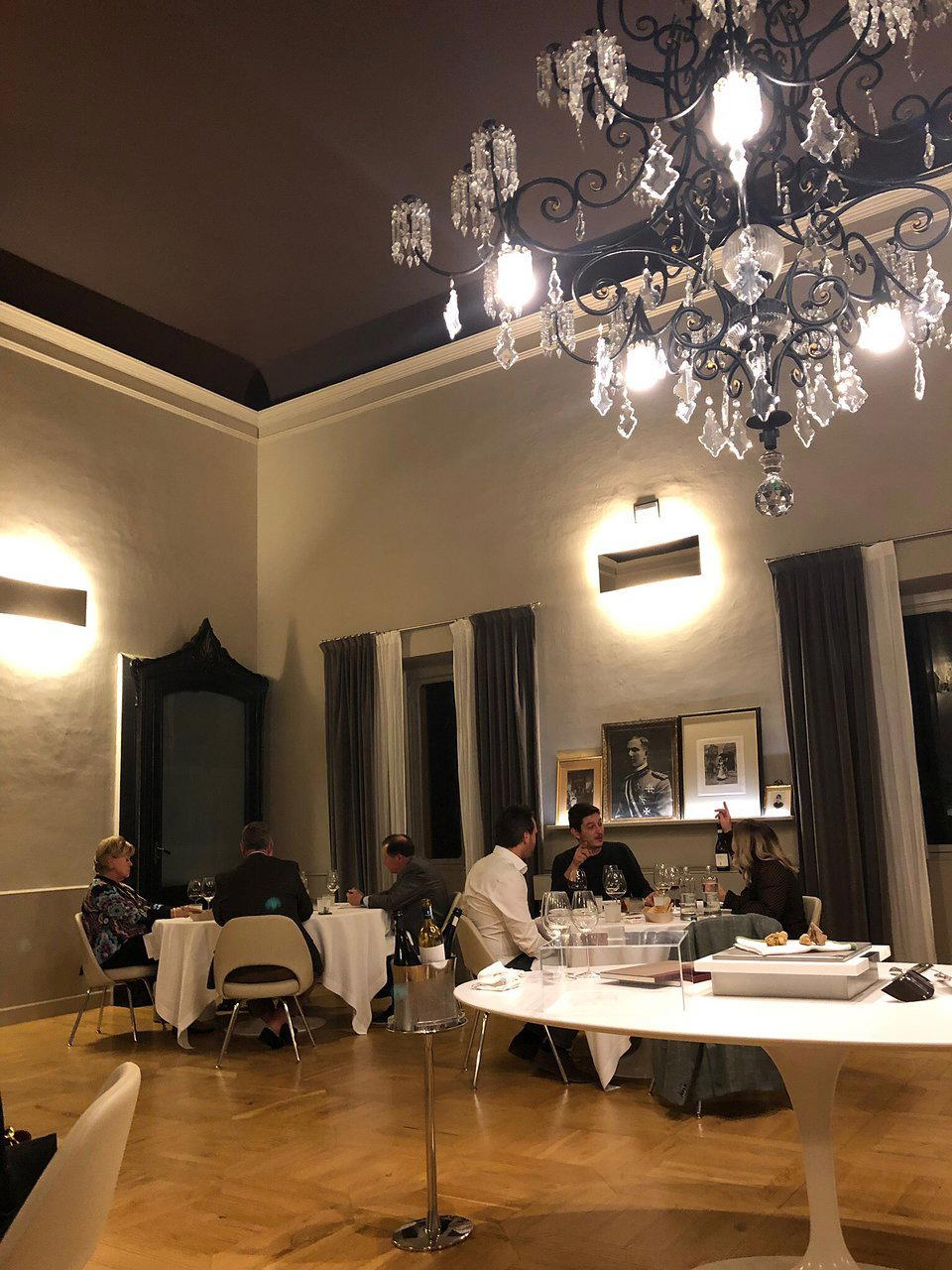
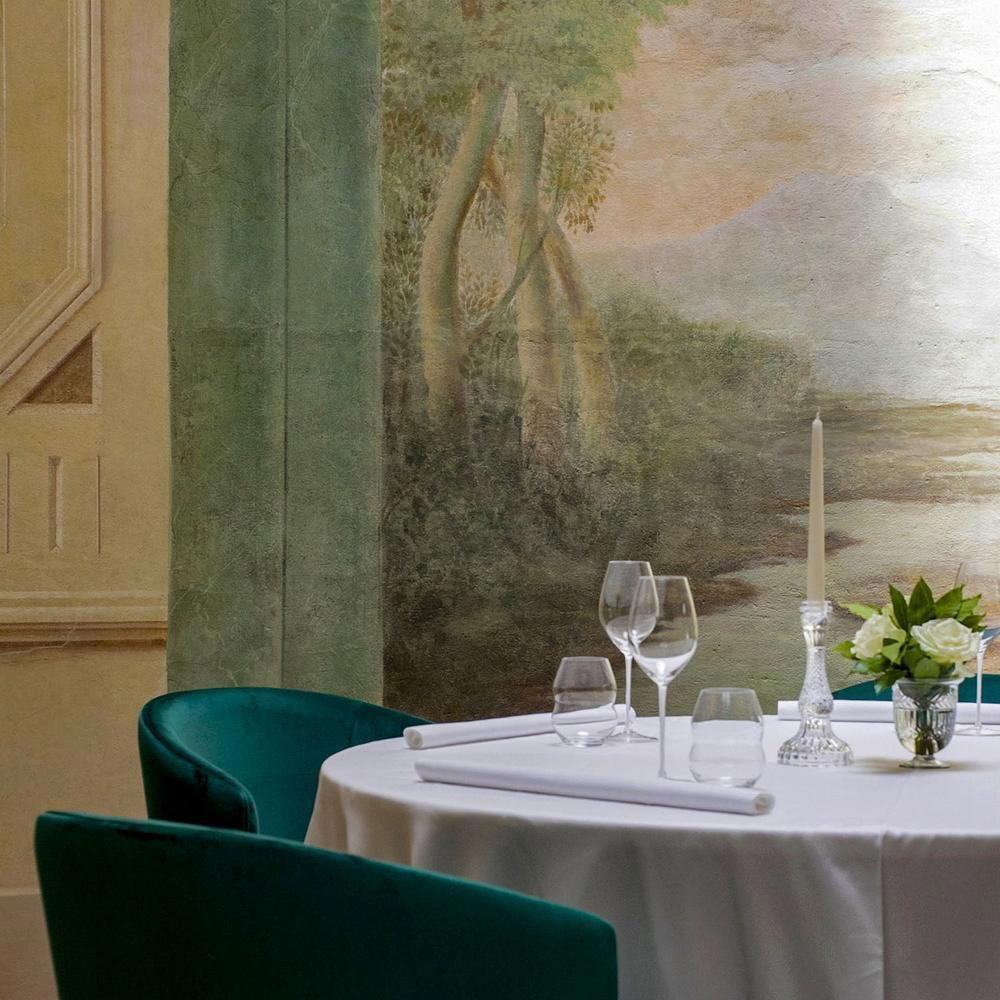
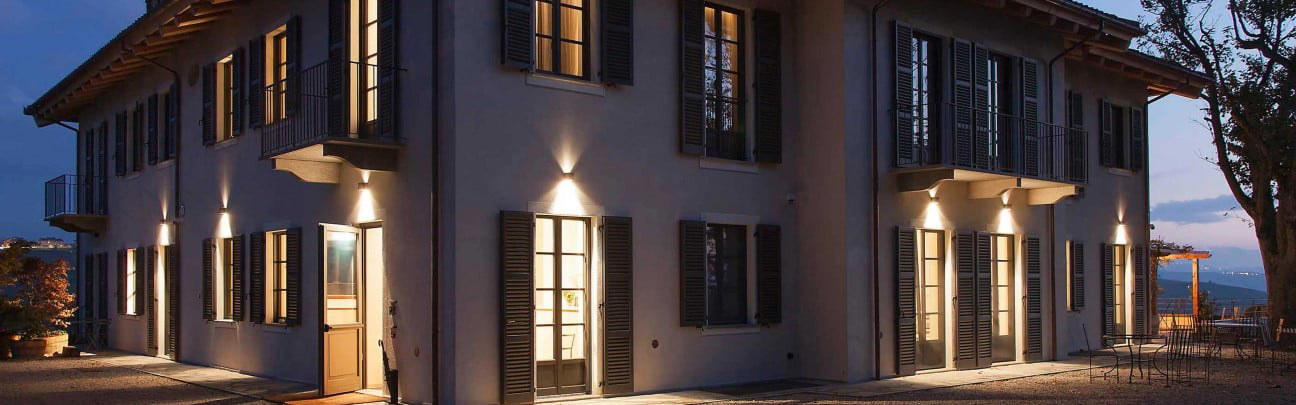
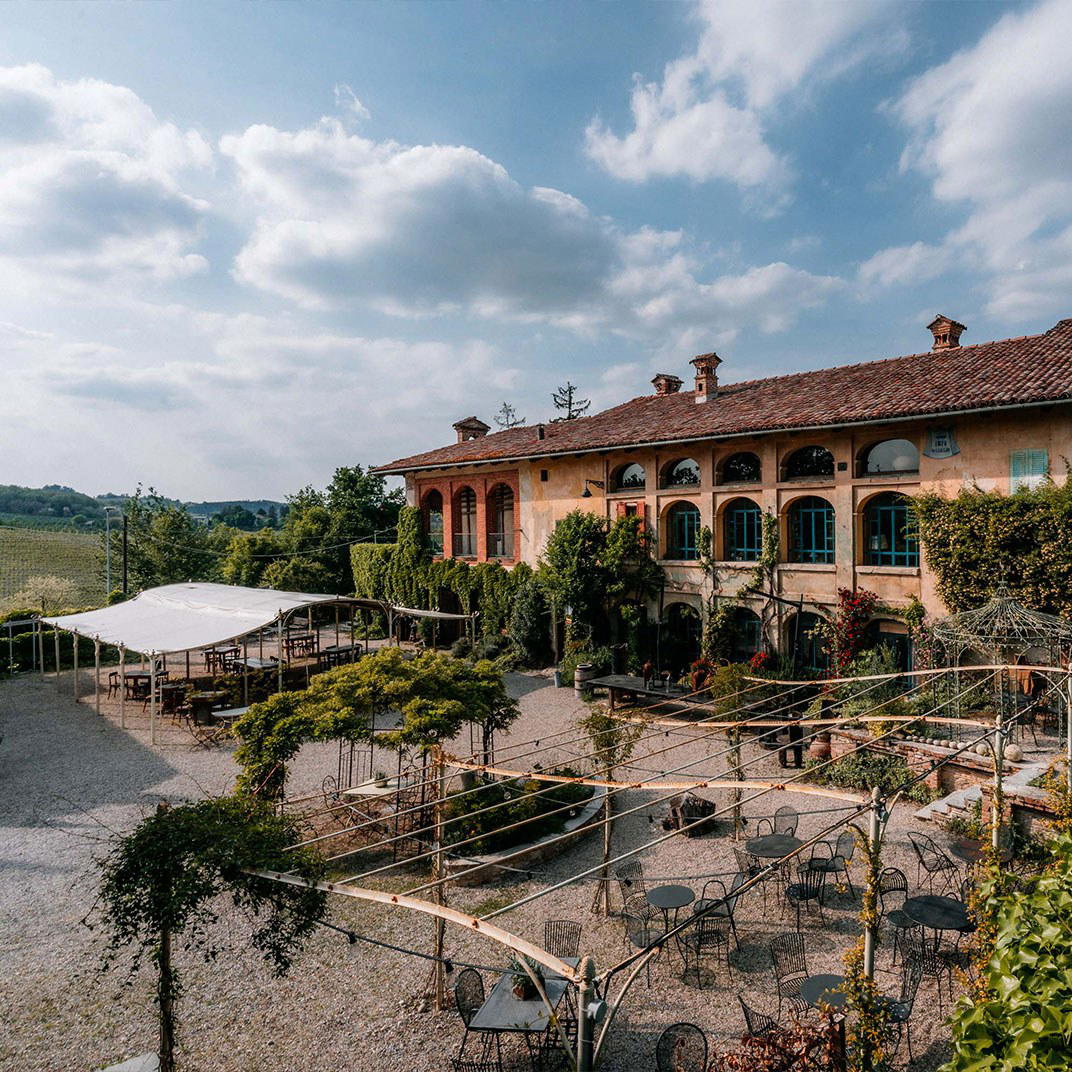
Family-run, welcoming and intimate winery with a simple, genuine atmosphere, panoramic hilltop views over the Alba and Langhe hills, and a recently built tasting room combining traditional cellar charm with a cozy, homelike feel.