Madonna Nera

Madonna Nera is a small Montalcino wine estate in the La Madonna area, built around six hectares of vines, Brunello di Montalcino DOCG, and terrace-led hospitality. The appeal is less about trophy signals than about a compact Tuscan property where Sangiovese, stone architecture, vineyard views, and guided private tastings sit in the same frame.
Pearl is the En Primeur Club membership app — saves, bookings, and concierge access live there. Same editors, same standards.
- Address
- Brunello, Montalcino, SP73/a, La Madonna SI, Italy
- Phone
- +39 348 260 9464
- Website
- madonnanera.it
- Directions
- Get directions
 Saves & bookings on Pearl
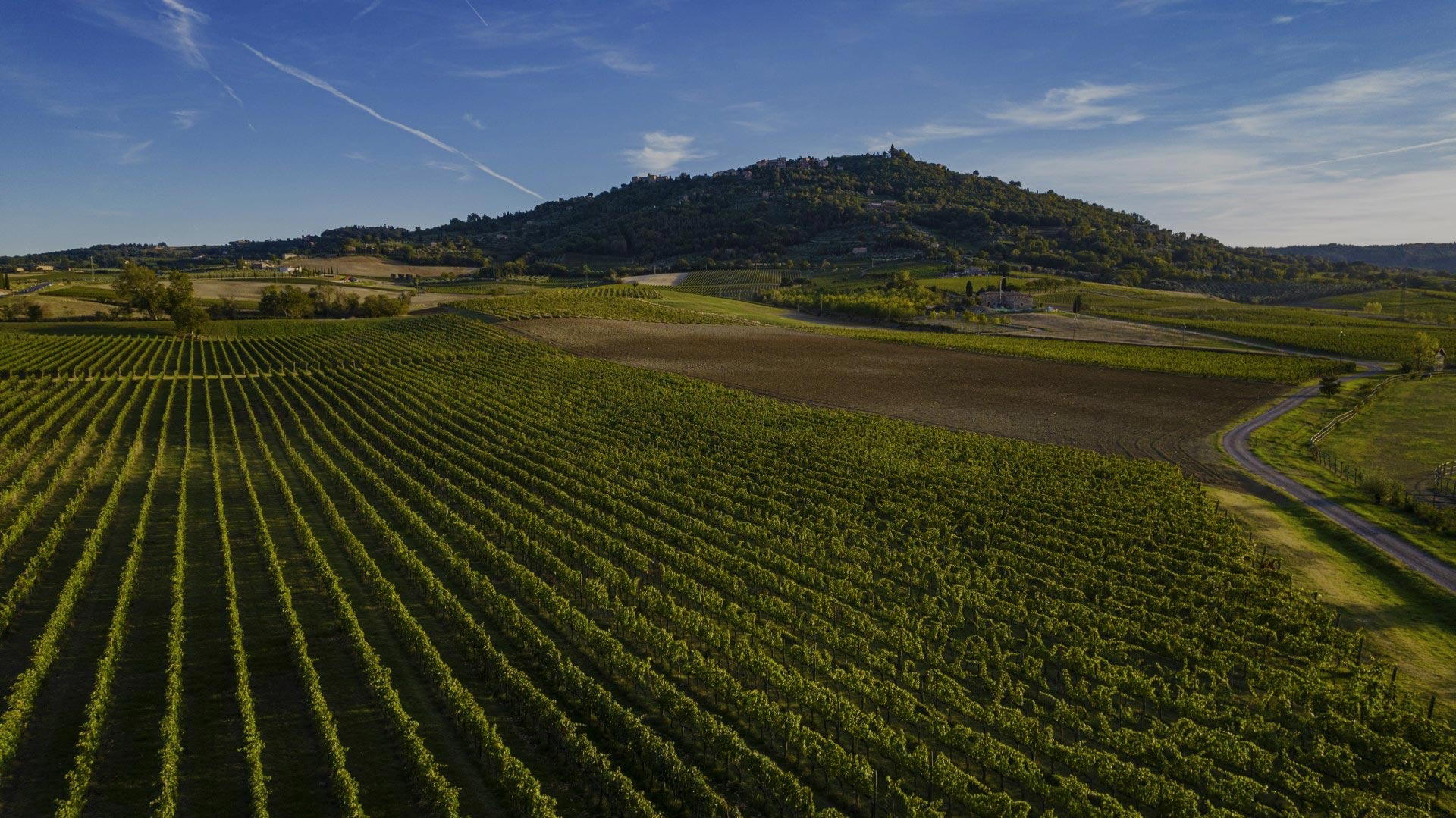
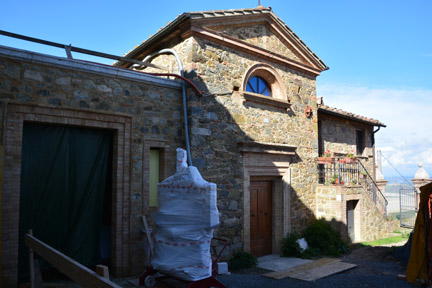
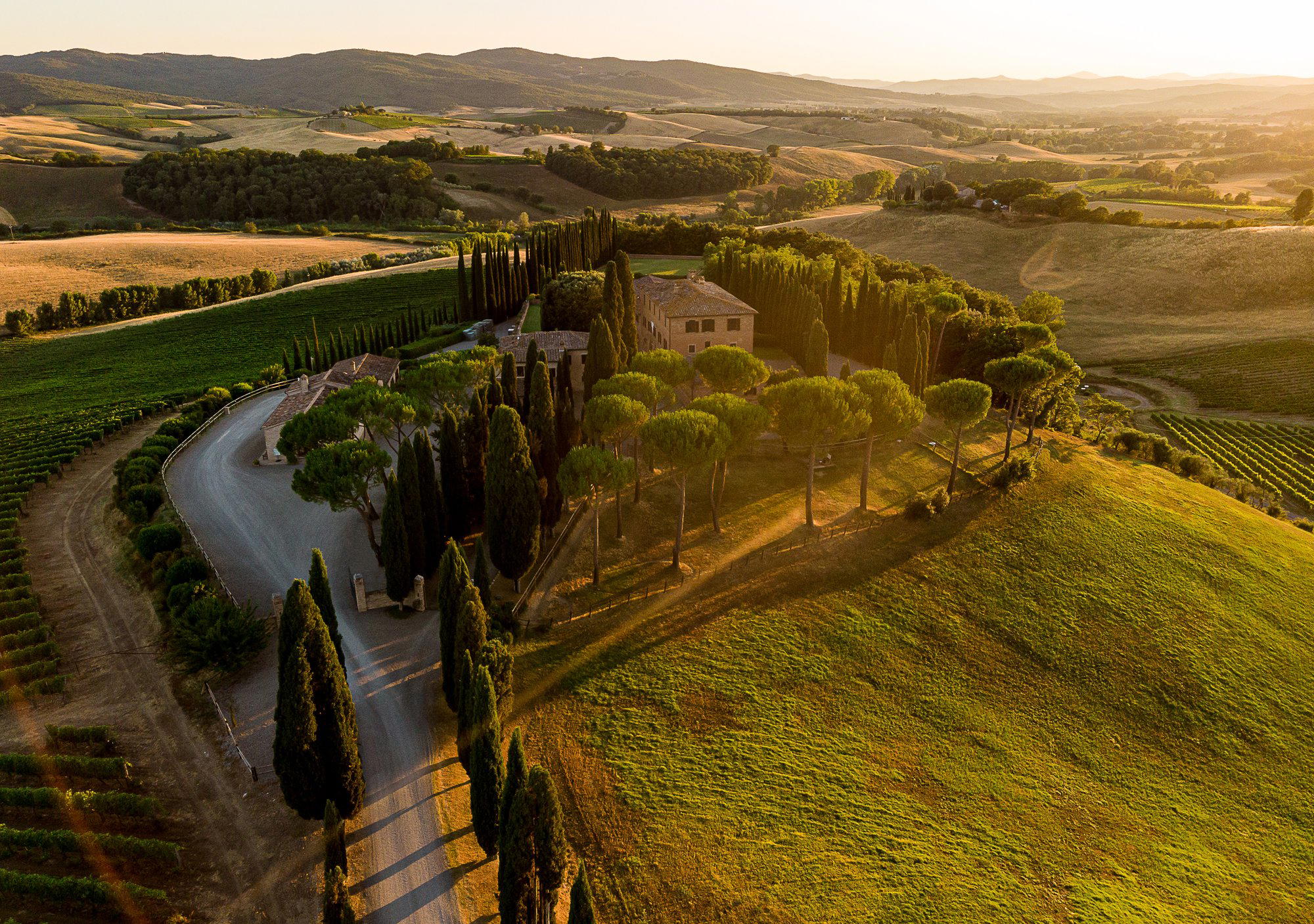
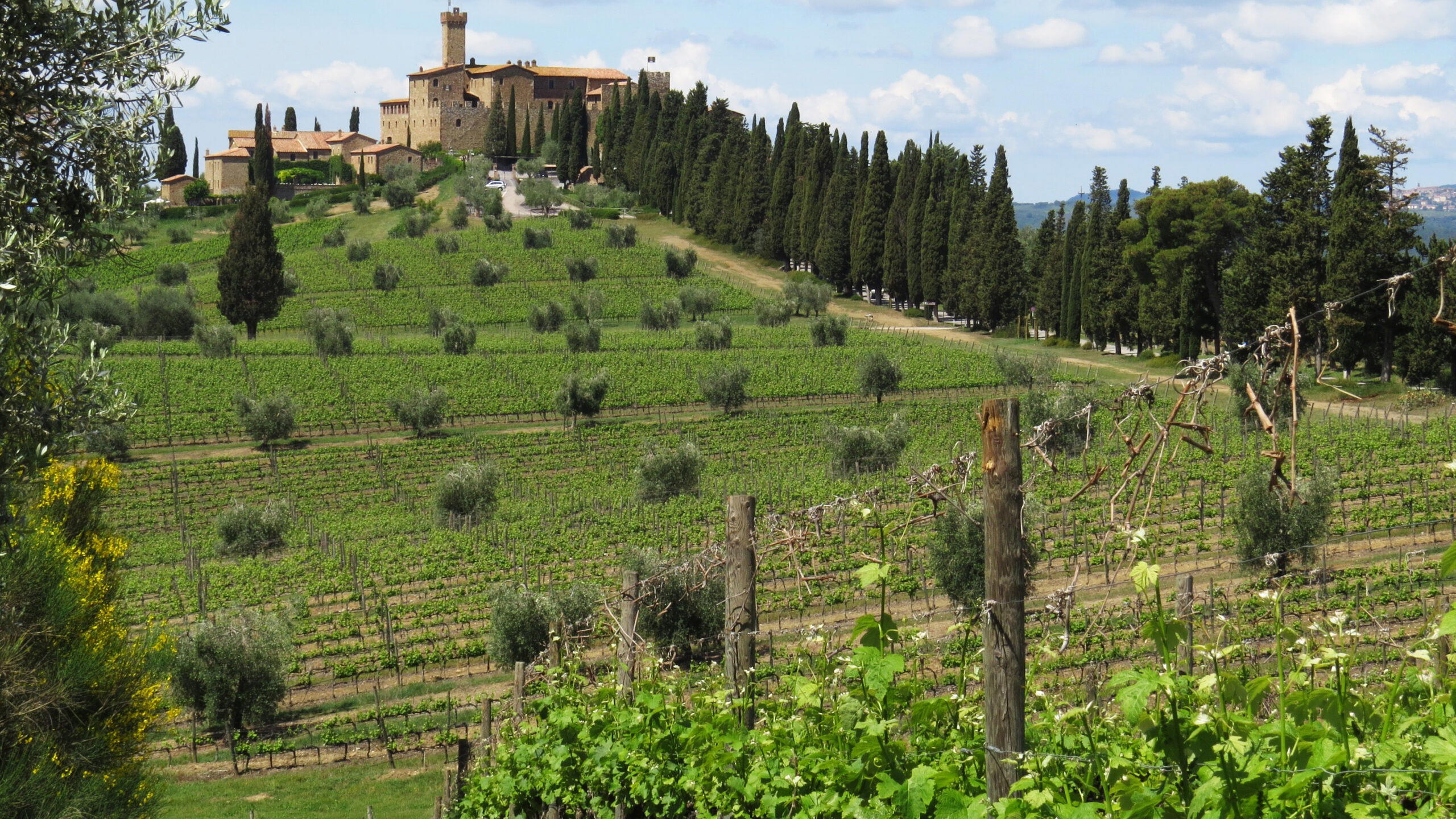
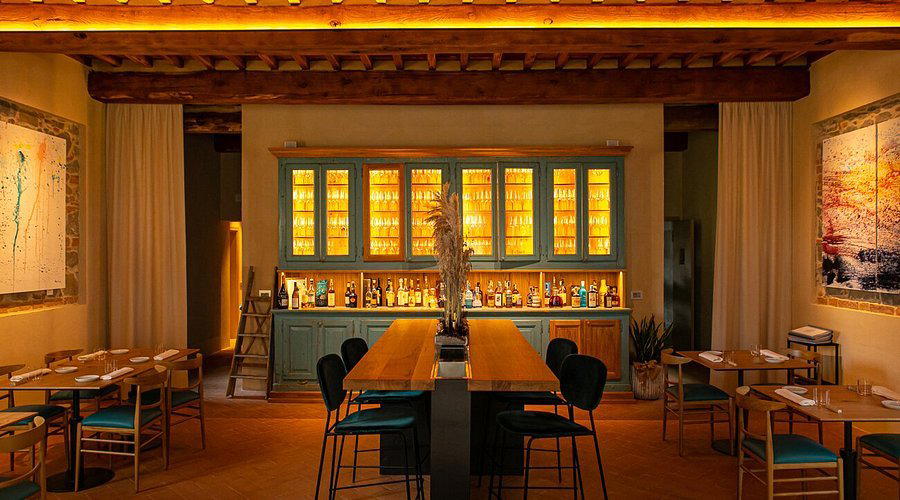
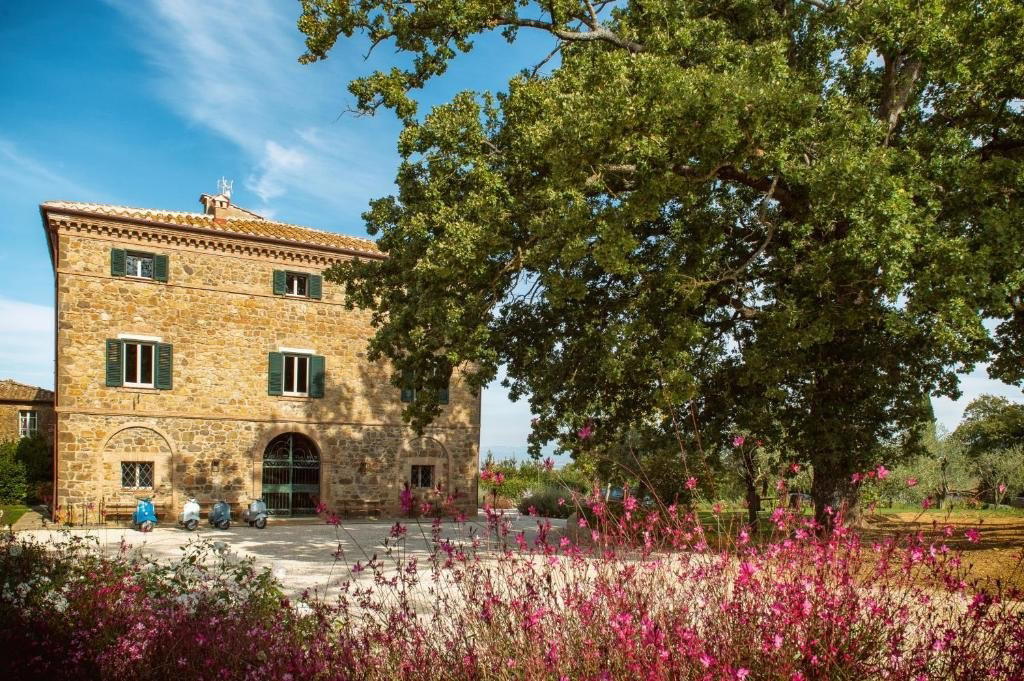
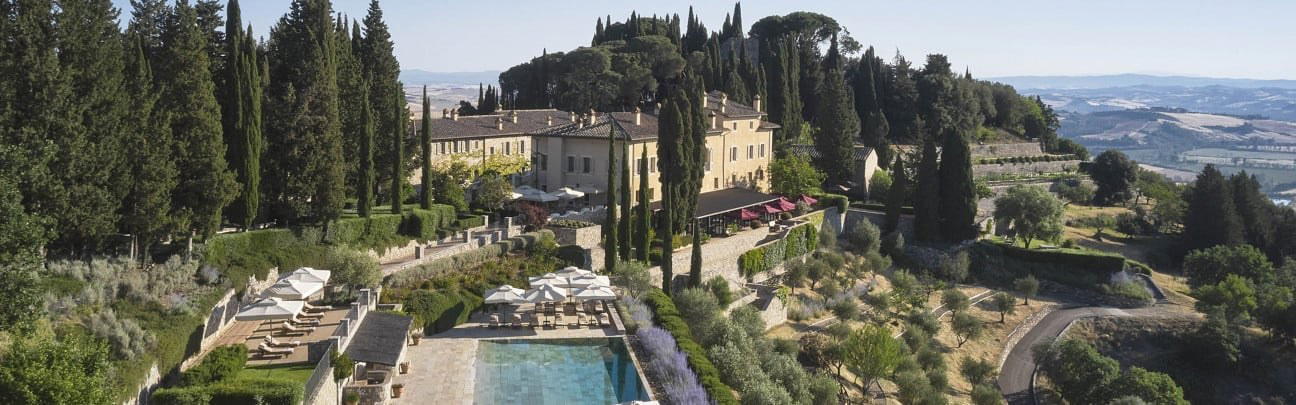
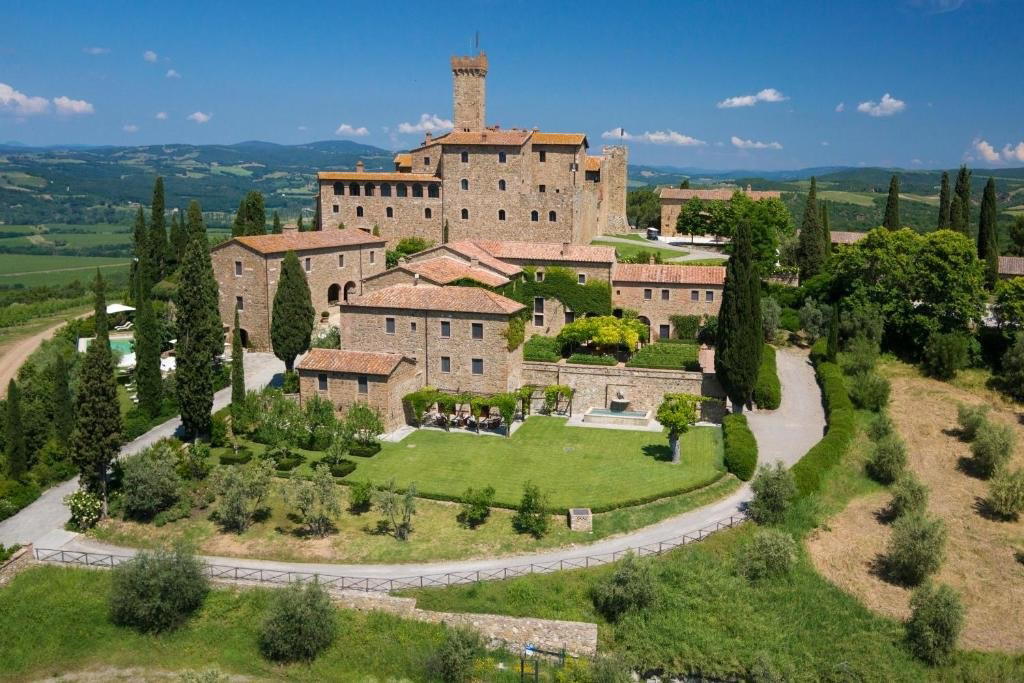
Approaching a small Montalcino estate changes the rhythm of wine travel. The road narrows, the geometry of vine rows takes over, and the winery experience becomes less about the label wall than about the land around it. At Madonna Nera, that setting is unusually legible: six hectares of vineyards in the hilly La Madonna area, olive trees and Mediterranean vegetation around the rows, and three blond-stone buildings anchoring the property, including a main house, an ancient tower, and a tasting annex with a terrace.
Montalcino rewards patience. Brunello di Montalcino DOCG sits at the serious end of Tuscan Sangiovese, while Rosso di Montalcino often gives the earlier, more direct read on a producer’s hand. Madonna Nera works inside that ladder rather than trying to escape it. The estate has two hectares in the Abbey of Sant’Antimo area dedicated to Brunello production, and its portfolio includes Rosso di Montalcino from Sangiovese. That is the useful starting point: this is a small-scale Montalcino address shaped by appellation discipline, not a broad regional brand chasing every Tuscan category.
A terrace-led reading of Montalcino Sangiovese
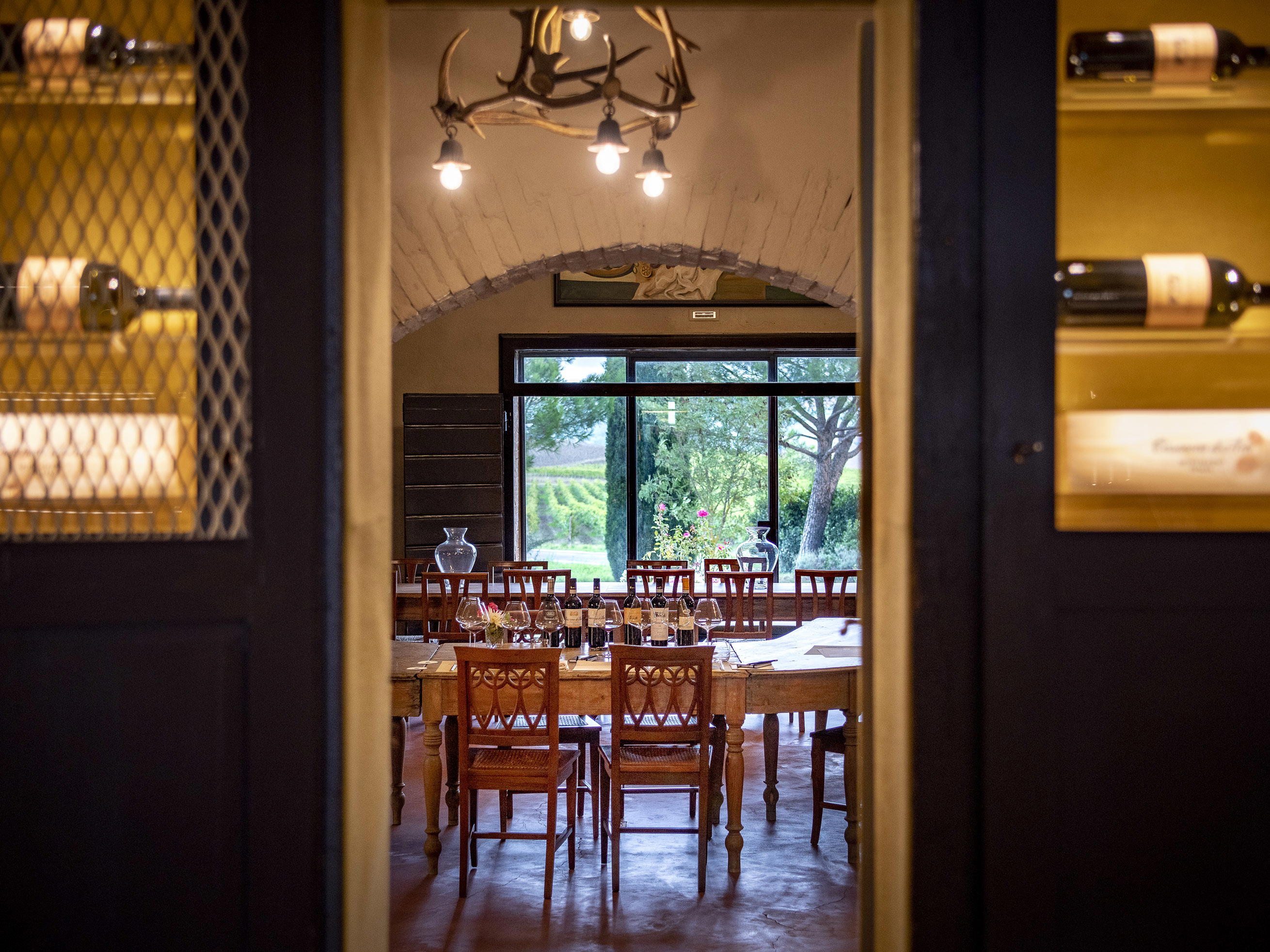
The stronger modern wineries in Tuscany understand that wine tourism is no longer a side room with a pour. The visit has become a way of explaining site, scale, and intent. Madonna Nera fits that shift through architecture and format: the tasting room and large terrace put the estate grounds, vineyard rows, and stone buildings into the same line of sight as the glass. For travelers who care about how Brunello country looks and behaves beyond the town’s enoteche, that matters.
The wine focus is firmly red. Sangiovese is the defining grape, with Merlot and Cabernet Sauvignon also listed among the estate’s varietals. The working emphasis, though, remains Montalcino’s core dialect: still red wines, Brunello di Montalcino DOCG, and Rosso di Montalcino as the more immediate expression. The estate opened in 2006, which places it among the newer generation of Montalcino producers rather than the old family dynasties. In a region where age and inheritance often dominate the conversation, a younger farm has to make its case through site clarity, hospitality discipline, and recognizable appellation focus.
Winemaker Benedetta Borgogni gives the estate its human center, but the more interesting editorial point is what that role represents in Montalcino now. The region is crowded with inherited reputations, consultant-led polish, and visitor-facing luxury. A small production estate has less room for abstraction. The philosophy here is stated as sustainable and traditional in spirit, and the physical cues support that direction: rose-marked vine rows, a compact vineyard footprint, quiet grounds, and a tasting format that keeps the guest close to the estate rather than moving the experience into a generic room.
Small-estate hospitality, not cellar-door volume
The format is intimate by design. The winery operates as an appointment-only winery with private and guided tastings, vineyard-tour elements, estate grounds, historic buildings, and outdoor terrace seating as part of the experience. The tour duration is listed at 60 to 90 minutes, which is enough time for a focused explanation of place without turning the visit into a half-day program. The mood is quiet, casual in dress, and better suited to adults than children; food pairing is not part of the listed offering.
This matters because Montalcino can be consumed too quickly. Many visitors arrive with Brunello as a checklist term, move from tasting room to tasting room, and leave with vintage notes but little sense of agricultural scale. A six-hectare estate corrects that. The visitor reads the property at walking speed: vineyard, garden, tower, terrace, glass. The absence of a sprawling hospitality apparatus is part of the appeal for travelers who prefer a direct encounter with a small producer over a more choreographed estate production.
There are no listed awards attached to the winery, so its trust signals sit elsewhere: Brunello di Montalcino DOCG, the Sant’Antimo-area vineyard holding, the 2006 opening year, a named winemaker, and a defined appointment-only format. In Montalcino, that is enough to position the estate as a serious small stop, especially for visitors building a day around site rather than critic scores. The price level sits in the premium range, but the experience is less about spectacle than orientation: how a compact Tuscan estate frames Sangiovese through terrain, architecture, and controlled hospitality.
Where it fits into a Montalcino wine itinerary
The winery is a good fit when the day needs one quiet, estate-grounded tasting rather than another high-volume cellar stop. It works especially well for wine education, a special occasion, a romantic getaway, or a small group outing, provided the group wants a guided private format and is comfortable planning ahead. The terrace and vineyard setting also make it a natural counterpoint to time spent in town over lunch or dinner; for broader planning, EP Club’s local guides cover Montalcino restaurants, Montalcino hotels, Montalcino bars, Montalcino wineries, and Montalcino experiences.
Travelers comparing winery styles across the area can also look at other Montalcino producer pages, including Aglieta Roberto, Agostina Pieri, Agricola Poggio Rubino, Aisna, and Altesino. For wider wine-country planning beyond Tuscany, EP Club also tracks producers such as 3GP SRL in Treviso, 47 Anno Domini in Trebaseleghe, A Mano Wine in Noci, »der Steiner« Hans Steiner in Podersdorf am See, and & Handwein in Mannheim.
Recognition history
Dated appearances from independent guides and award organizations, with the underlying list record or original source where available.
Falstaff Winery - Listed
Falstaff
Continue exploring
More in Montalcino
Wineries in Montalcino
Browse all →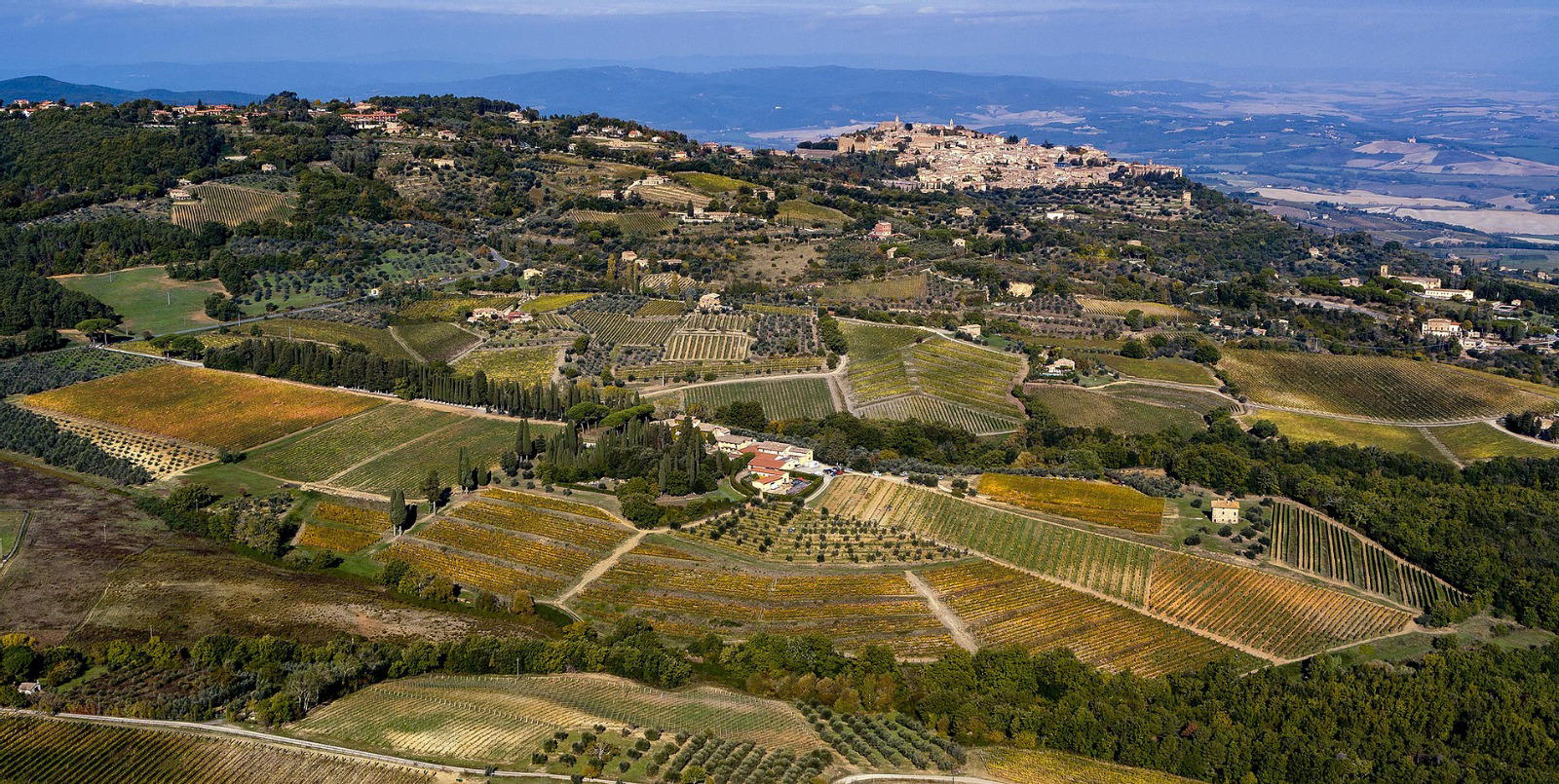
Bars in Montalcino
Browse all →
Restaurants in Montalcino
Browse all →
At a Glance
- Scenic
- Rustic
- Intimate
- Classic
- Elegant
- Wine Education
- Special Occasion
- Romantic Getaway
- Group Outing
- Vineyard Tour
- Estate Grounds
- Terrace
- Historic Building
- Design Destination
- Private Tasting
- Sustainable
- Vineyard
- Garden
- Brunello Di Montalcino DOCG
- Sangiovese
- Merlot
- Cabernet Sauvignon
- Still Red
- Private Tasting
- Guided Tasting
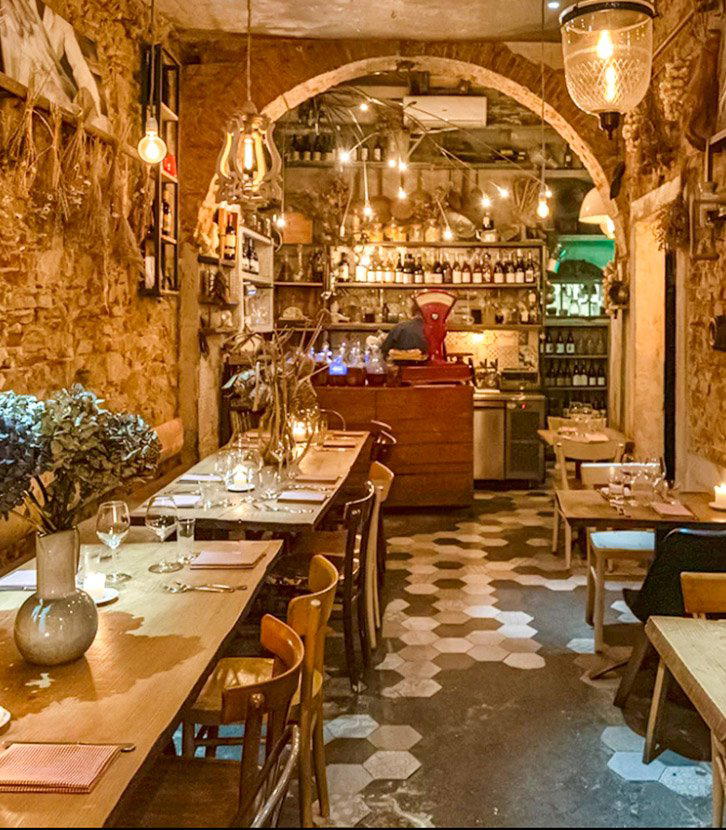
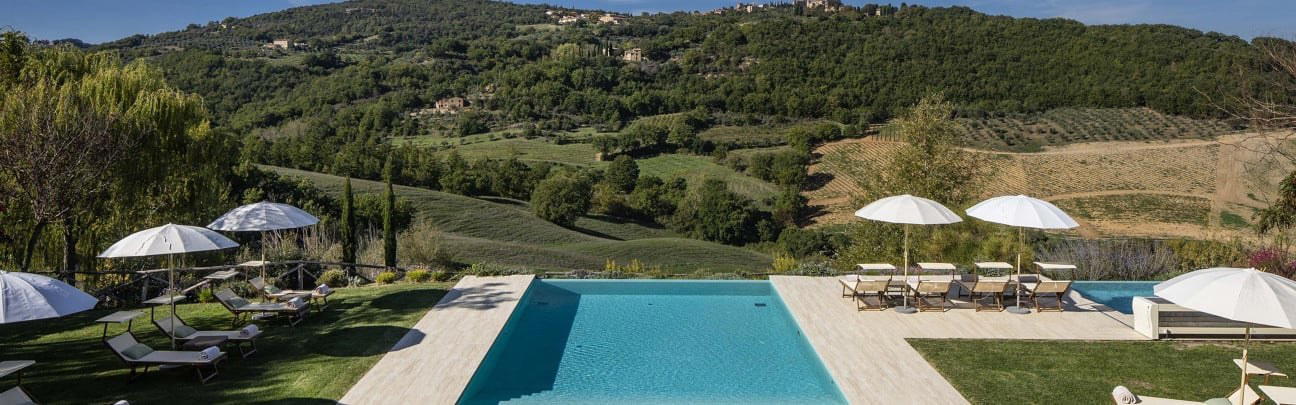
An enchanted, scenic Tuscan estate with hilly vineyard surroundings, olive trees, Mediterranean vegetation, and a large terrace used for wine tasting.