
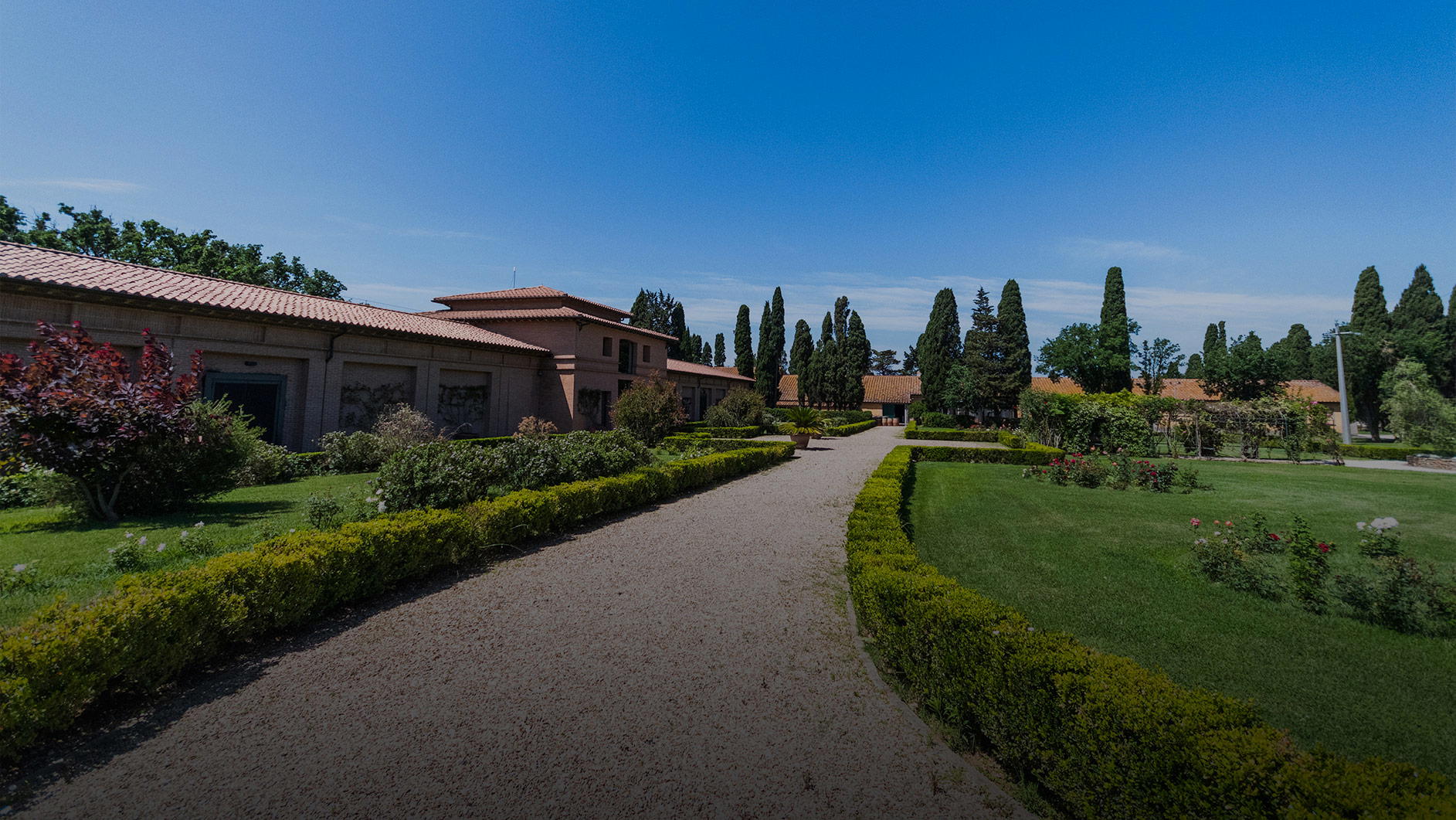
Le Macchiole sits along the Bolgherese road in one of Tuscany's most closely watched wine corridors, earning a Pearl 2 Star Prestige rating in 2025. The estate works within a coastal terroir shaped by Tyrrhenian breezes and iron-rich soils, producing single-variety reds that sit at the serious end of Bolgheri's output. It belongs in the same conversation as the appellation's most celebrated addresses.
 Discover on Pearl
Pearl is the En Primeur Club membership app — saves, bookings, and concierge access live there. Same editors, same standards.
- Address
- S.P Bolgherese, 189/A, 57022 Bolgheri LI
- Phone
- +39 0565 766092
- Website
- lemacchiole.it
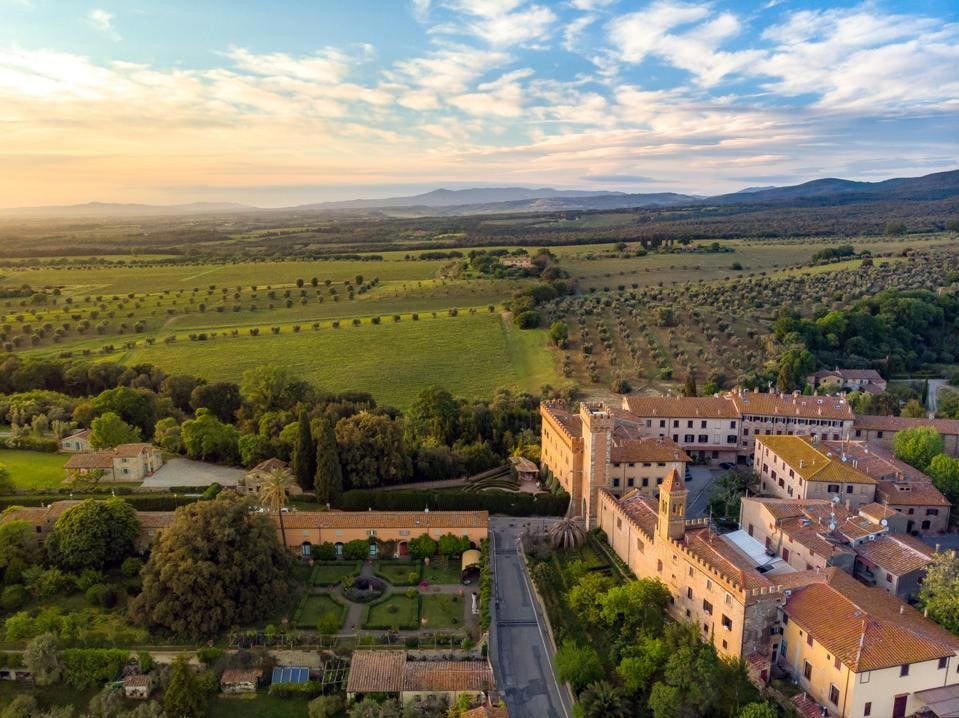
The Bolgherese Road and What Grows Along It
The SP Bolgherese is one of the most consequential stretches of agricultural road in Italian wine. Running south from the medieval village of Bolgheri through a corridor of cypress trees and coastal scrub, it passes a sequence of estates whose combined output reshaped how the world thinks about Tuscan red wine. Le Macchiole sits at address 189/A on that road, which places it in a comparable set that includes Tenuta San Guido, whose Sassicaia defined the appellation's reputation, and Tenuta Guado al Tasso, which extended that legacy with its own Cabernet-forward program.
Bolgheri's terroir is unusual in the Italian context. The proximity to the Tyrrhenian Sea moderates the growing season in ways that the inland Tuscan hills do not, nights stay cooler than daytime temperatures suggest, ripening slows, and the resulting wines carry a structural tension that warmer continental sites struggle to replicate. The soils shift across the corridor from sandy coastal deposits to clay-limestone blends further inland, giving producers working across different parcels a range of textural outcomes from the same vintage. That variation is part of why Bolgheri rewards estate-level specificity rather than appellation-wide generalisation.
Where Le Macchiole Sits in the Appellation
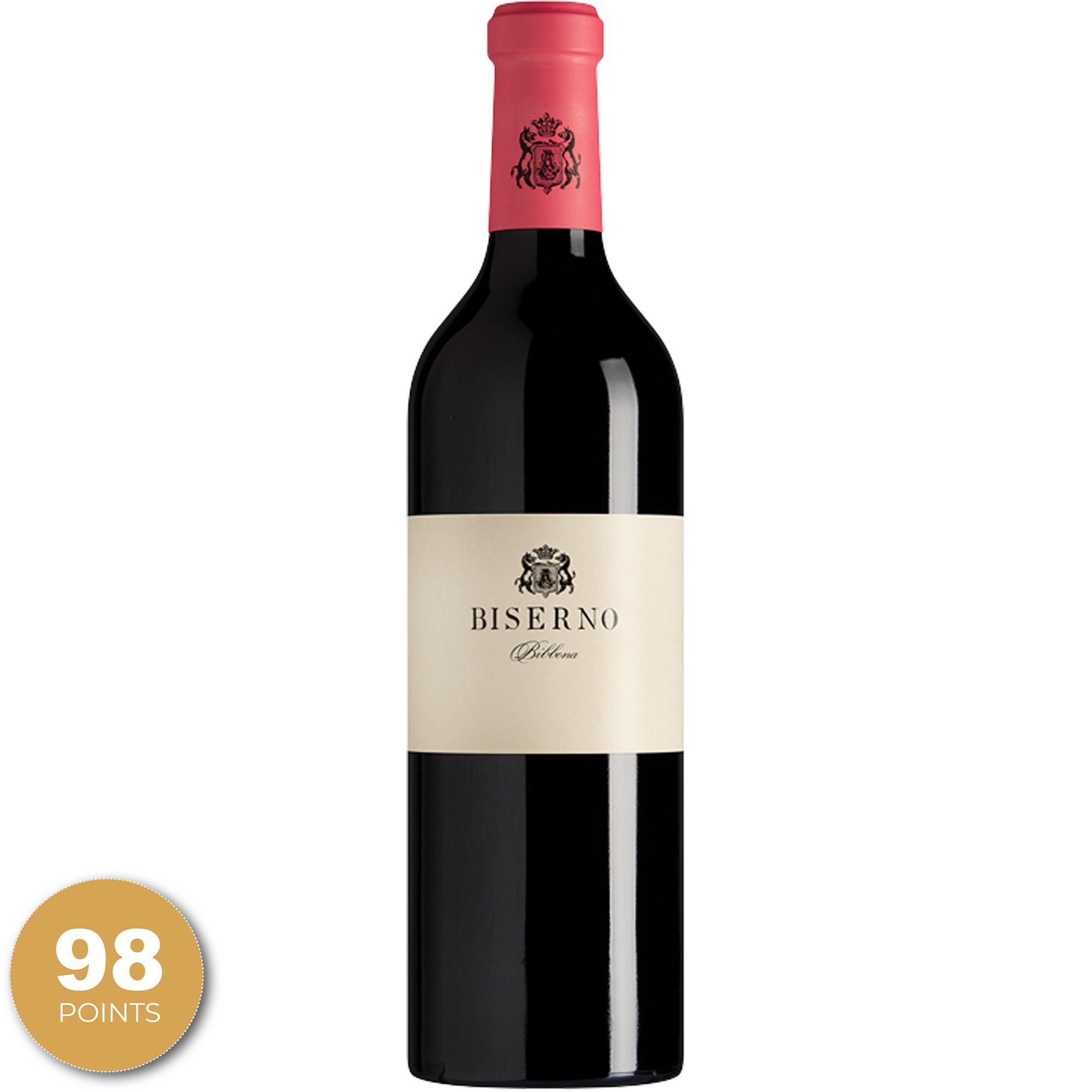
Bolgheri's top tier has consolidated around a small group of producers who work at the intersection of varietal focus and site specificity. Le Macchiole operates in that upper bracket, holding a Pearl 2 Star Prestige rating from EP Club in 2025. That rating puts it in direct comparison with Tenuta di Biserno, another Bolgheri producer working with serious intent across multiple varieties, and with the established names that define the appellation's international profile.
Across Italian wine more broadly, the model of building a prestige estate around a tight varietal program is well established. Aldo Conterno in Monforte d'Alba represents a comparable approach in Barolo, where single-vineyard focus and production discipline define the estate's standing. In Franciacorta, Ca' del Bosco in Erbusco occupies a similar position as a prestige reference point for its category. Le Macchiole's comparable set in the Italian fine wine context is genuinely national in scope, not limited to its immediate neighbourhood.
Terroir Expression Along the Coastal Strip
The editorial case for Bolgheri as a terroir rather than a brand rests on reproducibility across vintages and a recognisable structural signature in the wines. The coastal influence here is not merely climatic, the saline air, the reflective light off the Maremma flats, and the well-drained soils produce wines with a particular tension between fruit weight and acidity that distinguishes them from both Chianti and the heavier inland reds of Montepulciano. Castello di Volpaia in Radda in Chianti works in a categorically different geological register, with the galestro and alberese soils of the Chianti Classico zone producing a leaner, more mineral expression from Sangiovese. The contrast illustrates how specifically Bolgheri's character belongs to its coastal strip.
Merlot, Cabernet Franc, and Syrah have each found a productive foothold in Bolgheri's warmer pockets, complementing the Cabernet Sauvignon that built the appellation's initial reputation. Le Macchiole's program reflects this varietal range, with single-variety bottlings that allow the land to speak through different lenses rather than blending the terroir into a house style. That choice carries a position: it asks the wine to carry the weight of site expression without the safety net of complementary varieties.
Planning a Visit
Le Macchiole is located on the SP Bolgherese at address 189/A, 57022 Bolgheri LI, putting it within reach of the village of Bolgheri itself, a compact medieval settlement whose single main street contains more serious wine retail per square metre than almost anywhere in Tuscany. The nearest major access point is Livorno to the north or Grosseto to the south, with the Cecina–Bibbona exit from the A1 autostrada being the practical approach. Most visitors combining Bolgheri with broader Tuscan wine itineraries base themselves in the coastal towns of Castiglioncello or Donoratico, or in Livorno for a wider range of accommodation.
Visiting is by appointment only. Visiting in late September through November captures the post-harvest period when estates are most active, and the coastal Maremma autumn is markedly more temperate than the inland Tuscan hills during that period.
The corridor's other major producers, including Tenuta San Guido and Tenuta Guado al Tasso, can anchor a multi-estate programme across two to three days. For context on Italian fine wine production outside Tuscany, Lungarotti in Torgiano and L'Enoteca Banfi in Montalcino offer useful comparison points in Umbria and southern Tuscany respectively.
Comparable Spots, Quickly
Comparable venues nearby, for context on price, style, and recognition.
| Venue | Cuisine | Price | Notes |
|---|---|---|---|
| Le MacchioleThis venue — the venue you are viewing | Merlot, Cabernet Franc | $$$$ | |
| Tenuta San Guido | Cabernet Sauvignon, Cabernet Franc | $$$$ | Bolgheri |
| Tenuta di Biserno | Cabernet Franc, Merlot | $$$$ | Bolgheri |
| Tenuta Guado al Tasso | Cabernet Sauvignon, Merlot | $$$$ | Bolgheri |
| Tua Rita Winery | Merlot, Cabernet Sauvignon | $$$$ | Suvereto |
| Poggio di Sotto | Sangiovese | $$$$ | Castelnuovo dell’Abate |
Continue exploring
More in Bolgheri
Wineries in Bolgheri
Browse all →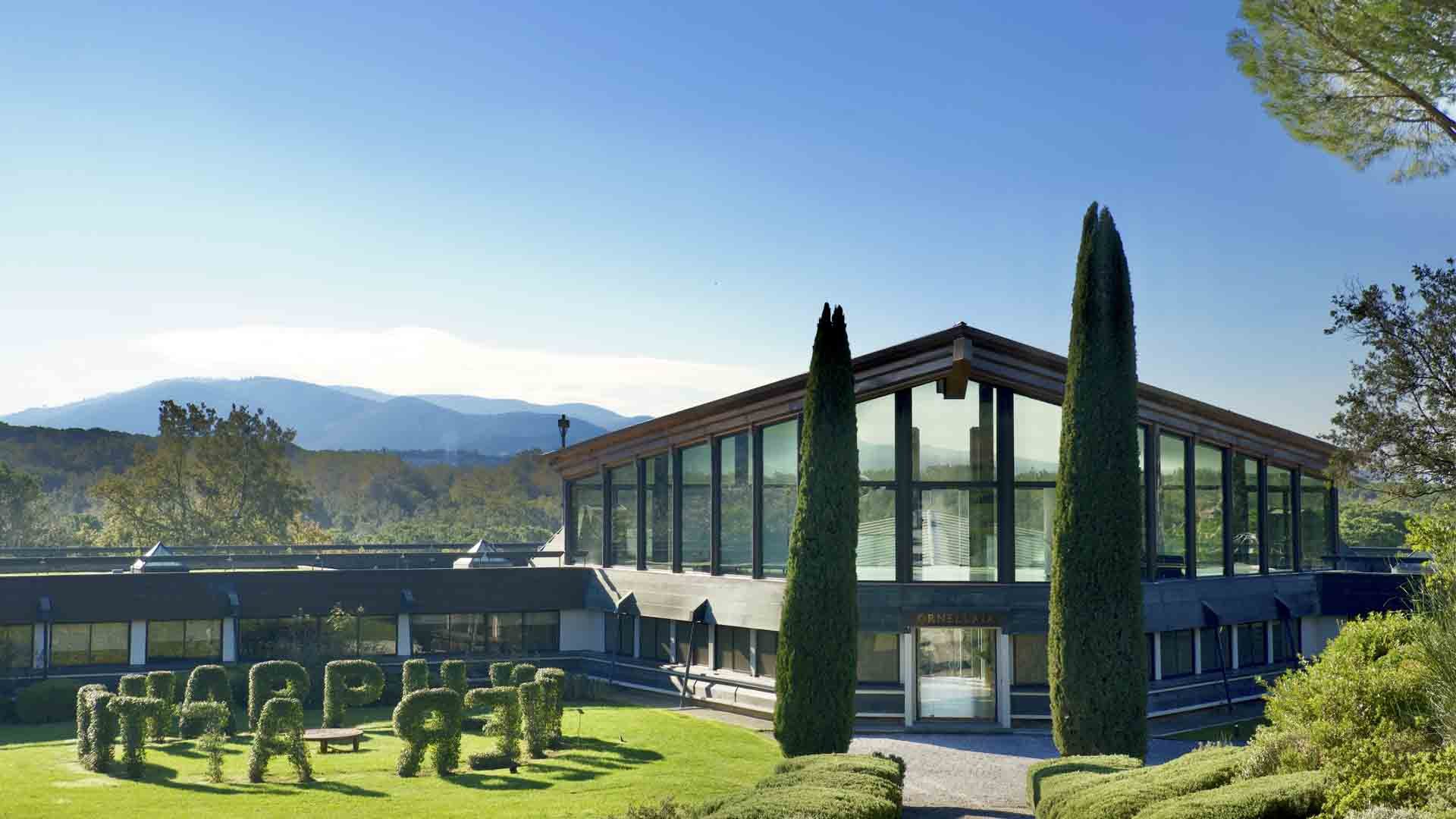
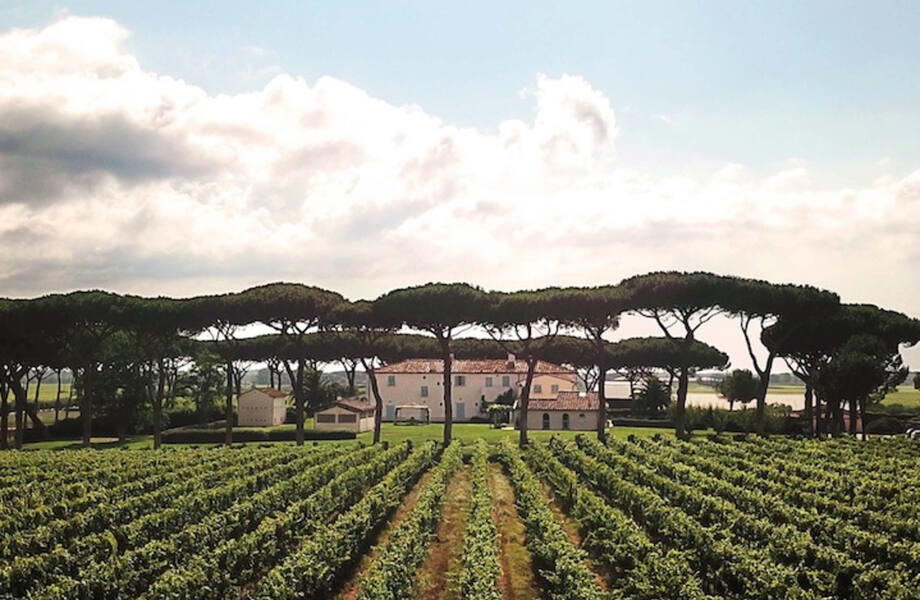
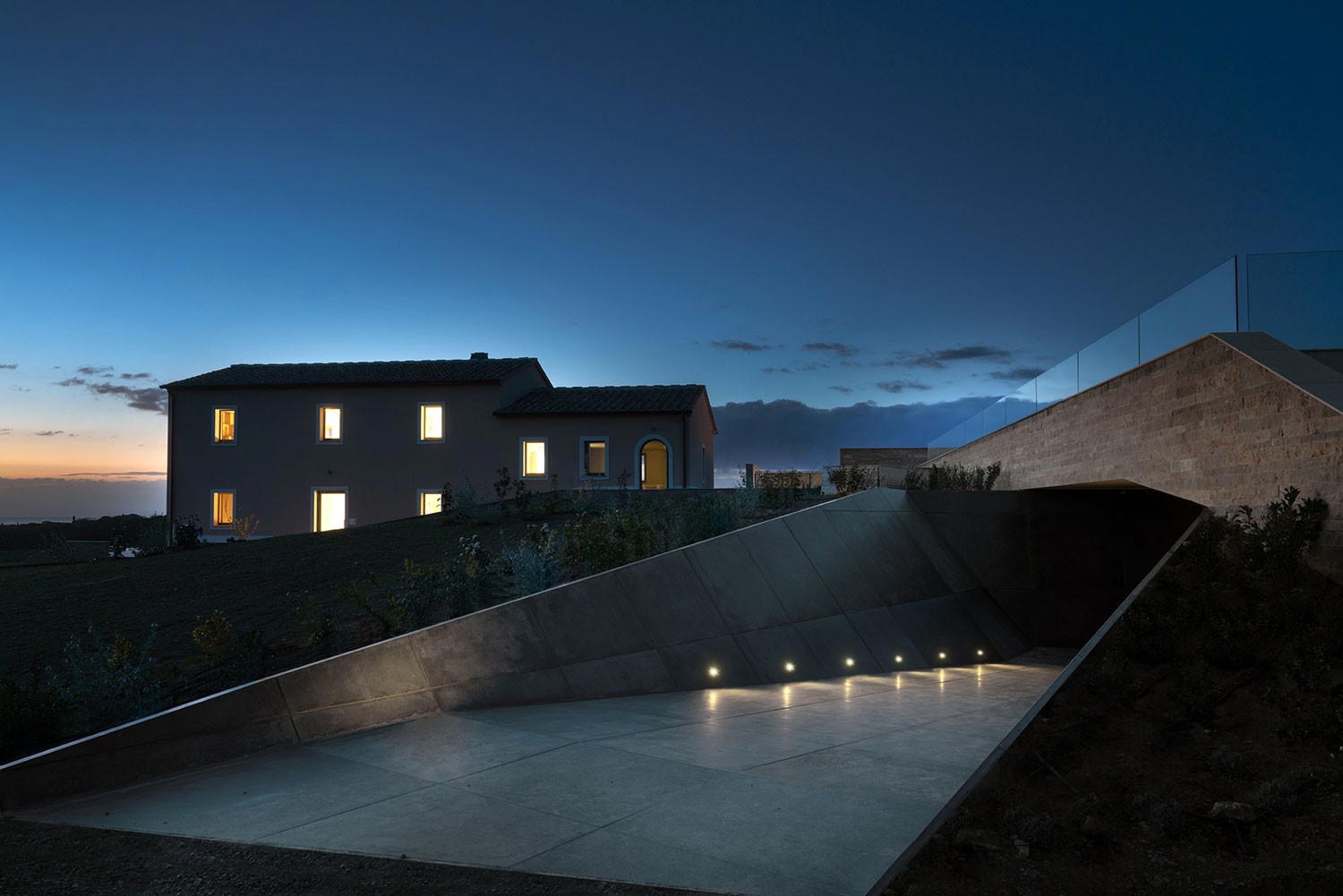
Restaurants in Bolgheri
Browse all →
At a Glance
- Elegant
- Rustic
- Scenic
- Sophisticated
- Wine Education
- Special Occasion
- Vineyard Tour
- Barrel Room
- Private Tasting
- Sustainable
- Vineyard
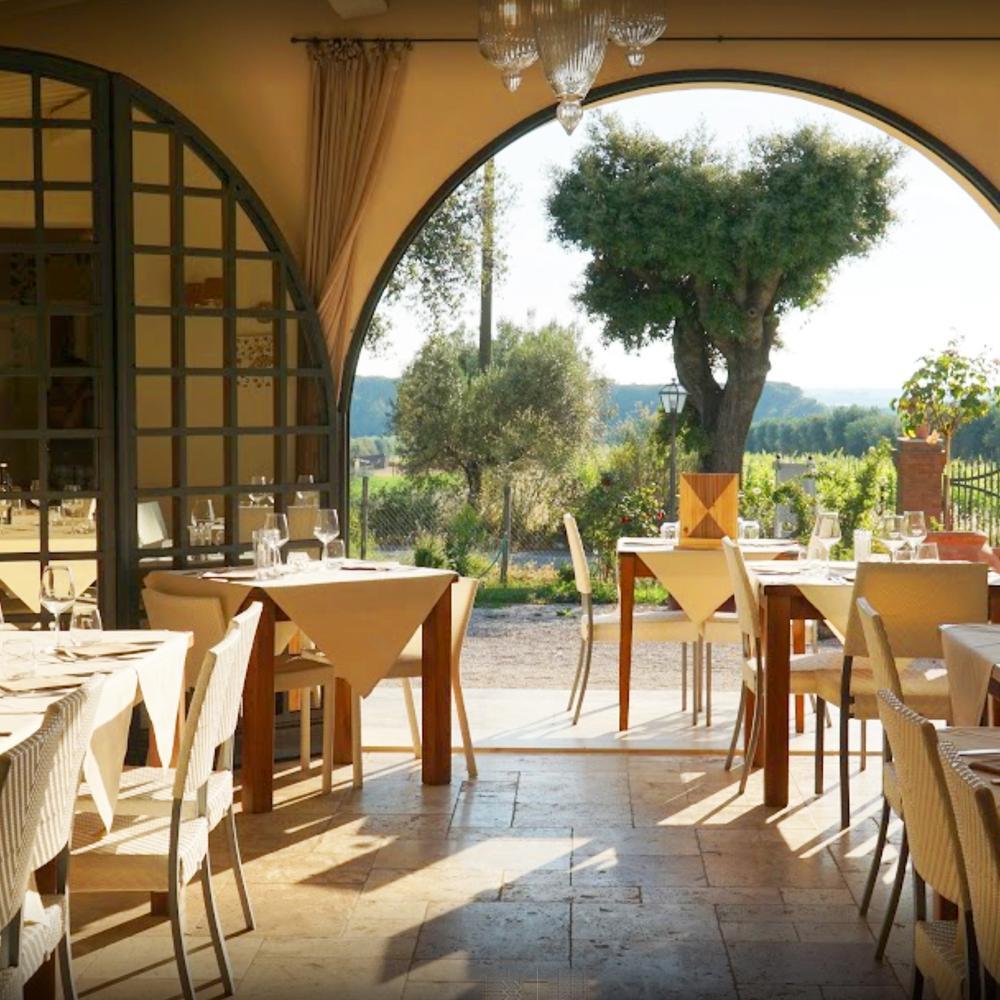
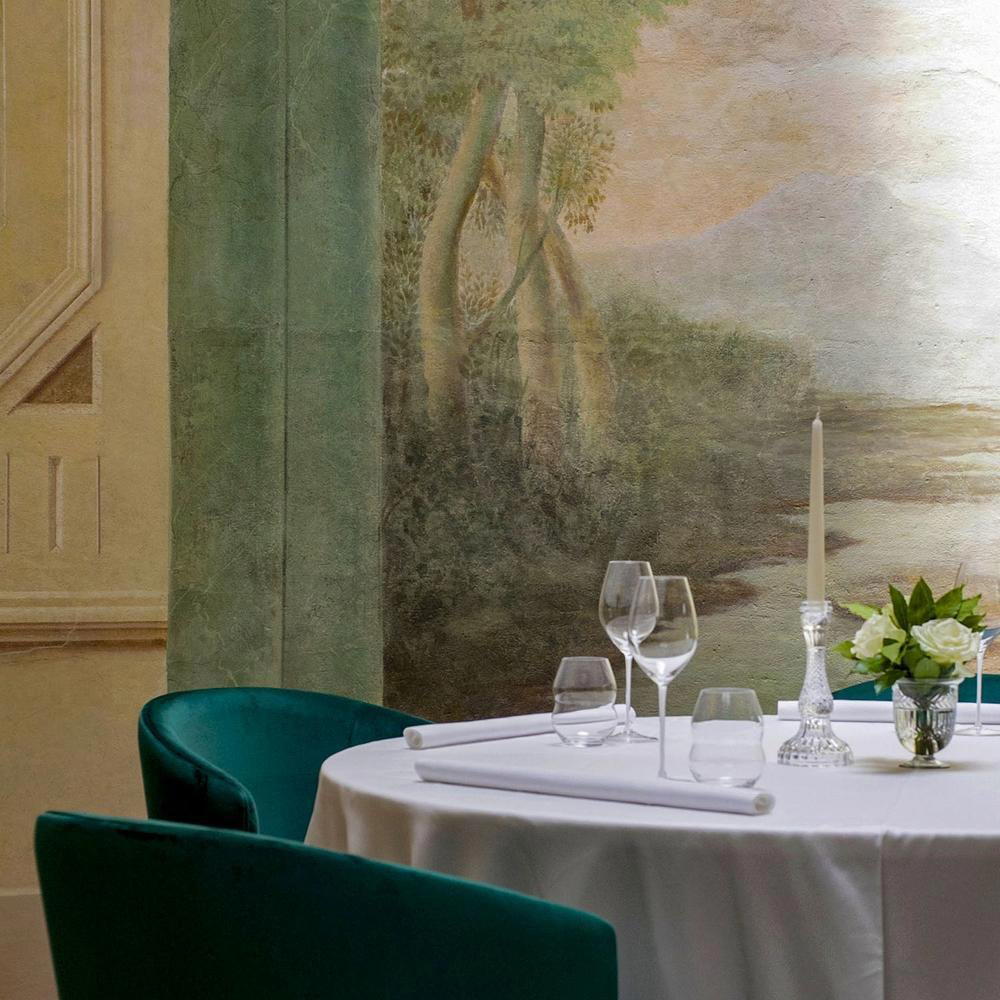
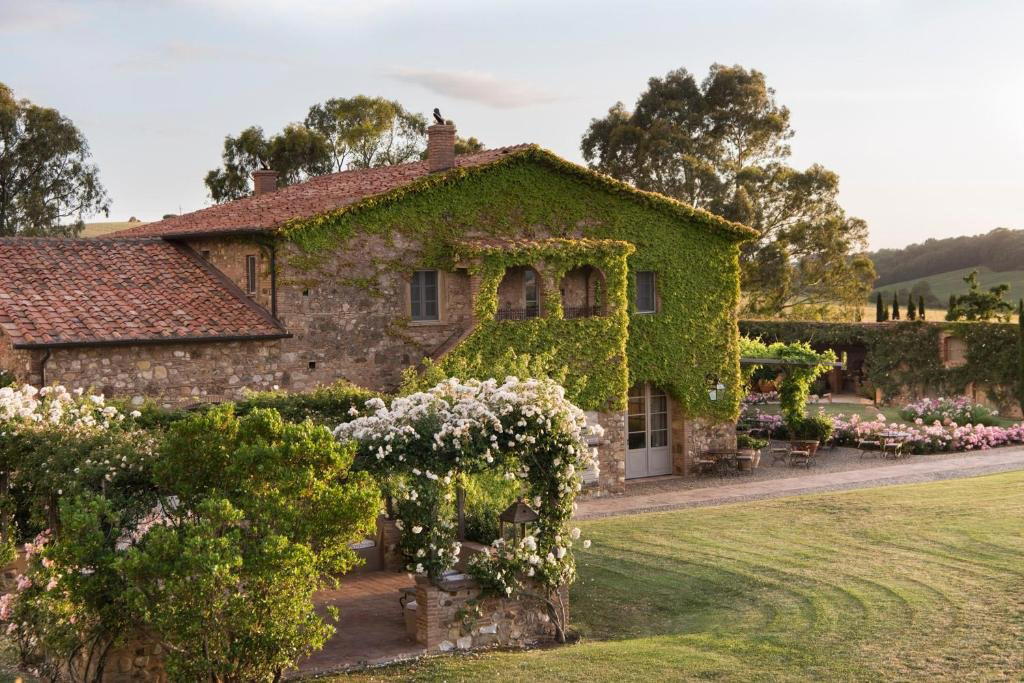
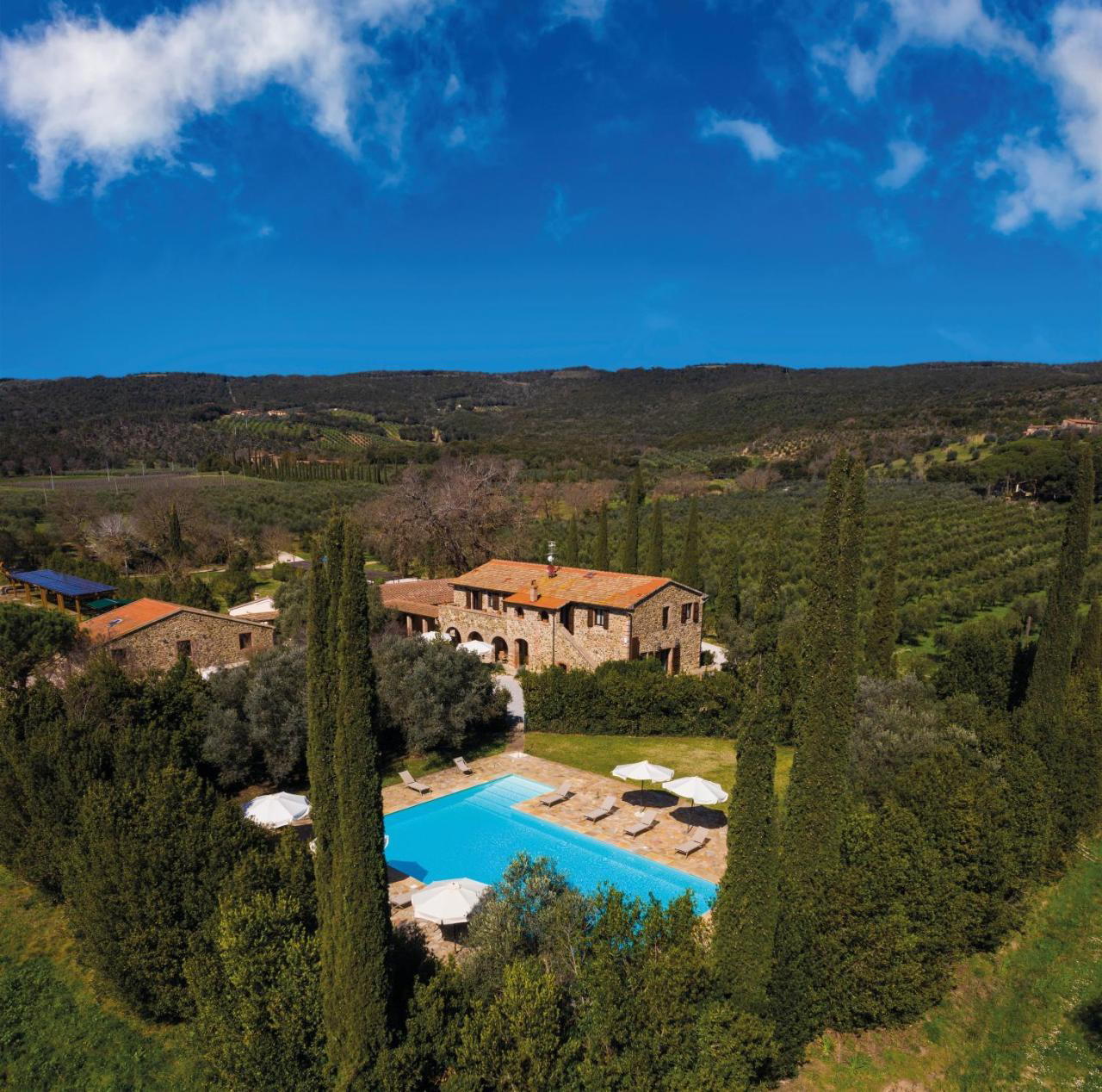
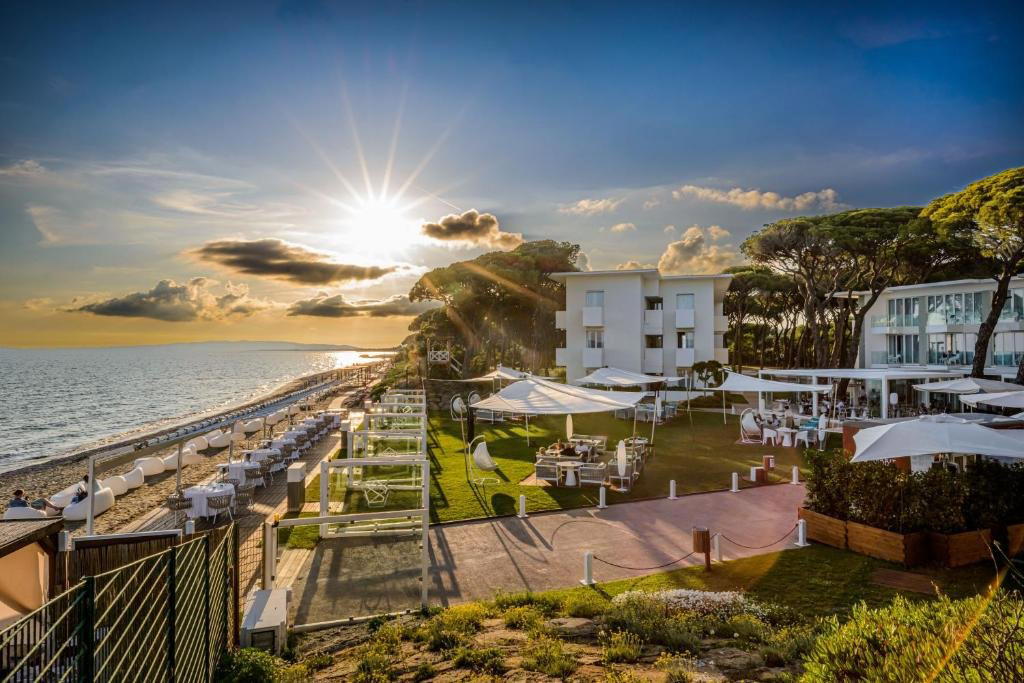
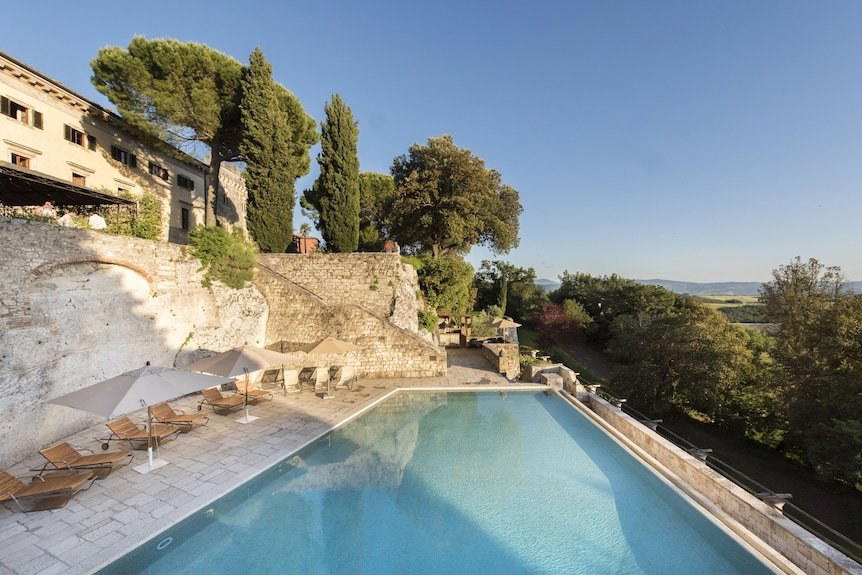
Intimate and elegant atmosphere amid rolling vineyard hills, with meticulous cellar precision and scenic Tuscan landscape views.