Le Chiuse

Le Chiuse is a historic, family-run Brunello estate in Montalcino, shaped by northern-slope vineyards, organic farming and a cellar culture built around large oak casks. Its strongest signal is patience: the Brunello Riserva is held for around a decade before release, making the visit especially relevant for travelers interested in Sangiovese, terroir and the older grammar of the appellation.
Pearl is the En Primeur Club membership app — saves, bookings, and concierge access live there. Same editors, same standards.
- Address
- Podere Chiusa 317 Strada sferracavalli, Località Valdicava, 53024 Montalcino SI, Italy
- Phone
- +39 338 130 0380
- Website
- lechiuse.com
- Directions
- Get directions
 Saves & bookings on Pearl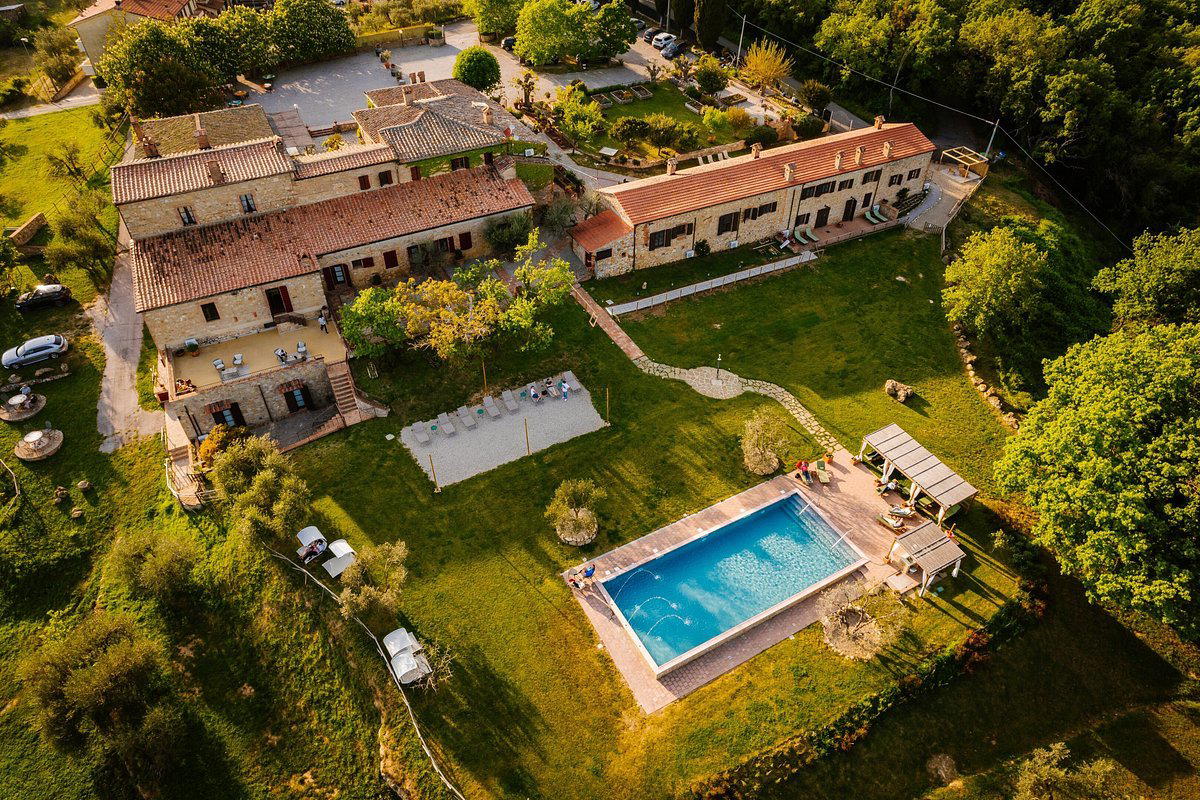
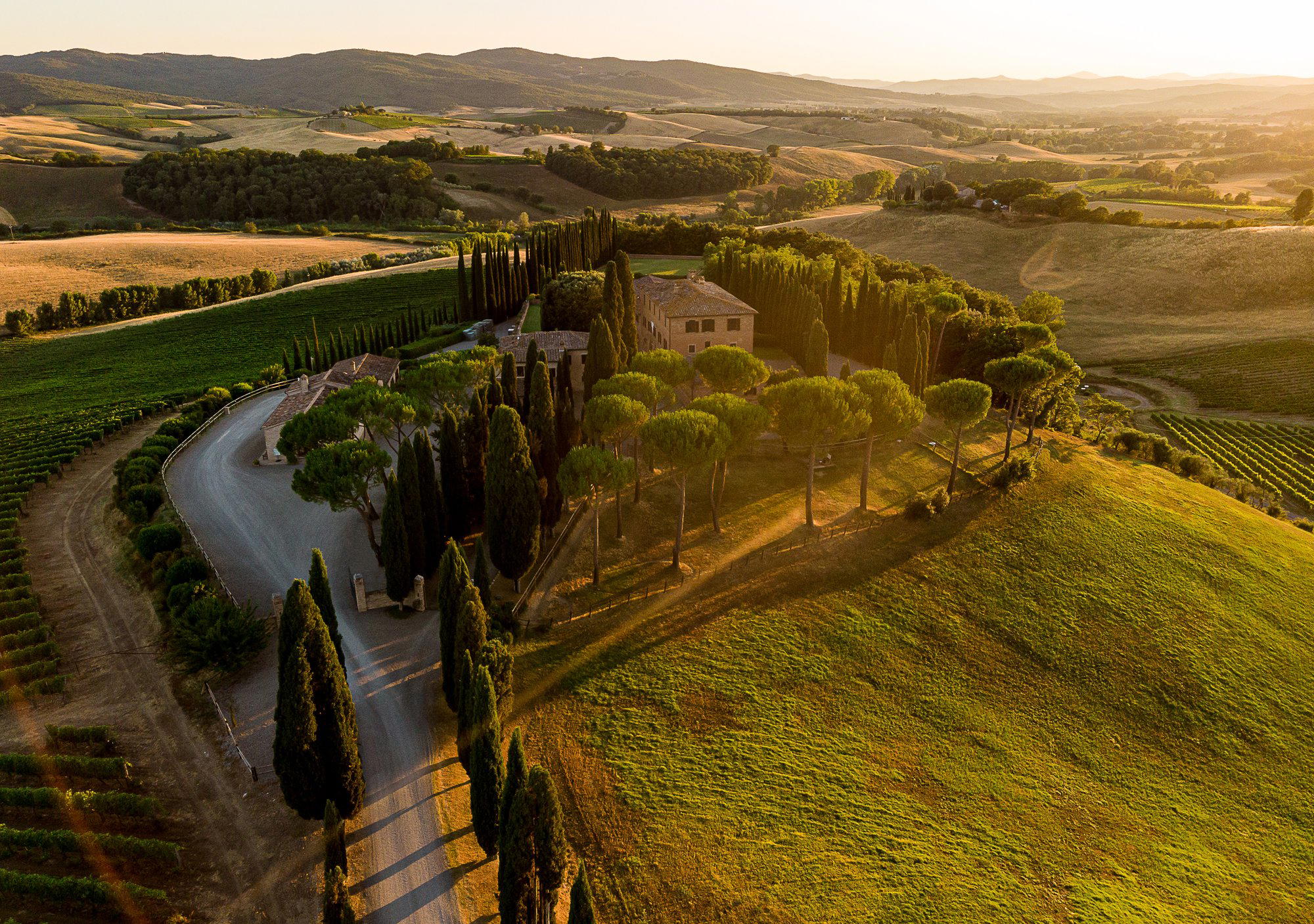
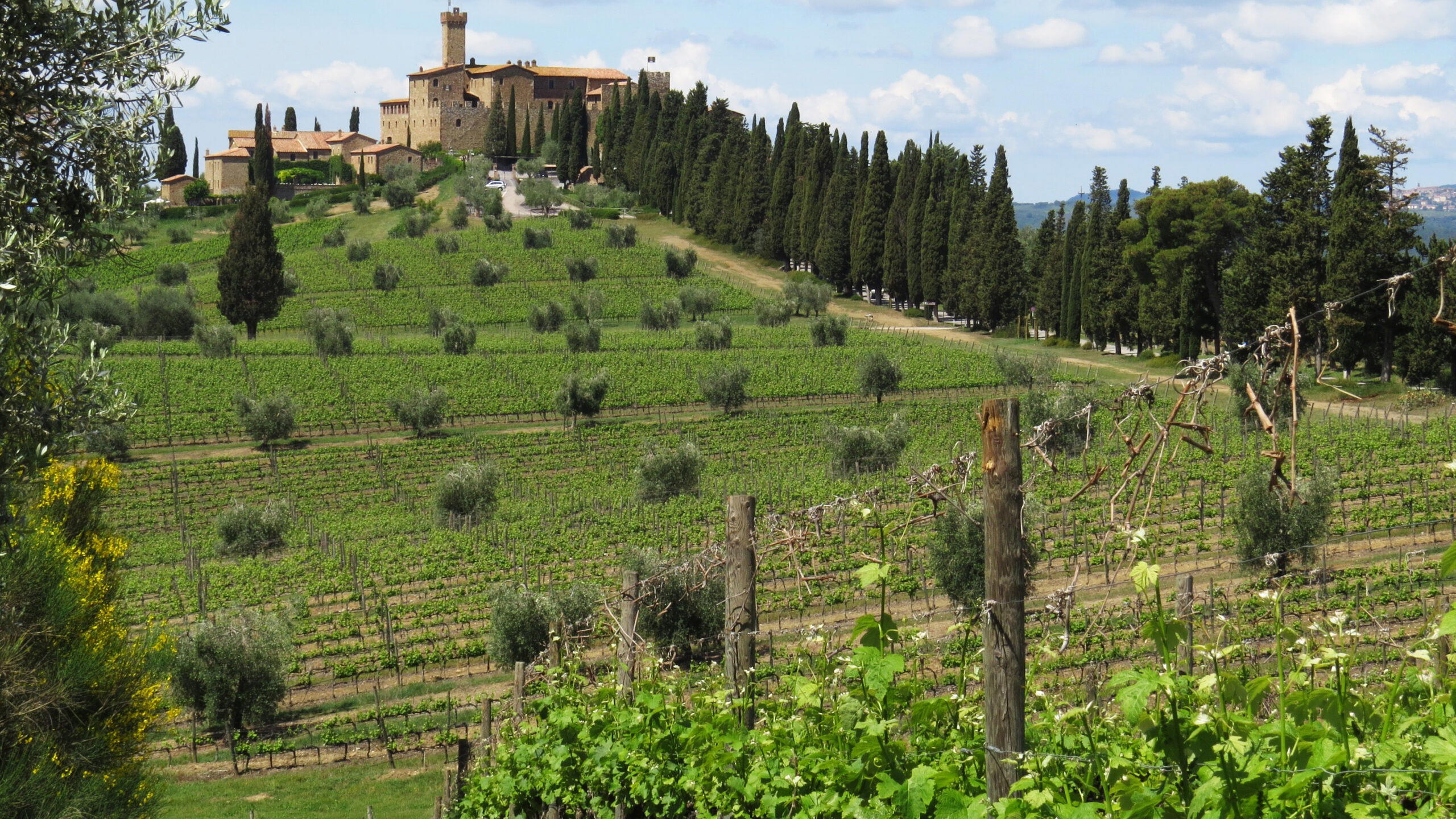
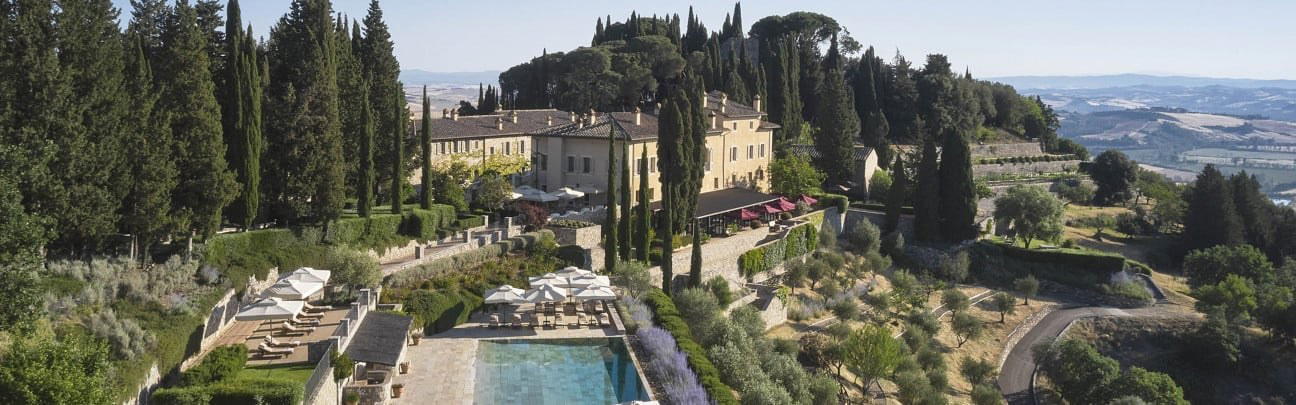
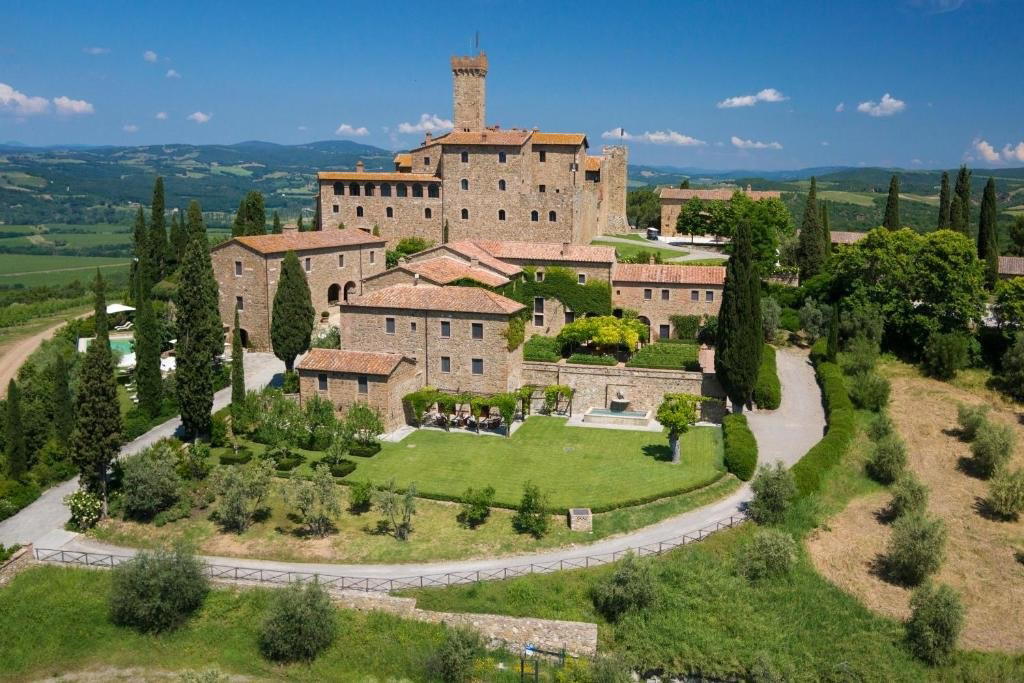
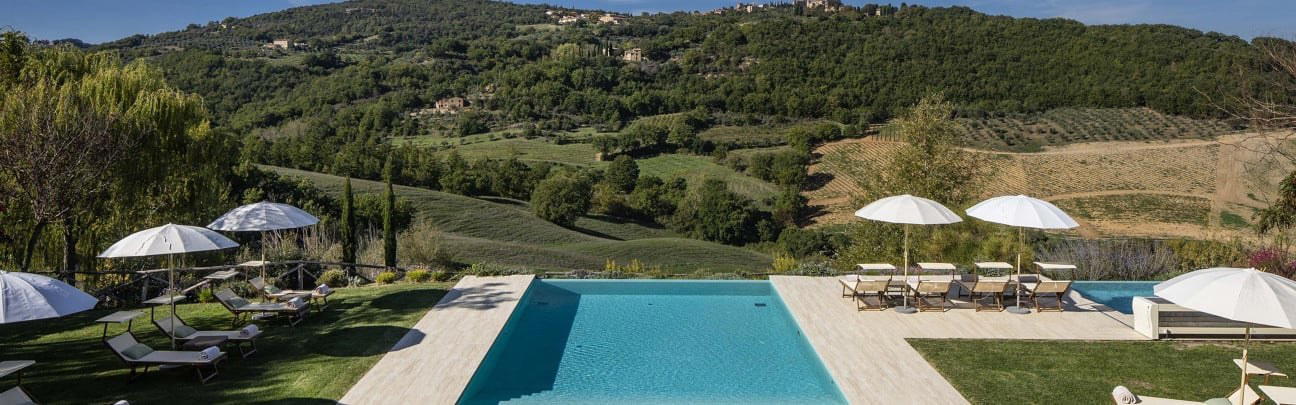
Approaching Montalcino, Le Chiuse presents Brunello through a restrained estate setting rather than through flashy design or a heavily staged visitor narrative. The picture is simple but useful: a historic, family-run Brunello estate on the cool north slopes of Montalcino, with traditional cellars, large oak casks and a quiet, authentic atmosphere focused on patient, low-intervention winemaking. Those elements are enough to define the character of the place without needing to overstate it. Le Chiuse reads as an estate where the interest comes from the relationship between landscape, cellar and time, rather than from polished spectacle.
Le Chiuse belongs to the side of Montalcino where the appeal is continuity, cellar tradition and the slower language of Brunello. Specific public-facing details such as production volume, named personnel, visit formats and release schedules are not confirmed here, so the safest way to frame the estate is by what is clearly supported: family-run history, north-slope setting, traditional cellar work and a serious, understated mood. That restraint is important editorially as well as stylistically. It keeps the focus on what can be said with confidence, and it matches the estate’s own apparent emphasis on quiet authenticity rather than promotional excess.
North-slope Brunello interpreted through restraint
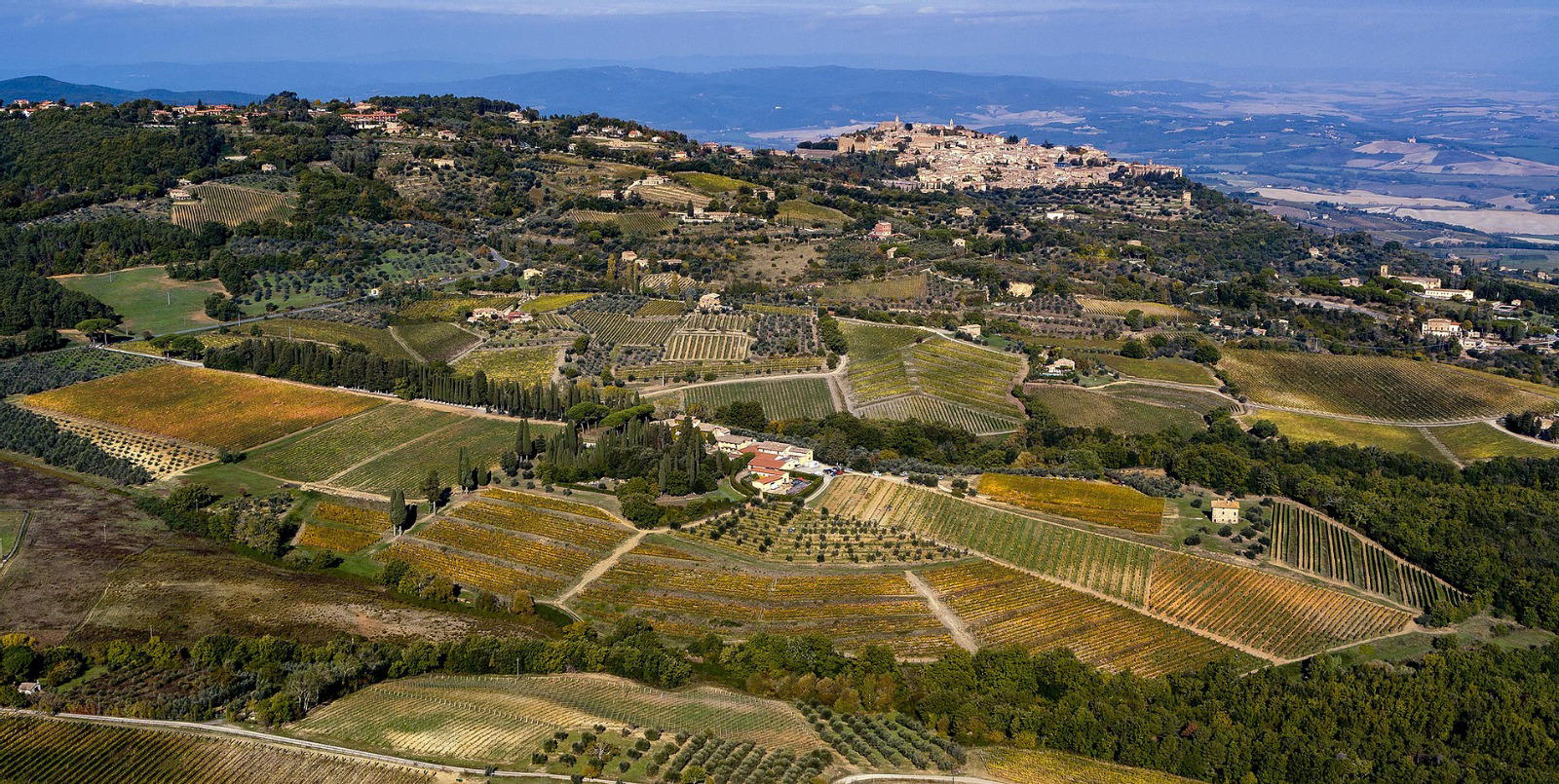
Montalcino is often discussed through exposure and ripening, and the north-slope position gives the winery a clear place within that conversation. Rather than positioning the estate around spectacle, the available information points to Brunello made in a patient, low-intervention spirit, with the atmosphere and cellar choices reinforcing that slower rhythm. The cool north-slope context helps shape the way the estate is understood: not as a generic Tuscan wine stop, but as a Brunello address whose identity is closely tied to its position within Montalcino.
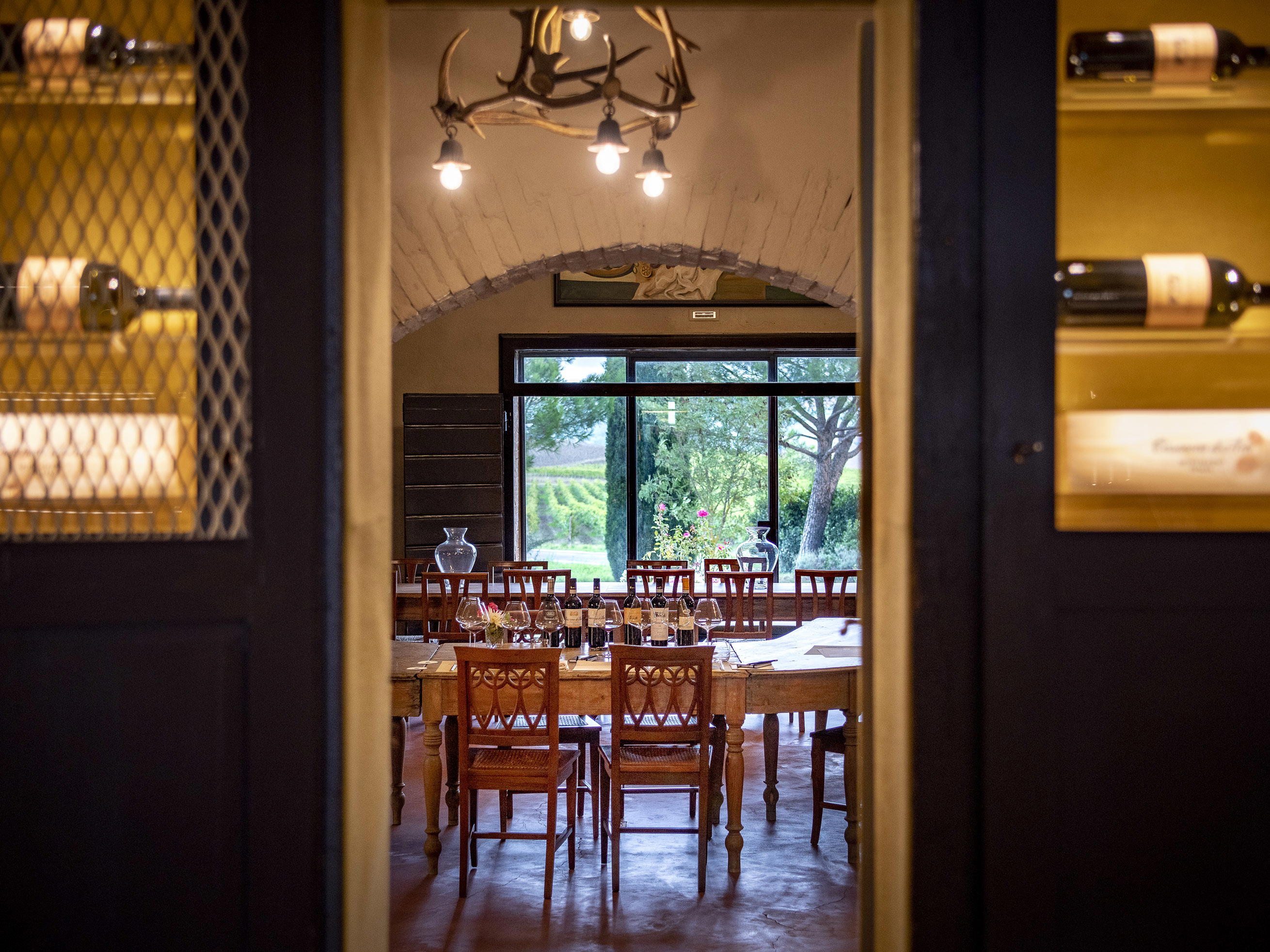
The cellar identity is traditional, with large oak casks among the defining details. That matters because it keeps the focus on Brunello and time rather than on a highly designed hospitality narrative. Large casks also communicate a certain visual and practical language: the cellar is not just a backdrop, but part of the estate’s continuity and self-definition. The estate’s strongest confirmed signals are restraint, quiet authenticity and a cellar culture rooted in Montalcino tradition. Taken together, those signals make the winery feel most relevant to travelers who care about the underlying grammar of Brunello rather than only the surface experience of tasting it.
A visit built around cellar time, not spectacle
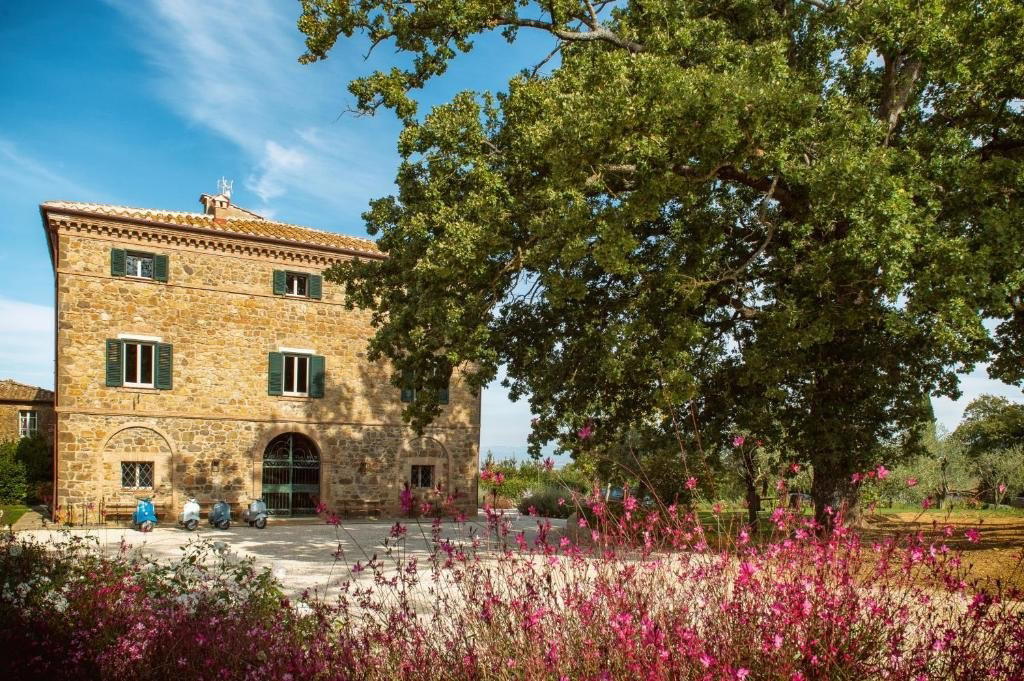
The experience should be understood as an estate-focused Brunello stop in Montalcino, not as a restaurant, bar or design-led tasting venue. Confirmed details support a quiet, scenic setting with traditional cellars and a family-run character. That distinction is useful because it sets expectations in the right place. The draw is not an elaborate hospitality concept or a broad lifestyle package, but the chance to encounter a serious Brunello estate whose tone is modest, rooted and closely tied to its cellars.
Hospitality here is best framed around place and Brunello rather than around food, elaborate service or a broad drinks program. The useful expectation is a focused Montalcino estate atmosphere: cool north-slope context, traditional cellar work and a slower approach to wine. In that sense, the value of the visit lies in pacing and attention. The winery is most easily appreciated when approached as a place where the cellar, the slope and the estate’s history do the interpretive work, rather than as somewhere that needs additional layers of entertainment to explain itself.
For a broader Montalcino itinerary, the winery can be considered alongside other dining, wine and hospitality options in the area. Keeping that boundary clear helps preserve the accuracy of the recommendation. The winery can sit naturally within a wider trip through Montalcino, but its confirmed identity remains narrower and more precise: a Brunello estate defined by restraint, tradition and setting.
Where it fits in an Italian wine trip
The winery is not best described through numbers, awards or elaborate visitor programming. Its value lies in the alignment of several quieter signals: a historic family-run Brunello estate, a cool north-slope position in Montalcino, traditional cellars, large oak casks and a patient, low-intervention approach. None of those details needs to be inflated to be meaningful. Together, they create a coherent picture of a place that represents Brunello through continuity and understatement, with the wine culture of Montalcino expressed through cellar practice and landscape rather than through a louder public image.
That makes it a compelling choice for travelers who want a grounded Brunello reference point in Montalcino. The appeal is less about spectacle and more about a classic estate atmosphere where cellar tradition, landscape and restraint carry the story. For visitors building an Italian wine trip around places with a strong sense of origin, the winery offers a clear, focused counterpoint to more performative experiences. It is best approached with patience and with attention to the qualities already visible in its description: family history, north-slope context, traditional cellars and a quiet commitment to Brunello.
Recognition history
Dated appearances from independent guides and award organizations, with the underlying list record or original source where available.
Falstaff Winery - 3 Stars
Falstaff
Continue exploring
More in Montalcino
Wineries in Montalcino
Browse all →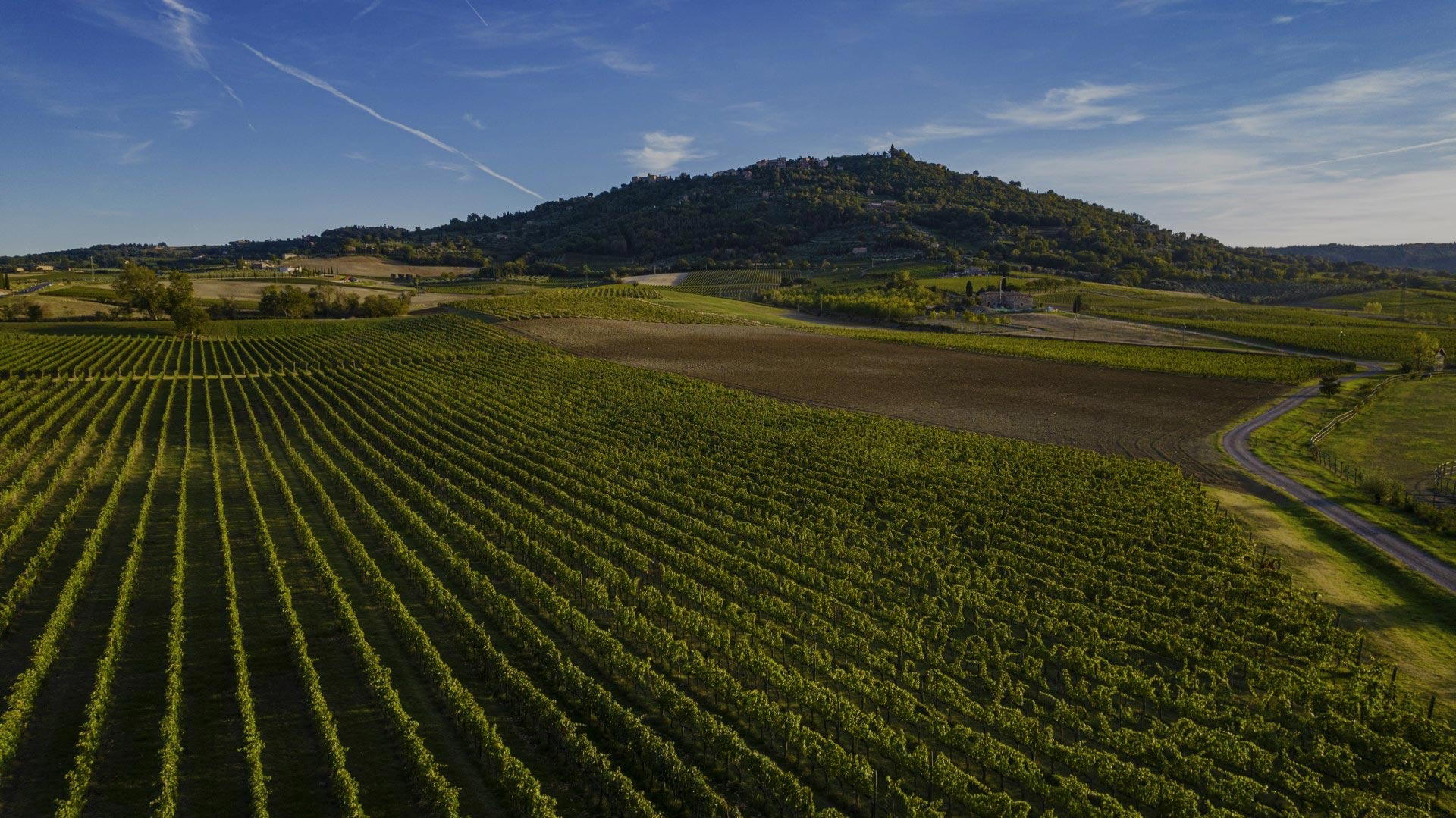
Bars in Montalcino
Browse all →

Restaurants in Montalcino
Browse all →
At a Glance
- Scenic
- Classic
- Rustic
- Elegant
- Well Known
- Intimate
- Wine Education
- Romantic Getaway
- Group Outing
- Special Occasion
- Solo Exploration
- Vineyard Tour
- Estate Grounds
- Historic Building
- Private Tasting
- Panoramic View
- Organic
- Vineyard
- Mountain
- Garden
- Brunello Di Montalcino DOCG
- Sangiovese Grosso
- Still Red
- Sparkling
- Appointment Tasting
- Estate Tour With Tasting
- Vertical Brunello Tasting
Current opening hours
- Monday
- 9:30 AM–1 PM, 2–5 PM
- Tuesday
- 9:30 AM–1 PM, 2–5 PM
- Wednesday
- 9:30 AM–1 PM, 2–5 PM
- Thursday
- 9:30 AM–1 PM, 2–5 PM
- Friday
- 9:30 AM–1 PM, 2–5 PM
- Saturday
- Closed
- Sunday
- Closed
Hours can change for holidays and private events. Last verified .
Historic, family-run Brunello estate on the cool north slopes of Montalcino, with traditional cellars, large oak casks and a quiet, authentic atmosphere focused on patient, low-intervention winemaking rather than flashy design.