Waterford Estate

Falstaff Winery - Listed
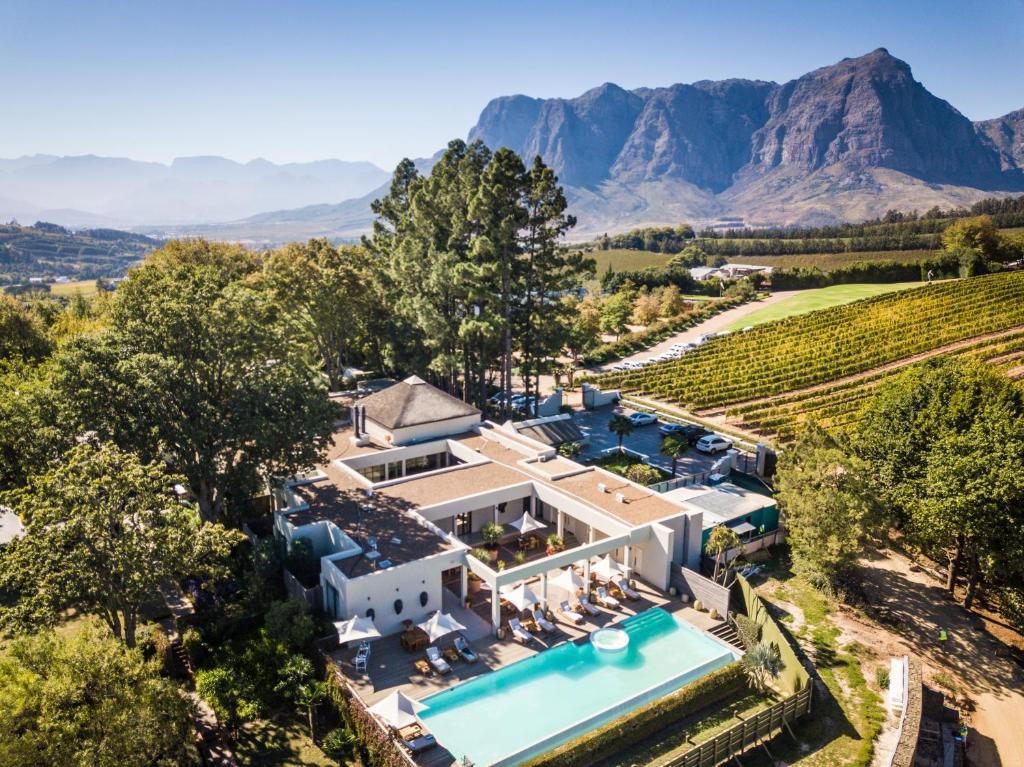
Waterford Estate sits on Upper Blaauwklippen Road in Stellenbosch's Helderberg foothills.

Pearl is the En Primeur Club membership app — saves, bookings, and concierge access live there. Same editors, same standards.
- Address
- Upper Blaauwklippen Rd, Helderberg Rural, Stellenbosch, 7600
- Phone
- +27 21 880 5300
- Website
- waterfordestate.co.za
- Directions
- Get directions
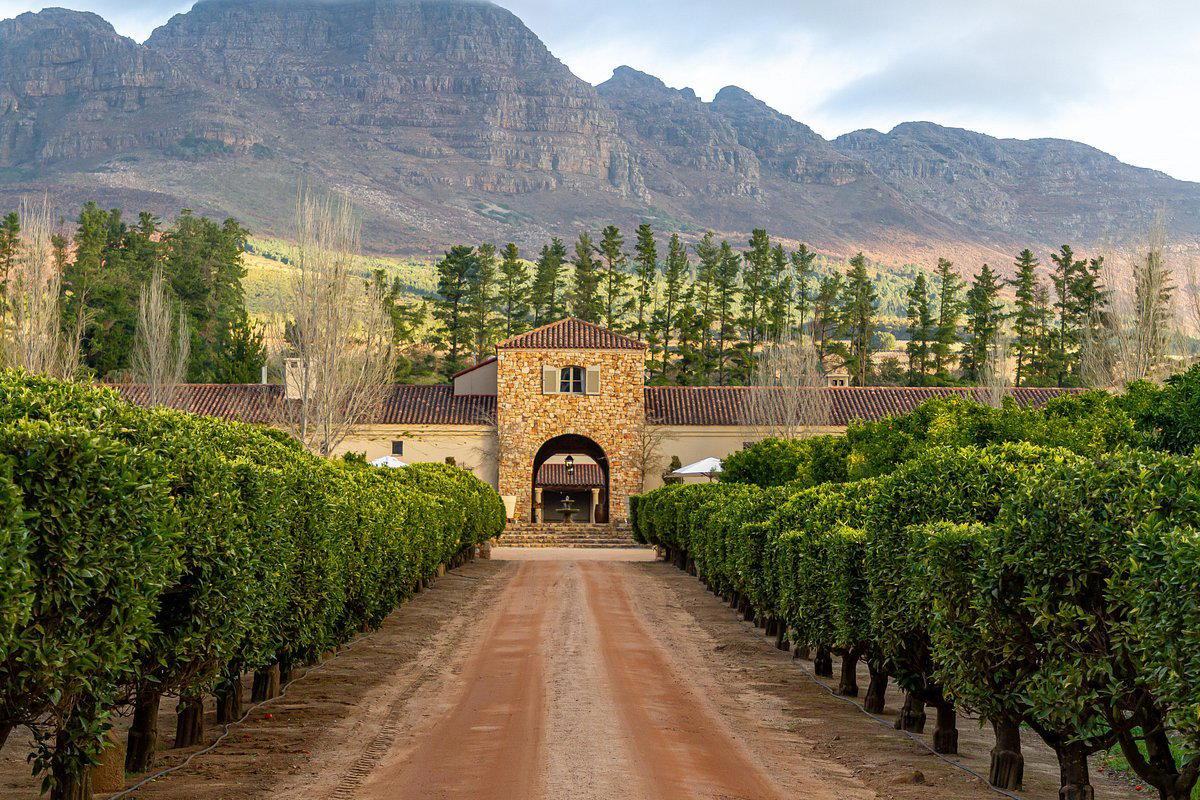
Helderberg Foothills and the Ethics of Terroir
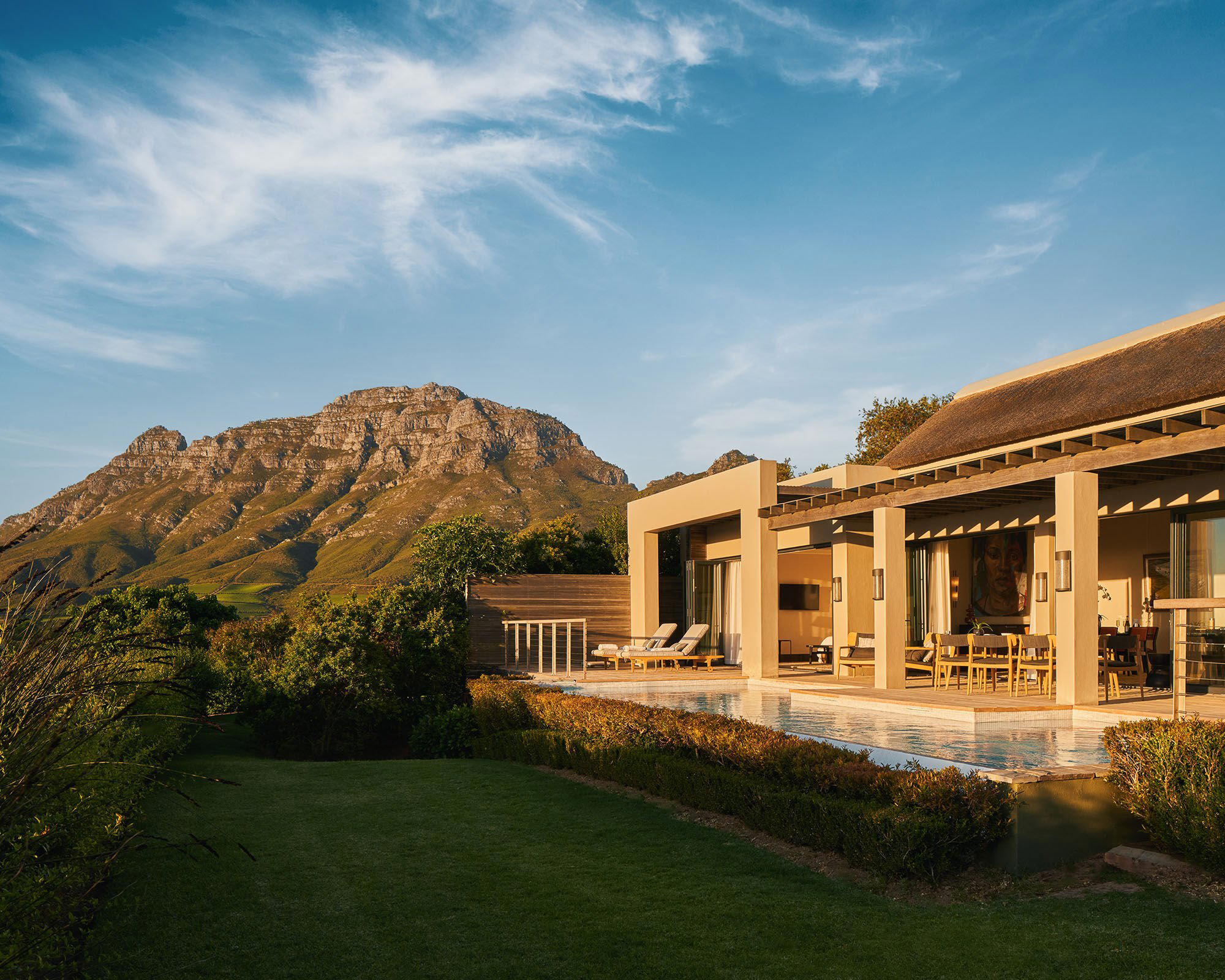
The approach to Waterford Estate along Upper Blaauwklippen Road sets a particular expectation. The Helderberg mountain range rises behind the property, its granite and sandstone soils creating one of Stellenbosch's more distinctive growing environments: cooler than the valley floor, exposed to the south-easterly winds that slow ripening and preserve acidity. Across the Cape Winelands, the estates that have most credibly positioned themselves around sustainability tend to occupy exactly this kind of terrain, where the land itself demands attention and patience rather than intervention and yield pressure.
Stellenbosch has split into at least two legible tiers when it comes to estate philosophy. One cohort leans into visitor volume, high-production labels, and broad accessibility. A smaller group, which includes Waterford, has oriented around lower-intervention viticulture, longer growing cycles, and an approach to land management that reads as genuinely structural rather than marketing-layer deep.
Sustainability as Winemaking Logic, Not Marketing
The Cape Winelands has seen a broad shift in how estates talk about environmental responsibility. For many producers, the language arrived before the practice: biodiversity corridors announced without baseline data, water-reduction claims without independent verification. What separates estates that have genuinely restructured their operations is usually visible in the vineyard first, before it appears in any communications material.
In the Helderberg specifically, the combination of thin soils, significant wind exposure, and altitude creates conditions where farming against nature is expensive and ultimately futile. Estates that work with these conditions rather than against them tend to develop wine styles that reflect the site more faithfully and require less correction in the cellar. This is the underlying logic of terroir-driven viticulture, and it aligns naturally with reduced chemical inputs, careful water management, and the preservation of surrounding fynbos and indigenous vegetation. Waterford's position on this hillside makes that alignment structurally plausible in a way that flat-valley producers have to work harder to demonstrate.
Across the broader Cape wine region, comparable commitments are visible at properties like Babylonstoren in Franschhoek, which has built a vertically integrated food and farming model, and Creation Wines in Hermanus, where the Walker Bay climate similarly rewards restraint.
For the visitor, this has practical implications. Estates at this recognition level typically maintain a tighter range of wines at the top of their portfolio, with less variance in quality across the list. It also tends to indicate a cellar that is not simply chasing critical acclaim on a single label while producing commodity-grade volume across the rest of the range. Within Stellenbosch, the Pearl prestige tier is shared by estates including Neethlingshof Estate, Spier Wine Farm, and Asara Wine Estate, each of which approaches the market somewhat differently but occupies a comparable quality positioning.
Stellenbosch in the Broader Cape Wine Context
Stellenbosch remains the most commercially developed of the Cape's wine appellations, with the highest concentration of cellar doors, restaurants, and hospitality infrastructure in the region. This density creates a particular challenge for estates trying to signal seriousness: the valley is full of beautiful properties, and the aesthetics of estate life have become detached from wine quality as a reliable indicator. Visitors arriving at Stellenbosch for the first time are often better served by anchoring to award recognition and production philosophy rather than visual presentation, which is uniformly high across the appellation.
The Helderberg sub-area where Waterford sits is a useful orientation point. It tends to attract producers with a serious viticulture focus, partly because the terrain demands it and partly because the cooler temperatures suit varieties that require longer hang time to develop complexity without losing freshness. Compared to the hotter valley-floor sites closer to the town of Stellenbosch, Helderberg vineyards typically produce wines with firmer structure and more pronounced natural acidity, characteristics that align with the global preference shift away from heavily extracted, high-alcohol styles.
For visitors with a broader Cape itinerary, the surrounding region offers natural extensions. Vergelegen Wine Estate in Somerset West is geographically proximate and occupies a comparable prestige tier. Further afield, Constantia Glen in Cape Town represents the cool-climate end of the Cape spectrum, and Graham Beck Wines in Robertson shows how sustainable viticulture practices have extended well beyond the traditional Stellenbosch-Franschhoek corridor. For those exploring distillery traditions alongside wine, Oude Molen Distillery in Grabouw and Val de Vie Estate in Paarl round out a multi-day Winelands circuit. Internationally, those drawn to the ethos of single-site precision will find analogues at Aberlour in Aberlour and Accendo Cellars in St. Helena, though the Cape's specific terroir produces a distinctly different stylistic register.
Planning a Visit
Waterford Estate is located at Upper Blaauwklippen Road, Helderberg Rural, Stellenbosch, 7600. The Helderberg Rural address places it outside the immediate town centre, meaning a vehicle or arranged transfer is effectively required; this is standard for the more remote Stellenbosch estates and factors into how you structure a day on the wine route. Specific hours, tasting formats, and booking channels are best confirmed directly with the estate ahead of arrival. The full Stellenbosch restaurants and wine guide provides broader context for building an itinerary around the appellation.
Comparable Venues
Comparable venues nearby, for context on price, style, and recognition.
| Venue | Cuisine | Price | Awards | Notes |
|---|---|---|---|---|
| Waterford EstateThis venue — the venue you are viewing | Cabernet Sauvignon, Chardonnay | $50–100 | Falstaff Winery - Listed | Not listed |
| Oldenburg Vineyards | Winery | $10–20 | Falstaff Winery - Listed | Stellenbosch |
| Rustenberg Wines | Cabernet Sauvignon, Chardonnay | $20–30 | Not listed | Stellenbosch |
| Warwick Estate | Cabernet Sauvignon, Cabernet Franc | Not listed | Falstaff Winery - Listed | Stellenbosch |
| Alto Wine Estate | Cabernet Sauvignon, Cabernet Franc | Not listed | Falstaff Winery - Listed | Helderberg |
| Jordan Wine Estate | Cabernet Sauvignon, Merlot | $50–100 | Falstaff Winery - Listed | Stellenbosch |
Recognition history
Dated appearances from independent guides and award organizations, with the underlying list record or original source where available.
Falstaff Winery - Listed
Falstaff
Continue exploring
More in Stellenbosch
Wineries in Stellenbosch
Browse all →
Bars in Stellenbosch
Browse all →
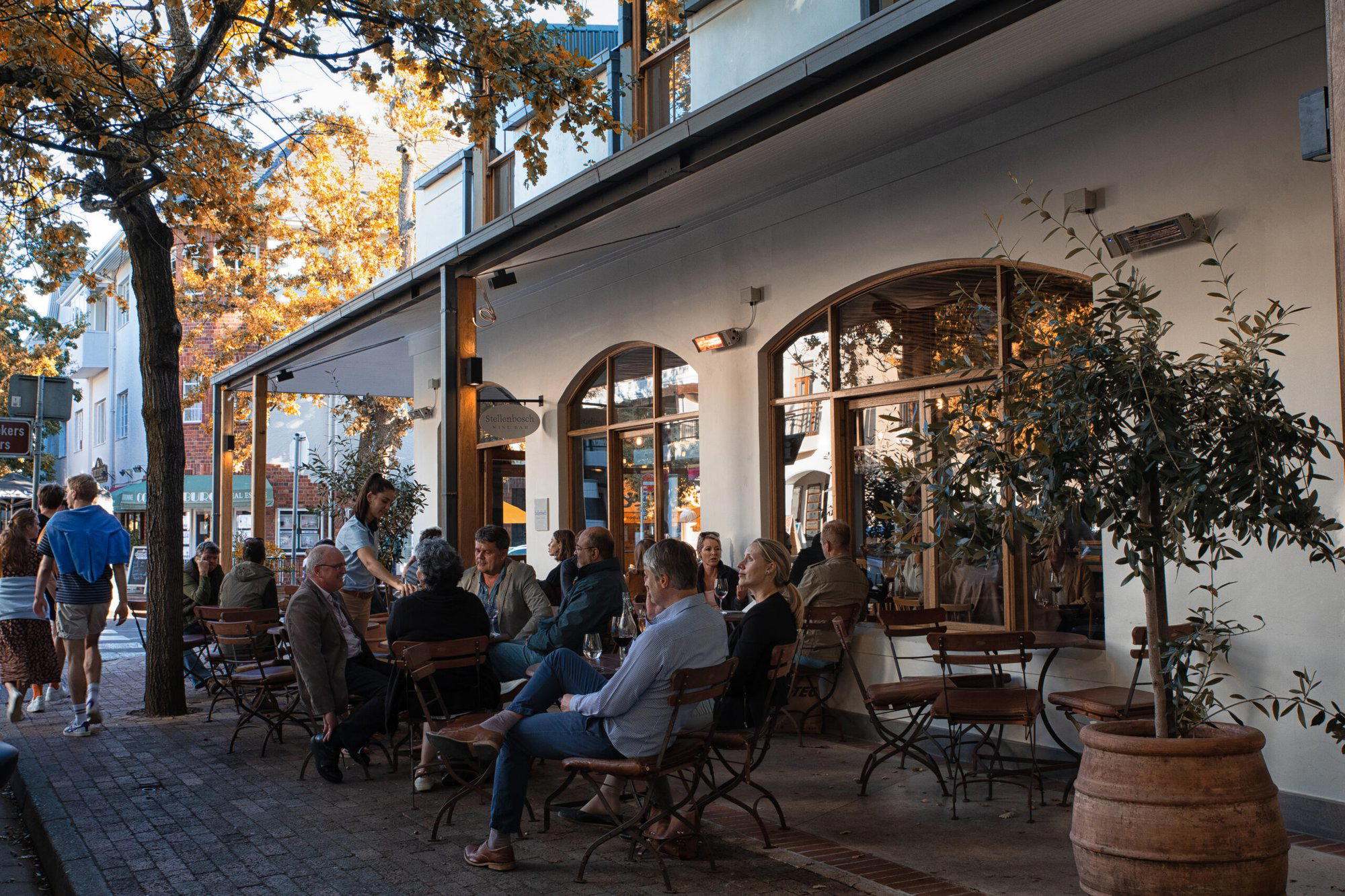
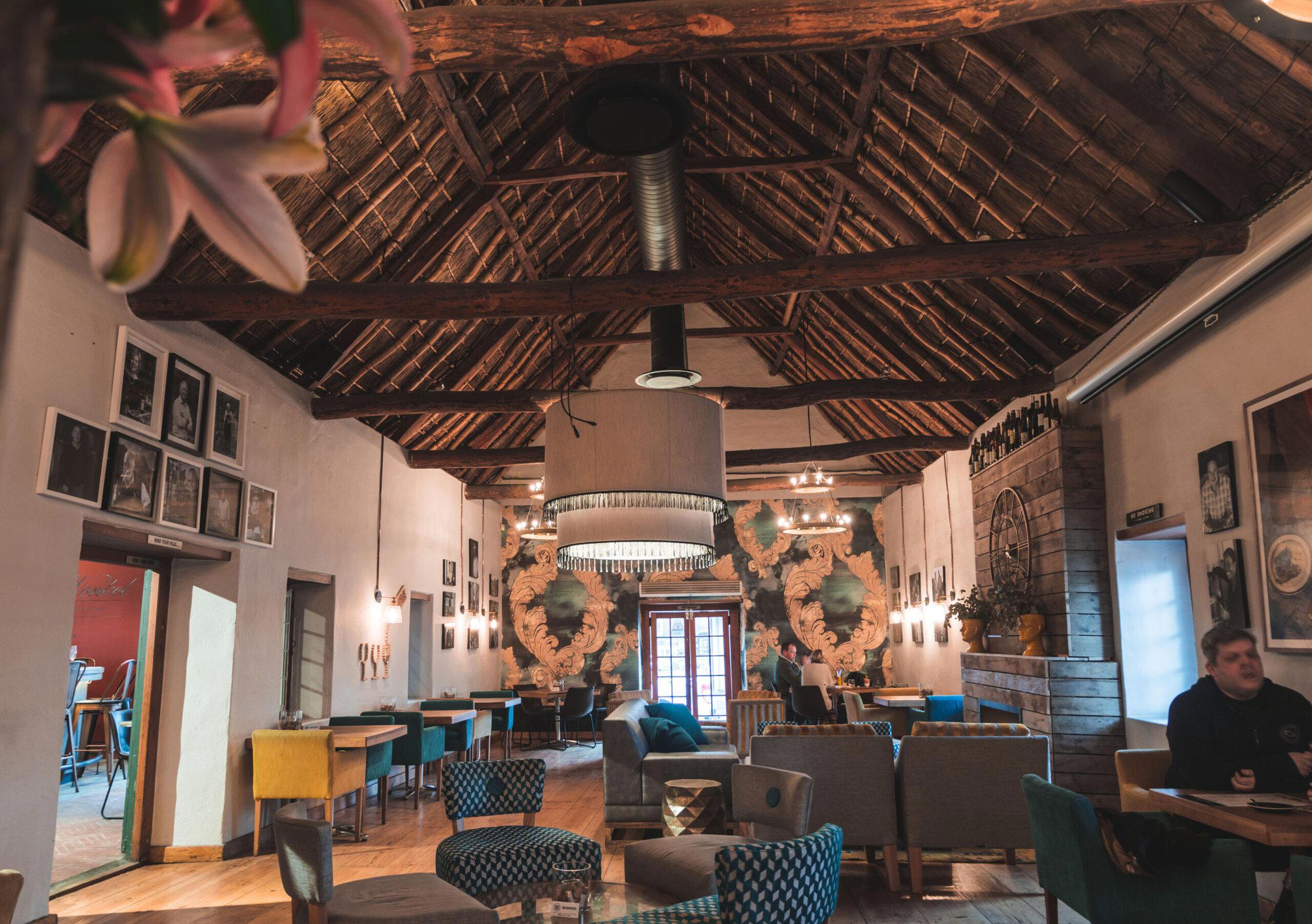
Restaurants in Stellenbosch
Browse all →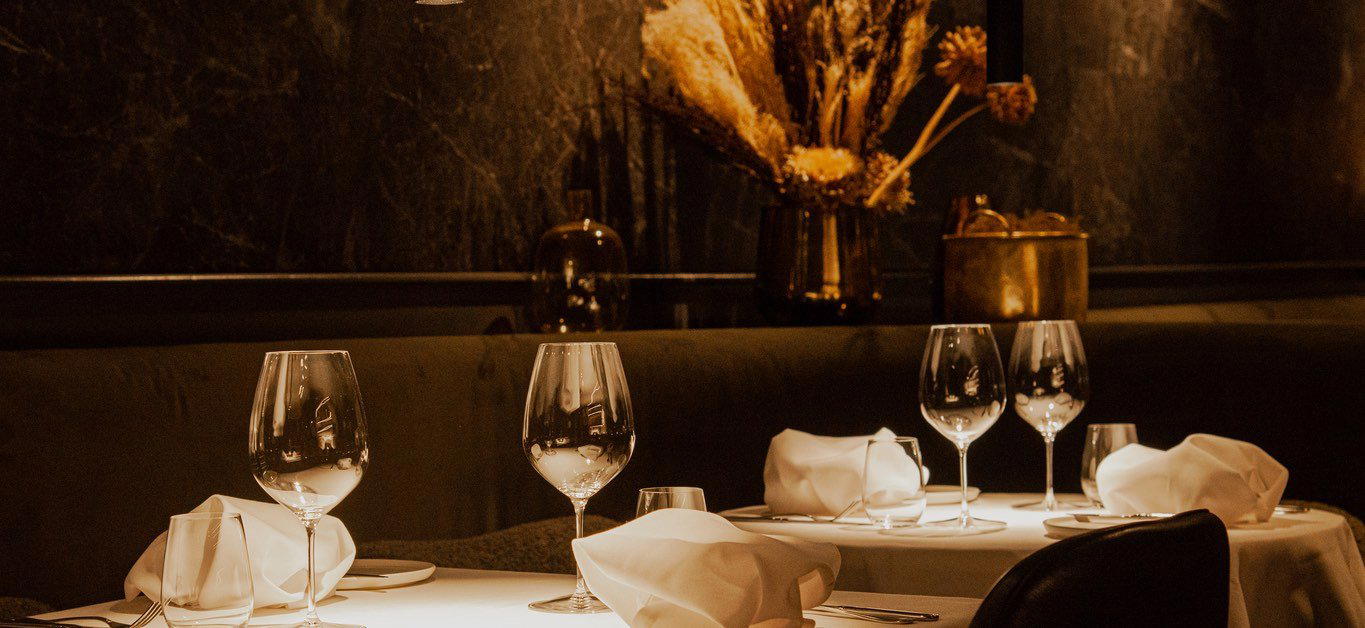
Details
- Romantic
- Scenic
- Elegant
- Sophisticated
- Romantic Getaway
- Group Outing
- Wine Education
- Special Occasion
- Vineyard Tour
- Estate Grounds
- Garden
- Terrace
- Panoramic View
- Design Destination
- Private Tasting
- Sustainable
- Mountain
- Vineyard
- Garden
- Cabernet Sauvignon
- Chardonnay
- Shiraz
- Merlot
- Grenache
- Sauvignon Blanc
- Cabernet Franc
- Malbec
- Mourvèdre
- Petit Verdot
- Sangiovese
- Barbera
- Tempranillo
- Still Red
- Still White
- Sparkling
- Wine Drive Safari
- Porcupine Trail Wine Walk
- Seated Tasting
- English
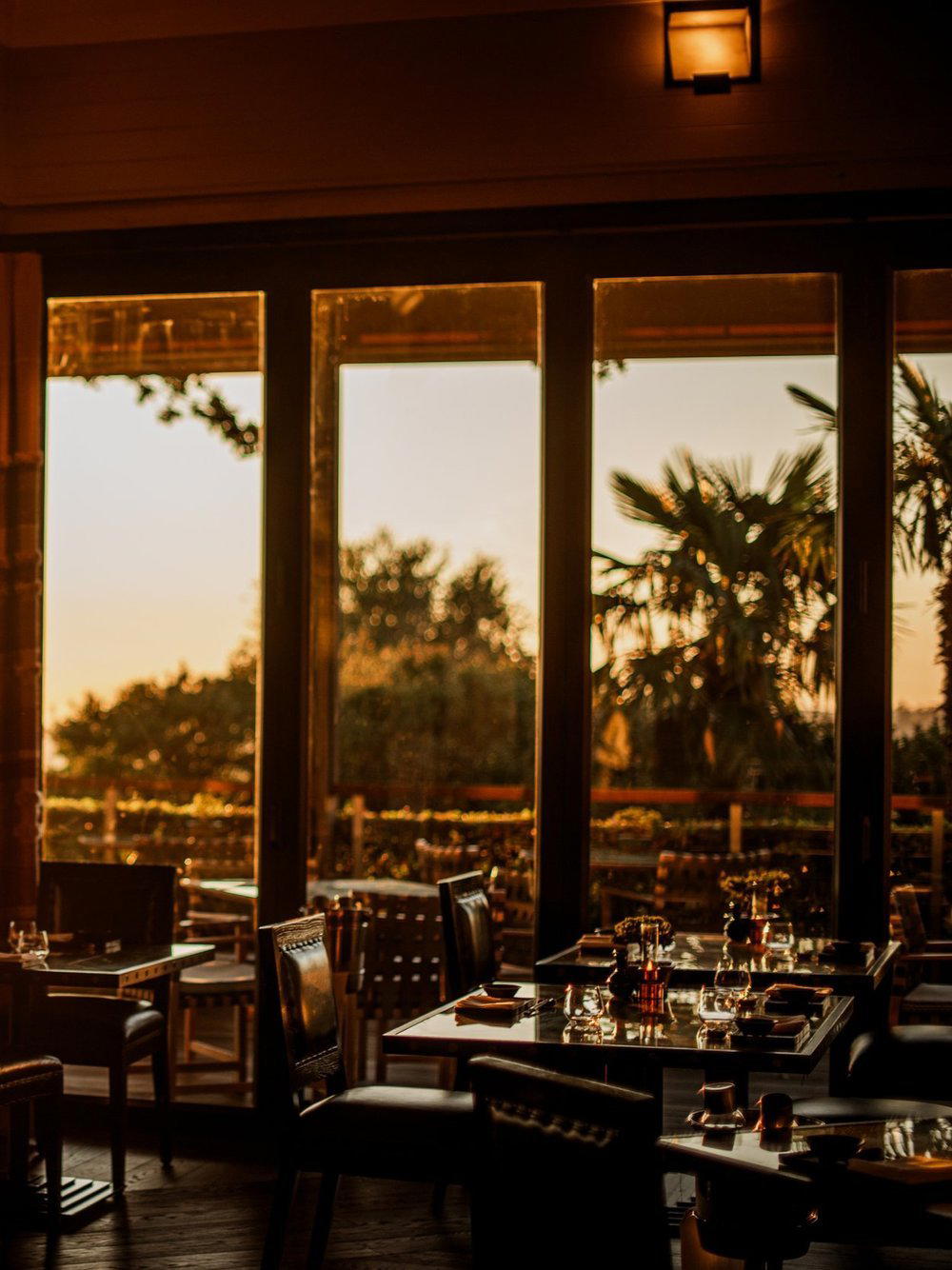
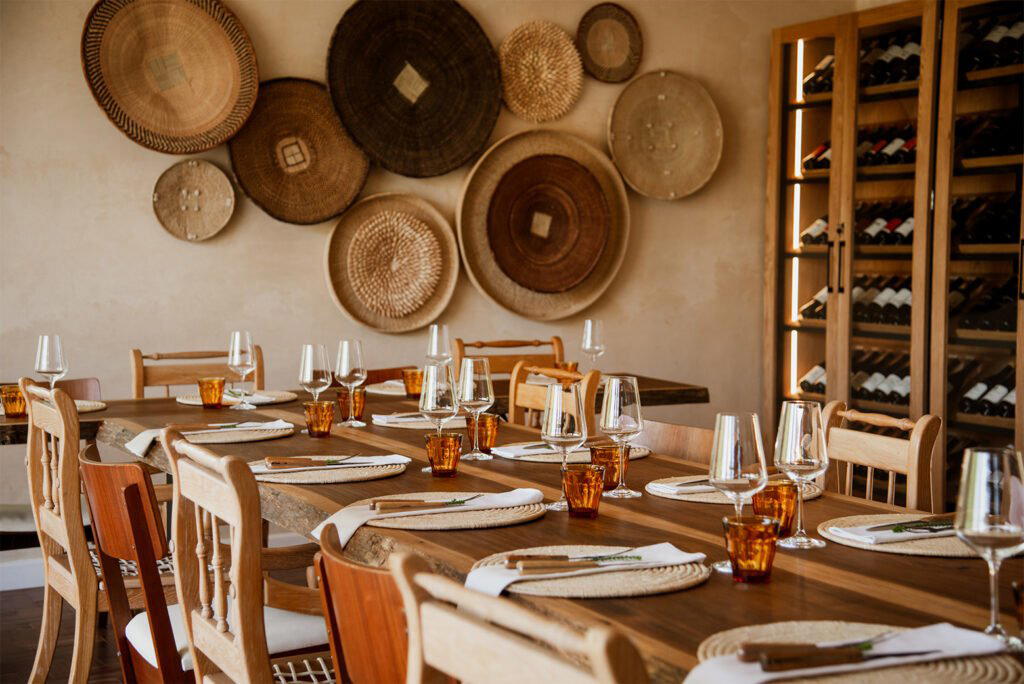
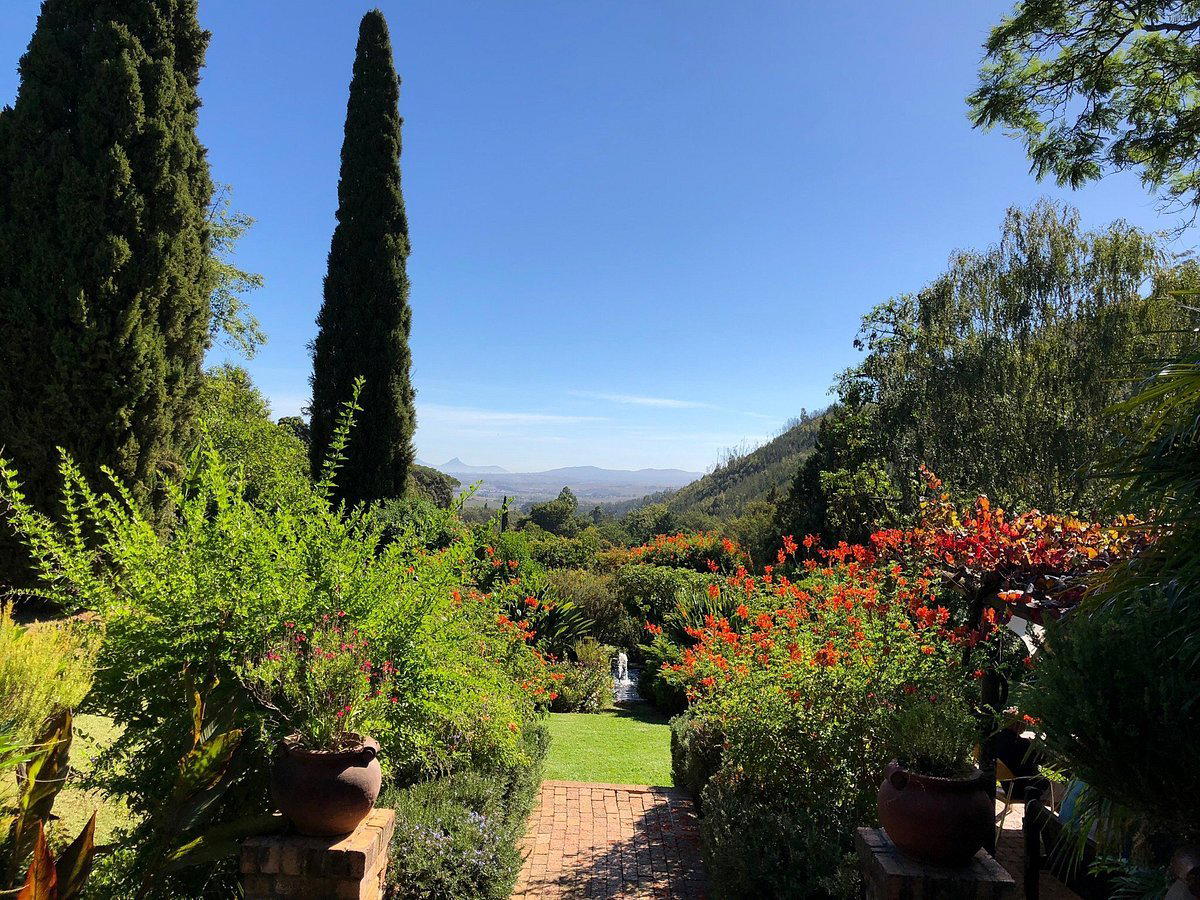
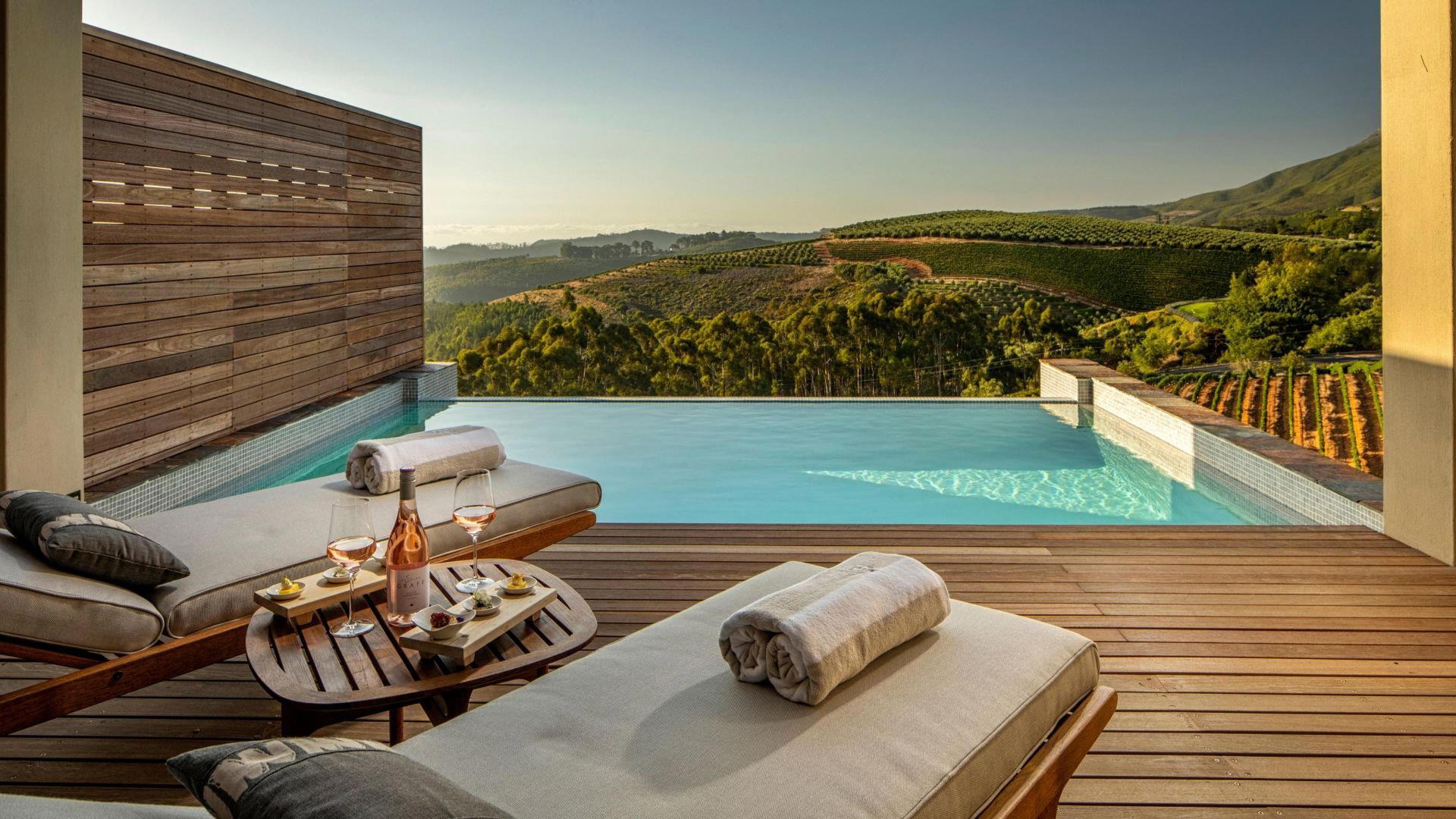
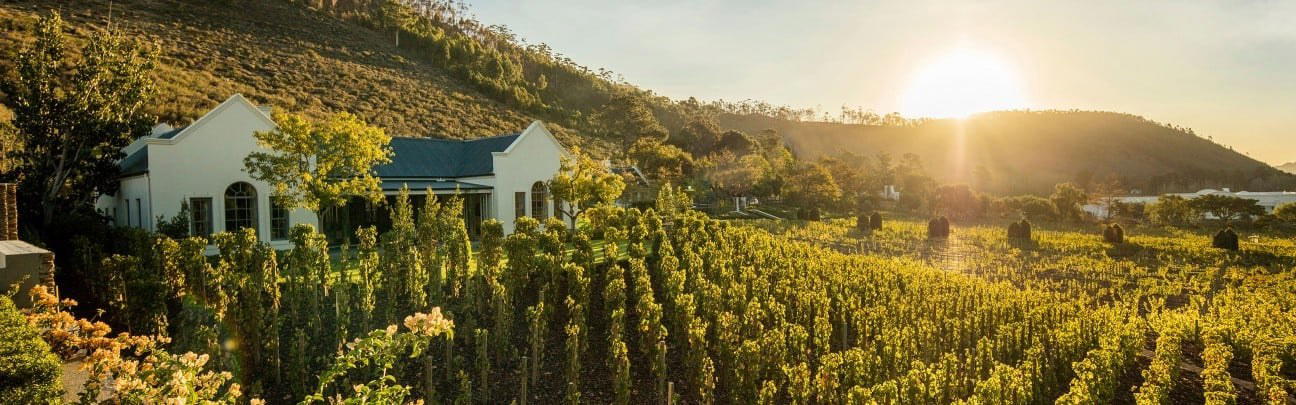
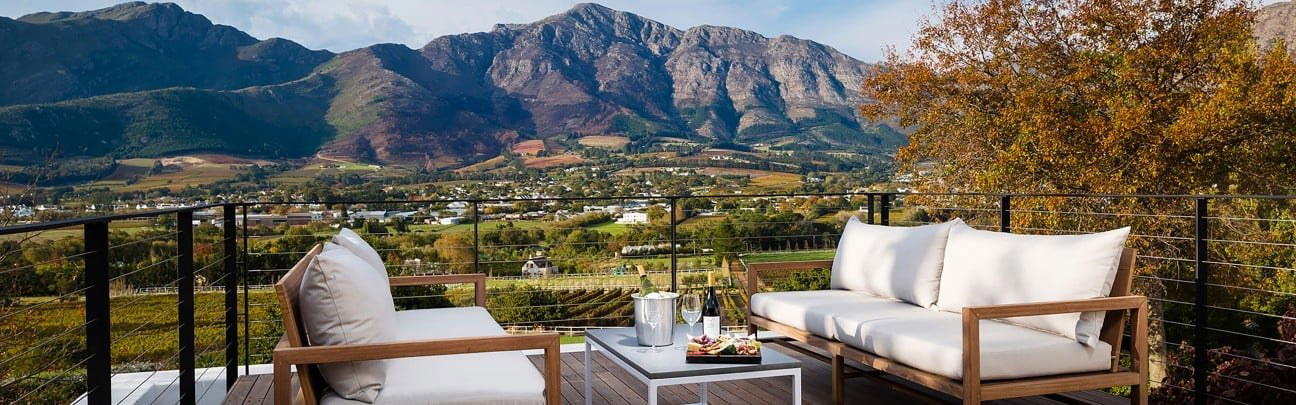
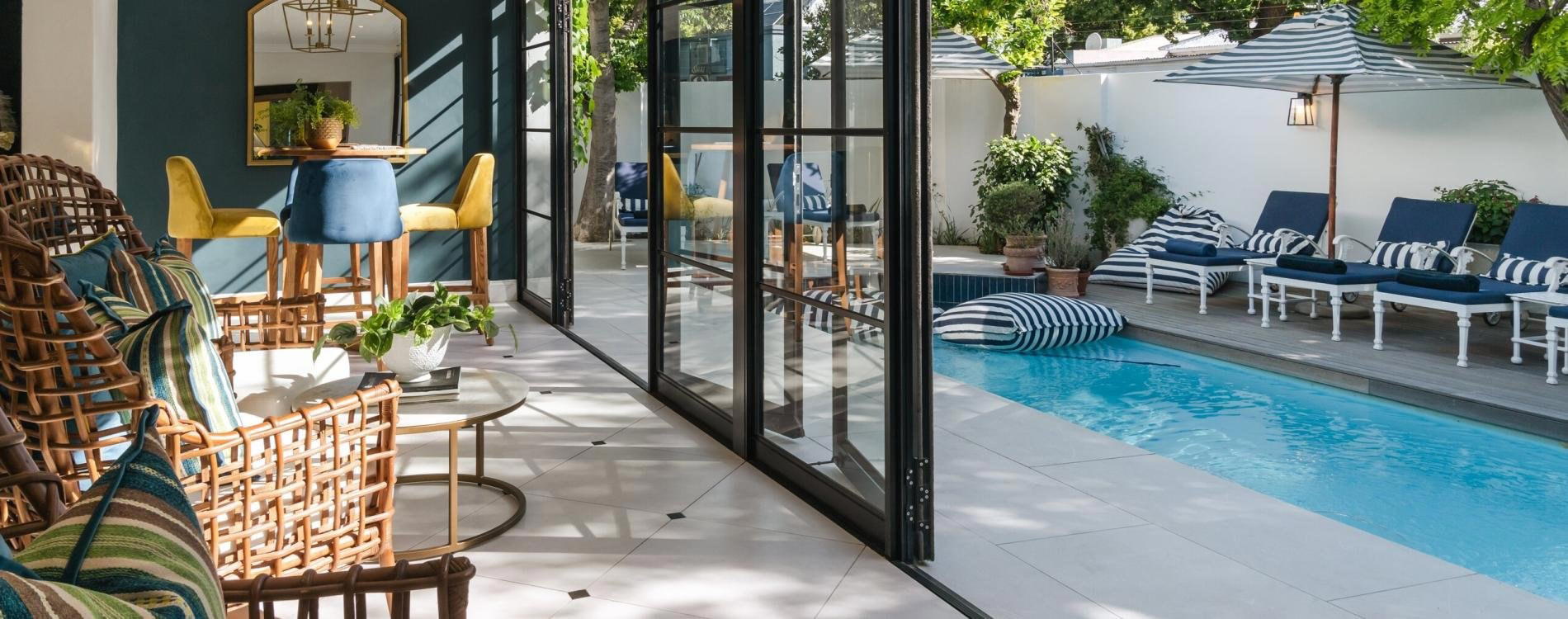
Warm, serene, and welcoming atmosphere with fantastic live music, far-reaching scenery of Table Mountain and Helderberg slopes, elegant Cape-Mediterranean courtyard design with natural lighting and covered veranda areas.