Lambardi

Falstaff Winery - Listed
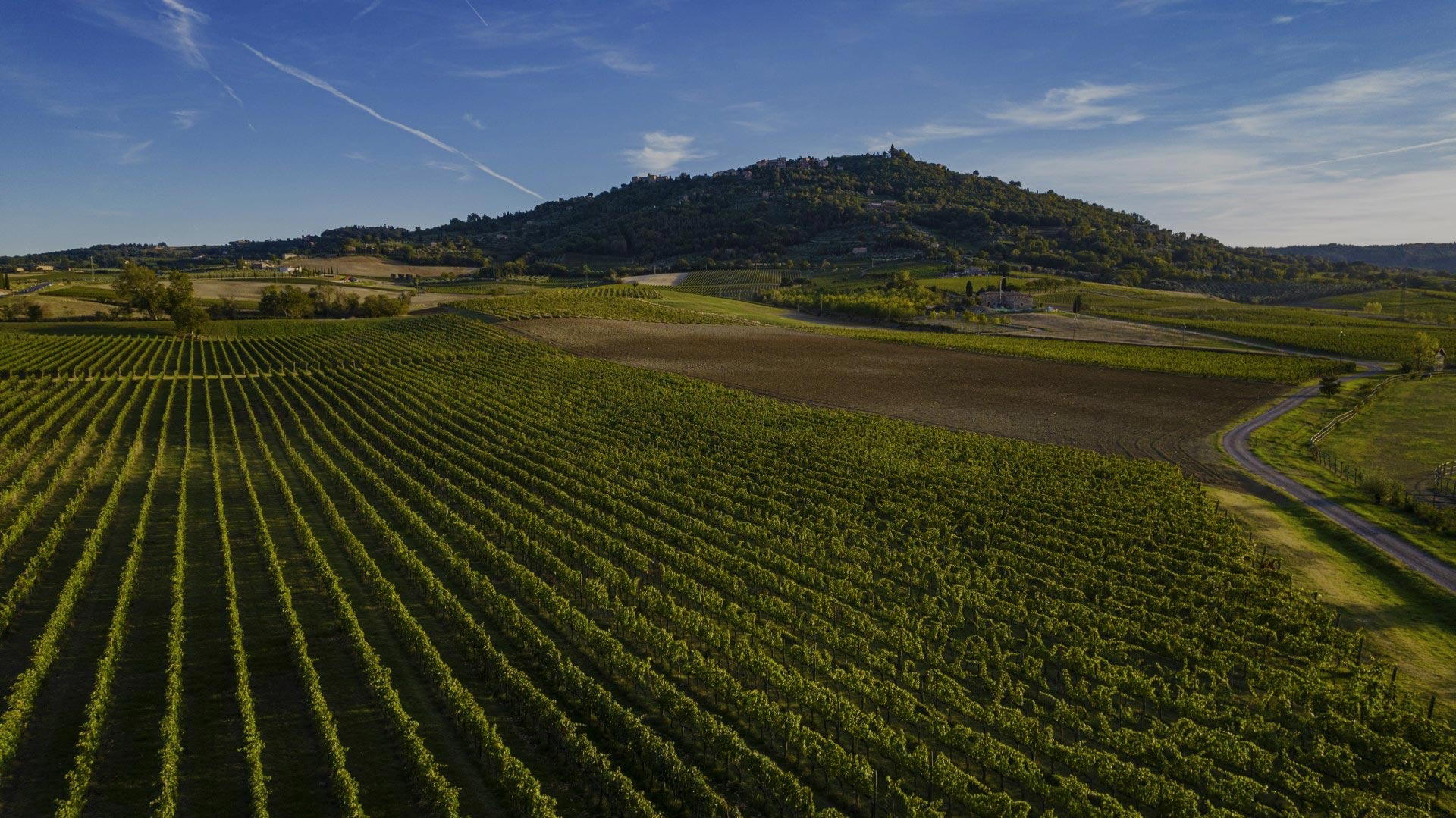
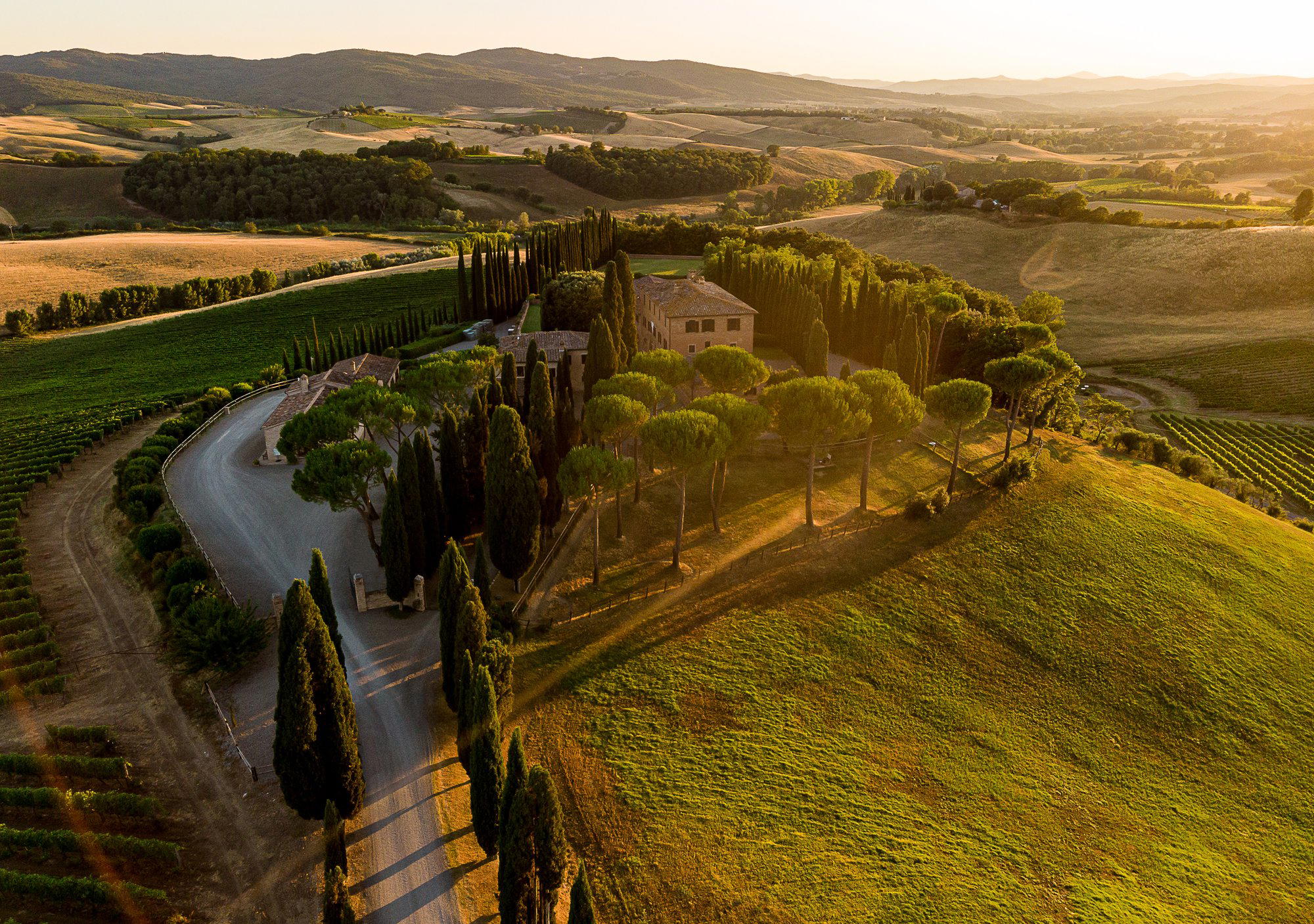
Lambardi is a small historical Brunello estate in Montalcino, shaped by northeastern-slope vineyards, Sangiovese, and a traditional cellar rhythm rather than scale. Its appeal is terroir-led: vines linked to the property since 1835, Brunello production documented from 1973, and limited annual output that keeps the focus on site, structure, and age.

Pearl is the En Primeur Club membership app — saves, bookings, and concierge access live there. Same editors, same standards.
- Address
- Montalcino, Tuscany, Italien
- Directions
- Get directions

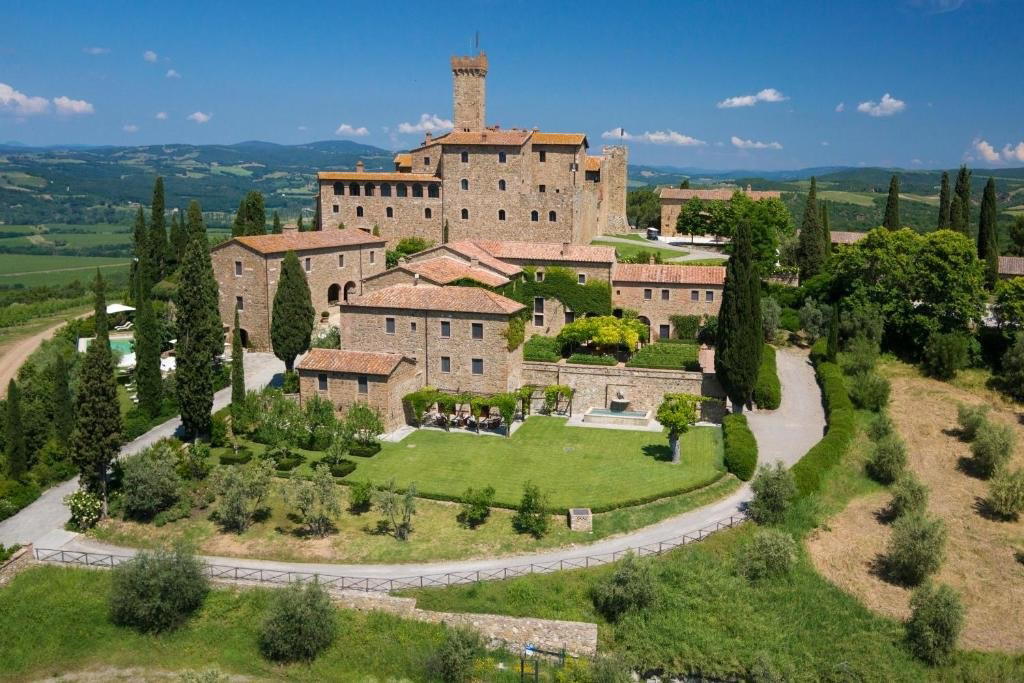
Lambardi in Montalcino is best framed as a quiet, traditional address with a small-scale estate atmosphere. The picture is not one of spectacle or a broad hospitality concept, but of a historically rooted, family-run feel and wines described in traditional terms. In a destination where the name Montalcino can suggest many different kinds of experiences, Lambardi reads as the more discreet end of the spectrum: a place whose appeal depends less on outward show and more on atmosphere, continuity, and a sense of being close to the character of the estate itself.
A traditional Montalcino estate mood
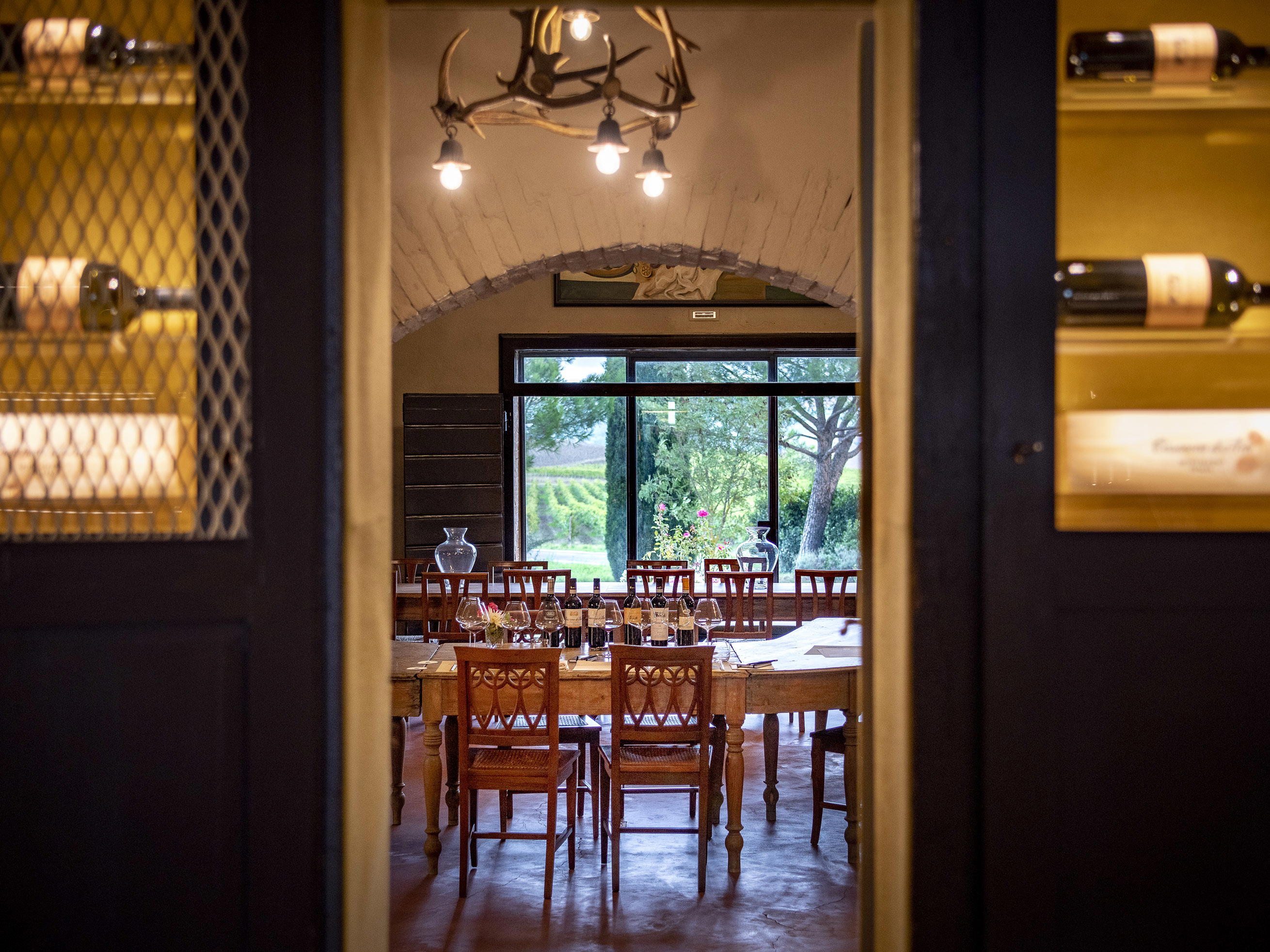
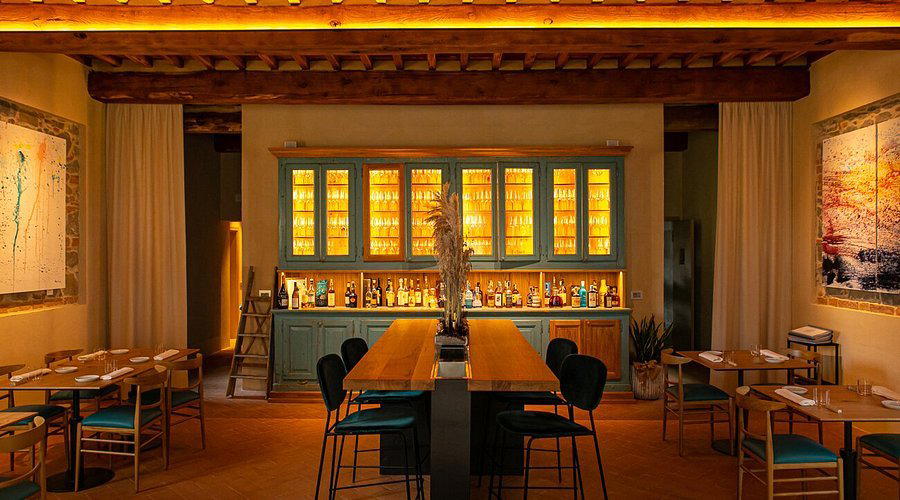
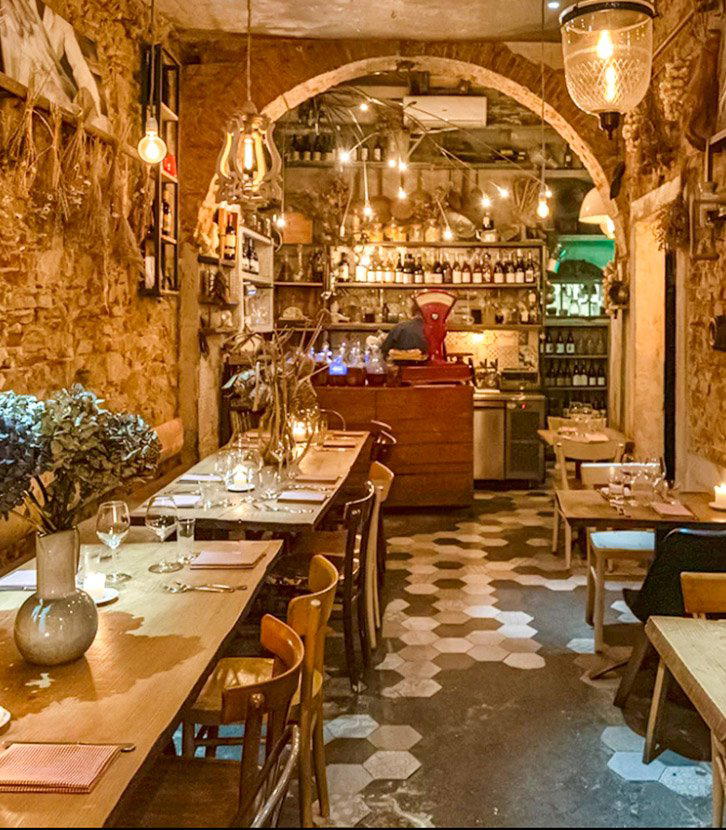
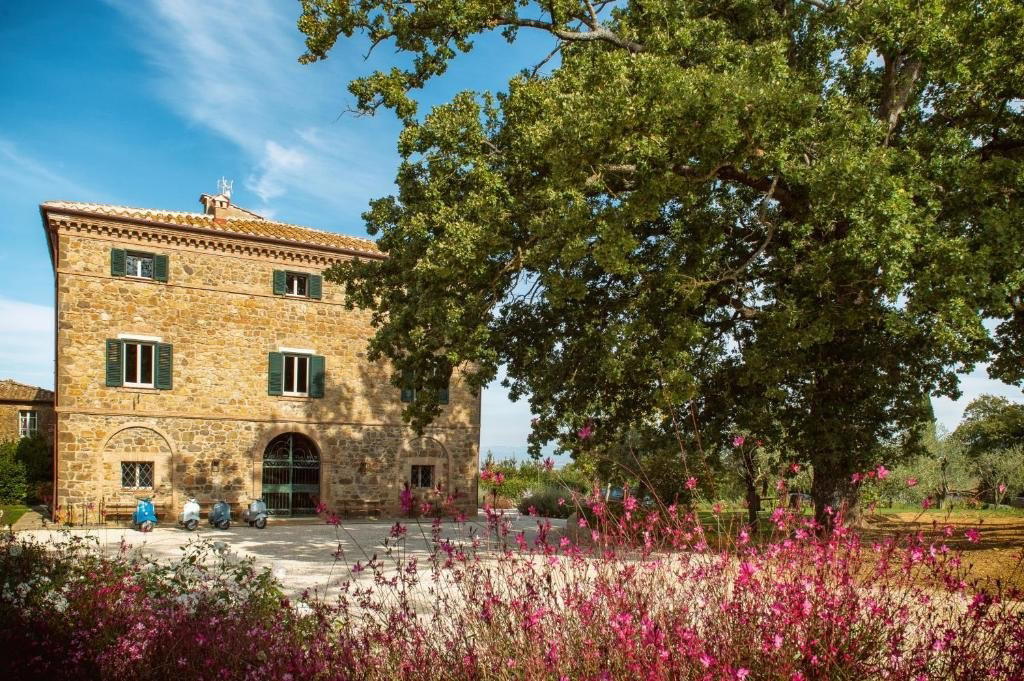
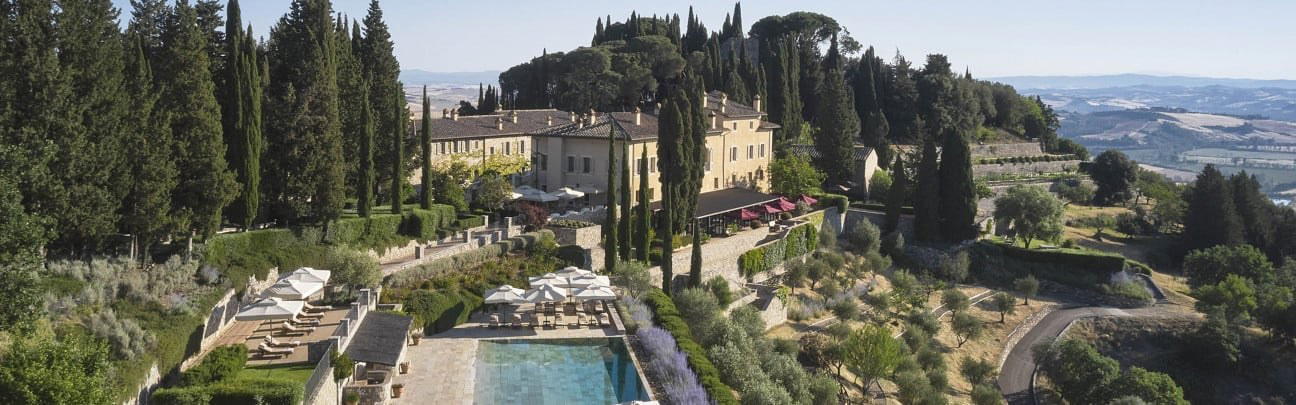
The strongest grounded detail about Lambardi is its atmosphere: classic, rustic, sophisticated, and discreet. It reads as a hidden-gem style of place rather than a large, high-volume venue. The property is described as historical, with a family-run character that gives the experience a sense of continuity. Those words matter because they set expectations clearly. This is not positioned as a destination built around grand gestures, elaborate staging, or a highly produced visitor experience. Its appeal lies in the quieter language of place: traditional materials, a restrained tone, and the feeling of an address that has not been shaped only for passing attention.
What can be said with confidence is that Lambardi belongs to the quieter side of Montalcino, with a traditional estate identity and wines described as traditional. That combination gives the venue a certain clarity. Visitors should not expect the drama of a large-format hospitality operation, but rather the appeal of a smaller, more personal-feeling setting. The family-run description is important here, not because it needs embellishment, but because it suggests a way of receiving guests that is rooted in continuity rather than reinvention. In editorial terms, Lambardi is best understood as a place for those who appreciate understatement.
For readers mapping the wider area, use broader Montalcino resources to compare Lambardi with other local options in the city. That comparison is useful because Lambardi’s strengths are specific. It is not trying to represent every possible version of Montalcino hospitality. Instead, it occupies a particular lane: rustic, classic, discreet, and historically minded. Setting it beside other local options can help clarify whether this is the mood you want for a visit, especially if the priority is a calmer estate atmosphere rather than a busier or more expansive venue.
Traditional wines, quiet presentation
Lambardi’s appeal rests on restraint. The description points to traditional wines and a classic, historically grounded property rather than a venue built around novelty or elaborate presentation. That makes it a better fit for visitors who value a calm, rustic, small-scale setting. The language around the wines is deliberately traditional, and that should shape expectations: the draw is not experimentation for its own sake, but a more familiar and grounded expression of the place. In this context, quiet presentation is part of the identity, not a lack of ambition.
The price level is listed as $$$, so Lambardi should be treated as a premium Montalcino option. That does not mean it should be read as flashy; in fact, the surrounding description points in the opposite direction. The premium positioning sits alongside a discreet, estate-like mood, which is part of the nuance. The value proposition is therefore not about spectacle, scale, or an unusually broad concept. It is about whether the guest wants a traditional Montalcino experience with a polished but restrained tone, and whether that quieter style matches the reason for visiting.
Why it belongs on a serious Montalcino itinerary
Montalcino has many ways to experience local hospitality, from casual local stops to more polished destinations. Lambardi’s identity is narrower and more traditional: a quiet, rustic, family-run estate atmosphere with historical roots and a sophisticated but understated feel. That narrowness is exactly what gives it a place on a serious itinerary. It offers a specific kind of Montalcino mood, one that is less about range and more about focus. For travellers trying to understand the area through its more traditional addresses, that focus can be more useful than a venue trying to be everything at once.
That makes Lambardi a strong consideration for travellers who want a classic Montalcino setting rather than a heavily staged experience. Go for the traditional character, the historical property feel, and the sense of a small-scale estate; confirm practical details such as timing, access, and visit format directly before going. It is best approached with expectations aligned to its quieter strengths: discretion, rustic sophistication, and a family-run atmosphere. If those are the qualities you are seeking, Lambardi fits naturally into an itinerary built around traditional Montalcino character rather than high-volume hospitality or overt display.
Recognition history
Dated appearances from independent guides and award organizations, with the underlying list record or original source where available.
Falstaff Winery - Listed
Falstaff
Continue exploring
More in Montalcino
Wineries in Montalcino
Browse all →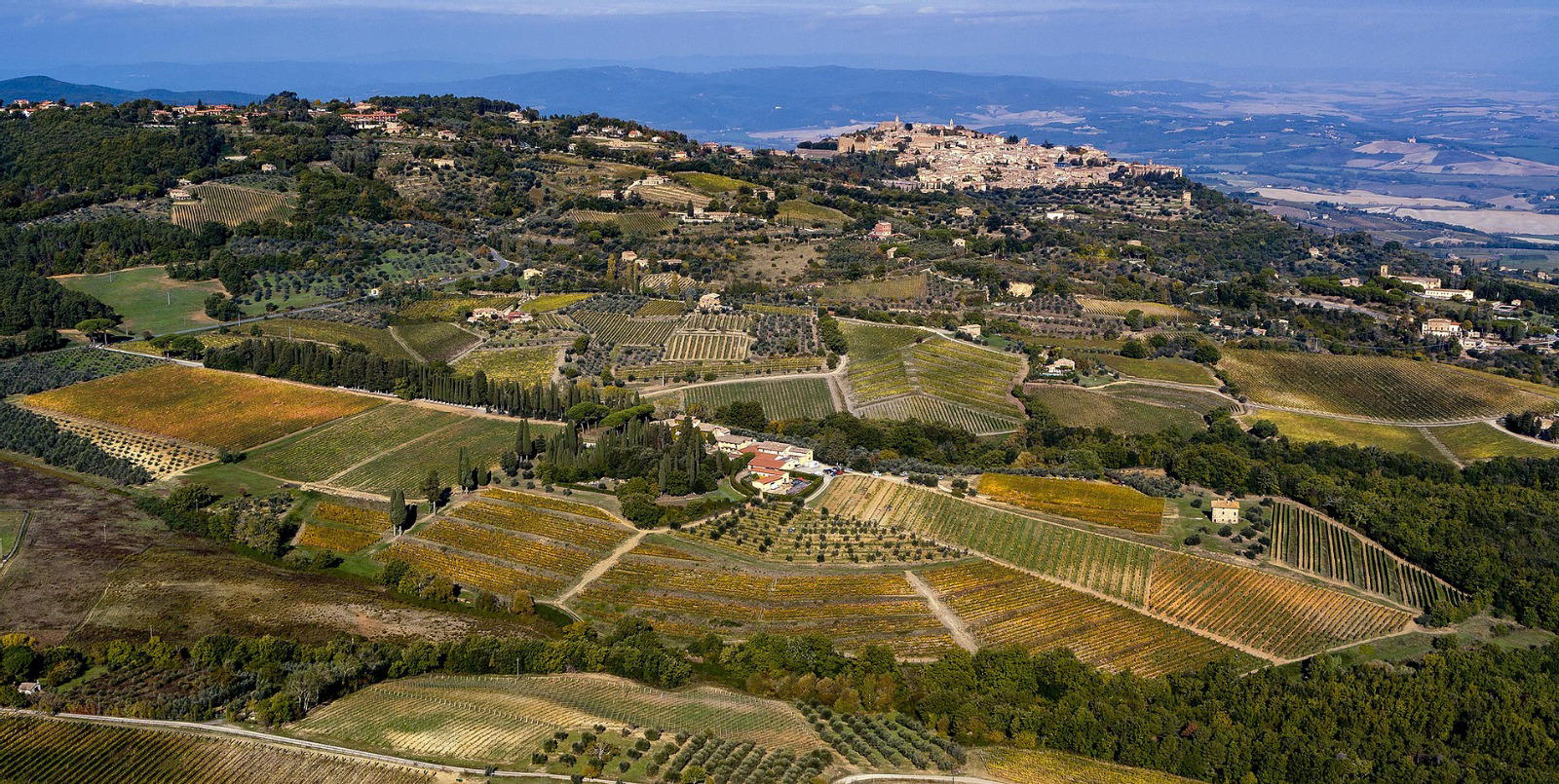
Bars in Montalcino
Browse all →
Restaurants in Montalcino
Browse all →
Details
- Classic
- Quiet
- Rustic
- Sophisticated
- Special Occasion
- Wine Education
- Solo Exploration
- Historic Building
- Estate Grounds
- Private Tasting
- Vineyard
- Sangiovese
- Still Red
- Tasting Room
- Private Tasting
Traditional, small-scale estate atmosphere with a historically rooted, family-run feel; the wines are described as traditional and the property as historical.