La Torre

Falstaff Winery - Listed
La Torre belongs to the quieter, traditional side of Montalcino: small-scale, high-altitude Sangiovese rather than cellar-door spectacle. Its Brunello identity is shaped by southern and southwestern exposure, hand harvesting, spontaneous fermentation, long aging in large Slavonian oak, and a family line that has kept the estate focused on place over polish.

Pearl is the En Primeur Club membership app — saves, bookings, and concierge access live there. Same editors, same standards.
- Address
- Montalcino, Tuscany, Italien
- Directions
- Get directions

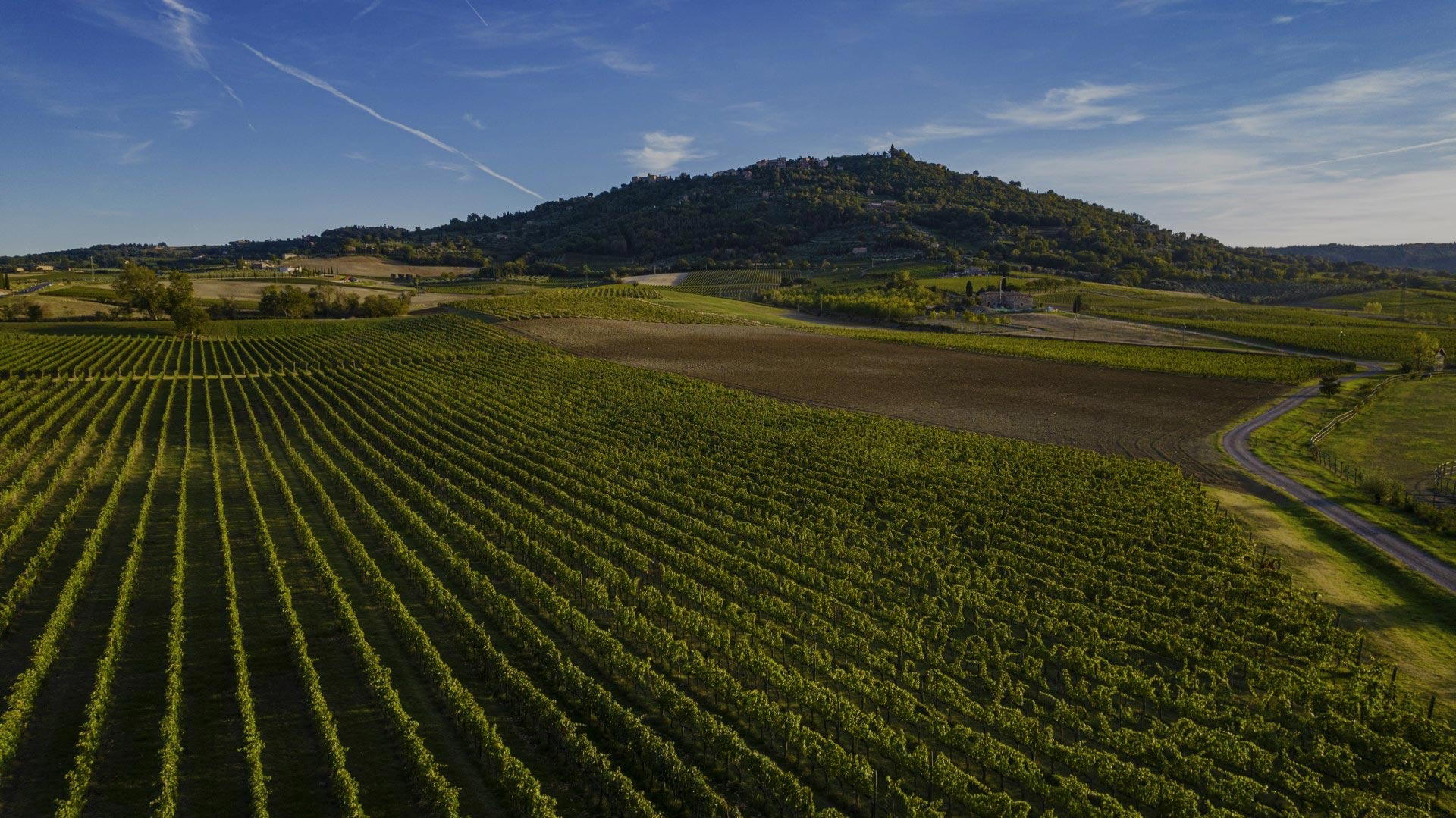
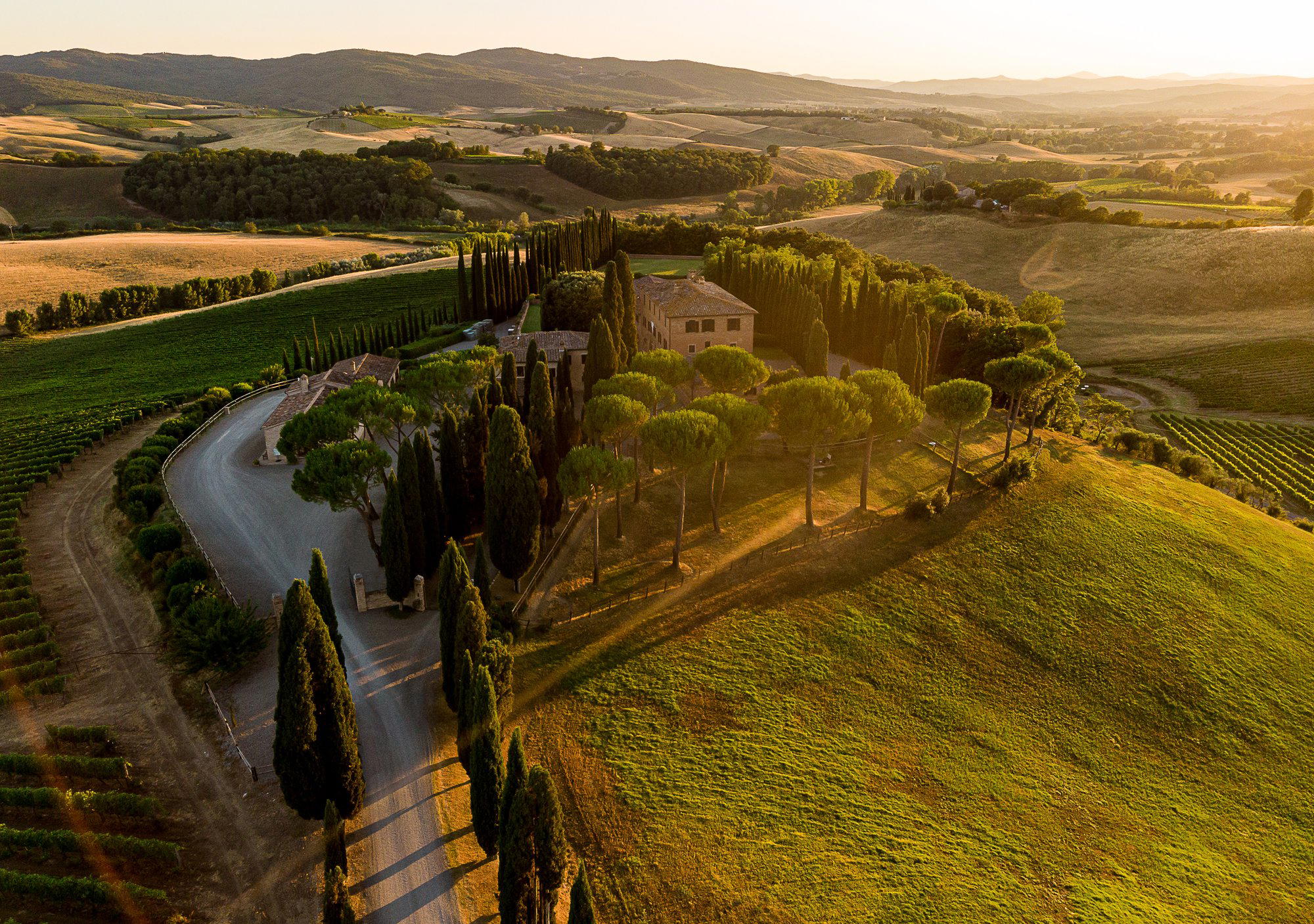
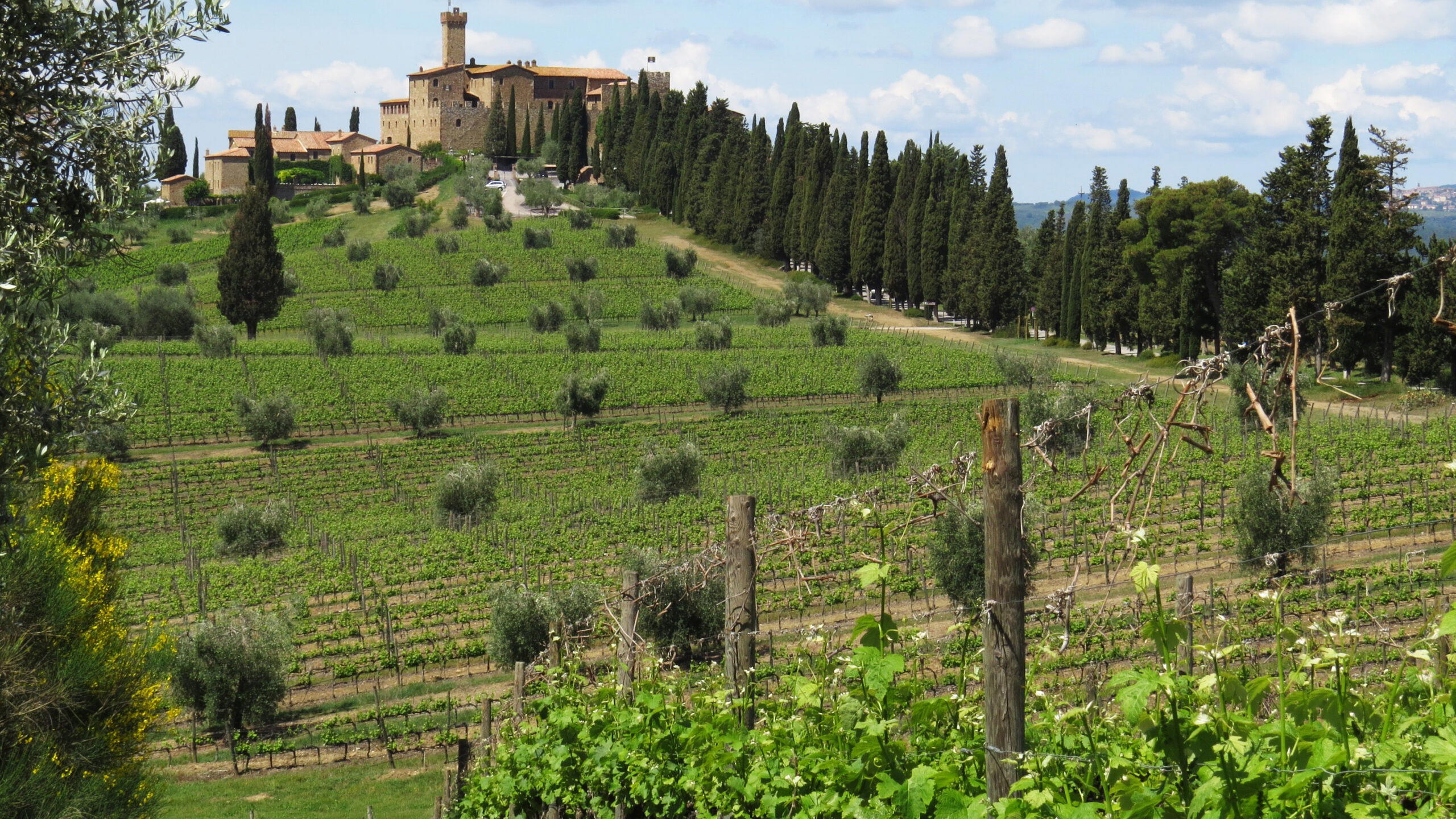
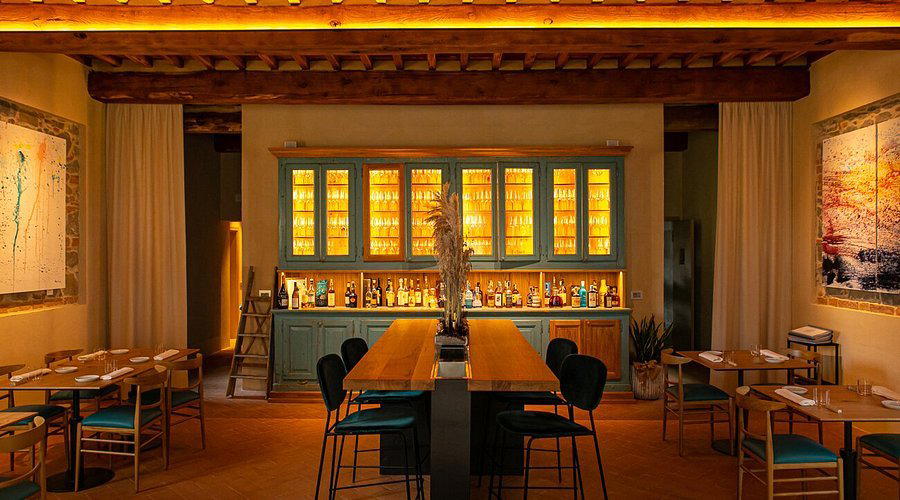
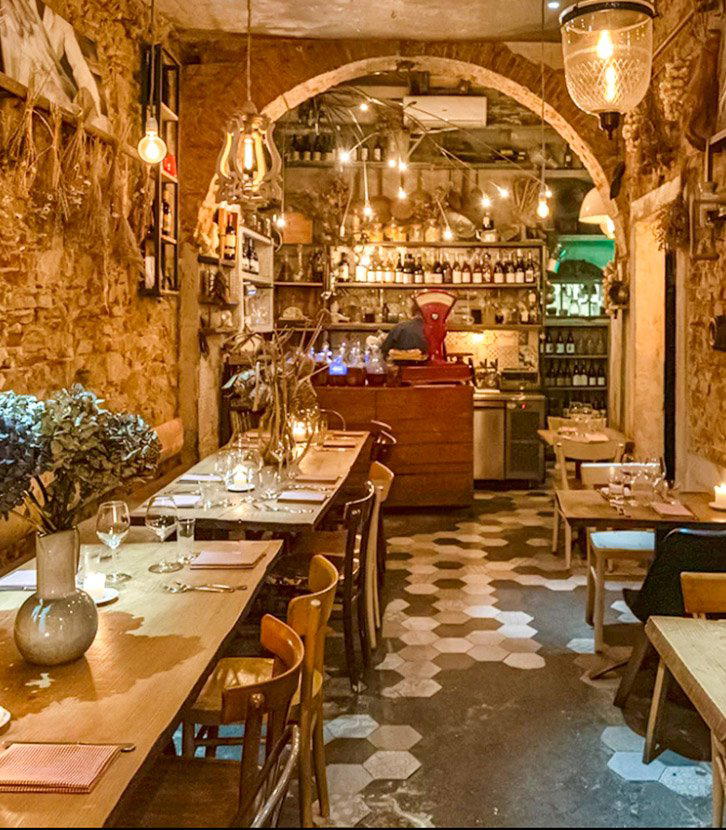
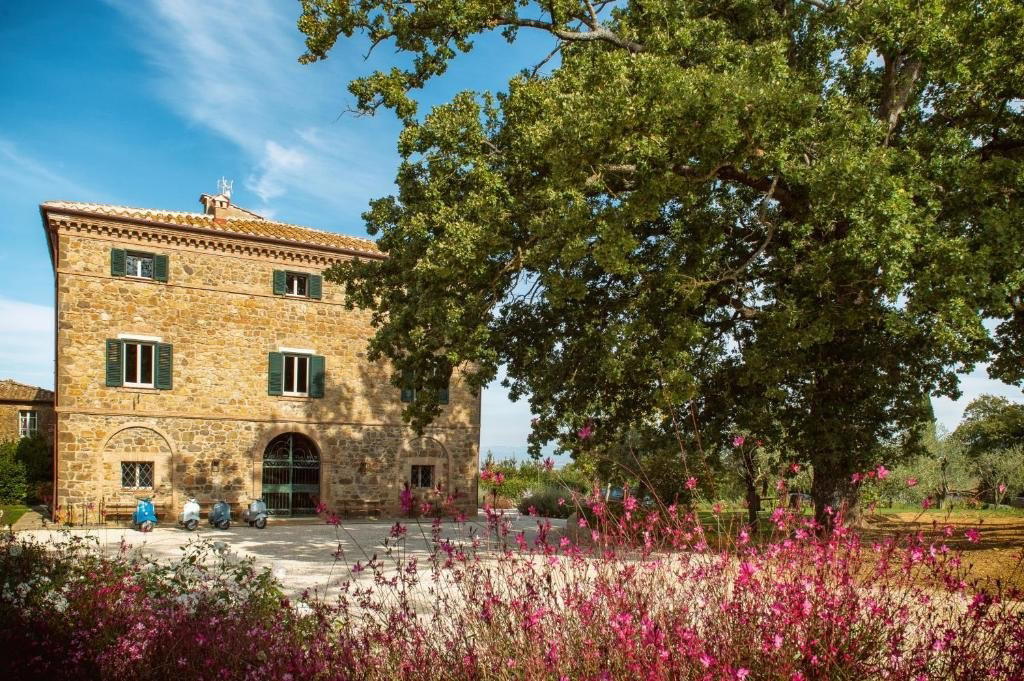
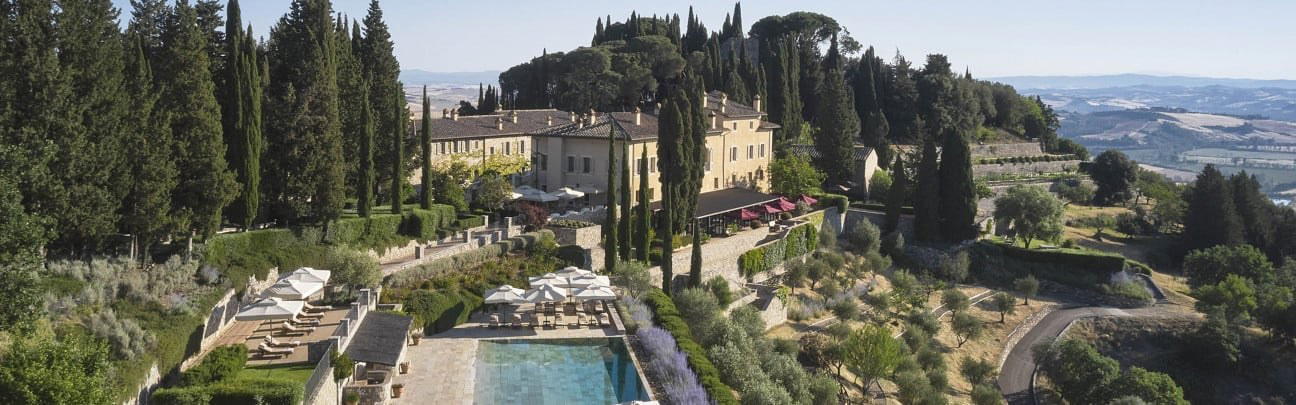
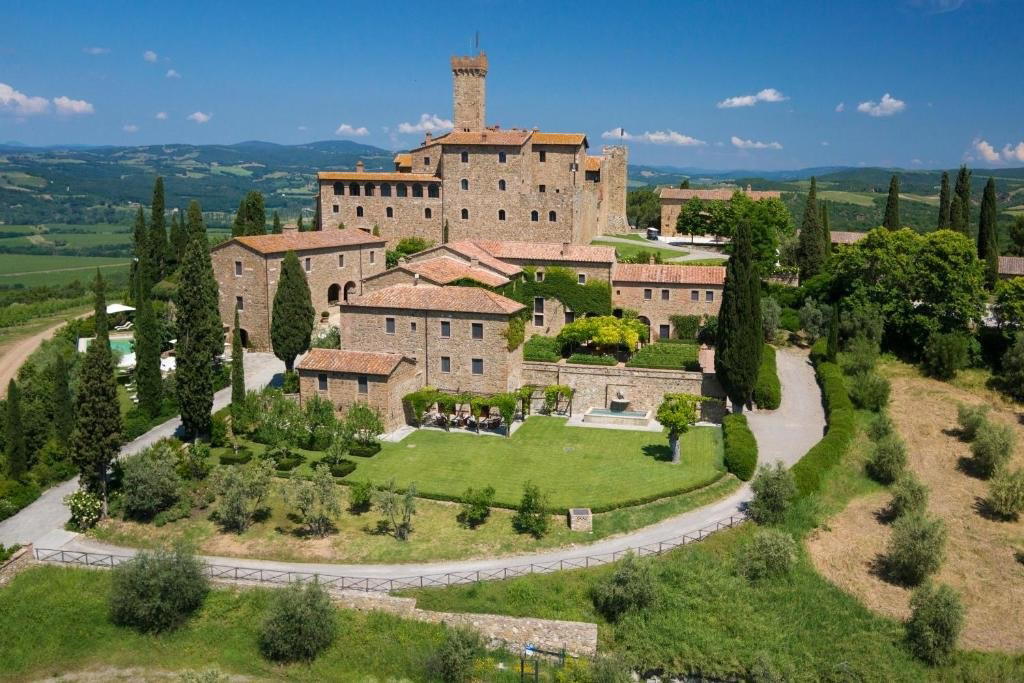
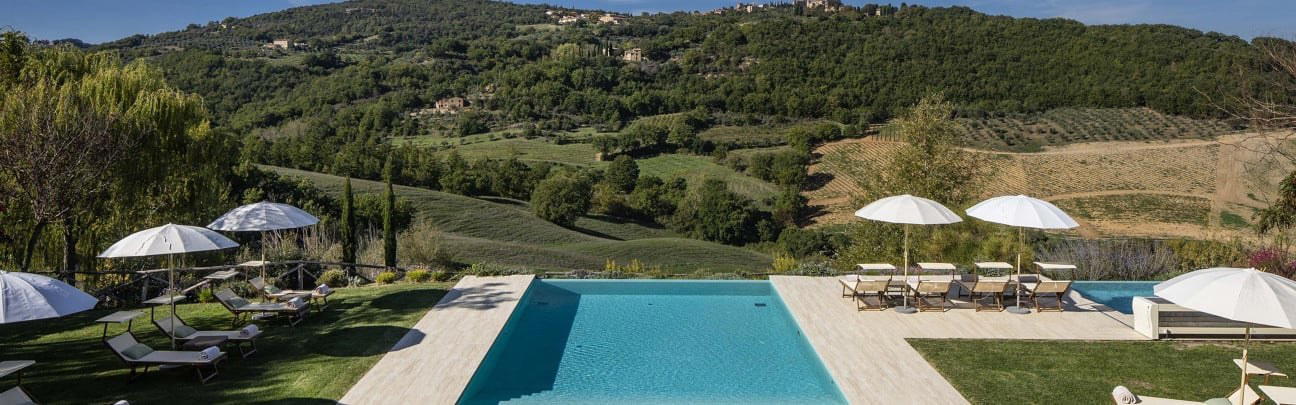
South of Montalcino, La Torre is best framed through its setting and its wine style rather than through hospitality details. The picture is of a traditional Tuscan estate winery atmosphere in a rustic, rural landscape in the hills south of Montalcino, with attention centered on Brunello and Rosso. That framing matters because it keeps the estate in the right scale: not as a polished attraction built around extensive visitor-facing claims, but as a wine address whose meaning comes from place, grape, and a deliberately understated idea of production.
The useful way to approach La Torre is as a Montalcino producer whose identity is tied to authentic, minimally manipulated wine. In that sense, the appeal is not dependent on a long list of extras. It rests on the quieter proposition that Sangiovese, handled with simplicity and respect, can express a recognizable Montalcino character without needing to be over-explained.
Traditional Brunello and Rosso in a rural estate setting
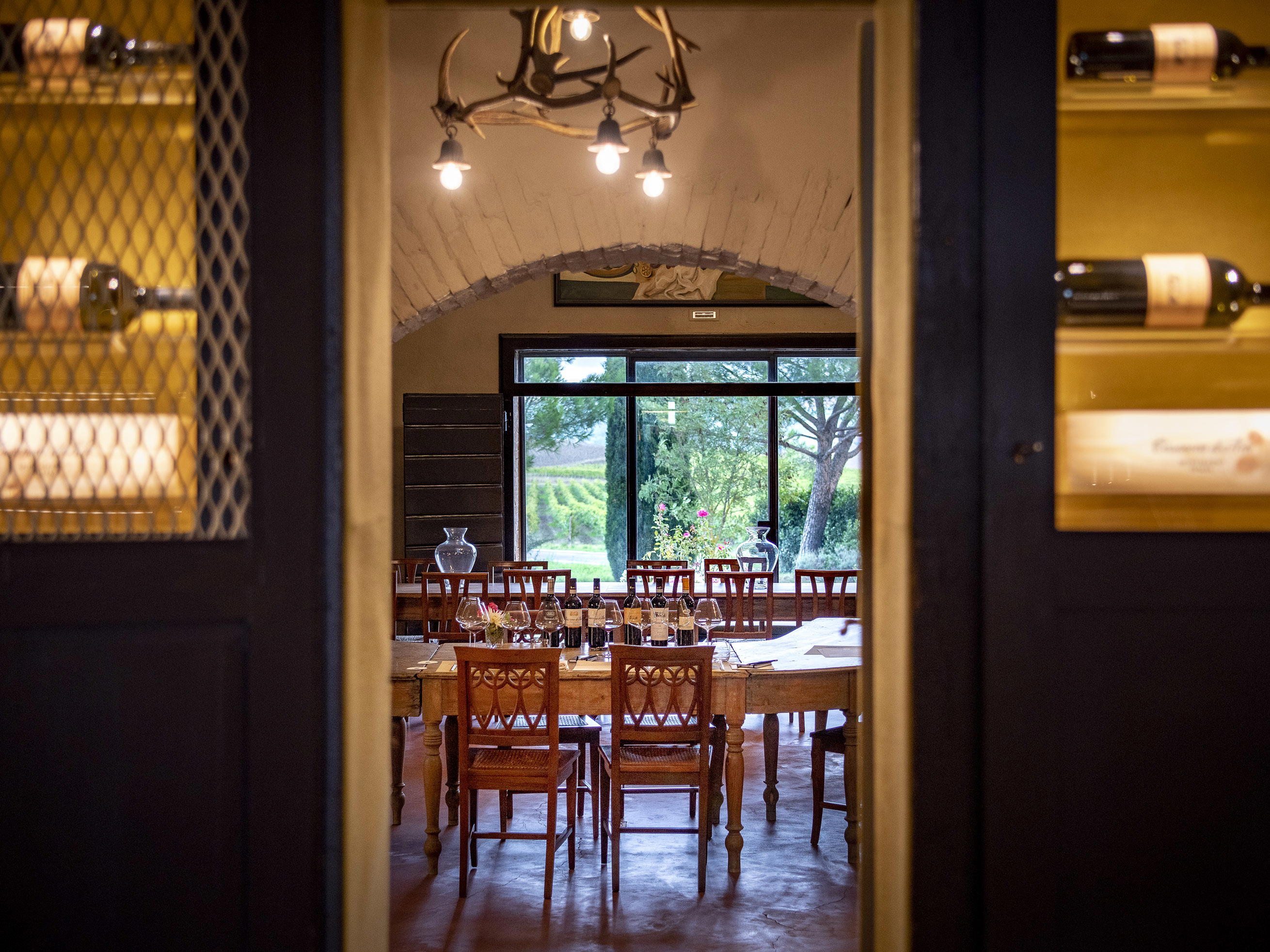
La Torre’s profile points to a simple, traditional estate-winery atmosphere rather than a highly staged destination. The focus is on Brunello and Rosso, with cellar methods described in terms of simplicity and respect for Sangiovese. Those words are important because they set expectations: the estate is best read through a restrained vocabulary, where the surrounding hills, rural texture, and wine style carry more weight than elaborate hospitality language.
That makes the estate most relevant for travelers who want a quieter Montalcino wine reference point: rustic surroundings, a rural Tuscan mood, and a production philosophy that emphasizes restraint over showmanship. It suggests a place to consider when the goal is to connect Brunello and Rosso to their agricultural context rather than to treat them only as labels on a prestigious shelf. Beyond that, specific technical assertions should be confirmed directly before being used to plan a visit or compare bottles.
In editorial terms, the attraction is not an invented list of amenities or accolades. It is the combination of place, grape, and a traditional approach: Montalcino, Sangiovese, Brunello, Rosso, and a minimally manipulated style. That combination gives La Torre a clear identity even without leaning on unsupported claims. The estate’s role is to represent a more grounded reading of the appellation, where the point is not to enlarge the story beyond the evidence, but to let the essentials remain visible.
What the bottles say about Montalcino's quieter tier
The information supports describing La Torre as a Montalcino estate associated with Brunello and Rosso. It does not support naming a complete portfolio, exact vintages, critic scores, bottle counts, retail prices, or award history. That limitation is useful rather than negative, because it helps keep the description honest: La Torre should be approached through confirmed broad character, not through numbers or distinctions that are not present here.
For readers, that means La Torre should be understood through broad style rather than through unconfirmed numerical claims. The safe, grounded takeaway is that the wines are presented as authentic and minimally manipulated, with cellar work guided by simplicity and respect for Sangiovese. In a region where Brunello can easily be discussed through reputation and hierarchy, this is a more modest but still meaningful lens. It places emphasis on the relationship between grape and place, and on the idea that restraint can itself be a defining feature.
That restraint is enough to give the estate a clear place in a Montalcino itinerary. It is a producer to consider when the goal is to understand the more rustic, rural side of Brunello and Rosso rather than to chase a confirmed trophy rating or a documented luxury tasting format. The bottles, as presented here, are not being used to make grand comparative claims. They function instead as a route into Montalcino’s quieter tier: less about spectacle, more about traditional Sangiovese interpreted through a rural estate setting.
How to read La Torre in a Montalcino itinerary
For travelers mapping Montalcino through wine, La Torre is valuable as a grounded, traditional reference point. The frame is rural Tuscan atmosphere in the hills south of Montalcino, with attention on Brunello and Rosso made in a restrained, minimally manipulated style. That makes it especially useful as a counterweight to any itinerary built only around prominent names or highly polished formats. Its value is in broadening the picture of what Montalcino can feel like when the emphasis is quieter and more agricultural.
Other dining and wine options in Montalcino can be considered separately, but no specific comparison venue is here beyond La Torre itself. Use the estate as one part of a broader Montalcino plan, and confirm practical details directly before relying on them. That caution is part of the editorial approach: it protects the usefulness of the recommendation by separating what is supported from what would need verification.
La Torre’s place in the guide is therefore deliberately simple: a rustic Montalcino estate associated with Brunello, Rosso, Sangiovese, and a traditional approach that avoids unnecessary embellishment. Read that simplicity as the point rather than as a lack. Within a Montalcino journey, it offers a concise way to think about the appellation’s rural side: wine rooted in place, described without excess, and framed by the enduring connection between Sangiovese and the hills south of town.
Recognition history
Dated appearances from independent guides and award organizations, with the underlying list record or original source where available.
Falstaff Winery - Listed
Falstaff
Continue exploring
More in Montalcino
Wineries in Montalcino
Browse all →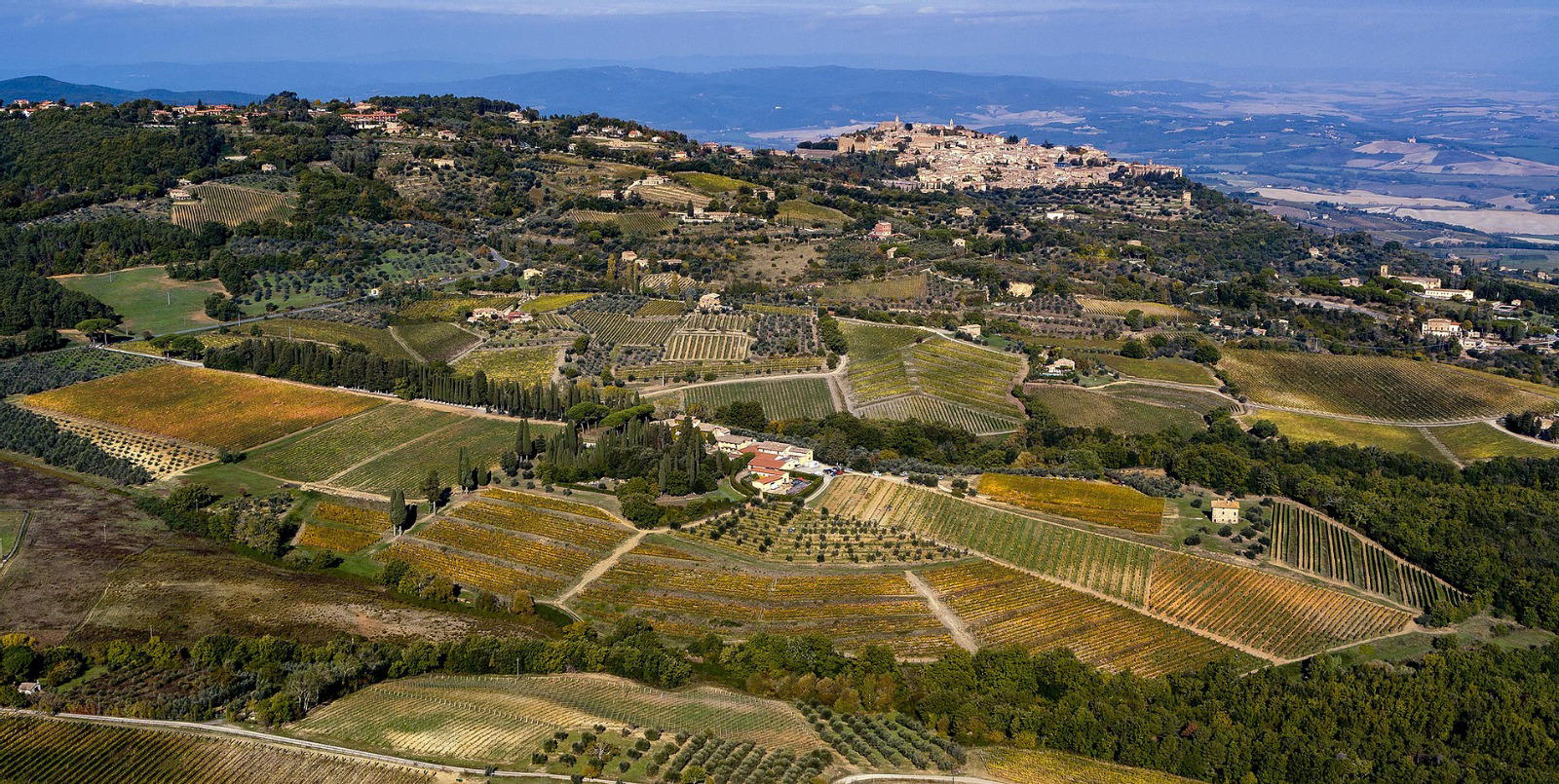
Bars in Montalcino
Browse all →
Restaurants in Montalcino
Browse all →
Details
- Rustic
- Classic
- Scenic
- Intimate
- Romantic
- Romantic Getaway
- Group Outing
- Wine Education
- Special Occasion
- Solo Exploration
- Estate Grounds
- Vineyard Tour
- Panoramic View
- Historic Building
- Private Tasting
- Organic
- Sustainable
- Vineyard
- Mountain
- Sangiovese Grosso
- Ciliegiolo
- Alicante
- Still Red
- Standard Tasting
- Private Tasting
- Vertical Tasting
- Italian
- English
Traditional Tuscan estate winery atmosphere with a rustic, rural setting in the hills south of Montalcino; focus is on authentic, minimally manipulated Brunello and Rosso, with cellar methods that emphasize simplicity and respect for Sangiovese rather than polished, touristic design.