La Suzienne

Falstaff Winery - Listed
La Suzienne is a cooperative Rhône cellar in Suze La Rousse, founded in 1926 and built around scale, appellation breadth, and accessible tasting rather than luxury theatre. Its draw is the collective view of southern Drôme wine: more than 200 growers, roughly 1,400 hectares, and a portfolio spanning Côtes du Rhône, Côtes du Rhône Villages Suze-la-Rousse, Grignan-les-Adhémar, and IGP Vaucluse.

Pearl is the En Primeur Club membership app — saves, bookings, and concierge access live there. Same editors, same standards.
- Address
- Suze-la-Rousse, Auvergne-Rhône-Alpes, Frankreich
- Directions
- Get directions

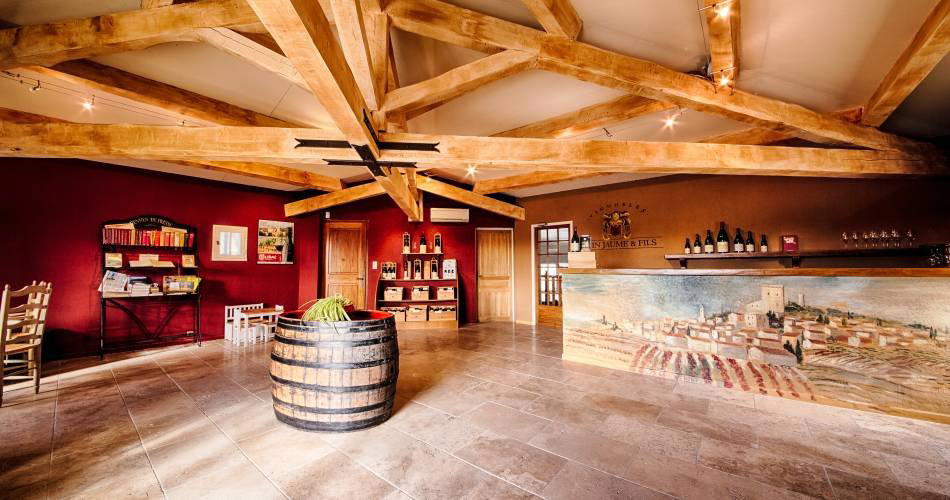
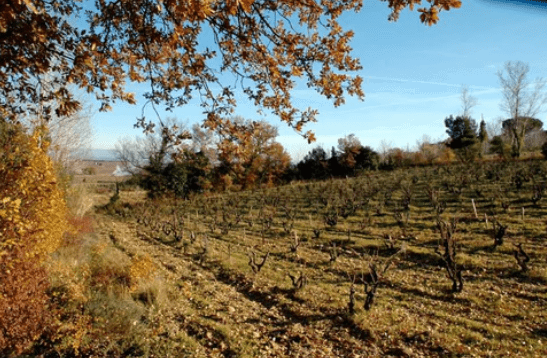
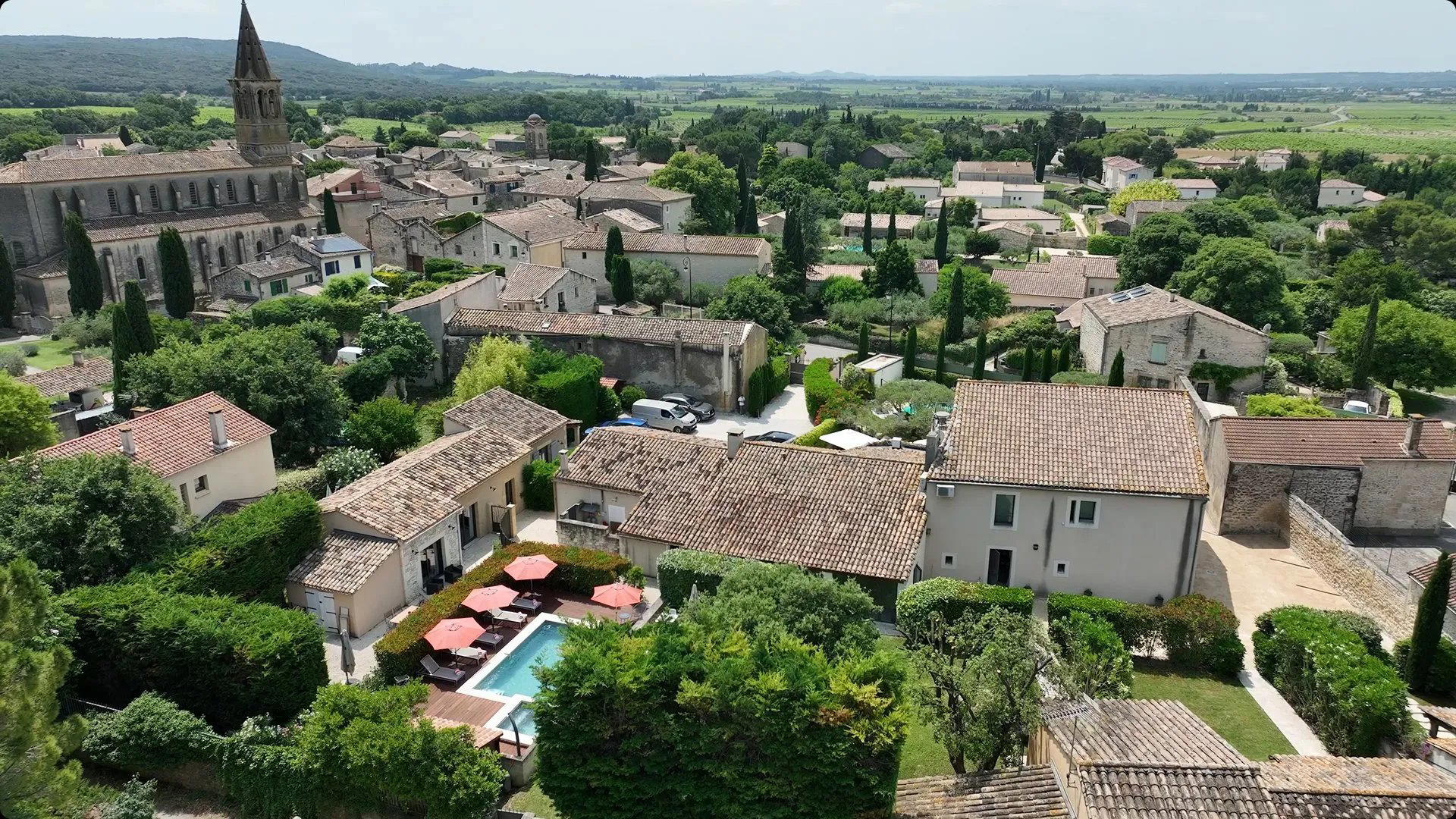
In Suze La Rousse, La Suzienne is best understood as a bustling cooperative cellar and tasting room rather than a polished, design-led venue. The atmosphere is direct and welcoming, with the focus on showcasing a broad range of Rhône Valley wines and local products. That makes it a practical stop for visitors who want a grounded sense of the area’s wine culture without expecting a highly theatrical setting. Its value is in the straightforwardness: the sense that the wine, the cellar context, and the regional products are allowed to lead, rather than being wrapped in a heavily staged hospitality concept.
A cooperative lens on Rhône Valley wines
La Suzienne’s appeal comes from its cooperative-cellar identity. The experience is not framed around a single small estate or a high-ceremony tasting format; it is centered on range, accessibility, and a direct connection to local wine and regional products. For travelers, that can be useful: it offers a broad introduction to Rhône Valley bottles in a setting that feels more functional and local than design-led. The cooperative lens also changes the pace of the visit. Instead of feeling like a narrowly scripted appointment, it reads more as an entry point into the wider local wine landscape, with the cellar format doing much of the storytelling.
The draw is general rather than technical. La Suzienne is associated with Rhône Valley wines, but specific appellations, bottlings, production figures, farming details, or dated milestones should be confirmed directly before planning a visit around them. The safer expectation is a broad cellar selection in Suze La Rousse, presented in an approachable cooperative environment. That expectation matters because it keeps the visit aligned with what the venue clearly offers: breadth, ease, and a local point of view, rather than a promise of deep technical detail that may depend on the moment, the staff available, or the visitor’s particular questions.
That through-line is accessibility. La Suzienne suits visitors who want to understand the local wine context in a relaxed way, with local products part of the experience alongside the bottles. It is not best described through rare allocations, formal dining, or a luxury tasting-room narrative. The pleasure is simpler and more grounded: a chance to orient yourself in Suze La Rousse’s wine setting through a place that appears practical, busy, and connected to everyday regional wine culture.
The cellar-door format suits the wine
The format is direct: a cooperative cellar and tasting room with a welcoming, busy atmosphere. The experience is strongest when approached as a practical wine stop in Suze La Rousse, where the emphasis is on Rhône Valley wines and local products rather than polished design theatrics. In that sense, the lack of a more elaborate hospitality frame is part of the point. The venue works well for visitors who are comfortable with a cellar-door mood: come in, look around, taste or browse as appropriate, and use the visit to build a clearer picture of the local wine offer.
That does not make it a luxury tasting room, and that is the correct expectation. The mood is direct, social, and unfussy, with the venue’s character coming from its role as a cooperative cellar. Visitors looking for a formal restaurant-style experience should set expectations accordingly. Those who prefer a more casual, regionally rooted stop are likely to understand the appeal more immediately, because the atmosphere supports the wine rather than competing with it.
Because only limited details are available, specific claims about services, access, languages, parking, group arrangements, sustainability labels, or booking requirements should be checked directly with La Suzienne. What is clear is the overall identity: a bustling cooperative cellar and tasting room in Suze La Rousse focused on Rhône Valley wines and local products. Treat it as a place to confirm practical details before arrival, then as a direct stop once there, rather than as a venue that should be overinterpreted beyond the information available.
How to place it in a Suze La Rousse itinerary
In Suze La Rousse, La Suzienne works as an anchor for understanding the area’s wine identity before branching into other local dining or wine-related stops generically. It also makes sense as the wine stop around which to build the rest of a local itinerary: Our full Suze La Rousse wineries guide, Our full Suze La Rousse restaurants guide, Our full Suze La Rousse hotels guide, Our full Suze La Rousse bars guide, and Our full Suze La Rousse experiences guide cover the surrounding decisions. Its cooperative format gives the day a useful starting point, especially for travelers who want the wine context first and then prefer to decide how much more food, drink, or local exploring to add around it.
Travelers comparing French wine regions through cellar formats can use La Suzienne as one example of how cooperative wine hospitality can express scale, place, and local identity. however, the focus stays on La Suzienne itself: a Suze La Rousse cooperative cellar and tasting room with a broad Rhône Valley wine focus and a direct, welcoming atmosphere. Read in that way, it is not trying to be the most rarefied wine experience in the region; it is a practical, locally grounded way to encounter Rhône Valley wines in the setting where that cooperative identity makes sense.
Recognition history
Dated appearances from independent guides and award organizations, with the underlying list record or original source where available.
Falstaff Winery - Listed
Falstaff
Continue exploring
More in Suze La Rousse
Wineries in Suze La Rousse
Browse all →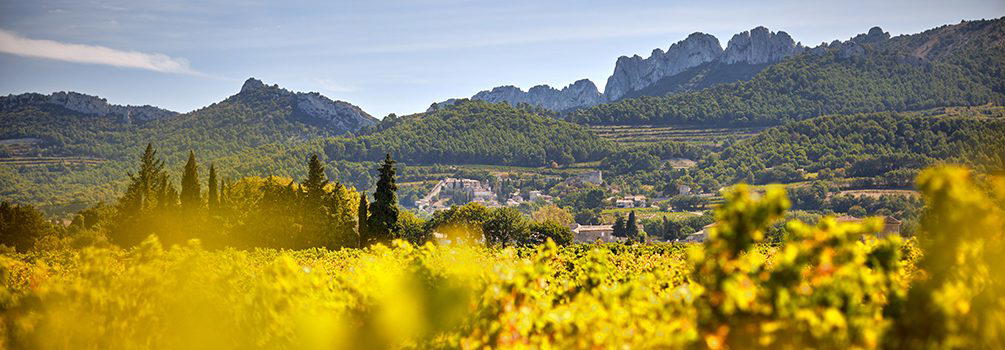
Restaurants in Suze La Rousse
Browse all →
Details
- Rustic
- Scenic
- Classic
- Well Known
- Group Outing
- Wine Education
- Solo Exploration
- Family
- Romantic Getaway
- Special Occasion
- Cave Tasting
- Historic Building
- Estate Grounds
- Sustainable
- Vineyard
- Street Scene
- French
- English
Bustling cooperative cellar and tasting room at the foot of Suze-la-Rousse castle, with a direct, welcoming atmosphere focused on showcasing a broad range of Rhône Valley wines and local products rather than polished design theatrics.