La Sala del Torriano

Falstaff Winery - 3 Stars
La Sala del Torriano is a Chianti Classico winery in San Casciano in Val di Pesa, built around Sangiovese, organic farming, and small-scale production from 34 hectares of vineyards. The experience is shaped by cellar visits, guided tastings, vineyard views, and a portfolio that moves from Chianti Classico Annata to Riserva and Gran Selezione Il Torriano.

Pearl is the En Primeur Club membership app, where members save venues, book tables and use the concierge.

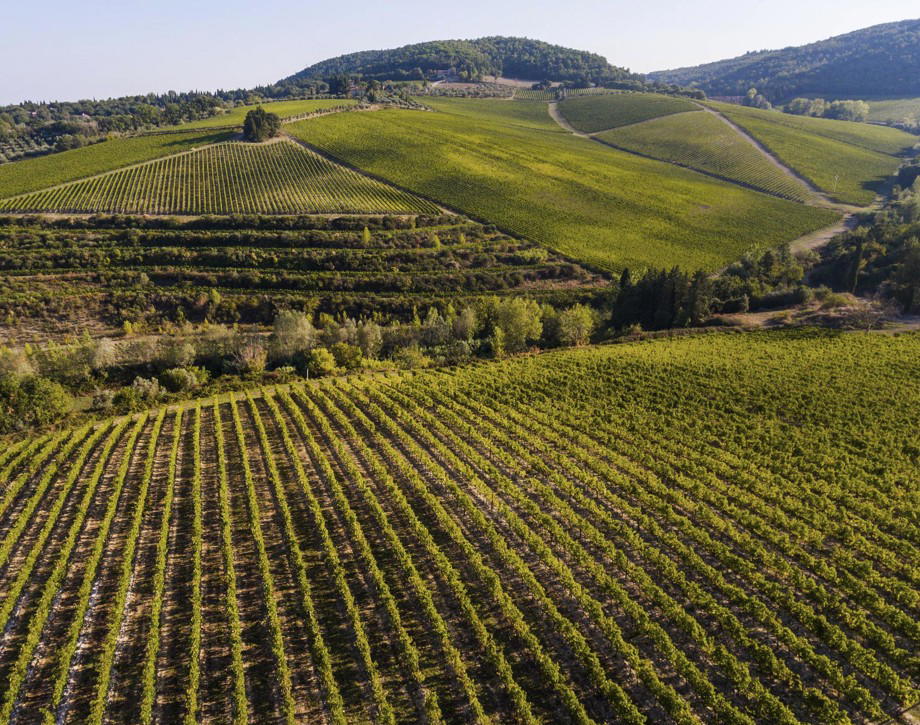
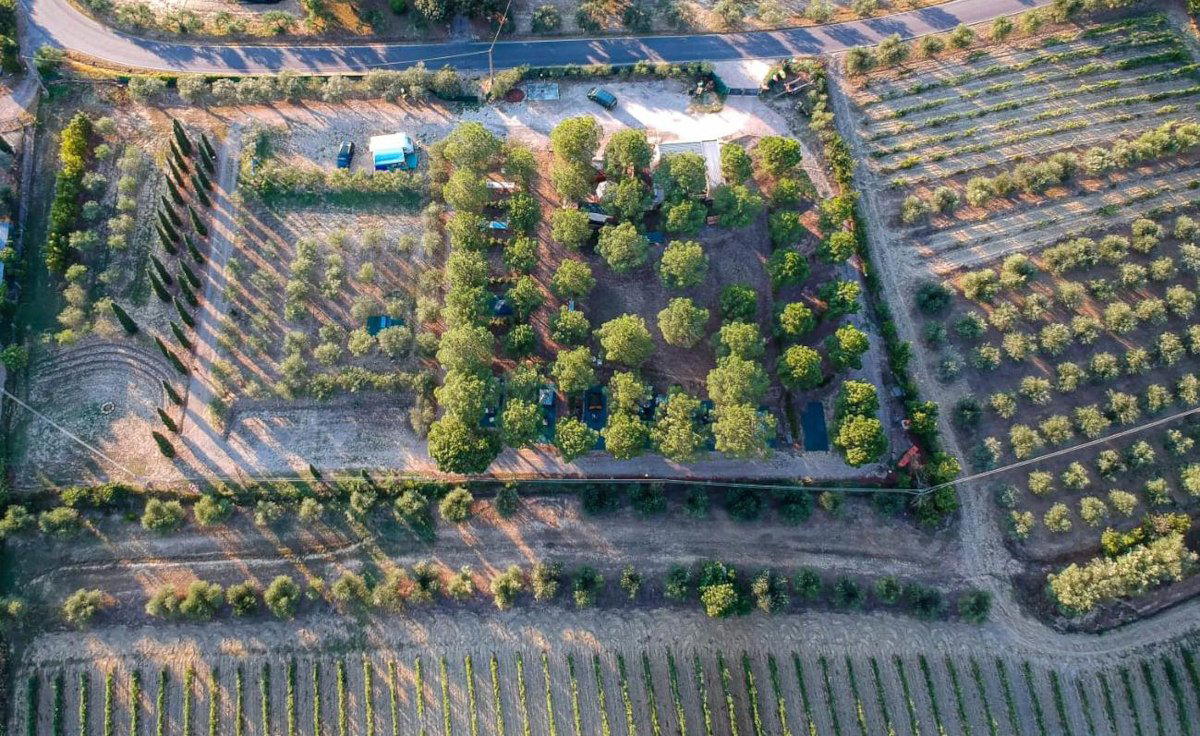
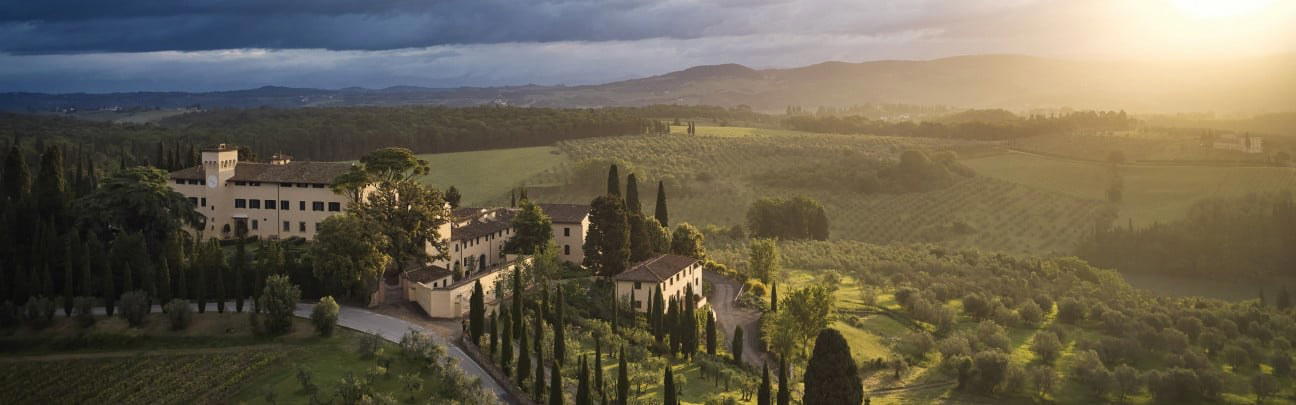
Approach in this part of Tuscany and the wine story starts before the glass: rows of vines, low rural buildings, and the quiet visual rhythm of Chianti Classico country. In San Casciano in Val di Pesa, the northern edge of the appellation keeps one foot near Florence and the other in a stricter agricultural register. That position matters. The area can receive day visitors with ease, but the serious wineries here are not urban tasting rooms in rustic costume; they are farms first, hospitality venues second.
La Sala del Torriano belongs to that farm-led category. Its identity is built around Sangiovese, certified organic production, and a limited annual output of roughly 50,000 bottles drawn from 34 hectares of vineyards. In a region where Chianti Classico can mean anything from supermarket familiarity to cellar-door intimacy, those numbers place the estate on the smaller, more controlled side of the appellation. The appeal is not spectacle. It is the chance to read a Tuscan wine range through land, grape selection, and the hierarchy of Chianti Classico itself.
Chianti Classico seen through Sangiovese, not cellar theatre
The useful way to understand the portfolio is as a vertical argument about place. Chianti Classico Annata gives the baseline: Sangiovese under the rules and expectations of the DOCG. Riserva adds a more selective tier. Chianti Classico Gran Selezione Il Torriano moves further up the appellation ladder, while IGT Campo all’Albero gives the estate room outside the strictest Chianti Classico frame. The point is not novelty. The range follows a familiar Tuscan logic, but that familiarity is precisely what makes the tasting legible for visitors who want to understand how classification, selection, and estate identity interact.
Organic farming is central to the message here, and it gives the wines a production context beyond standard Tuscan romance. The estate presents tradition and technology as compatible rather than opposing forces: Chianti Classico methods, Sangiovese focus, and modern cellar support working toward consistency. That matters in a zone where the language of heritage can be overused. A smaller producer with an organic footing and a defined set of labels offers a cleaner reading of intention than a sprawling portfolio designed to cover every possible visitor preference.
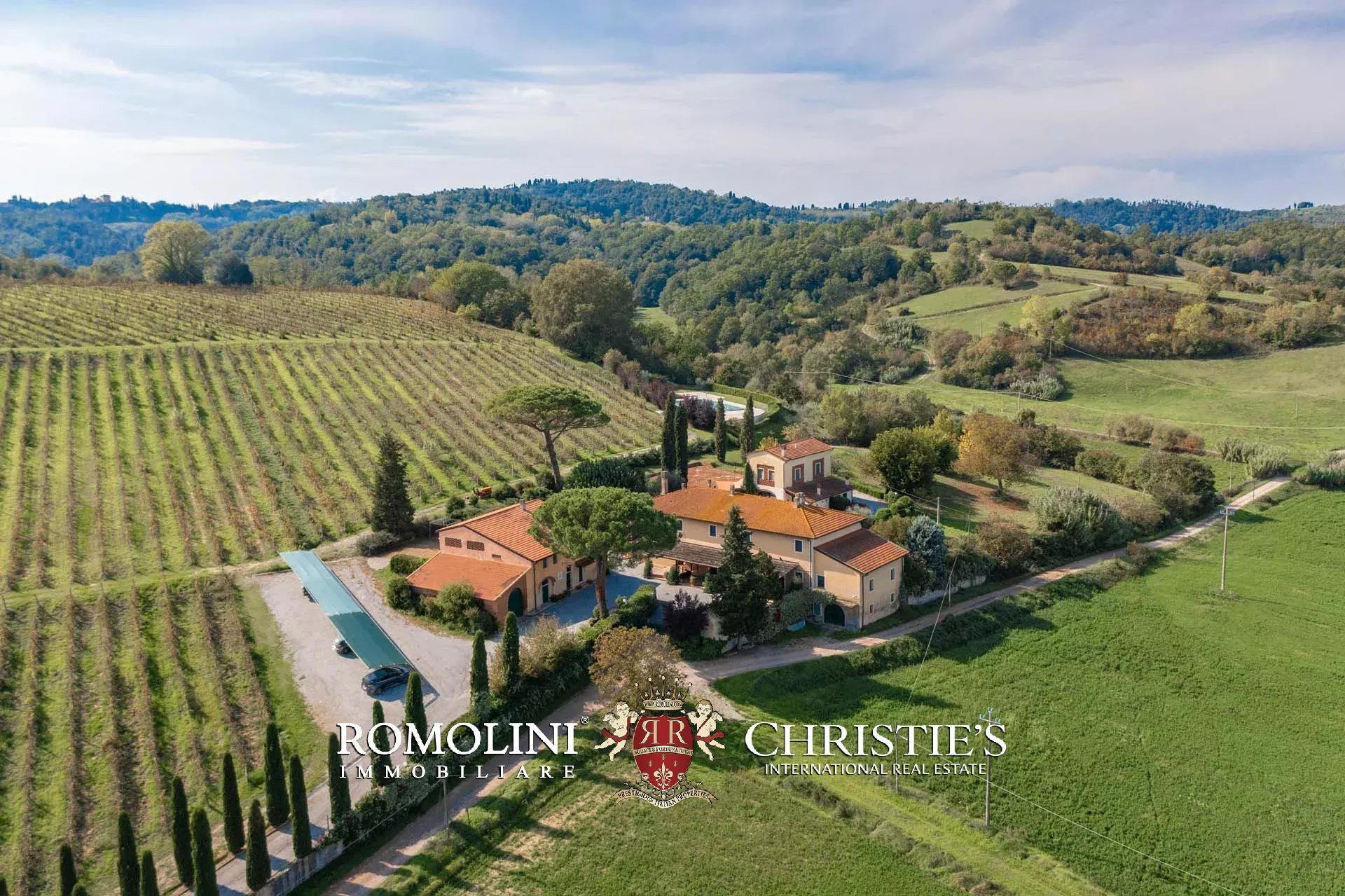
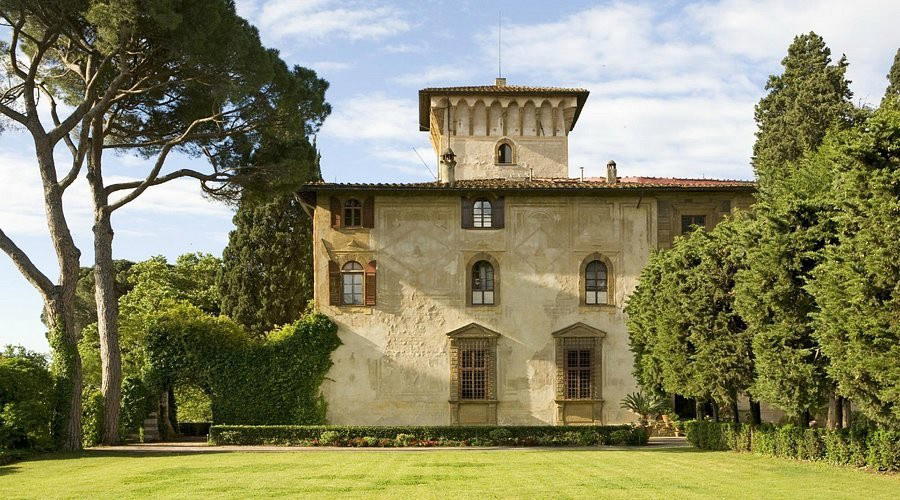
The land structure also helps explain the house style. The estate is described around two bodies of land: Il Torriano in Montefiridolfi, associated with wine production and agriturismo, and La Sala, adjacent to the winery. No technical vineyard map is needed to grasp the broader point. This is not a single-room tasting concept separated from agriculture; the hospitality sits inside a working vineyard identity. For travelers comparing nearby winery options, that distinction is useful.
A guided tasting format with rural hospitality at its center
Winery tourism in Chianti Classico often splits between high-volume tasting counters and slower, guided visits where the cellar, vineyard, and glass are treated as one sequence. La Sala del Torriano is aligned with the latter. The experience is structured around cellar visits and guided tastings, with a typical duration of 90 minutes and service in Italian or English. The scale is small enough to support an educational format rather than a crowd-management exercise.
The atmosphere is rustic, quiet, and intimate in the literal sense: vineyard views, a countryside setting, and a hospitality style that favors explanation over performance. Families are welcome, dogs are accepted, and on-site parking reduces the usual rural-Tuscany friction. Food pairing is part of the visitor offer, but the center of gravity remains wine rather than restaurant service. This is an important distinction for planning a day in San Casciano: come for a cellar-led Chianti Classico tasting, not for a chef-driven lunch format.
Ovidio, identified with the winery’s day-to-day soul, adds a human line to the production story without turning the estate into a personality brand. His connection to vineyard work is framed through his grandfather Ezio, a farmer and winemaker with 75 years of activity. That kind of continuity suits the place. In Chianti Classico, credibility often comes less from dramatic reinvention than from sustained agricultural attention, careful selection, and the ability to make visitors understand why Sangiovese behaves differently from one Tuscan site to another.
How to place it within a San Casciano wine day
San Casciano in Val di Pesa rewards visitors who think by category rather than checklist. A wine-focused itinerary can compare cooperative scale, boutique organic production, agriturismo hospitality, and cellar-led tasting formats without leaving the broader commune. For further context in the same area, EP Club’s local winery coverage includes Baciate Me, Capaccioli - Poggio Niccolini, Castelli del Grevepesa, Castelvecchio, and Compagnia del Vino.
La Sala del Torriano is strongest for travelers who want Chianti Classico explained through a compact, Sangiovese-led range and an organic estate setting. The trust signals are practical rather than trophy-heavy: certified organic production, 34 hectares of vineyards, roughly 50,000 bottles a year, named DOCG and IGT labels, guided tastings, vineyard views, and third-party visitor ratings of 5 stars and 4.8 from small review samples. The award picture is less granular, with international recognition stated but not broken down by medal or vintage. That does not weaken the visit; it simply clarifies the reason to go. This is a terroir-and-hospitality choice, not a trophy-room appointment.
For broader trip planning around the city, use our full San Casciano in Val di Pesa wineries guide alongside our full San Casciano in Val di Pesa restaurants guide, our full San Casciano in Val di Pesa hotels guide, our full San Casciano in Val di Pesa bars guide, and our full San Casciano in Val di Pesa experiences guide. Readers building a wider European wine map can also compare regional formats through 3GP SRL in Treviso, 47 Anno Domini in Trebaseleghe, A Mano Wine in Noci, »der Steiner« Hans Steiner in Podersdorf am See, and & Handwein in Mannheim.
Recognition history
Dated appearances from independent guides and award organizations, with the underlying list record or original source where available.
Falstaff Winery - 3 Stars
Falstaff
Continue exploring
More in San Casciano in Val di Pesa
Wineries in San Casciano in Val di Pesa
All wineries in San Casciano in Val di Pesa →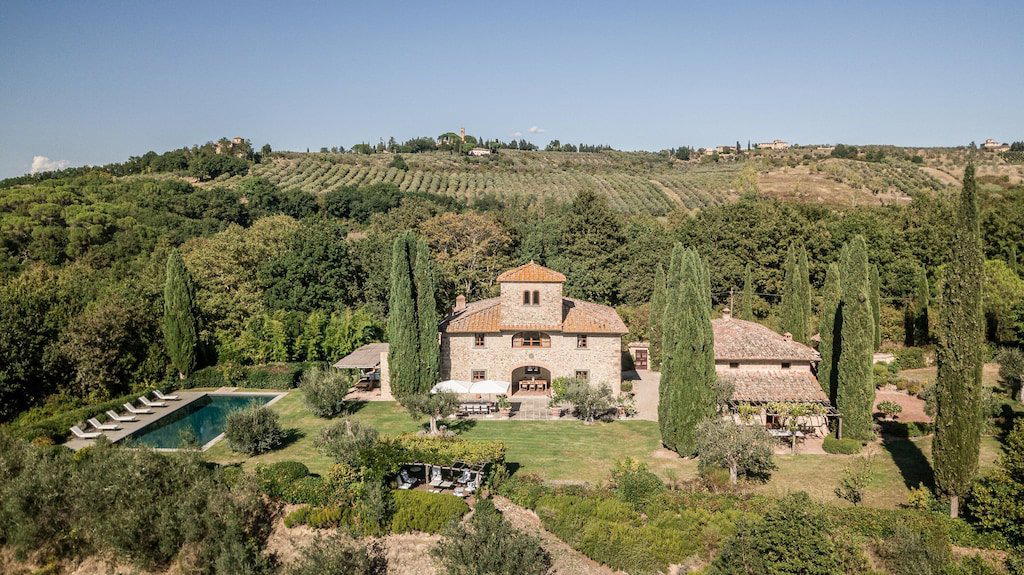
Bars in San Casciano in Val di Pesa
Browse all →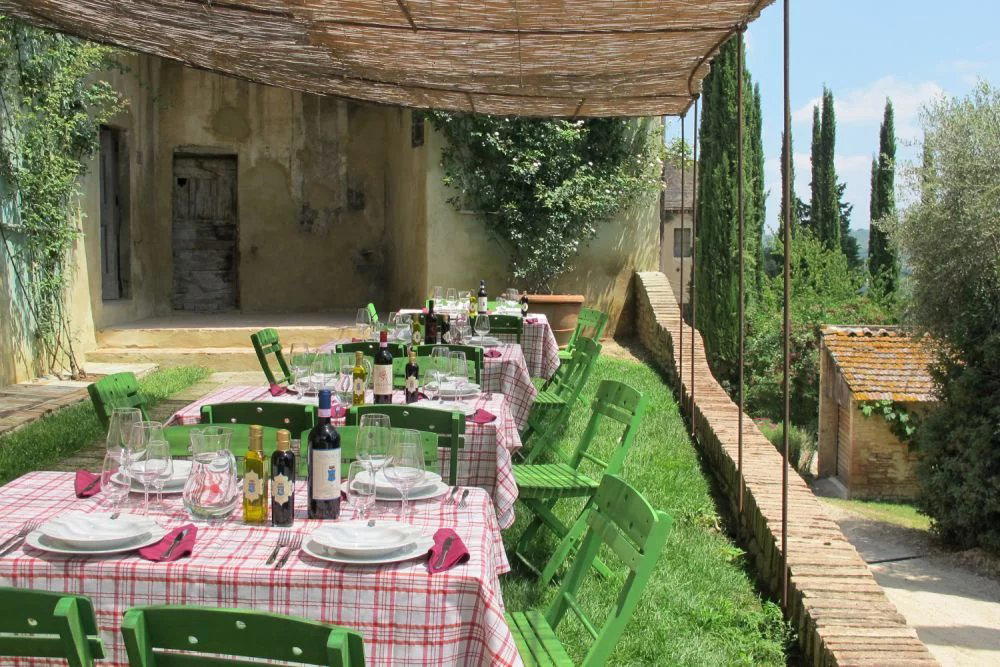
Restaurants in San Casciano in Val di Pesa
All restaurants in San Casciano in Val di Pesa →
Details
- Scenic
- Rustic
- Classic
- Quiet
- Intimate
- Wine Education
- Group Outing
- Special Occasion
- Family
- Vineyard Tour
- Panoramic View
- Historic Building
- Private Tasting
- Organic
- Vineyard
- Sangiovese
- Still Red
- Guided Tasting
- Vineyard Tour Tasting
- Italian
- English
Current opening hours
- Monday
- 8:30 AM–1 PM, 2–5:30 PM
- Tuesday
- 8:30 AM–1 PM, 2–5:30 PM
- Wednesday
- 8:30 AM–1 PM, 2–5:30 PM
- Thursday
- 8:30 AM–1 PM, 2–5:30 PM
- Friday
- 8:30 AM–1 PM, 2–4:30 PM
- Saturday
- Closed
- Sunday
- Closed
Hours can change for holidays and private events. Hours as of .
Boutique, authentic Tuscan winery atmosphere with panoramic countryside views, emphasizing tradition, careful production, and a familiar tasting experience.