La Poderina

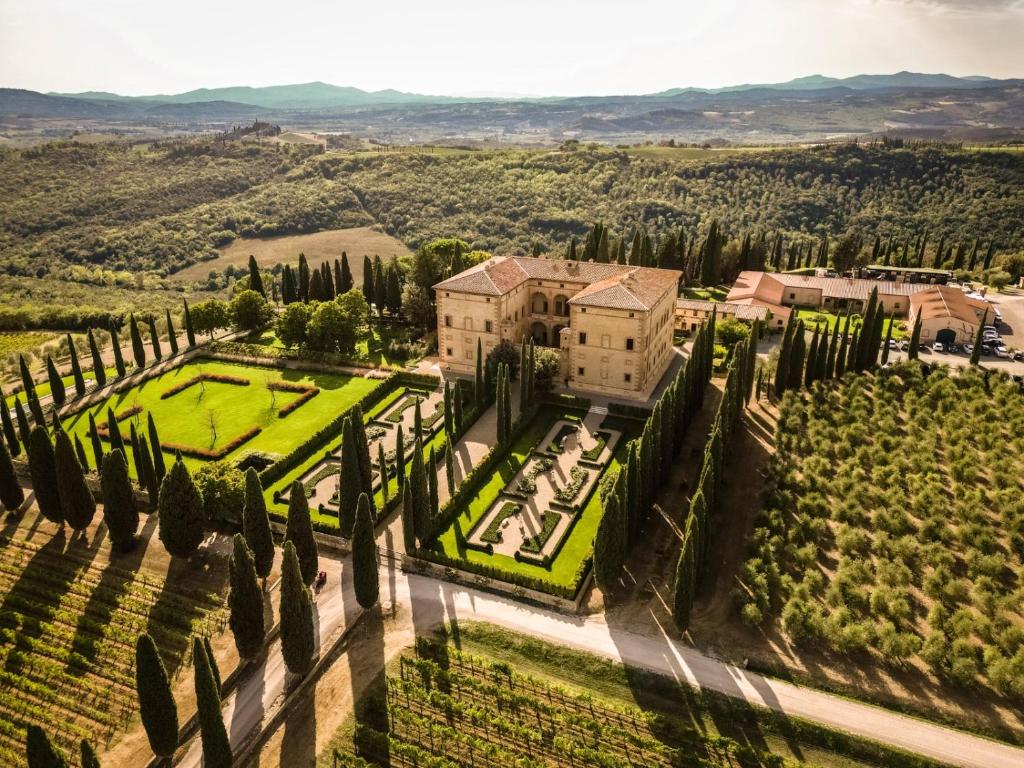
La Poderina is a Brunello-focused estate in Montalcino’s Castelnuovo dell’Abate zone, where Sangiovese Grosso is shaped by southeast-facing vineyards, medium loam and clay, and measured oak aging. Founded in 1988 and part of Tenute del Cerro SpA, it sits in the disciplined, terroir-led side of the appellation rather than the hospitality-theatre end of Tuscan wine tourism.

Pearl is the En Primeur Club membership app — saves, bookings, and concierge access live there. Same editors, same standards.

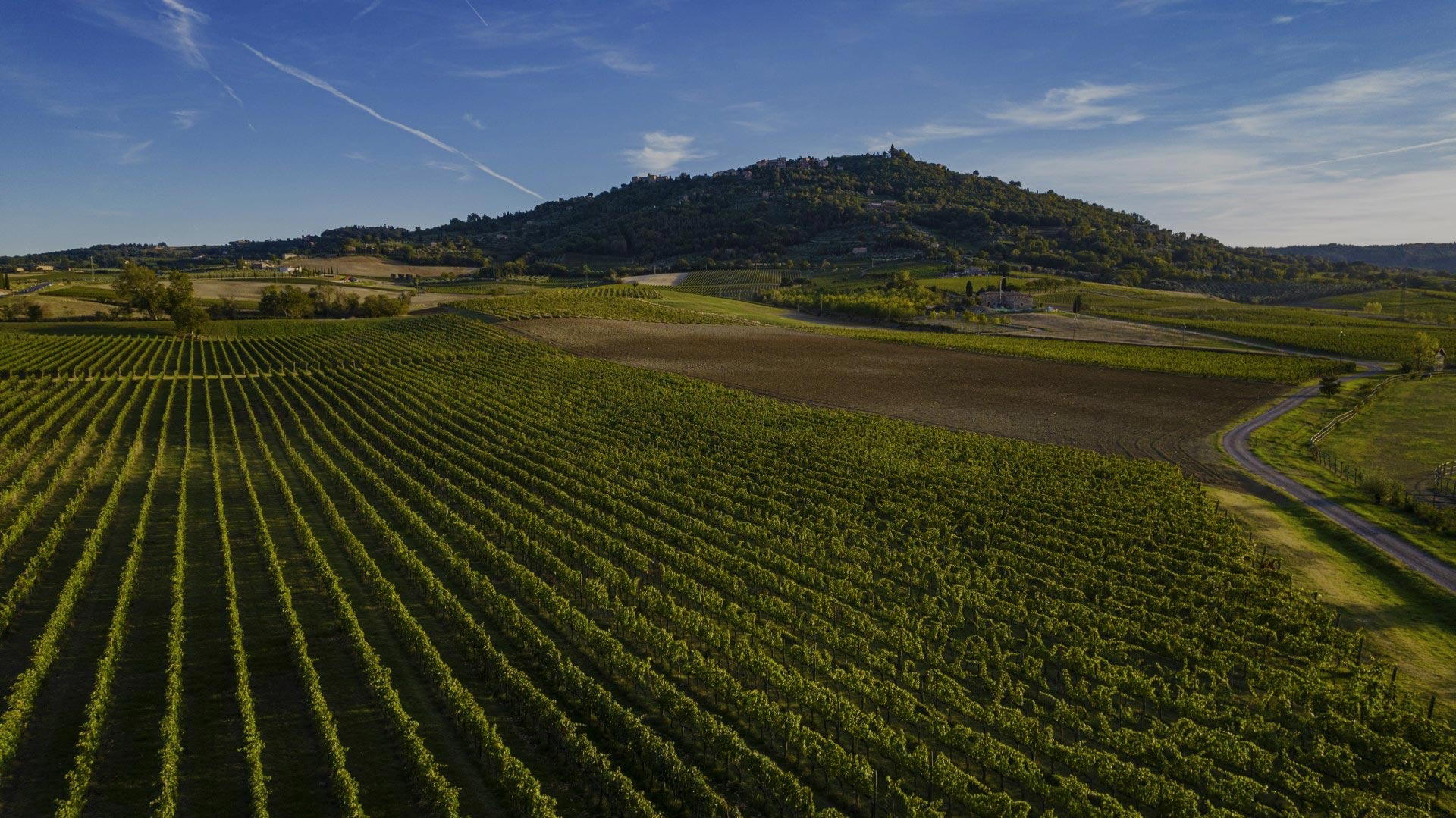
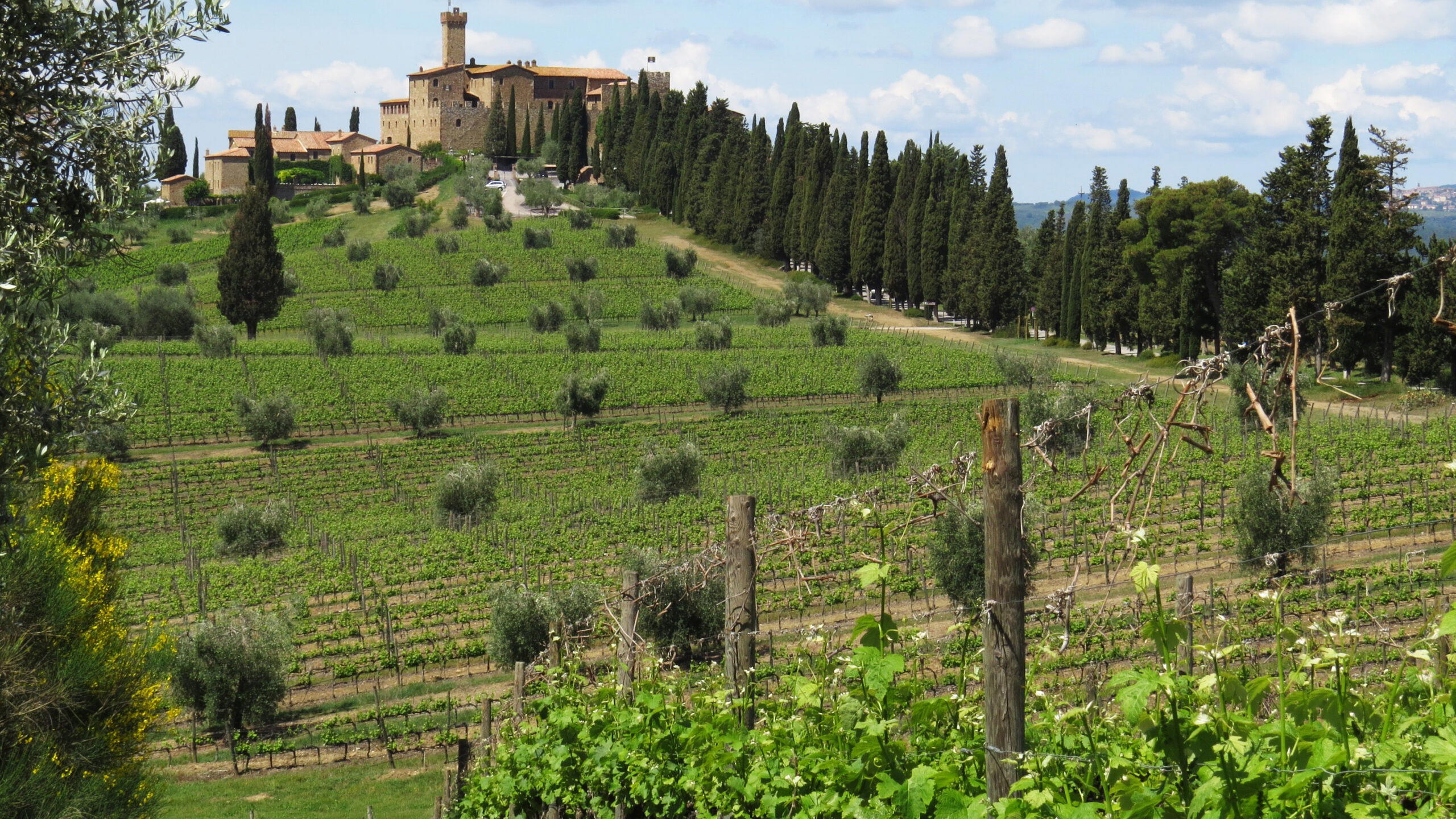
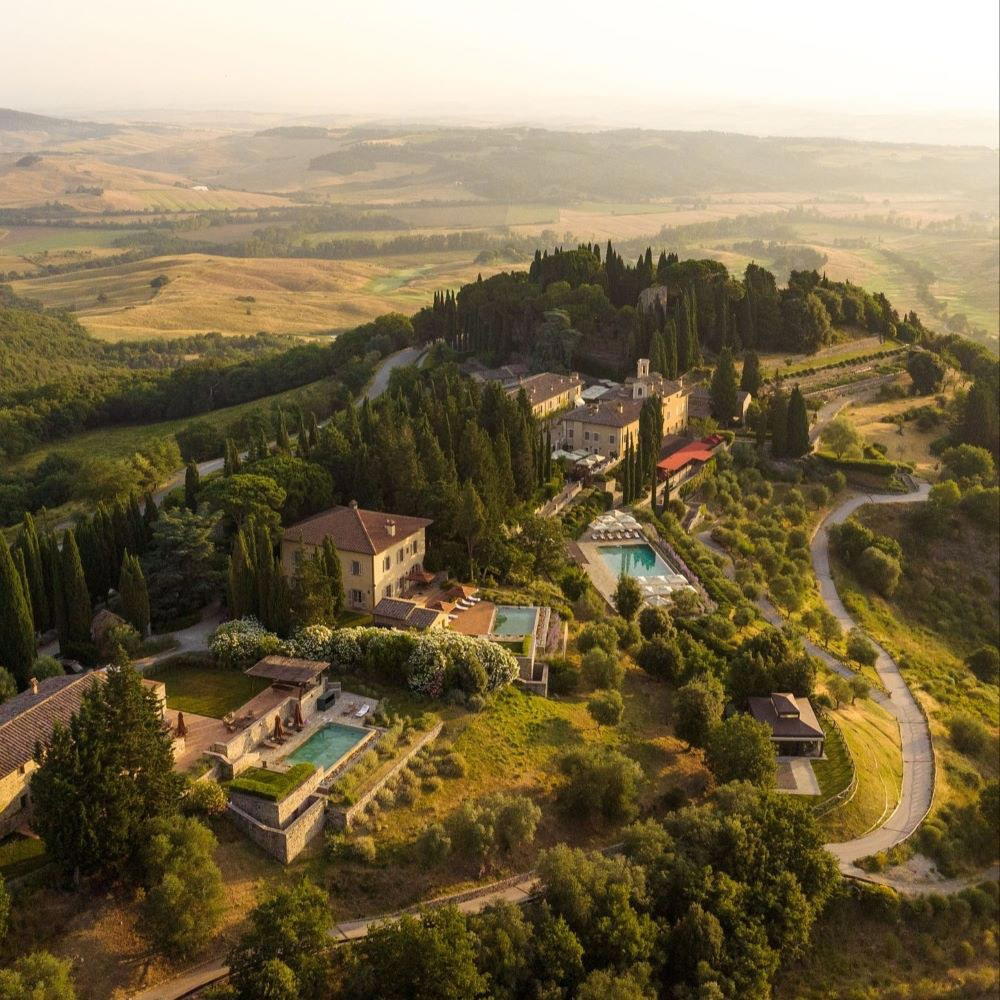
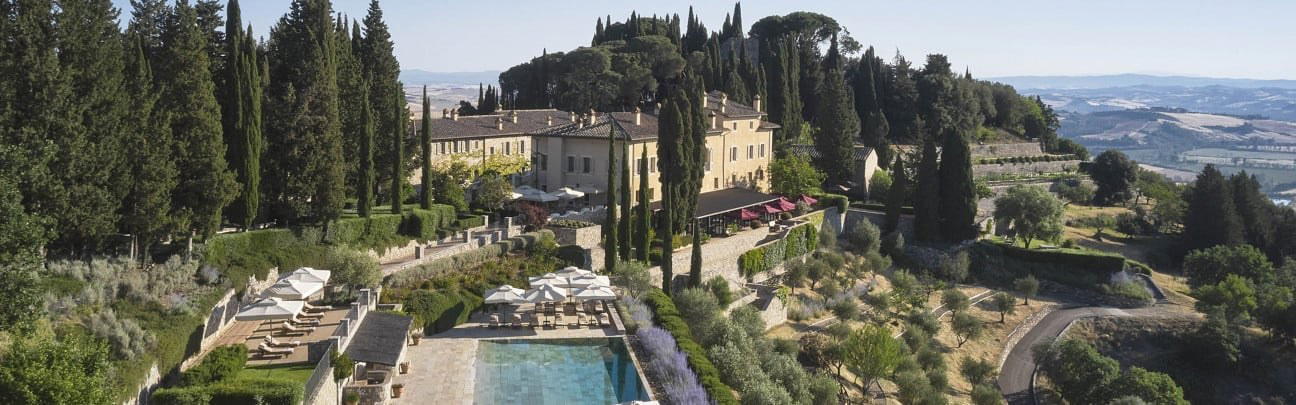
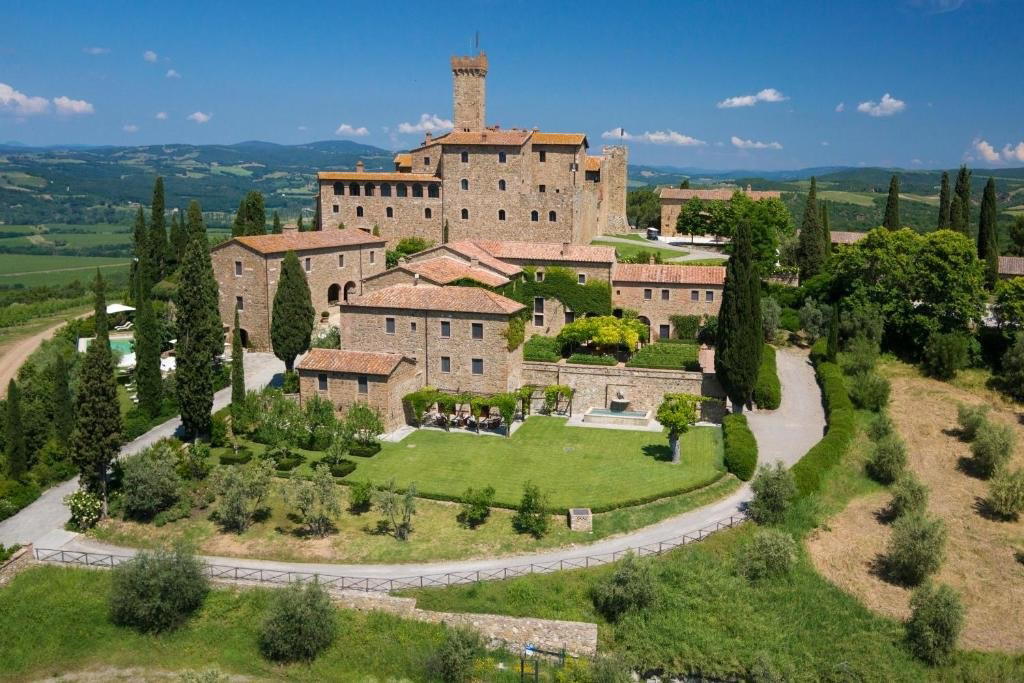
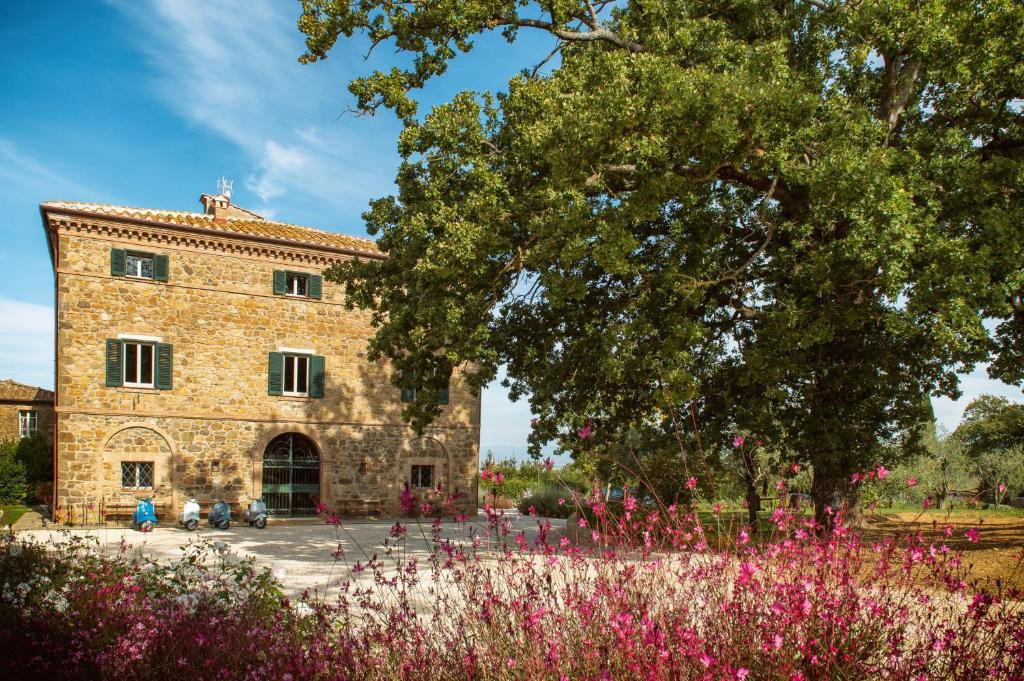
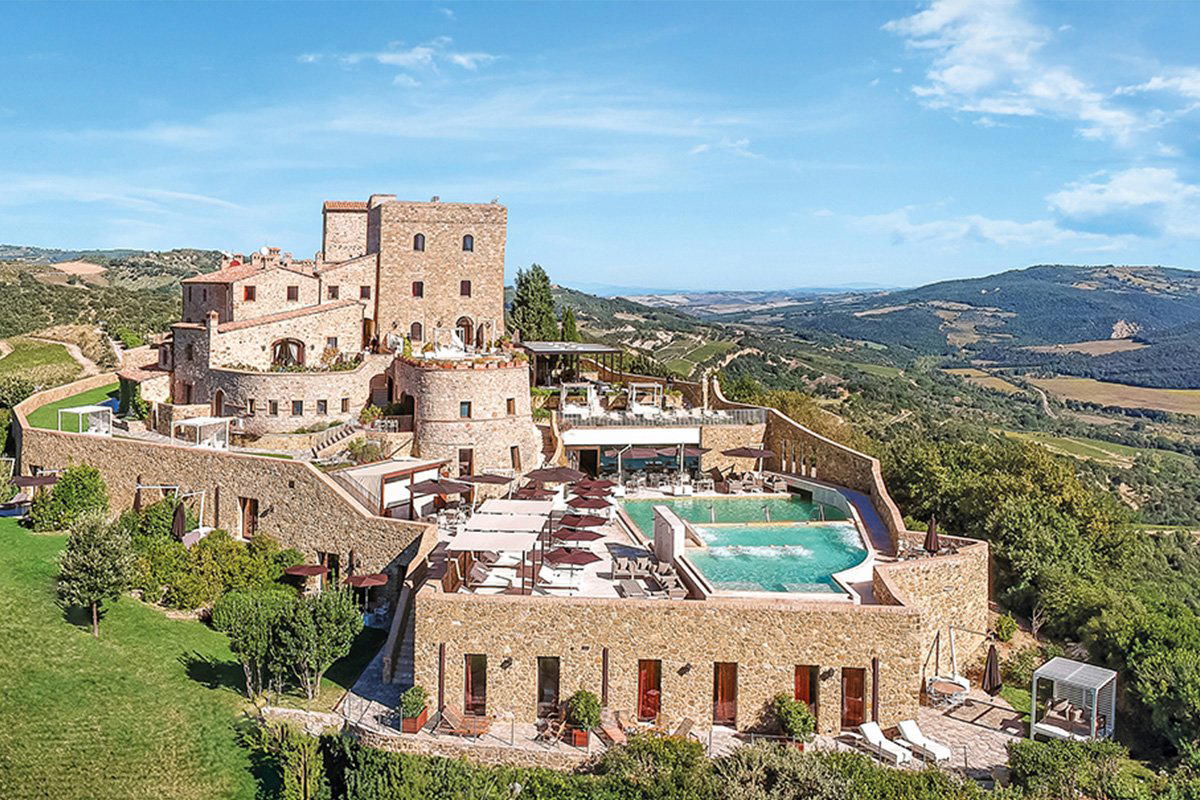
La Poderina is an estate winery in Montalcino. The picture is deliberately simple: a quiet Tuscan vineyard setting, a classic estate-winery atmosphere, and surroundings associated with elegant, balanced grapes rather than urban bustle or design spectacle. It is best approached as a place whose identity comes first from landscape and restraint, not from a heavily documented hospitality concept or a long list of public-facing specifics.
Because the available information is limited, one accurate way to read La Poderina is through place and mood rather than through unconfirmed claims about vintages, production figures, tastings, ownership, awards, or specific cellar practices. Its setting in Montalcino is the grounded editorial hook: scenic, quiet, and tied to the agricultural landscape that defines this part of Tuscany. In other words, the useful impression is not a catalogue of services, but a clearer sense of how the estate fits into the broader Montalcino frame: calm, rural, traditional in feeling, and centered on vineyard surroundings.
Montalcino gives the estate its setting
La Poderina sits in Montalcino. That places the emphasis on a vineyard landscape rather than on an urban dining-room identity, which is central to the venue’s appeal for visitors looking for a calmer, more classic Tuscan estate impression. The location matters because it gives the estate its strongest context: this is not being presented as a city bar, a restaurant-led venue, or a design-driven tasting room, but as an estate winery embedded in wine country.
The description emphasizes scenic vineyard surroundings and an elegant, balanced character. What can be said confidently is that winery belongs to the Montalcino wine landscape and presents as a quiet, classic estate winery. That distinction is important for expectation-setting: the appeal supported by the available record is atmospheric and geographic, rather than operationally detailed.
For planning purposes, that makes it best understood as a place to consider within a broader Montalcino wine itinerary, especially for travelers who value setting and atmosphere. Any practical details beyond the price level and general location should be checked directly with the venue before visiting.
A Montalcino estate with a classic, quiet character
The price level for the winery is $$$. The price category should therefore be read as a broad positioning signal rather than a substitute for direct confirmation of current costs or inclusions.
The estate’s character is described as scenic, quiet, classic, and elegant. Those are the safest anchors for expectations: an estate winery in Montalcino’s vineyard surroundings. The language suggests a visit defined by composure and rural setting rather than spectacle, crowds, or a highly elaborated hospitality narrative. For EP Club purposes, that means the venue is strongest when understood through atmosphere: a calm Tuscan estate impression, anchored by its place in the landscape.
No confirmed awards, scores, founding date, production scale, chef, owner, seat count, opening hours, lunch service, take-out service, delivery service, dietary policy, or beverage program details are available in the available information. Those specifics should not be assumed from the broader reputation of Montalcino or from listings. Keeping those boundaries clear helps avoid turning a sparse but useful record into unsupported description.
How to read La Poderina within a Montalcino itinerary
The winery is most useful in an itinerary as a scenic Montalcino estate-winery reference point. Its appeal is the combination of vineyard surroundings, quiet atmosphere, and classic Tuscan setting. For travelers mapping the area, it can function as a calm, landscape-led entry in the mix, especially when the goal is to understand the estate side of Montalcino rather than only its restaurants, hotels, bars, or experiences.
Visitors comparing options in Montalcino should treat the winery as one estate among the area’s broader wine landscape, while confirming all operational details directly before making plans. The public record supports the setting and price category, but not specific claims about tours, tasting duration, reservation policy, wines, vintages, or accolades. That makes direct verification the sensible next step for anyone deciding whether it fits a particular day, route, budget, or level of wine-focused interest.
For broader planning around the area, EP Club’s Montalcino coverage can be read across categories: Our full Montalcino wineries guide, Our full Montalcino restaurants guide, Our full Montalcino hotels guide, Our full Montalcino bars guide, and Our full Montalcino experiences guide. Other Montalcino options should be considered generically unless their details are independently verified.
Recognition history
Dated appearances from independent guides and award organizations, with the underlying list record or original source where available.
Falstaff Winery - Listed
Falstaff
Continue exploring
More in Montalcino
Wineries in Montalcino
Browse all →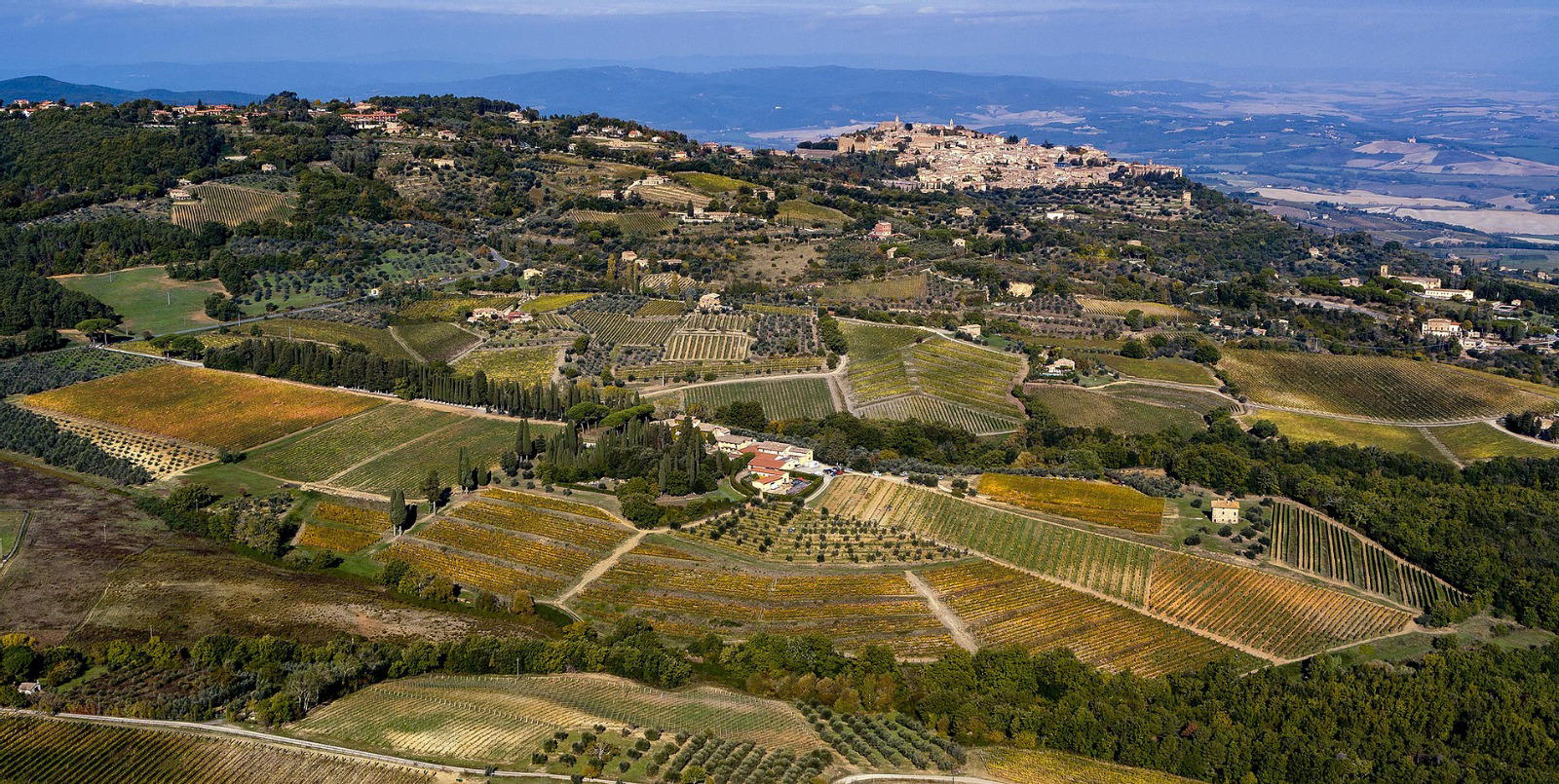
Bars in Montalcino
Browse all →
Restaurants in Montalcino
Browse all →
At a Glance
- Scenic
- Quiet
- Classic
- Elegant
- Solo Exploration
- Special Occasion
- Wine Education
- Estate Grounds
- Historic Building
- Vineyard
- Brunello Di Montalcino DOCG
- Sangiovese Grosso
- Still Red
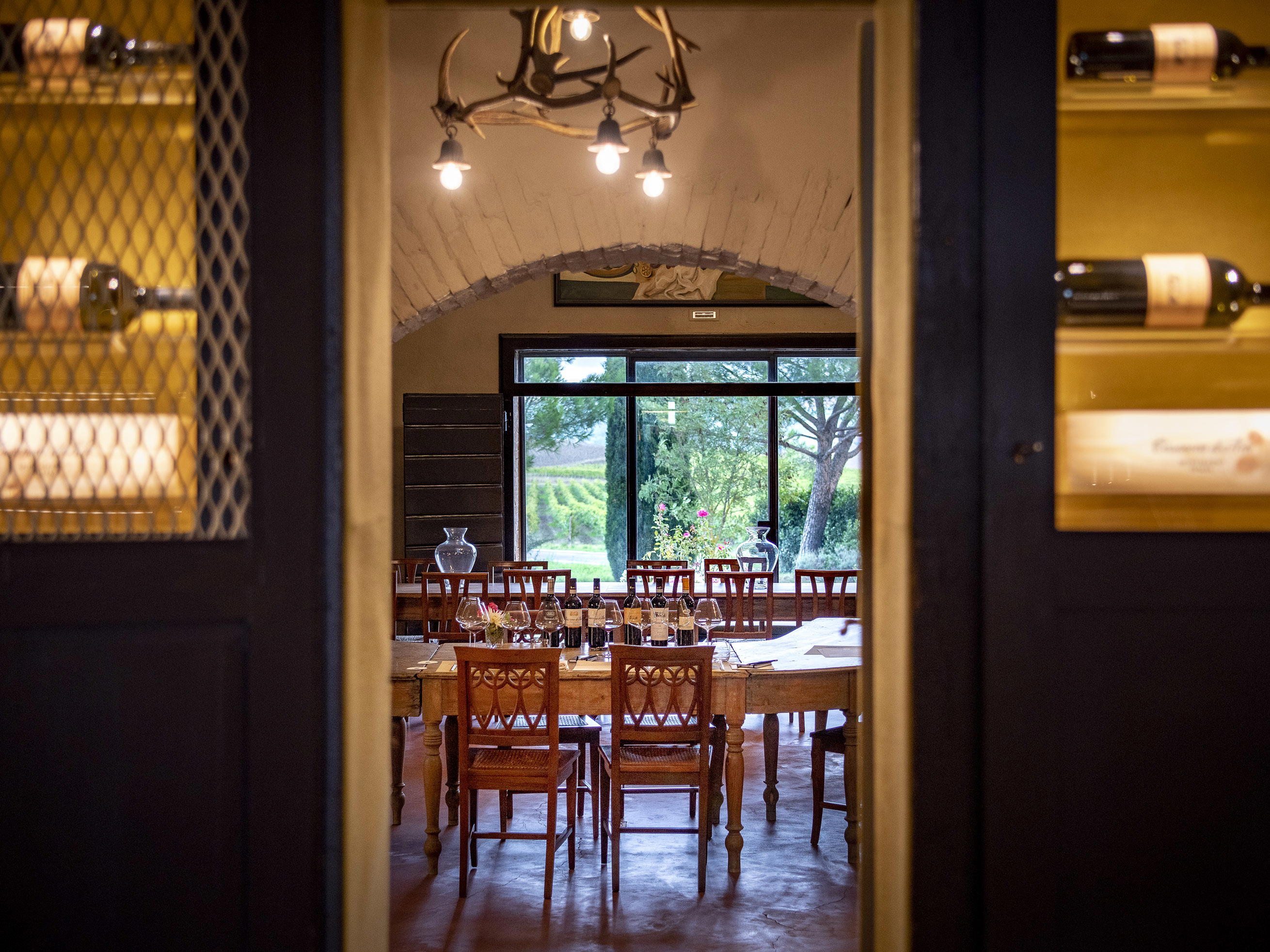
- Cellar Tasting
An estate winery in the Castelnuovo dell’Abate area of Montalcino, set southeast of the historic town center in a landscape known for elegant, balanced grapes and scenic Tuscan vineyard surroundings.