Bosman Family Vineyards

Falstaff Winery - Listed
The estate represents a strand of New Zealand viticulture where site and soil drive the conversation, with terroir expression taking precedence over intervention. For travellers combining Wellington's wine country with the city's broader dining scene, Bosman is a serious reference point.

Pearl is the En Primeur Club membership app — saves, bookings, and concierge access live there. Same editors, same standards.
- Address
- Wellington, iFreyistata, Südafrika
- Directions
- Get directions
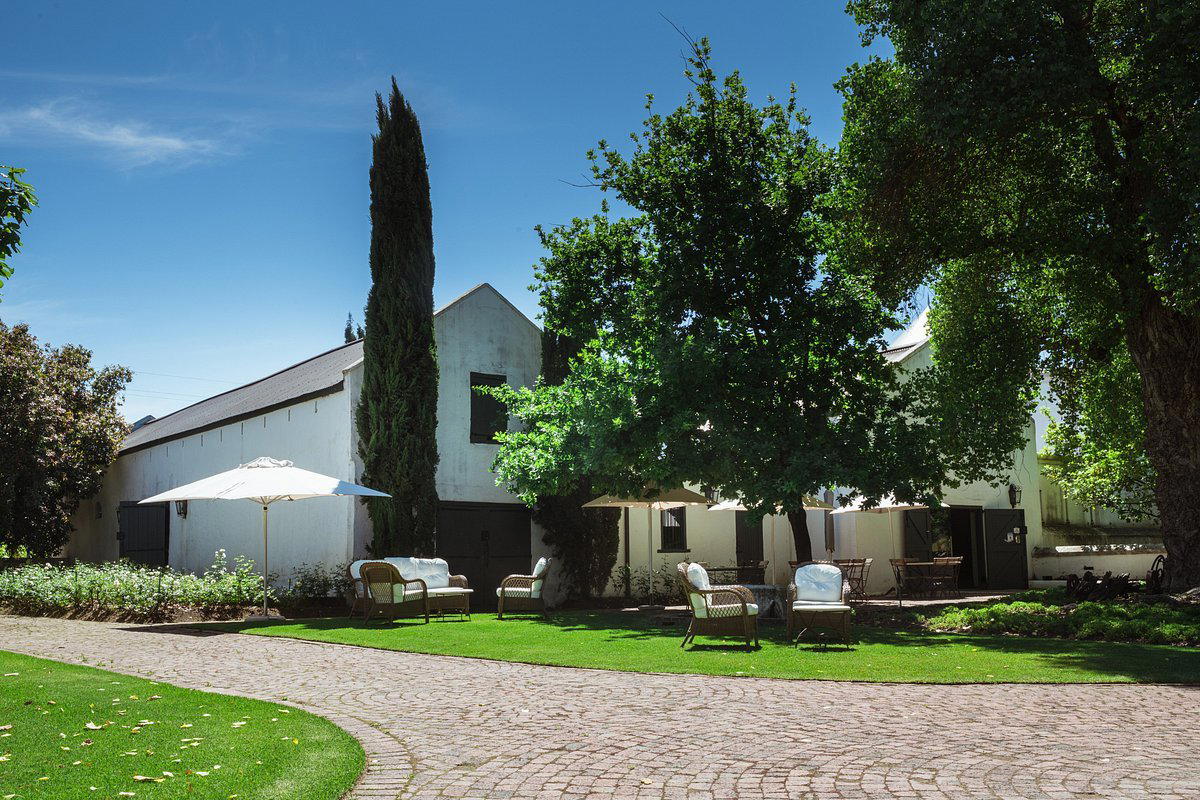
Where Soil Speaks First
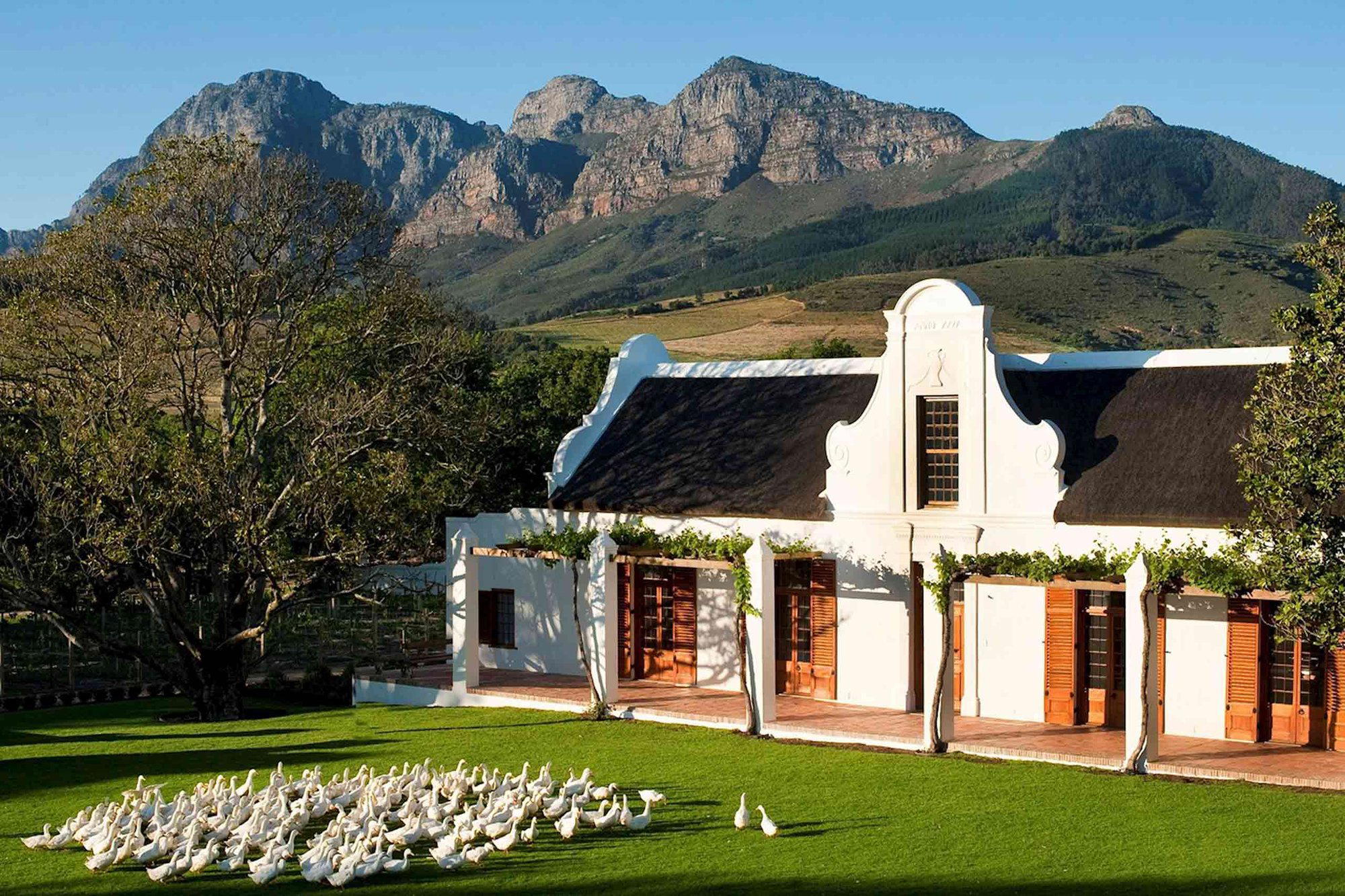
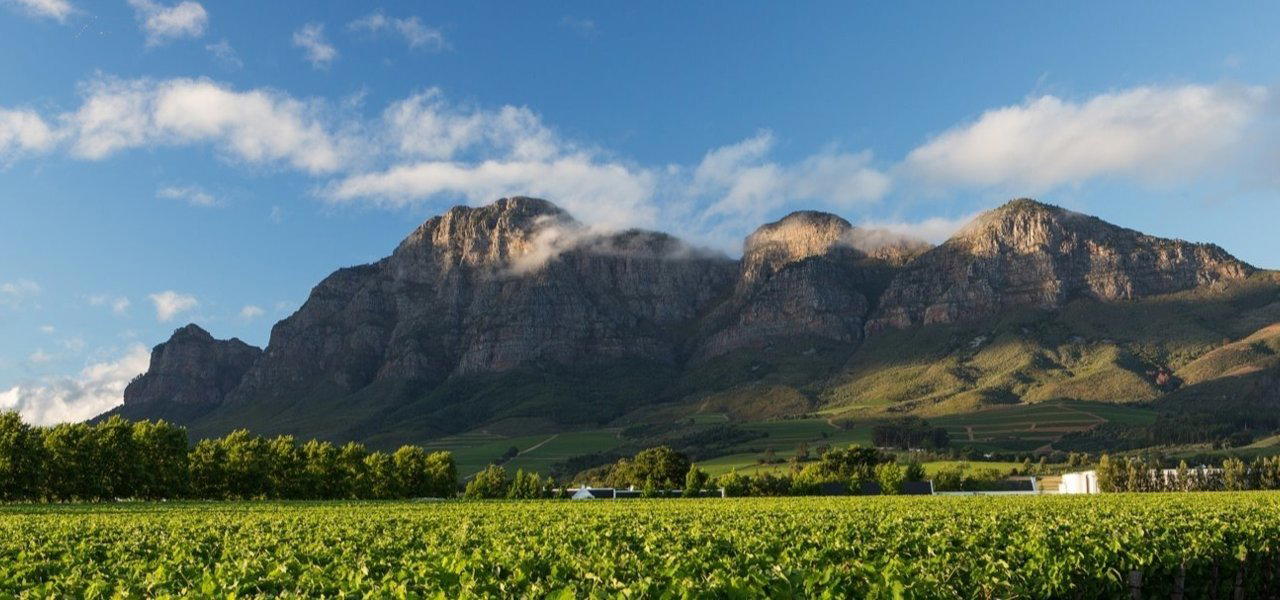
Wellington's wine-producing surrounds don't announce themselves loudly. The region sits in the shadow of Marlborough's Sauvignon Blanc dominance and Central Otago's Pinot Noir prestige, which means producers here often operate with less commercial noise and more latitude to let individual sites do the talking. Bosman Family Vineyards fits that pattern..
The broader Wellington wine context matters here. New Zealand's wine identity has long been shaped by region-defining varietals: Marlborough's aromatic whites, Central Otago's cool-climate Pinot. Wellington sits between those poles geographically and philosophically, with producers often drawing on multiple influences. The estates that carry critical weight in this space, including Bosman, tend to work in a mode where restraint and site fidelity are the primary signals of seriousness — a sensibility shared by producers like Ata Rangi in Martinborough and Greystone Wines in Waipara, both of which frame their programs around what the land offers rather than what the market demands.
Terroir as the Editorial Frame
To understand Bosman Family Vineyards, it helps to understand what terroir-driven winemaking actually means in the Wellington region's practical terms. The area is characterised by variable topography, maritime influence from the Cook Strait, and soils that shift considerably across short distances. These are conditions that reward site-specific thinking and punish generic approaches. Producers who work with this variability, mapping blocks, adjusting canopy management to slope and aspect, picking at different times across a single vineyard, produce wines that carry a legible sense of place. Those who don't produce wines that taste like they could have come from anywhere.
Within Wellington itself, the wider wine conversation extends beyond the vineyard. Diemersfontein represents another dimension of the local producing scene, while the James Sedgwick Distillery (Three Ships and Bain's) shows how the broader Wellington region is developing a drinks identity that extends beyond wine. Bosman sits firmly in the wine-serious tier, but visiting it makes most sense as part of a wider sweep of the region's producers.
New Zealand's Terroir-Focused Tier
Nationally, New Zealand's most credible wine producers have increasingly differentiated on terroir specificity rather than on varietal recognition alone. Cloudy Bay Vineyards in Blenheim built its reputation on a regional signature so distinct it became a global reference point for Marlborough Sauvignon Blanc. Wairau River Wines in Rapaura operates within the same geographic frame but at a different scale and price point. Kumeu River Wines in Kumeu has done something similar for Chardonnay near Auckland, demonstrating that Burgundian-style discipline can produce wines of genuine complexity from New Zealand soils.
What connects these producers is not a shared marketing strategy but a shared commitment to answering the same question: what does this specific piece of land produce when the winemaker gets out of the way? Bosman Family Vineyards, with its 2025 Prestige recognition, is part of that conversation. Craggy Range in Hastings represents a similar approach from the Hawke's Bay perspective, where single-vineyard discipline drives the program.
Planning a Visit
Wellington as a destination rewards travellers who combine its urban restaurant scene with the wine estates that ring the city and extend into the Wairarapa. Our full Wellington restaurants guide covers the city's dining scene in depth, but the wine country around it deserves equal attention, particularly for visitors with an interest in how New Zealand's cooler-climate regions are developing. Bosman Family Vineyards, given its Prestige-tier recognition, is a logical anchor for any serious wine itinerary in this area. Wellington's wine region is compact enough that multiple estates can be covered in a single day, making it worth planning a sequence rather than a standalone visit.
For international reference, producers like Aberlour in Aberlour, Accendo Cellars in St. Helena, Achaia Clauss in Patras, and Adelaida Vineyards in Paso Robles each represent their region's approach to estate identity and terroir fidelity. Bosman operates in that same global category of producers where the estate's geographic and geological context is the primary lens through which the wines are understood.
Comparable Venues
Comparable venues nearby, for context on price, style, and recognition.
| Venue | Cuisine | Price | Awards | Notes |
|---|---|---|---|---|
| Bosman Family VineyardsThis venue — the venue you are viewing | Chenin Blanc, Grenache Blanc | $10–20 | Falstaff Winery - Listed | Not listed |
| Diemersfontein | Winery | Not listed | Not listed | Wellington |
| Ata Rangi | Pinot Noir, Chardonnay | Not listed | World's 50 Best #100 · Falstaff Winery - 5 Stars | Martinborough |
| Greystone Wines | Pinot Noir, Chardonnay | $20–30 | World's 50 Best #89 · Falstaff Winery - 4 Stars | Waipara Valley |
| Felton Road Wines | Pinot Noir, Chardonnay | Not listed | World's 50 Best #98 · Falstaff Winery - 5 Stars | Bannockburn |
Recognition history
Dated appearances from independent guides and award organizations, with the underlying list record or original source where available.
Falstaff Winery - Listed
Falstaff
Continue exploring
More in Wellington
Wineries in Wellington
Browse all →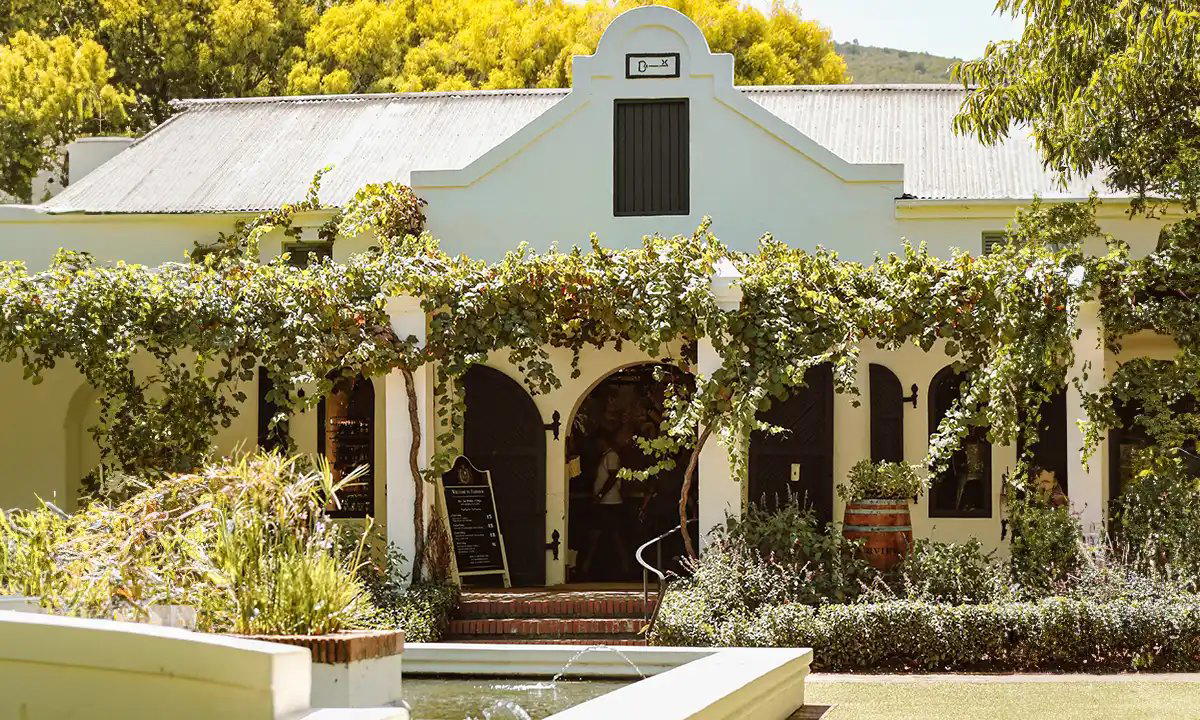
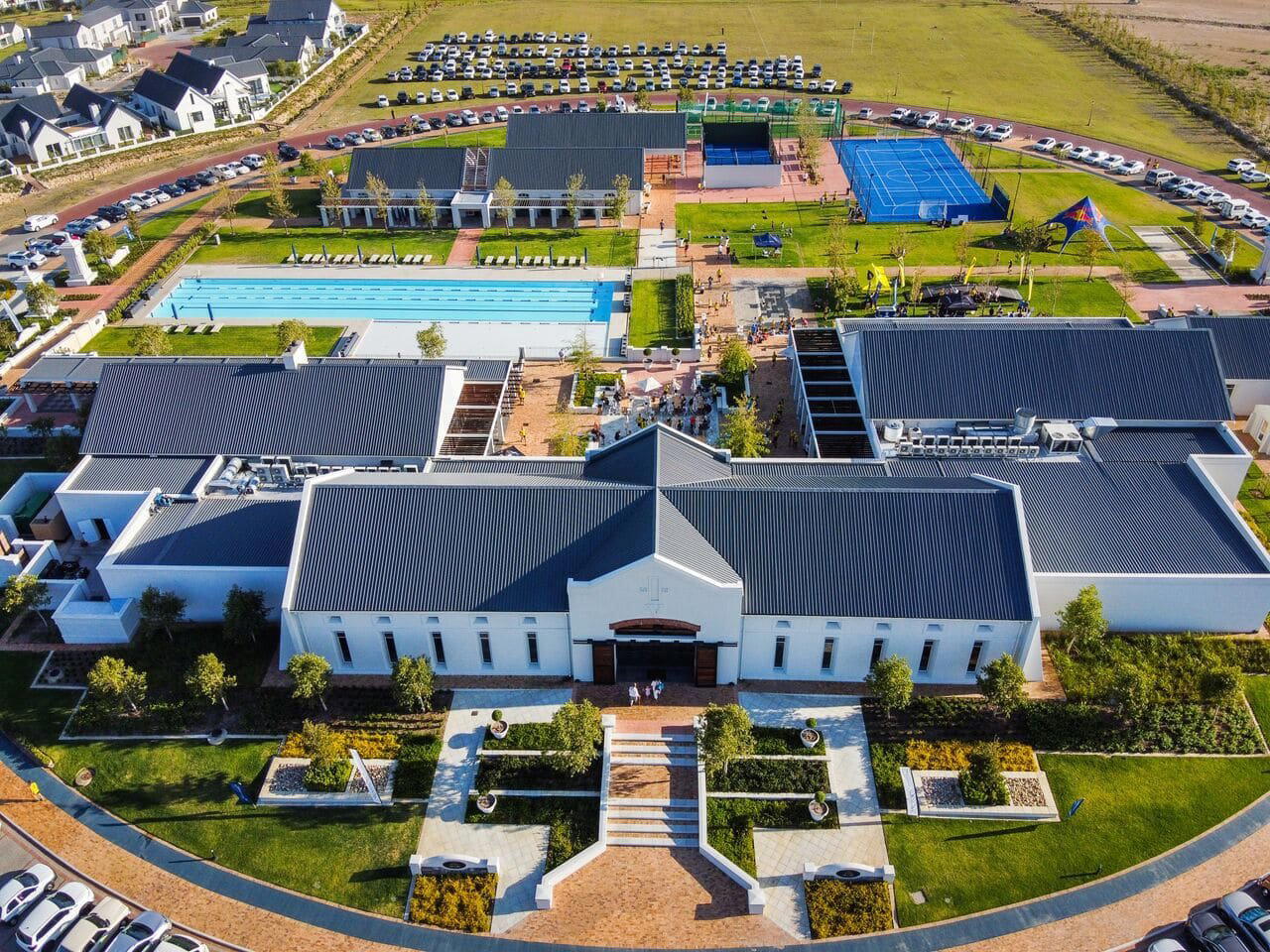
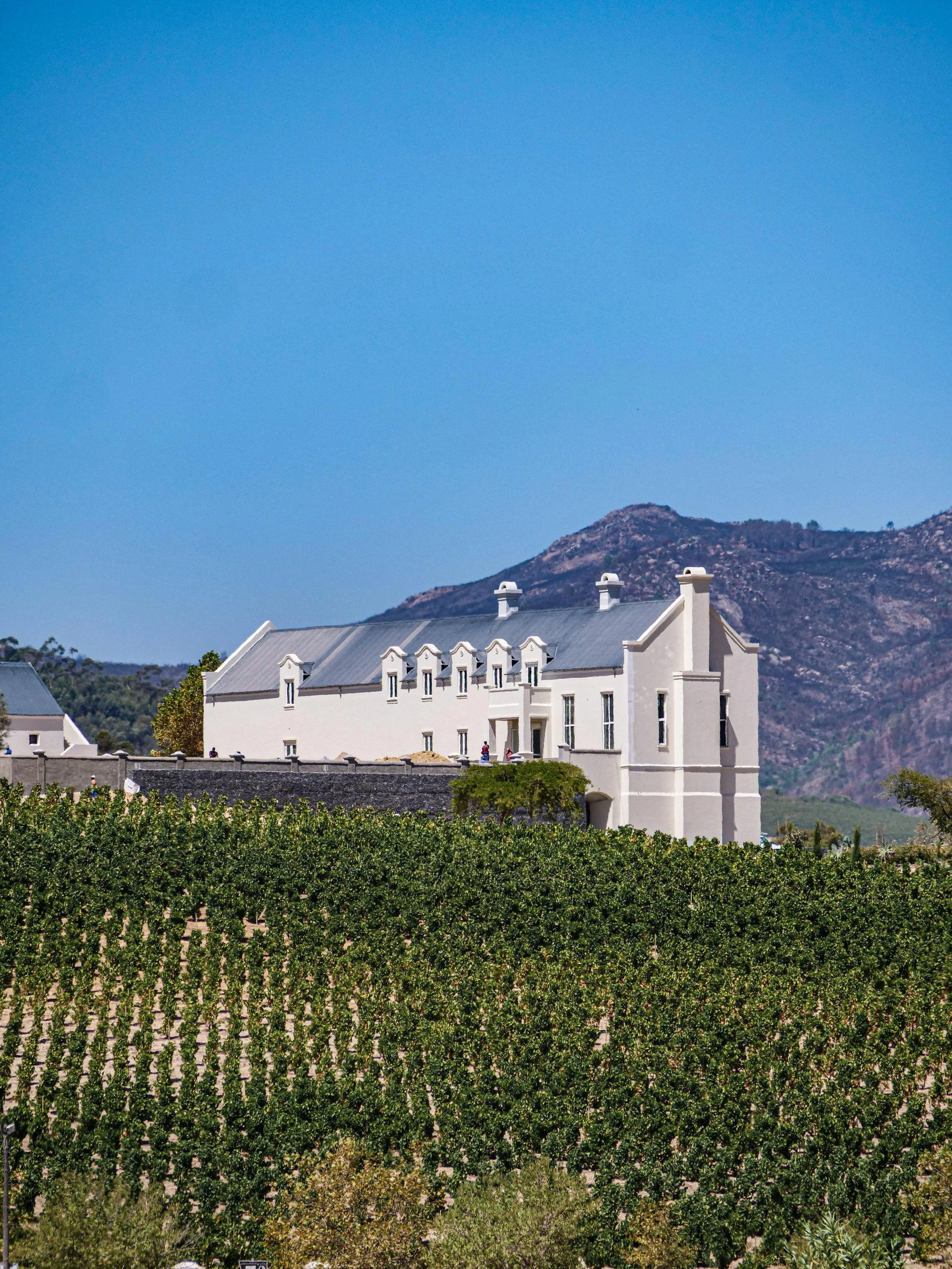
Bars in Wellington
Browse all →
Restaurants in Wellington
Browse all →
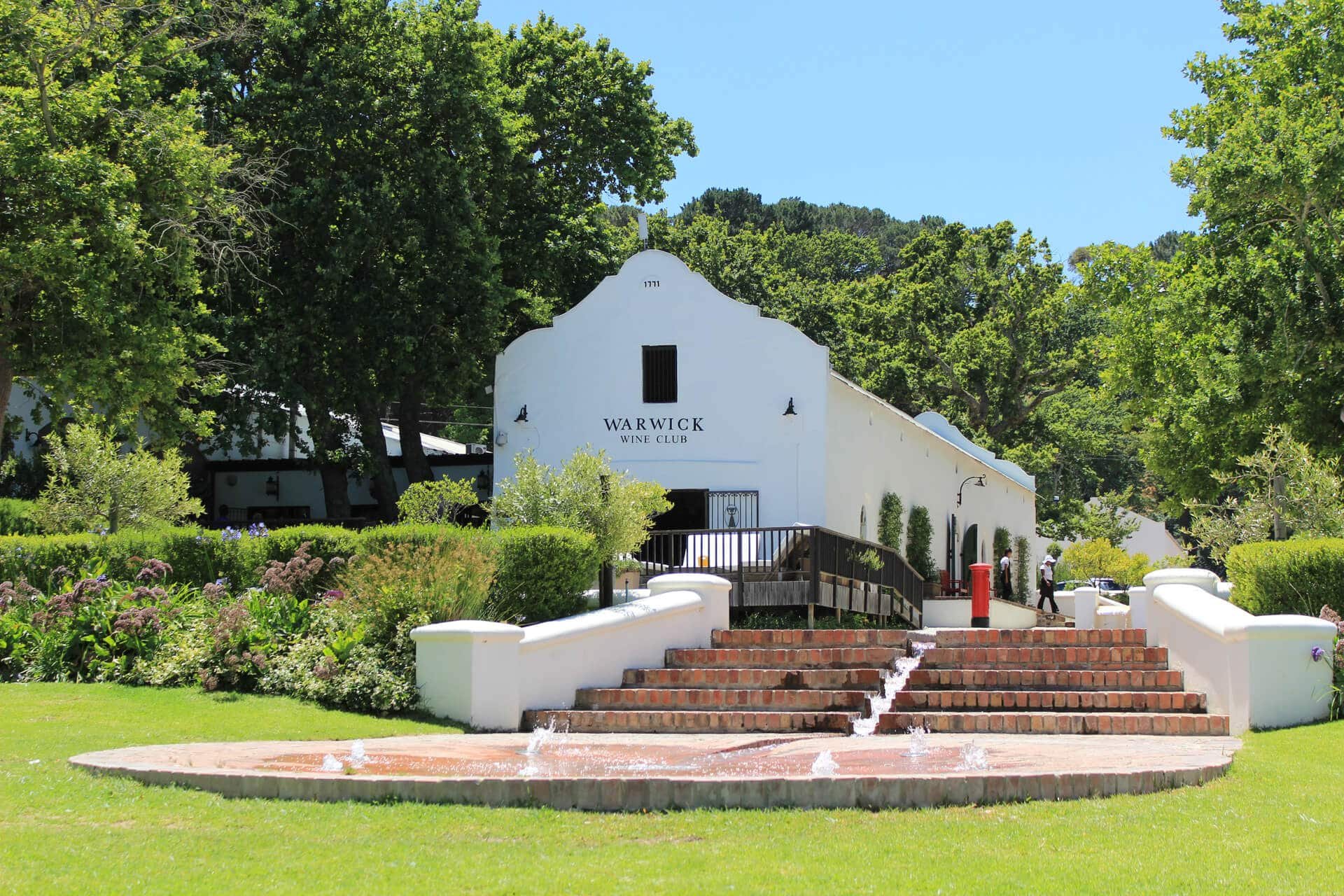
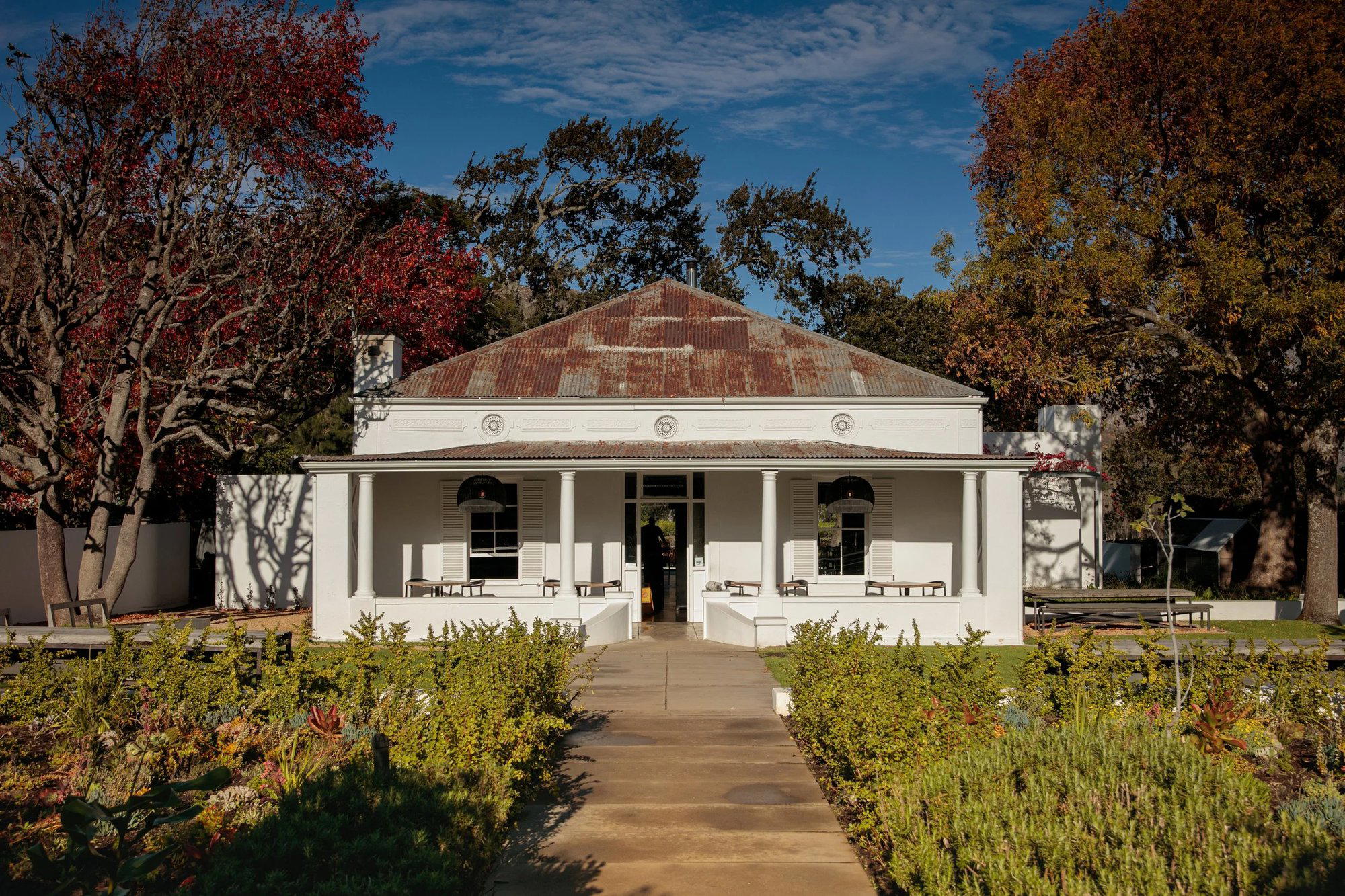
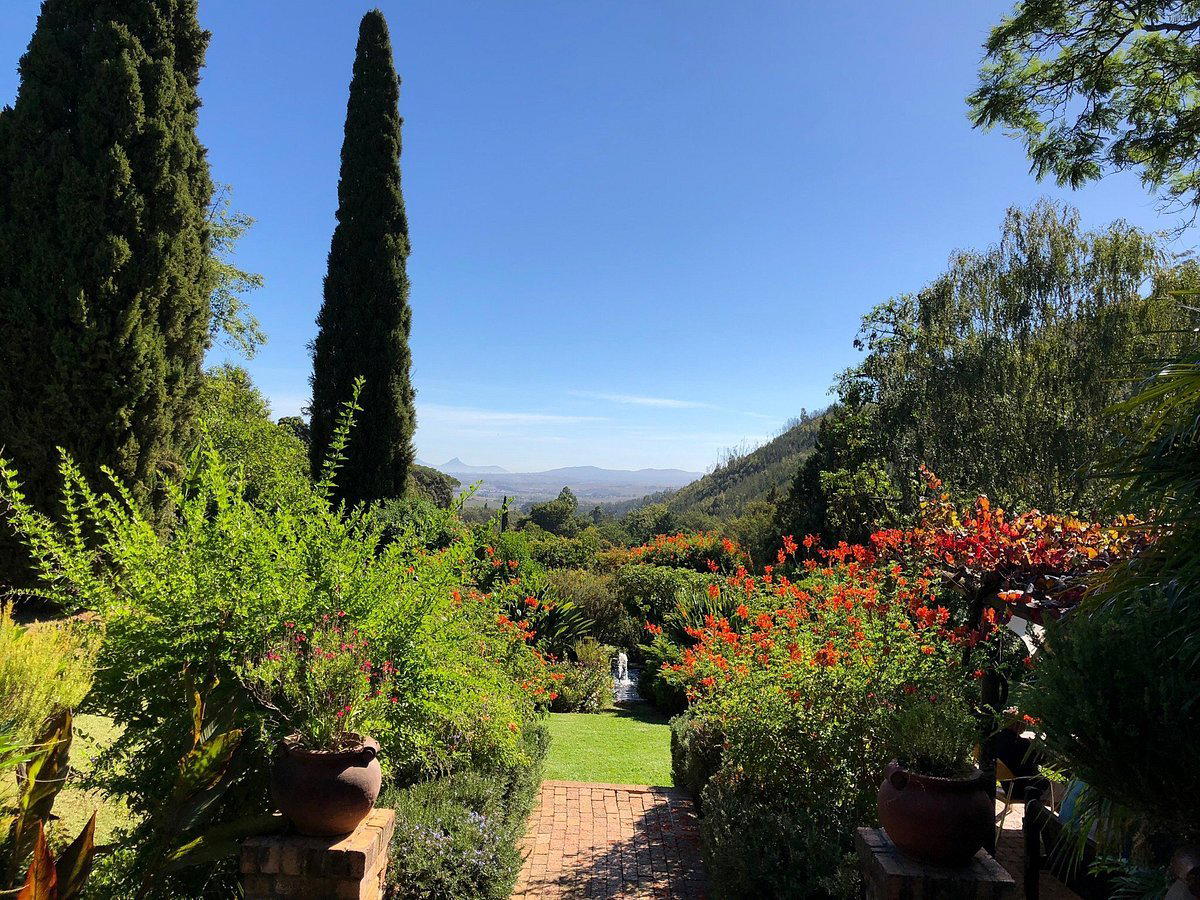
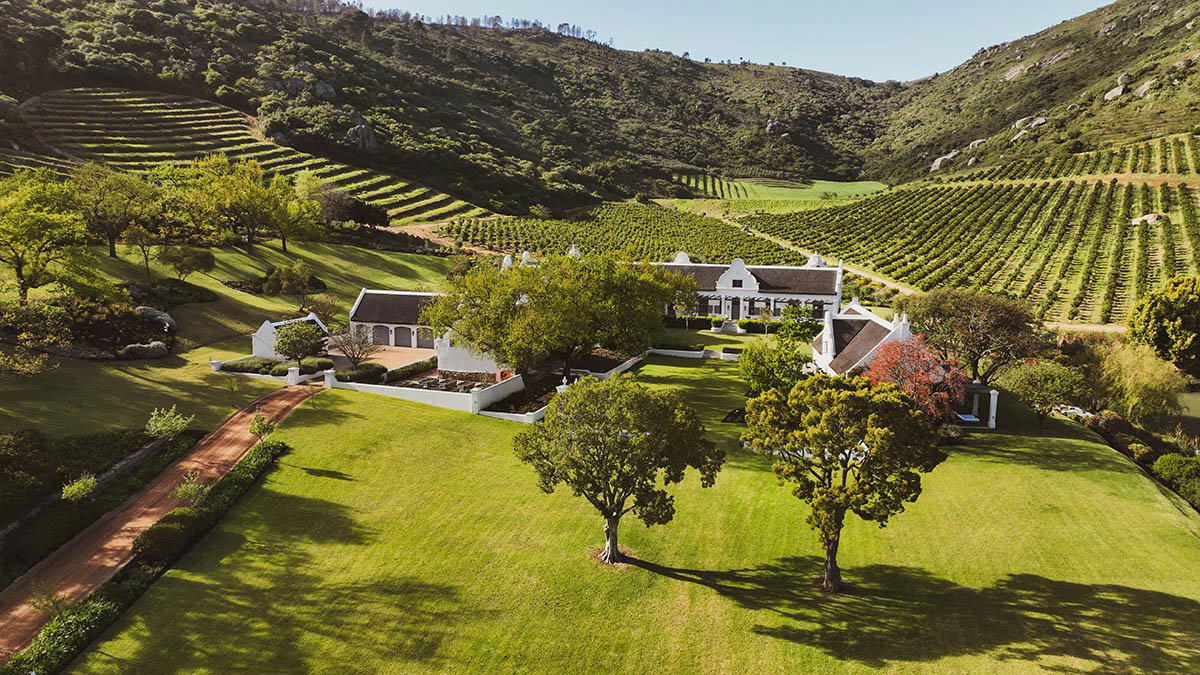
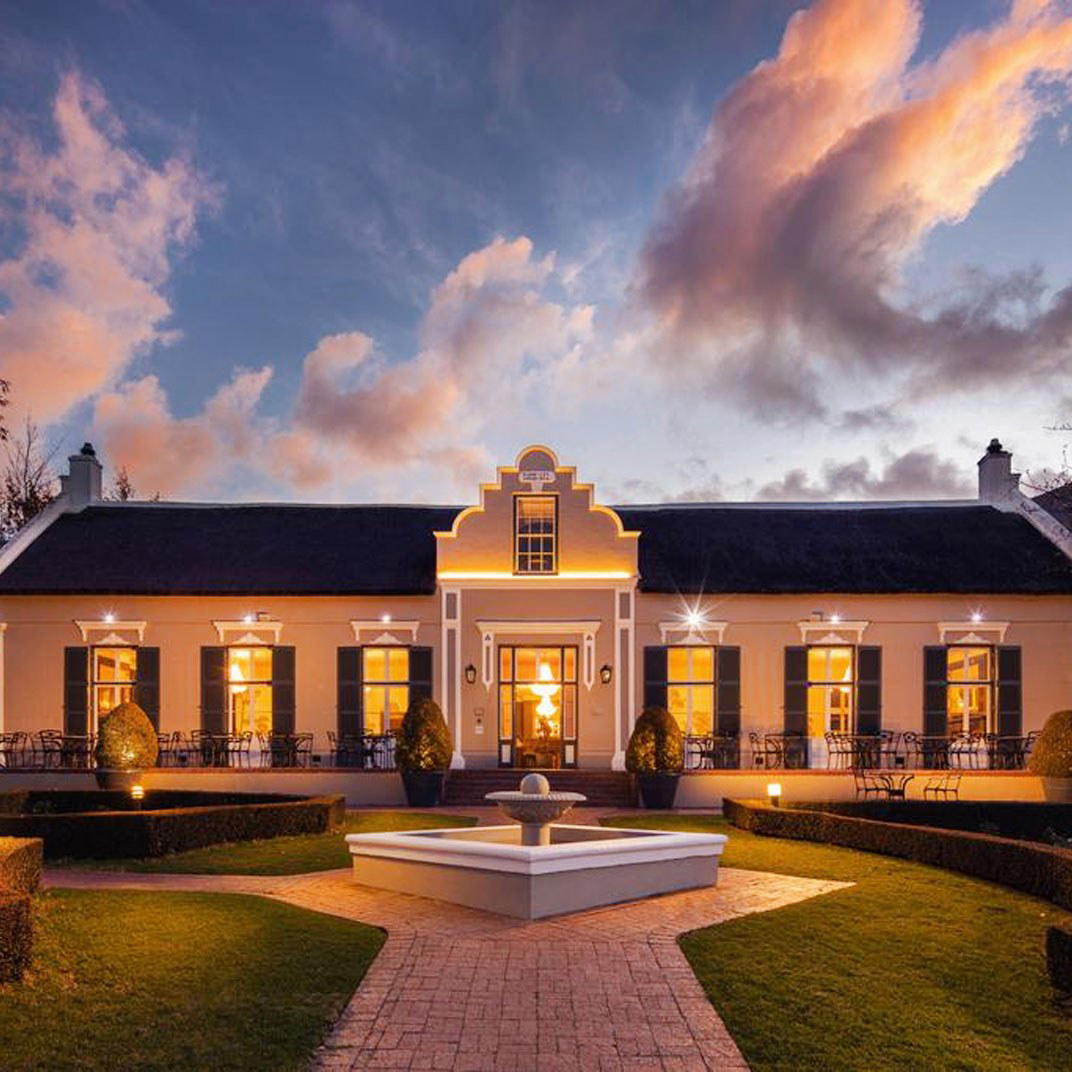
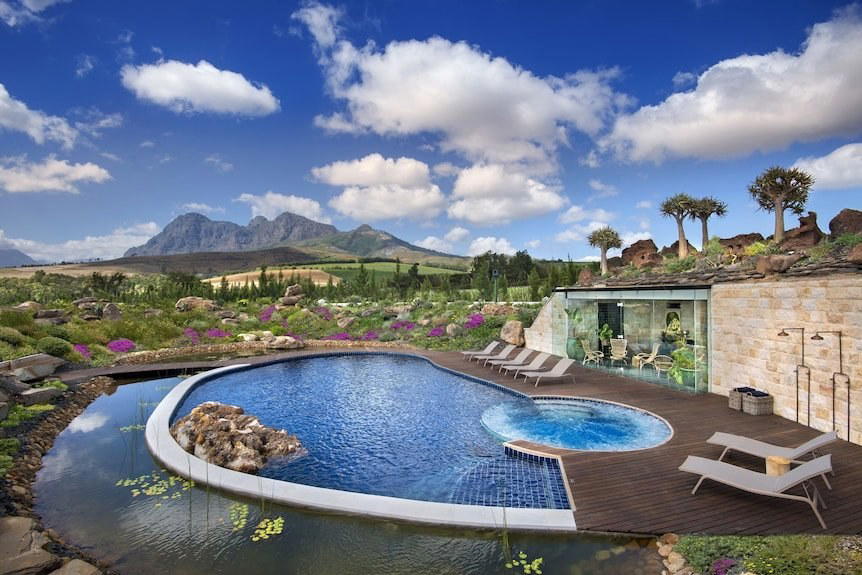
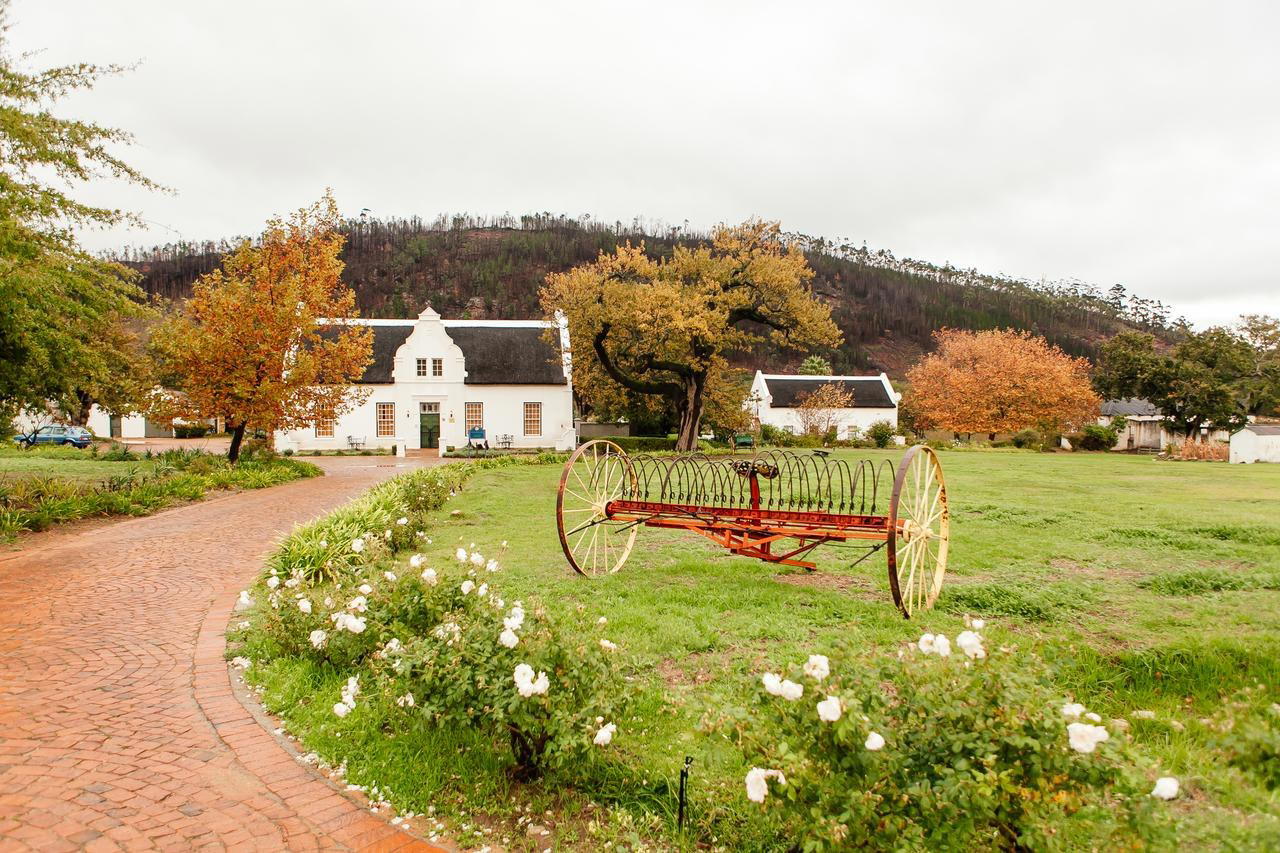
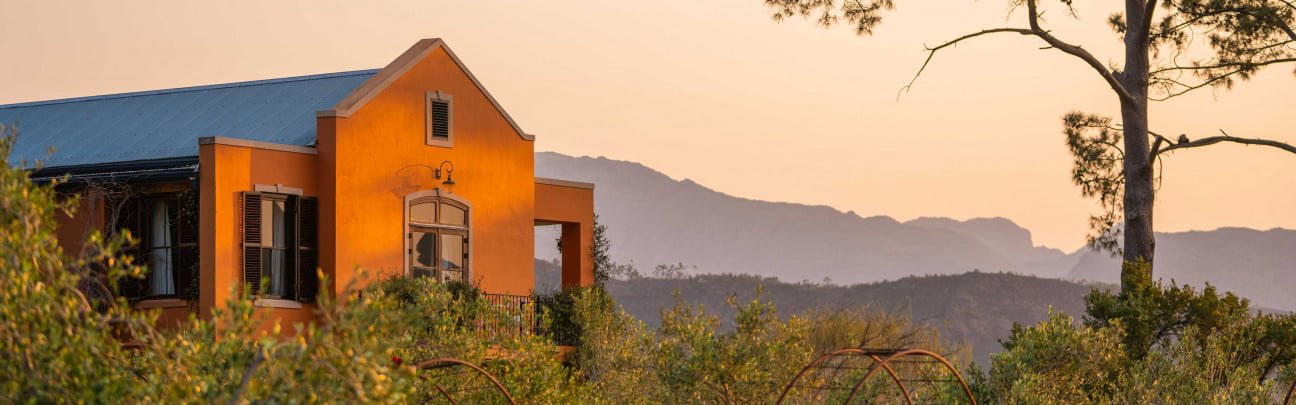
Details
- Rustic
- Scenic
- Elegant
- Classic
- Wine Education
- Solo Exploration
- Special Occasion
- Vineyard Tour
- Estate Grounds
- Sustainable
- Organic
- Vineyard
- Mountain
- Chenin Blanc
- Grenache Blanc
- Cabernet Sauvignon
- Merlot
- Shiraz
- Pinot Noir
- Cinsaut
- Nero D’avola
- Still White
- Still Red
- Skin Contact
- Standard Tasting
- Premium Tasting
- English
Gracious and warm family atmosphere on a beautiful historic farm with a focus on ethical and natural winemaking.