De Morgenzon

Falstaff Winery - Listed
De Morgenzon sits on Stellenbosch Kloof Road in the Stellenbosch Kloof valley. The estate is positioned among Stellenbosch's serious cellar-focused producers, where post-harvest decisions around aging and blending define the house style. Visitors come for wines that reflect a deliberate, slow approach to maturation rather than early-release volume production.

Pearl is the En Primeur Club membership app — saves, bookings, and concierge access live there. Same editors, same standards.
- Address
- Stellenbosch Kloof Rd, Stellenbosch, 7599
- Phone
- +27 21 881 3030
- Website
- demorgenzon.com
- Directions
- Get directions
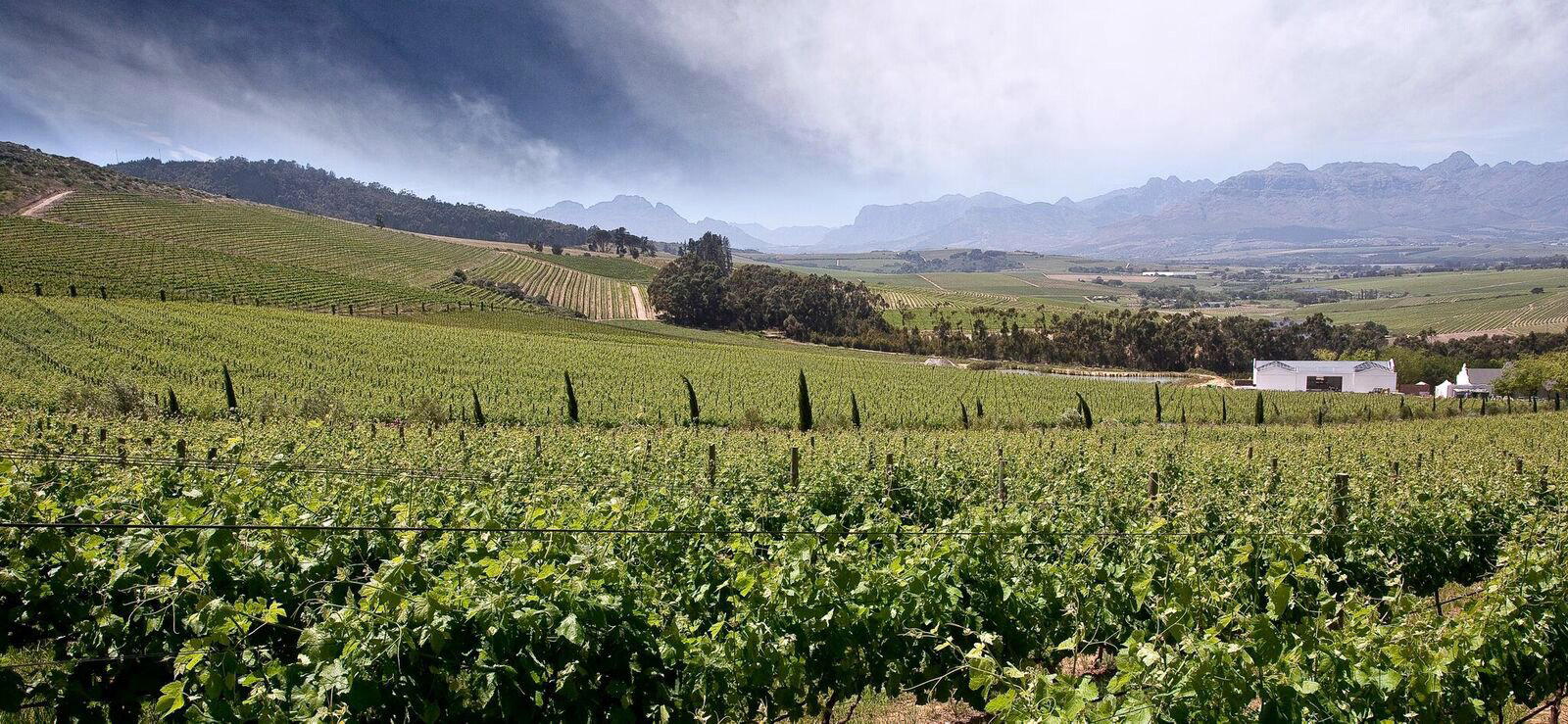
Where the Valley Slows Down
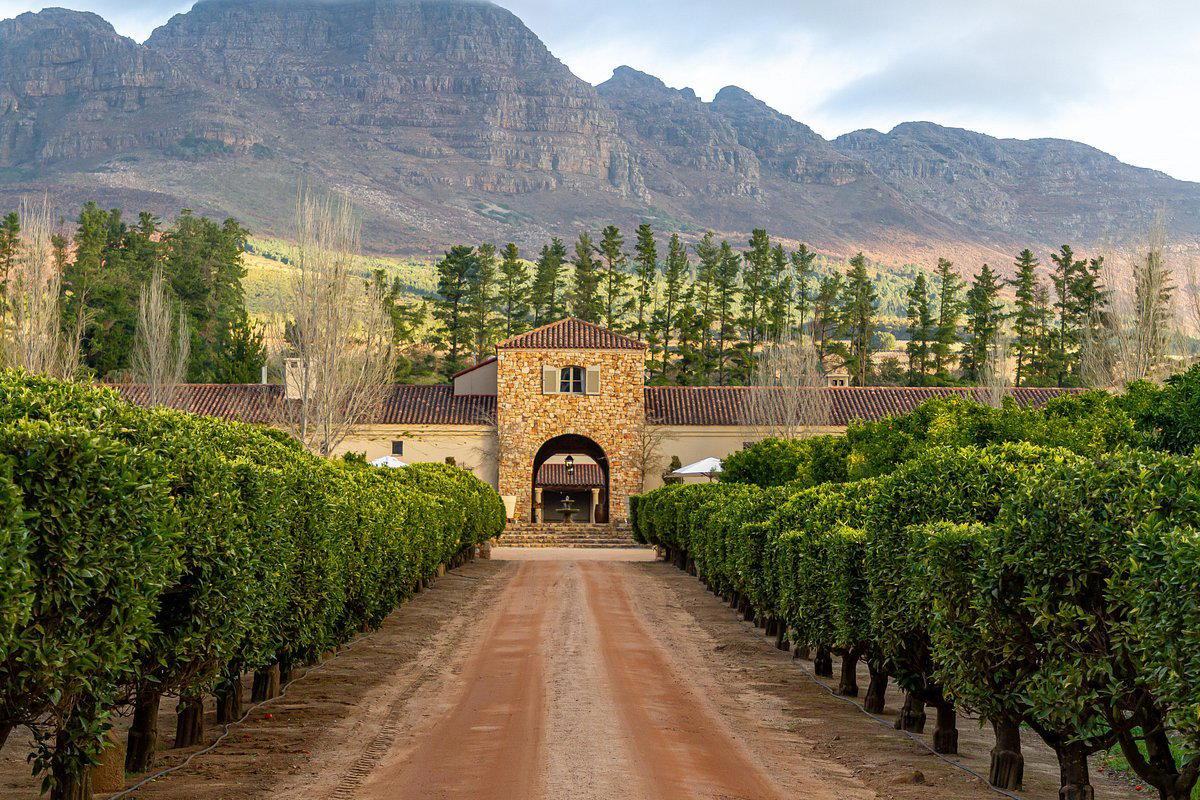
Stellenbosch Kloof Road runs west from the town of Stellenbosch into a cooler, narrower corridor than the open flats around the Eerste River. The valley here drops temperatures, tightens growing conditions, and draws a different kind of producer. De Morgenzon occupies this address, and the setting matters: properties along this road tend to make wines with more structural tension than those on the warmer valley floor, which places cellaring decisions at the centre of what they do rather than at the periphery.
The broader Stellenbosch wine scene has polarised over the past decade. On one side, high-volume estates with strong tourism infrastructure, restaurants, and accommodation — Spier Wine Farm and Asara Wine Estate among them — cater to a wide visitor base. On the other, a smaller cohort of producers treats the winery as the primary product, with everything else secondary.
The Case for Stellenbosch Kloof
Understanding what De Morgenzon does requires some context about why this sub-valley matters. Stellenbosch's appellation is large enough to contain genuinely different terroirs, and producers in Stellenbosch Kloof routinely point to south-facing slopes, cooling afternoon winds, and well-drained decomposed granite as conditions that slow ripening. Slower ripening generally means more acid retention, finer tannin development in red varieties, and greater aromatic complexity in whites. These are the conditions that reward careful aging rather than early bottling and release.
Across the Cape Winelands, the estates that have built reputations for cellaring-worthy wines share a common approach: they make decisions about barrel selection and aging duration as seriously as they make decisions in the vineyard. Vergelegen Wine Estate in Somerset West and Constantia Glen in Cape Town operate in this space, each treating post-harvest work as the defining stage. De Morgenzon's position on Stellenbosch Kloof Road places it in that peer conversation.
Cellar Focus: What Happens After Harvest
The aging programme at any serious estate is where philosophy becomes practice. In Stellenbosch, the dominant reds, Cabernet Sauvignon, Syrah, blends built around Bordeaux varieties, need time in barrel and often further time in bottle before they show their full range. The decisions made in the cellar during this period: which barrels to include in the final blend, what proportion of new oak to use, how long to extend maceration or barrel time, define how a wine will perform over a decade of drinking.
For white varieties, the calculus is different but no less demanding. Chenin Blanc, which has become one of Stellenbosch's most credible white varieties, responds to partial barrel fermentation and extended lees contact in ways that amplify texture without sacrificing the acid that makes it age-worthy. Producers who understand this schedule their releases accordingly, and the wines arriving at market often carry six months to a year more cellar time than consumers expect from a Southern Hemisphere producer. This approach is partly what separates prestige-tier estates from entry-level producers in the same appellation.
For comparison, estates across the Cape at this level include Graham Beck Wines in Robertson and Creation Wines in Hermanus, each holding sustained recognition for consistent cellar-driven quality.
De Morgenzon in Its Competitive Set
Within Stellenbosch specifically, the competition for serious wine buyers is concentrated among a handful of estates. Delaire Graff Estate operates at the premium end with strong hospitality and dining infrastructure alongside its wine programme. Tokara Winery combines a credible cellar with a well-regarded restaurant. Neethlingshof Estate brings historic depth to its portfolio. De Morgenzon competes with this group on wine quality rather than on hospitality breadth, which positions it differently for visitors whose primary interest is in what's in the glass.
Beyond Stellenbosch, comparisons extend to Babylonstoren in Franschhoek, which has built a distinctive identity around both agriculture and wine, and Val de Vie Estate in Paarl, which operates across wine and residential development. De Morgenzon's narrower focus keeps the conversation tightly around what the vineyards and cellar produce.
Visiting: What to Know Before You Go
De Morgenzon is located at Stellenbosch Kloof Road, Stellenbosch, 7599. The drive from the town centre takes roughly ten to fifteen minutes heading west, and the road itself passes through some of the more visually compelling terrain in the immediate Stellenbosch area. Visitors planning a day across the valley can reasonably combine a stop here with other Kloof Road producers, making a focused morning or afternoon rather than a rushed loop across the entire appellation.
Booking ahead is the standard expectation at prestige-tier Cape estates, and while specific tasting formats and hours for De Morgenzon are best confirmed directly with the estate, the general pattern for this tier is structured tastings by appointment rather than open walk-in access. This is consistent with how comparable estates at Pearl 2 Star level operate across the Winelands: the experience is curated rather than casual, and advance contact ensures the visit is properly prepared for. For a broader map of Stellenbosch producers and what to expect from the region's dining and wine scene, the EP Club Stellenbosch guide covers the full range.
Seasonally, the Cape Winelands are most active between November and April, when harvest energy runs through the valley and new vintages are being assessed. Visiting in autumn, roughly March to May, catches the tail of harvest and the start of the quieter cellar period, when producers are often more available for considered conversation about what the year produced. For those specifically interested in aging programmes and blending decisions, this window gives a clearer picture of how the estate thinks about its wines than a midsummer tourist-season visit.
For those extending their Cape Winelands visit beyond Stellenbosch, Oude Molen Distillery in Grabouw offers a different lens on post-harvest craft, and further afield, Aberlour in Aberlour and Accendo Cellars in St. Helena represent how aging-programme thinking translates into entirely different wine and spirits traditions.
Peers You’d Cross-Shop
Comparable venues nearby, for context on price, style, and recognition.
| Venue | Cuisine | Price | Awards | Notes |
|---|---|---|---|---|
| De MorgenzonThis venue — the venue you are viewing | Chenin Blanc, Chardonnay | $50–100 | Falstaff Winery - Listed | Not listed |
| Ken Forrester Vineyards | Chenin Blanc, Sauvignon Blanc | $30–50 | Falstaff Winery - Listed | Stellenbosch |
| Uva Mira Mountain Vineyards | Sauvignon Blanc, Chardonnay | $50–100 | Not listed | Helderberg |
| Jordan Wine Estate | Cabernet Sauvignon, Merlot | $50–100 | Falstaff Winery - Listed | Stellenbosch |
| Eikendal Vineyards | Cabernet Sauvignon, Merlot | $30–50 | Not listed | Helderberg |
| Rust en Vrede Wine Estate | Cabernet Sauvignon, Syrah | $30–50 | Star Wine List · Falstaff Winery - Listed | Helderberg |
Recognition history
Dated appearances from independent guides and award organizations, with the underlying list record or original source where available.
Falstaff Winery - Listed
Falstaff
Continue exploring
More in Stellenbosch
Wineries in Stellenbosch
Browse all →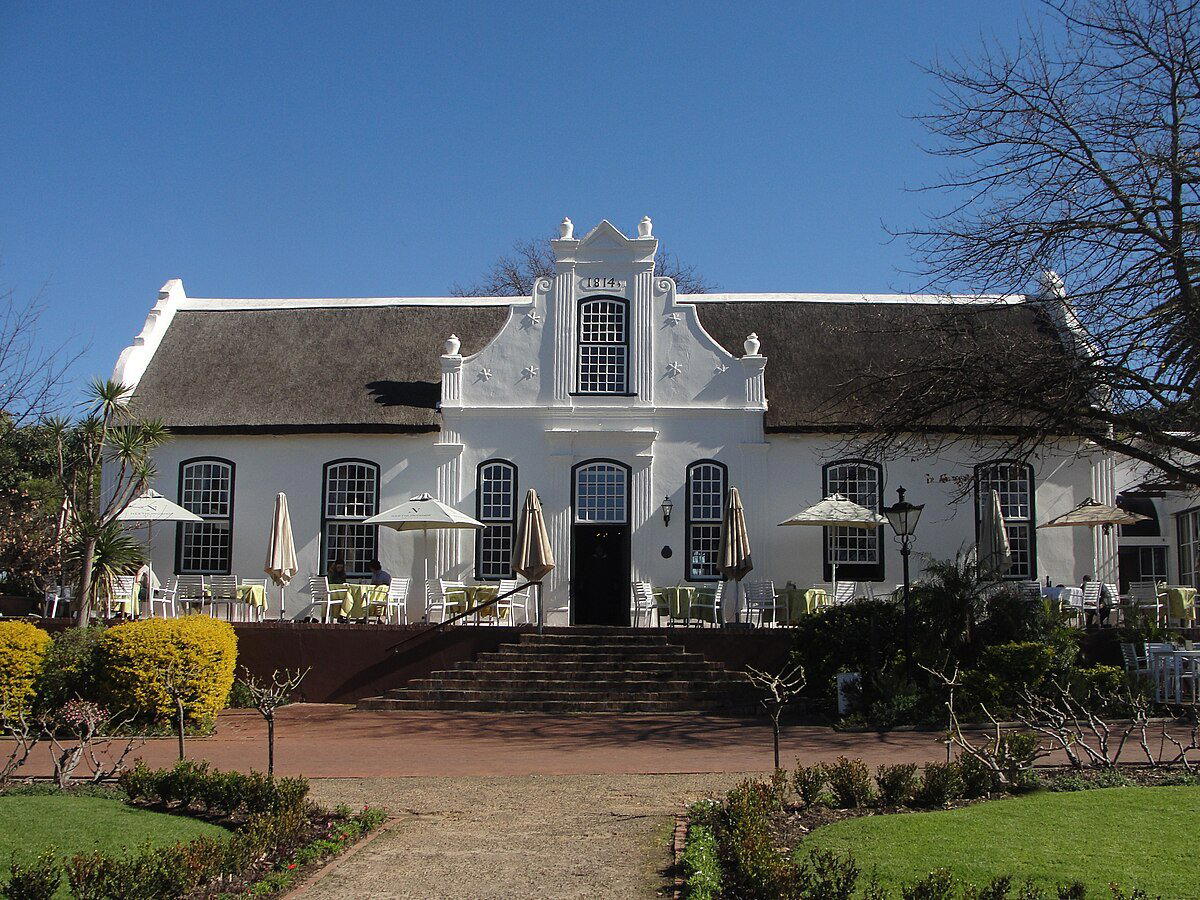
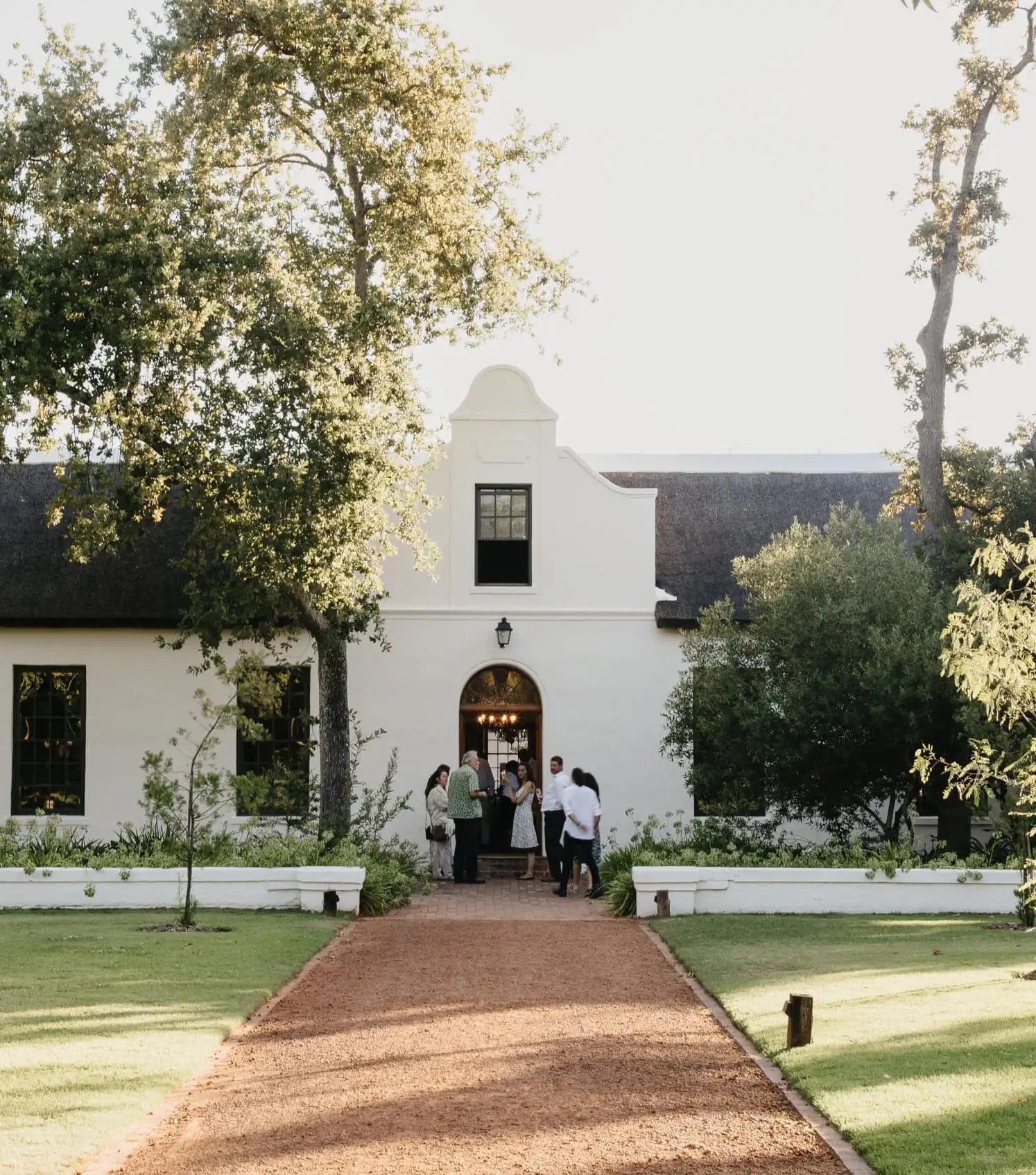
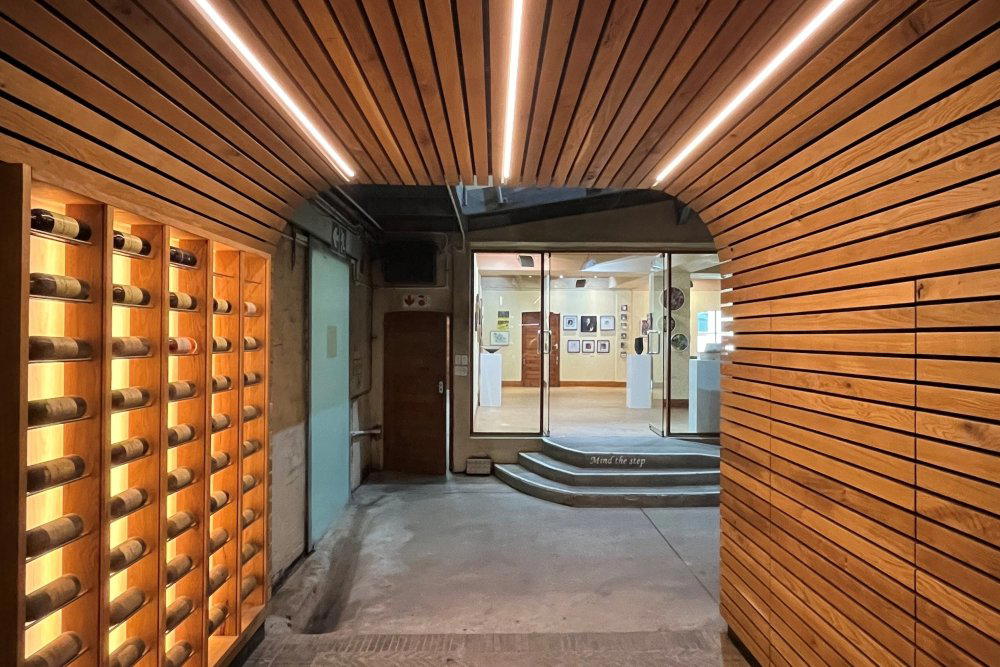
Bars in Stellenbosch
Browse all →
Restaurants in Stellenbosch
Browse all →
Details
- Scenic
- Elegant
- Romantic
- Sophisticated
- Romantic Getaway
- Wine Education
- Special Occasion
- Group Outing
- Vineyard Tour
- Estate Grounds
- Garden
- Panoramic View
- Terrace
- Sustainable
- Vineyard
- Mountain
- Garden
- Chenin Blanc
- Chardonnay
- Sauvignon Blanc
- Syrah
- Merlot
- Roussanne
- Grenache Blanc
- Viognier
- Still White
- Still Red
- Still Rosé
- Sparkling
- Estate Tasting
- Reserve Tasting
- Blended Tasting
- English
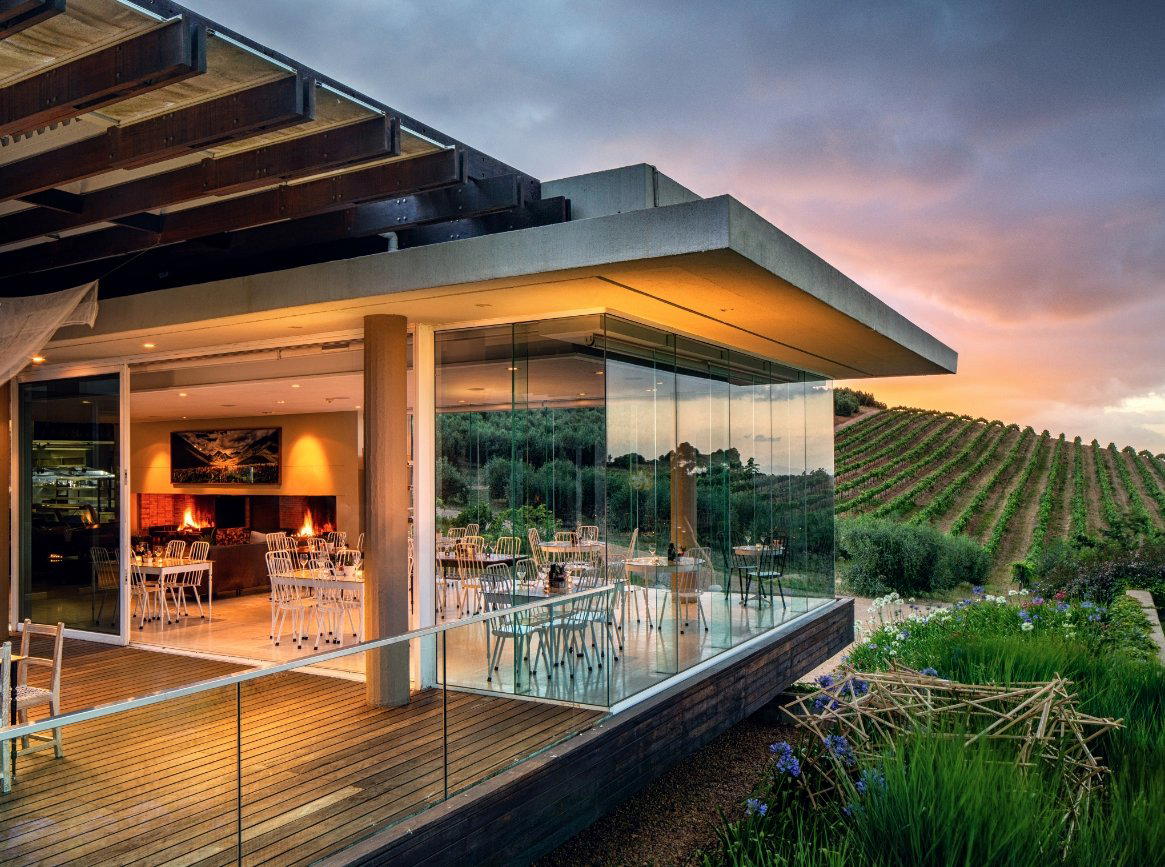
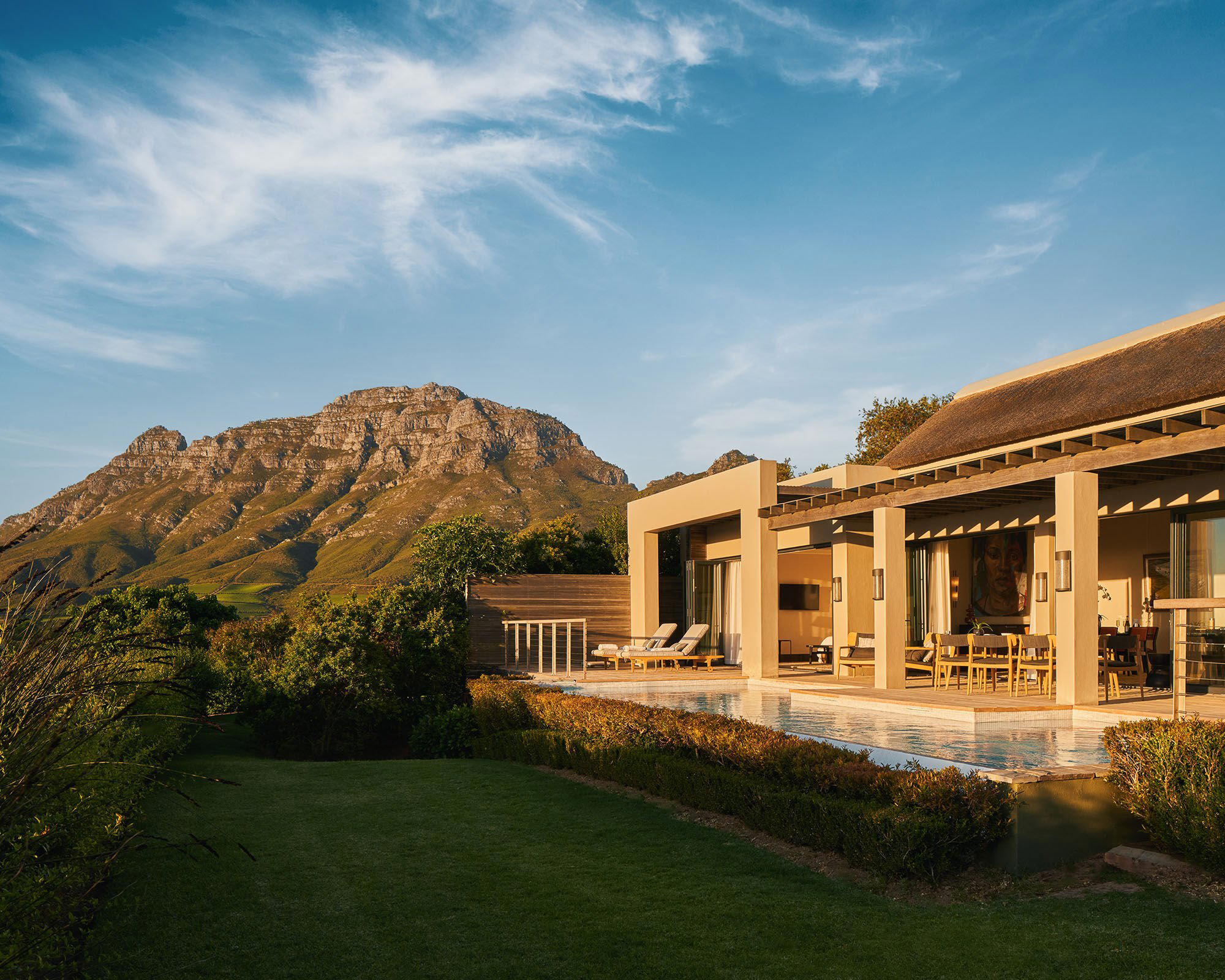
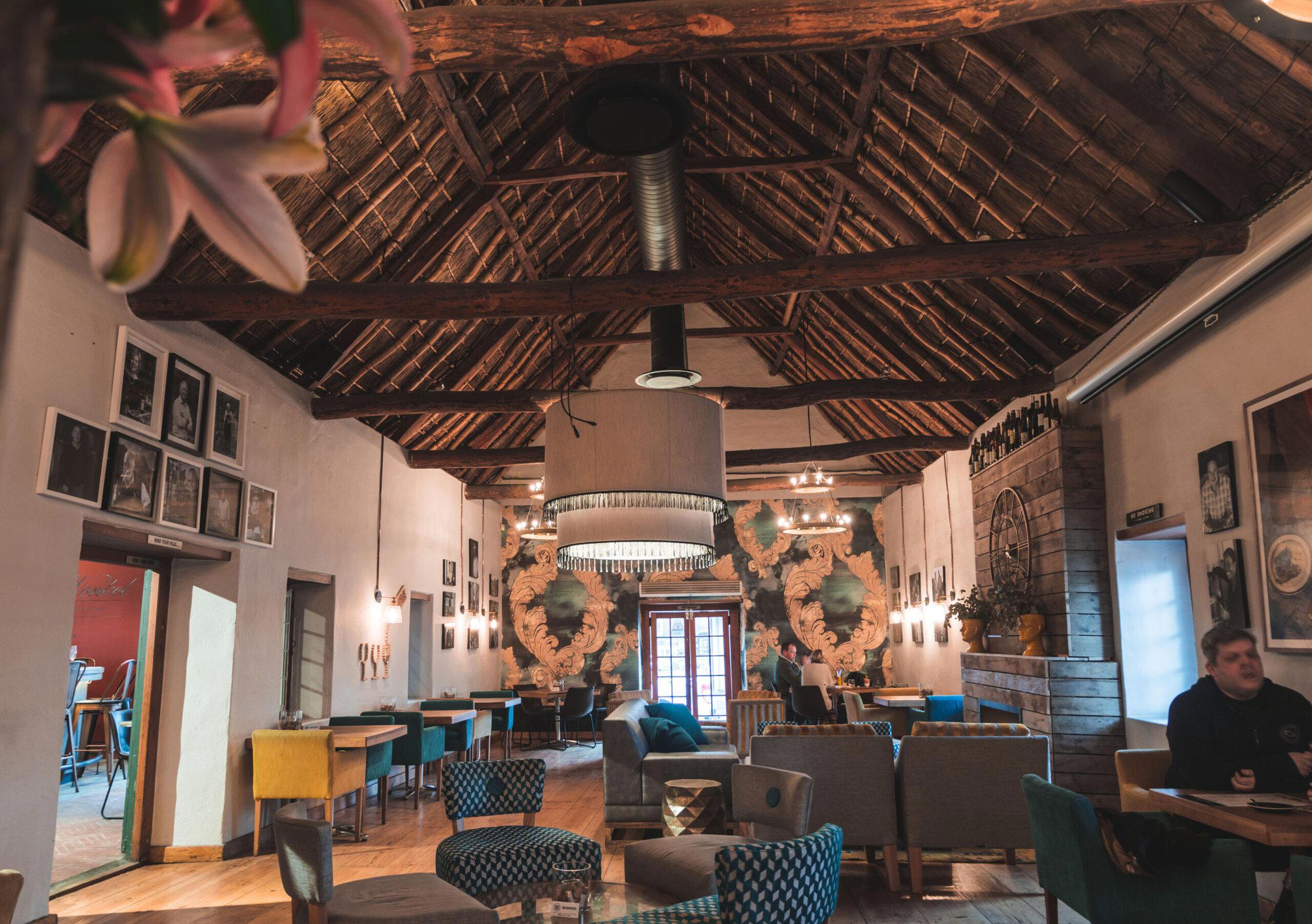
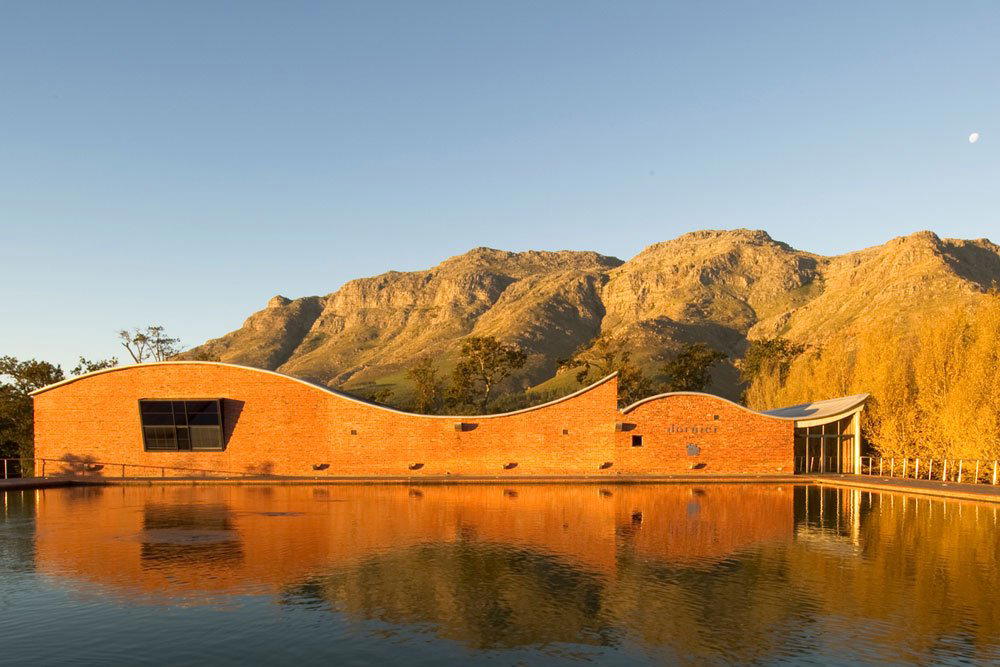
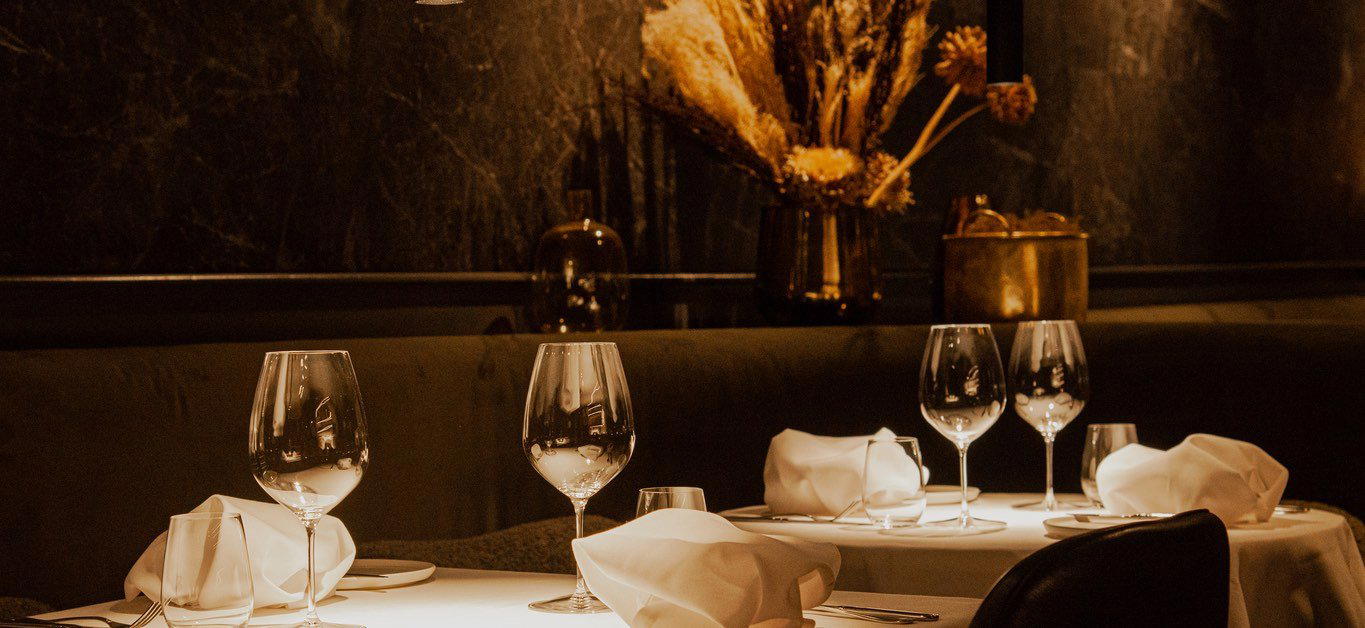
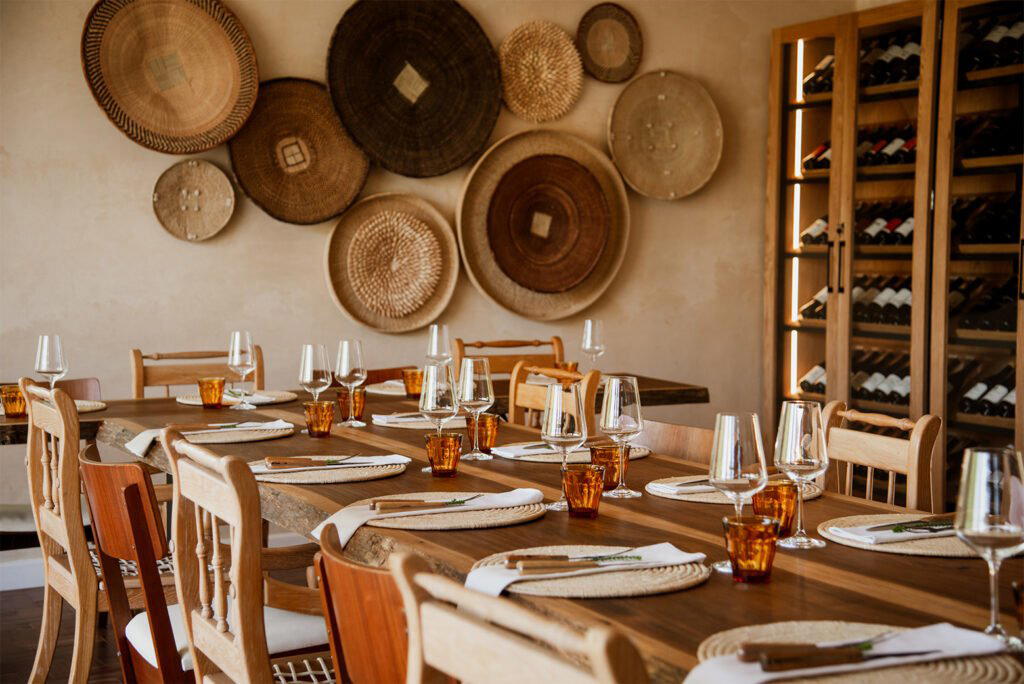
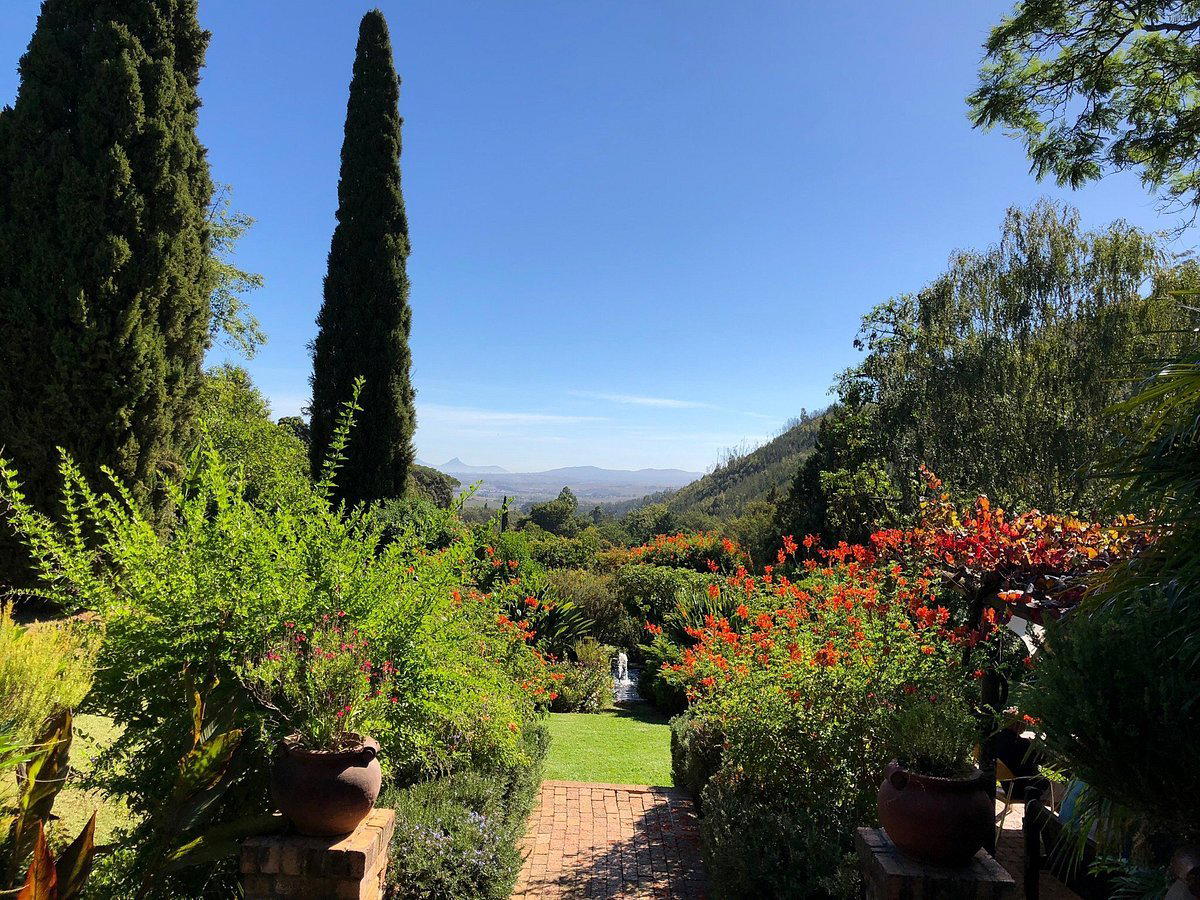
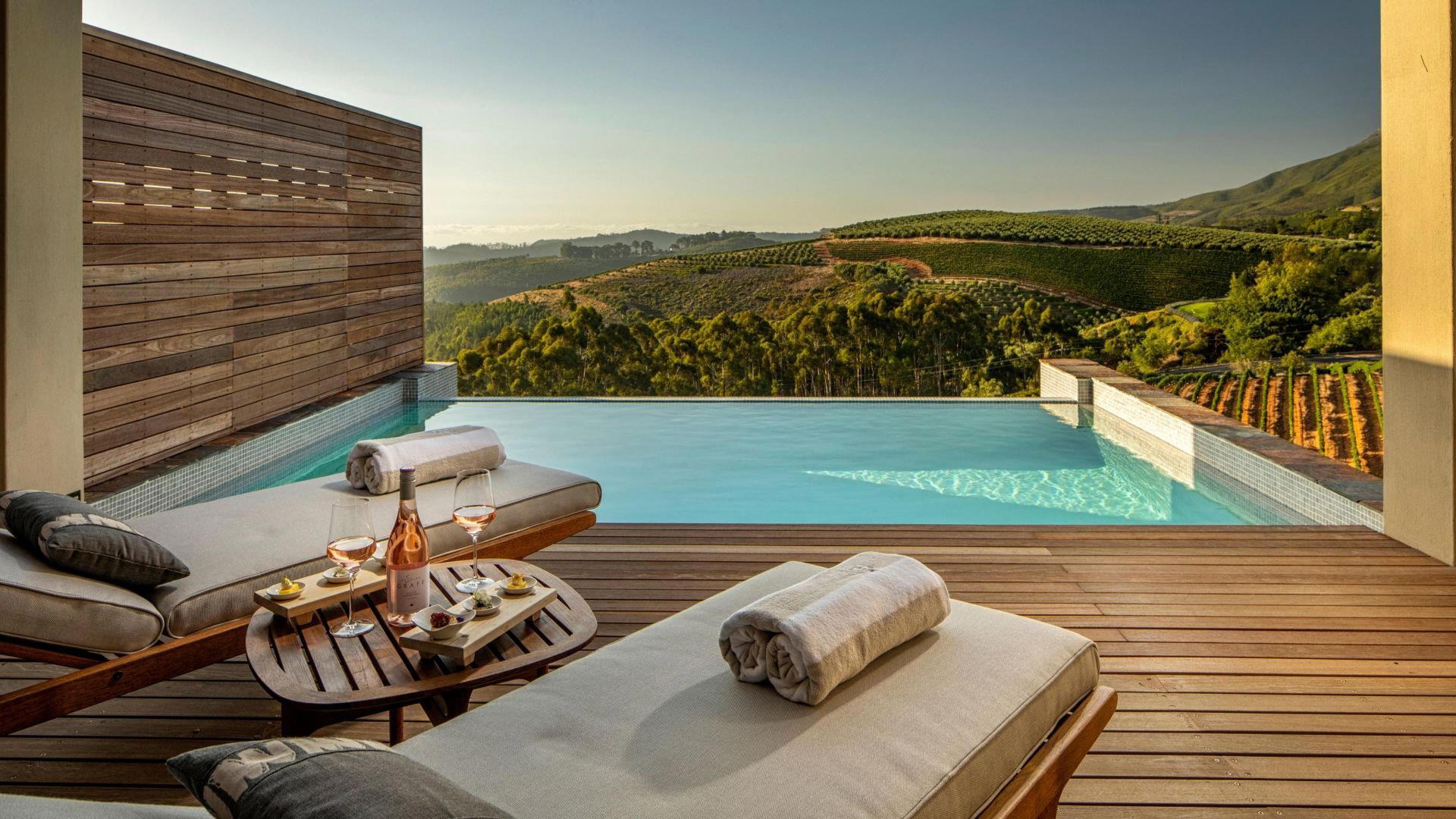
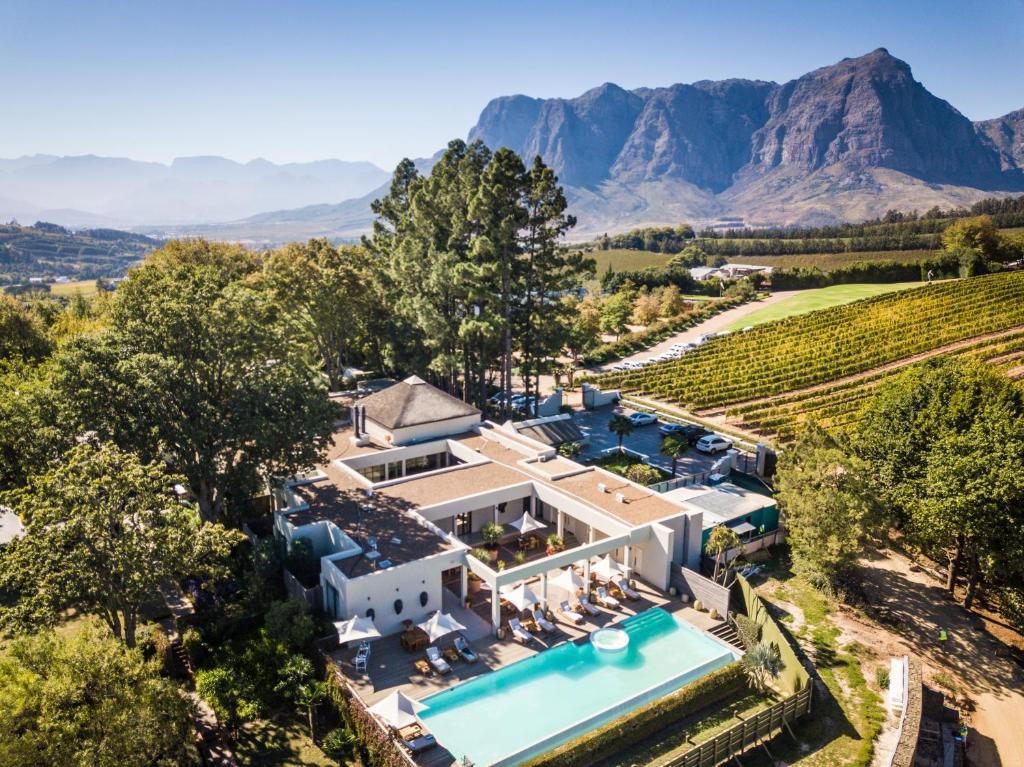
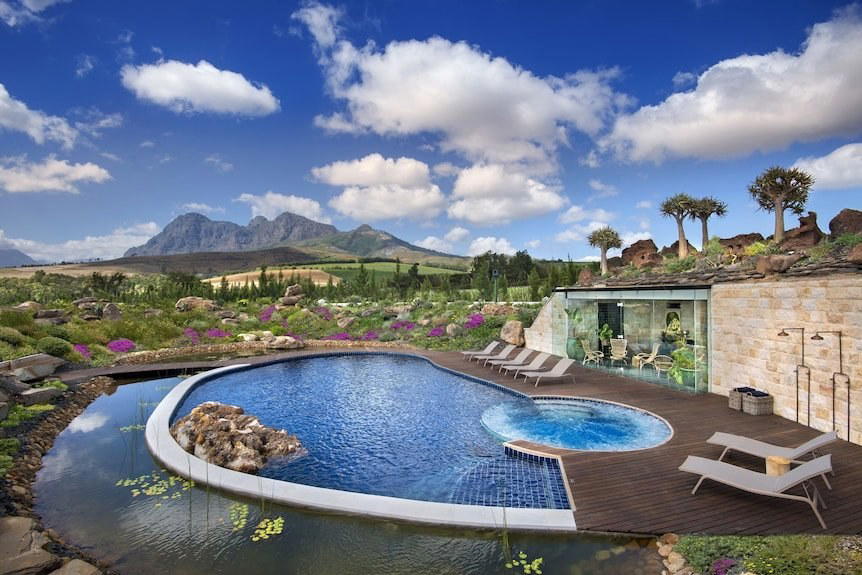
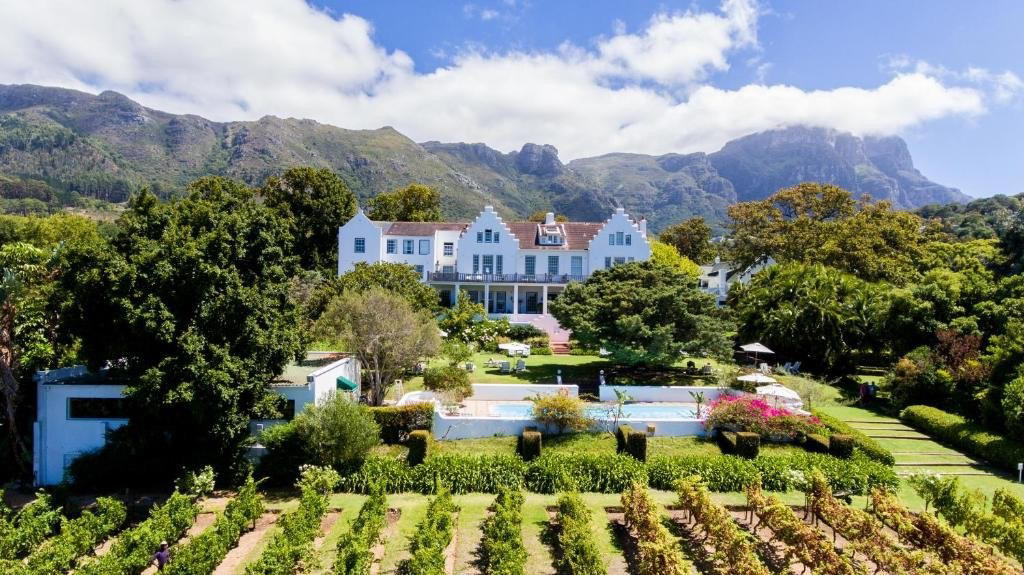
Serene and refined, with natural light flooding the estate's high-altitude slopes overlooking mountains and sea; the atmosphere is enhanced by baroque and early classical music throughout the property.