Bosjes Manor House
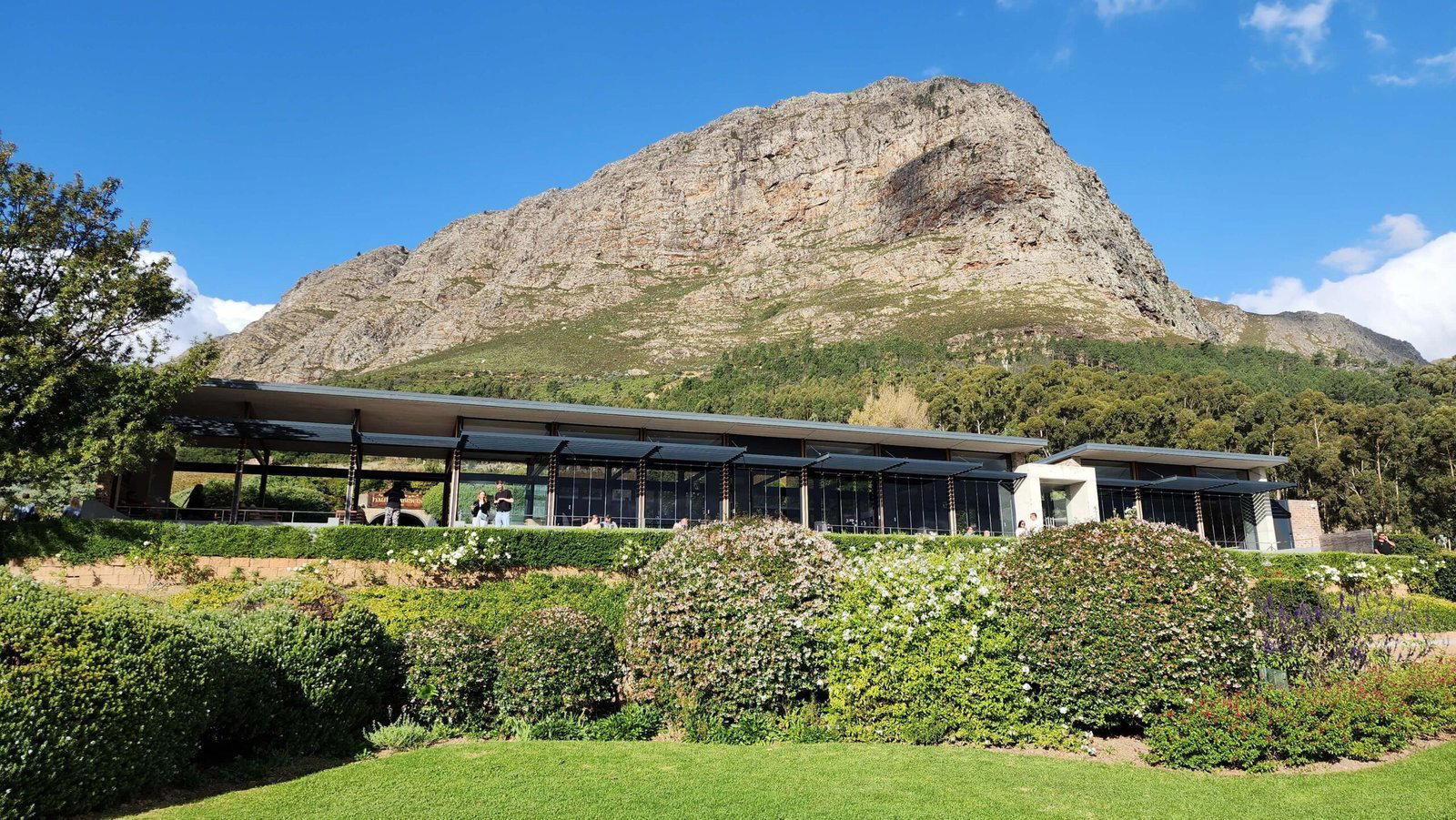
Bosjes Manor House sits in the Witzenberg Valley along the R43, one of the Western Cape's more quietly considered rural retreats. The property is best known for its tent-like chapel designed by Coetzee Steyn, whose undulating white roof has become one of South Africa's most photographed pieces of contemporary religious architecture. The surrounding landscape of fynbos, wheat fields, and mountain backdrop gives the estate a distinct character that places it apart from the Stellenbosch and Franschhoek wine-country circuit.
Pearl is the En Primeur Club membership app — saves, bookings, and concierge access live there. Same editors, same standards.
- Address
- R43, Worcester, South Africa
- Phone
- +27 23 004 0496
- Website
- bosjes.co.za
- Directions
- Get directions
 Saves & bookings on Pearl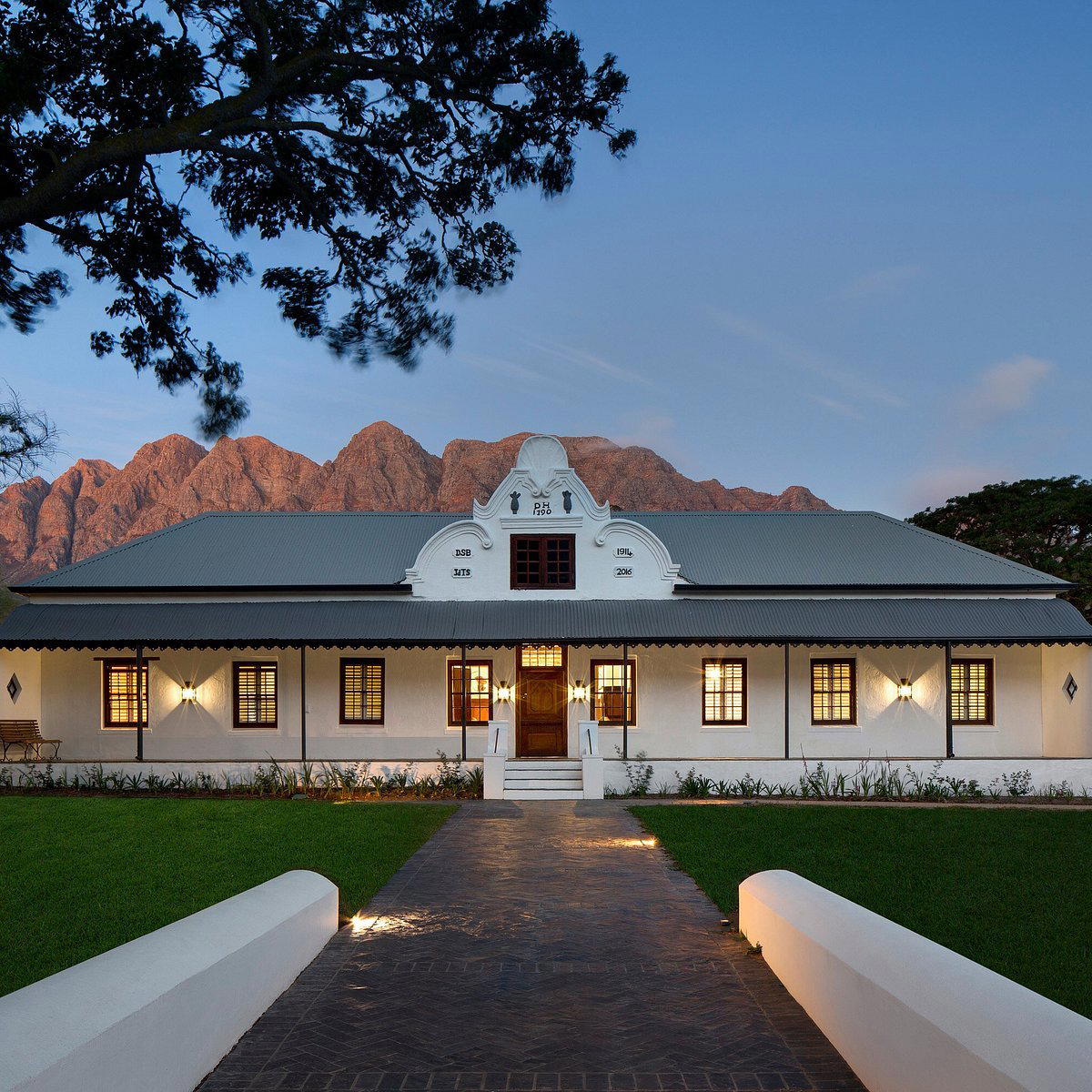
A Chapel, a Valley, and What Contemporary South African Architecture Gets Right
The Witzenberg Valley sits about 90 kilometres northeast of Cape Town, off the R43 between Worcester and Ceres, in a stretch of the Western Cape that most international visitors drive through rather than stop in. Bosjes Manor House occupies this terrain, and its defining architectural statement arrives before you reach the front door: a wave-formed chapel whose roof rises and falls in continuous white arcs against the Hex River Mountains. The building was designed by Coetzee Steyn of Steyn Studio, the Cape Town-based practice also behind the Investec Cape Town Art Fair pavilions, and it represents the kind of civic-scaled religious architecture that rarely appears outside major urban centres. The manor house offers five rooms and rates start at about $340 a night. That it sits on a farm estate in a grain-growing valley makes the encounter genuinely disorienting in a way that works.
For context on where Bosjes sits within South Africa's wider rural hospitality offer, it can be compared to properties like Babylonstoren in Paarl or Clouds Estate in Stellenbosch. Both of those occupy the Winelands circuit that Cape Town travellers default to. Bosjes sits outside that circuit, in a valley more associated with wheat, stone fruit, and fynbos than with cellar doors and tasting menus. That positioning is not a liability; it is precisely what gives the property its character. The Witzenberg farming community has a longer and less curated history than Franschhoek, and the estate draws on that without performing it.
The Architecture as the Primary Event
Steyn Studio's chapel at Bosjes has been widely published since its completion, appearing in Dezeen, Architectural Digest, and several international architecture annuals. The structure uses a reinforced concrete shell formed into a series of connected parabolic curves, white-rendered to reflect the bleached light of a highveld summer. The interior follows the same logic: light enters through glazed end walls and reads differently depending on time of day and season, which means the building changes character without any intervention from its occupants. This is architecture that rewards patience.
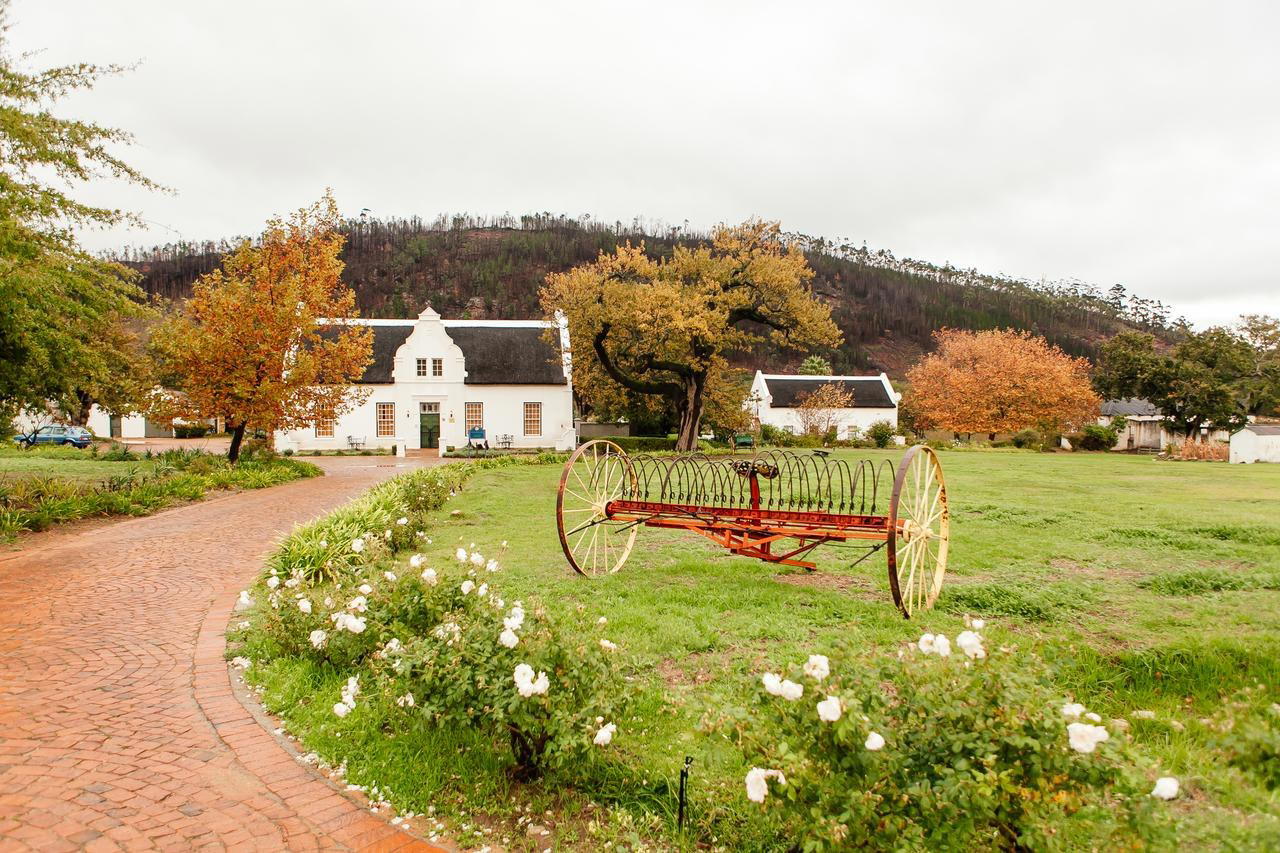
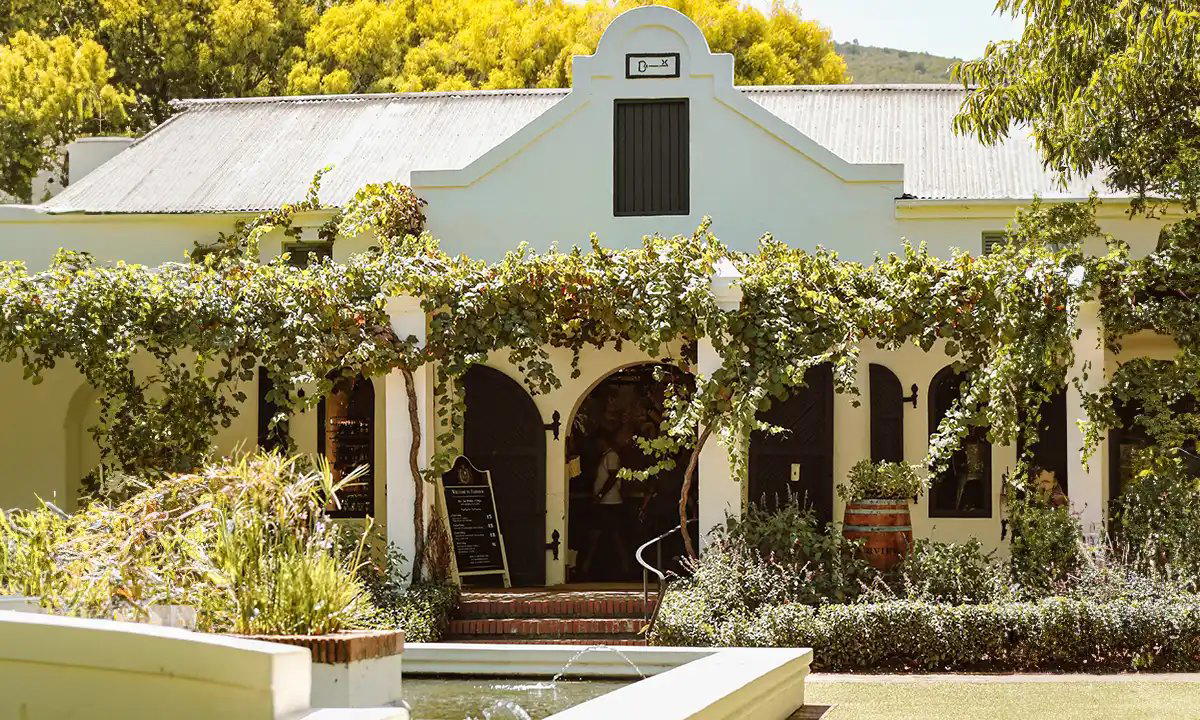
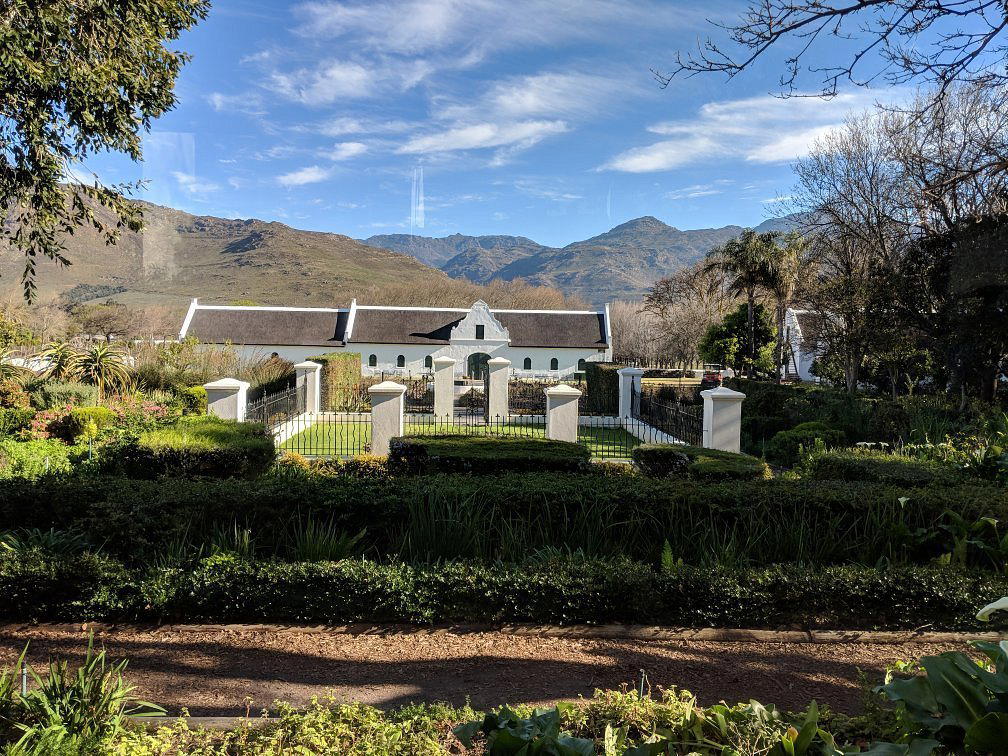
The manor house itself predates the chapel by well over a century. Historic Cape Dutch farmhouses follow a recognisable grammar: thick whitewashed walls, a central gable, small-paned sash windows, and a stoep that functions as the building's social threshold. The contrast between that inherited form and Steyn Studio's contemporary intervention is the visual argument Bosjes makes most clearly. South African architecture has long negotiated between colonial inheritance and contemporary expression, and the Bosjes estate stages that negotiation in a single frame.
Across South Africa's premium rural properties, this kind of architectural intentionality tends to cluster at a particular tier. Bushmans Kloof Wilderness Reserve and Wellness Retreat in Clanwilliam uses rock art as its framing device; Singita in the Kruger National Park builds around safari vernacular reinterpreted through high design. Bosjes makes a different bet, placing a piece of architectural writing at the centre of a farm estate rather than anchoring the experience in wildlife or viticulture.
The Witzenberg Valley Setting
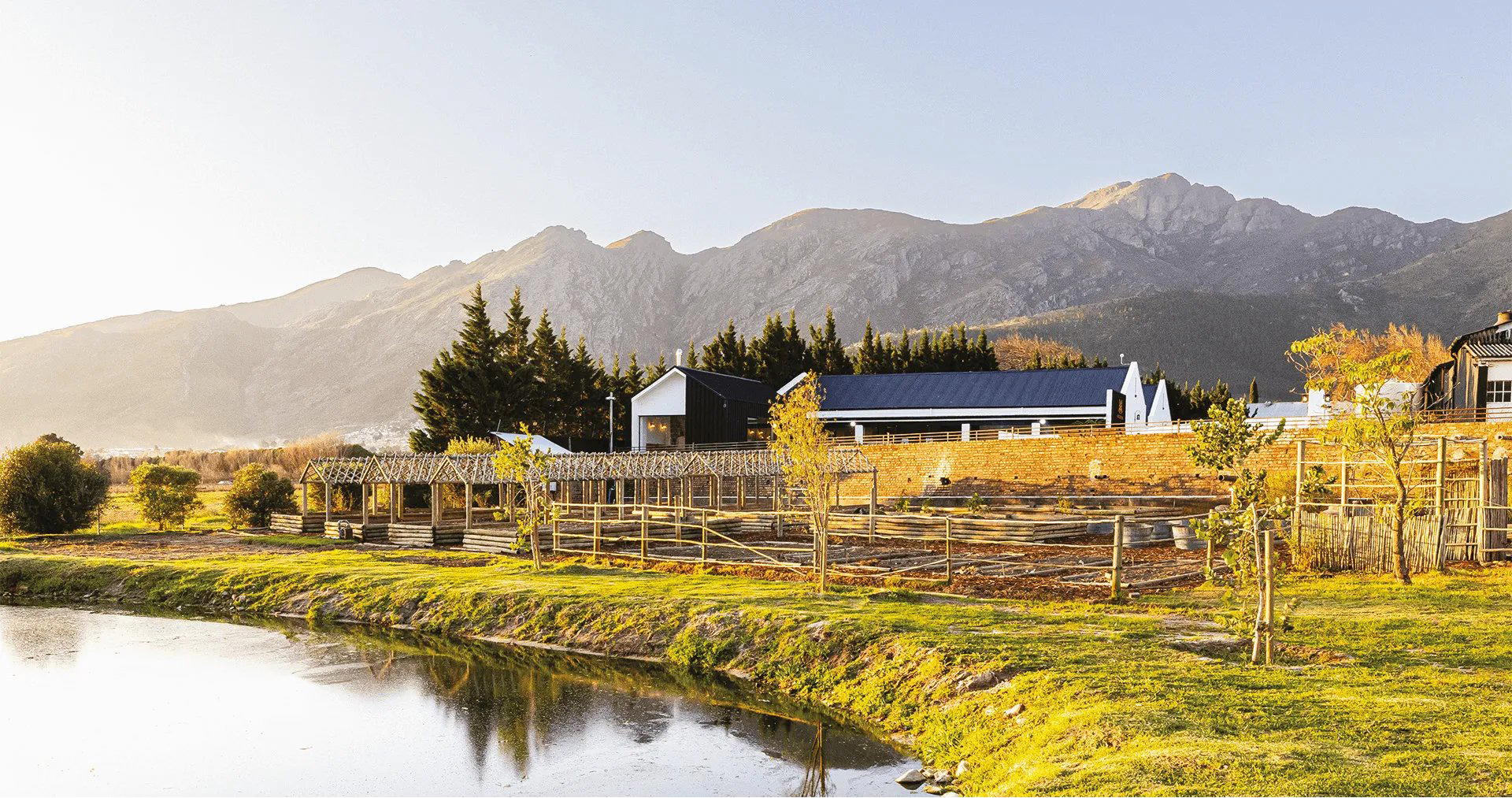
The R43 corridor through the Witzenberg Valley has its own agricultural rhythm that shapes the experience of being at Bosjes. Wheat harvest runs through November and December; stone fruit, peaches, apricots, nectarines, follows in the summer months. The surrounding mountains include the Witzenberg and Hex River ranges, which receive snow in winter and provide a visual backdrop that changes register entirely between seasons. This is not the manicured wine farm aesthetic of the Winelands; the landscape is more open, more exposed, and less domesticated.
Travellers coming from Cape Town typically route through Worcester, which adds practical context: the town has a functioning agricultural museum, several wine cooperatives using traditional methods, and access to the Hex River Pass. For those building an itinerary around the Western Cape's less-travelled interior, the Witzenberg Valley pairs logically with Aquila Private Game Reserve and Spa in Ceres to the north, or with the Franschhoek and Paarl properties to the south, including Akademie Street Boutique Hotel and Guest House in Franschhoek.
For those arriving from further afield in South Africa, Mount Nelson, A Belmond Hotel in Cape Town remains one practical base for Western Cape operations, with Bosjes sitting at roughly 90 minutes by road. The Hyatt Regency Cape Town provides a more central alternative for travellers who want proximity to the airport and the N1 corridor north.
Planning a Visit
Access to Bosjes is via the R43, which connects Worcester to Ceres through the valley floor. The road is direct by Western Cape standards, with no significant mountain passes between Worcester and the estate. A rental car is the only practical option; public transport does not serve the valley at a useful frequency. Spring and autumn offer particularly temperate conditions, with October and April particularly good for clear mountain views without the summer heat. Winter visits have their own logic: snow on the Hex River Mountains and dramatically low visitor numbers, though some outdoor elements of the estate may be less accessible.
The estate functions as a working farm alongside its hospitality offer, which affects the character of any visit. For comparison with South Africa's broader high-end rural property market, the EP Club profiles for Birkenhead House in Hermanus, Cheetah Plains Private Game Reserve in Sabi Sand, and andBeyond Phinda Forest Lodge in Hluhluwe are useful reference points for understanding what this tier looks like in different regions and ecosystems.
Comparison Snapshot
Comparable venues nearby, for context on price, style, and recognition.
| Venue | Cuisine | Price | Notes |
|---|---|---|---|
| Bosjes Manor HouseThis venue — the venue you are viewing | Restored Cape Dutch manor house with modern luxury guesthouse elements | $$$$ | Not listed |
| Owloon Manor House | Restored Cape Dutch estate villa for exclusive group rentals | $$$$ | Paarl |
| Honeyguide Tented Safari Camps | Authentic luxury tented safari camp blending classic safari tents with contemporary design | $$$$ | Manyeleti Game Reserve |
| Sterrekopje Healing Farm | Restored 17th-century healing farm sanctuary blending regenerative agriculture with luxurious, handcrafted accommodations. | $$$$ | Franschhoek |
| Masiya’s Camp | tented safari camp blending vintage charm with modern luxury | $$$$ | Greater Kruger National Park |
| BloomEstate | Contemporary architecture blending modern design with traditional ranch-style elements on wooded acreage. | $$$ | Swellendam |
Continue exploring
More in Witzenberg
Hotels in Witzenberg
Browse all →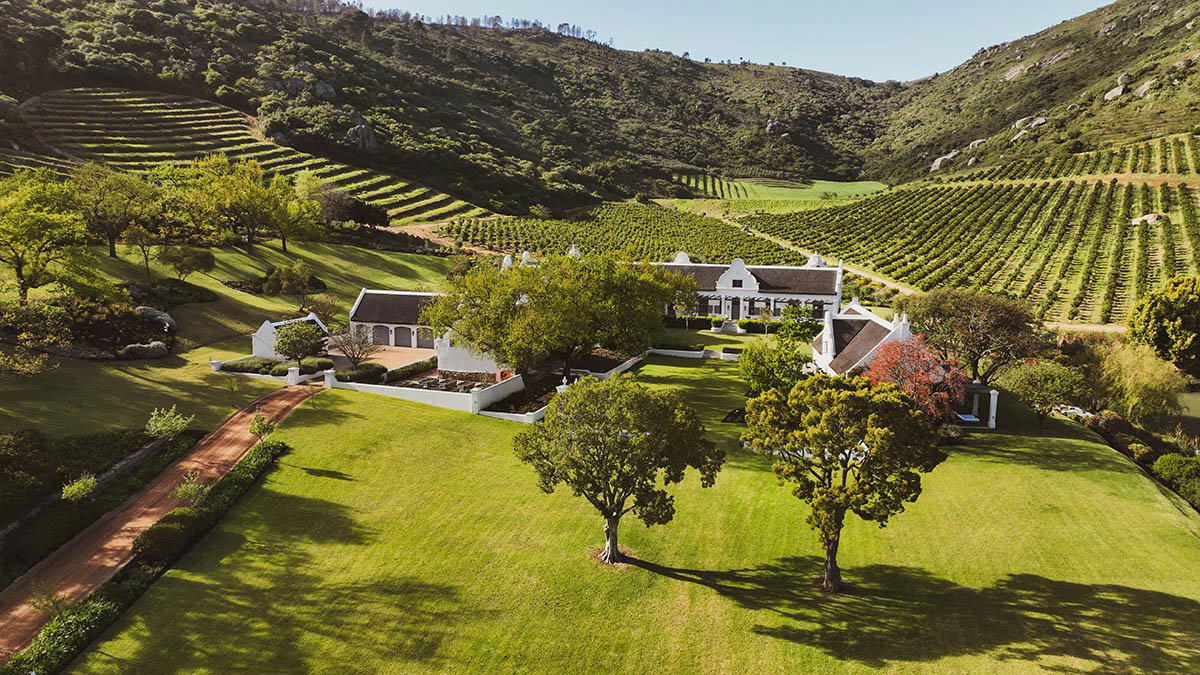
Bars in Witzenberg
Browse all →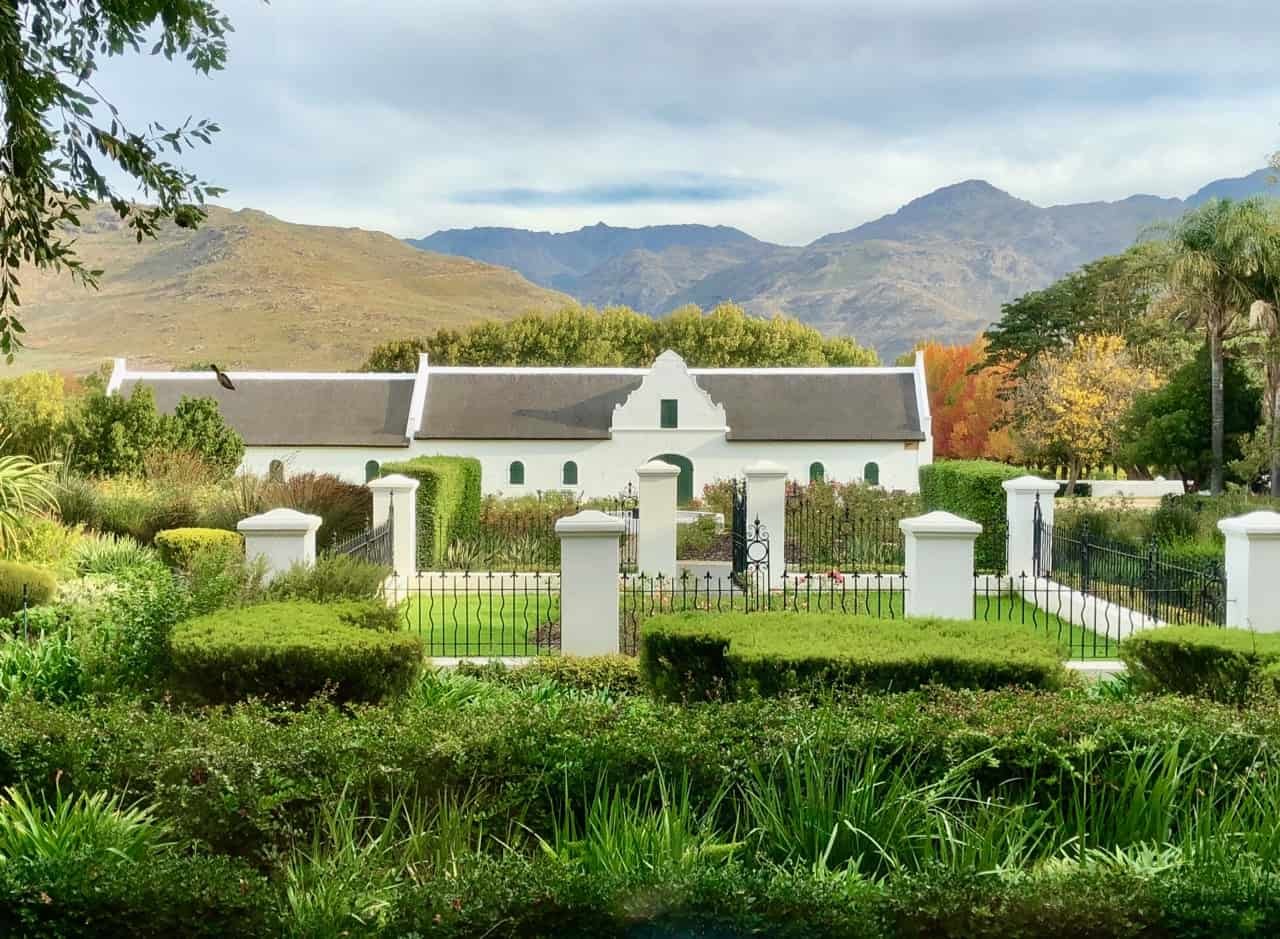
Restaurants in Witzenberg
Browse all →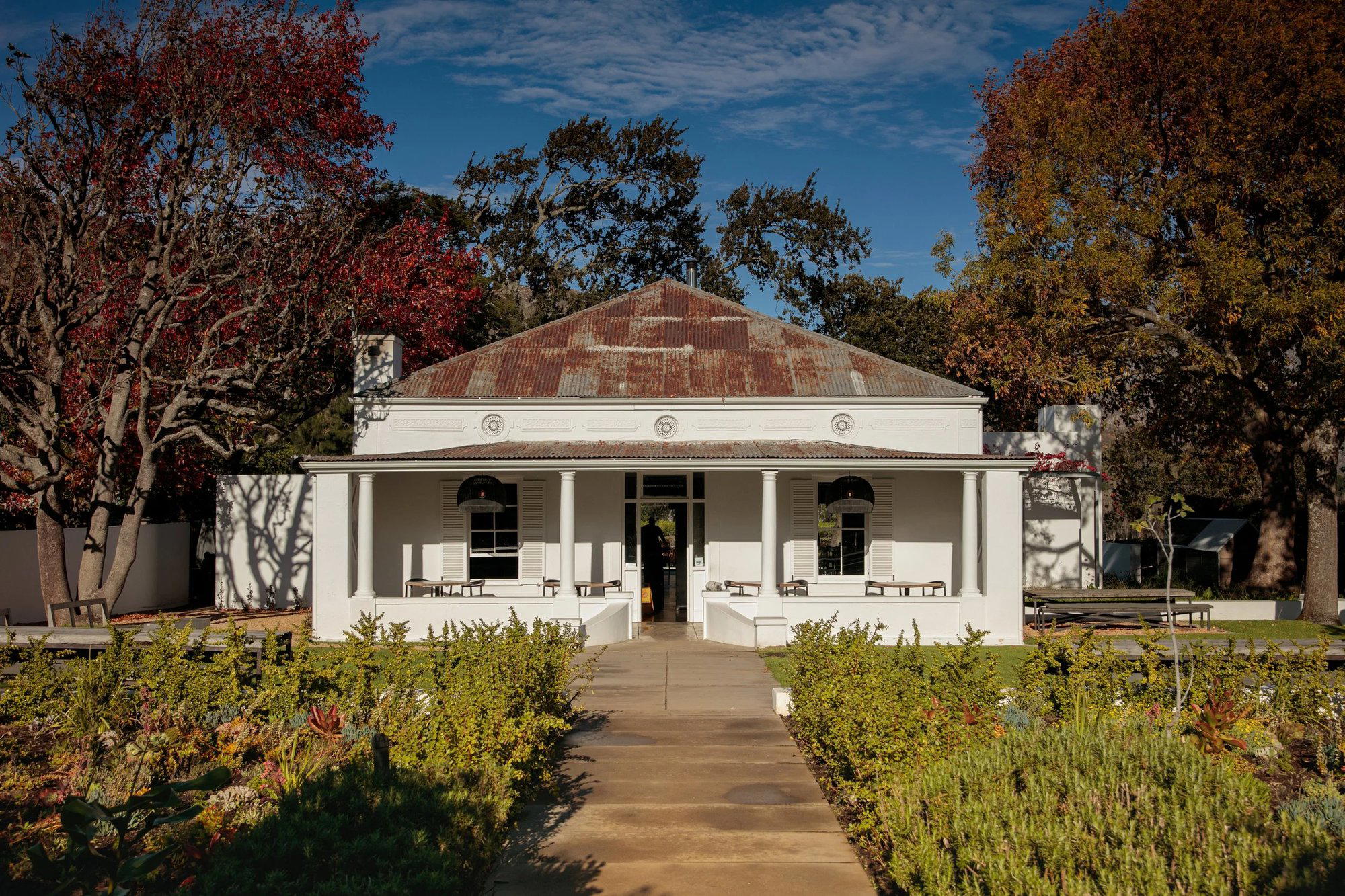
At a Glance
- Romantic
- Scenic
- Elegant
- Cozy
- Sophisticated
- Romantic Getaway
- Family Vacation
- Weekend Escape
- Anniversary
- Garden
- Historic Building
- Panoramic View
- Pool
- Wi Fi
- Garden
- Mountain
- Garden
- Pool
- Wi Fi
- Garden
Current opening hours
- Monday
- Closed
- Tuesday
- Closed
- Wednesday
- 8 AM–5 PM
- Thursday
- 8 AM–5 PM
- Friday
- 8 AM–5 PM
- Saturday
- 8 AM–5 PM
- Sunday
- 8 AM–5 PM
Hours can change for holidays and private events. Last verified .
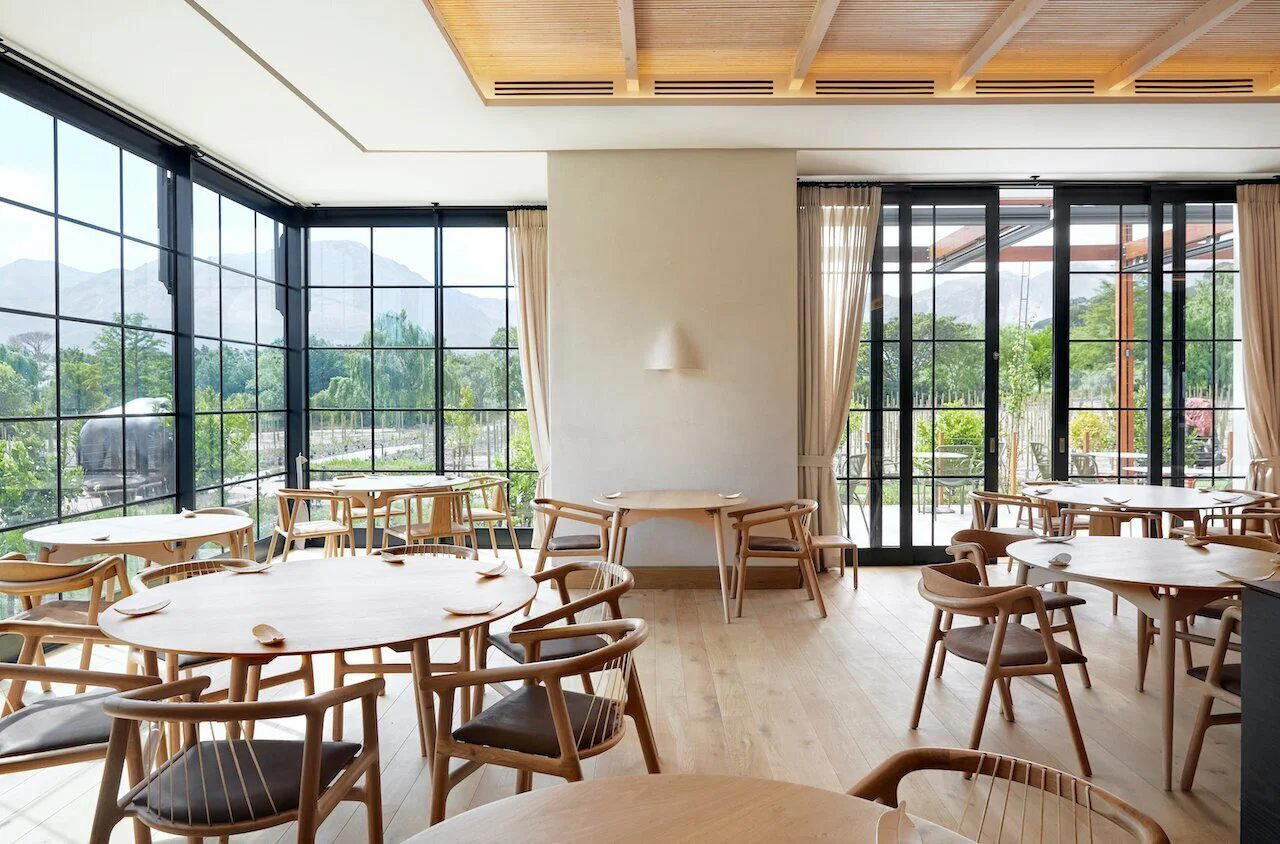
Serene and soul-resetting with a harmonious blend of historical restoration and contemporary design, enhanced by beautiful gardens and mountain views.