Kunin Wines
Kunin Wines operates from the heart of Santa Barbara's urban wine scene at 831 Santa Barbara St. The producer sits within a city corridor that has redefined California wine geography, where small-lot, terroir-focused work from the Central Coast's cooler appellations reaches visitors without a trip into the backcountry. A reference address for anyone tracing Santa Barbara's serious winemaking thread.
Pearl is the En Primeur Club membership app — saves, bookings, and concierge access live there. Same editors, same standards.
- Address
- 831 Santa Barbara St, Santa Barbara, CA 93101
- Phone
- +1 805-963-9633
- Website
- kuninwines.com
- Directions
- Get directions
 Saves & bookings on Pearl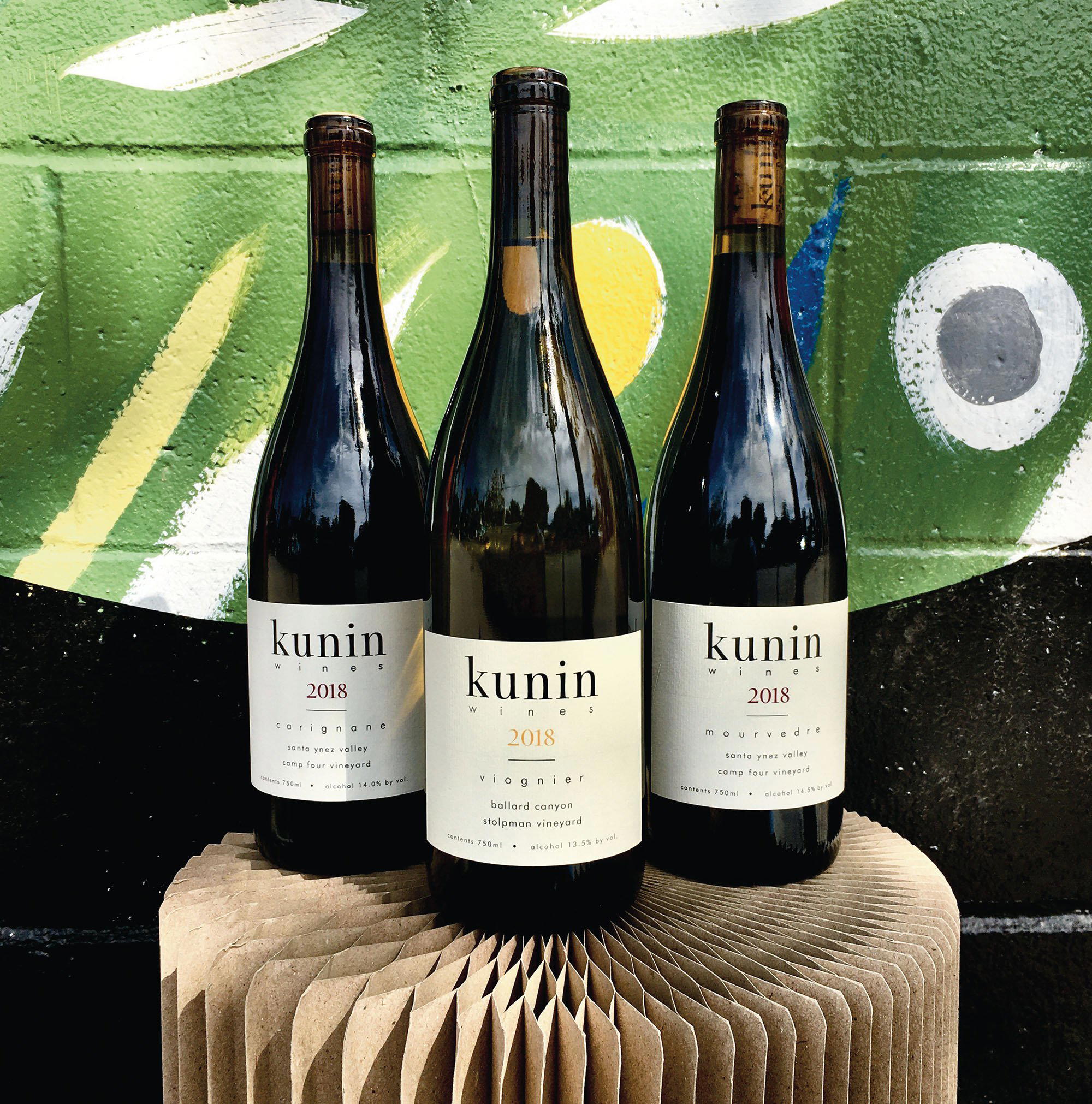
Santa Barbara's Urban Wine Corridor and Where Kunin Fits
The stretch of downtown Santa Barbara around Anacapa and Santa Barbara Streets has, over the past two decades, become one of California's more concentrated urban tasting-room circuits. Producers who source from the Santa Ynez Valley, Sta. Rita Hills, and Happy Canyon have progressively established street-level presences here, making the city itself a legitimate starting point for understanding what the Central Coast does with Burgundian varieties and Rhône-style blends. Kunin Wines, at 831 Santa Barbara St, is a winery and tasting room in downtown Santa Barbara.
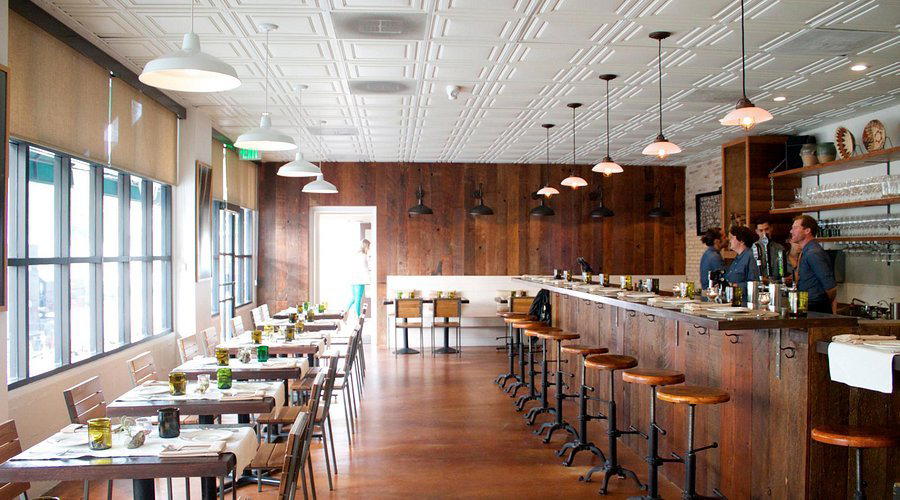
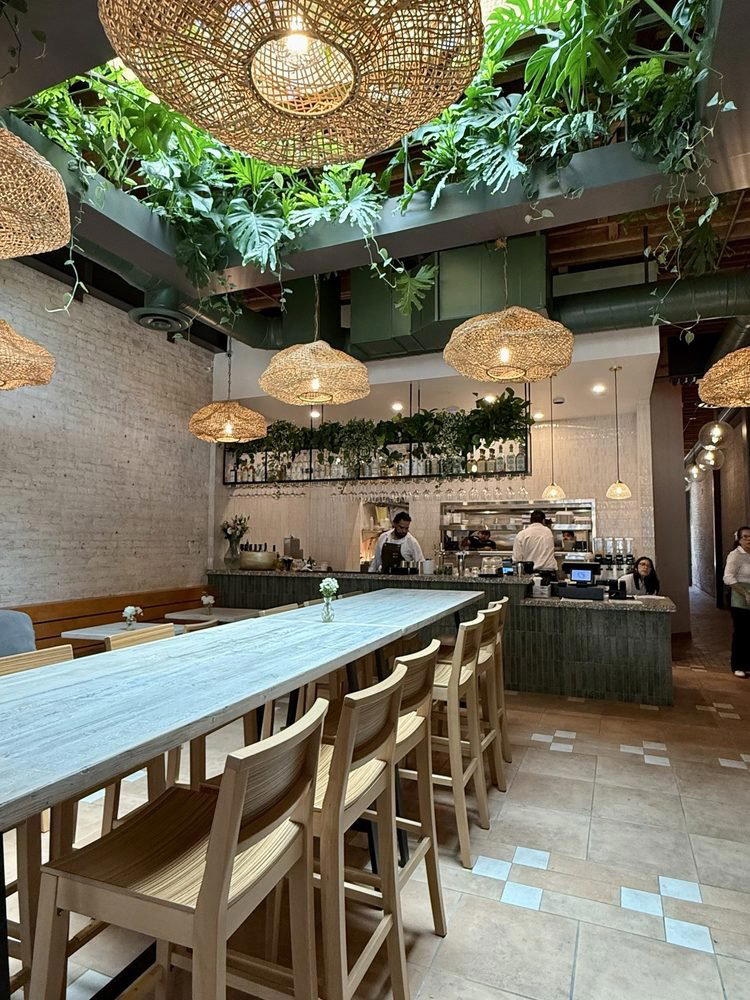
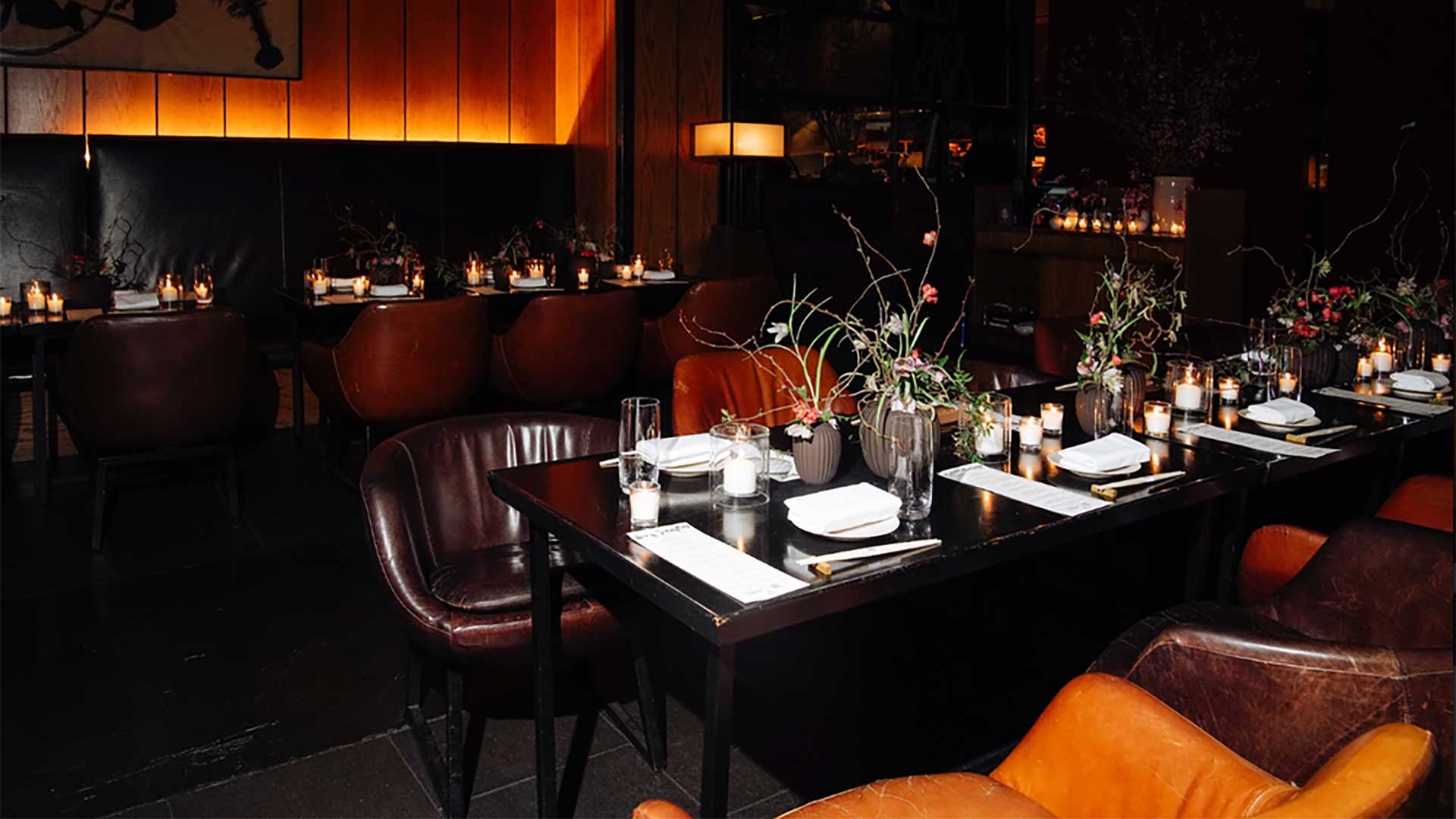
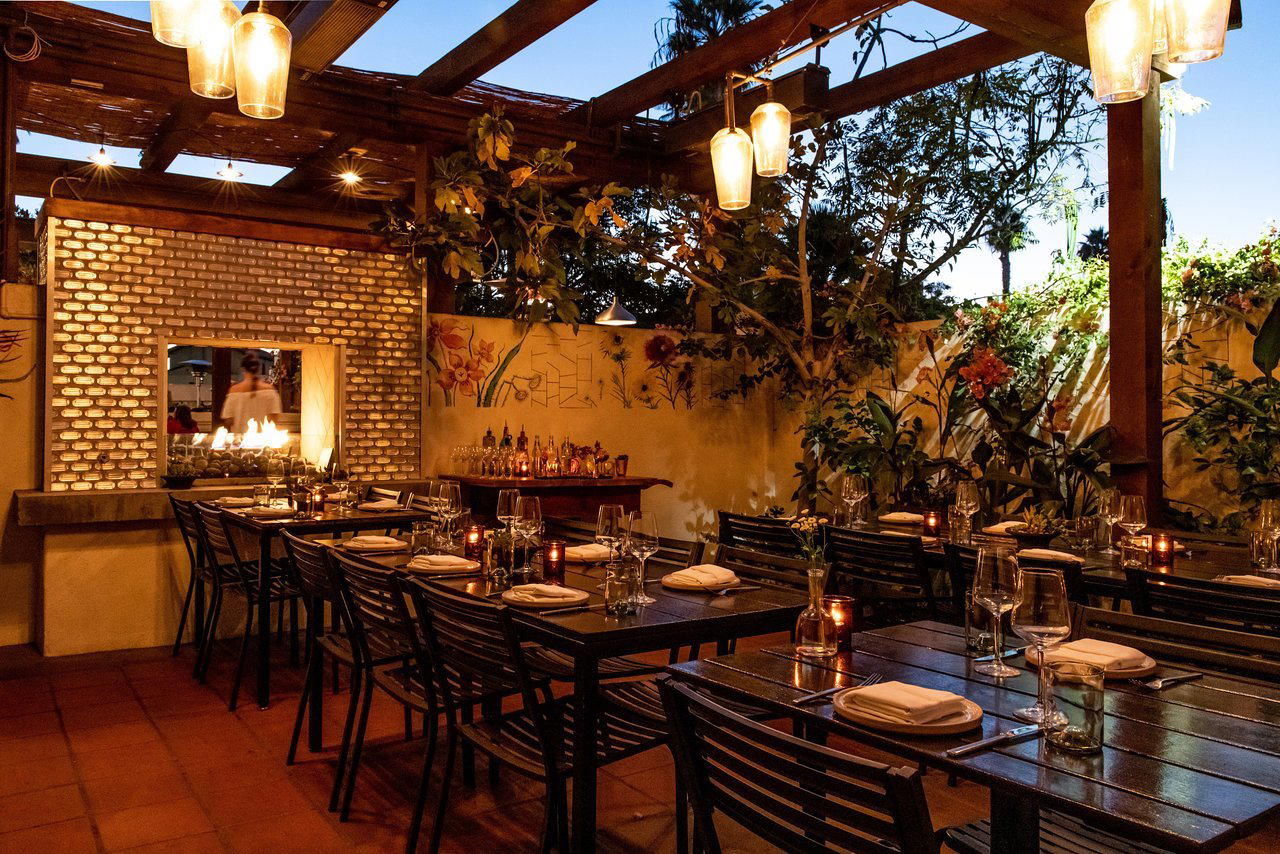
Walking into the tasting room, you are arriving at something that feels like a working address rather than a hospitality stage set. The physical environment is spare in the way that serious wine operations tend to be: the wines carry the weight, and the room doesn't compete with them. That restraint is consistent with how the Central Coast's more committed small producers present themselves, Carr Vineyards & Winery runs a similarly no-frills downtown operation a few blocks away, and the approach is less a style choice than a shared value system about where attention belongs.
Farming Philosophy and What It Means on the Central Coast
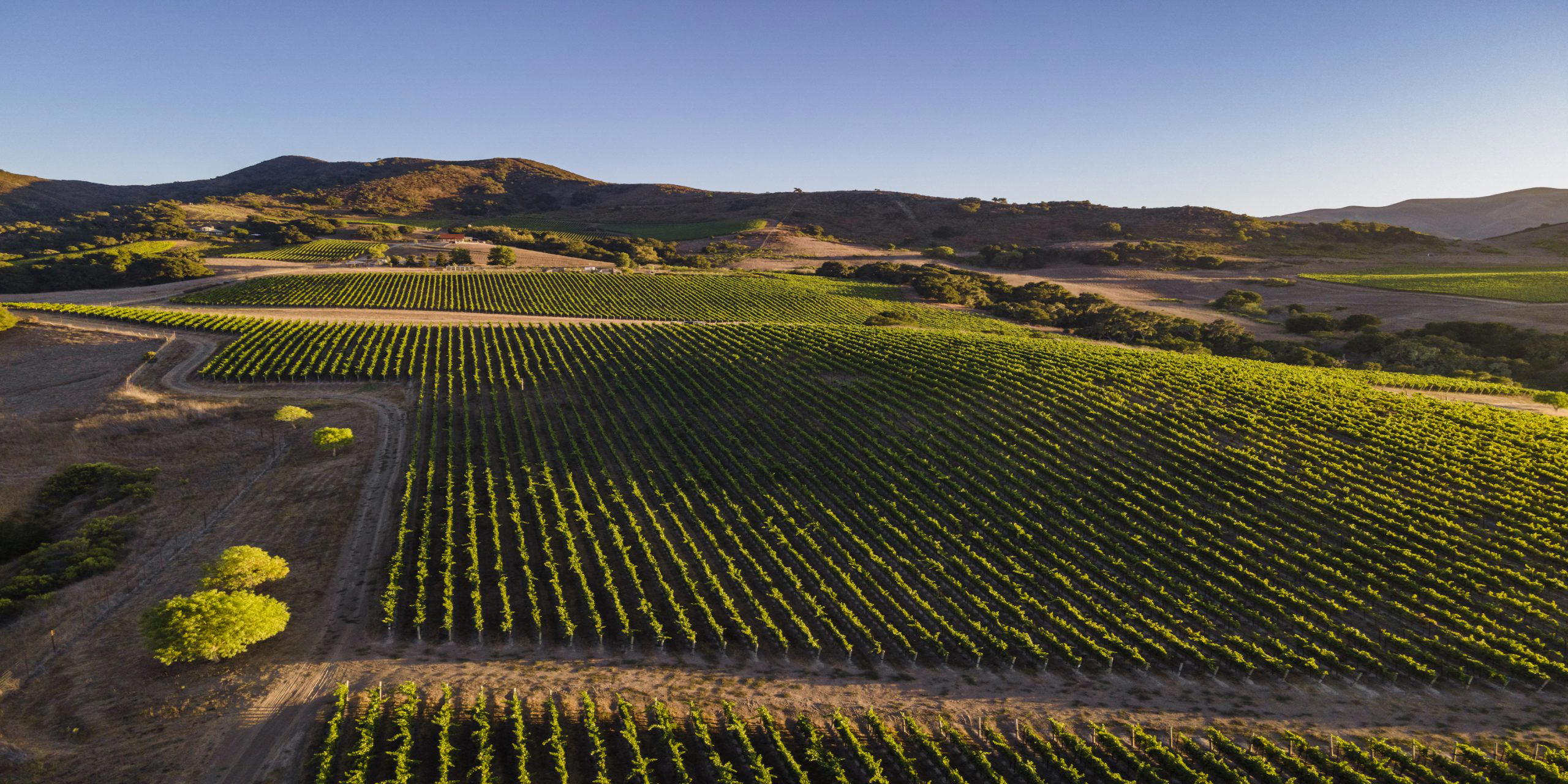
Santa Barbara County's most talked-about producers in recent years have converged on a set of shared commitments: low-intervention winemaking, minimal additions in the cellar, and farming practices that lean organic or biodynamic. These aren't marketing positions in this corner of California, they reflect a genuine shift in how growers and producers understand the relationship between soil health and what ends up in the glass. The argument, now well-documented in the Sta. Rita Hills and across the Santa Ynez AVAs, is that cold-climate sites with diatomaceous soils don't need much correction; they need accurate observation and restraint.
Across the Santa Barbara wine scene, the producers earning sustained recognition at that level, including Sanguis Winery and Au Bon Climat, each of which has built long reputations on site-specific, low-manipulation work, share an orientation toward the vineyard as the primary text. Kunin sits within that frame.
The broader California context matters here. As producers elsewhere in the state have moved toward sustainability certifications and regenerative practices in response to climate pressure and changing consumer expectations, the Central Coast has operated somewhat differently: the cool-climate farming imperative was already structurally present, driven by the marine influence funneled through the transverse mountain ranges. What looks like a trend from outside is, for producers rooted in this geography, closer to a founding condition.
The Santa Barbara comparable set
Positioning a producer accurately within the Santa Barbara scene requires understanding how the category has fragmented. At one end, operations like Santa Barbara Winery, the county's oldest bonded winery, operating since 1962, carry a different kind of institutional weight, with volume and history as primary credentials. At the other end, small-lot operations like Sanguis have built reputations on extreme selectivity and artisan-scale production. Kunin occupies a middle register that combines genuine craft orientation with enough presence to support a functioning tasting room in the city center.
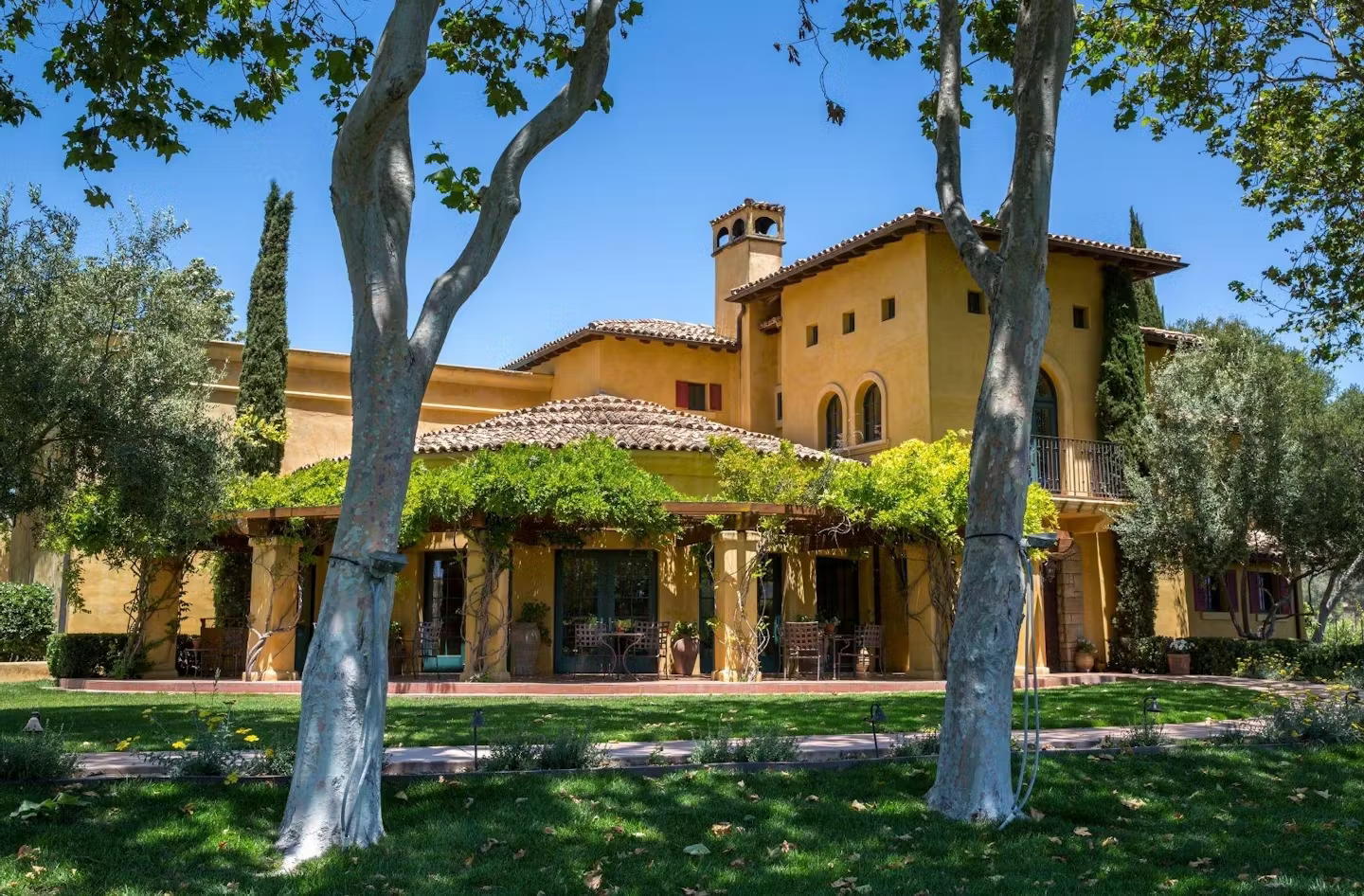
Melville Vineyards and Winery in Lompoc, working directly from estate vines in the Sta. Rita Hills, offers a useful comparison point: estate growers in this region have a different kind of control over farming decisions than négociant-style buyers. Both approaches can produce serious wine, but they imply different relationships to the sustainability question, estate control allows for more direct management of soil and canopy, while sourced-fruit programs depend on the producer's ability to find and sustain relationships with committed growers.
The urban tasting room format that Kunin shares with Carr and others means that the wines arrive to visitors somewhat abstracted from the vineyard context. This is a structural feature of the downtown Santa Barbara experience, not a criticism: you are tasting the results of farming decisions made thirty to sixty miles away in the valley floors and hillside sites of the AVAs. For visitors who want to understand what drives those decisions, the conversation in the tasting room becomes the connective tissue between glass and ground.
In the Santa Barbara context, it places the producer in a cohort that has demonstrated consistent quality rather than occasional brilliance. For a city wine corridor where the range runs from serious small-production houses to tourist-oriented casual pour operations, that distinction is meaningful. It tells you which end of the quality spectrum to expect before you walk in.
Across California's premium wine regions, the producers earning recognition at this tier tend to share a few characteristics: fruit sourcing from well-regarded sites with documented farming commitments, cellar work oriented toward transparency rather than manipulation, and a product range that holds together across vintages rather than spiking on showcase bottles. Whether Kunin fits all of those descriptors precisely is a question the tasting room visit answers, but the award framing sets the right expectations.
For comparison: Accendo Cellars in St. Helena, Adelaida Vineyards in Paso Robles, and Alban Vineyards in Arroyo Grande represent different California regional expressions that have also built sustained reputations through site-specific work. The through-line is a shared belief that California's wine identity is more interesting when it reflects specific geography than when it chases a generic premium style.
Planning a Visit
Kunin Wines is at 831 Santa Barbara St, placing it within walking distance of the downtown core and the broader cluster of urban tasting rooms that makes the city a logical base for Central Coast wine exploration. Phone and reservation details are not currently listed, so arriving during standard tasting-room hours, typically late morning through late afternoon on weekends, shorter windows on weekdays in this format, is the practical approach, though confirming current hours directly through the venue before visiting is worth the effort. For a broader map of how Kunin fits into the city's dining and drinking geography, see our full Santa Barbara guide.
Visitors tracing Santa Barbara's wine ambitions further afield will find additional reference points in Andrew Murray Vineyards in Los Olivos for Rhône varieties, Adelsheim Vineyard in Newberg for a Pacific Northwest Pinot comparison, and Alexander Valley Vineyards in Geyserville for a Northern California perspective on what sustained family-scale winemaking looks like over decades. For producers working at the intersection of European tradition and California terroir, Alpha Omega Winery in Rutherford offers a Napa counterpoint, while Achaia Clauss in Patras and Aberlour in Aberlour represent the older-world reference points that inform how California's premium producers calibrate their ambitions.
Accolades, Compared
Comparable venues nearby, for context on price, style, and recognition.
| Venue | Cuisine | Price | Notes |
|---|---|---|---|
| Kunin Wines | Syrah, Grenache | $$ | Presidio Neighborhood |
| Margerum Wine Company | Sauvignon Blanc, Syrah | $$ | Santa Barbara waterfront |
| Au Bon Climat | Chardonnay, Pinot Noir | $$$ | Presidio |
| Santa Barbara Winery | Chardonnay, Pinot Noir | $$ | Not listed |
| Melville Vineyards and Winery | Pinot Noir, Chardonnay | $$ | Funk Zone |
| Cutler's Artisan Spirits | Mission | $$ | Funk Zone |
Continue exploring
More in Santa Barbara
Wineries in Santa Barbara
Browse all →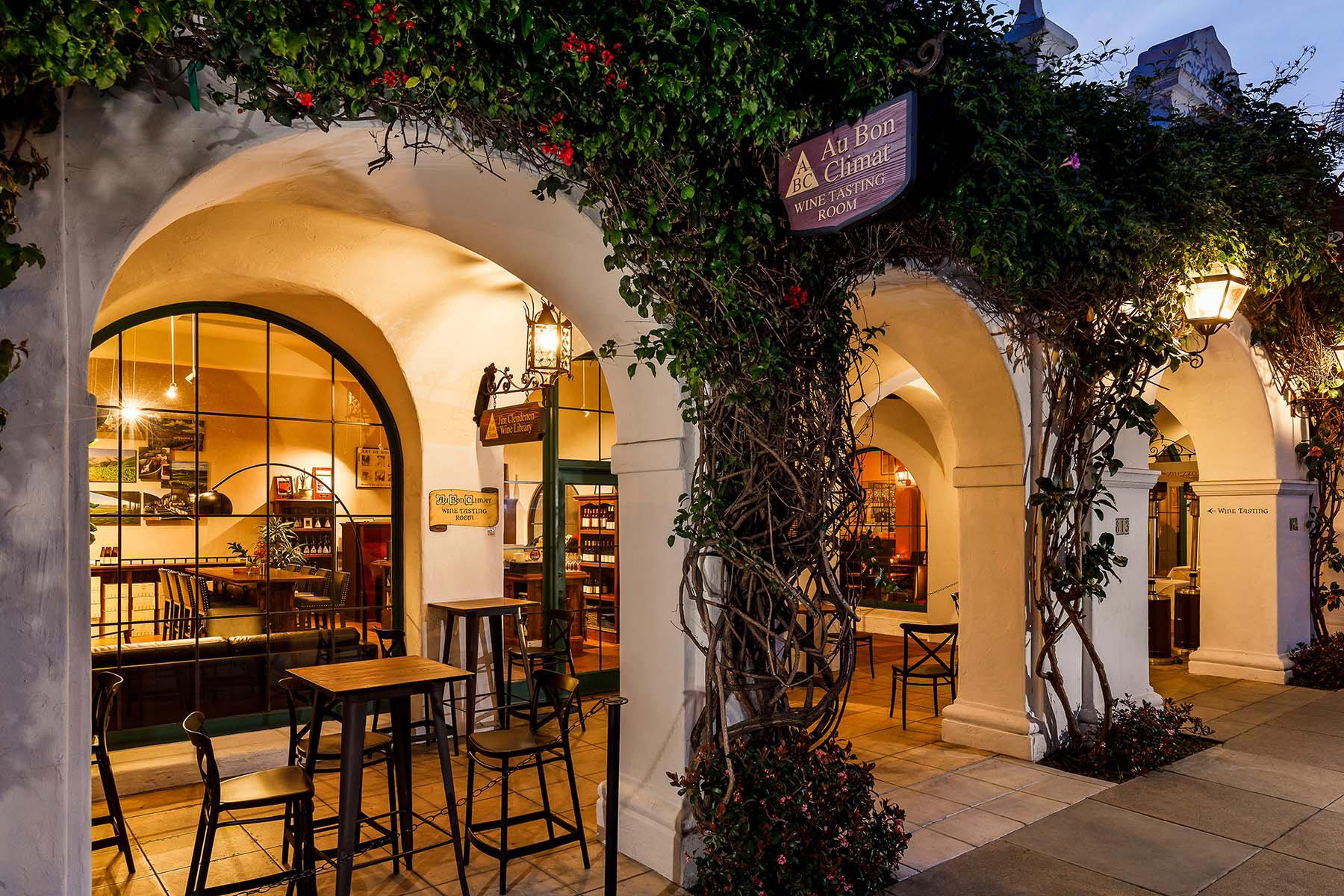
Bars in Santa Barbara
Browse all →
Restaurants in Santa Barbara
Browse all →
At a Glance
- Cozy
- Intimate
- Rustic
- Solo Exploration
- Wine Education
- Santa Barbara County
- Syrah
- Grenache
- Viognier
- Chardonnay
- Zinfandel
- Chenin Blanc
- Roussanne
- Mourvedre
- Sauvignon Blanc
- Still Red
- Still White
- White Tasting
- Red Tasting
- Reserve Tasting
Clean, feminine vibe with light white palette, comfortable atmosphere, and welcoming staff fostering communal conversation at the horseshoe bar.