Third Window Brewing Santa Barbara
Third Window Brewing occupies a working-industrial corner of Santa Barbara's Haley Street corridor, where the craft beer conversation in California's Central Coast has grown more serious about what goes into the glass as much as what comes out. Among the city's drinking options, it represents a locally rooted alternative to the coastal wine-bar default that dominates much of Santa Barbara's hospitality scene.

Pearl is the En Primeur Club membership app, where members save venues, book tables and use the concierge.
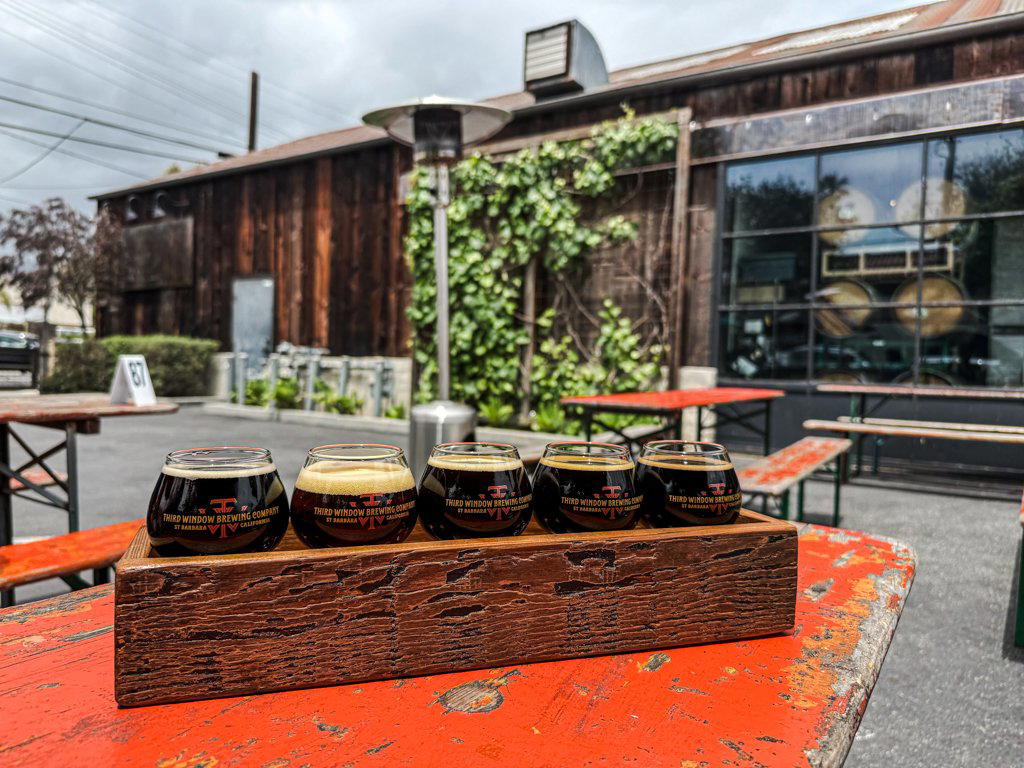
Haley Street and the Other Side of Santa Barbara's Drink Culture
Santa Barbara's drinking identity is built, almost entirely, around wine. The Santa Ynez Valley's Pinot Noir and Chardonnay define the region's hospitality pitch, and the city's tasting rooms, wine bars, and restaurant lists reflect that gravitational pull. Against that backdrop, the craft brewery that plants itself on East Haley Street is making a quiet but deliberate argument: that fermentation culture in this city can mean something beyond the grape, and that a pint of well-made beer carries its own sense of place. Third Window Brewing, at 406 E Haley St, sits in the part of Santa Barbara that doesn't trade on ocean views or Mission-adjacent charm. The Haley Street corridor runs through a more functional, less curated stretch of the city, and that setting shapes the register of what happens inside.
The Sustainability Frame in Craft Brewing
California's craft brewing sector has moved, in the past decade, from a growth-at-all-costs posture to a more considered conversation about sourcing, waste, and environmental accountability. Water use is the most obvious pressure point: brewing is water-intensive, and in a state that has spent years in various stages of drought, the breweries that have thought carefully about their water-to-beer ratio and wastewater management carry a different kind of credibility than those that haven't. Grain sourcing is the second axis, with a growing number of Central Coast producers turning to California-grown barley and regionally malted grain to reduce freight miles and support a nascent local grain economy. Third Window Brewing operates in this context, on a street that also houses a range of small producers and makers who share a similar orientation toward local supply chains. Whether and how the brewery formalises those commitments is not data we can confirm from the public record, but the structural conditions of its neighbourhood and category place it inside this broader regional shift.
What Defines the Space
The industrial character of East Haley Street extends into the physical experience of breweries that occupy it. Taprooms in this part of Santa Barbara tend to keep the production infrastructure visible, concrete floors, steel tanks, open ceilings, not as a stylistic affectation borrowed from somewhere else but because the building logic of a working brewery doesn't hide its equipment. That transparency, between what is made and where you drink it, is itself a form of accountability. You are, literally, in the place where the beer was made. That proximity is something that wine tasting rooms in Montecito or the Santa Ynez Valley replicate with estate vineyard views; the urban brewery version trades the pastoral framing for an honest industrial one. For visitors moving between Santa Barbara's more polished drinking destinations, including the wine-forward options at Brophy Bros. on the waterfront or the casual-social format of Arnoldi's Cafe, Third Window offers a deliberate change of register.
Craft Beer in a Wine City: The Competitive Context
Santa Barbara is not a natural craft beer city in the way that San Diego or Los Angeles have become. The county's agricultural identity leans toward the vine, and the hospitality infrastructure that has grown up around that identity, sommelier-driven restaurants, tasting room tourism, wine-focused event programming, crowds out the kind of attention that craft brewing commands in cities where beer is the default conversation. That structural disadvantage is also, in a narrower sense, an advantage: the breweries that do operate here are not competing in an oversaturated market. They are, instead, addressing a local audience that may drink wine four nights out of five and wants something different on the fifth. That audience tends to be curious rather than evangelical, more interested in a well-made lager or a considered IPA than in a tap list designed to signal ambition through sheer volume. Breweries that read that room correctly, keeping formats approachable and quality consistent, tend to hold their position in a way that a tenth San Diego craft beer bar could not.
For the travelling drinker, the comparison point is not Santa Barbara's wine scene but rather what craft beer taprooms in other western cities have managed at a similar scale. ABV in San Francisco represents the more cocktail-integrated end of the craft drinking spectrum; Third Window occupies a narrower, more production-focused lane. In the broader national context, venues like Kumiko in Chicago or Jewel of the South in New Orleans demonstrate how seriously specialist drinking programs are being taken in cities with a deeper bar culture infrastructure. Santa Barbara's craft scene is smaller, but the question of quality-per-square-foot is one that applies regardless of city size.
Planning a Visit
East Haley Street sits east of State Street and south of the Amtrak station, making it accessible from downtown on foot if you're staying in the lower State Street corridor, though most visitors will arrive by car or rideshare. The neighbourhood's working character means parking is generally more available here than closer to the waterfront or the tourist-dense blocks around Stearns Wharf. For visitors building a longer Santa Barbara afternoon or evening, the Haley Street area pairs naturally with a visit to Backyard Bowls for something earlier in the day or a stop at Blenders In The Grass if you want to balance a beer stop with something lighter. Our full Santa Barbara restaurants and bars guide maps the broader drinking and dining circuit across the city's distinct neighbourhoods.
For those tracking the craft beer conversation across the Pacific and beyond, the range of what serious drinking programs now look like, from Bar Leather Apron in Honolulu to Julep in Houston, Superbueno in New York City, or The Parlour in Frankfurt, illustrates how much the category has diversified in format and ambition. Third Window operates at a different scale and in a different register than any of those, but it addresses a real gap in a city whose drink culture would otherwise be entirely dominated by the wine conversation.
The Quick Read
| Venue | Price |
|---|---|
| Third Window Brewing Santa BarbaraThis venue (the venue you are viewing) | $30–50 |
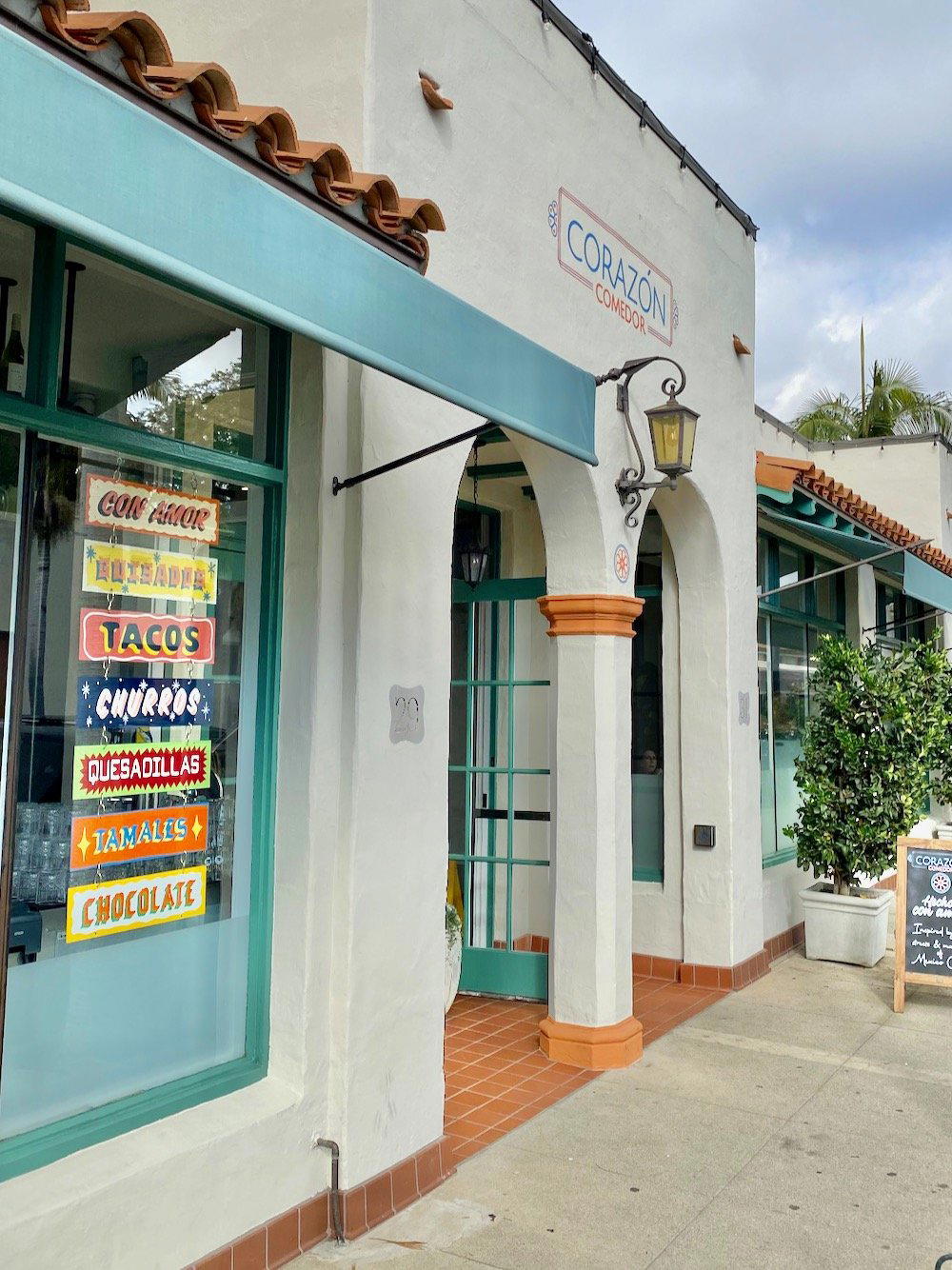
| Corazón Comedor | $20–30 |
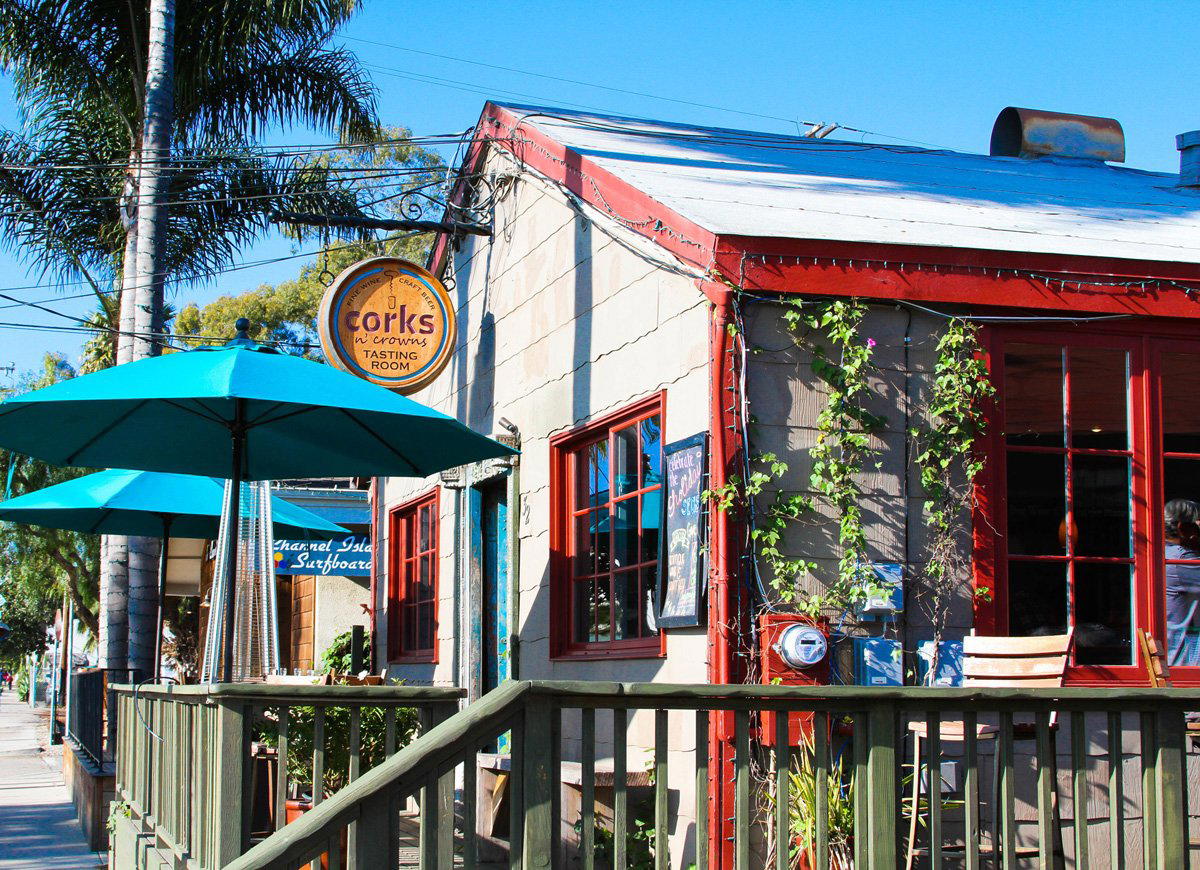
| Corks n' Crowns Tasting Room and Wine Sales | $20–30 |
Continue exploring
More in Santa Barbara
Bars in Santa Barbara
All bars in Santa Barbara →
Restaurants in Santa Barbara
All restaurants in Santa Barbara →
Hotels in Santa Barbara
All hotels in Santa Barbara →
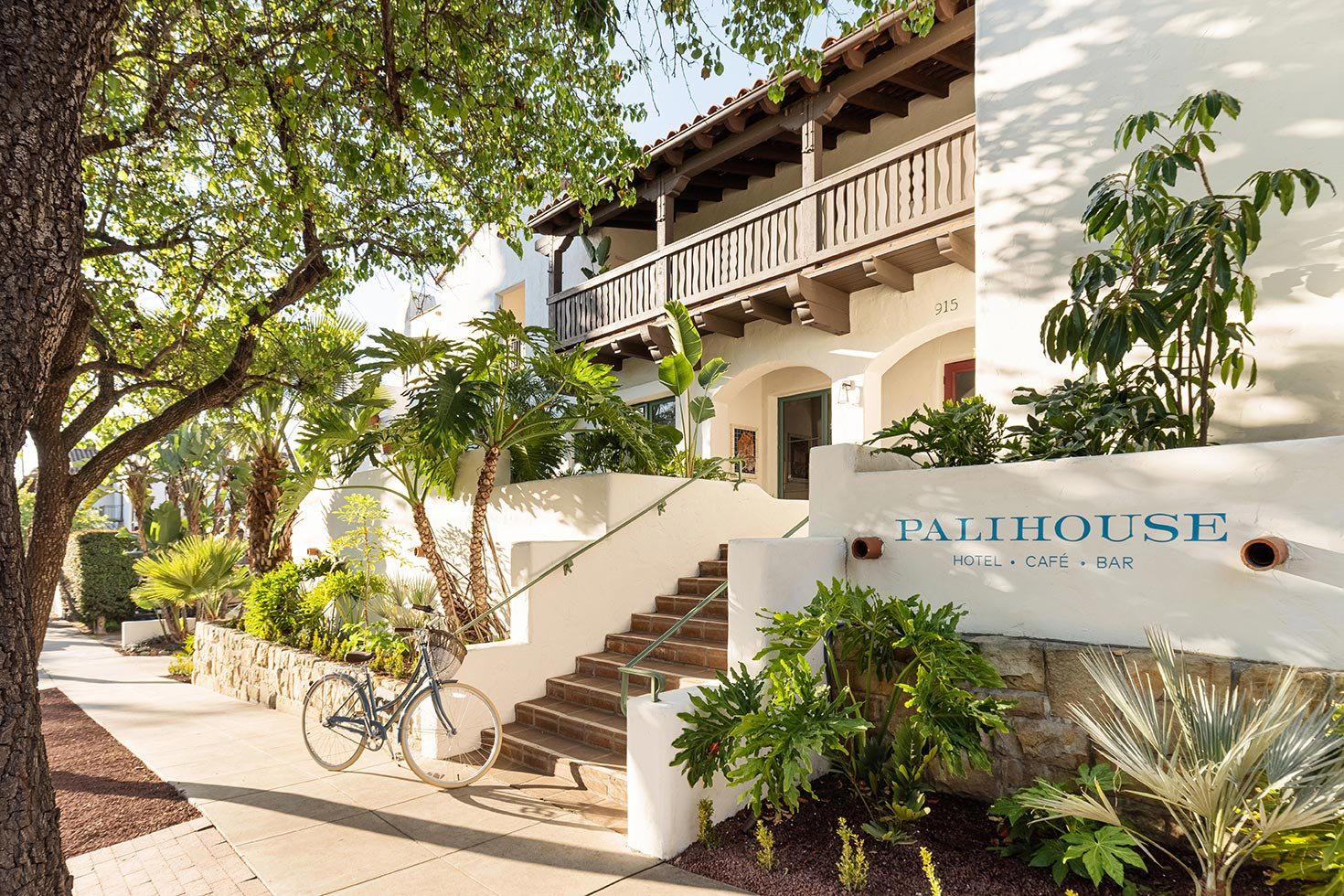
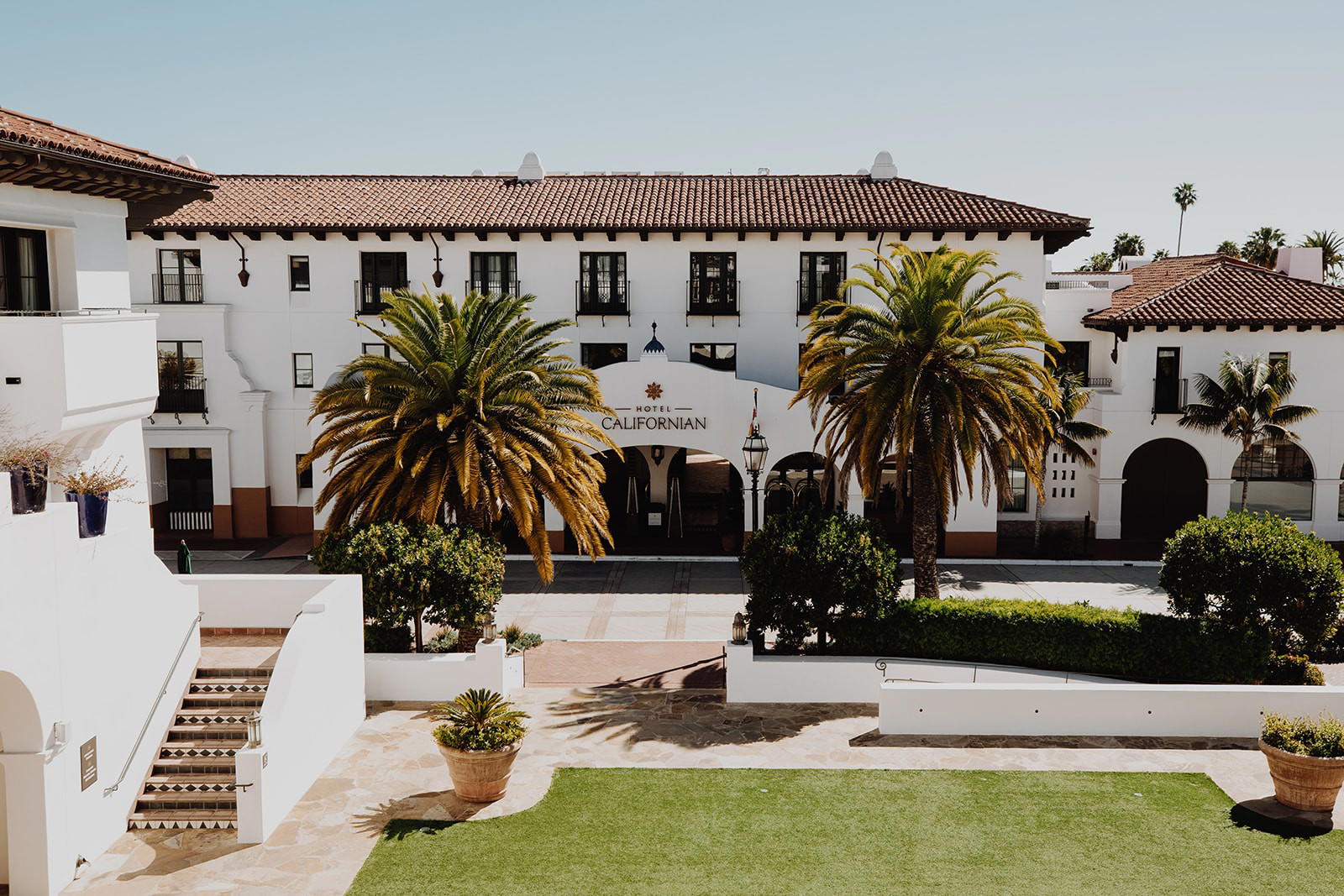
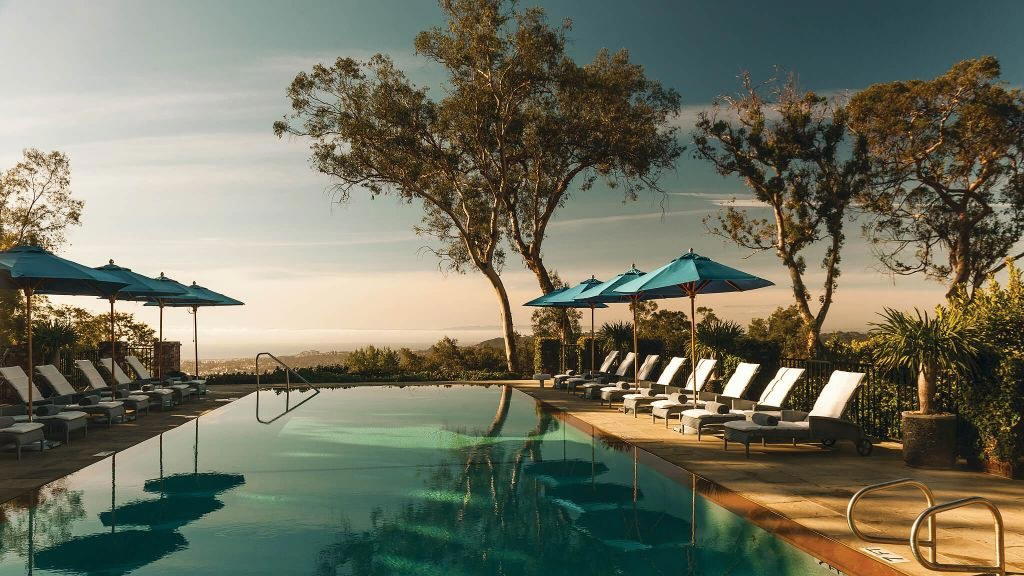
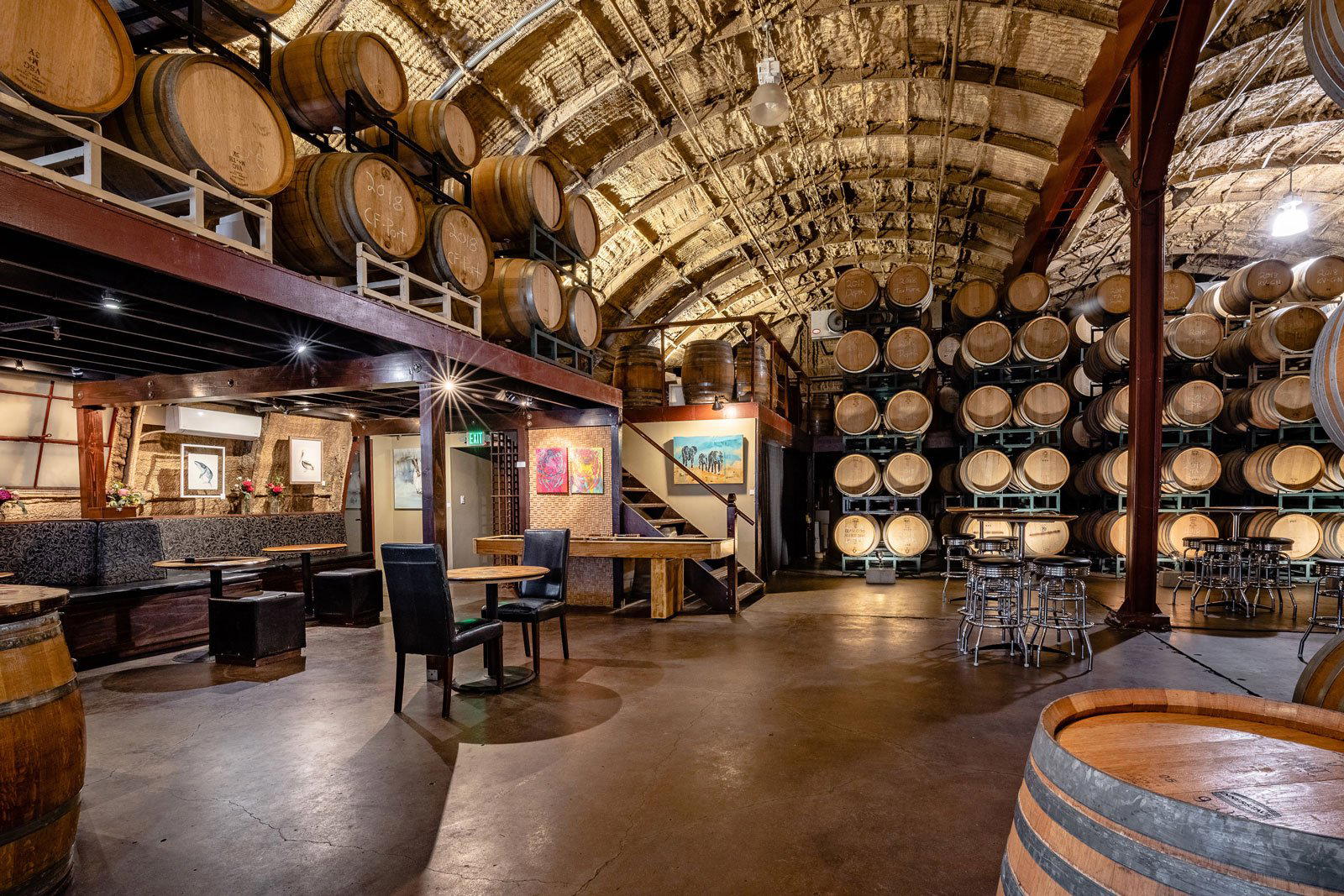
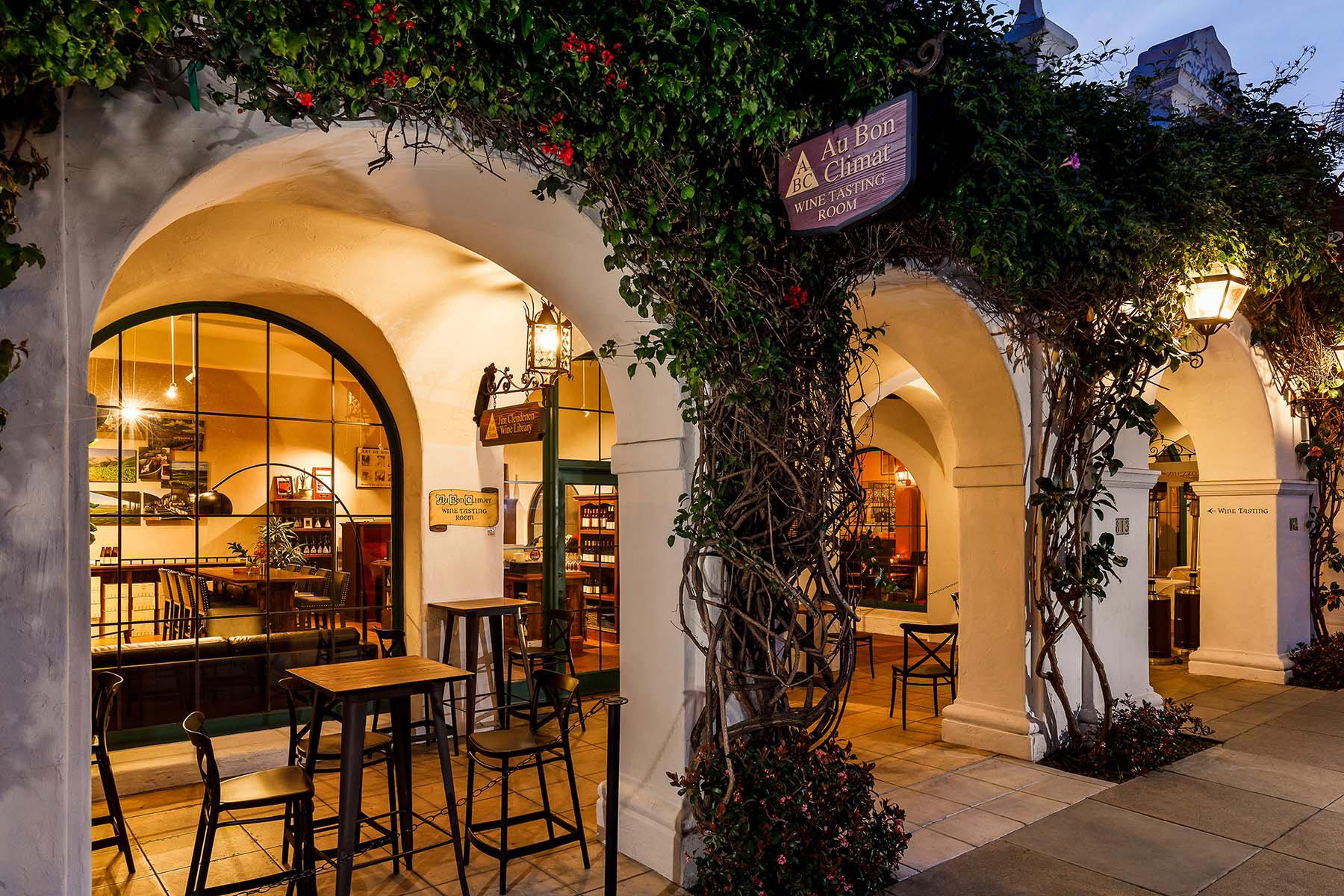
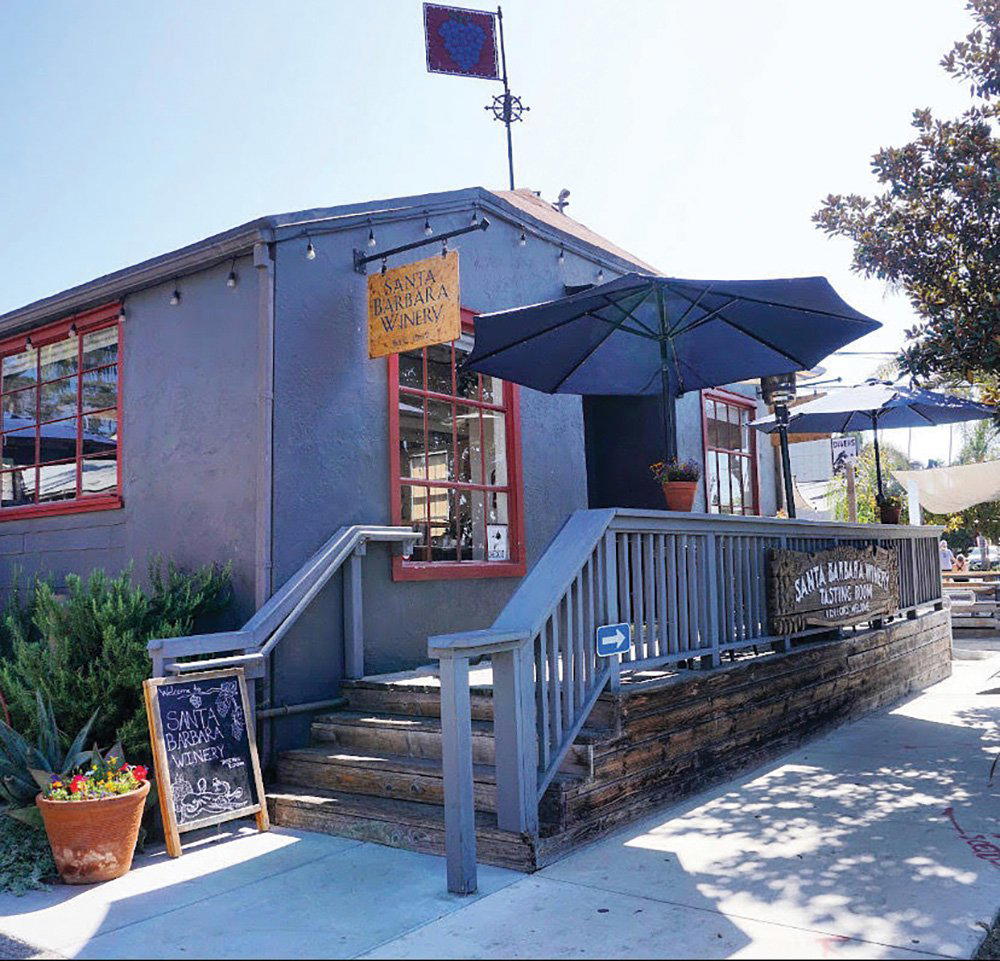
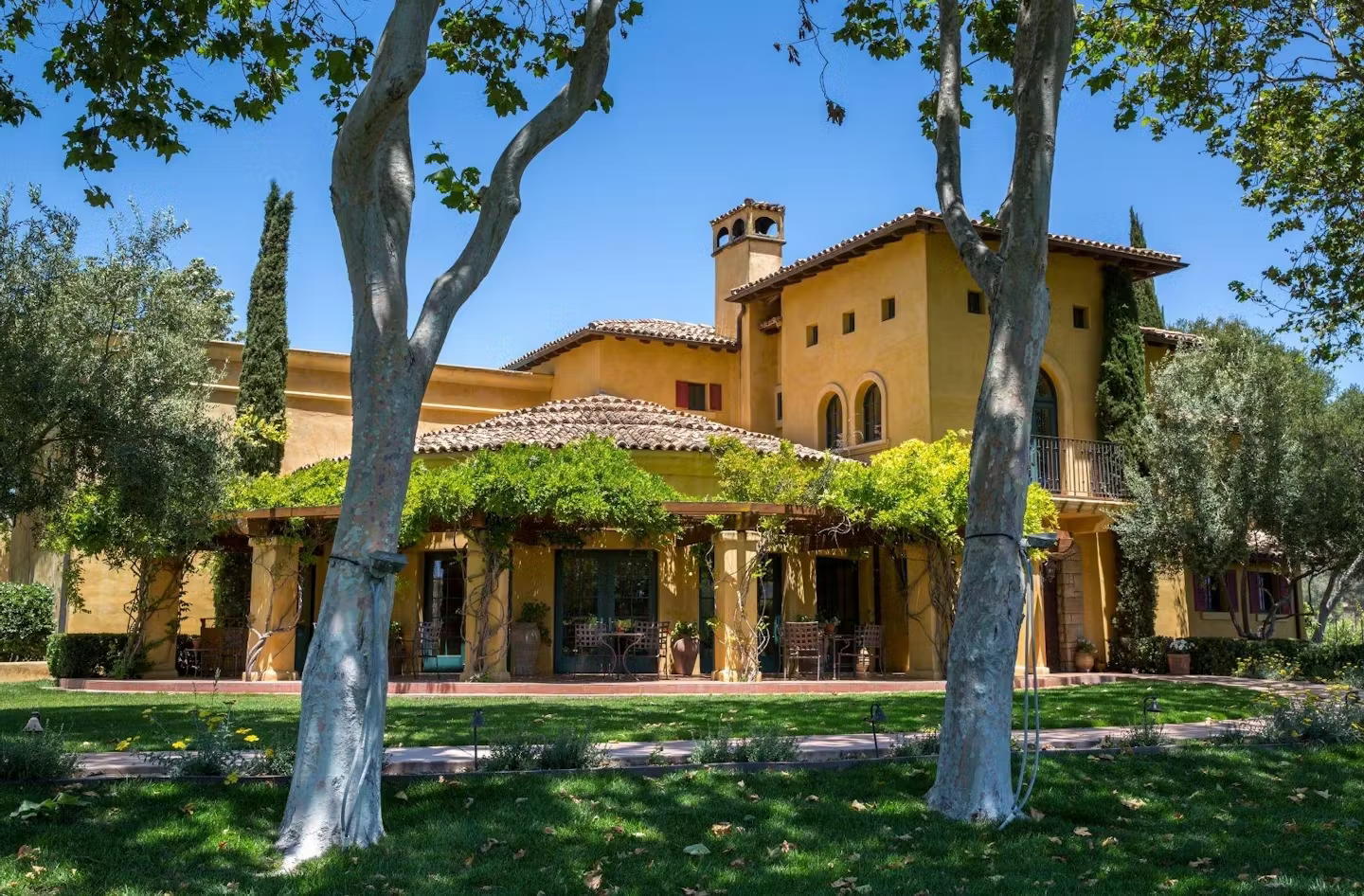
Third Window Brewing Santa Barbara
The drinks
- Zero-proof drinks
- Craft beer
Signature drinks: Wagyu Smash Burger, Texas-Style BBQ Tri-Tip Taco.
Details
- Rustic
- Bohemian
- Casual
- Casual Hangout
- Group Outing
- After Work
- Beer Garden
- Courtyard
- Historic Building
- Standalone
- Outdoor Terrace
- Seated Bar
- Communal Tables
- Lounge Seating
- Craft Beer
- Zero Proof
- Conventional Wine
Current opening hours
- Monday
- 11:30 AM–10 PM
- Tuesday
- 11:30 AM–10 PM
- Wednesday
- 11:30 AM–10 PM
- Thursday
- 11:30 AM–10 PM
- Friday
- 11:30 AM–10 PM
- Saturday
- 11 AM–10 PM
- Sunday
- 10 AM–10 PM
Hours can change for holidays and private events. Hours as of .
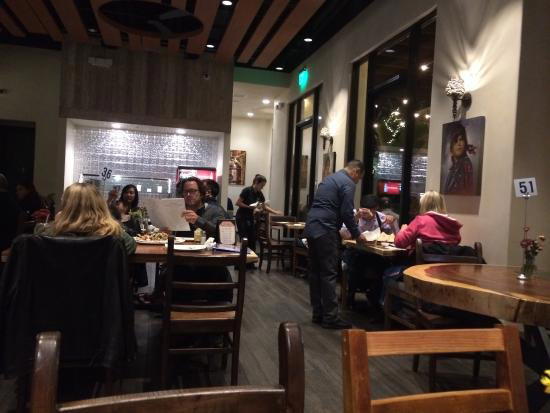
Open-air relaxed setting with string lights and communal courtyard; industrial-chic historic barn atmosphere with wood-fired kitchen.