Kunde Family Winery
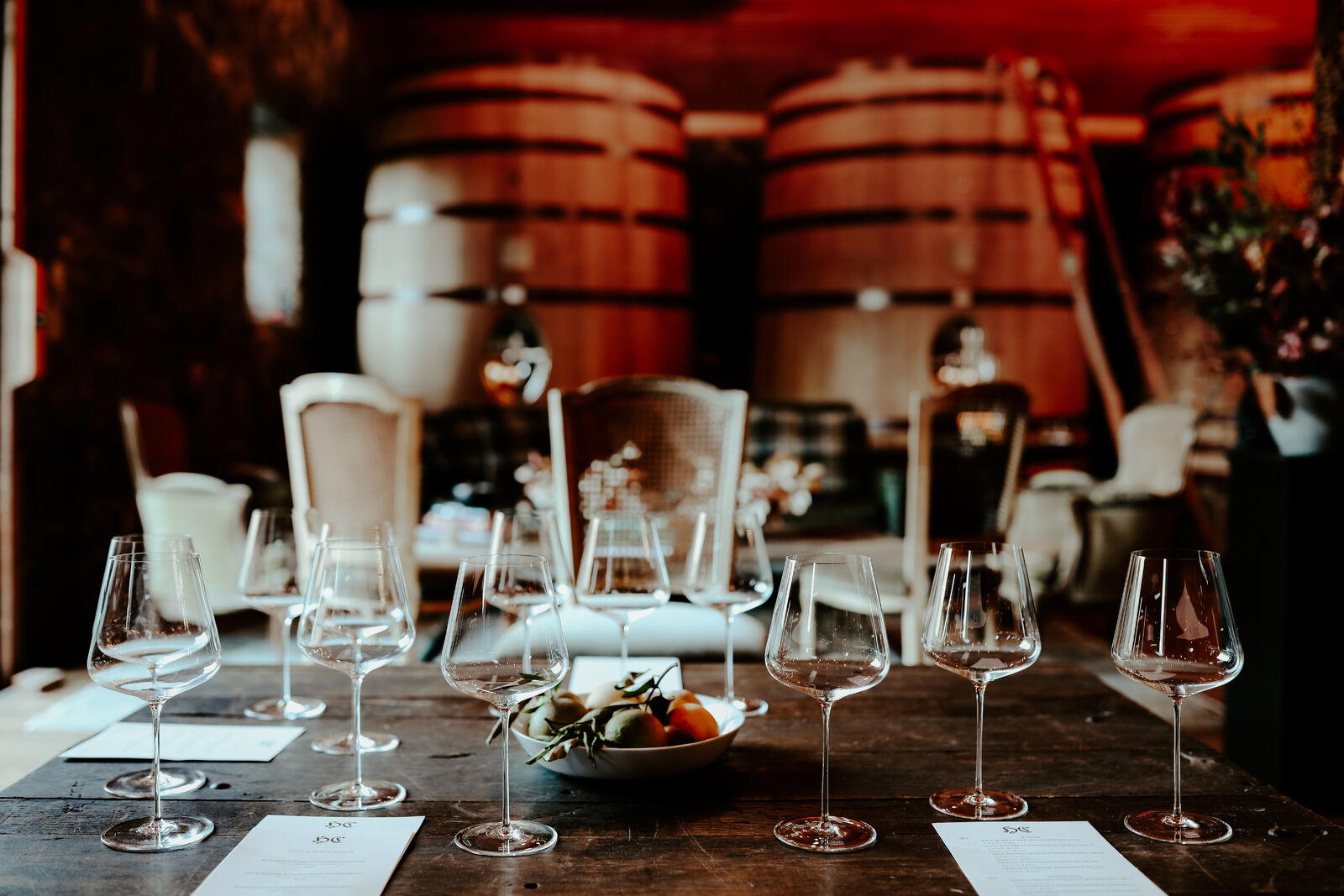
The tasting experience is anchored in estate-grown fruit and a format that rewards visitors who come with time to spare rather than a rushed itinerary.
Pearl is the En Primeur Club membership app — saves, bookings, and concierge access live there. Same editors, same standards.
- Address
- 9825 Sonoma Hwy, Kenwood, CA 95452
- Phone
- +1 707-833-5501
- Website
- kunde.com
- Directions
- Get directions
 Saves & bookings on Pearl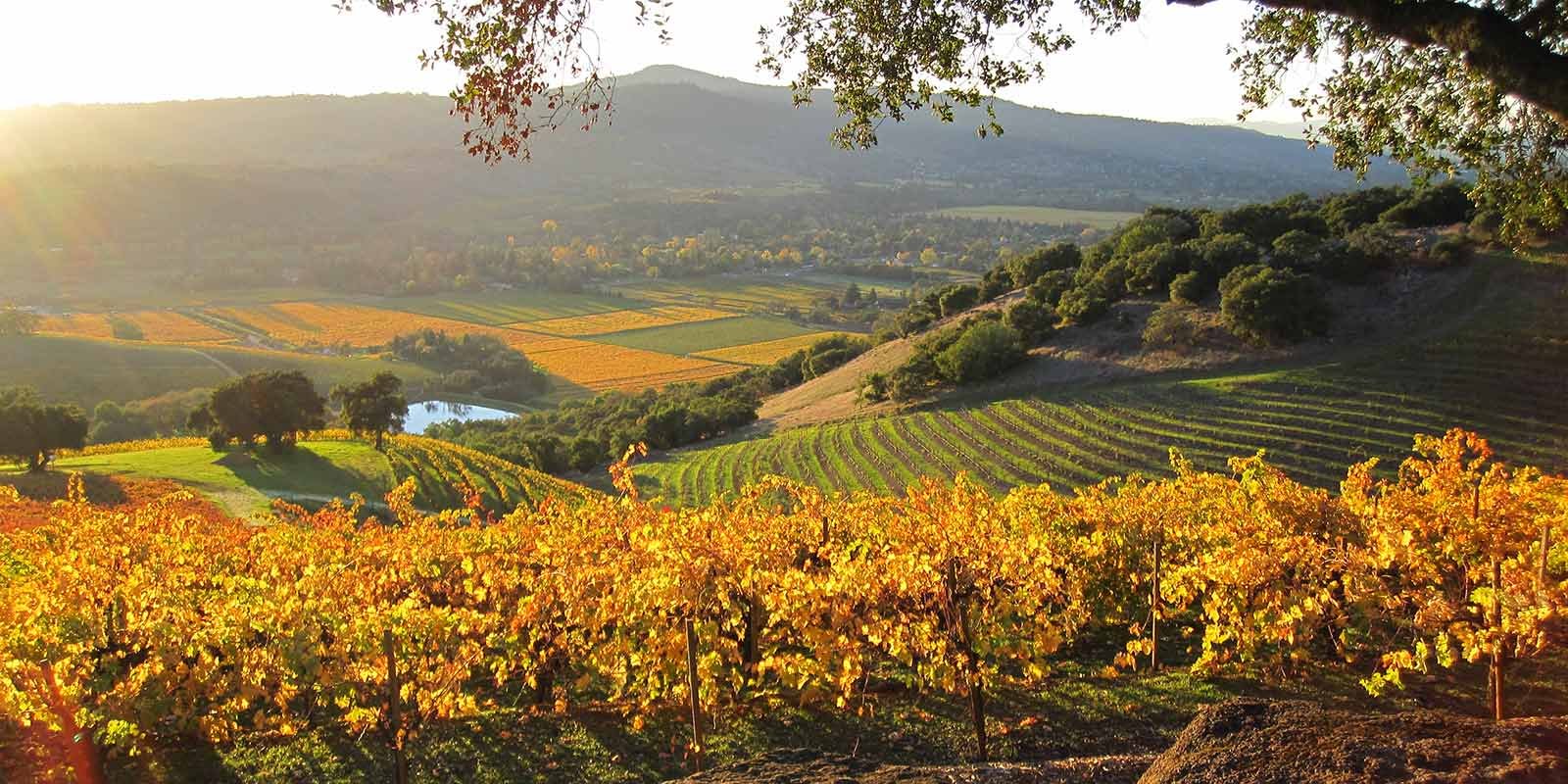
Arriving on the Sonoma Highway
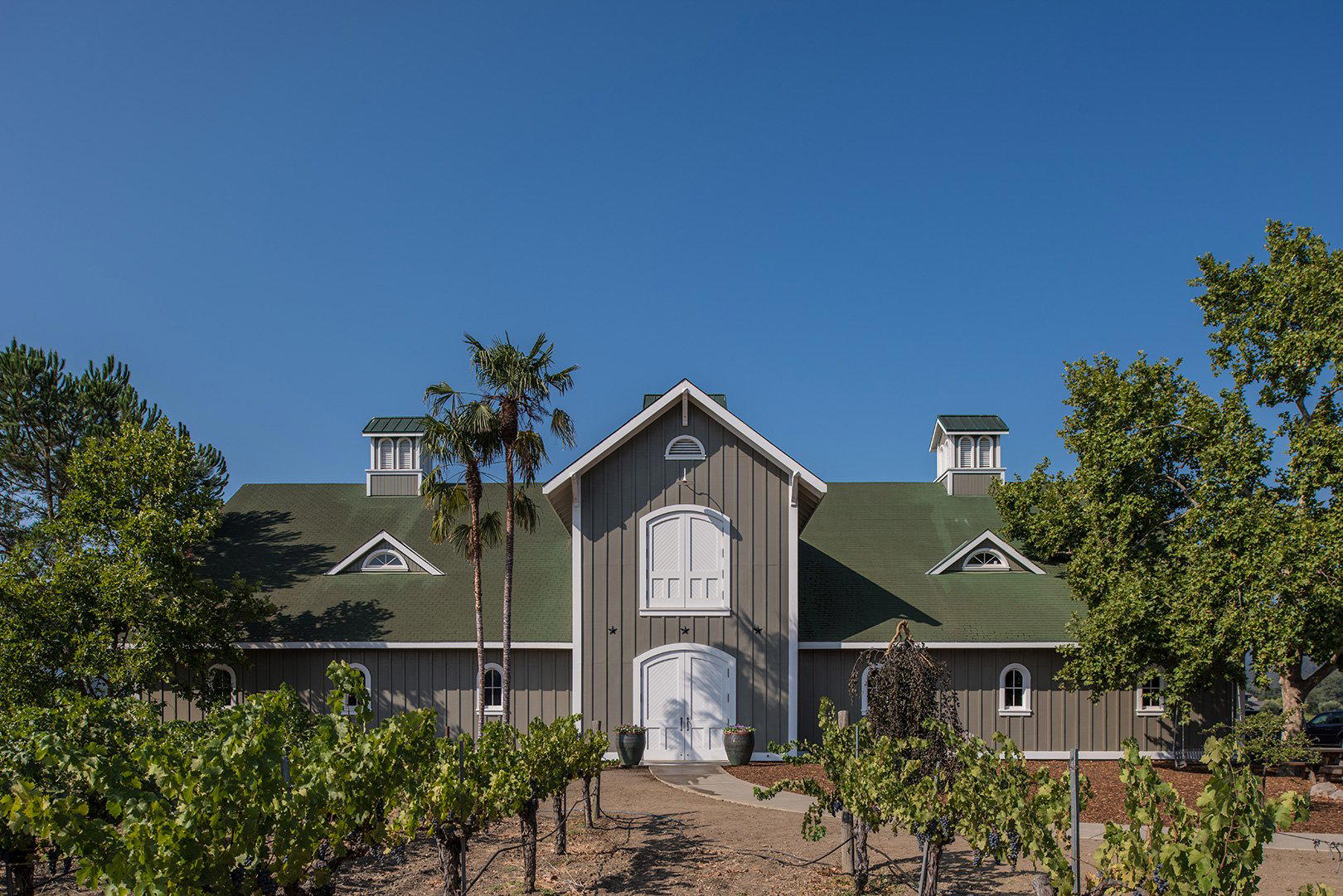
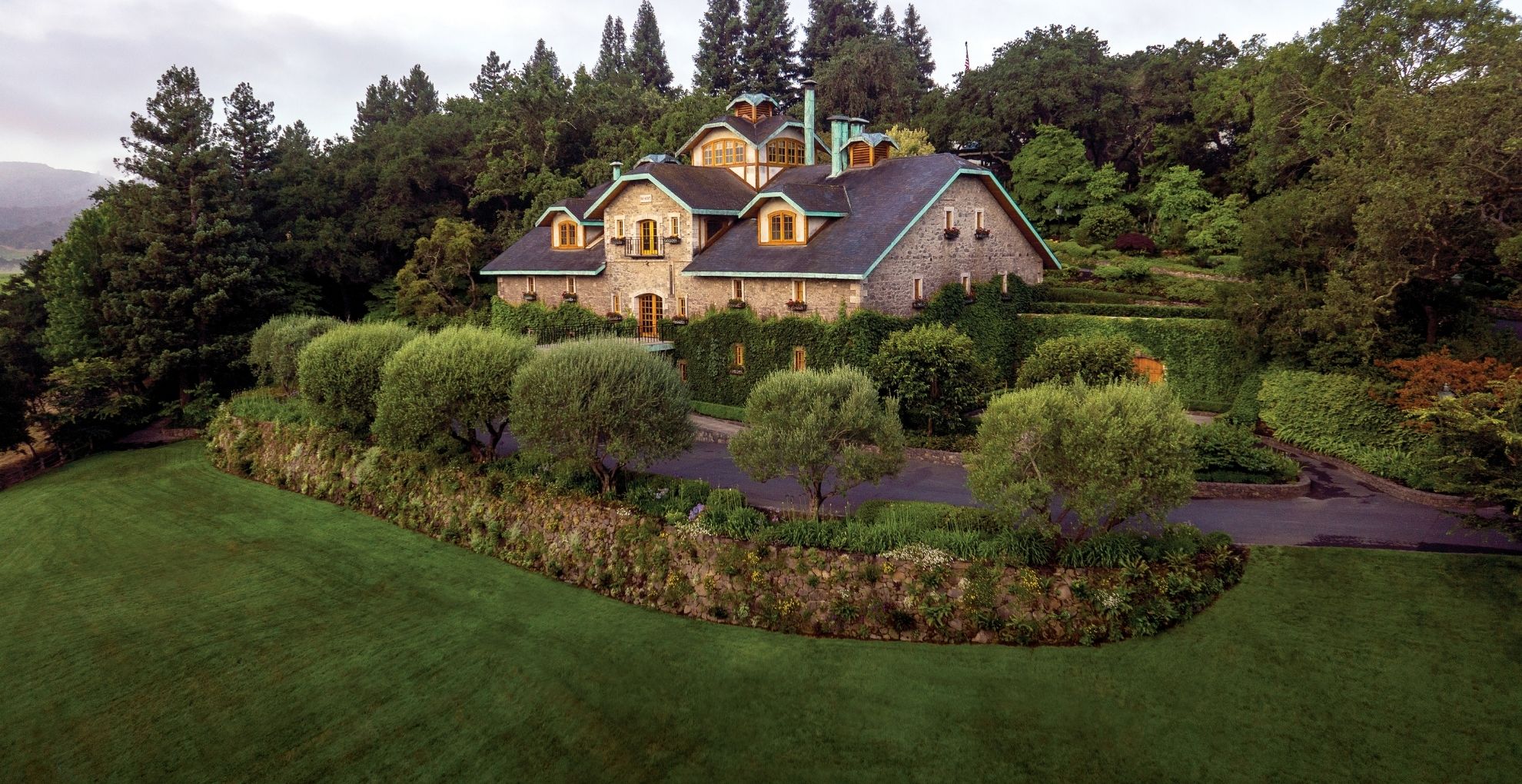
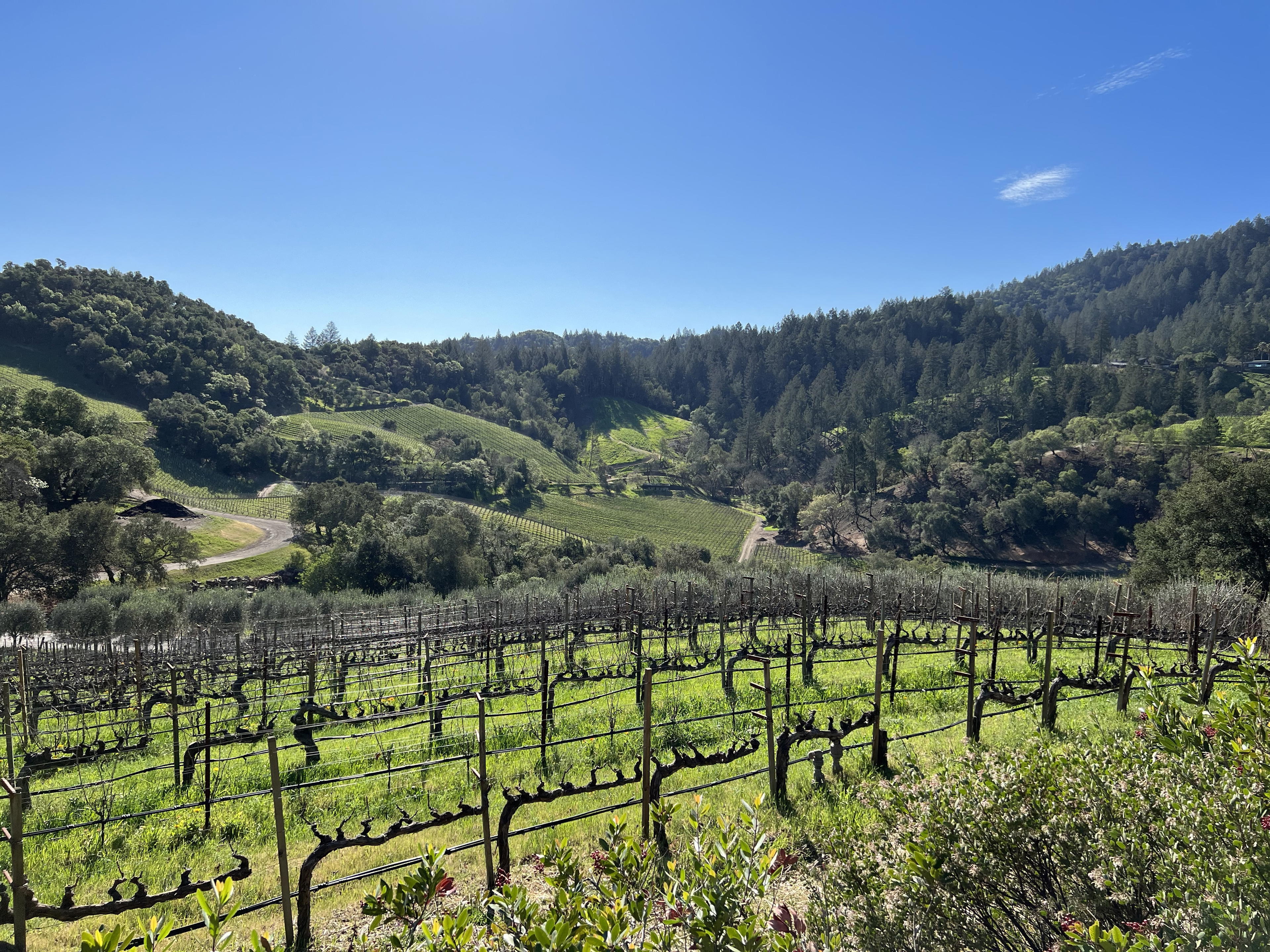
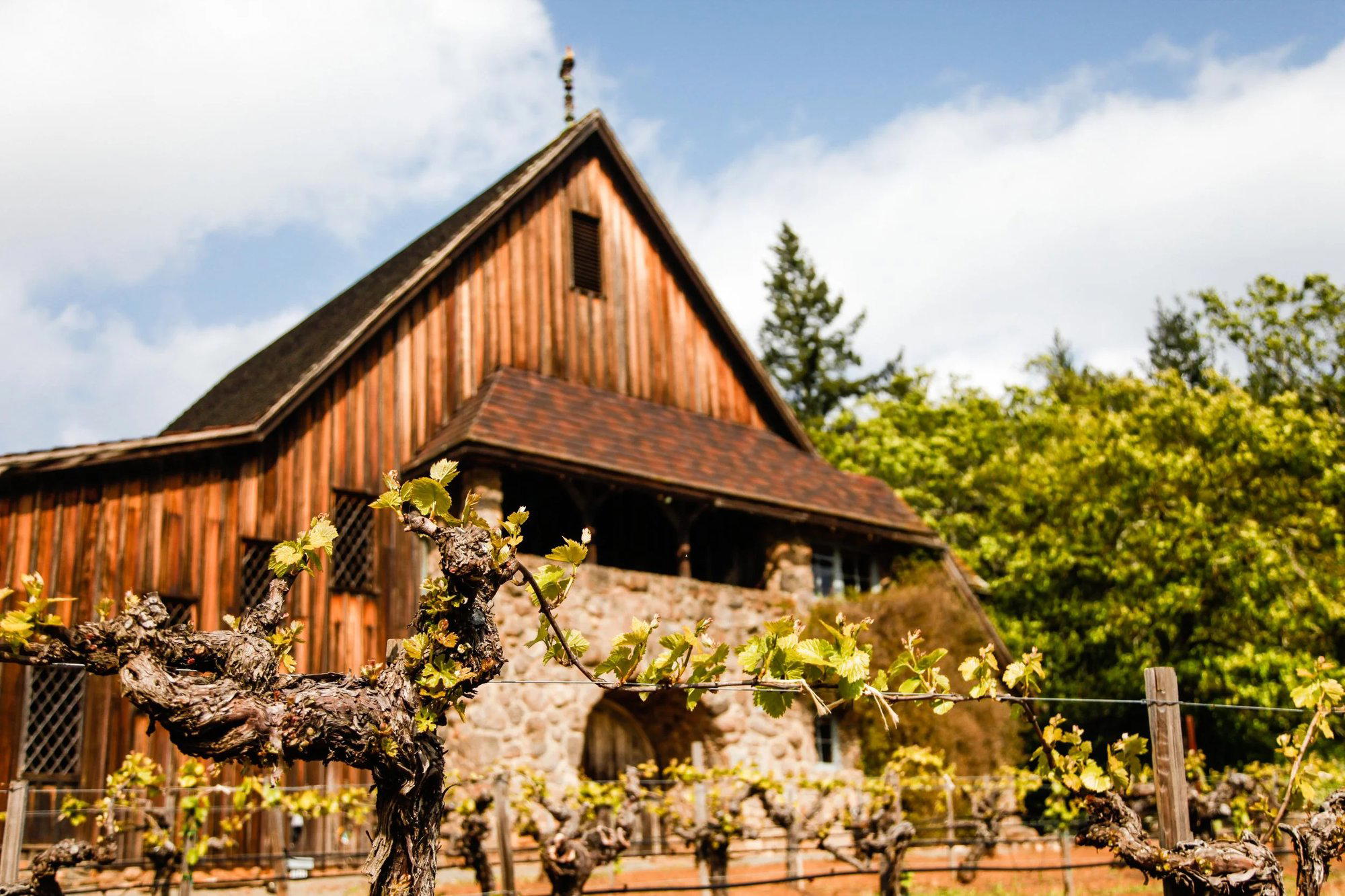
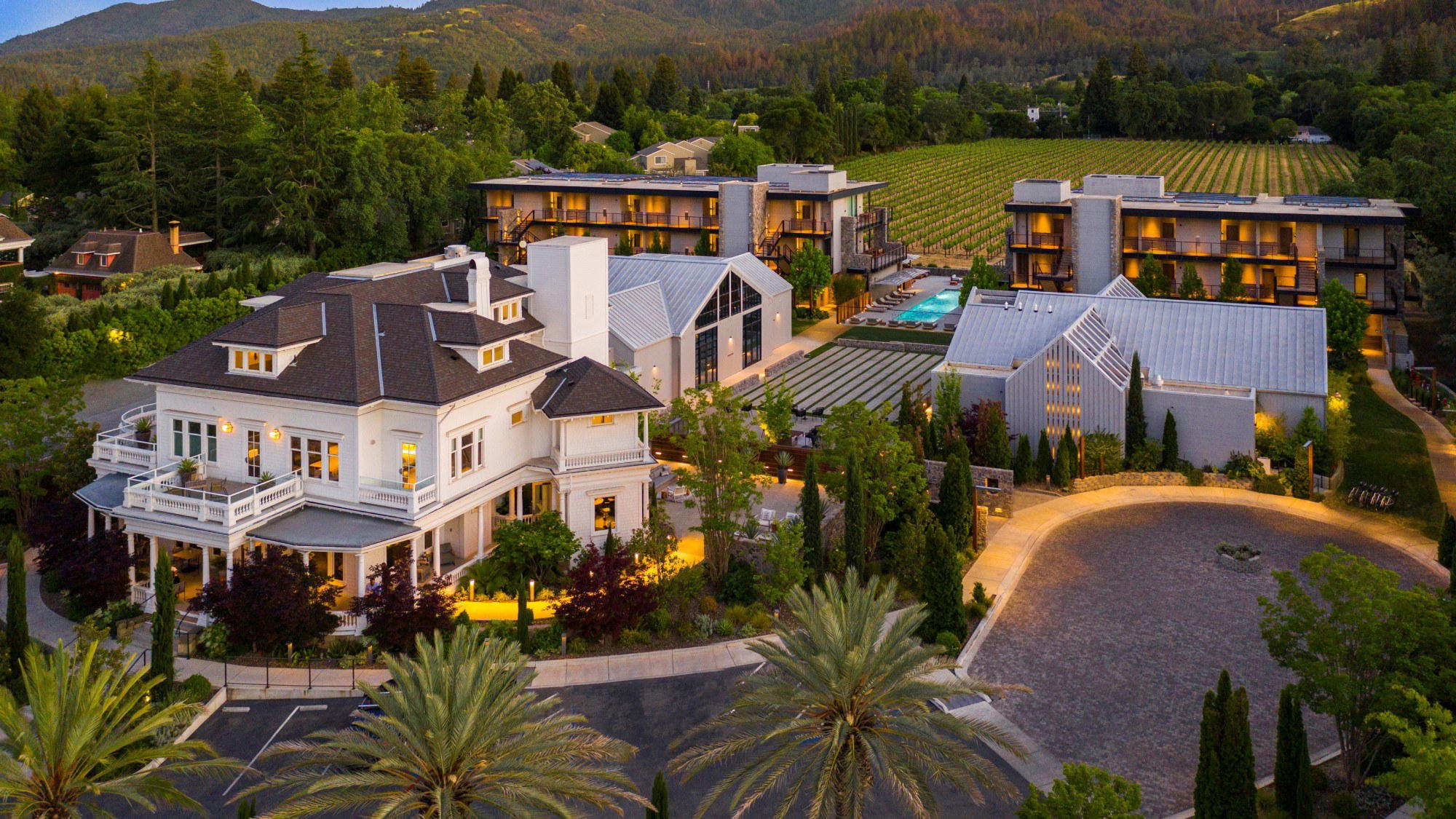
The drive along Route 12 through Kenwood runs flat between the Mayacamas and Sonoma Mountain ranges, and Kunde Family Winery sits directly on that corridor at 9825 Sonoma Highway. The setting is agricultural in the plainest and most honest sense: vineyards press close to the road, the tasting facility is built to face them rather than hide them, and the scale of the property registers immediately as something larger than the boutique-first operations that have multiplied throughout the Valley over the past decade. This is estate winemaking in the older California tradition, where the land comes first and the hospitality infrastructure is organized around access to it.
Kenwood occupies a particular position in Sonoma wine geography. It sits south of Santa Rosa and north of Glen Ellen, in a stretch of the Valley that lacks the marketing density of Healdsburg or the cult-producer concentration of Petaluma Gap, but compensates with a cluster of producers whose histories predate the modern premium wine era. Kenwood Vineyards, Chateau St. Jean, Landmark Vineyards, and Ledson Winery and Vineyards are all within a short drive, making this stretch of highway one of the more concentrated tasting corridors in the appellation. Kunde anchors the southern end of that cluster with enough acreage to function almost as its own destination.
What the Tasting Experience Asks of You
The tasting format at estate wineries of this scale typically rewards a different pacing than the bar-forward, flight-in-forty-minutes structure that urban tasting rooms have normalized. When the vineyard is the actual subject, the room tends to open outward rather than inward, and the staff have more material to draw from: soil variation, elevation changes, block-by-block decisions that show up in the glass as identifiable differences rather than theoretical ones. That kind of conversation requires the visitor to slow down, and Kunde's positioning on a working estate with substantial land holdings makes that deceleration the correct register for a visit.
Sonoma Valley as an appellation permits a wide range of varieties, and larger estate producers in the region often use that breadth to demonstrate range across a single tasting experience. Where a smaller Kenwood producer might focus narrowly on one or two varieties as a matter of scale, a multigenerational family estate has the vineyard depth to show Cabernet, Chardonnay, Zinfandel, and other expressions side by side from fruit that shares the same geological foundation. That breadth, when presented with clarity by knowledgeable staff, is genuinely useful for tasting education in a way that single-varietal rooms cannot replicate.
For comparison, other Pearl-recognized estates include Accendo Cellars in St. Helena, Alpha Omega Winery in Rutherford, and Artesa Vineyards and Winery in Napa, all of which operate at a similar register of estate seriousness. Recognition at this level signals consistent quality standards and a visitor experience that has been assessed against a defined benchmark, not merely self-reported.
The Sonoma Valley Context
California's premium wine geography has bifurcated over the past fifteen years into two broad modes: the allocation-list, appointment-only model favored by small cult producers, and the estate-hospitality model where the property itself carries the narrative. Kunde belongs squarely to the second category, and the Sonoma Valley context supports that positioning well. Unlike Napa, where Cabernet dominance and land prices have pushed out varietal diversity, Sonoma Valley's cooler mornings and more varied topography accommodate a wider spectrum of grapes at commercial quality levels. Producers working with estate fruit across multiple varieties can make a coherent argument for place in a way that blended-source operations cannot.
That argument for place is, in the end, what separates the stronger Kenwood producers from the weaker ones. Visitors who arrive on the Sonoma Highway expecting something that reads like a Napa experience will find a different register: less architectural drama, less vertical integration into luxury hotel packages, more direct connection to agricultural reality. Producers like Alexander Valley Vineyards in Geyserville and Adelsheim Vineyard in Newberg operate in a comparable family-estate tradition, where the connection between land and wine is the primary editorial subject. Kunde fits that pattern with the added specificity of Sonoma Valley terroir, which has a documented track record for Zinfandel, Cabernet Sauvignon, and Chardonnay at price points that remain accessible relative to comparable Napa appellations.
For visitors building a broader California itinerary, the Kenwood corridor connects logically to producers further south and north. Adelaida Vineyards in Paso Robles, Alban Vineyards in Arroyo Grande, and Andrew Murray Vineyards in Los Olivos represent the Central Coast tier of California estate production, while Kunde and its Kenwood neighbors anchor the northern Bay Area end of that same tradition. The through-line is family ownership, estate fruit, and a hospitality model built around the vineyard rather than around chef-driven food programming.
Planning a Visit
Kenwood sits approximately forty-five minutes north of San Francisco via US-101 and Route 12, and the Sonoma Highway corridor is leading navigated by car. The tasting room address at 9825 Sonoma Highway is easy to find, and the property's scale means parking is not the constraint it can be at smaller producers with limited arrival infrastructure. For visitors combining multiple tastings in a single day, the cluster of producers in Kenwood makes logical sequencing possible without significant backtracking.
Reservations are recommended. Sonoma Valley's harvest window runs roughly from late August through October depending on variety, and that period brings the highest visitor volumes across the corridor. Spring, particularly April and May before the summer heat builds, offers a quieter version of the same experience with more staff availability for extended conversations about the wines.
Internationally, the family-estate model that Kunde represents has parallels in wine regions far outside California. The multigenerational commitment to place that defines producers on the Sonoma Highway finds equivalents as varied as Aberlour in Aberlour and Achaia Clauss in Patras, where the argument for visiting rests on institutional continuity and land tenure rather than a single winemaker's celebrity profile.
Cuisine Lens
Comparable venues nearby, for context on price, style, and recognition.
| Venue | Cuisine | Price | Notes |
|---|---|---|---|
| Kunde Family WineryThis venue — the venue you are viewing | Cabernet Sauvignon, Chardonnay | $$ | Not listed |
| Kenwood Vineyards | Cabernet Sauvignon, Zinfandel | $$ | Kenwood |
| Chateau St. Jean | Chardonnay, Cabernet Sauvignon | $$$ | Kenwood |
| Ledson Winery & Vineyards | Cabernet Sauvignon, Chardonnay | $$$ | Kenwood |
| Landmark Vineyards | Chardonnay, Pinot Noir | $$$ | Kenwood |
| Valley of the Moon Winery | Winery | Not listed | Glen Ellen |
Continue exploring
More in Kenwood
Wineries in Kenwood
Browse all →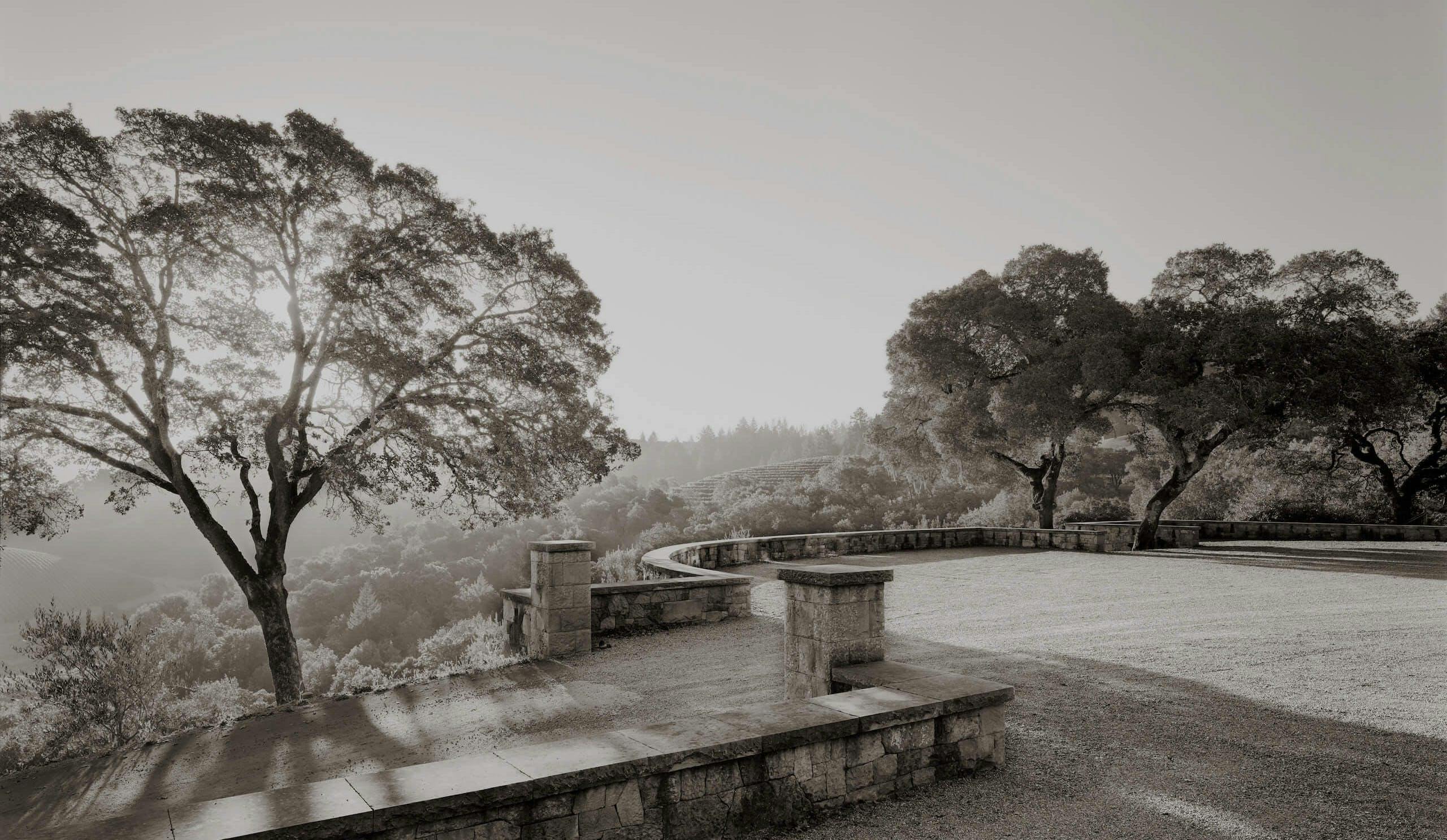
Bars in Kenwood
Browse all →
Restaurants in Kenwood
Browse all →
At a Glance
- Romantic
- Rustic
- Classic
- Scenic
- Group Outing
- Wine Education
- Special Occasion
- Vineyard Tour
- Cave Tasting
- Panoramic View
- Estate Grounds
- Sustainable
- Vineyard
- Mountain
- Sonoma Valley
- Cabernet Sauvignon
- Chardonnay
- Still Red
- Still White
- Mountaintop Tasting
- Cave Tour
- Private Tasting
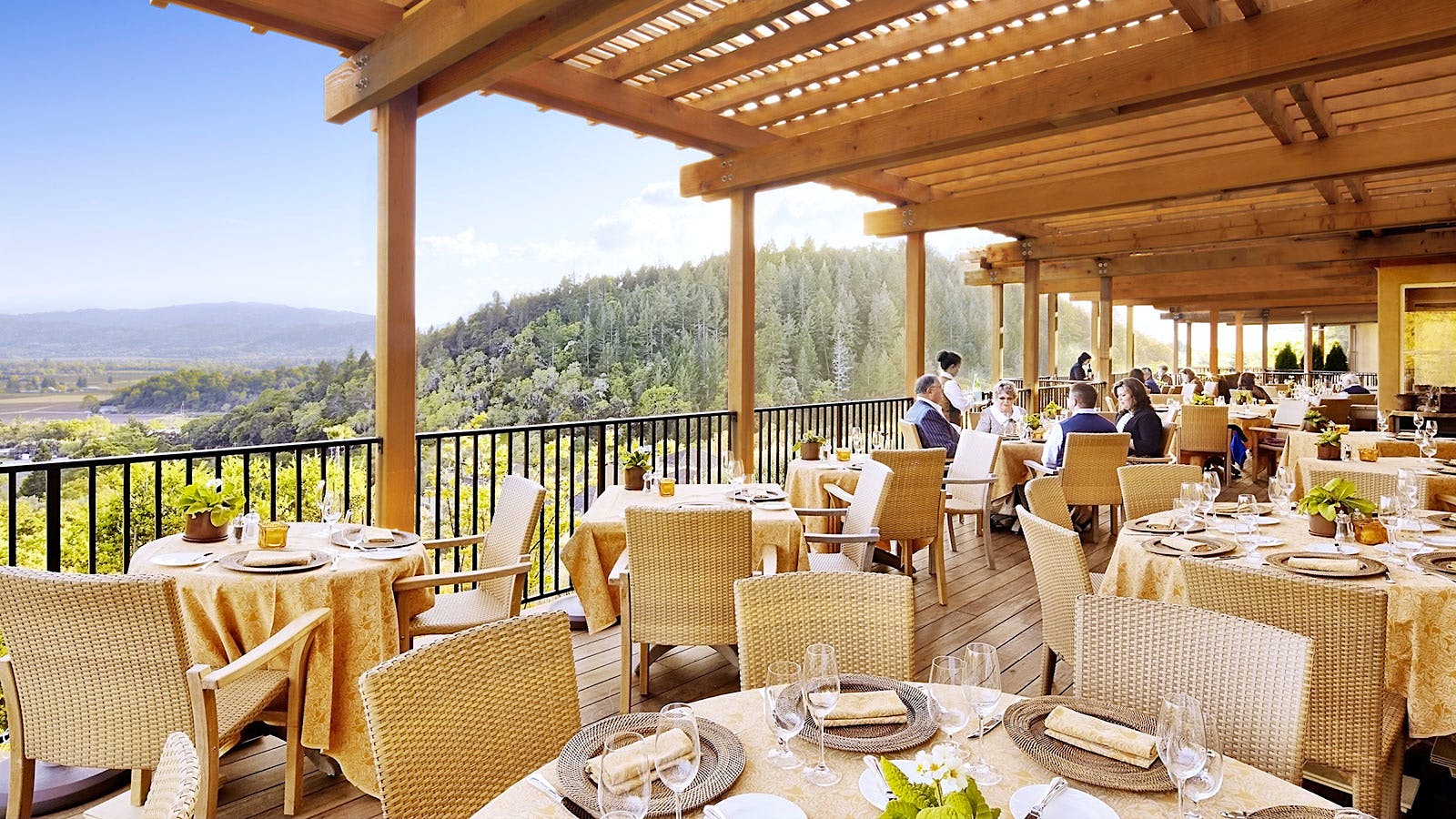
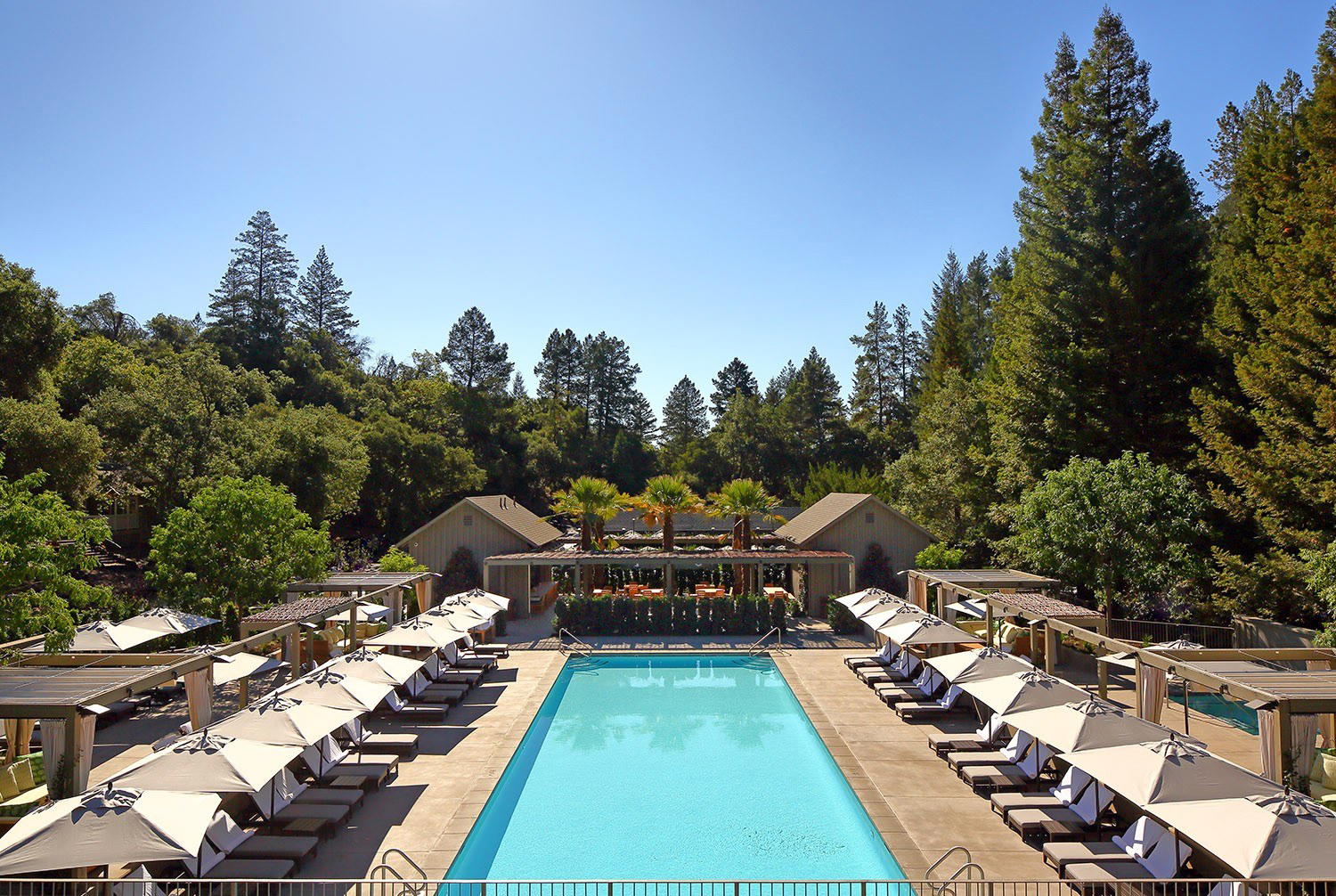
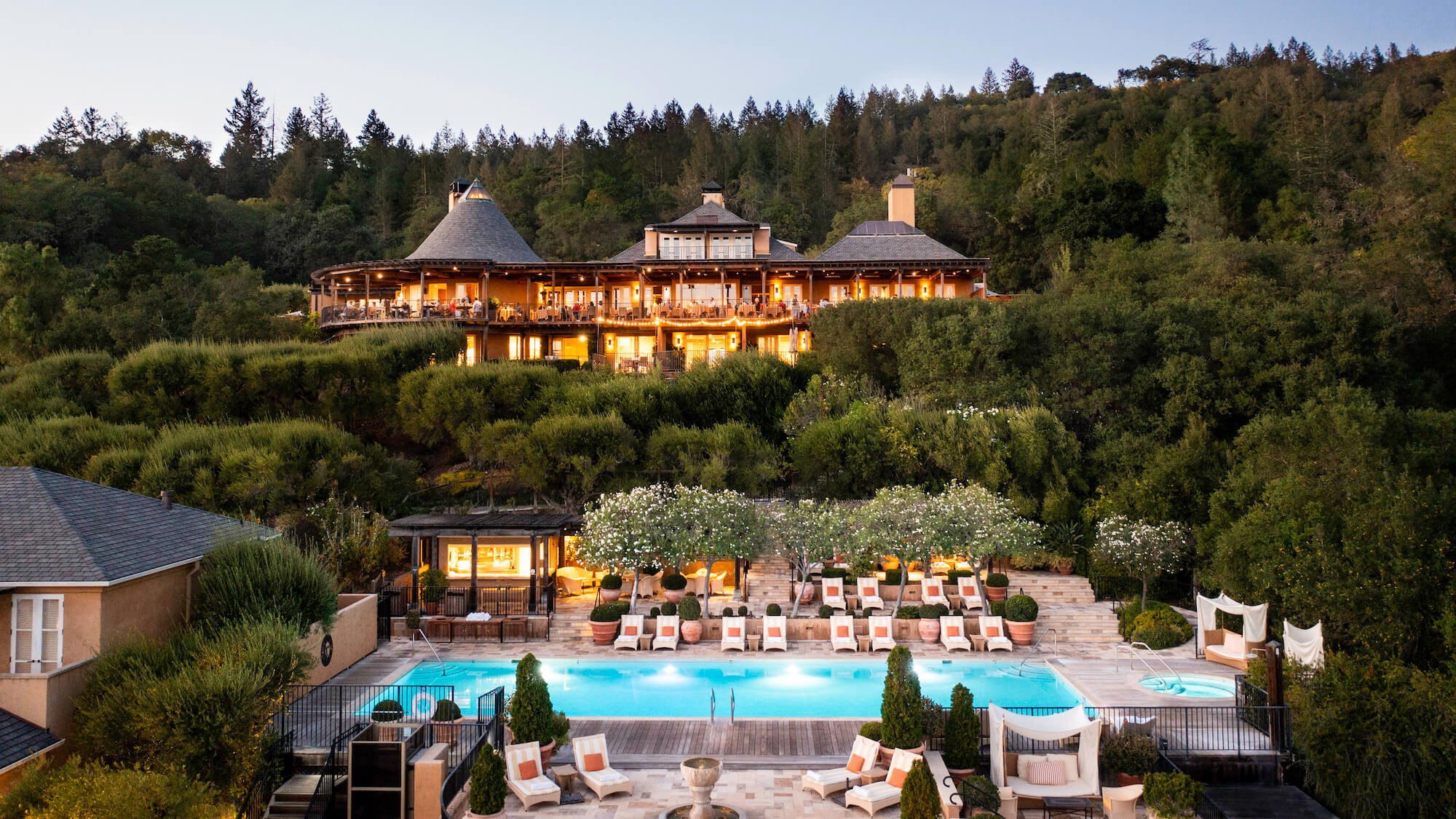
Peaceful and relaxing with shaded oak groves, serene reflection pool, beautiful gardens, and panoramic vineyard views under oak canopies.