Kraxenbräu Distillery
In a region where distilling tradition runs alongside the agricultural calendar, Kraxenbräu positions itself among Austria's recognised prestige producers. EP Club tracks it as a reference point for alpine-terrain distilling in the eastern Alps.

Pearl is the En Primeur Club membership app — saves, bookings, and concierge access live there. Same editors, same standards.
- Address
- Schladming, Austria
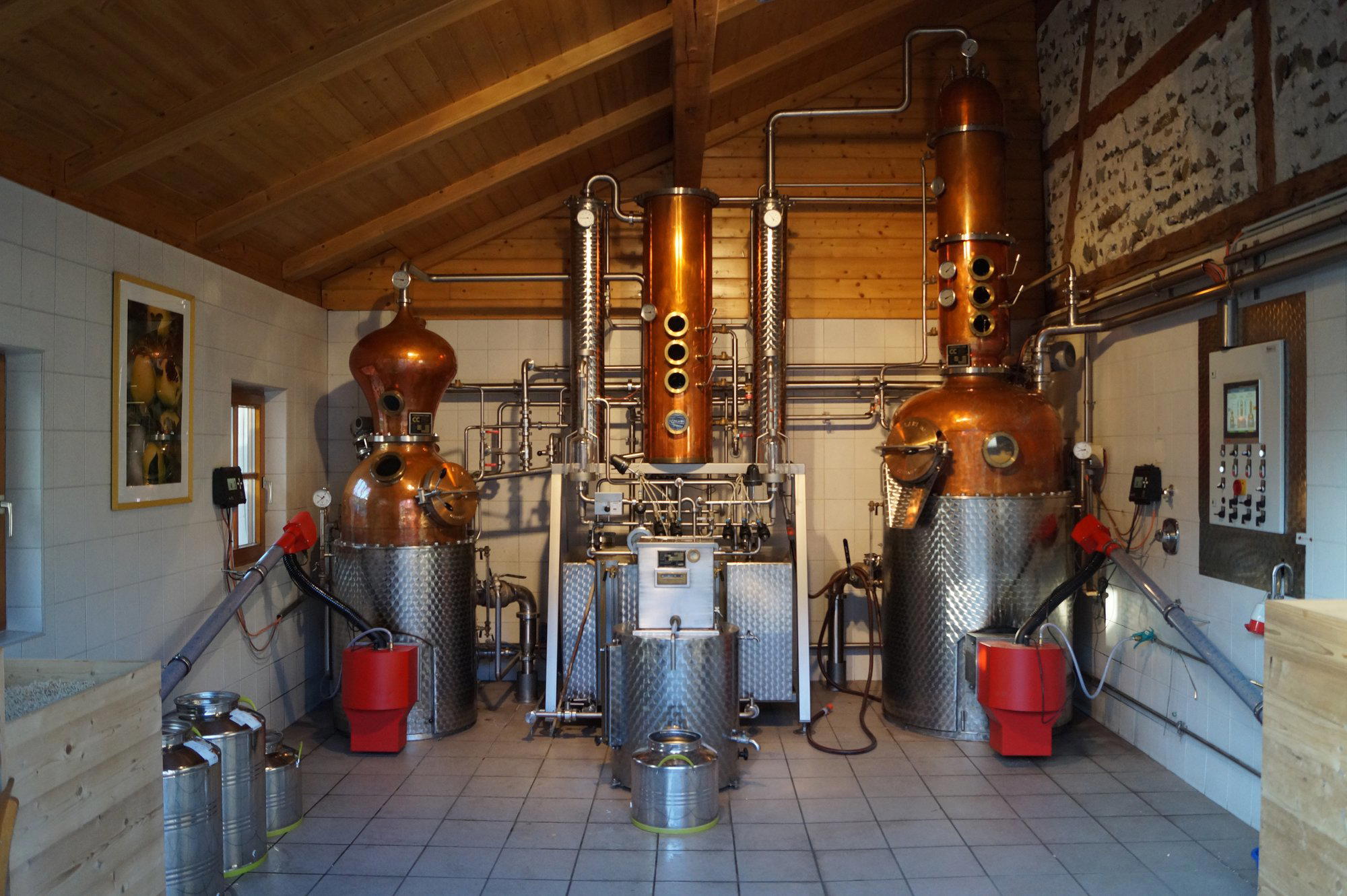
Alpine Terrain, Distilled
Schladming sits in the Enns Valley at roughly 750 metres, flanked by the Dachstein massif to the north and the Niedere Tauern to the south. The town is most legible to outsiders through its FIS Alpine Ski World Cup pedigree, but the surrounding Styrian countryside carries a quieter agricultural identity: orchards, mountain pastures, and a tradition of small-scale distilling that pre-dates the modern craft spirits movement by generations. In that context, Kraxenbräu Distillery belongs to a recognisable central European type: the alpine distillery whose raw materials and production character are shaped as much by elevation and seasonal rhythms as by any deliberate stylistic programme.
Austria's relationship with distilling is older and more geographically distributed than its wine identity, which tends to draw international attention toward the Wachau, the Weinviertel, and the vineyards of Burgenland. Producers like Weingut Emmerich Knoll in Dürnstein or Weingut Bründlmayer in Langenlois represent the wine-forward face of Austrian prestige production. The distilling tradition occupies a parallel track, and in alpine Styria it connects directly to the land in ways that more southerly or lowland producers cannot replicate: shorter growing seasons, harder winters, fruit and grain varieties adapted to altitude.
What a Prestige Recognition Signals Here
For context on what prestige-tier recognition means across the Austrian producer spectrum, it is worth noting how it functions in wine: estates like Weingut Kracher in Illmitz or Weingut Wohlmuth in Kitzeck carry formal recognition that anchors their positioning in international markets and separates them from the much larger pool of competent but unrecognised producers.
The Styrian Alpine Distilling Frame
The editorial angle that most usefully contextualises Kraxenbräu is terroir expression, understood not in the wine-specific sense of soil chemistry but in the broader sense of how geography and climate shape what a producer can make and how it tastes. Alpine distilleries in Styria and the adjacent parts of Upper Austria and Salzburg land operate within constraints that lowland producers do not face: fruit matures later and often more slowly, temperature differentials between day and night during the growing season are more pronounced, and the water sources used in production frequently carry mineral characteristics associated with glacial or high-altitude catchment areas.
These are not abstract claims. The long tradition of Schnapps and fruit brandy production across the eastern Alps is inseparable from the agricultural calendar of mountain farms, where surplus fruit from orchard varieties not commercially viable at scale found a second life in distillation. That tradition is the category in which alpine distilleries like Kraxenbräu operate, and it is worth distinguishing it from the newer Austrian craft gin and whisky wave, which is more urban in character and draws on a different set of reference points. Producers like 1310 Spirit of the Country Distillery in Sierning and A. Batch Distillery in Bergheim represent distinct expressions of Austrian distilling ambition, each shaped by their own local context. The alpine Styrian frame that Schladming provides is its own category.
Further along the Austrian distilling spectrum, operations like 1404 Manufacturing Distillery in Sankt Peter-Freienstein and Abfindungsbrennerei Franz in Leithaprodersdorf each reflect the range of production philosophies active in the country's spirits sector. The term Abfindungsbrennerei itself, referring to Austria's system of licensed small-scale farm distillers operating under a specific legal and tax framework, points to how structurally distinct the Alpine tradition is from commercial distilling: it is agricultural production first, spirits production second.
Schladming as a Base for This Kind of Visit
Schladming's dual identity as a ski destination and an agricultural valley town creates a specific visitor profile. In winter, the town operates at high capacity around the Planai ski area and the Schladming-Dachstein resort network; in shoulder seasons, particularly late spring and autumn, the valley is quieter and the agricultural character more visible. A visit to a distillery like Kraxenbräu fits more naturally into the off-season rhythm, when the town functions less as a resort and more as a working community with its own production culture.
For visitors building a broader Austrian producer itinerary, Schladming connects westward toward Salzburg and eastward toward Graz, both cities with their own access to the Styrian wine and spirits producing regions. The Styrian wine country around Kitzeck, home to Weingut Wohlmuth, lies roughly 90 kilometres to the southeast. Burgenland's prestige wine estates, including Weingut Pittnauer in Gols and Weingut Heinrich Hartl in Oberwaltersdorf, are accessible from Vienna rather than from Schladming but form part of the same national prestige producer map.
Austria's urban craft spirits scene, represented by operations like 1516 Brewing Company Distillery in Vienna, sits at the opposite end of the character spectrum from an alpine valley distillery. Both have legitimacy; they are simply answering different questions about what Austrian spirits can be. Schladming's version of the answer involves altitude, tradition, and agricultural seasonality. Our full Schladming restaurants and producers guide covers the town's broader food and drink offer for those planning a stay.
Planning a Visit
Visitors should approach this as they would any small-scale alpine producer: direct contact in advance is advisable, and visits are likely more productive outside peak ski season when the town's hospitality infrastructure is focused on resort guests rather than local production. For Scotland-distillery comparisons that illustrate what recognised prestige looks like in a heritage spirits context, Aberlour in Aberlour and Accendo Cellars in St. Helena represent different points on the international prestige producer spectrum.
Fast Comparison
| Venue | Awards |
|---|---|
| Kraxenbräu DistilleryThis venue — the venue you are viewing | Not listed |
| Weingut Bründlmayer | Falstaff Winery - 5 Stars |
| Weingut Emmerich Knoll | Falstaff Winery - 5 Stars |
| Weingut Heinrich Hartl | Falstaff Winery - 4 Stars |
| Weingut Jurtschitsch | Falstaff Winery - 4 Stars |
Continue exploring
More in Schladming
Bars in Schladming
Browse all →
Details
- Rustic
- Scenic
- Quiet
- Classic
- Solo Exploration
- Wine Education
- Special Occasion
- Private Tasting
- Historic Building
- Mountain
- Tasting
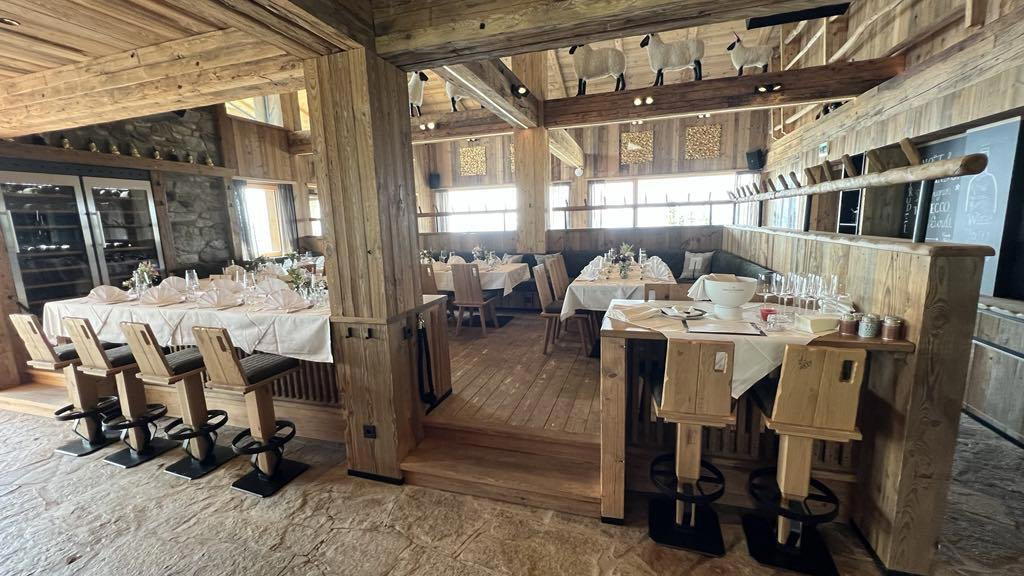
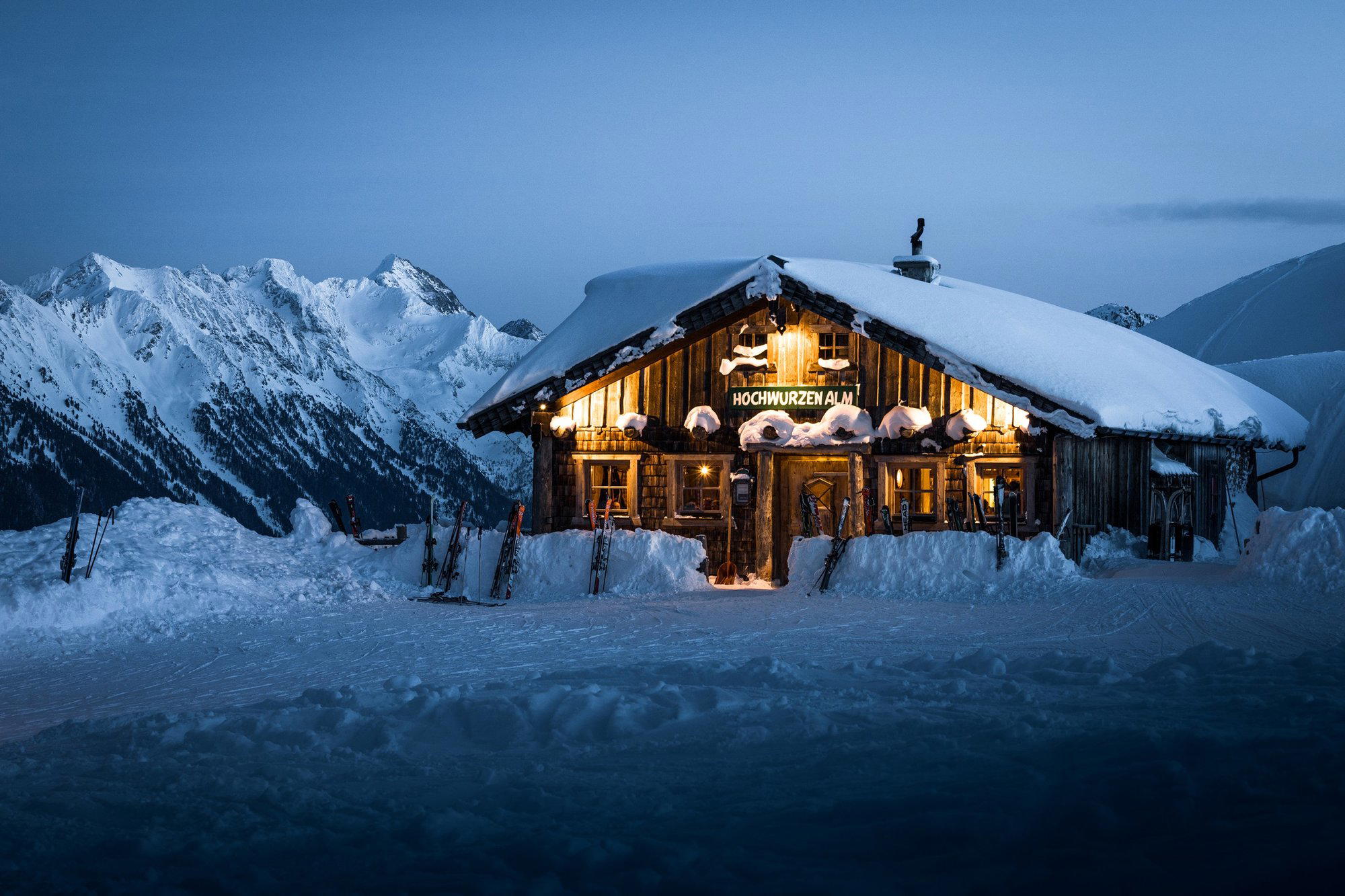
Alpine, rustic, and terroir-driven, with a quiet, traditional feel rooted in mountain agriculture.