Kloovenburg Wine & Olive Estate
Kloovenburg Wine & Olive Estate sits on the R46 outside Riebeek-Kasteel, in the heart of Swartland's dryland farming country. Its dual focus on viticulture and olive cultivation reflects the broader agricultural character that distinguishes Swartland from the Cape's more tourism-heavy wine routes.

Pearl is the En Primeur Club membership app — saves, bookings, and concierge access live there. Same editors, same standards.
- Address
- R46, Riebeek-Kasteel, 7307
- Phone
- +27 22 448 1635
- Website
- kloovenburg.com
- Directions
- Get directions
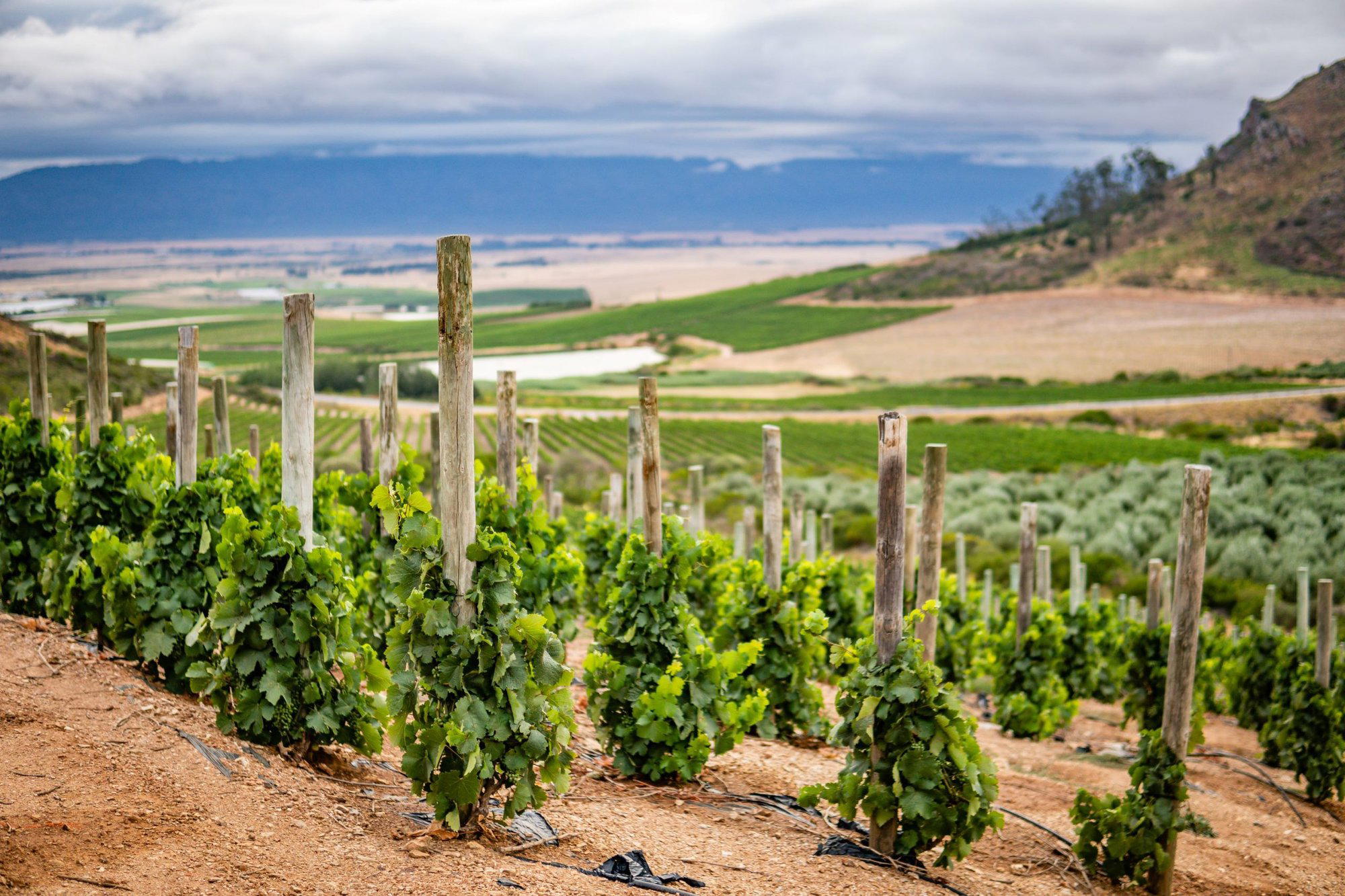
Dryland Country, Double Harvest
The R46 between Riebeek-Kasteel and the broader Swartland interior is not a wine route designed for weekend spectacle. The farms along this road work for a living: wheat, olives, and vines in rotation across schist and granite soils that retain almost no surface water through the dry summer months. Kloovenburg Wine & Olive Estate sits within that agricultural reality, producing wine and olive oil from the same land under the same farming logic. In a region where the leading names, including Sadie Family Wines and David & Nadia (Sadie Family), have built international reputations on low-intervention viticulture and dryland intensity, Kloovenburg operates in the same physical environment while carving a distinct position as an estate with parallel agricultural commitments.
That recognition matters more in Swartland than it might elsewhere, because the region's identity has been built largely by small, allocation-driven producers who rarely enter mainstream competitions. Kloovenburg's willingness to seek and receive independent accreditation signals a different commercial posture, one that speaks to accessibility alongside quality.
Swartland's Soil Logic and What It Demands
Understanding what Kloovenburg produces requires understanding what Swartland asks of its producers. The region sits north of Stellenbosch and Paarl, far enough from the cooling False Bay influence to run noticeably warmer through January and February. Rainfall is concentrated in winter and largely absent by the time vines need it most. Dryland farming, without irrigation, is not a philosophy here so much as a practical constraint that shapes everything from vine density to harvest timing.
Wines from this environment tend toward concentration and aromatic weight. The varieties that have defined Swartland's reputation globally, particularly Chenin Blanc, Syrah, Grenache, and old-vine blends, perform here precisely because they were selected or survived based on suitability. Producers like Org de Rac Organic Wines have added an organic farming dimension to the conversation, demonstrating that the region's agricultural conditions can accommodate certified sustainability alongside dryland viticulture. Kloovenburg's olive cultivation places it in a related but distinct category: the estate is managing not one but two perennial crops that respond to the same climatic pressures, which demands an integrated approach to land and water management that most single-focus wine estates do not face.
Olive oil and wine share a seasonal rhythm in Mediterranean-climate farming, and Swartland's conditions are genuinely well-suited to both. The dual-product model is less common in the Cape than it once was, as most estates have consolidated around wine as the primary commercial driver. That Kloovenburg maintains both reflects either a long-standing farm history or a deliberate strategic choice, likely both.
The Swartland wine scene has two reasonably distinct tiers. The first is the internationally traded, allocation-driven group anchored by Eben Sadie's various projects and producers who have attracted critical coverage from Wine Advocate, Jancis Robinson, and the international wine press. These producers typically work in tiny volumes, sell through mailing lists, and are referenced in conversations about South Africa's finest expressions of Chenin and Rhône varieties.
The second tier, which is not lesser but differently positioned, includes estates with visitor infrastructure, broader production volumes, and the kind of recognisable quality certification that makes them legible to wine tourists driving the R46 for the first time. It is a producer you can visit without an introduction, taste through a range, and leave with bottles that carry independent quality endorsement. That is not a small thing in a region where the leading names are notoriously difficult to access without prior knowledge or allocation placement.
For comparison across the broader Cape wine region, estates like Constantia Glen in Cape Town and Neethlingshof Estate in Stellenbosch occupy analogous positions in their respective appellations: independently recognised, visitor-accessible, and representative of their region's quality floor without sitting at its most rarefied peak. Estates like Vergelegen Wine Estate in Somerset West and Babylonstoren in Franschhoek have built hospitality experiences around similarly strong agricultural identities. Kloovenburg's parallel in olive and wine production gives it a comparable dual-identity appeal, though in a less developed tourism corridor than Franschhoek.
The Case for Visiting Riebeek-Kasteel
Riebeek-Kasteel itself is a small town with a stronger arts and food community than its size suggests. It functions as one of the few nodes in the Swartland that has developed pedestrian-scale tourism infrastructure, with galleries, restaurants, and accommodation within walking distance of the town square. Kloovenburg's address on the R46 puts it at the edge of that ecosystem, accessible by a short drive from the town centre.
The broader Swartland is an undervisited appellation by Cape standards. Stellenbosch and Franschhoek absorb the majority of wine tourism from Cape Town, and Swartland's relative absence of large hospitality operations means that visitors who make the drive typically do so with a specific agenda. That selectivity has kept the region's character intact in ways that more heavily visited wine areas have struggled to maintain. For a wider orientation to what Swartland offers beyond any single producer, the full Swartland restaurants and estates guide maps the region's current range.
Across the Cape's wider wine geography, producers like Creation Wines in Hermanus, Beaumont Family Wines in Bot River, and Val de Vie Estate in Paarl offer comparable combinations of agricultural identity and visitor access, each in a different appellation character. Graham Beck Wines in Robertson and Oude Molen Distillery in Grabouw represent the range of what South African agricultural estates can produce beyond a single category. Internationally, the allocation and prestige dynamics at play in Swartland find partial analogies in producers like Accendo Cellars in St.
Planning a Visit
Kloovenburg is located at R46, Riebeek-Kasteel, 7307. The R46 is the primary route connecting Riebeek-Kasteel to Malmesbury and is accessible from Cape Town via the N1 north, with a journey time of roughly one hour under normal conditions.
Pricing, Compared
Comparable venues nearby, for context on price, style, and recognition.
| Venue | Cuisine | Price | Awards | Notes |
|---|---|---|---|---|
| Kloovenburg Wine & Olive EstateThis venue — the venue you are viewing | Riebeek Kasteel, Shiraz, Chardonnay | Not listed | Not listed | Not listed |
| Sadie Family Wines | Swartland, Syrah, Chenin Blanc | Not listed | Falstaff Winery - Listed | Not listed |
| Org de Rac Organic Wines | Piketberg, Chardonnay, Chenin Blanc | $1–10 | Falstaff Winery - Listed | Not listed |
| David & Nadia (Sadie Family) | Paardeberg, Chenin Blanc, Grenache | Not listed | Not listed | Not listed |
| Copper Republic Distilling Co. | Johannesburg, Cape | Not listed | Not listed | Not listed |
| Nederburg Wines | Not listed | Not listed | Falstaff Winery - Listed | Paarl Valley, Chenin Blanc, Cabernet Sauvignon |
Continue exploring
More in Swartland
Wineries in Swartland
Browse all →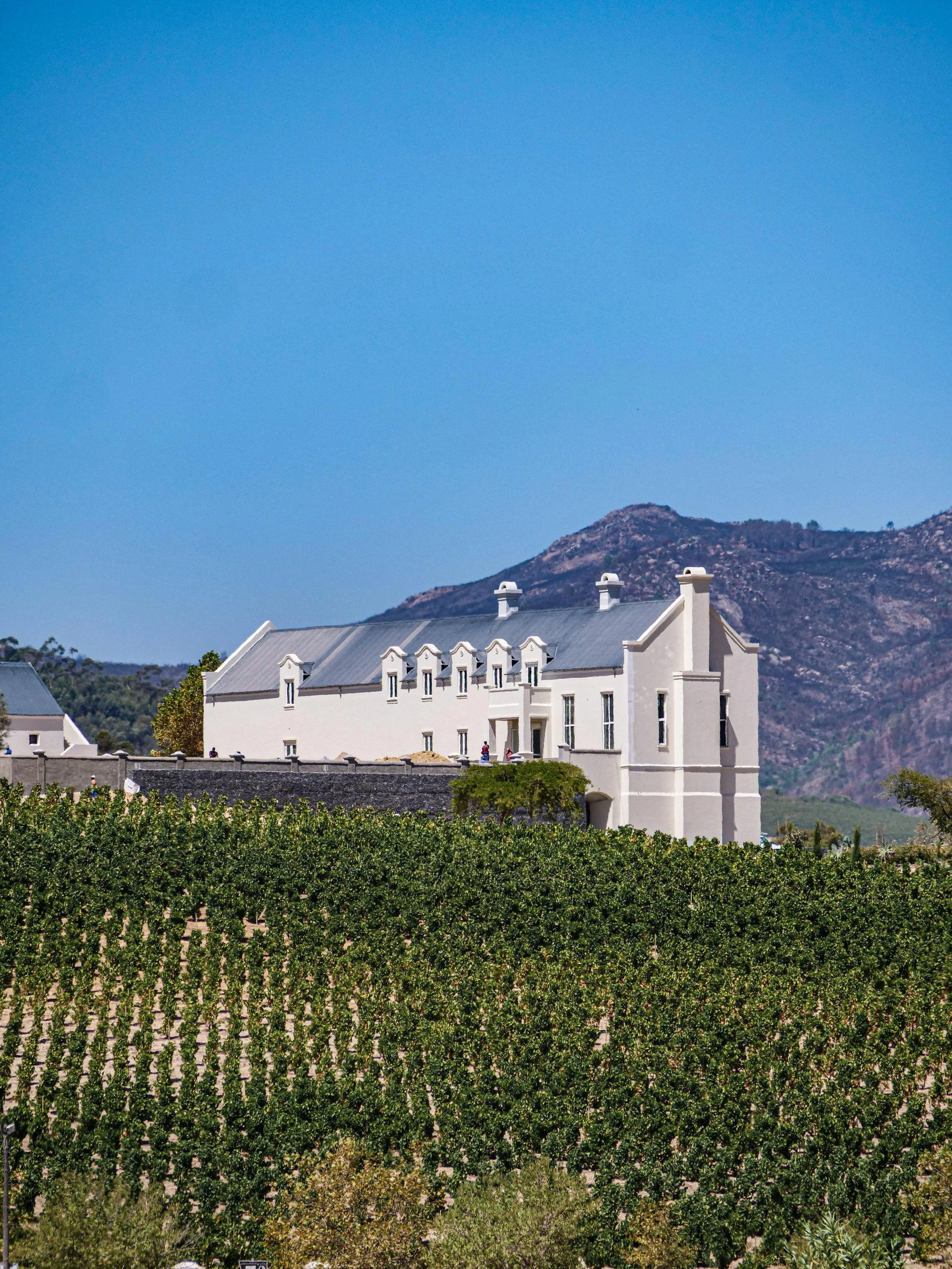
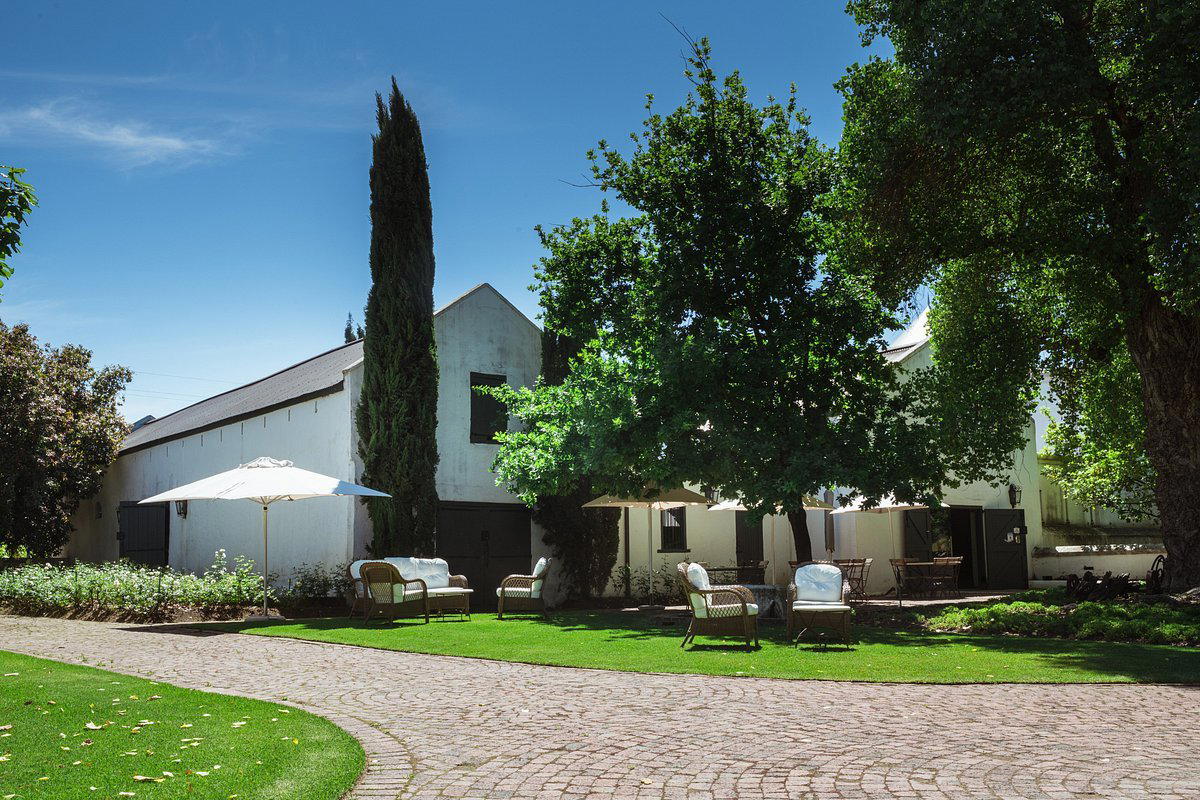
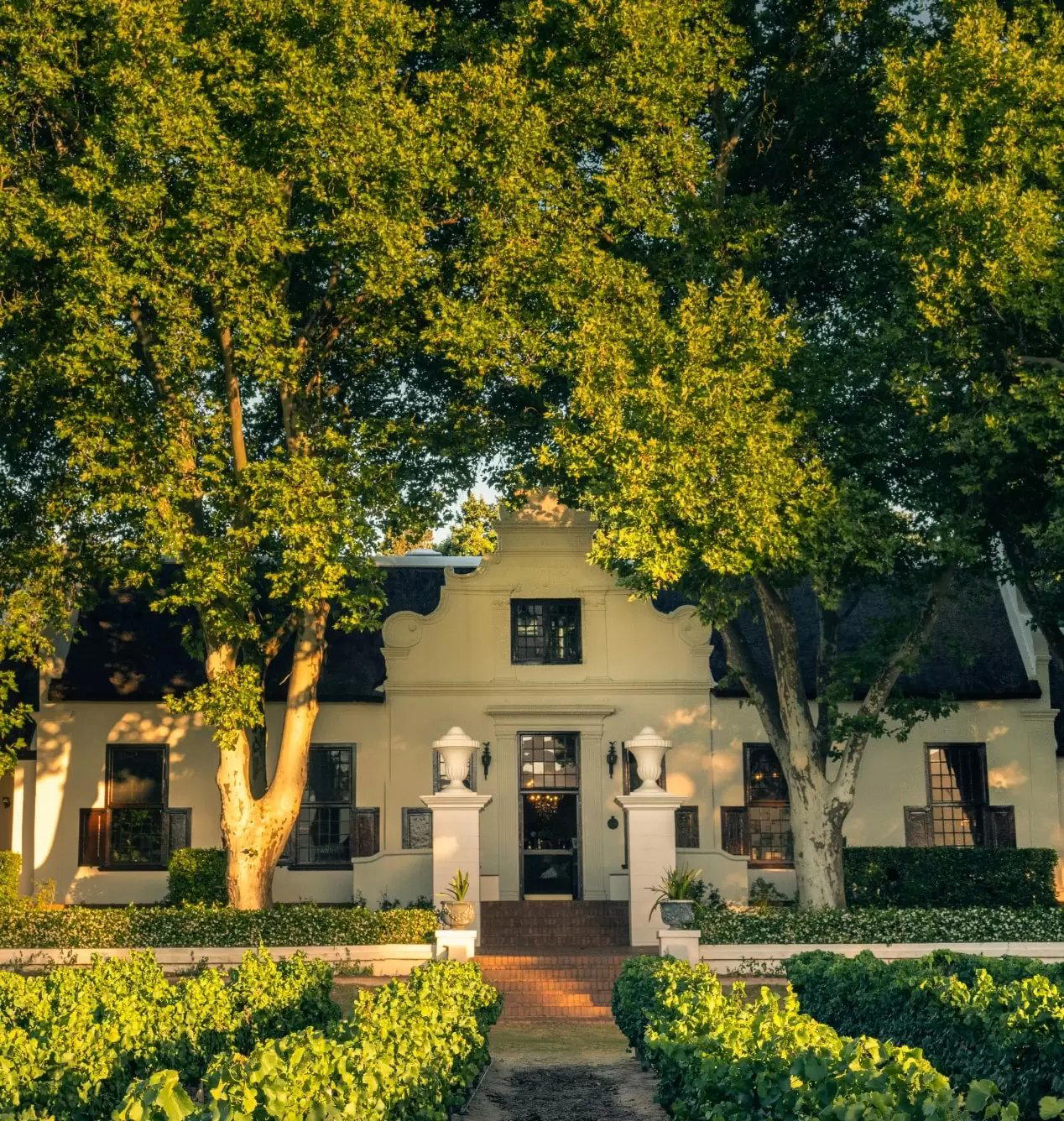
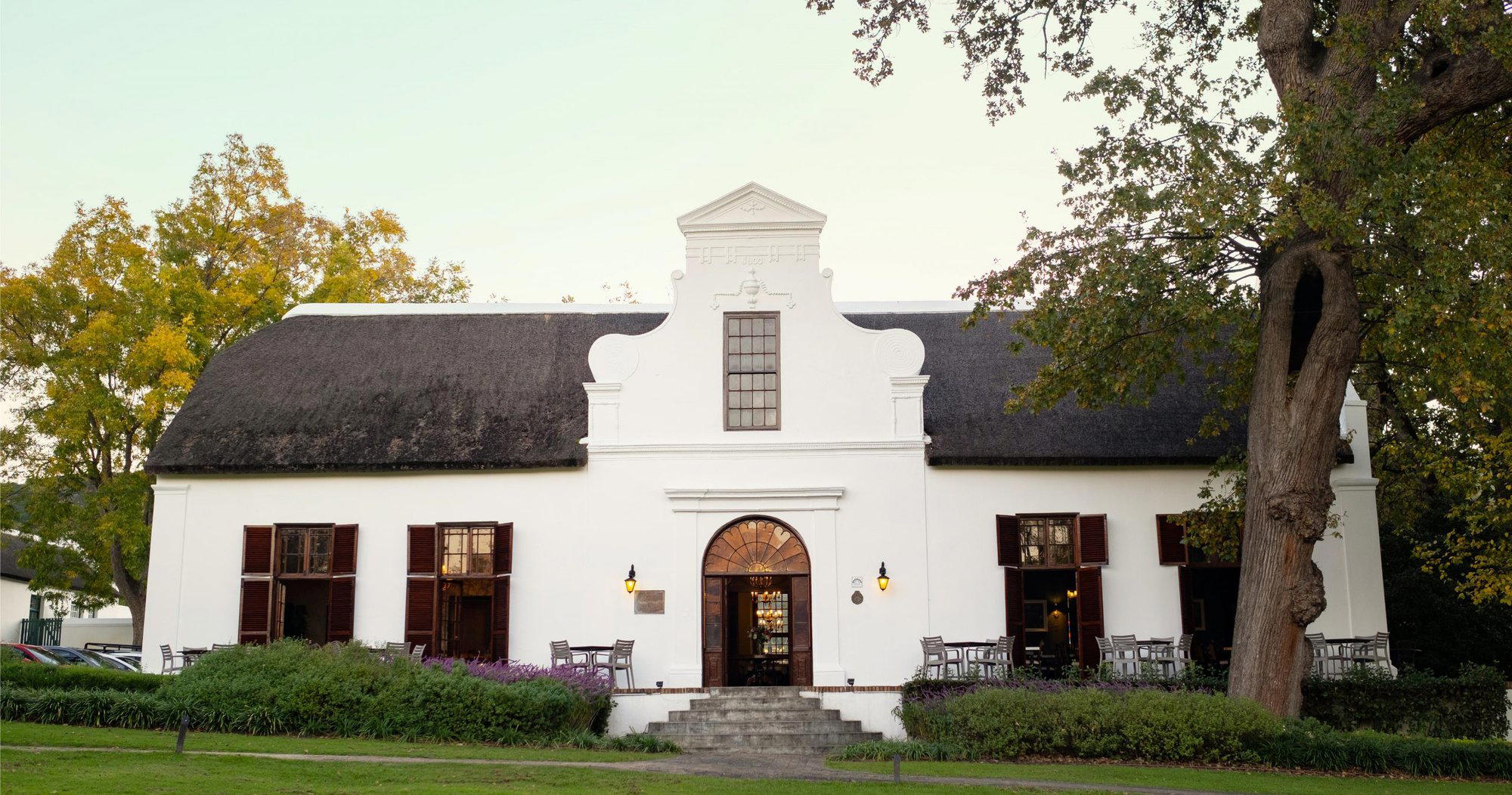
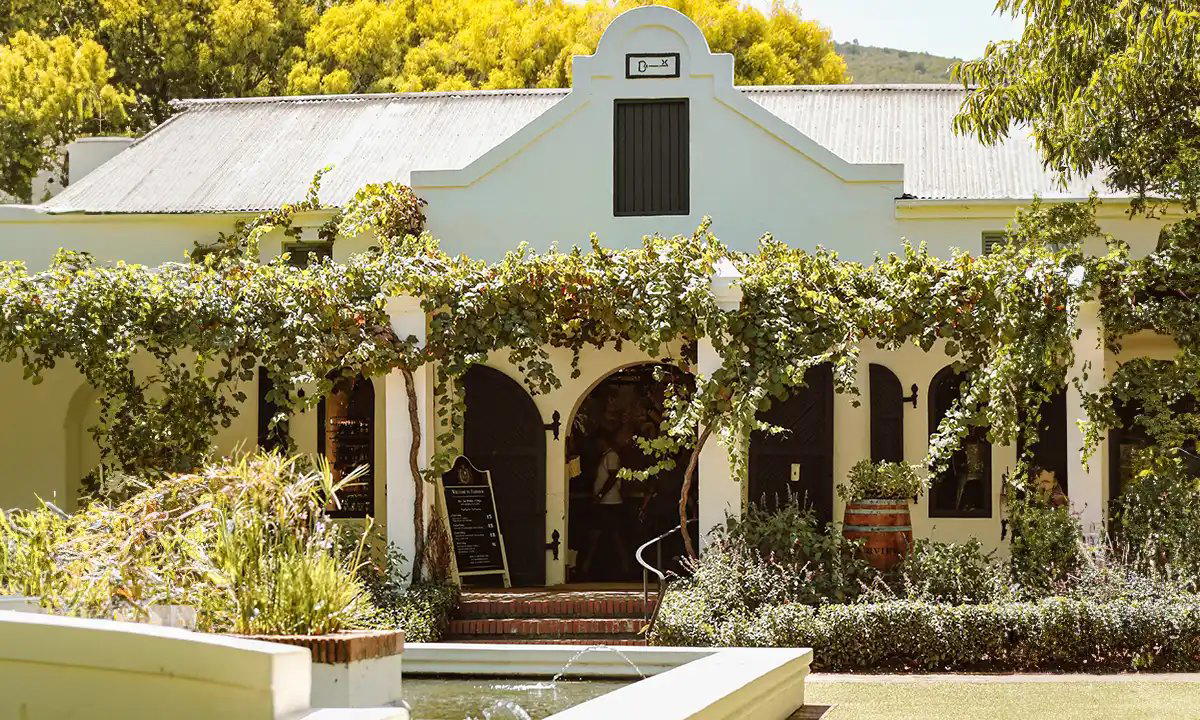
Restaurants in Swartland
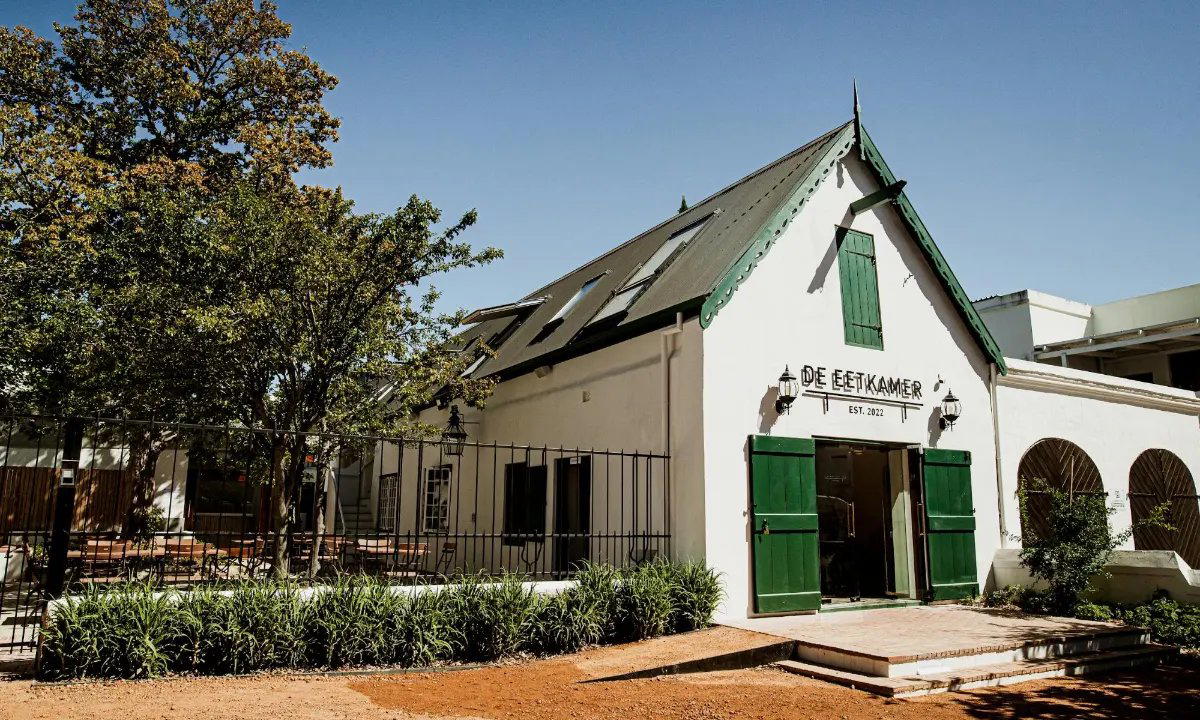
Browse all →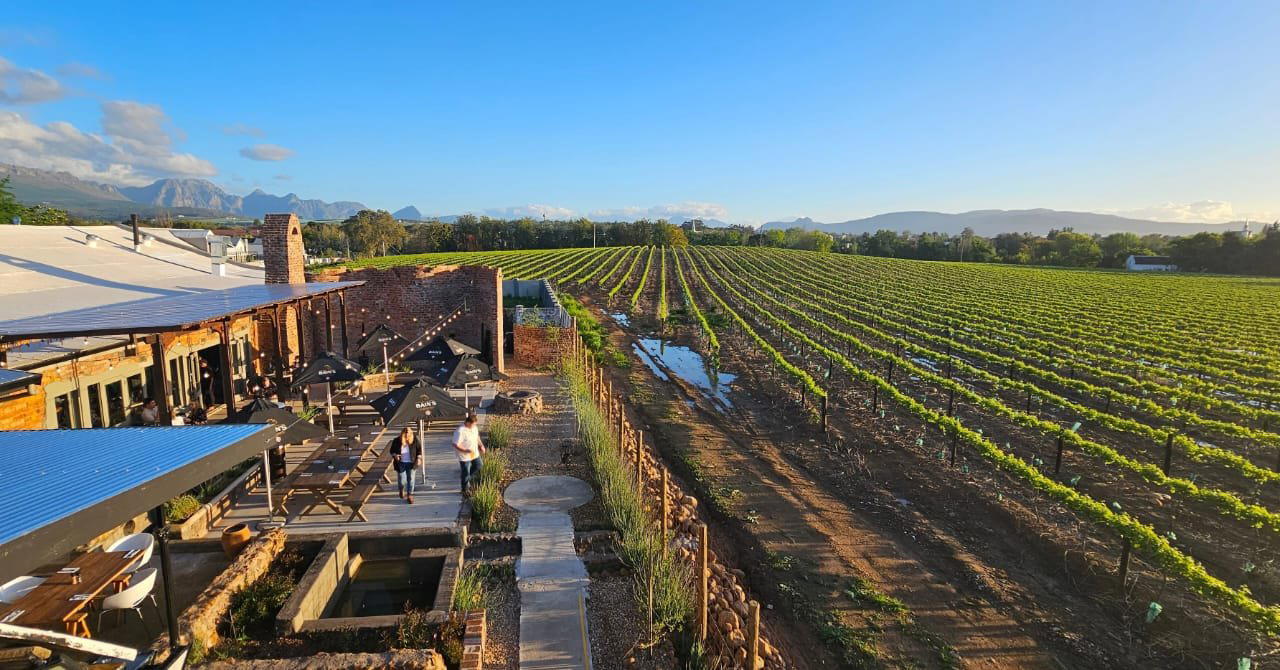
Details
- Rustic
- Scenic
- Cozy
- Historic
- Wine Education
- Group Outing
- Family
- Vineyard Tour
- Estate Grounds
- Terrace
- Picnic Area
- Mountain
- Vineyard
- Shiraz
- Chardonnay
- Merlot
- Sauvignon Blanc
- Grenache
- Mourvedre
- Carignan
- Chenin Blanc
- Pinotage
- Still Red
- Still White
- Sparkling
- Wine Tasting
- Olive Tasting
- Wine And Olive Pairing
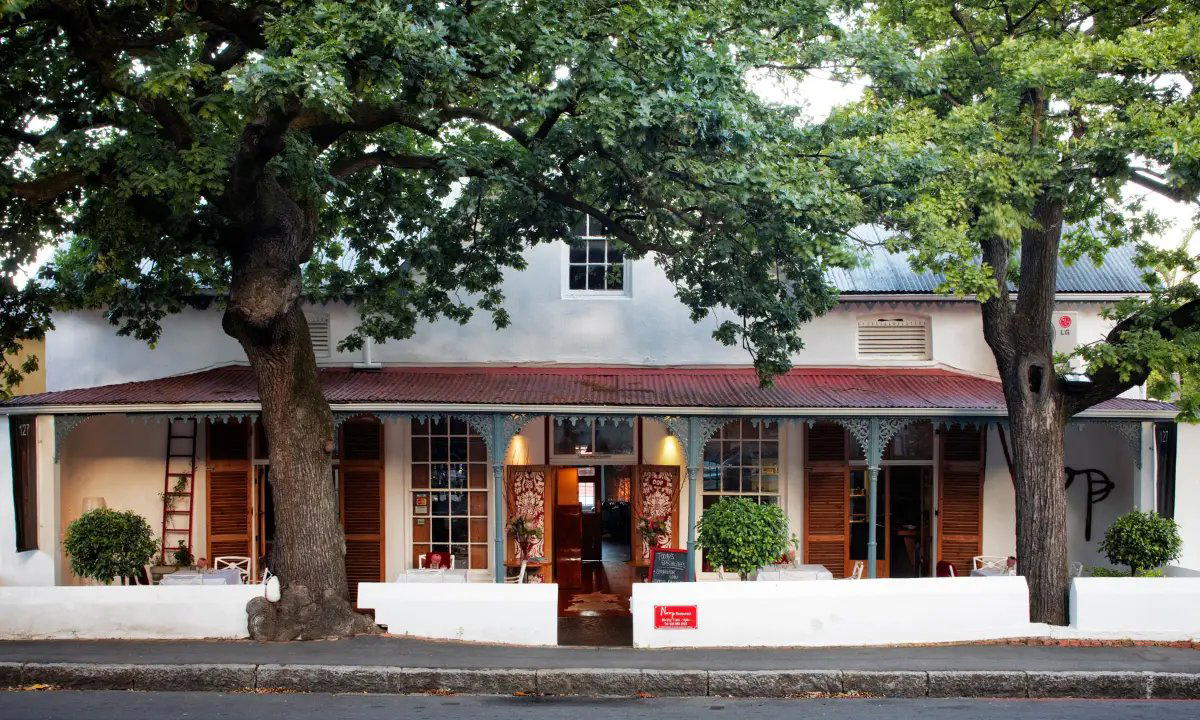
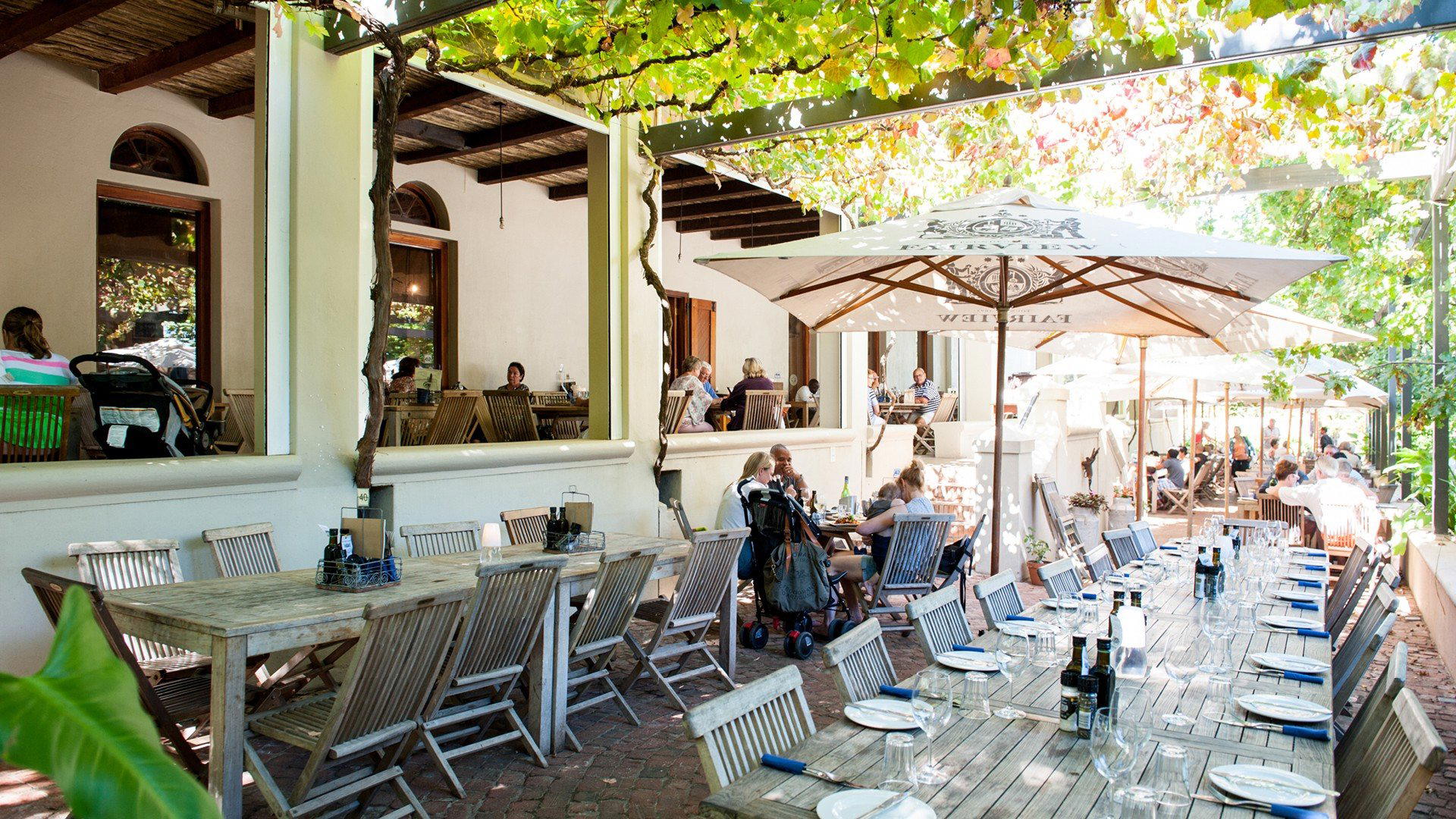
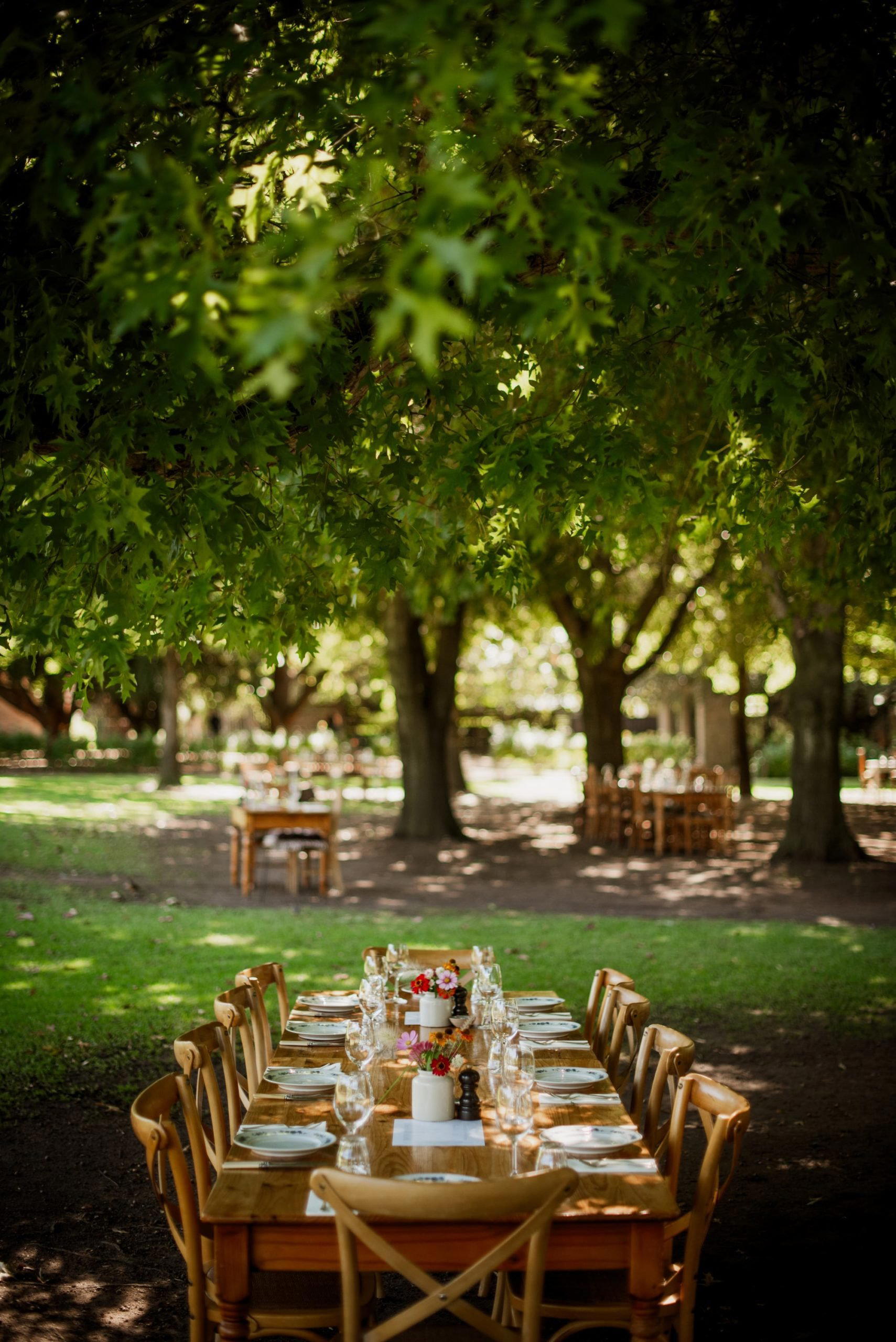
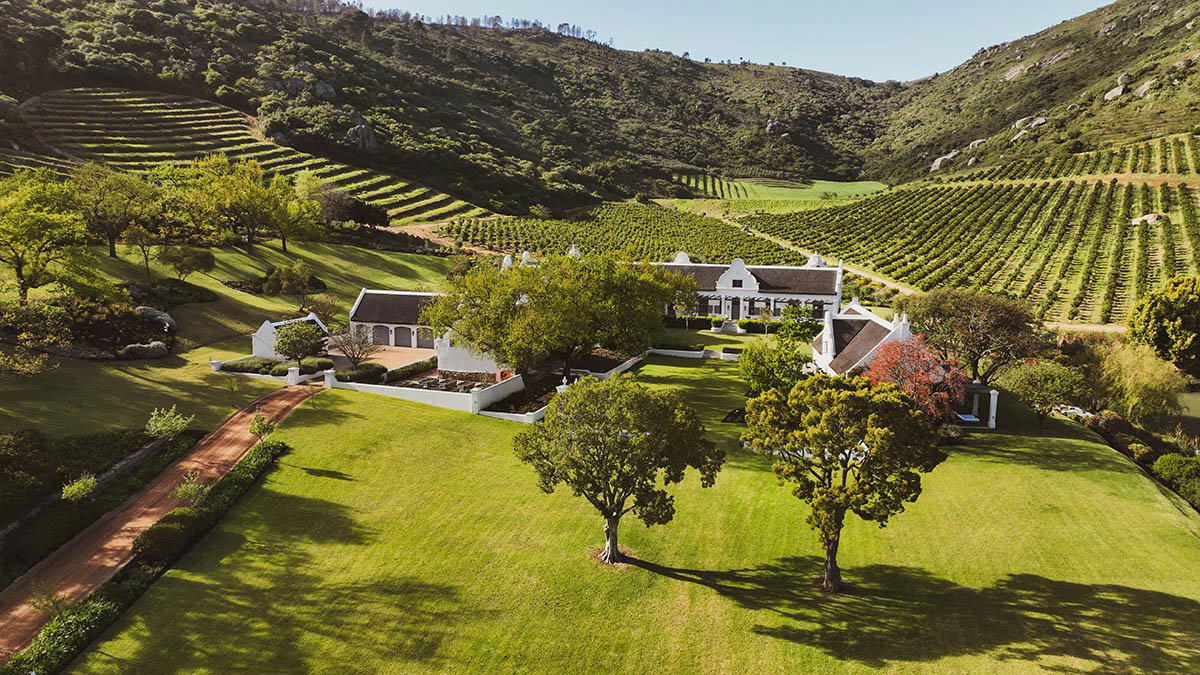
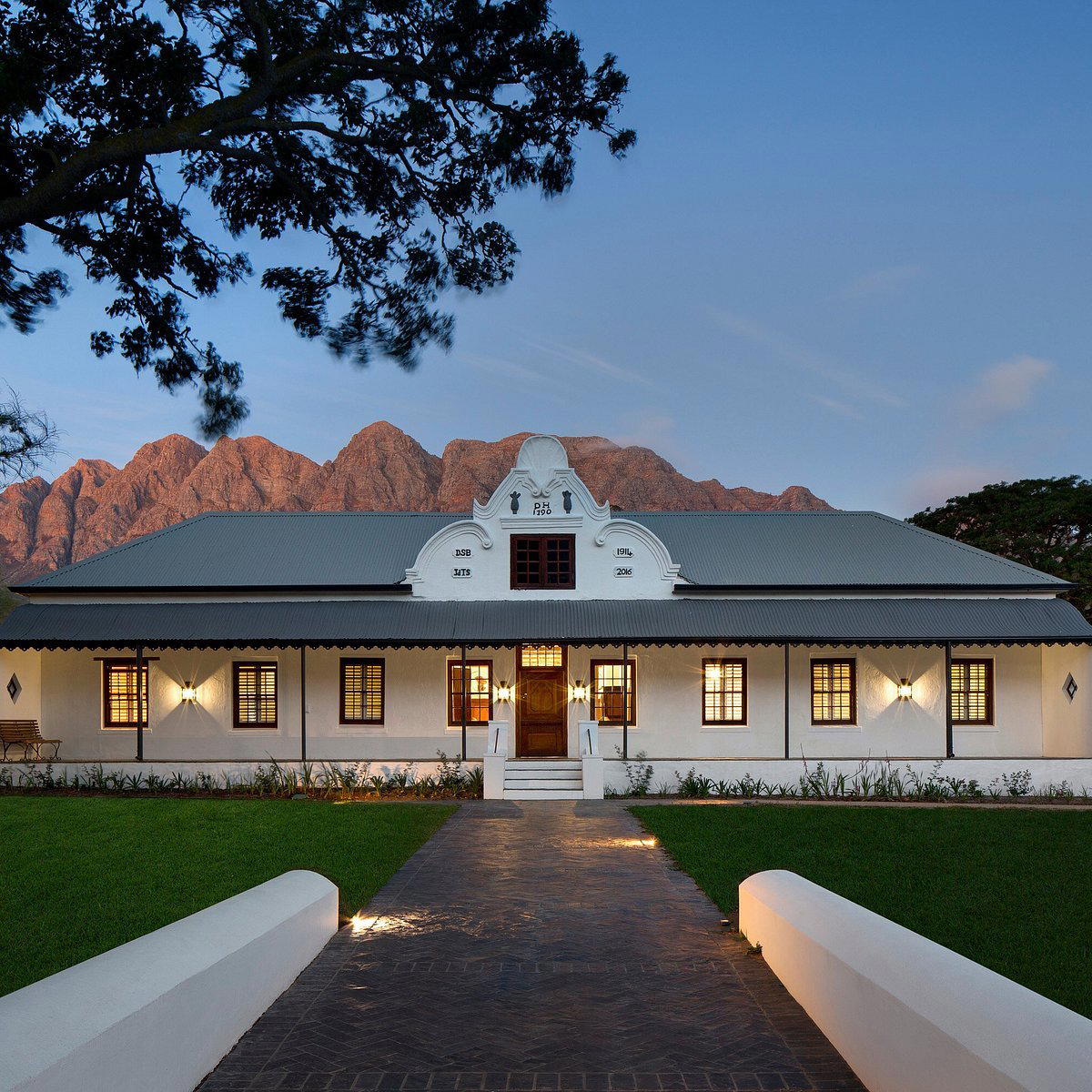
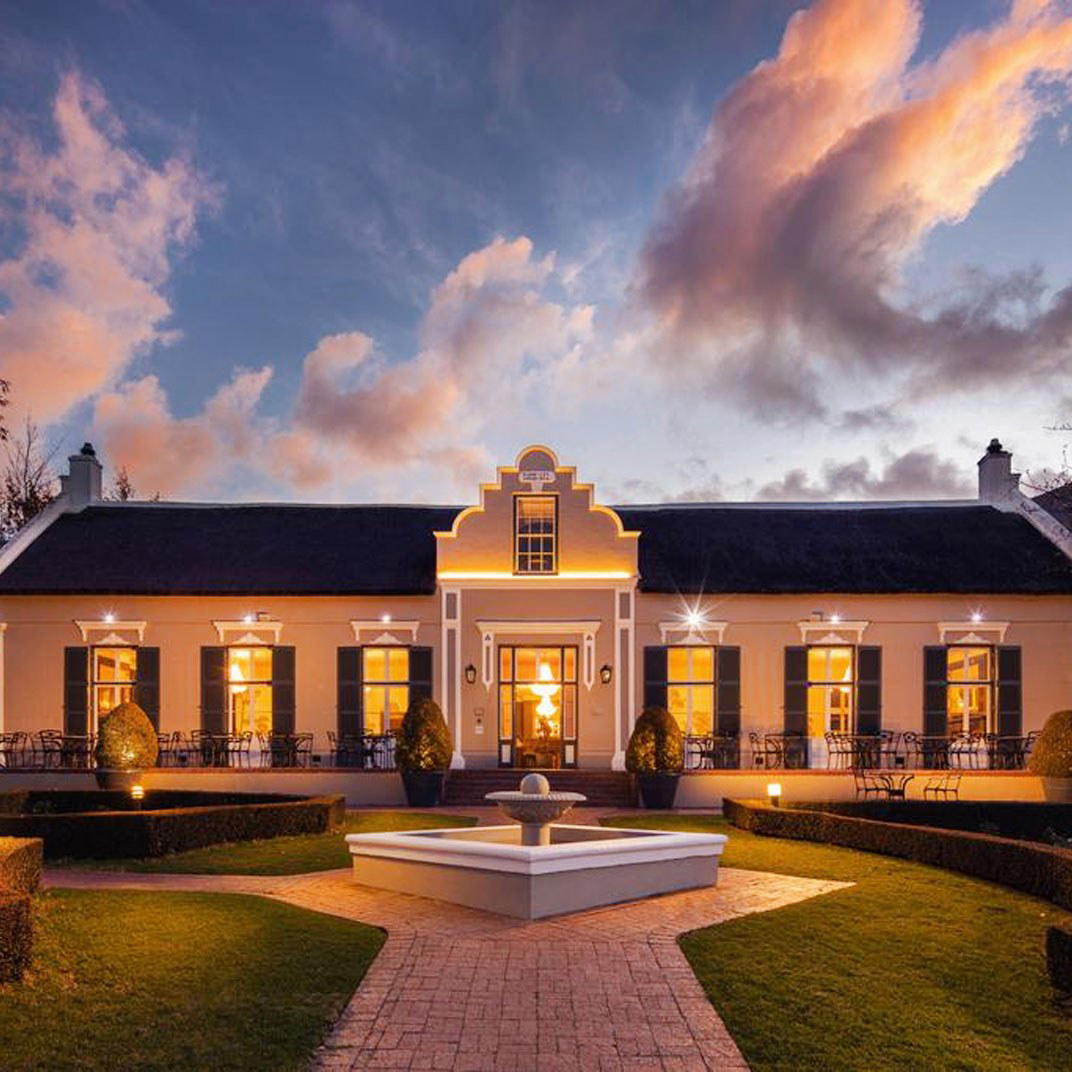
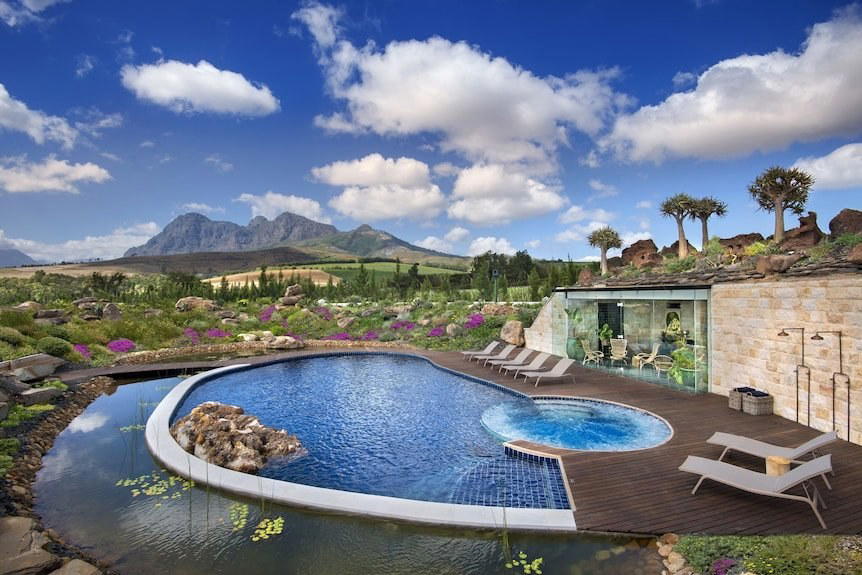
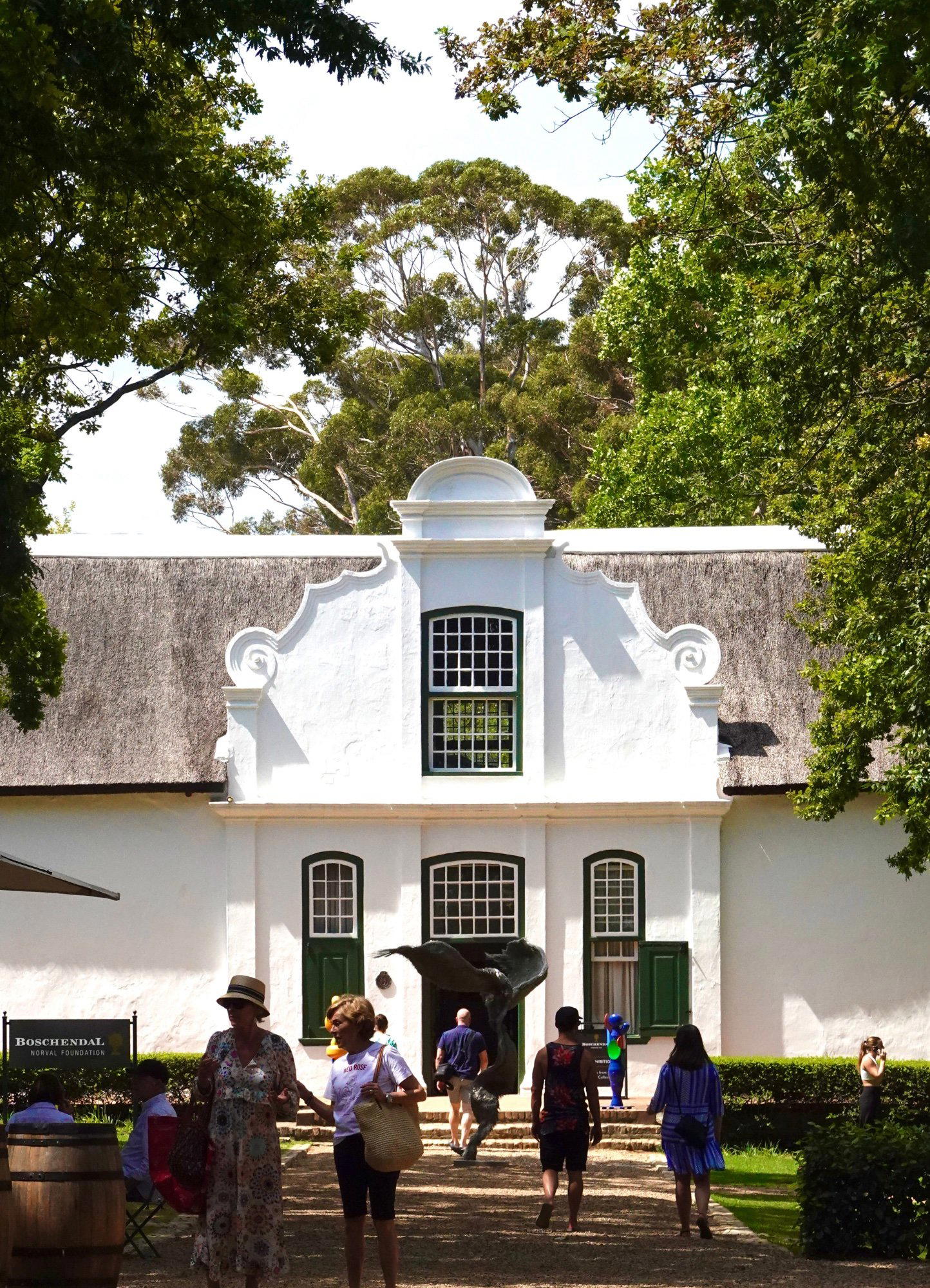
Relaxed and authentic with shaded outdoor seating under century-old oaks, offering picturesque mountain and vineyard views in a cool, quiet cellar atmosphere.