The Table at De Meye
Set on De Meye Farm along Muldersvlei Road outside Stellenbosch, The Table at De Meye is a farm-dining address that draws on the Western Cape's long tradition of estate hospitality. The setting places it firmly within the winelands' quieter, more agricultural tier, closer to the soil than to the polished dining rooms of the Franschhoek valley, and more deliberately intimate for it.
Pearl is the En Primeur Club membership app — saves, bookings, and concierge access live there. Same editors, same standards.
- Address
- De Meye Farm Muldersvlei Road Klapmuts, Stellenbosch, 7600, South Africa
- Phone
- +27 72 696 0530
- Website
- thetablerestaurant.co.za
- Directions
- Get directions
 Saves & bookings on Pearl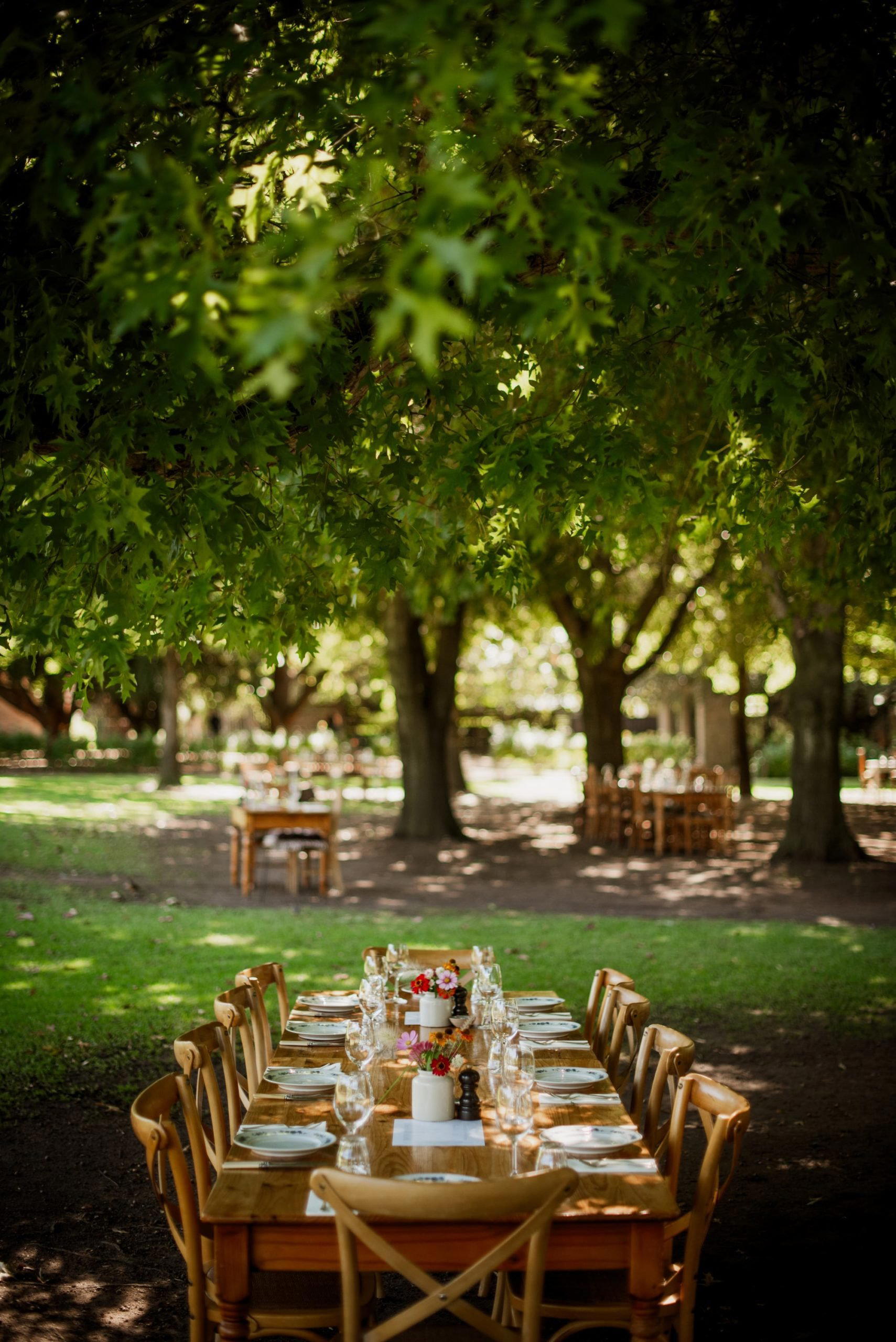
Where the Winelands Go Quiet
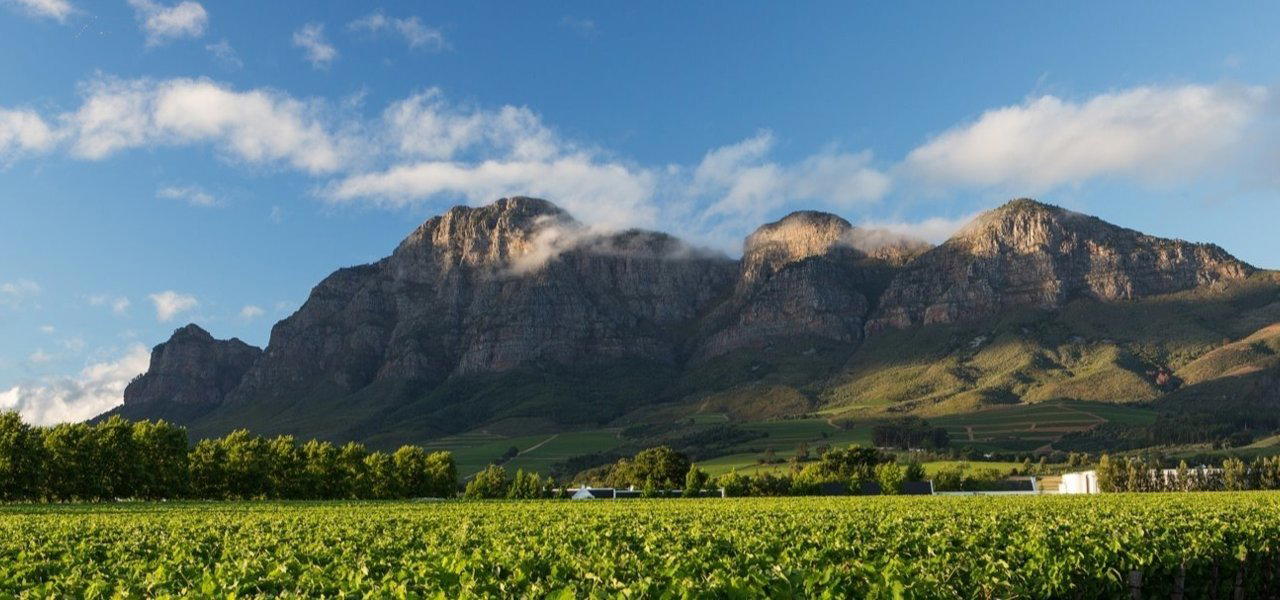
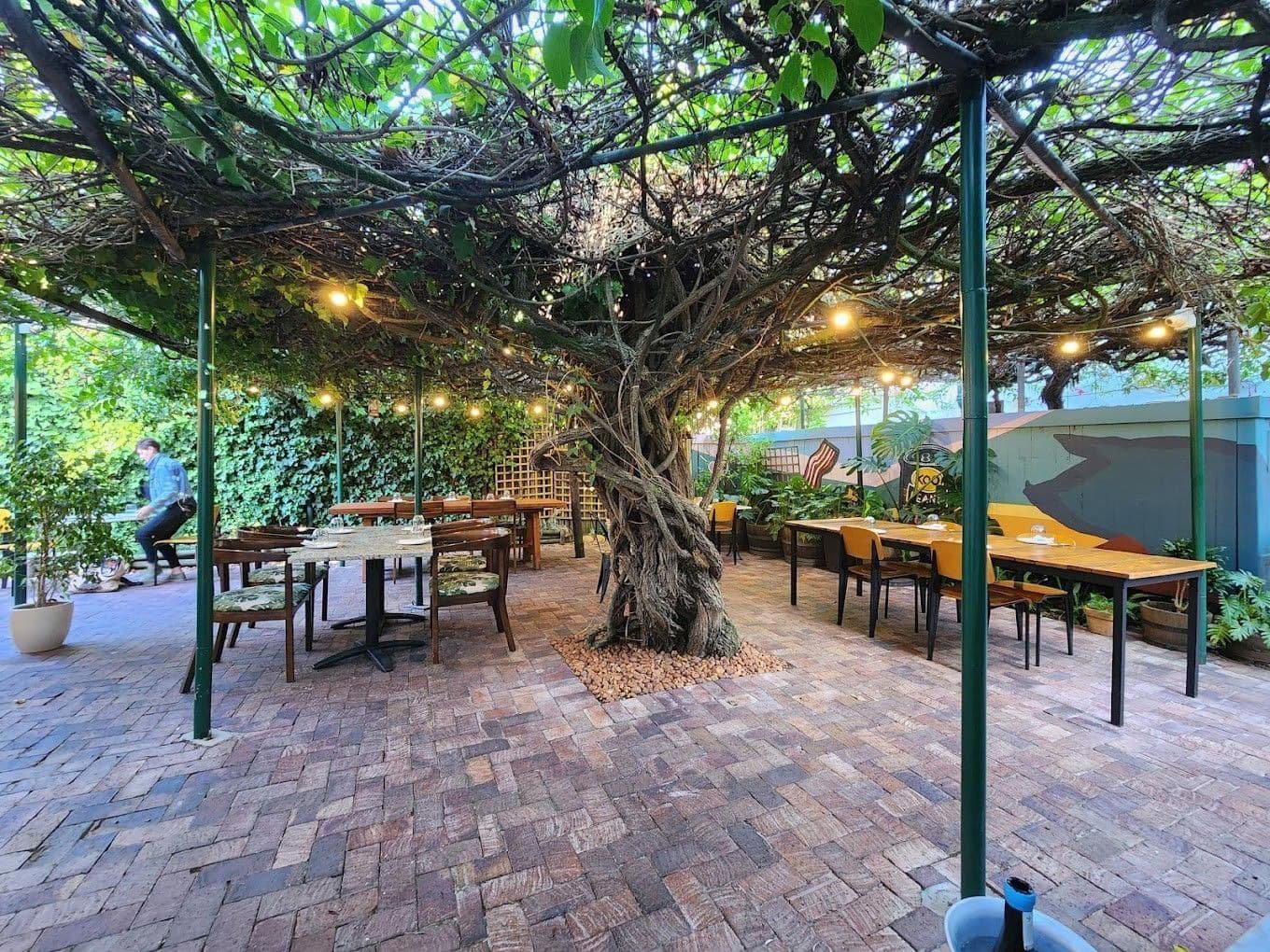
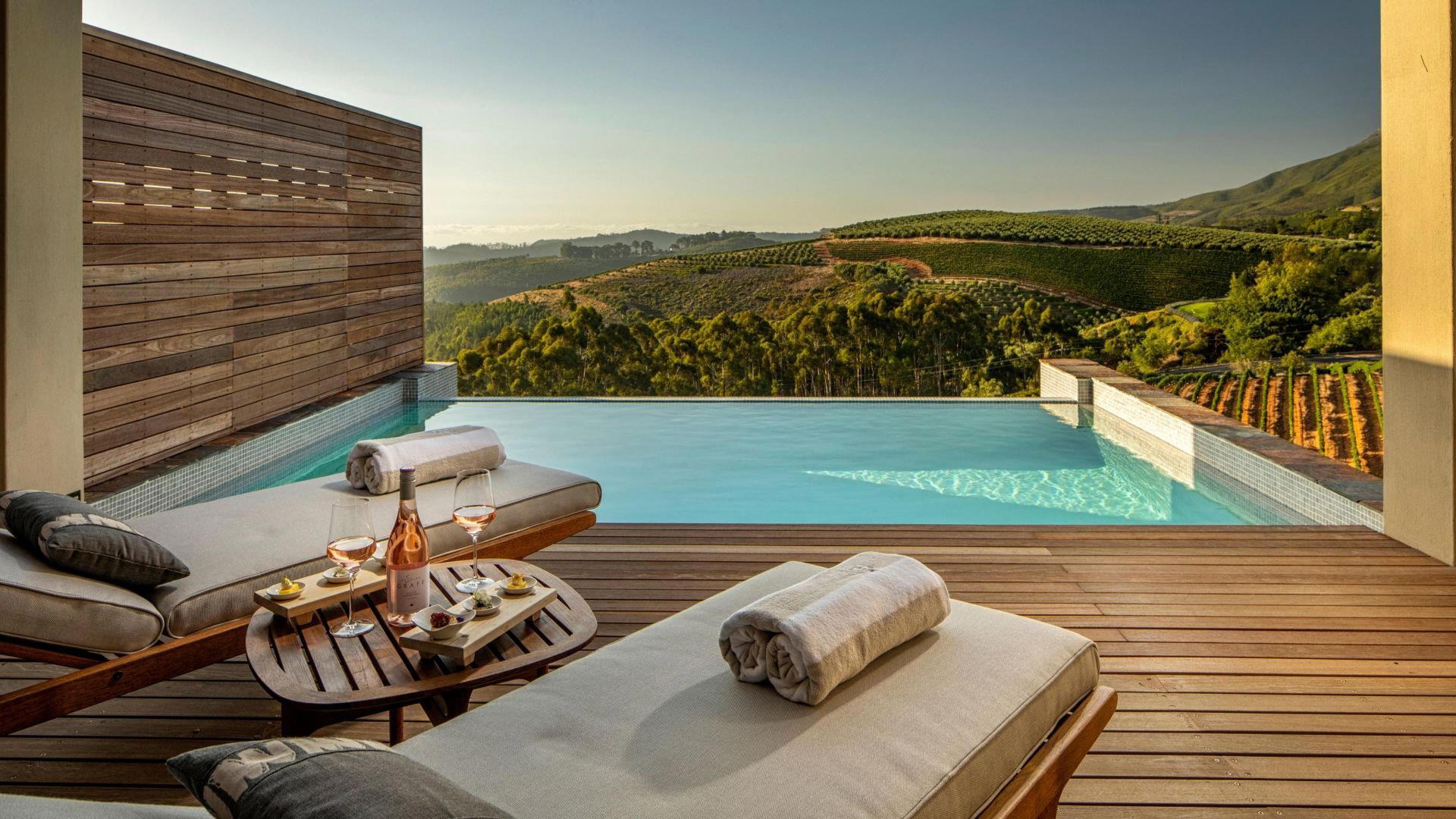
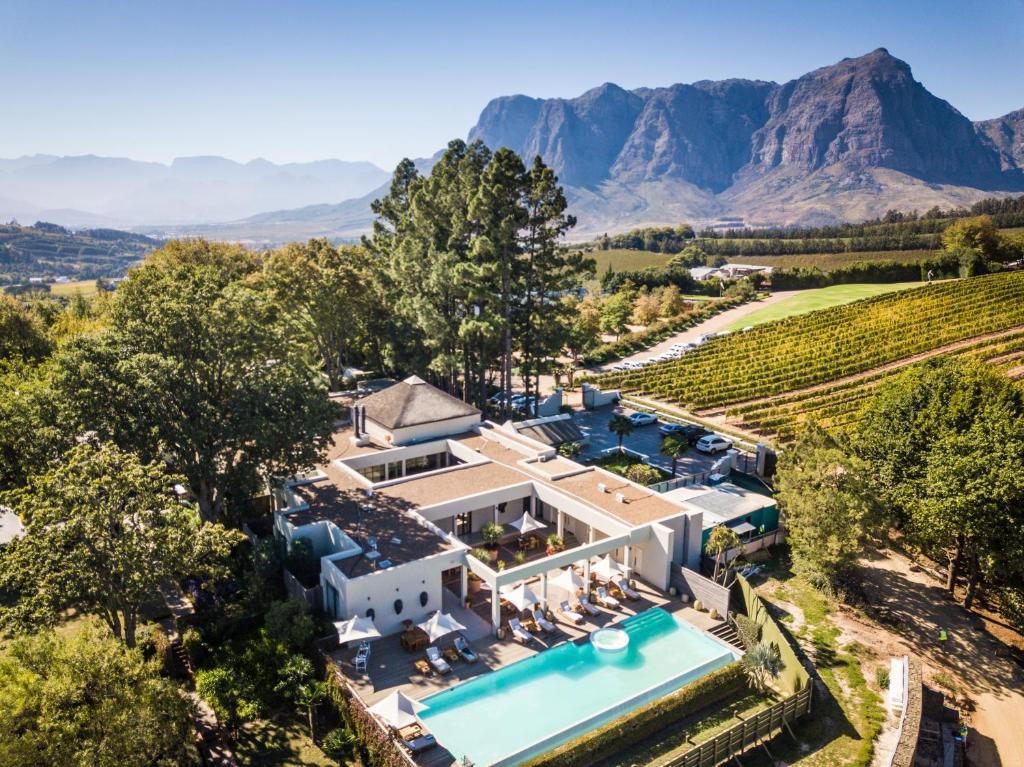
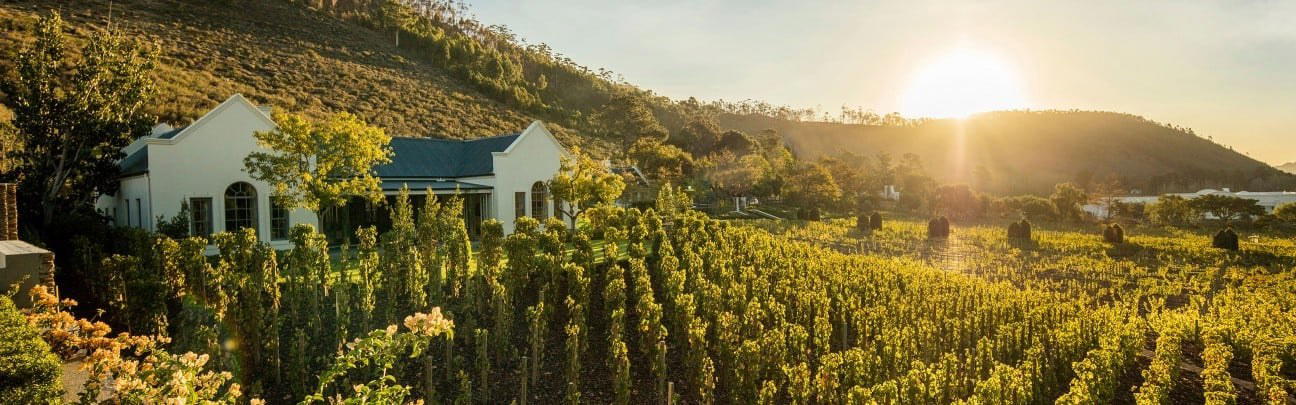
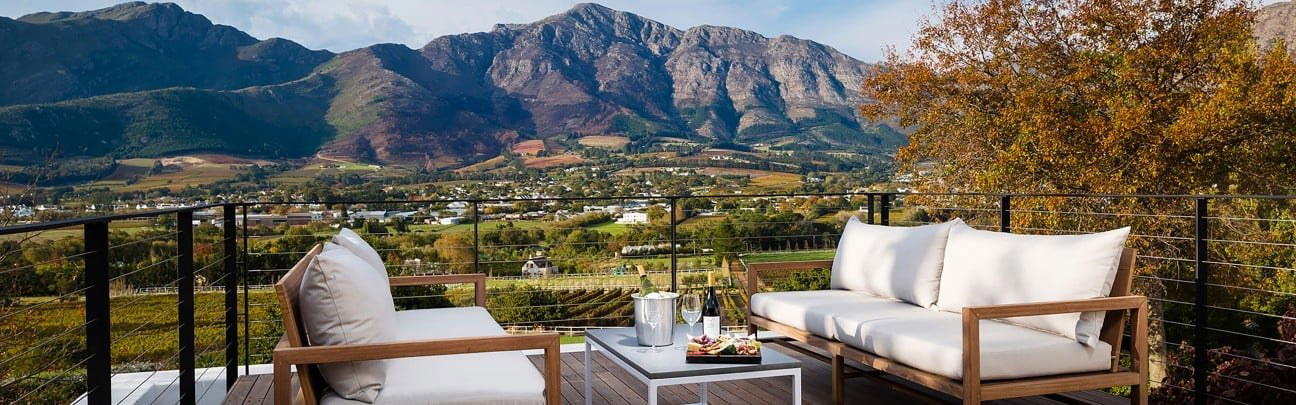
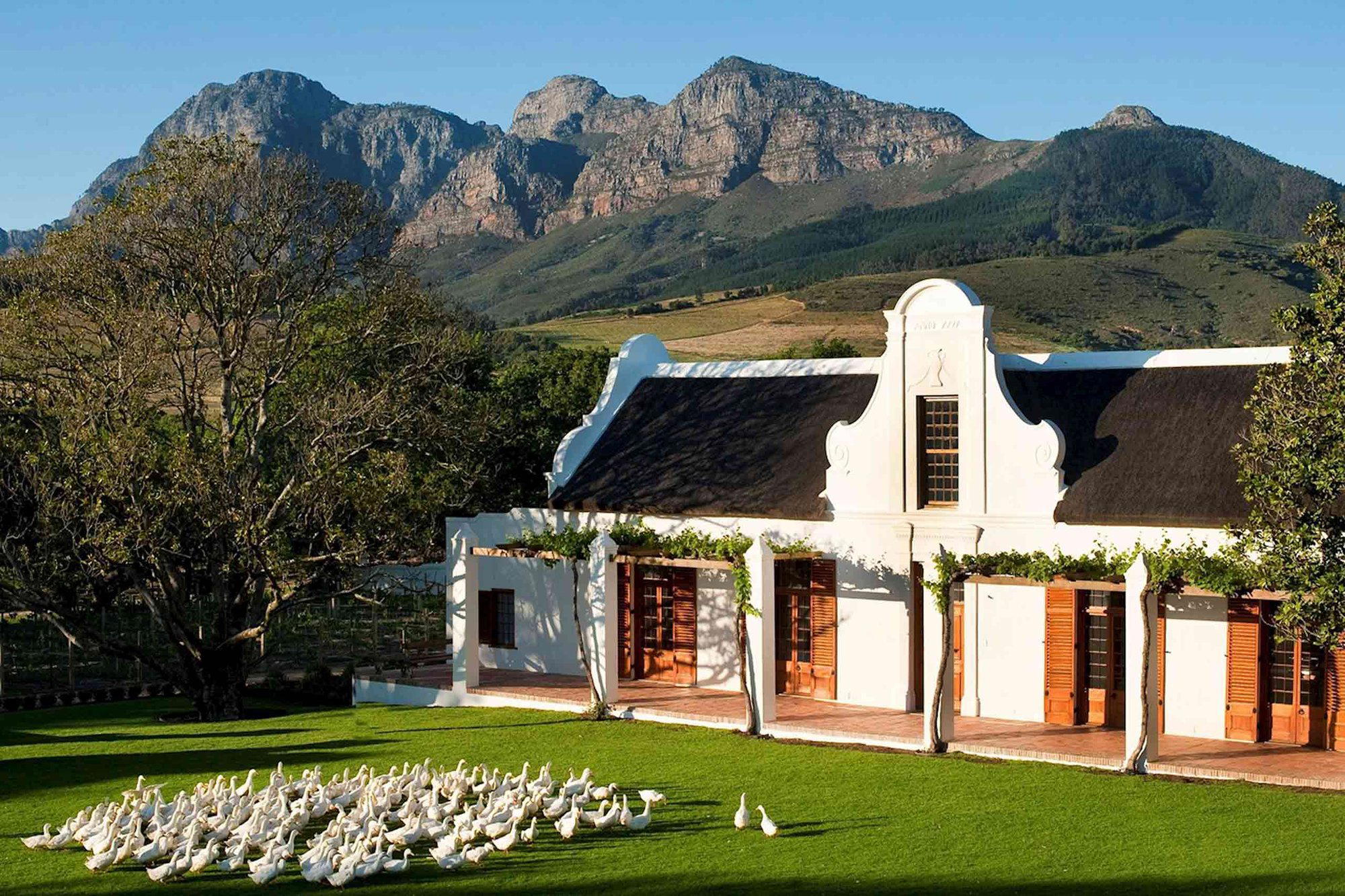
Drive out along Muldersvlei Road toward Klapmuts and the landscape shifts. The suburban edge of Stellenbosch gives way to open farmland, and De Meye Farm arrives without fanfare, a working estate where viticulture and hospitality share the same unhurried tempo. The Table at De Meye occupies this agricultural register deliberately. There is no grand arrival sequence, no valet choreography. What you encounter instead is the particular quiet of a Cape winelands farm in the middle of a weekday morning or a Saturday stretched into afternoon: birdsong, the smell of turned earth, and a dining room that feels constructed around the view rather than in spite of it.
The Table at De Meye is a farm-to-table restaurant in Klapmuts, near Stellenbosch. The Stellenbosch and Paarl corridors have long supported two distinct modes of estate hospitality: the polished, destination-restaurant model, where the kitchen competes on equal terms with any fine-dining address in Cape Town, and the farm-table tradition, where the primary argument is place, not plate. The Table at De Meye belongs to the second category, and that is not a concession. Farm-to-table dining in the Cape winelands predates the global trend by decades, rooted in the practical reality that estates here have always grown their own produce alongside their vines. The meal is, in that context, an extension of the farm itself.
The Farm-Table Tradition in the Western Cape
To understand what the restaurant represents, it helps to map where farm dining sits within the broader Stellenbosch scene. At one end of the spectrum sit restaurants like Eike by Bertus Basson and Dusk, where the ambition is explicitly competitive with national fine-dining conversation. At the other, places like Bread & Wine Vineyard Restaurant have built durable reputations on the premise that an estate vineyard setting, seasonal produce, and honest cooking are argument enough. De Meye sits closer to that latter axis, where the farm is the point and the kitchen serves it, rather than the reverse.
That positioning matters for what you get at the table. Farm-dining addresses in this region tend to anchor their menus to seasonal availability, which means the experience shifts meaningfully across the year. The Cape winelands in harvest season, broadly February through April, carries a different charge than the winter months of June through August, when the vineyards are bare and the light is lower. Both have their advocates. Summer draws visitors who want to eat alongside the activity of harvest; winter regulars often find the quieter pace more conducive to the kind of long, unhurried lunch that this format rewards.
Atmosphere and Setting: The Physical Argument
Farm restaurants in the Cape winelands make their case first through what you see and hear before the food arrives. At De Meye, the setting on Muldersvlei Road places it in the agricultural belt between Stellenbosch and Paarl, less trafficked than the R44 corridor and without the density of estates competing for attention. That relative seclusion shapes the sensory register of the experience. The visual field is open farmland and vineyard rather than manicured estate garden. The acoustic environment is correspondingly quieter.
This is a meaningful distinction from addresses like Boschendal at Oude Bank or Delheim Wine Estate, both of which operate within larger estate infrastructures where the hospitality operation is more extensive. De Meye's scale keeps the interaction closer and the pace more deliberate. Within South Africa's broader dining geography, this farm intimacy is something that the country's most discussed destination restaurants, Wolfgat in Paternoster, Fyn in Cape Town, have each addressed through different means. De Meye's answer is simply the farm itself.
Positioning Within South Africa's Broader Dining Conversation
South African fine dining has undergone a significant shift over the past decade. Addresses in Cape Town, Johannesburg, and outlying regions have drawn increasing international attention, with venues like Le Quartier Français in Franschhoek establishing long-running reputations and newer entries, Foundry in Sandton, Sympathy's Restaurant in Johannesburg, Capito in Pretoria, competing within an increasingly sophisticated national conversation. Against that backdrop, farm-table restaurants in the winelands occupy a quieter but no less legitimate position. They are not competing for the same diner as a tasting-menu destination. They are addressing a different appetite: for place, season, and a meal that belongs unmistakably to where it is served.
That appetite is real and durable. Internationally, farm-dining formats at remote or semi-remote addresses, comparable in some respects to what Lazy Bear in San Francisco achieved with its community-table model, or what highly choreographed destination addresses like Le Bernardin in New York City represent at the opposite end of formality, have proven that the format's staying power depends on integrity of place rather than scale of ambition. De Meye's farm address is its credential.
Safari lodge dining in South Africa, at addresses like Silvan Safari Lodge in Kruger or Londolozi Game Reserve, has similarly built its reputation on the primacy of place over culinary bravura. The logic is the same: the setting earns the meal its meaning. Cape coastal farm dining, as practiced at places like Wolfgat in Saldanha Bay, operates from identical premises. De Meye belongs to this tradition.
Planning Your Visit
De Meye Farm sits on Muldersvlei Road, Klapmuts, within the broader Stellenbosch municipality, closer to Paarl than to the town of Stellenbosch itself, which takes roughly 15 to 20 minutes by car depending on your route. Visitors driving from Cape Town will find it accessible via the N1 toward Paarl, turning off before reaching the town. Because farm restaurants in this tier tend to operate on limited sittings and do not always maintain standard restaurant hours across every day of the week, confirming availability in advance is advisable rather than optional. The farm-table format at addresses of this kind typically rewards a Saturday lunch visit, when the pacing of the Cape winelands is at its most unhurried and the surrounding estate activity provides context for what arrives at the table.
Peers You’d Cross-Shop
Comparable venues nearby, for context on price, style, and recognition.
| Venue | Cuisine | Price | Notes |
|---|---|---|---|
| The Table at De MeyeThis venue — the venue you are viewing | Farm-to-Table Sharing | $$$ | Not listed |
| Waterford Estate | Modern South African Fine Dining with Global Salting Techniques | $$$ | Stellenbosch |
| Eike by Bertus Basson | Modern South African Fine Dining | $$$$ | Dorp Street |
| Tokara Restaurant | Contemporary South African Farm Cuisine | $$$ | Helshoogte Pass, Stellenbosch |
| The Trumpet Tree | Casual Social Café | $$ | Stellenbosch Town Centre |
Continue exploring
More in Stellenbosch
Restaurants in Stellenbosch
Browse all →
Bars in Stellenbosch
Browse all →
Hotels in Stellenbosch
Browse all →
At a Glance
- Rustic
- Scenic
- Cozy
- Romantic
- Intimate
- Special Occasion
- Date Night
- Group Dining
- Garden
- Terrace
- Extensive Wine List
- Farm To Table
- Local Sourcing
- Vineyard
- Garden
Current opening hours
- Monday
- Closed
- Tuesday
- 12–5 PM
- Wednesday
- 12–5 PM
- Thursday
- 12–5 PM
- Friday
- 12–5 PM
- Saturday
- 12–5:30 PM
- Sunday
- 12–5:30 PM
Hours can change for holidays and private events. Last verified .
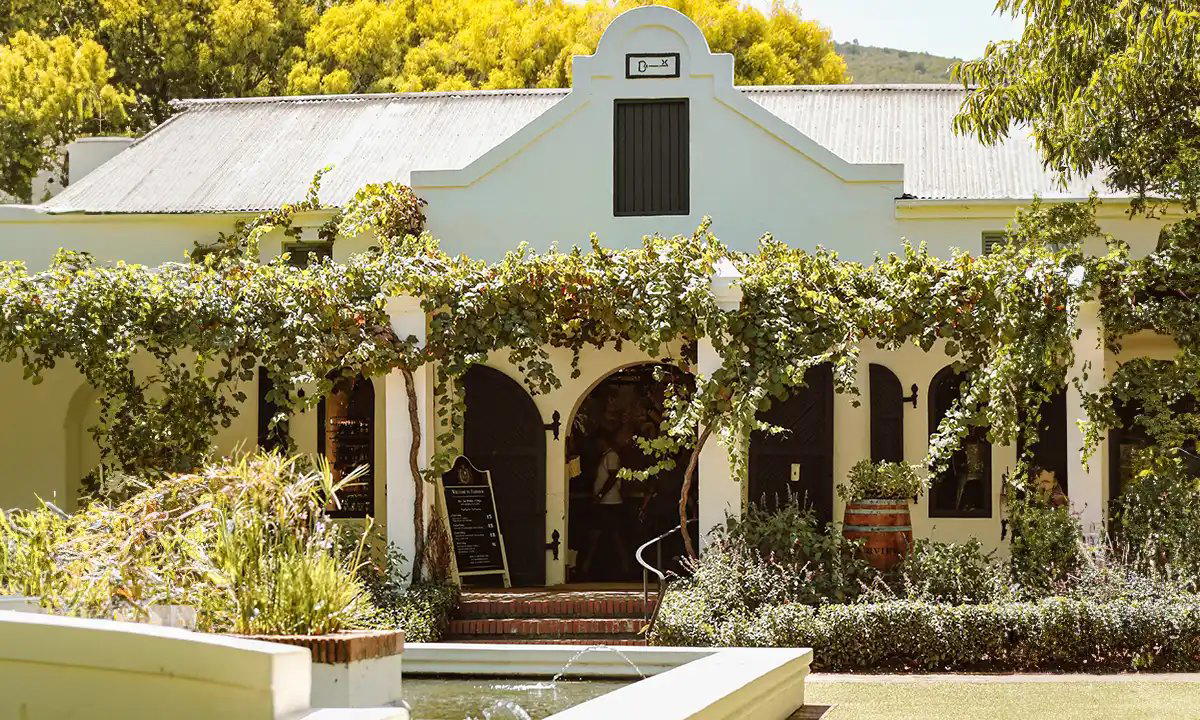
Relaxed country estate atmosphere with shaded oak tree seating in summer and cozy fireplace indoors in winter.