Kay Brothers
One of McLaren Vale's oldest family estates, Kay Brothers has held its ground on Kays Road since the nineteenth century. The property sits within a region defined by old-vine Shiraz and iron-rich soils, placing it in the tier of producers whose vineyards carry genuine generational depth. Visit for a tasting experience anchored in estate history and the kind of wine longevity that only comes from decades of single-site commitment.

Pearl is the En Primeur Club membership app — saves, bookings, and concierge access live there. Same editors, same standards.
- Address
- 57 Kays Rd, McLaren Vale SA 5171
- Phone
- +61 8 8323 8211
- Website
- kaybrothers.com.au
- Directions
- Get directions
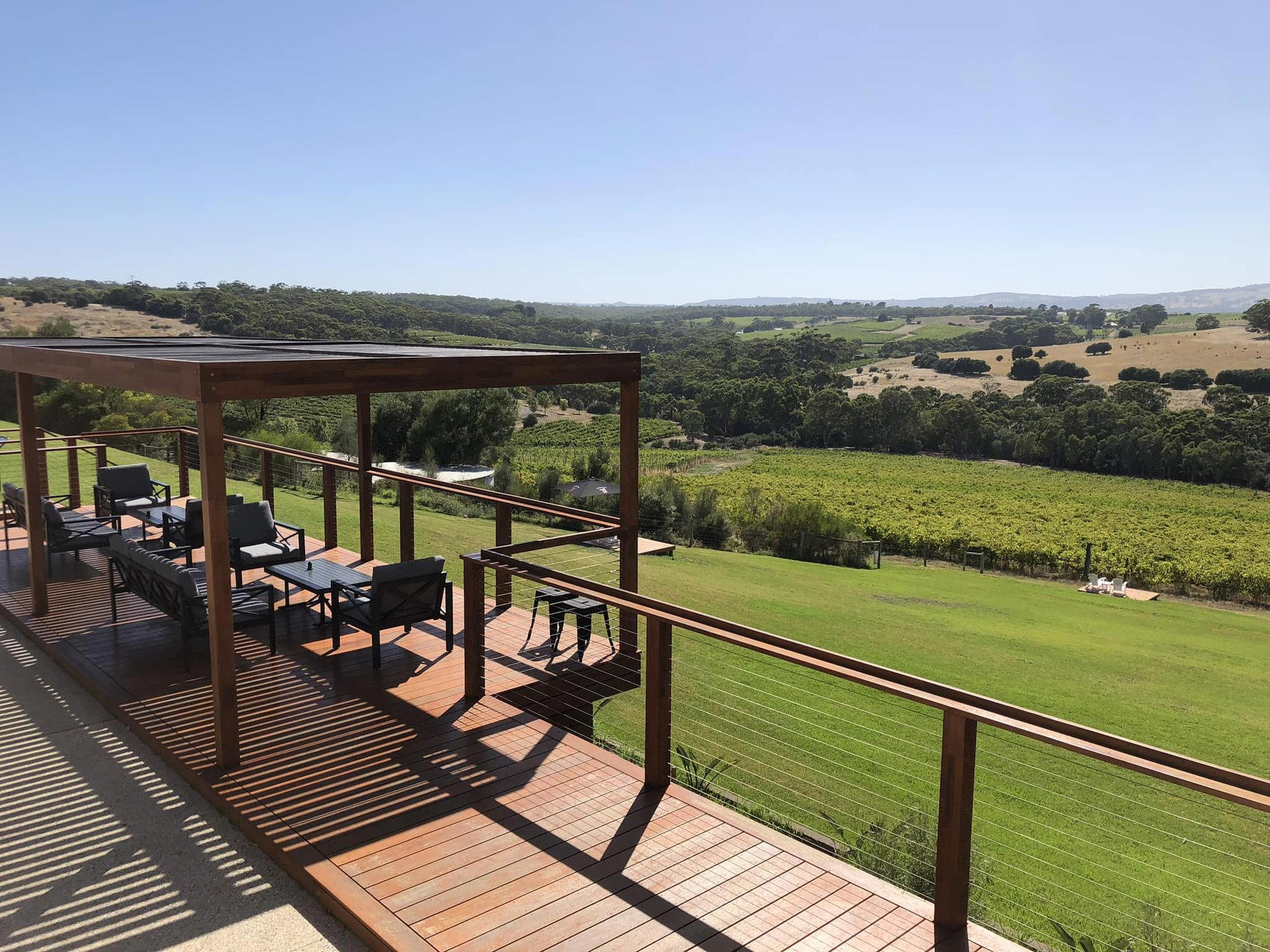
Old Vines, Long Shadows: Kay Brothers in McLaren Vale
The road into McLaren Vale from the north drops through undulating hills where the soil shifts from sandy loam to the region's characteristic ironstone and ferruginous gravel. By the time you reach Kays Road, the canopy thickens and the sense of age becomes tangible. This is not a district that ages gracefully by accident. McLaren Vale's identity as one of Australia's most serious red-wine regions rests on a foundation of old plantings, maritime influence from the nearby Gulf St Vincent, and a handful of estates whose tenure predates the modern Australian wine industry by generations. Kay Brothers sits within that longer frame.
In a region where producers like d'Arenberg and Hardys (Tintara) command international attention and newer estates such as Bondar Wines build reputation on terroir-focused precision, Kay Brothers occupies a distinct position: a multi-generational family operation whose value lies less in marketing scale than in the quiet accumulation of site knowledge.
What the Soils Tell You
McLaren Vale's geological complexity is one of the region's defining characteristics. Within a relatively compact area, the subsoils shift from ancient marine sediments to Permian-era glacial deposits, creating vineyard blocks that behave differently even when planted metres apart. This variation rewards patient, site-specific viticulture far more than it rewards industrial uniformity. Estates that have worked the same blocks across multiple generations carry an accumulated understanding of these shifts that cannot be fast-tracked.
The broader Australian wine conversation has moved decisively toward this kind of provenance-led thinking over the past decade. Where volume and fruit-forward accessibility once defined the commercial benchmark, the critical and collector markets have reoriented around old vines, low-intervention cellaring, and the capacity of specific sites to produce wines with genuine aging potential. Kay Brothers' position at 57 Kays Rd places it within a cluster of Blewitt Springs-adjacent blocks known for their refined position and free-draining soils, conditions that produce naturally concentrated fruit without the overripe weight that warmer Valley floor sites can generate.
Sustainability as Inherited Practice
The sustainability conversation in premium wine regions tends to bifurcate between two camps: producers who have adopted organic or biodynamic certification as a market-facing credential, and those for whom low-intervention practice is simply a continuation of how the land has always been managed. The distinction matters. Certified programs from estates like Gemtree Wines and Dandelion Vineyards in McLaren Vale demonstrate that formal accreditation is achievable across varied production scales, and the region now has a coherent sustainability identity that it did not possess a generation ago.
Family-owned estates with long histories often approach soil health, water management, and biodiversity from a pragmatic rather than ideological position. The logic is direct: land that has been in continuous family ownership for well over a century carries an incentive structure that short-term commercial operators do not share. Maintaining soil biology, managing vine stress carefully through dry-farmed or minimally irrigated practices, and avoiding chemical inputs that degrade long-term productivity are decisions that compound across decades. Whether formally certified or not, this constitutes a form of regenerative commitment that is harder to replicate than any label designation. Across Australia, comparable multi-generational estates such as Leading's Wines in Great Western and All Saints Estate in Rutherglen demonstrate the same pattern: longevity enforces a kind of environmental discipline that certification programs aim to codify from the outside.
Kay Brothers Within McLaren Vale's Competitive Tier
The distinction between McLaren Vale and Barossa has sharpened over recent years: where Barossa produces the valley-floor power of older Grenache and Shiraz with maximum concentration, McLaren Vale's maritime cooling and higher-elevation sites allow for greater structural tension, longer aging curves, and a mineral quality that collectors increasingly prize.
The rating is not an entry-level acknowledgment; at this level, producers are assessed against international benchmarks, and a two-star prestige outcome reflects consistent performance across vintages rather than a single exceptional release. For a family estate of this age, vintage consistency is itself an argument: the ability to maintain quality across the cool 2021 vintage, the heat-stressed 2019, and the more balanced conditions of preceding years speaks to a cellar and viticulture program that manages variation rather than depending on favourable weather.
Visiting the Estate
Cellar door visits in McLaren Vale follow a broadly similar model: tasting rooms set against vineyard views, with appointment-preferred or walk-in policies depending on the season. The period from September through April draws the highest visitor density as vintage activity and warmer temperatures bring both wine tourists and trade visitors to the region. Weekdays outside the summer peak offer more access and more time with estate staff. Kays Road itself sits within the Blewitt Springs sub-zone, a short drive from the McLaren Vale township where accommodation, restaurants, and connections to the broader McLaren Vale dining and wine scene are concentrated.
For visitors building a regional itinerary, Kay Brothers pairs logically with Bondar Wines and Dandelion Vineyards for a tasting sequence that moves from newer-generation precision to older-generation depth. Beyond McLaren Vale, comparable family-owned Australian estates worth mapping onto a wider itinerary include Angove Family Winemakers in Renmark, Bird in Hand in Adelaide Hills, and Bass Phillip in Gippsland, each representing a different facet of the Australian estate model.
For those whose wine travel extends beyond the domestic circuit, the estate model Kay Brothers represents has clear international analogues. The combination of single-family ownership, old-vine material, and site-specific knowledge that defines producers like Accendo Cellars in St. Helena or the craft spirit producers working a similar philosophy, such as Archie Rose Distilling Co in Sydney and Blue Pyrenees Estate in Pyrenees, demonstrates that the tension between heritage and contemporary precision is a theme across the entire Australian premium drinks sector, not a McLaren Vale-specific phenomenon. Kay Brothers, measured against that broader frame, represents the argument for continuity over reinvention.
Accolades, Compared
Comparable venues nearby, for context on price, style, and recognition.
| Venue | Cuisine | Price | Awards | Notes |
|---|---|---|---|---|
| Kay BrothersThis venue — the venue you are viewing | Shiraz, Grenache | Not listed | Not listed | Not listed |
| Oliver's Taranga | Shiraz, Grenache | $20–30 | Not listed | McLaren Vale |
| Mitolo Wines | Shiraz, Cabernet Sauvignon | $50–100 | Falstaff Winery - Listed | McLaren Vale |
| S.C. Pannell | Grenache, Shiraz | Not listed | Falstaff Winery - Listed | McLaren Vale |
| Bondar Wines | Shiraz, Grenache | Not listed | Not listed | McLaren Vale |
| Koomilya | Shiraz, Cabernet Sauvignon | Not listed | Not listed | McLaren Vale |
Continue exploring
More in McLaren Vale
Wineries in McLaren Vale
Browse all →
Bars in McLaren Vale
Browse all →
Restaurants in McLaren Vale
Browse all →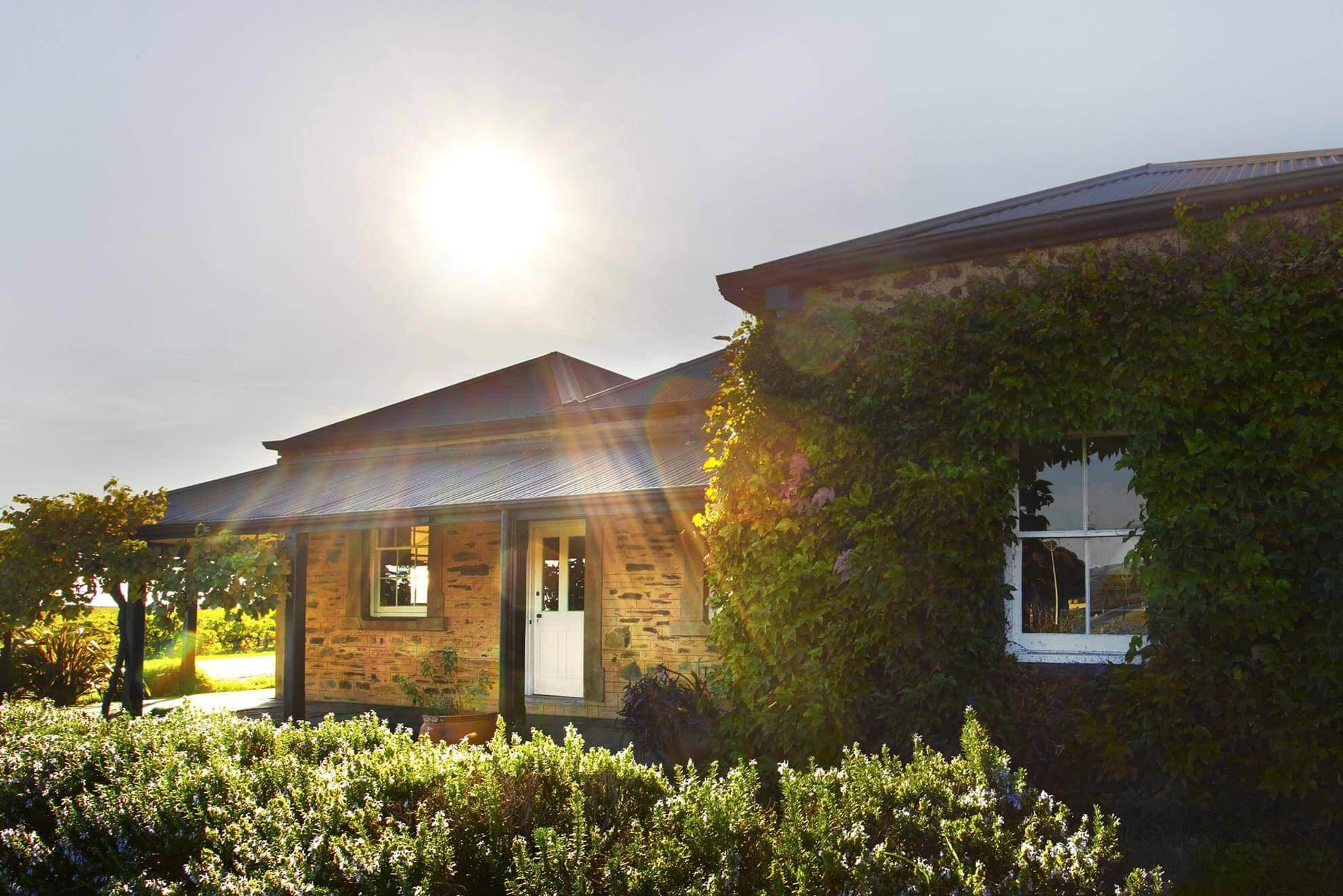

Details
- Rustic
- Classic
- Scenic
- Well Known
- Wine Education
- Solo Exploration
- Group Outing
- Vineyard Tour
- Historic Building
- Panoramic View
- Estate Grounds
- Sustainable
- Vineyard
- Mountain
- Shiraz
- Grenache
- Cabernet Sauvignon
- Mataro
- Fiano
- Merlot
- Nero D’avola
- Muscat
- Still Red
- Still Rosé
- Fortified
- Seated Tasting
- Tasting Flights
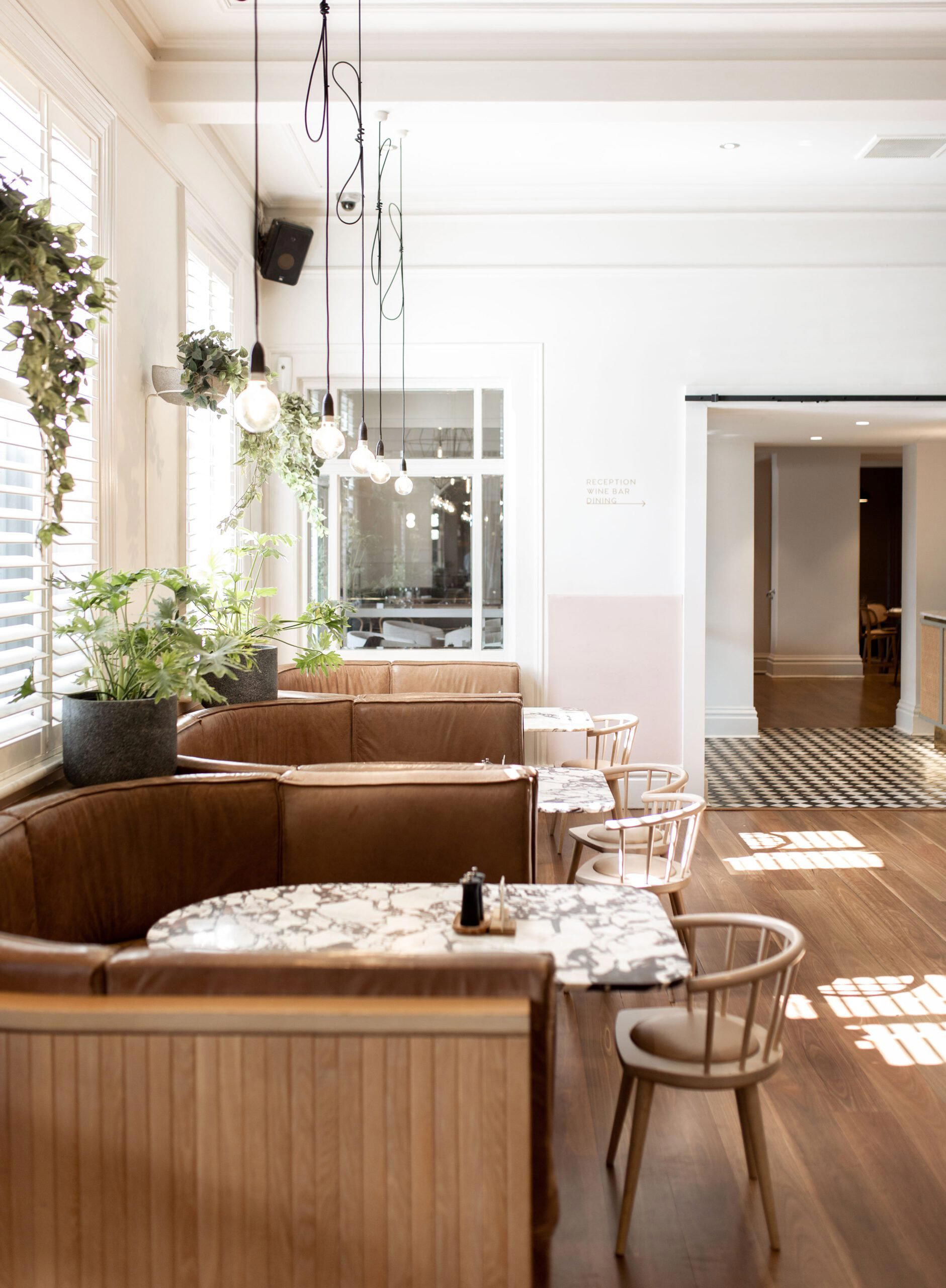
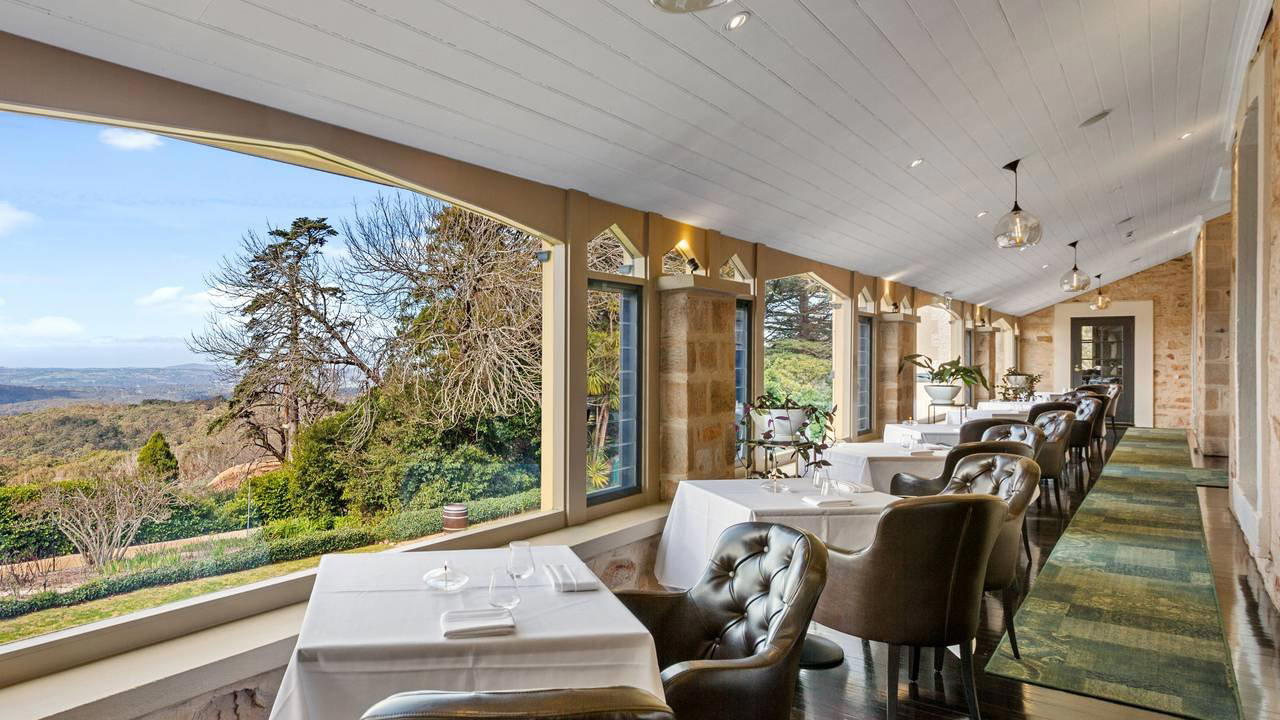
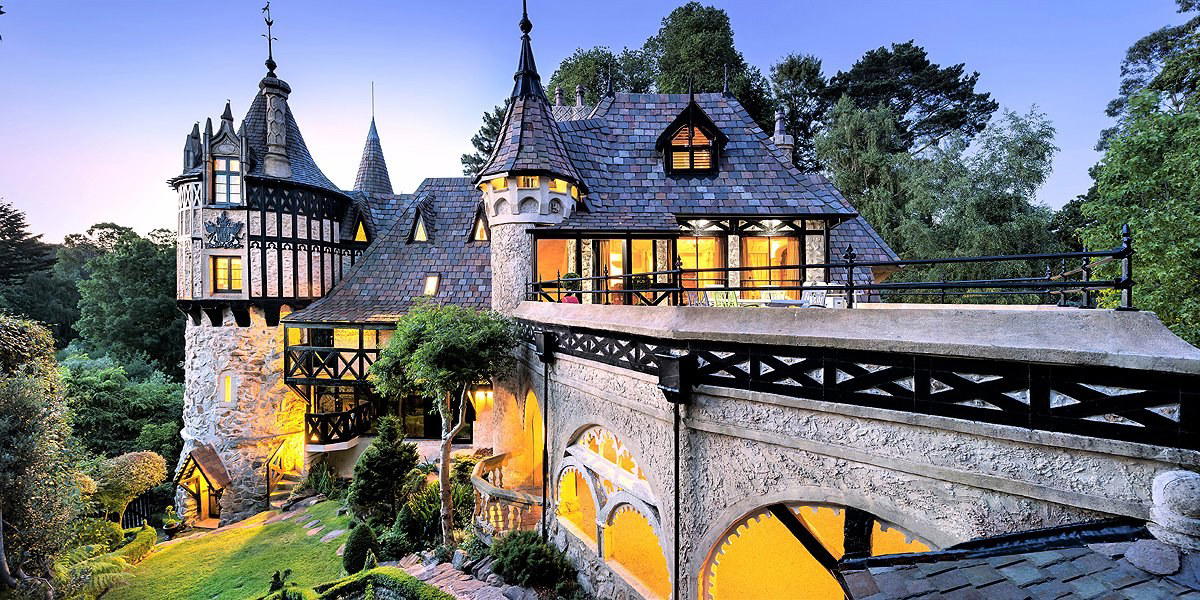
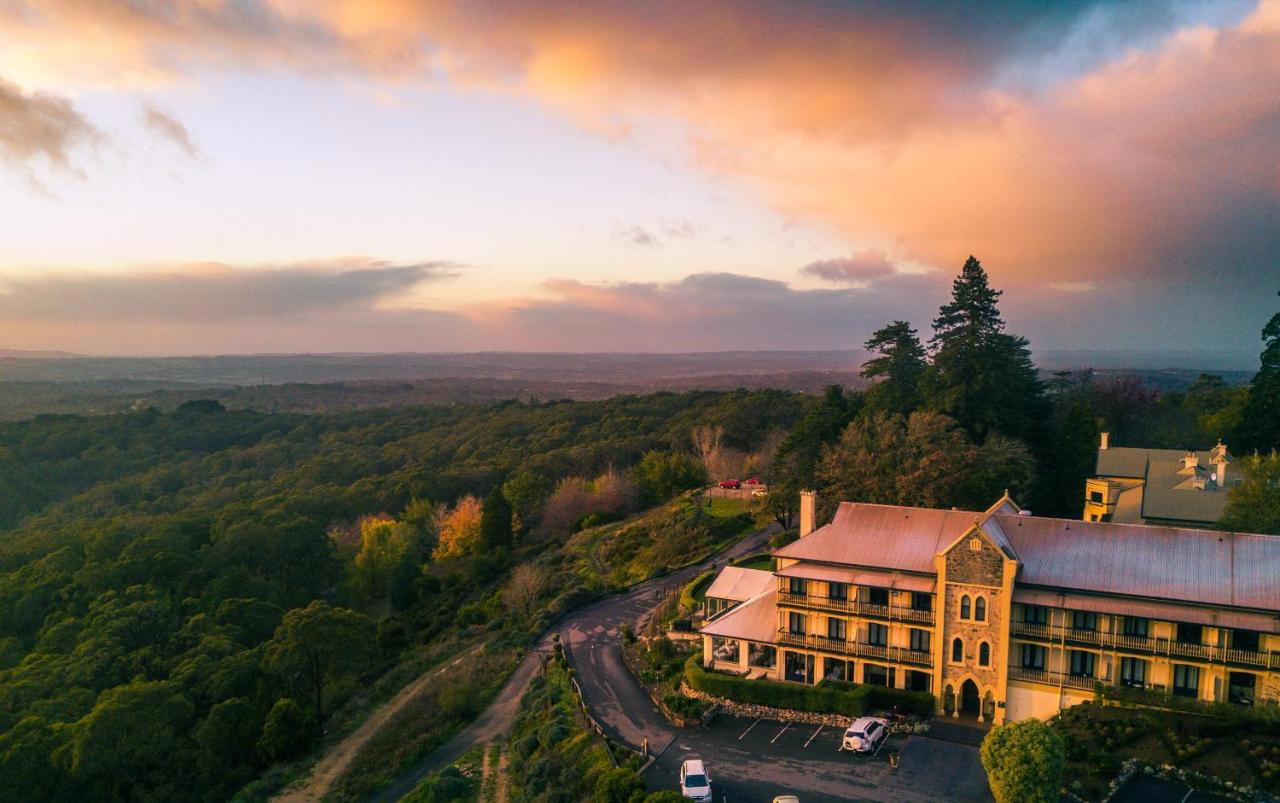
Relaxed heritage atmosphere with seated tastings in historic stone cellars or on verandah overlooking panoramic vineyard and mountain views.