Hardys (Tintara)

Falstaff Winery - Listed
The Tintara site on Main Road anchors a legacy that predates most of McLaren Vale's current estate generation, placing it in a different competitive register to the boutique houses that now define the region's identity.

Pearl is the En Primeur Club membership app — saves, bookings, and concierge access live there. Same editors, same standards.
- Address
- 202 Main Rd, McLaren Vale SA 5171
- Phone
- +61 8 8329 4124
- Website
- hardyswines.com
- Directions
- Get directions
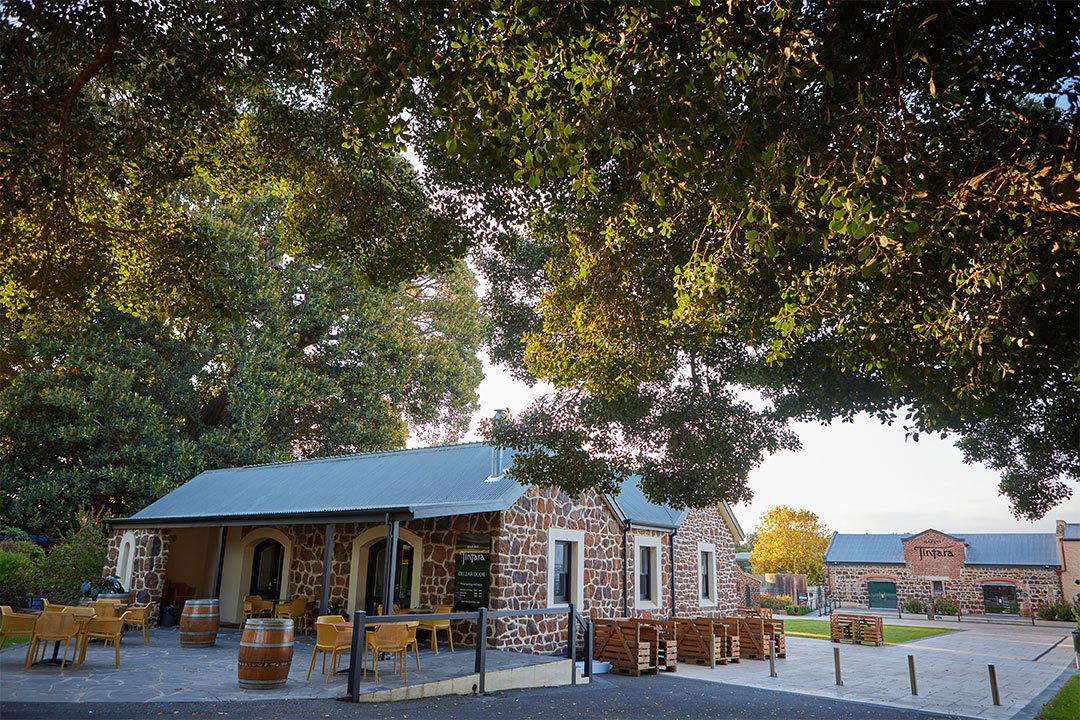
Stone, Barrel, and Centuries of Red Dirt
There is a particular quality to old winery architecture in McLaren Vale that newer builds cannot replicate: the weight of stone walls that have absorbed a century of fermentation heat, the cool dimness of cellars where the temperature holds even when the Fleurieu summer pushes past forty degrees outside. The Tintara site on Main Road sits inside that tradition with more authority than almost any other address in the region. Drive south from Adelaide through the suburbs and into the vines, and by the time the road levels into McLaren Vale township, the scale and age of the Tintara buildings signal something different from the polished cellar doors that line the surrounding ridgelines.
Hardys as a company has one of the longer continuous winemaking histories in Australian wine. The Tintara winery itself, at 202 Main Rd, is the physical expression of that history: stone structures built when McLaren Vale's identity was being formed rather than curated, surrounded by a wine region that now positions itself around Shiraz, Grenache, and the Mediterranean climate that the Fleurieu Peninsula provides. The site sits within walking distance of McLaren Vale's town centre, which makes it more accessible than estate properties buried in the hills, and more embedded in the fabric of the region than a destination cellar door positioned for views alone.
McLaren Vale's winery population splits roughly between historic family operations, small-batch boutique producers, and the larger commercial houses. Hardys Tintara occupies the third category, but with a heritage dimension that separates it from purely volume-driven production.
Compare that positioning to neighbours along the Main Road corridor and through the rolling clay-limestone soils further south. Producers like Kay Brothers operate with a similar generational continuity and heritage-site gravitas, while d'Arenberg has built an international profile from the same red-soil base through architectural spectacle and a wide varietal range. Bondar Wines, Dandelion Vineyards, and Gemtree Wines represent the newer boutique cohort, with focused single-site or organic programs that trade on precision rather than legacy. Hardys Tintara works from a different set of advantages: accumulated vine age across multiple parcels, deep archive material in the cellars, and a distribution reach that smaller estates cannot match.
For visitors constructing a day around McLaren Vale's wine corridor, Tintara functions as a reference point rather than just another stop. Understanding the scale and history here gives the smaller boutique producers their context. The region's current reputation for Grenache and old-vine Shiraz has roots that run through properties like this one.
The Physical Setting: Landscape and Cellar
The editorial angle for Tintara is not views from a hilltop terrace or a design-forward tasting room. It is something less photogenic but more substantial: the sense of a working winery that has been working for a very long time. The stone buildings hold the quiet authority of agricultural infrastructure built to last, not to impress. The Fleurieu light falls differently on old limestone than on new render, and the cellar interiors at Tintara reflect decades of use rather than recent renovation.
McLaren Vale sits in a rain shadow between the Mount Lofty Ranges to the east and Gulf St Vincent to the west, which gives the region warm, dry ripening seasons tempered by afternoon sea breezes off the gulf. Those conditions favour the full-berry ripeness that characterises the regional Shiraz style and the spiced, savoury edge that distinguishes McLaren Vale Grenache from warmer-climate versions. The Tintara site is surrounded by vines that have been shaped by these conditions across multiple generations, giving the winery access to material that cannot be replicated on a newer property regardless of winemaking technique.
Visitors arriving at the cellar door on Main Road will find a working winery context rather than a resort-style destination. That is a considered choice on the part of a production house of this scale: the emphasis is on the wines and the archive, not on peripheral hospitality infrastructure. For those who want the full landscape immersion with accommodation and restaurant dining, properties further into the hills serve that brief. Tintara is for the wine.
Planning Your Visit
Hardys Tintara is located at 202 Main Rd, McLaren Vale SA 5171, directly on the main arterial road that connects the township to the wider wine region. Access by car from Adelaide takes approximately forty minutes under normal conditions, making it a natural first or last stop on a McLaren Vale day circuit. The Main Road address also means it is reachable without navigating the narrower estate tracks that wind into the Willunga foothills further south.
For visitors building a broader regional itinerary, the full McLaren Vale restaurants and cellar door guide provides a structured framework across price points and styles. Those extending the South Australian leg beyond McLaren Vale might also consider Angove Family Winemakers in Renmark for a Riverland comparison, or cross into Victoria to visit All Saints Estate in Rutherglen for a different take on historic Australian winemaking. Further afield, Leading's Wines in Great Western, Bird in Hand in Adelaide Hills, and Bass Phillip in Gippsland each offer regional contrasts worth building time around. For those whose wine travel extends internationally, Accendo Cellars in St. Helena, Aberlour in Aberlour, Blue Pyrenees Estate in Pyrenees, and Archie Rose Distilling Co in Sydney represent the breadth of the EP Club network across categories and regions.
Current hours, tasting formats, and booking requirements are best confirmed directly before visiting, as production-scale operations can adjust cellar door access around harvest and production schedules.
Just the Basics
Comparable venues nearby, for context on price, style, and recognition.
| Venue | Cuisine | Price | Awards |
|---|---|---|---|
| Hardys (Tintara)This venue — the venue you are viewing | McLaren Vale, Shiraz, Cabernet Sauvignon | Not listed | Falstaff Winery - Listed |
| Oliver's Taranga | McLaren Vale, Shiraz, Grenache | $20–30 | Not listed |
| S.C. Pannell | McLaren Vale, Grenache, Shiraz | Not listed | Falstaff Winery - Listed |
| Rosemount Estate | Winery | Not listed | Not listed |
| MMAD Vineyard | Blewitt Springs, grenache, shiraz | Not listed | Not listed |
| Bondar Wines | McLaren Vale, Shiraz, Grenache | Not listed | Not listed |
Recognition history
Dated appearances from independent guides and award organizations, with the underlying list record or original source where available.
Falstaff Winery - Listed
Falstaff
Continue exploring
More in McLaren Vale
Wineries in McLaren Vale
Browse all →
Bars in McLaren Vale
Browse all →
Restaurants in McLaren Vale
Browse all →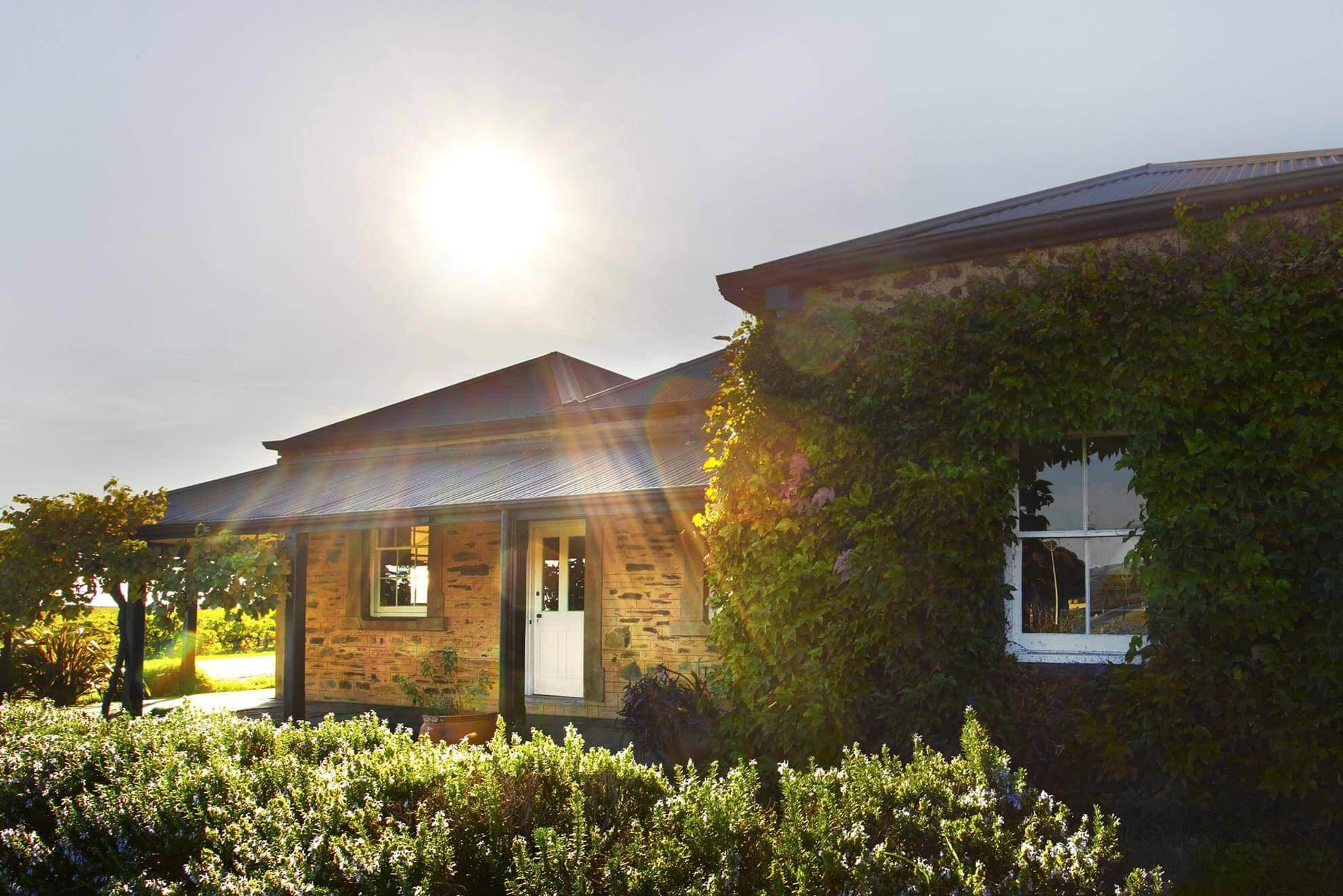

Details
- Historic
- Rustic
- Scenic
- Classic
- Well Known
- Wine Education
- Solo Exploration
- Special Occasion
- Historic Building
- Vineyard Tour
- Garden
- Terrace
- Estate Grounds
- Garden
- Vineyard
- Shiraz
- Cabernet Sauvignon
- Grenache
- Chardonnay
- Riesling
- Pinot Noir
- Still Red
- Fortified
- Seated Tasting
- Sensory Tasting
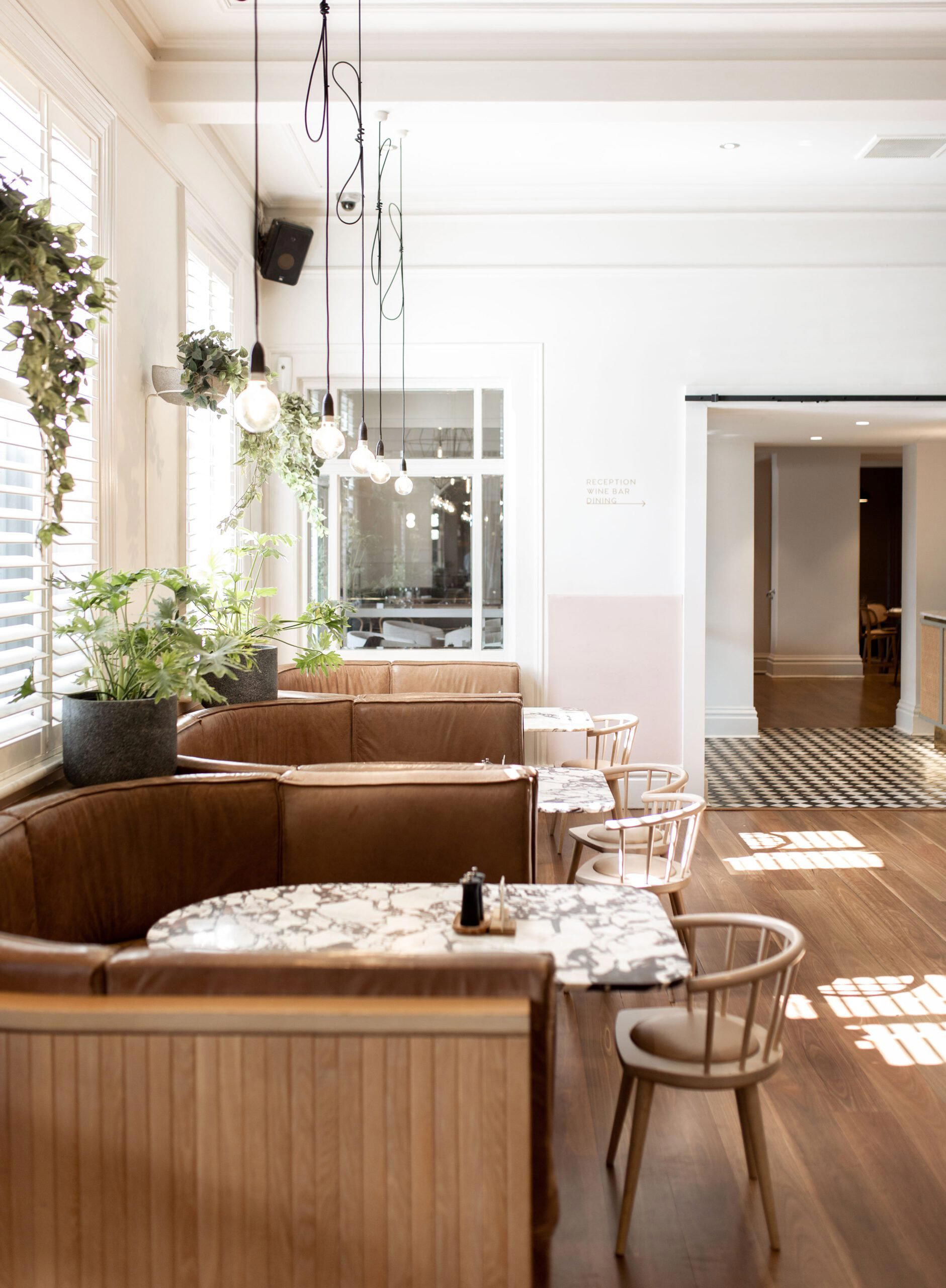
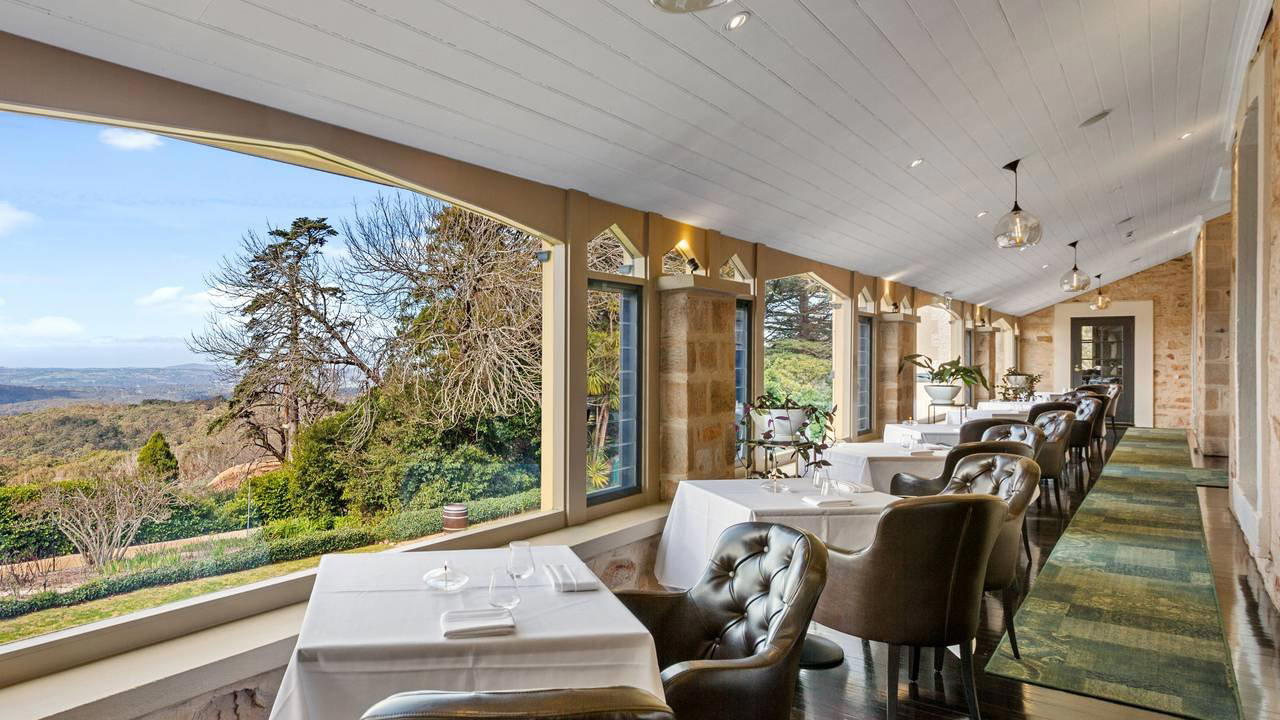
Bright and modern cellar door in a historic cottage with bespoke furniture for seated tastings, surrounded by beautiful heritage buildings and gardens.