Jamie Slone Wines
Located on De La Guerra Street in the heart of downtown, it operates in a city where urban tasting rooms have become a credible alternative to vineyard-side visits. The address puts it within easy reach of the State Street corridor and the broader urban wine trail.
Pearl is the En Primeur Club membership app — saves, bookings, and concierge access live there. Same editors, same standards.
- Address
- 23 E De La Guerra St, Santa Barbara, CA 93101
- Phone
- +1 805-560-6555
- Website
- jamieslonewines.com
- Directions
- Get directions
 Saves & bookings on Pearl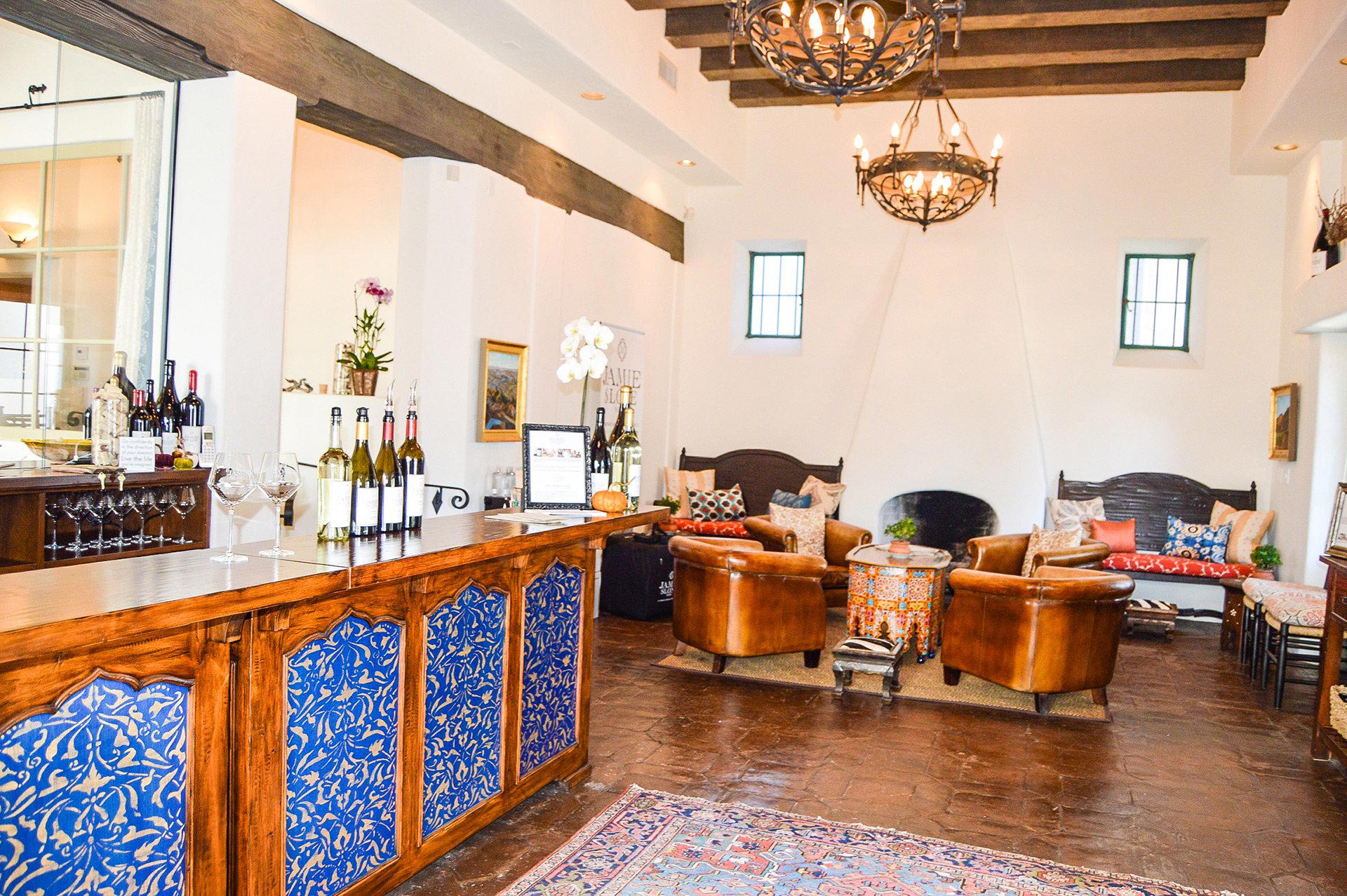
Santa Barbara's Urban Wine Trail and Where Jamie Slone Fits
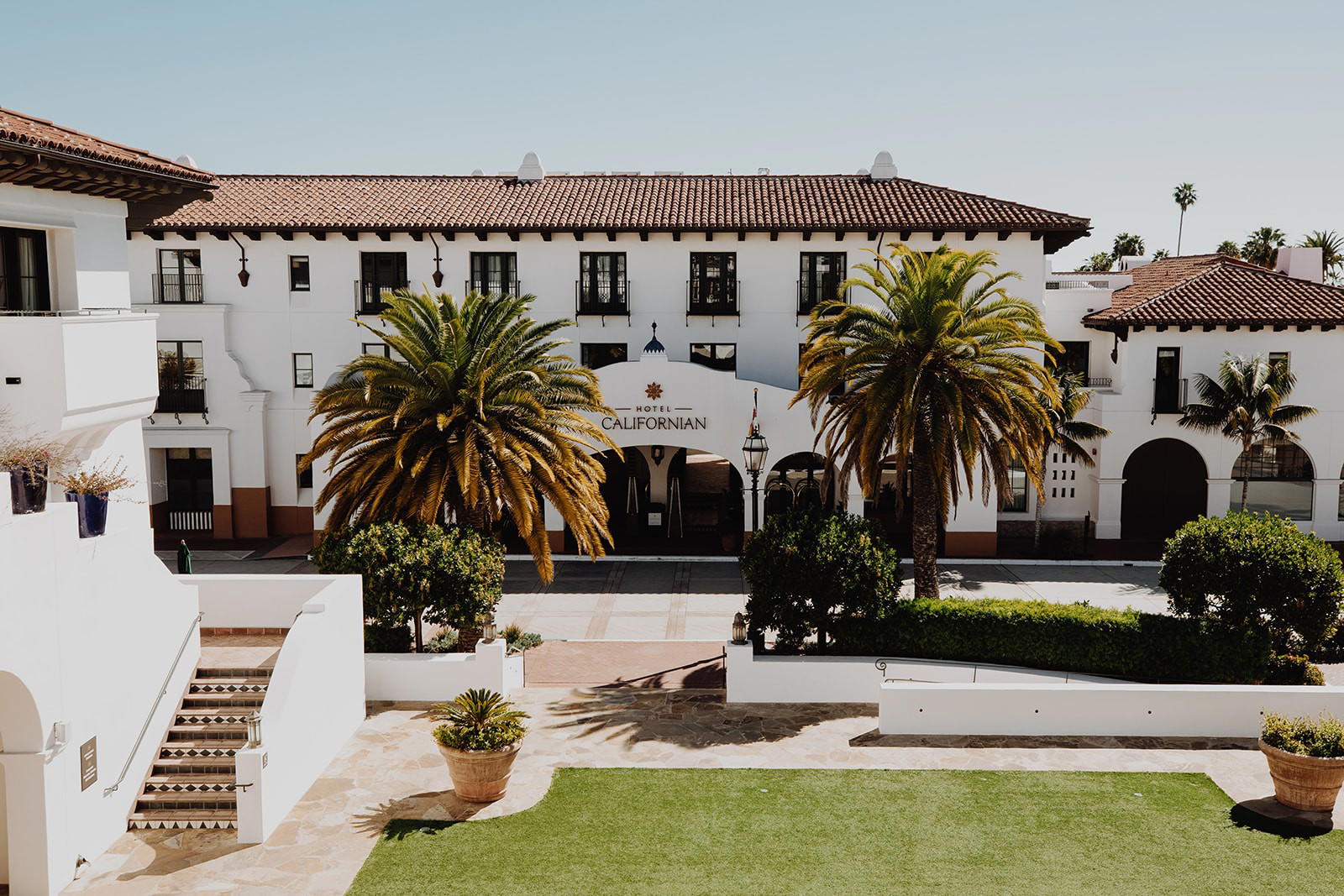
Downtown Santa Barbara has spent the better part of two decades developing a tasting room circuit that operates entirely without vineyards. The pattern is well-established now: producers source from the Santa Ynez Valley, the Sta. Rita Hills, and the Santa Maria Valley, then pour in compact spaces along a walkable grid that runs south from the Funk Zone toward the historic core. De La Guerra Street, where Jamie Slone Wines sits at number 23, places it squarely in the older, more architecturally formal part of that circuit, a street defined by its Spanish Colonial Revival buildings and proximity to the courthouse. The physical setting carries more gravity than the corrugated-iron warehouses of the Funk Zone, which makes the context for tasting here feel deliberately considered rather than casually industrial.
Among California's premium wine regions, Santa Barbara occupies a particular position. Its east-west transverse valleys create a marine-influenced growing environment that produces Pinot Noir and Chardonnay with measurably different profiles from those grown further north in Napa or Sonoma. Wineries like Au Bon Climat built the region's early international reputation on that difference, and producers such as Melville Vineyards and Winery and Sanguis Winery have continued to push the conversation forward.
The Address as Experience
Walking east along De La Guerra from State Street, the shift in atmosphere is immediate. The street narrows, the arcade storefronts thicken, and the noise from the main retail corridor drops away. At number 23, the scale is intimate rather than grand, which aligns with how the more serious urban tasting rooms in Santa Barbara have positioned themselves. The city's wine scene has split between high-throughput spaces that serve the weekend visitor economy and smaller, appointment-leaning operations that treat each tasting as a more deliberate transaction. The De La Guerra address signals the latter orientation.
EP Club's 2025 designation places Jamie Slone Wines alongside operators whose focus on quality signal and format discipline outweighs volume ambition. Comparable urban tasting rooms in California's premium wine regions suggest that particularly coherent tasting experiences share a common trait: the physical space and the wine program are legible together. The setting reinforces rather than contradicts what is in the glass.
Santa Barbara Against the California Premium comparable set
For visitors building a California wine itinerary, the regional calculus matters. Napa's identity is anchored in Cabernet, with producers like Accendo Cellars in St. Helena and Alpha Omega Winery in Rutherford operating in a market where price floors are structurally high and appointment culture is well-entrenched. Paso Robles, represented by producers such as Adelaida Vineyards, offers a warmer, more Rhone-inflected alternative. Oregon's Willamette Valley, home to operations like Adelsheim Vineyard in Newberg, provides the other major Pinot Noir reference point for American wine drinkers. Santa Barbara's argument is climate-driven: the marine air that pushes through the mountain passes keeps ripening slow and acidity intact, producing wines that sit differently in the glass from anything grown further inland.
Within that regional argument, the Santa Ynez Valley and Sta. Rita Hills appellation have become the primary quality anchors. Andrew Murray Vineyards in Los Olivos works within the Rhone tradition; Alban Vineyards in Arroyo Grande has spent decades making the case for Rhone varieties on the Central Coast. Jamie Slone Wines draws from this broader geography and brings the results into the urban format that makes Santa Barbara's tasting circuit function as a practical destination for visitors who want serious wine without the logistics of multiple vineyard drives.
Planning Your Visit
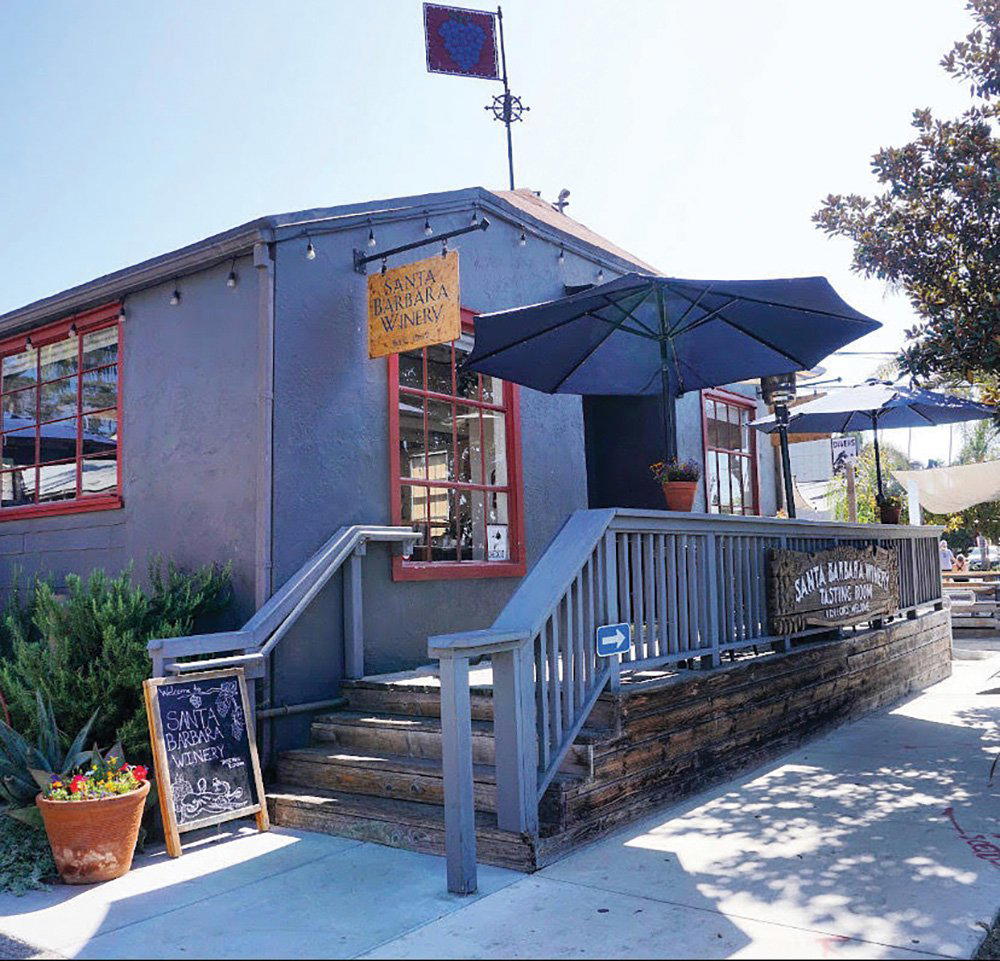
Downtown Santa Barbara's wine trail is walkable, which makes sequencing multiple tastings in an afternoon genuinely practical rather than aspirational. De La Guerra Street is a short walk from State Street's main corridor, and Santa Barbara Winery operates nearby as one of the oldest producers in the area, offering useful historical context alongside Jamie Slone's more current positioning. For visitors arriving from Los Angeles, the Pacific Surfliner Amtrak service reaches Santa Barbara in roughly two and a half hours, which removes the driving constraint from a tasting itinerary entirely.
Santa Barbara's better urban tasting rooms operate on either a reservation basis or a structured walk-in format that rewards arriving with some lead time, particularly on weekends from spring through early fall when the city's visitor population peaks.
Visitors extending their California wine itinerary will find additional reference points at Alexander Valley Vineyards in Geyserville to the north, or international benchmarks at producers as distinct as Aberlour in Aberlour and Achaia Clauss in Patras, which together illustrate how different regional traditions arrive at prestige-tier recognition through entirely different means.
The Quick Read
Comparable venues nearby, for context on price, style, and recognition.
| Venue | Cuisine | Price | Notes |
|---|---|---|---|
| Jamie Slone WinesThis venue — the venue you are viewing | Not listed | $$$ | Not listed |
| Margerum Wine Company | Not listed | $$ | Santa Barbara waterfront, Sauvignon Blanc, Syrah |
| Melville Vineyards and Winery | Funk Zone, Pinot Noir, Chardonnay | $$ | Not listed |
| Santa Barbara Winery | Chardonnay, Pinot Noir | $$ | Not listed |
| Whitcraft Winery | Not listed | $$$ | Downtown Santa Barbara, Pinot Noir, Chardonnay |
| Carr Vineyards & Winery | Santa Barbara, Pinot Noir, Syrah | $$ | Not listed |
Continue exploring
More in Santa Barbara
Wineries in Santa Barbara
Browse all →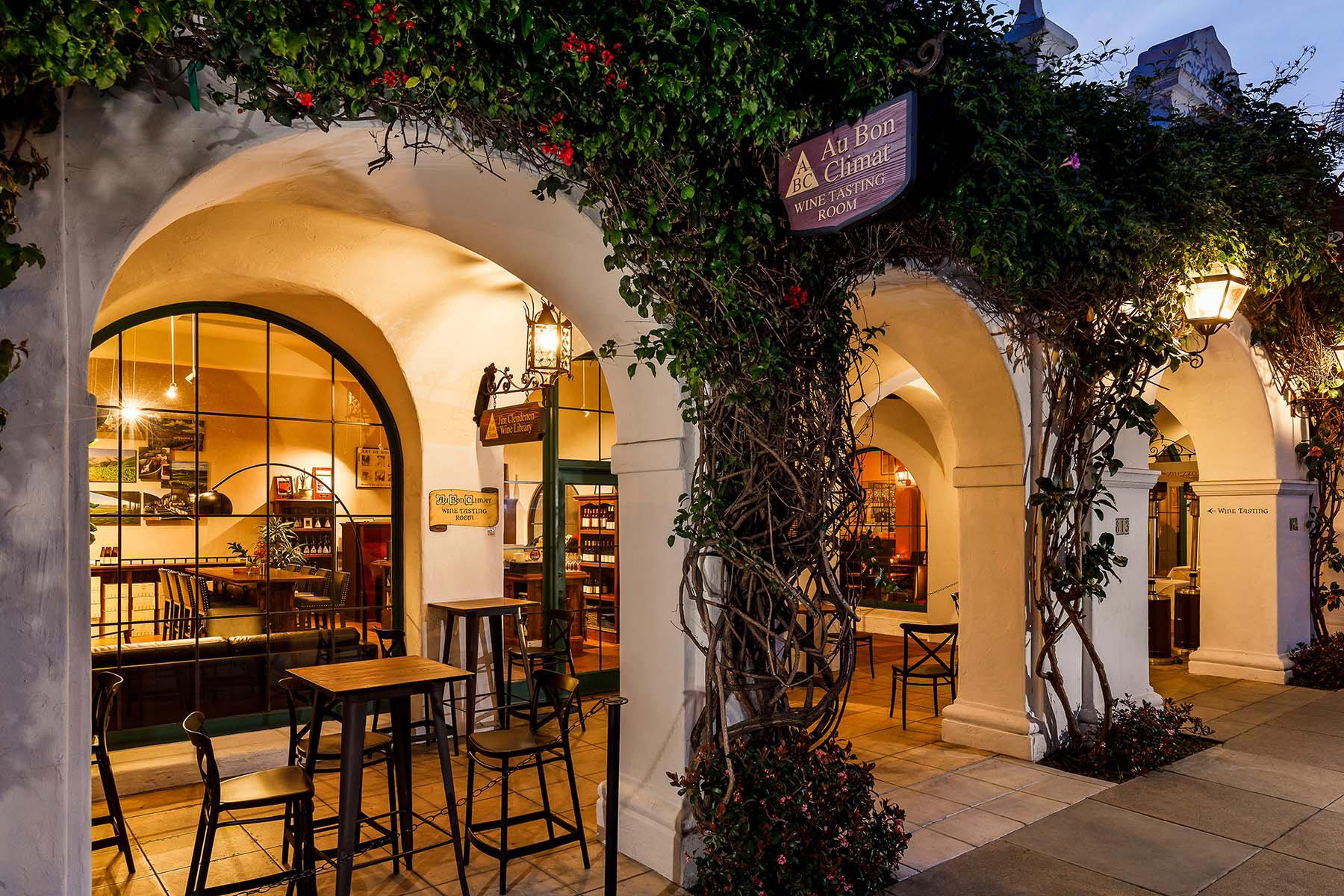
Bars in Santa Barbara
Browse all →
Restaurants in Santa Barbara
Browse all →
At a Glance
- Cozy
- Intimate
- Rustic
- Solo Exploration
- Wine Education
- Special Occasion
- Estate Grounds
- Terrace
- Sustainable
- Santa Barbara County
- Albariño
- Sauvignon Blanc
- Chardonnay
- Pinot Noir
- Grenache
- Cabernet Sauvignon
- Still White
- Still Red
- Sparkling
- Still Rosé
- Tasting Room
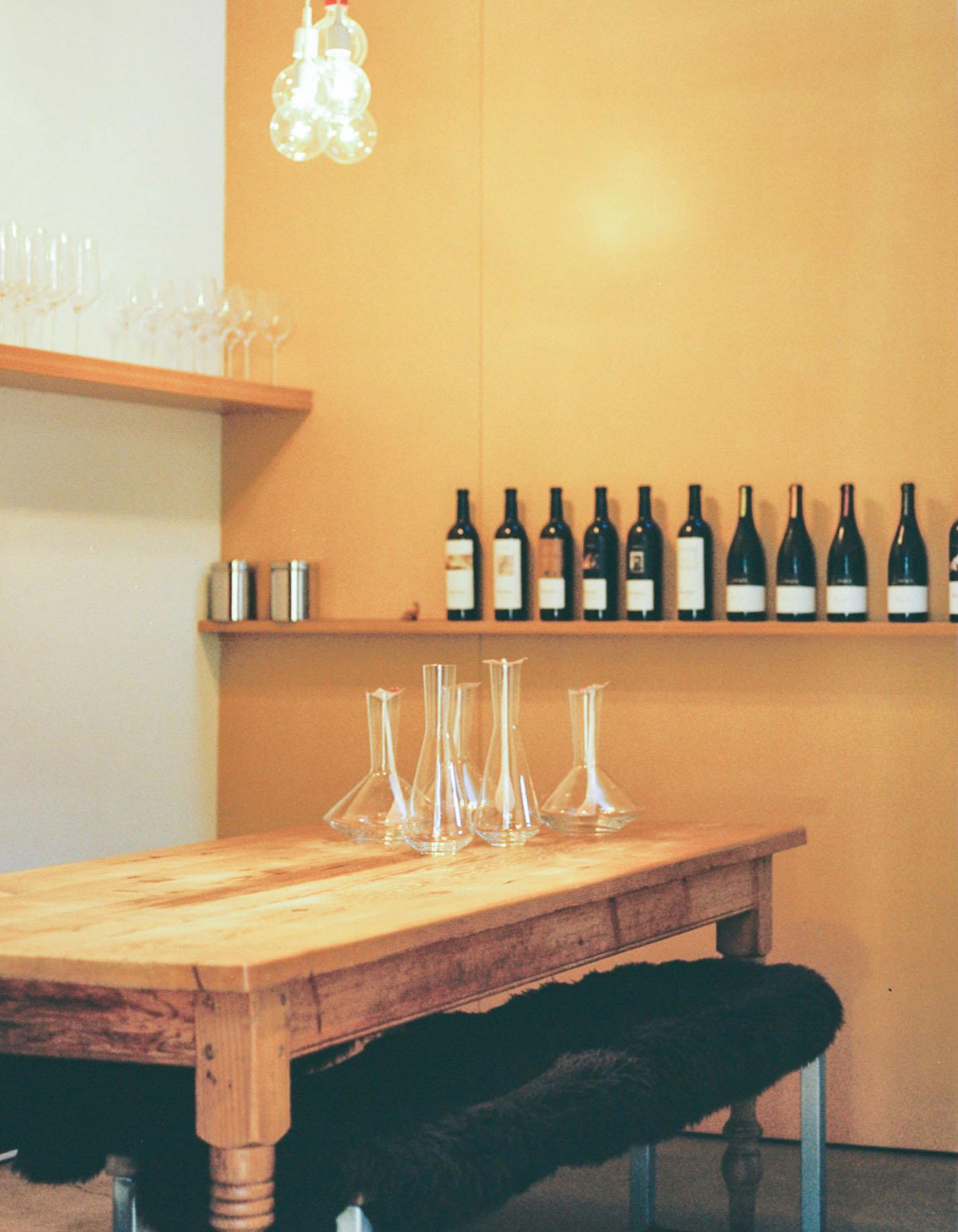
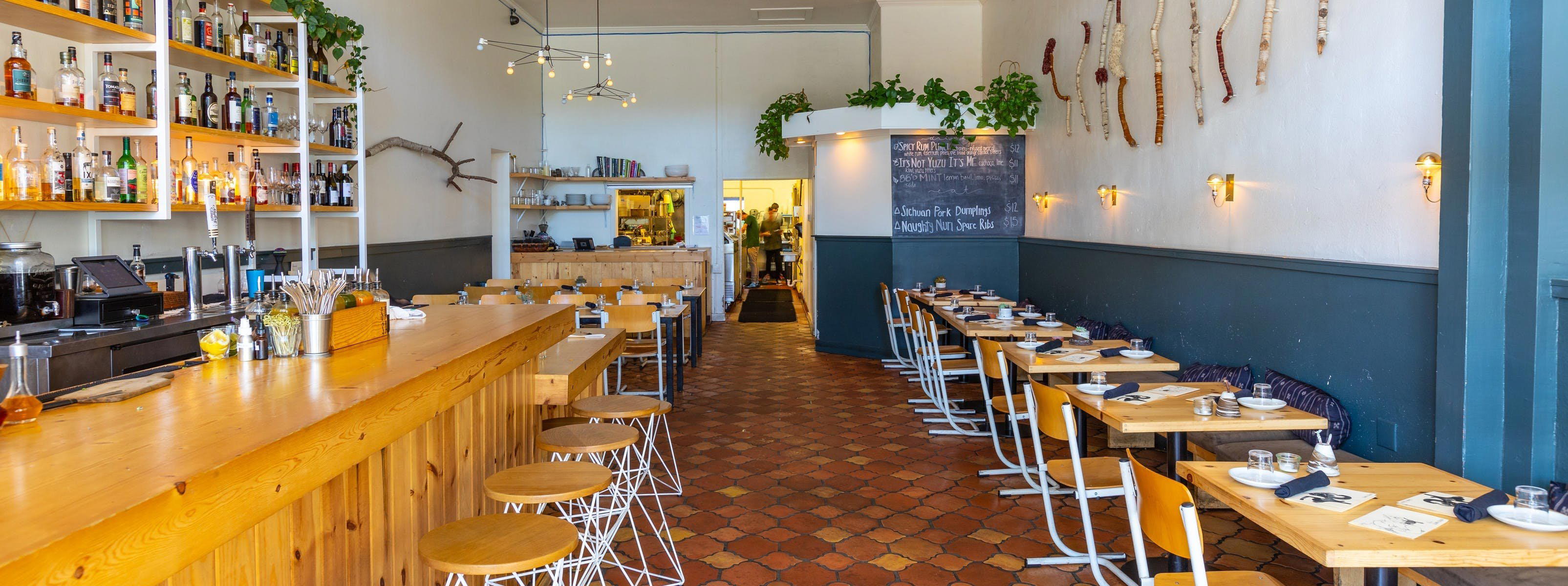
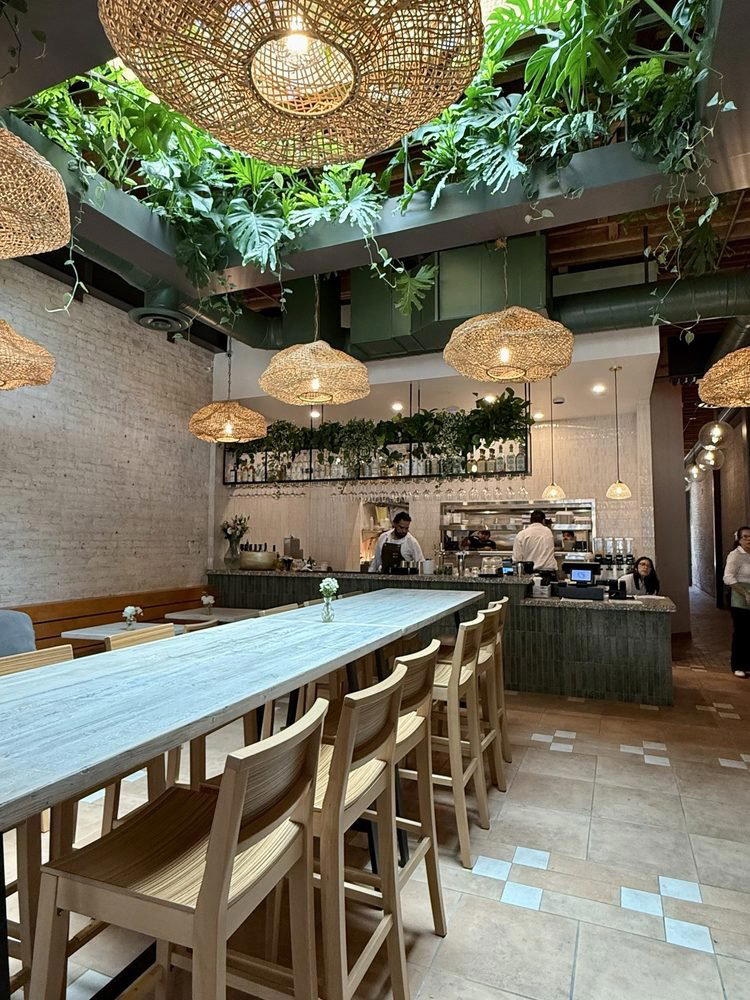
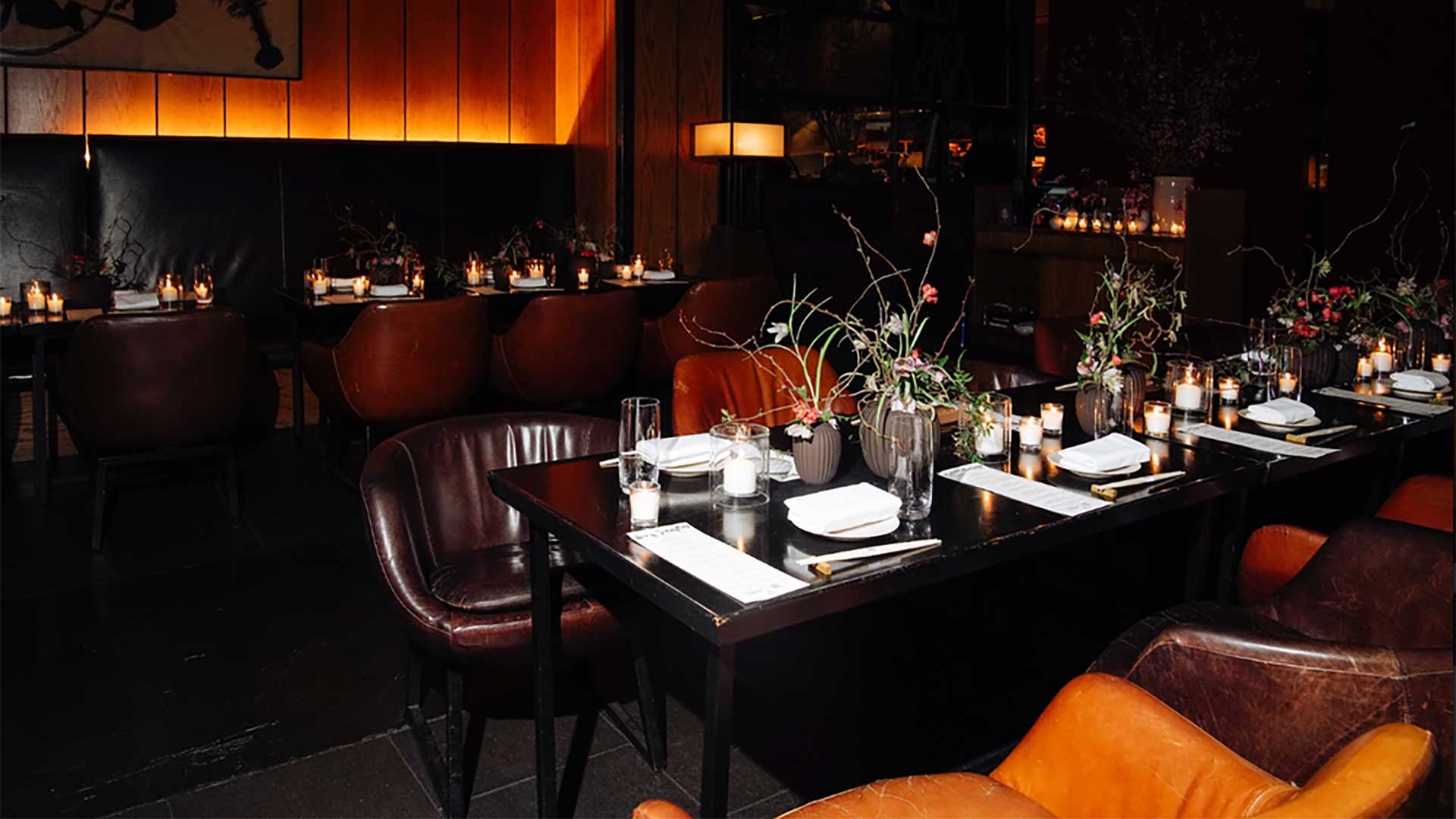
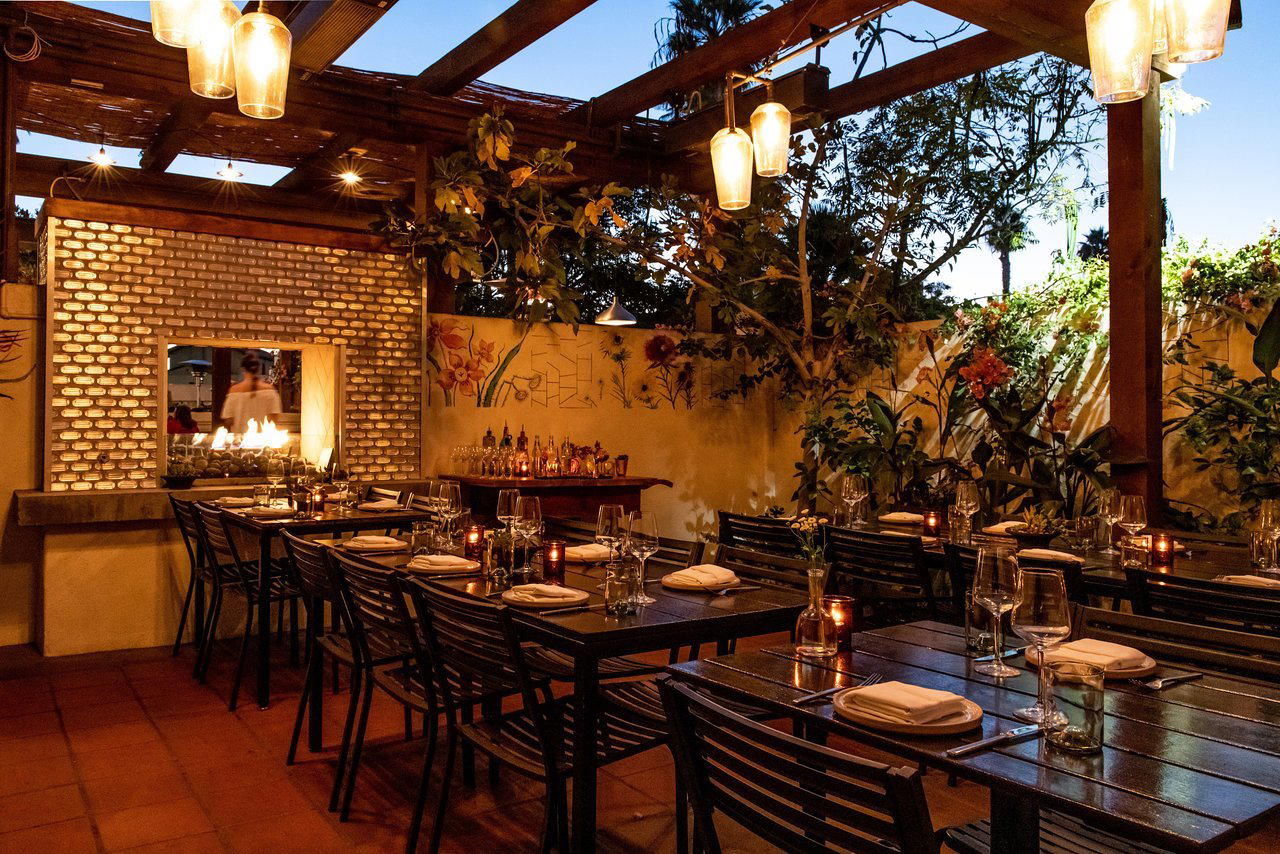
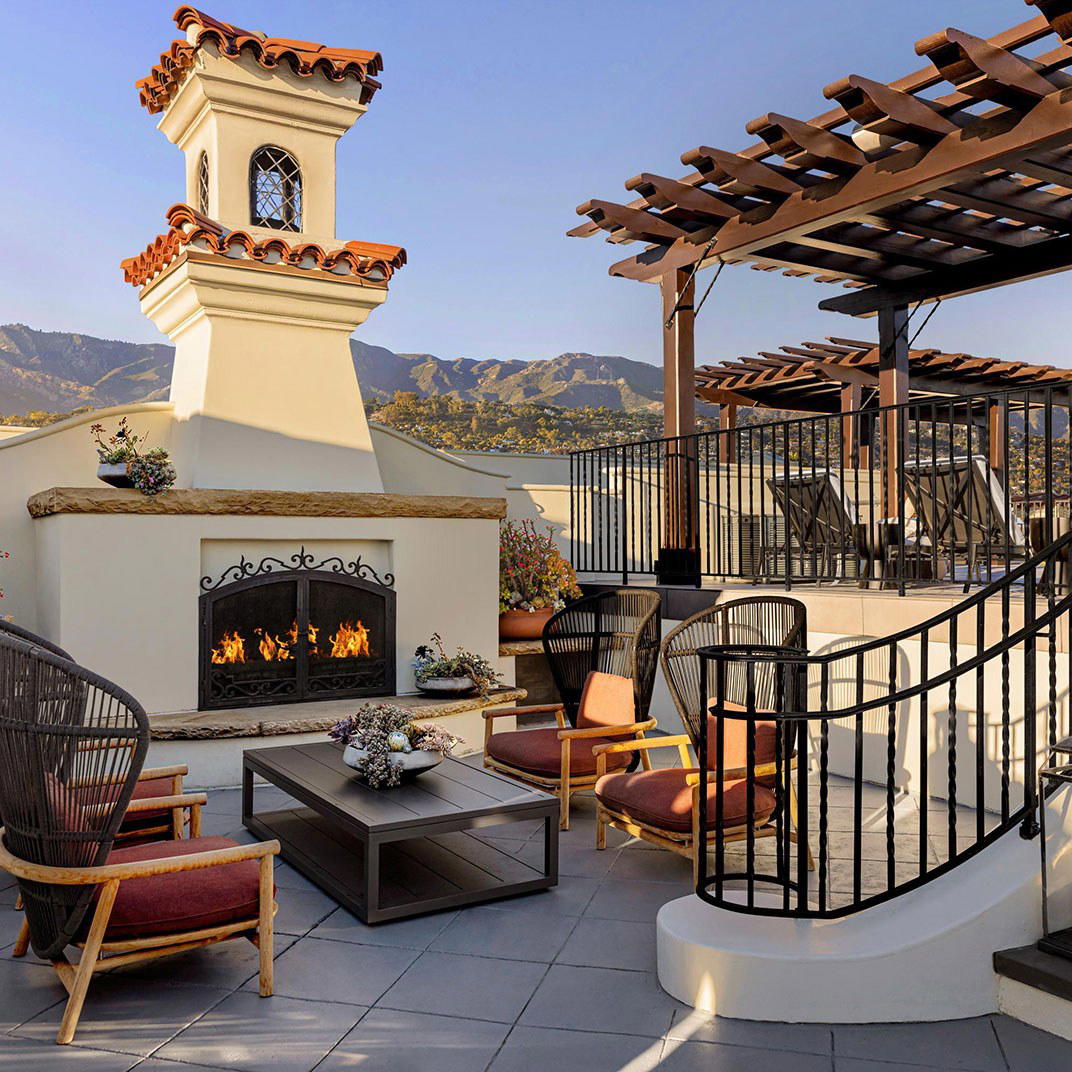
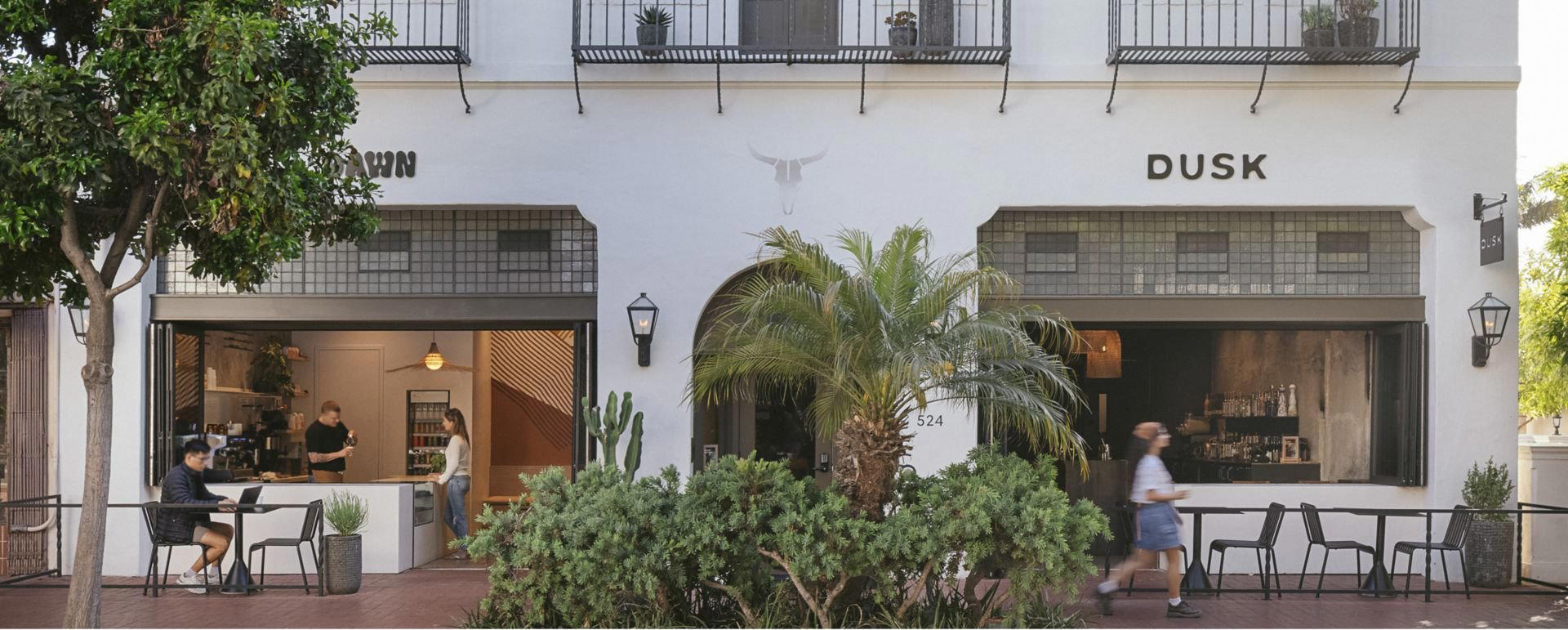
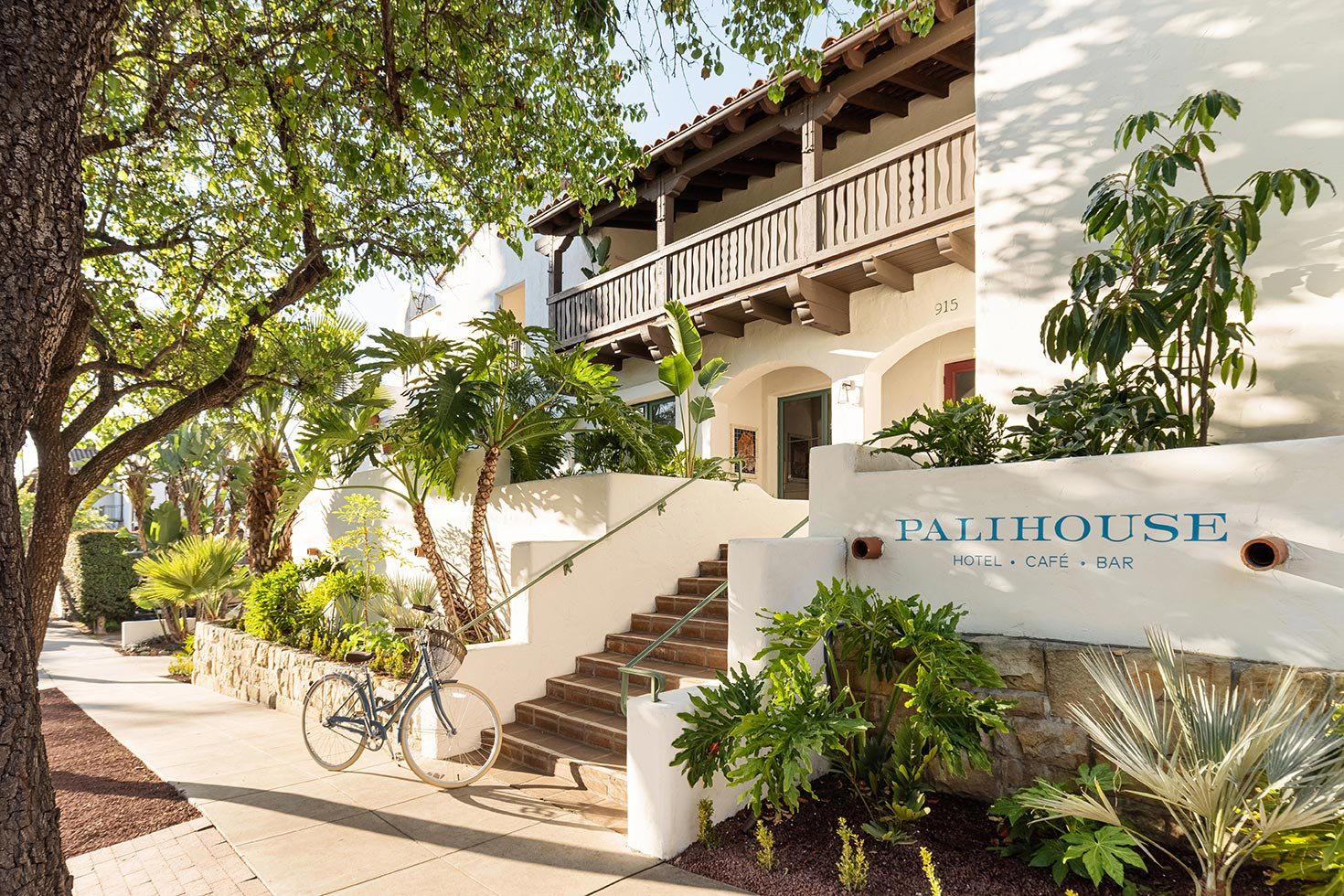
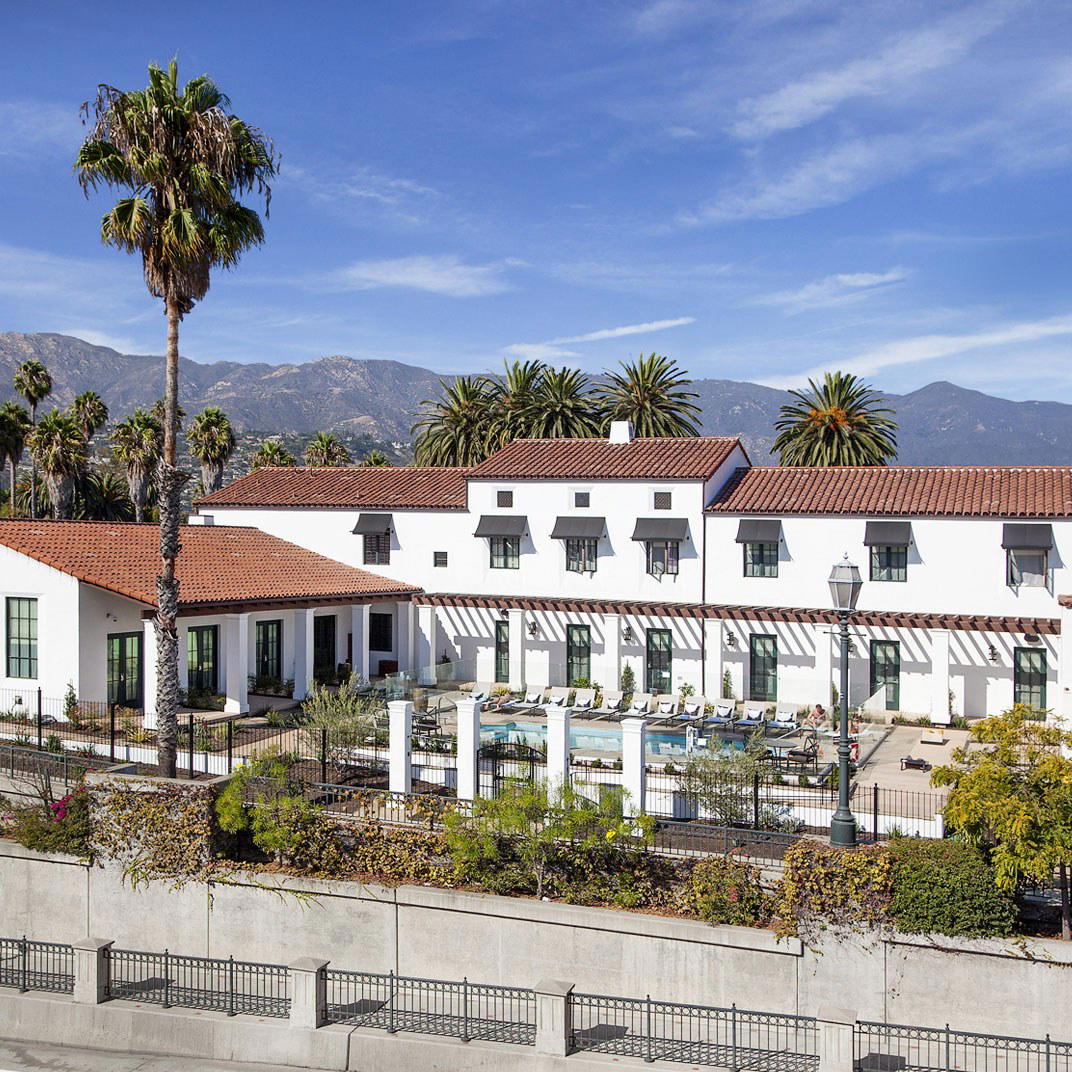
Cozy tasting room with warm, family-oriented atmosphere and cafe-style outdoor patios amid Spanish Colonial architecture.