Italics Winegrowers

Italics Winegrowers on Rapp Lane earned a Pearl 2 Star Prestige rating in 2025, placing it among a select tier of Napa producers recognised for consistent quality at the prestige level. Located in the southern reaches of the valley, the winery sits within a growing cohort of allocation-model estates that reward early attention and repeat visits.
 Discover on Pearl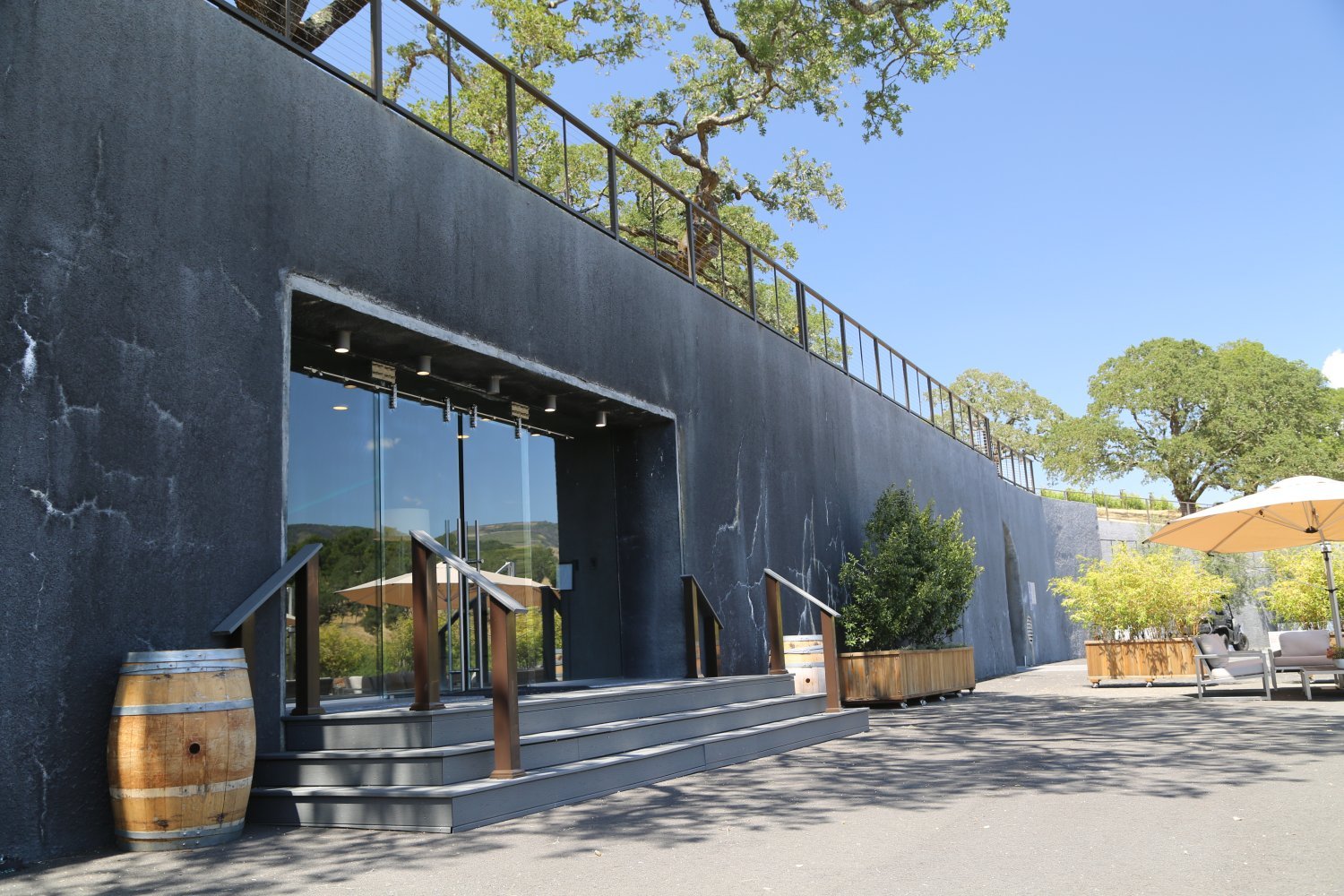
Southern Napa's Prestige Tier, From the Ground Up
Napa's winery map has never been perfectly uniform. The northern stretch, from Calistoga down through St. Helena, has long held the valley's most established names and the deepest pockets of critical attention. But the southern corridor, anchored closer to the city of Napa itself, has accumulated a quieter concentration of producers working with more deliberate scale. Italics Winegrowers, addressed at 70 Rapp Lane, sits within that southern geography, and the 2025 Pearl 2 Star Prestige recognition it received signals that this address has earned placement in a specific, measurable tier of valley producers.
That tier matters to understand before visiting. Napa's prestige-level wineries split broadly into two categories: high-volume operations with broad retail distribution, and allocation-model houses where the visitor experience is calibrated for depth over throughput. The Pearl 2 Star Prestige designation, awarded in 2025, positions Italics Winegrowers in the latter conversation, alongside estates where the tasting format, the intentionality of the appointment, and the quality of the wines themselves are expected to cohere at a level above the valley's standard tasting-room circuit.
For reference on what the southern Napa corridor offers at comparable quality levels, Blackbird Vineyards represents the kind of design-conscious, Bordeaux-inflected producer that has helped define the area's more serious side, while Darioush Winery shows how architectural ambition and wine quality can intersect at the prestige end of the market. Italics occupies its own position within this set, though the winery's specific varietal focus and tasting format are leading confirmed directly before planning a visit.
What the Rapp Lane Address Tells You
Rapp Lane sits within an industrial-meets-agricultural pocket of the city of Napa, a zone that has drawn a number of serious urban winery operations over the past decade. The logic is practical: proximity to major transport corridors, lower land costs than AVA-designated vineyard parcels, and freedom to source fruit from across the valley rather than being tied to a single estate block. Urban winery models in Napa have matured considerably since the early 2010s, when the format carried a slight air of compromise. Today, several of the valley's most critically noted producers work from exactly this kind of Napa city address, treating the winemaking facility as the primary site and building their reputational weight through wine quality and appointment experience rather than vineyard-view theatrics.
That context is relevant to how a visit to Italics Winegrowers should be framed. The approach is not a drive through vine rows to a grand estate house. It is, instead, a visit to a working production environment where the focus lands squarely on what is in the glass. For a certain kind of visitor, that trade-off is precisely the point. Peer producers in this urban-winery model, including Ashes and Diamonds Winery, have built sustained critical followings from similar city-of-Napa footholds, demonstrating that the format carries no inherent quality ceiling.
Daytime Visits Versus Late-Afternoon Appointments
The editorial angle of lunch versus dinner maps only partially onto winery visits, but the underlying principle holds: time of day shapes what kind of experience you are actually purchasing. At prestige-tier Napa wineries, daytime appointments, typically running from late morning through early afternoon, tend to occupy a more educational register. Light is better for examining colour and clarity, palates are fresher, and the pacing of a seated tasting allows for extended conversation about viticulture and production choices. The first appointment slot of the day often carries a quieter atmosphere that more structured, detail-focused visitors actively seek out.
Late-afternoon visits shift in character. The valley's afternoon heat means wines show slightly differently in warmer months, and the social energy of tasting rooms at four or five in the afternoon runs at a different pitch than a ten-thirty appointment. For prestige producers operating on a reservation model, this time slot often serves guests who have already visited one or two other wineries during the day, meaning the tasting becomes part of a longer arc of comparison rather than a stand-alone deep focus. Neither mode is inherently superior, but the daytime window at a winery of this level tends to reward the kind of attention that a 2 Star Prestige recognition implies the wines deserve.
Seasonal timing adds another layer. Harvest season, running roughly from late August through October in Napa, brings the valley to its most active and its most crowded. Visiting Italics Winegrowers in that window means arriving when the winemaking team is at its most operationally stretched, which can affect the depth of hospitality available. The quieter months of January through March offer a materially different experience: fewer visitors overall across the valley, more availability at prestige-tier producers, and the opportunity for the kind of focused tasting that a 2 Star Prestige property warrants. Spring and early summer represent a middle ground, with good weather and more predictable availability than the harvest rush.
Where Italics Sits in the Broader Napa Conversation
Napa's critical infrastructure has expanded significantly over the past decade, with independent ratings and editorial recognition supplementing and sometimes contradicting the traditional Michelin and Wine Spectator hierarchies. Within that expanded landscape, a Pearl 2 Star Prestige rating in 2025 represents a clear, specific credential, not a general term of praise. It places Italics Winegrowers in a defined peer bracket and implies a level of consistency and intentionality that separates the property from the valley's large volume of competent-but-undifferentiated producers.
Comparison points are useful here. Artesa Vineyards and Winery operates at significant scale with architectural presence and a broad visitor programme; it represents the high-volume prestige end of the market. Clos Selene Winery and Accendo Cellars in St. Helena suggest the smaller, allocation-focused end of Napa's prestige tier. Italics, based on its Pearl 2 Star Prestige standing, belongs somewhere in that quality conversation, though its precise position within the spectrum is leading assessed by visiting with that framework in mind and drawing your own comparison.
For visitors building a fuller Napa itinerary, the winery sits within a region that rewards planning. The full Napa wineries guide maps the valley's production landscape in more detail, while the Napa restaurants guide and Napa hotels guide cover the dining and accommodation context that frames any multi-day visit. The Napa bars guide and Napa experiences guide round out the broader visitor infrastructure. California wine country beyond Napa is covered through properties like Adelaida Vineyards in Paso Robles and Adelsheim Vineyard in Newberg, offering useful comparative context for how different California and Oregon appellations position their prestige-tier producers.
Planning a Visit
Italics Winegrowers is located at 70 Rapp Lane, Napa, California, accessible from downtown Napa and within reasonable distance of the valley's main Highway 29 corridor. As with most prestige-tier Napa producers, an appointment is the assumed model rather than the exception, and visiting during off-peak months, particularly January through March, offers the most unobstructed access. Current booking details, hours, and tasting formats should be confirmed directly with the winery before arrival, as operational specifics for allocation-model producers change with vintage cycles and availability. Given the Pearl 2 Star Prestige recognition earned in 2025, demand at this level of producer typically justifies advance planning.
For context on how prestige-tier wine tourism operates across a wider geographic range, the range of properties covered by EP Club extends to estates including Abadía Retuerta in Sardón de Duero and Aberlour in Aberlour, demonstrating that the editorial framework applied to Napa producers sits within a genuinely global assessment of wine quality and hospitality.
Frequently Asked Questions
Peer Set Snapshot
These are the closest comparables we have in our database for quick context.
| Venue | Awards | Notes |
|---|---|---|
| Italics Winegrowers | Pearl 2 Star Prestige | This venue |
| Joseph Phelps Vineyards | 50 Best Vineyards #37 (2025); Pearl 4 Star Prestige | Ashley Hepworth, Est. 1973 |
| Beringer Vineyards | 50 Best Vineyards #88 (2025); Pearl 2 Star Prestige | Mark Beringer, Est. 1876 |
| Duckhorn Vineyards | 50 Best Vineyards #44 (2024); Pearl 3 Star Prestige | Renée Ary, Est. 1978 |
| Clos Selene Winery | Pearl 2 Star Prestige | Guillaume Fabre |
| Kenzo Estate | Pearl 2 Star Prestige | Heidi Barrett, Est. 2005 |
Access the Cellar?
Our members enjoy exclusive access to private tastings and priority allocations from the world's most sought-after producers.
Get Exclusive Access