Il Grappolo

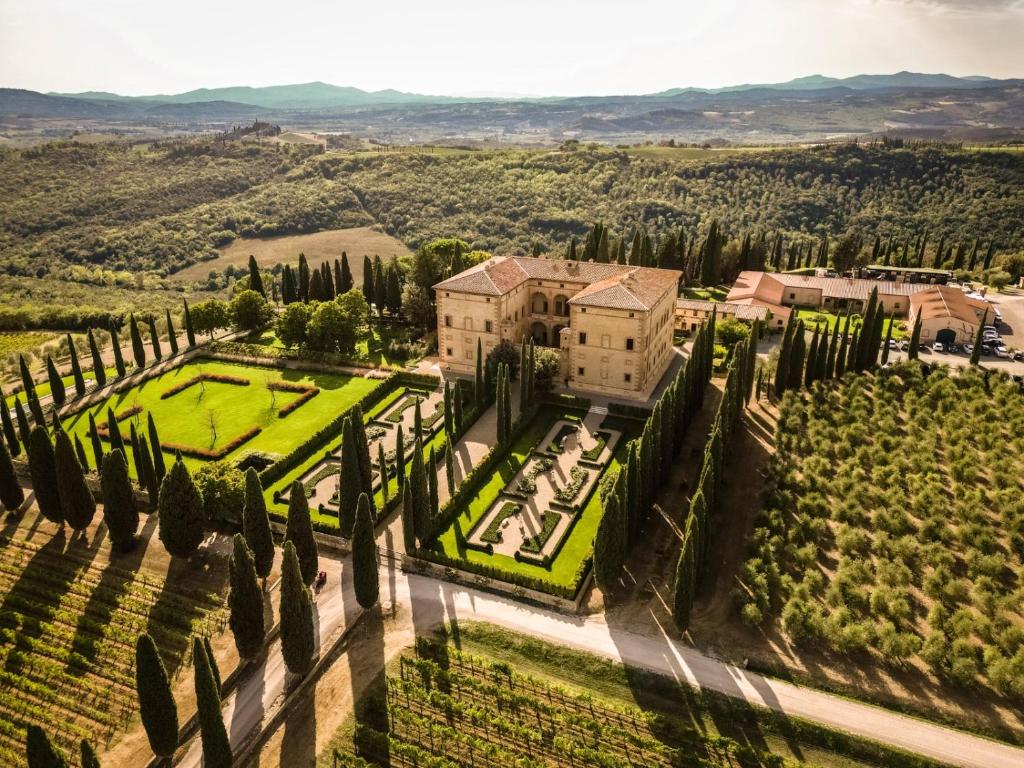
Il Grappolo is a small Montalcino estate for travelers who care about Brunello as a place-specific wine rather than a hospitality spectacle. Its focus is Sangiovese from the Piano Nero area above Sant’Angelo in Colle, with Sassocheto shaped by altitude, native yeast fermentation, traditional barrels, and long aging before release.

Pearl is the En Primeur Club membership app — saves, bookings, and concierge access live there. Same editors, same standards.

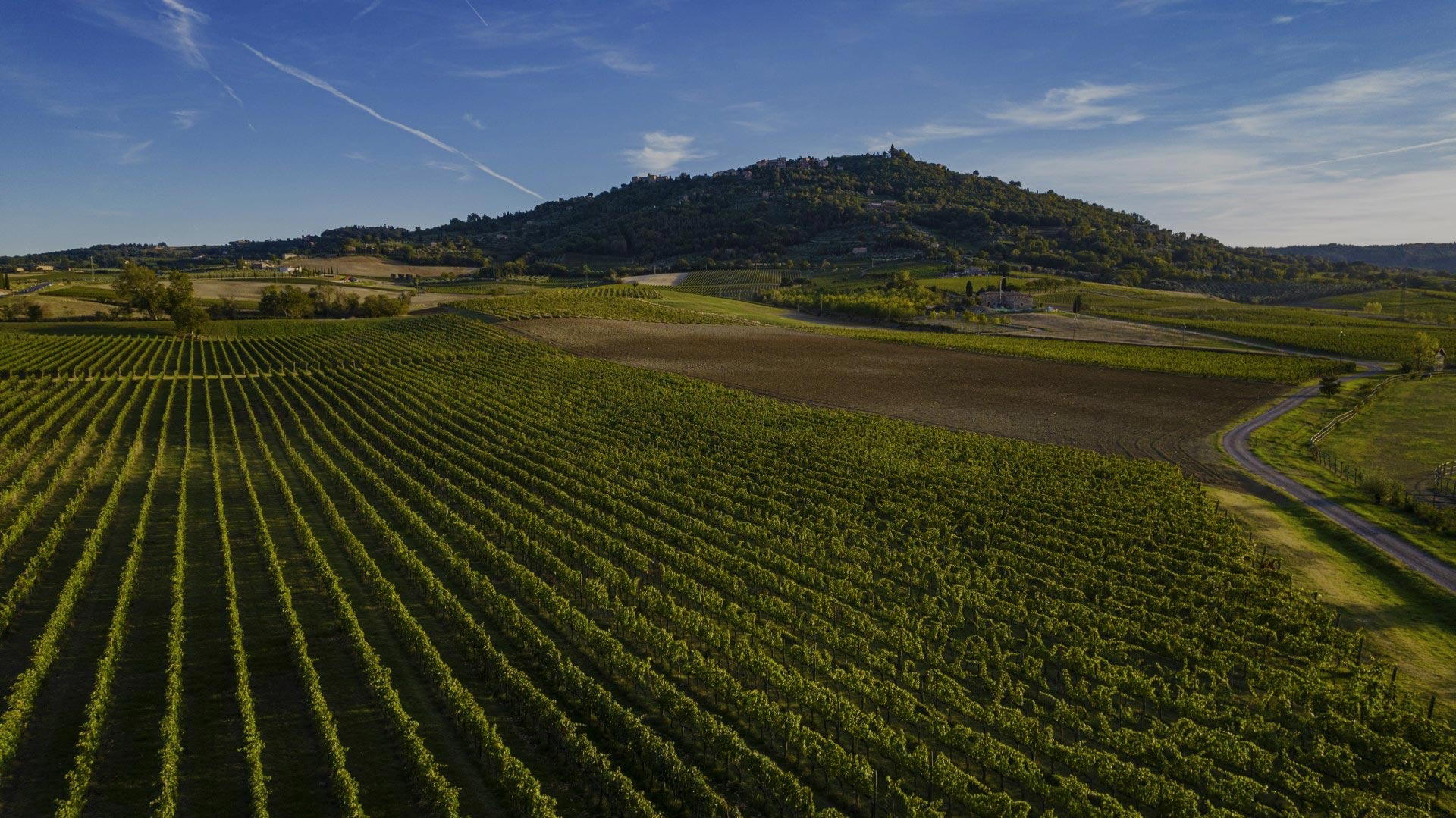
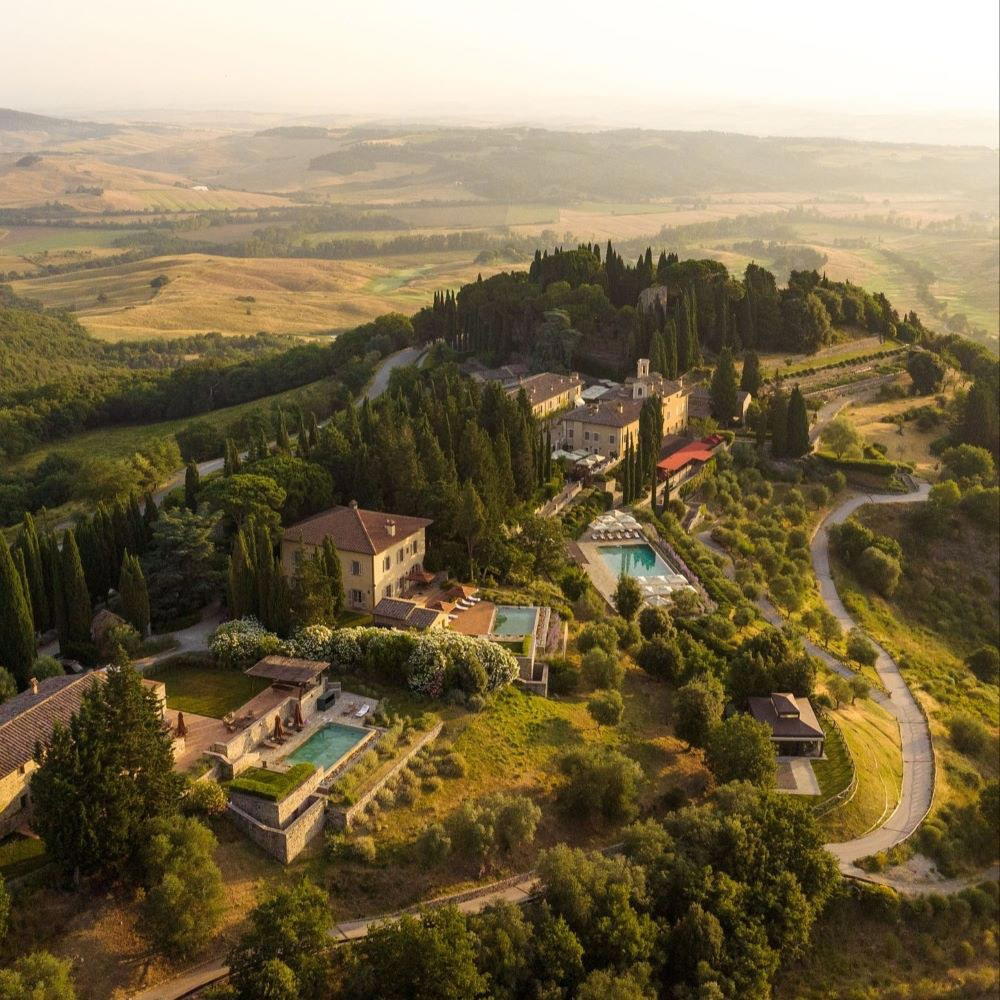
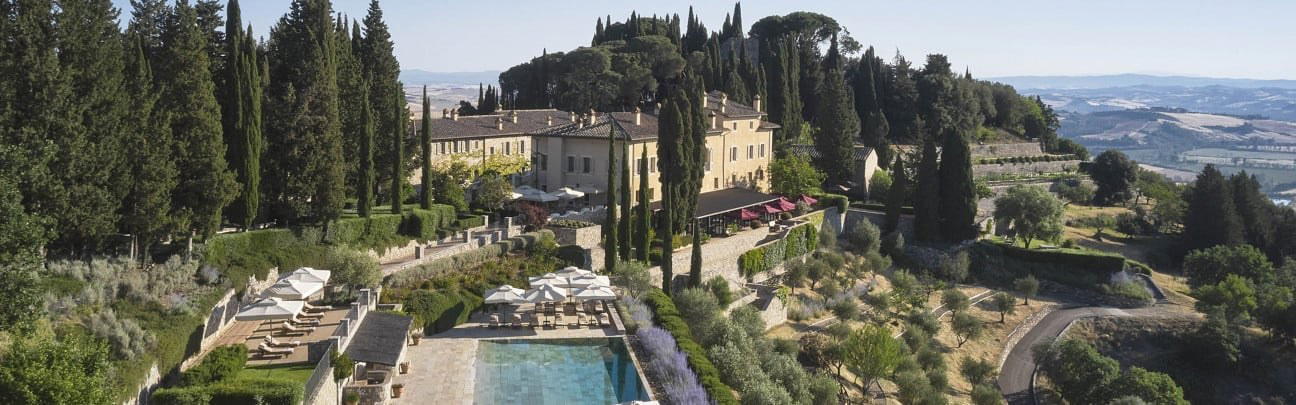
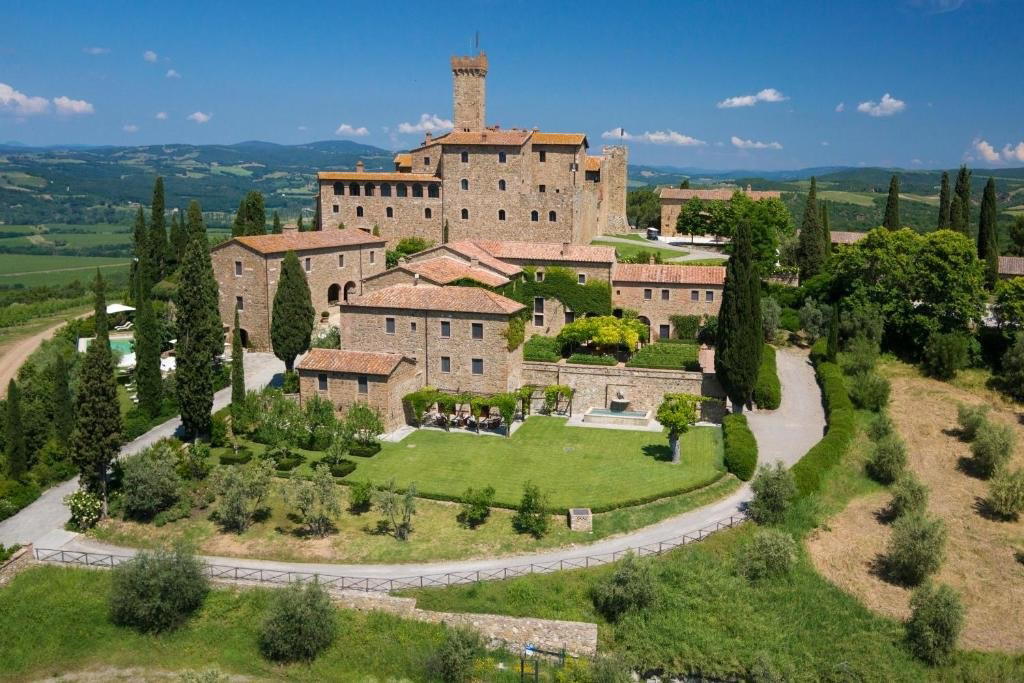
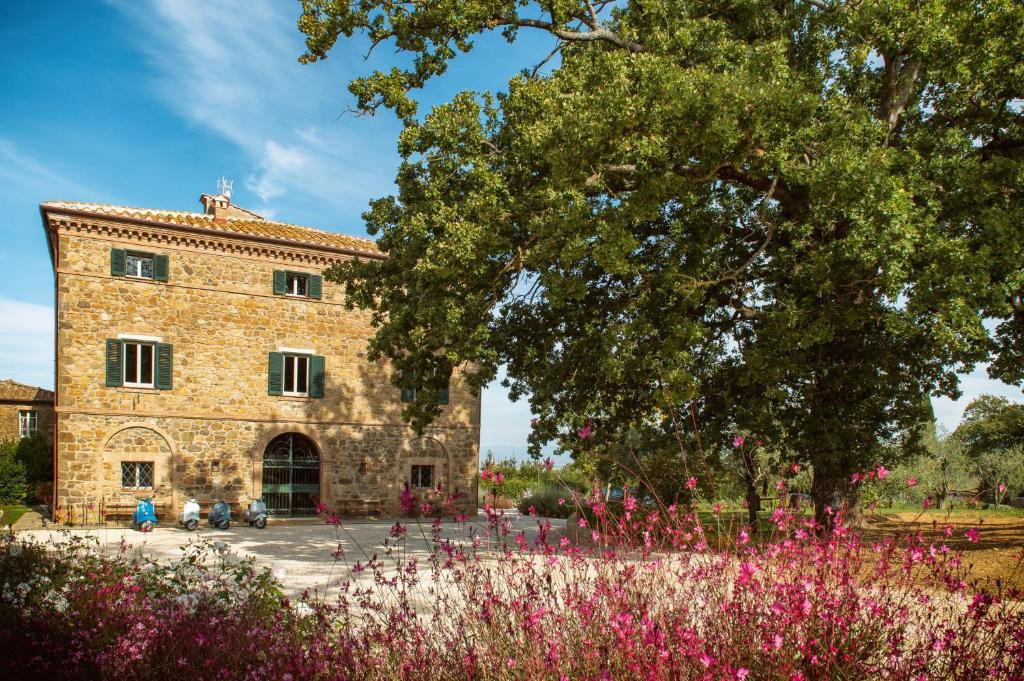
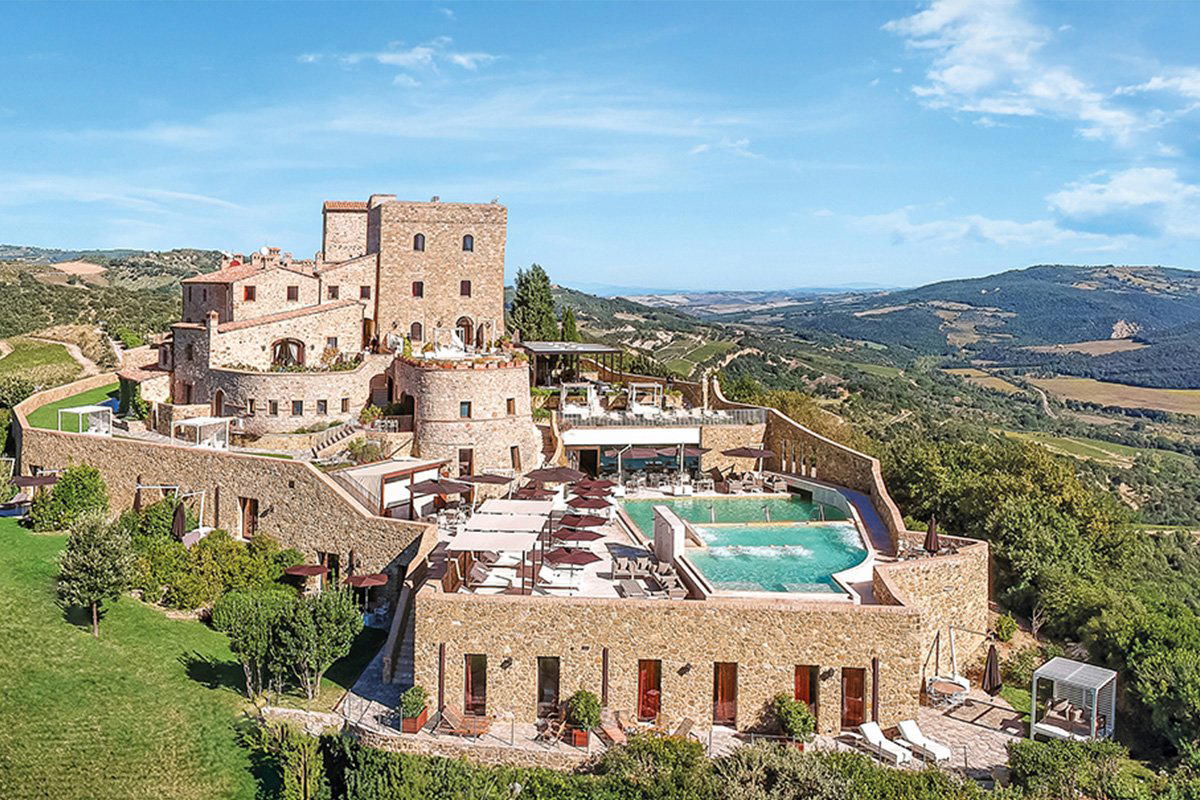
Il Grappolo in Montalcino is best understood as a quiet Tuscan wine estate rather than a high-gloss visitor attraction. The picture is narrow but useful: this is a traditional estate focused on classic Brunello di Montalcino, with a rural atmosphere and an emphasis on the terroir of the Piano Nero vineyard. For travelers planning around Montalcino, that makes the appeal less about a broad hospitality checklist and more about the setting, the wine identity, and the sense of place.
Because the confirmed information is limited, one honest way to read Il Grappolo is as a focused Brunello stop. The estate’s profile points toward classic, scenic, rustic, and tucked-away qualities. It should not be described through claims about specific services, tasting formats, named bottlings, founders, vineyard measurements, cellar techniques, food programs, awards, or exact visiting rules. What can be said with confidence is that Il Grappolo belongs to the quieter side of the Montalcino wine landscape: a place where Brunello and Piano Nero are the central references.
Piano Nero gives the Brunello its center of gravity
The anchor for the winery is Piano Nero. That matters because Brunello di Montalcino is not only a famous name; it is also a wine shaped by site, exposure, terrain, and the way a producer chooses to foreground place. In the winery’s case, the public-facing identity is tied to the terroir of Piano Nero rather than to spectacle or elaborate tourism language.
For a visitor, that changes the expectation. This is not a page to promise a particular tasting menu, a specific cellar process, a named vintage, a detailed glass-by-glass lineup, or a set of hospitality amenities. The grounded reason to pay attention is simpler: the winery presents itself as a traditional Tuscan wine estate focused on classic Brunello di Montalcino, with Piano Nero as the key lens.
That restraint can be a strength. In a region where many travelers are sorting through estates, labels, views, and day-trip logistics, a quiet rural identity can be useful. The winery appears most relevant to drinkers who want the Brunello conversation to stay close to vineyard character and the broader Montalcino landscape, rather than becoming a generic tasting-room experience.
A traditional Brunello estate in a rural Montalcino mood
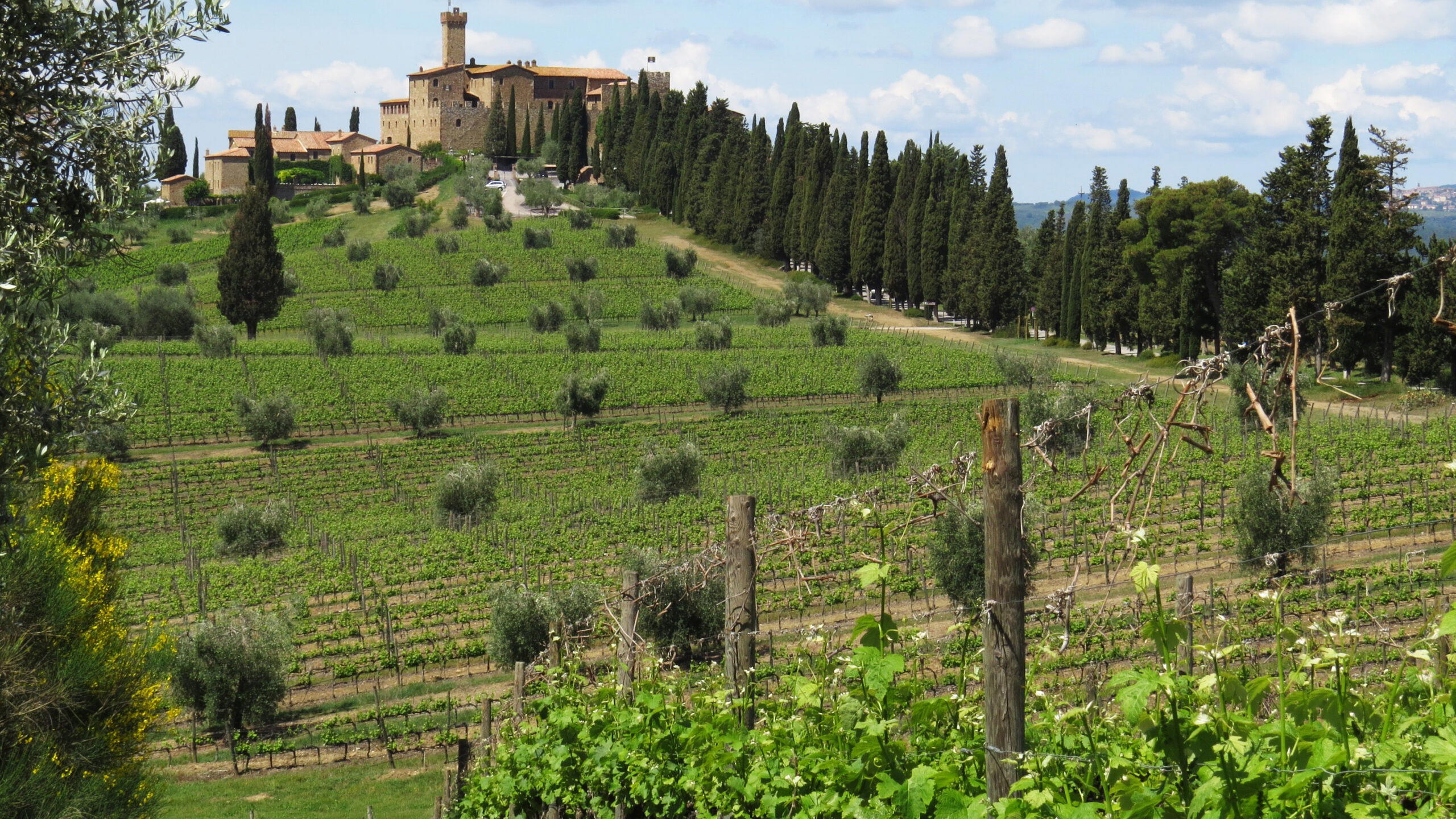
The style cues are traditional, classic, scenic, rustic, and hidden. Those words are not a substitute for operational details, but they do tell you how to frame the venue. The winery is not best introduced as a restaurant, bar, hotel, or entertainment venue. It is a wine estate in Montalcino, and its appeal rests on Brunello di Montalcino and the rural atmosphere around it.
That also means the guide should avoid overclaiming. There is no confirmed basis here for stating a chef, cuisine, dish, seat count, tasting duration, tour structure, family history, exact address, opening hours, take-out or delivery policy, allergy accommodation, dog policy, children’s programming, outdoor seating, ranking, score, or award. If those details matter to a specific trip, they should be checked directly before planning around them.
What remains is still meaningful for the right traveler. The winery’s profile suggests a place for people who value a classic Brunello frame, a quieter rural setting, and a site-driven narrative. Its price level is listed as $$$$, so it belongs in a higher-end planning category even though the tone is rustic rather than flashy.
Who should make room for it in a Montalcino trip
The winery makes the strongest case for travelers who want Montalcino to feel connected to wine country rather than only to dining, shopping, or sightseeing. The mood is quiet and rural, with an emphasis on Piano Nero terroir. If your idea of a rewarding Brunello stop is a scenic estate with a classic identity, the winery fits that brief.
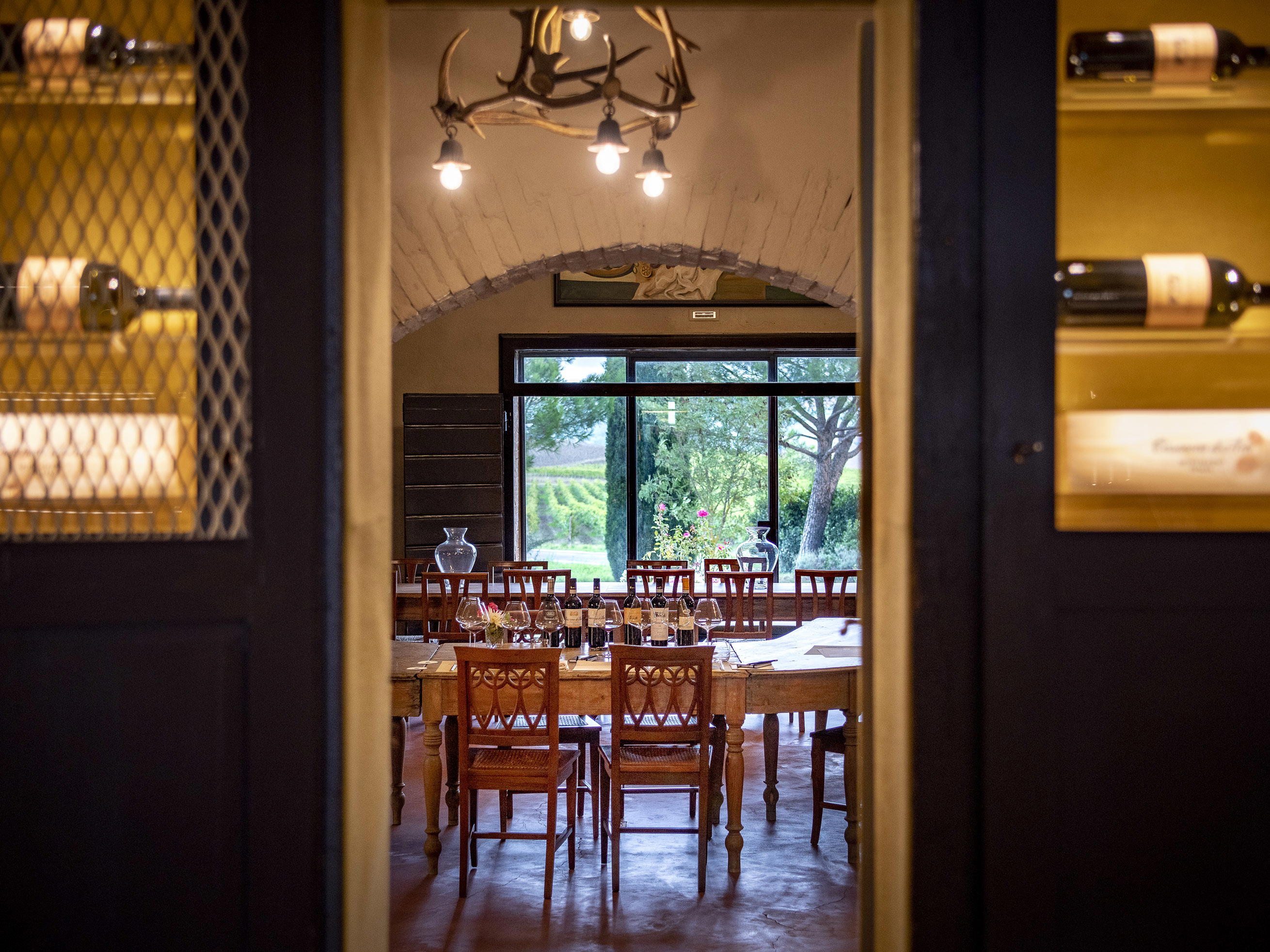
It is less appropriate to build expectations around extras. Do not assume lunch, dinner, pairings, a full visitor center, walk-in tastings, a formal tour route, special dietary services, or a particular beverage program beyond the estate’s Brunello focus. The safe planning approach is to treat the winery as a wine-focused Montalcino estate and confirm any practical arrangements directly before going.
For the rest of a Montalcino stay, plan meals, lodging, and other activities separately rather than expecting the winery to cover the whole day. Other dining in Montalcino can round out the itinerary, while the winery can sit in the wine portion of the trip as a classic, rural, Piano Nero-focused reference point.
The editorial read is simple: the winery is for Brunello drinkers who prefer understatement.
Recognition history
Dated appearances from independent guides and award organizations, with the underlying list record or original source where available.
Falstaff Winery - Listed
Falstaff
Continue exploring
More in Montalcino
Wineries in Montalcino
Browse all →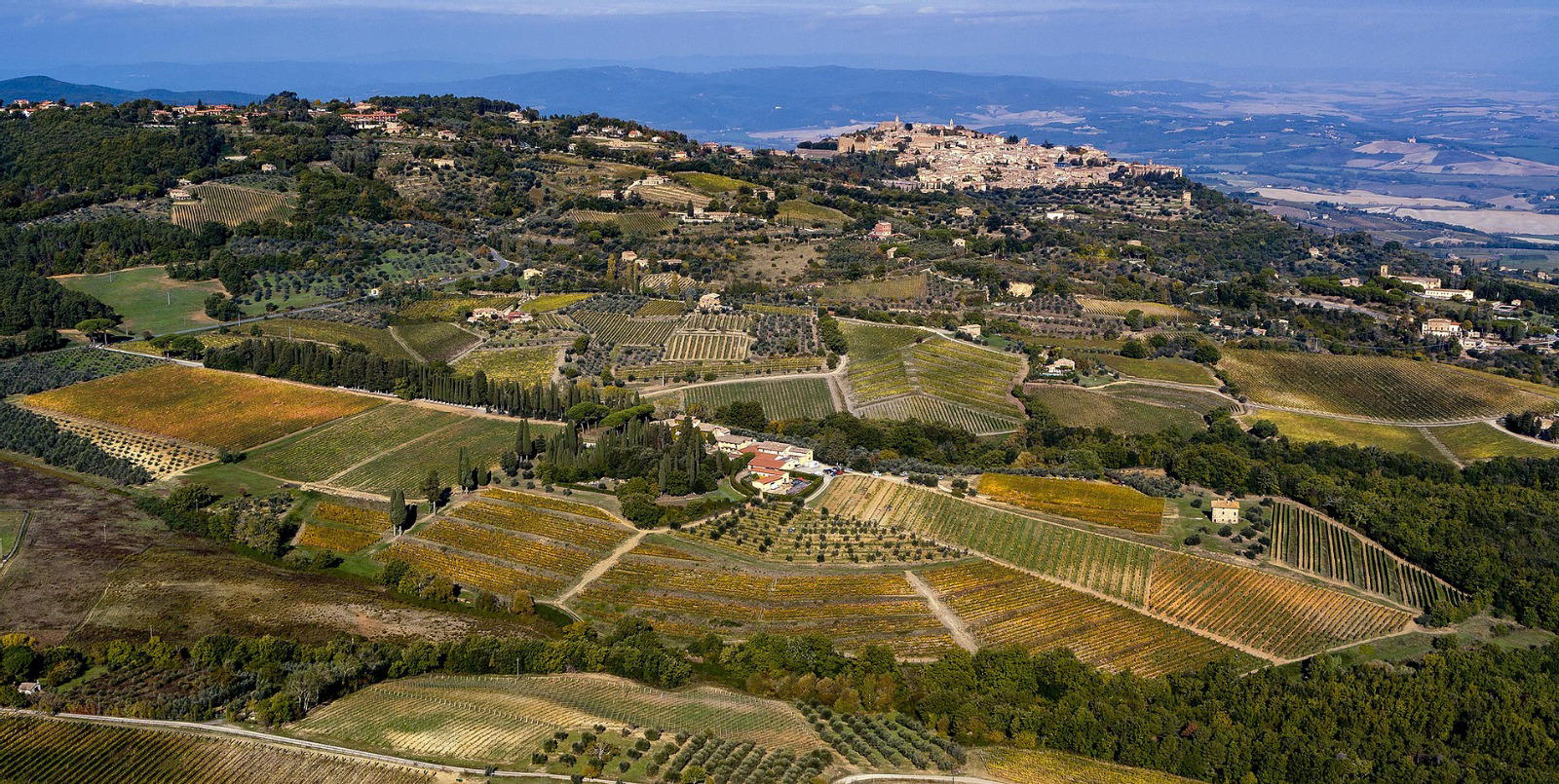
Bars in Montalcino
Browse all →
Restaurants in Montalcino
Browse all →
At a Glance
- Classic
- Scenic
- Rustic
- Romantic
- Romantic Getaway
- Solo Exploration
- Wine Education
- Special Occasion
- Estate Grounds
- Vineyard Tour
- Panoramic View
- Vineyard
- Mountain
- Brunello Di Montalcino DOCG
- Sangiovese
- Still Red
Traditional Tuscan wine estate focused on classic Brunello di Montalcino, with a quiet, rural atmosphere and an emphasis on the terroir of the Piano Nero vineyard rather than on-tourism bells and whistles.