Folie à Deux

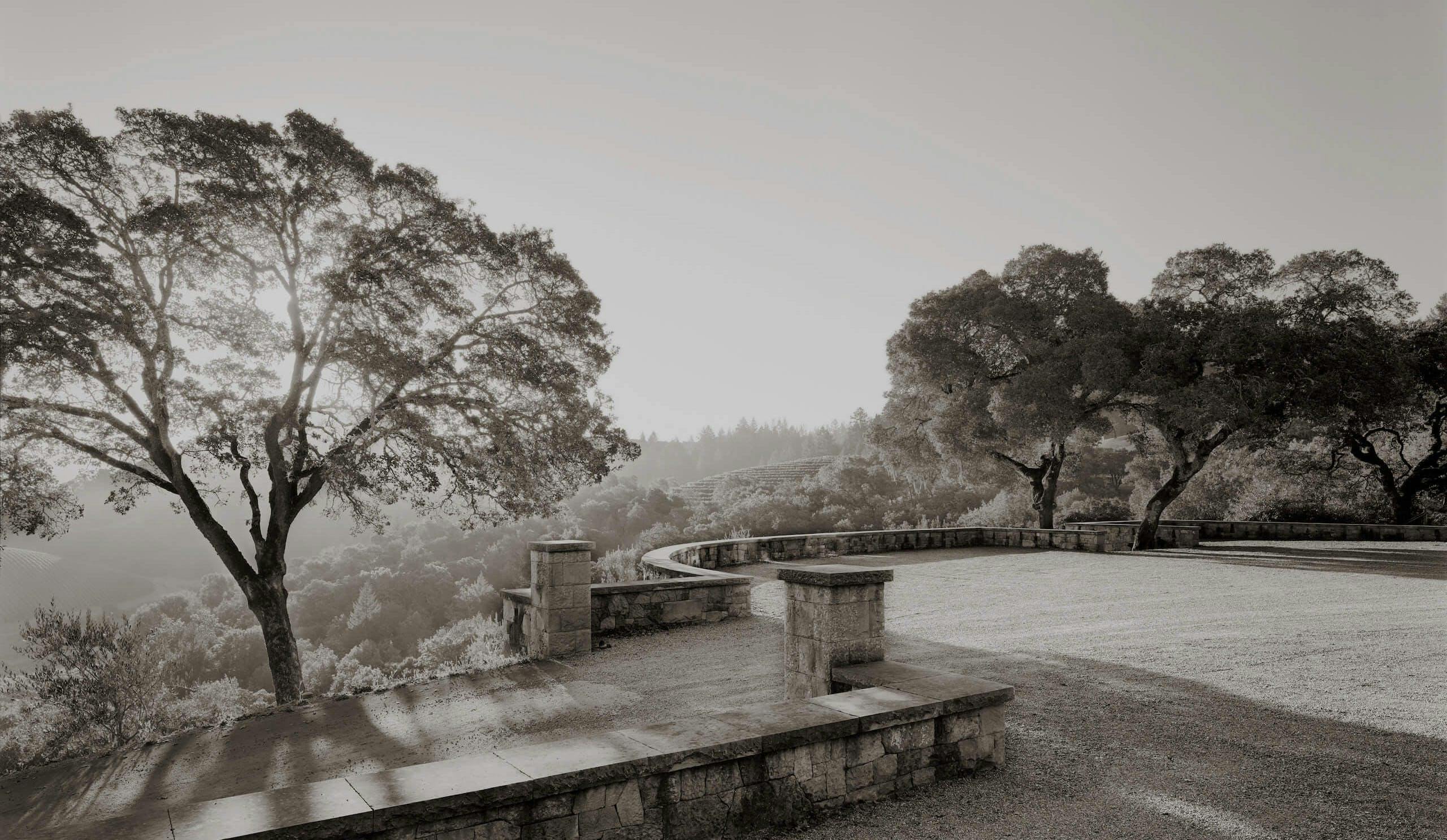
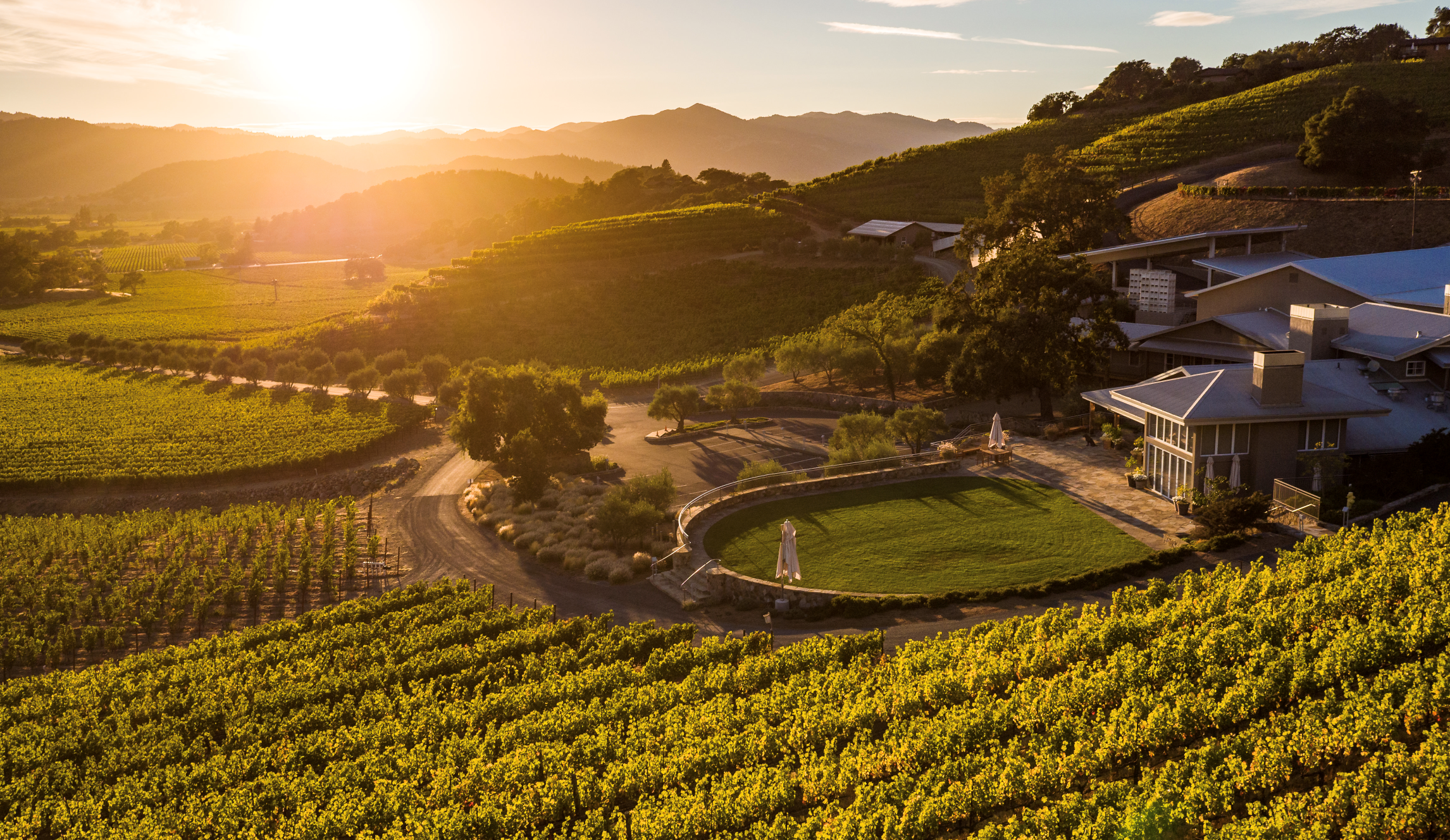
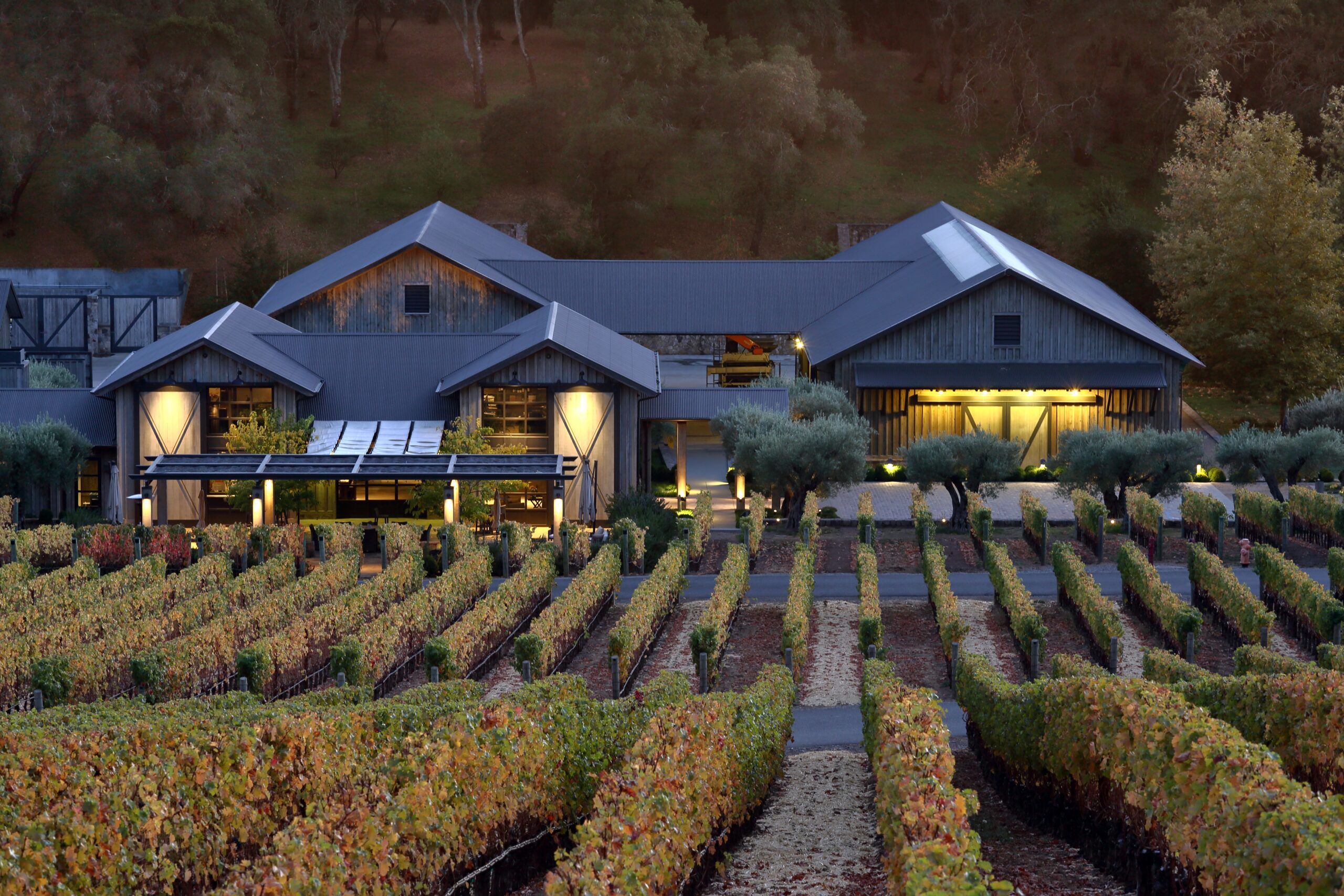
Folie à Deux belongs to Napa’s quieter estate tradition: farmhouse, stone structures, vineyard views, and a portfolio built around still red and white wines rather than spectacle. Founded in 1981 and now part of Trinchero Family Estates, it reads as a study in Napa Valley ripeness moderated by mountain air, with Chardonnay, Cabernet Sauvignon, Zinfandel, Merlot, Pinot Noir, and Sauvignon Blanc in the frame.
Pearl is the En Primeur Club membership app — saves, bookings, and concierge access live there. Same editors, same standards.
- Address
- Napa, Sonoma Valley, California, Vereinigte Staaten
 Saves & bookings on Pearl
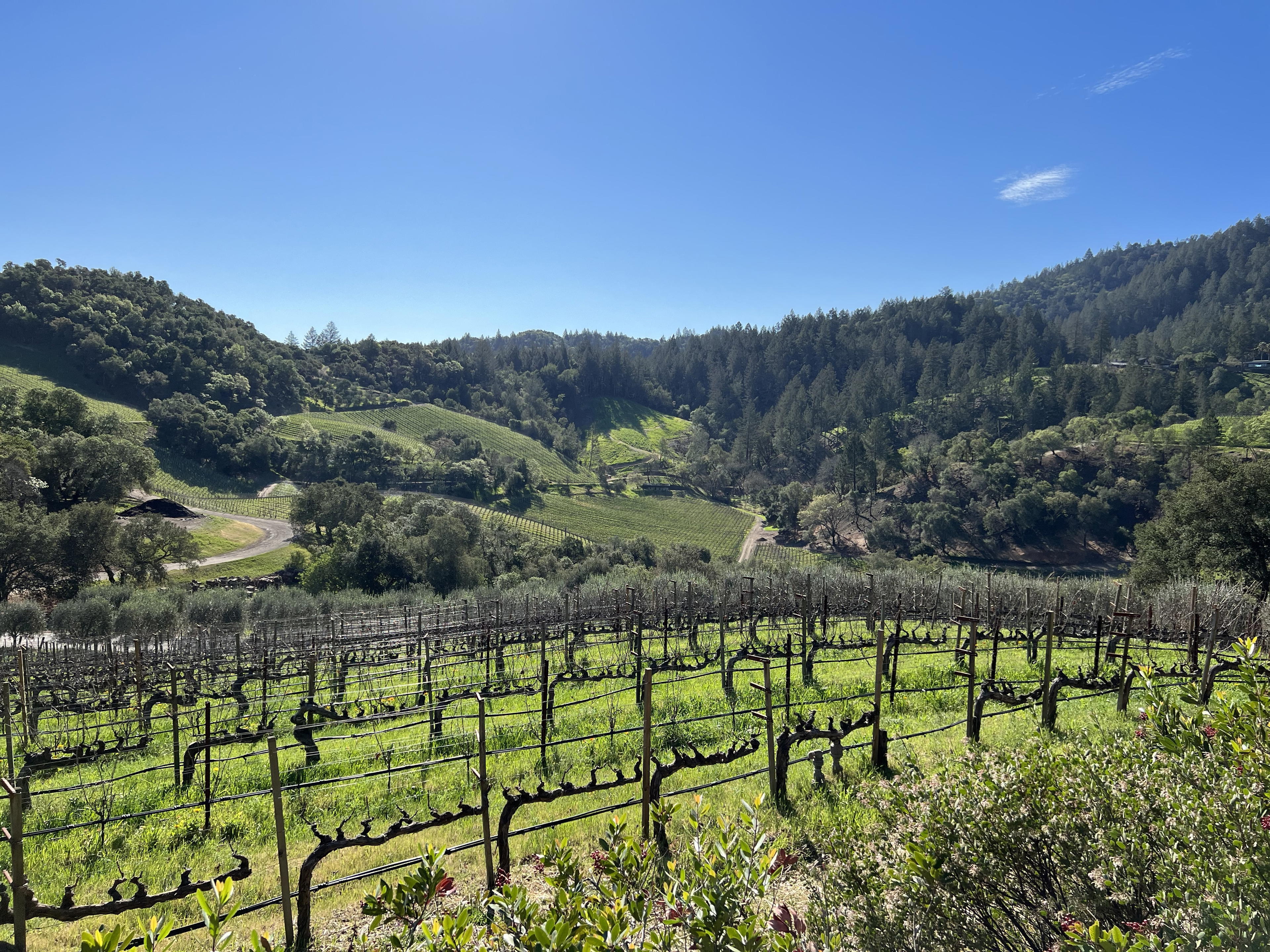
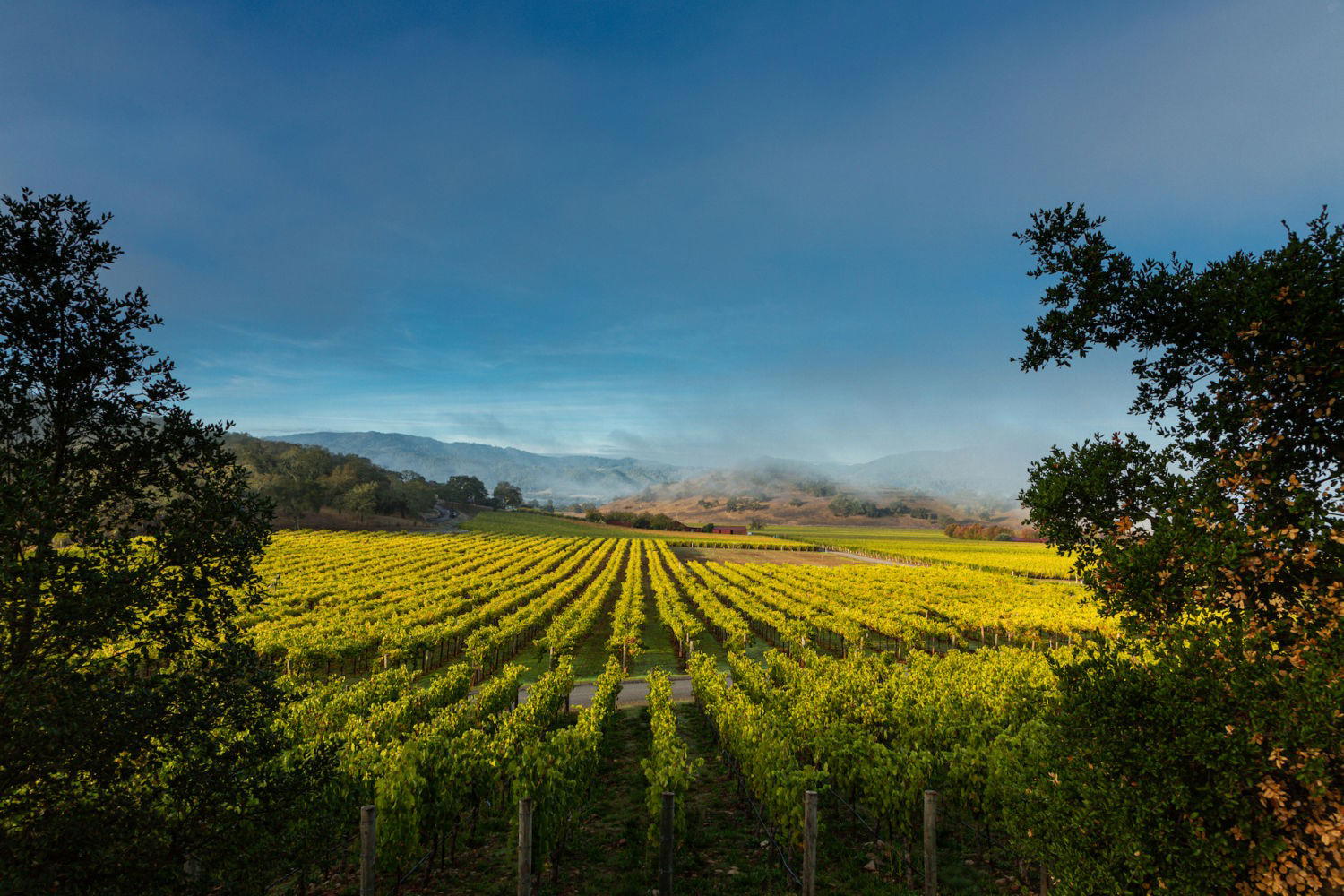
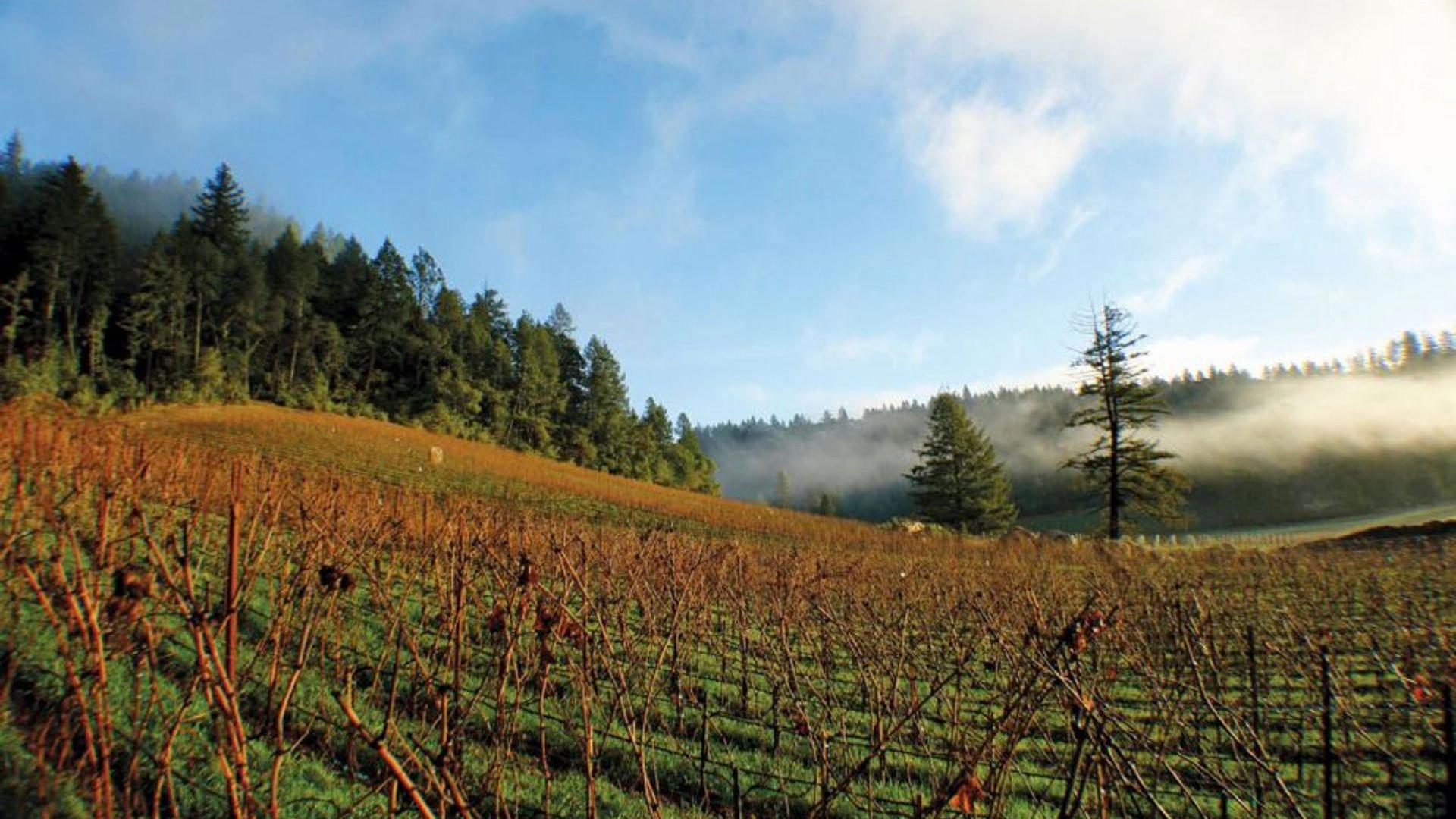
The first read here is agricultural rather than theatrical: a farmhouse, stone structures, vines, and mountain slopes do more work than staged hospitality. Napa has spent two decades building tasting rooms that behave like design hotels, but Folie à Deux sits closer to older valley grammar, where property, vineyard corridor, and label backstory carry the experience. Its position between Spring Mountain and Howell Mountain matters: this narrow valley section moderates heat with cool air moving down from Mount St. Helena, a small climatic detail with large consequences for ripeness, aromatic lift, and avoiding flat, over-warm fruit.
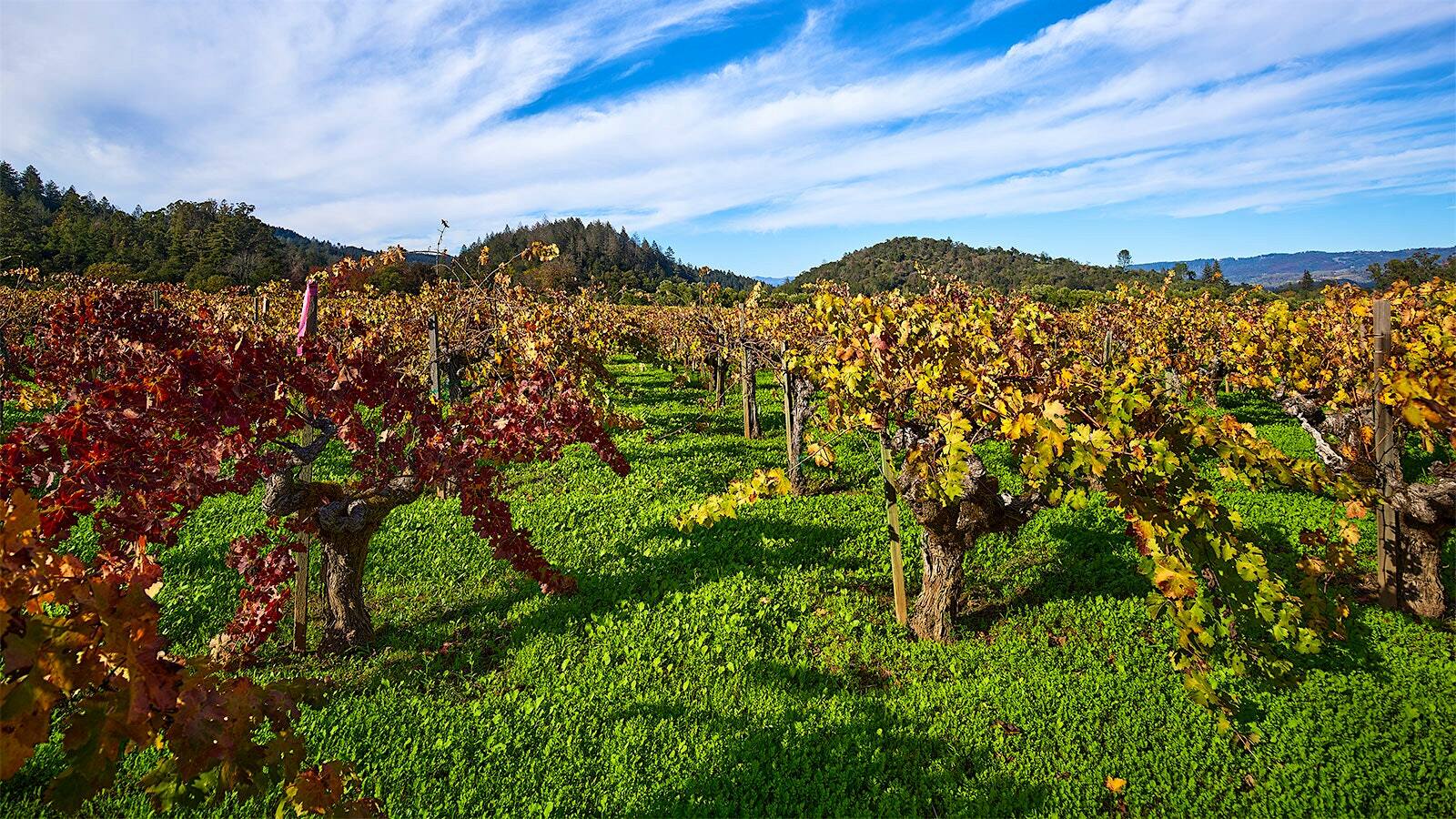
That terroir angle is the serious way to understand the winery. Napa Cabernet is often discussed through power and price, while Chardonnay is reduced to oak shorthand. Here, the better frame is balance within a warm-region style: fruit reaches full maturity, while the site’s cooling pattern gives the wines a route away from simple weight. The portfolio spans Cabernet Sauvignon, Zinfandel, Chardonnay, Merlot, Pinot Noir, and Sauvignon Blanc, so the estate is not making a single-variety argument. It is making a California argument, with Napa identity at the center and broader still-wine accessibility around it.
Mountain air, farmhouse history, and a Napa style built for ripeness with restraint
Folie à Deux was founded in 1981 by two psychiatrists, and the name refers to a shared delusion or shared fantasy. In weaker hands, that origin story would become label theater. Here it works because the property has agricultural grounding: a century-old farmhouse, an older stone shed, and a site tied to Napa farming before the current brand existed. The farmhouse has been associated with earlier agricultural use, including the 1930s period when Spanish prizefighter Luis Santa Maria retired to the area to tend sheep and make wine. That history gives the place a longer memory than the modern winery name suggests.
The modern chapter matters too. The winery came out of bankruptcy in 1995 and was sold in 2004 to Trinchero Family Estates, placing a boutique-feeling Napa property inside a larger family wine company. Its competitive position is neither tiny allocation-only estate nor anonymous supermarket label. The secondary brand Ménage à Trois became a major commercial signal, with Ménage à Trois Red recorded as the leading red wine product in the United States in 2010 and the brand at 1.6 million cases in 2009. Those figures are not critic scores, but they explain why this address carries both estate romance and broad-market recognition.
For the wines, the center of gravity is accessible California fruit rather than austerity. Chardonnay, Cabernet Sauvignon, and Zinfandel have been central to the winery’s public identity, with other varieties broadening the range. A documented 2006 Napa Valley Chardonnay was described in a full-bodied Napa mode, with French oak influence and enough freshness to keep the style balanced. Treat that as a vintage-specific marker, not a permanent tasting script. The larger point is that the estate belongs to the Napa school where ripeness is not avoided; it is managed.
The tasting-room appeal is quiet: estate texture over scripted luxury
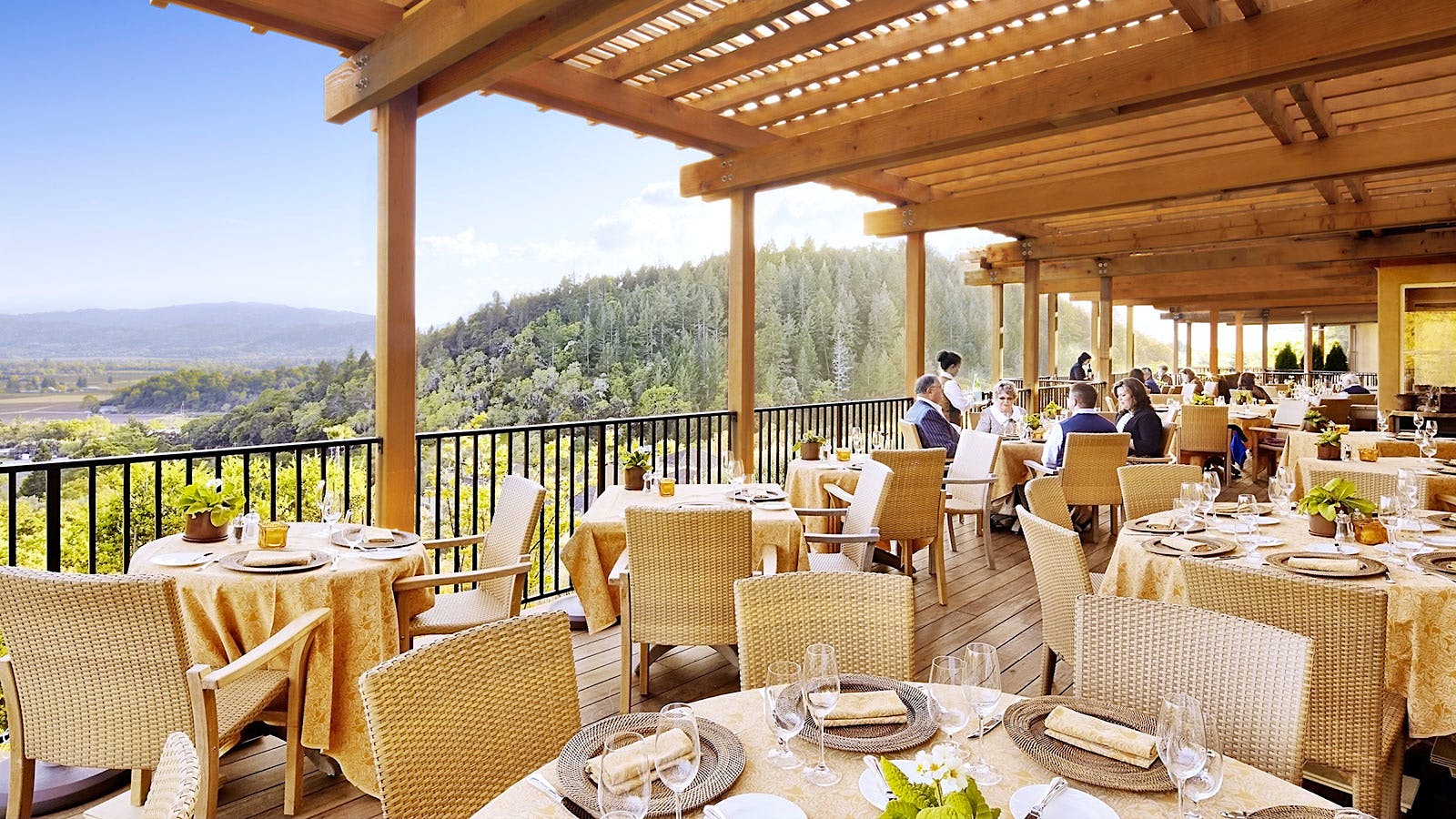
The hospitality format suits visitors who prefer wine-country texture to high-production performance. The setting is a boutique winery estate with vineyard and mountain views, historic building components, and a conversational rather than high-energy feel. Tastings are oriented around bar and estate formats, with a walk-in-friendly posture and casual dress code. The price signal sits in the $$ range, more approachable than Napa’s trophy tasting appointments.
This is a useful stop for travelers trying to understand Napa beyond Cabernet monoliths. The varietal spread opens a conversation about how California wineries balance estate identity, appellation sourcing, and consumer familiarity. Cabernet Sauvignon gives the valley anchor; Chardonnay tests the handling of richness and freshness; Zinfandel, Merlot, Pinot Noir, and Sauvignon Blanc widen the lens. The result is not a purist single-vineyard seminar, but a practical view of how a Napa estate can operate with both local character and broader California reach.
The strongest use case is a low-friction wine-country visit: small-group tasting, solo exploration, a relaxed couple’s stop, or a learning-oriented itinerary where terroir and brand history matter more than rarity games. On-site parking and a walk-in-friendly format make logistics easier than appointment-only estates, while the lack of food-pairing emphasis keeps focus on the glass and property. Families with children and dog-led itineraries should look elsewhere, since the venue profile is built around adult tasting rather than all-ages recreation.
How it fits into a sharper Napa itinerary
Folie à Deux is most rewarding inside a broader Napa day that separates estate character from dining and lodging decisions. Use the visit to read the valley’s physical language: mountain influence, vineyard exposure, old agricultural structures, and the commercial afterlife of a label with national reach. Then build the rest of the day around the city’s restaurants, bars, hotels, and experiences rather than asking one tasting room to carry the whole itinerary.
For wider planning, EP Club’s Napa coverage is organized by category: start with Our full Napa wineries guide, then pair the tasting plan with Our full Napa restaurants guide, Our full Napa hotels guide, Our full Napa bars guide, and Our full Napa experiences guide. Readers building a broader winery map can also save reference pages for Acacia Vineyard, Amuse Bouche Winery, Antica, Antica Napa Valley, Arietta, 13th Vineyard in Angwin, 00 Wines in Carlton, 50 West Vineyards in Aldie, »der Steiner« Hans Steiner in Podersdorf am See, and & Handwein in Mannheim.
The editorial read is simple: come for a Napa estate that explains place without ceremony. The farmhouse and mountain corridor provide context; the varietal range shows how the winery translates it into approachable still wines; the Trinchero connection explains the scale behind the label. In a region often split between luxury appointment culture and mass distribution, the winery occupies useful middle ground, grounded enough to feel local and broad enough to show how Napa travels beyond the valley.
Recognition history
Dated appearances from independent guides and award organizations, with the underlying list record or original source where available.
Falstaff Winery - Listed
Falstaff
At a Glance
- Classic
- Scenic
- Rustic
- Intimate
- Group Outing
- Romantic Getaway
- Solo Exploration
- Wine Education
- Estate Grounds
- Historic Building
- Mountain
- Vineyard
- Napa Valley AVA
- Cabernet Sauvignon
- Zinfandel
- Chardonnay
- Merlot
- Pinot Noir
- Sauvignon Blanc
- Still Red
- Still White
- Bar Tasting
- Estate Tasting
Historic boutique Napa estate with a classic farmhouse and stone structures set between mountain slopes, offering a traditional, tranquil wine country feel focused on crafted still wines rather than flashy experiences.