Fattoria La Lecciaia

Fattoria La Lecciaia sits in Montalcino’s Brunello tradition with a clear Sangiovese center and a wider Tuscan reach. The estate’s interest lies in the contrast between DOCG discipline, a limited single-vineyard Brunello, and coastal Maremma bottlings that broaden the conversation beyond classic Montalcino reds.

Pearl is the En Primeur Club membership app — saves, bookings, and concierge access live there. Same editors, same standards.

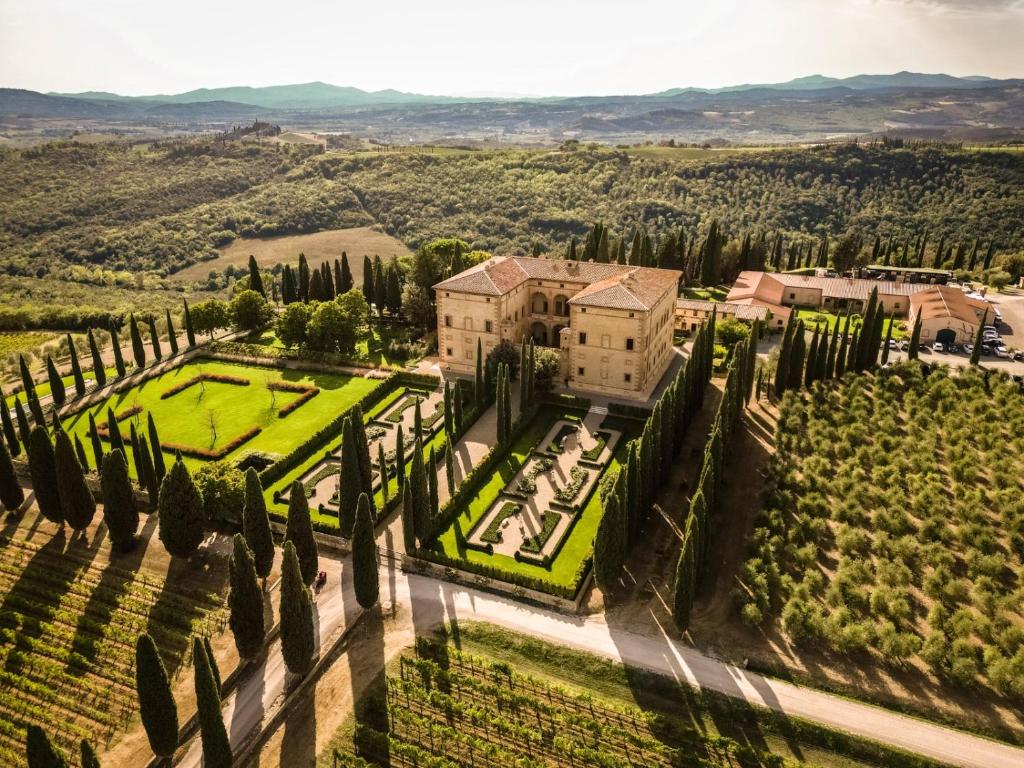
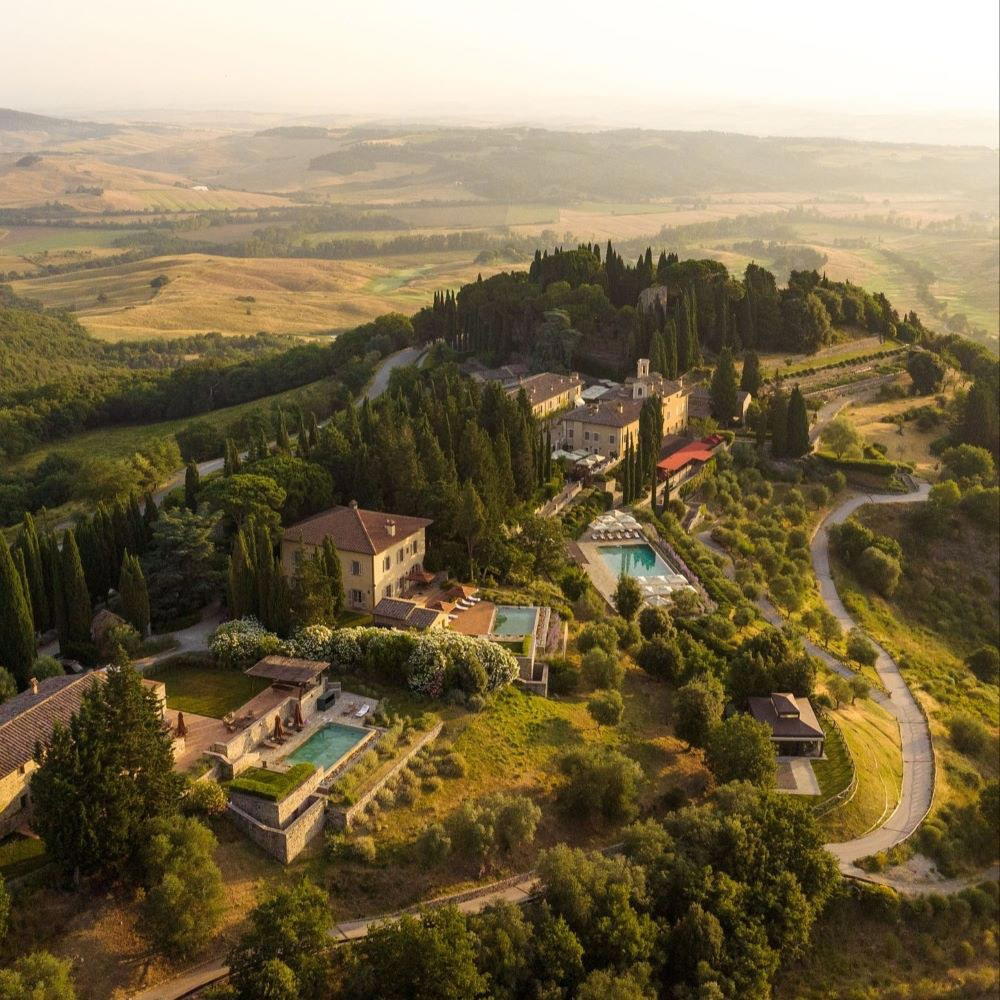
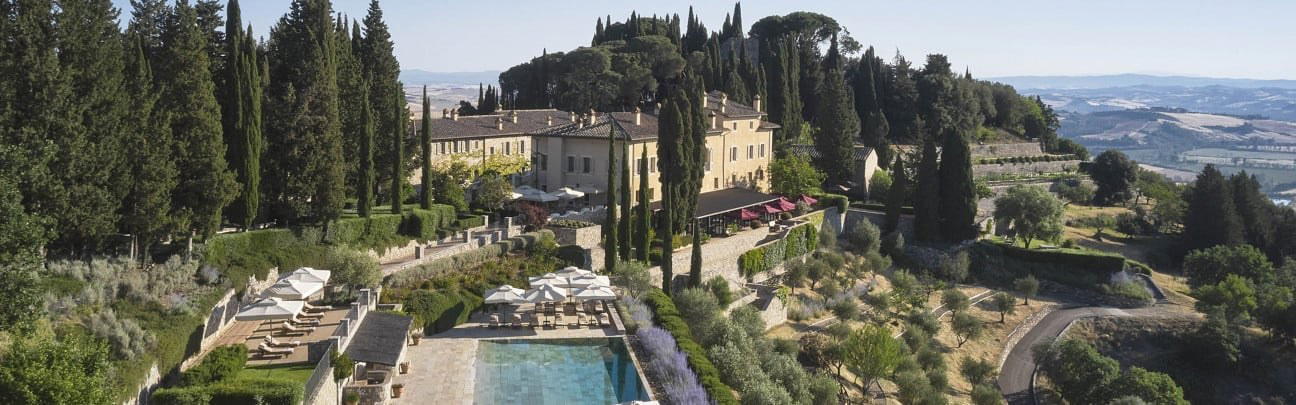
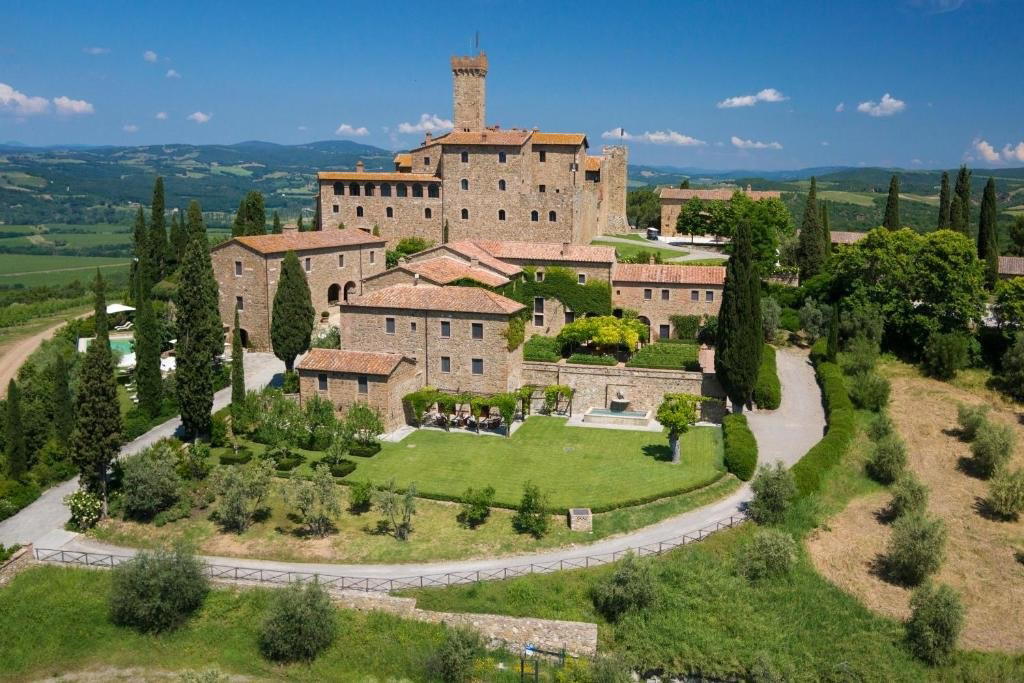
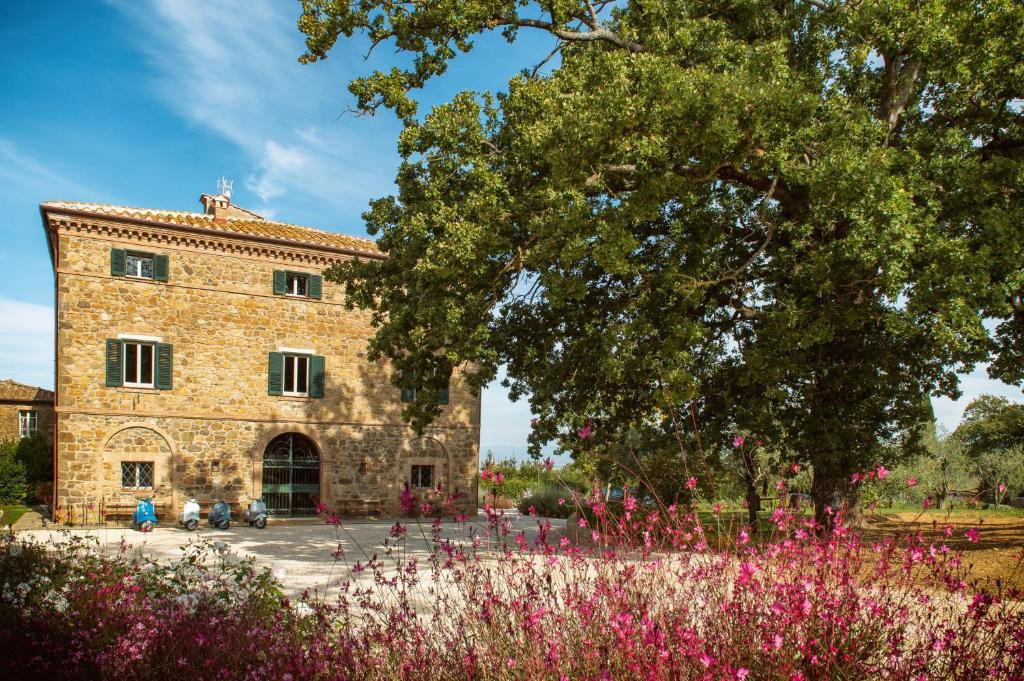
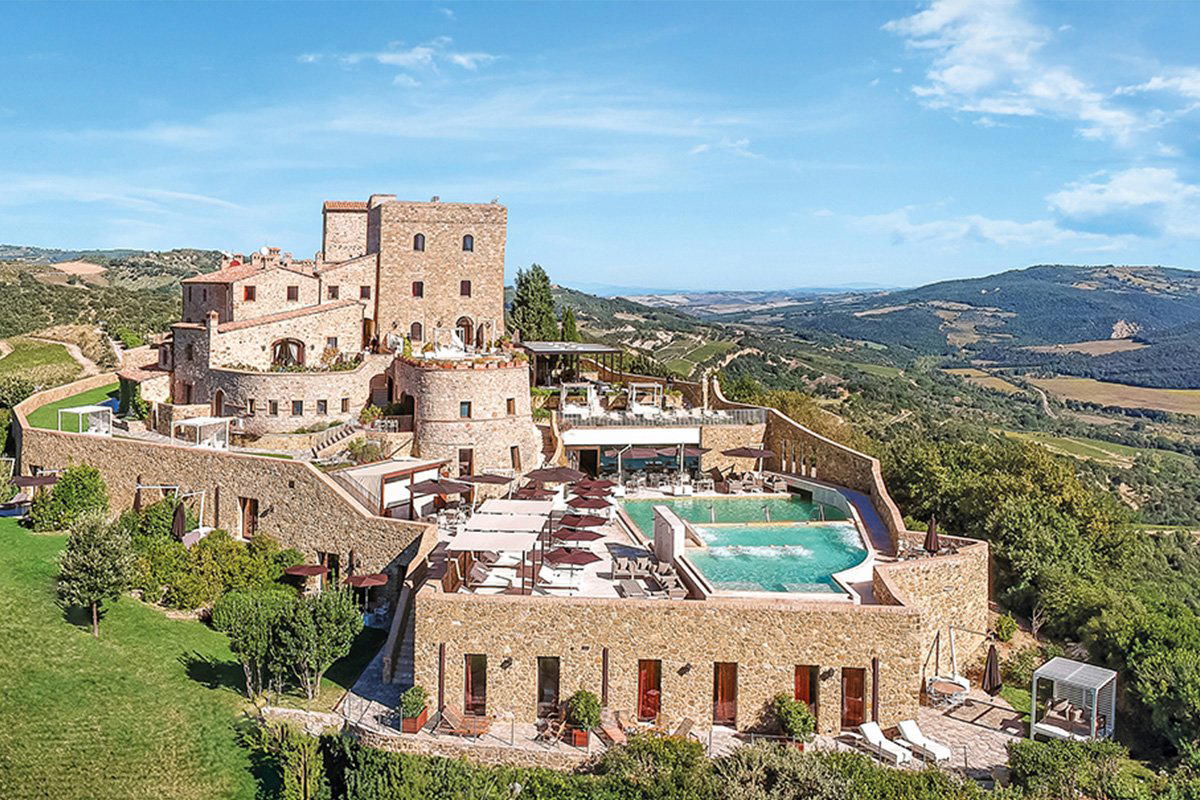
Fattoria La Lecciaia is best understood as a traditional Tuscan wine estate in Montalcino, focused on Brunello di Montalcino and the agricultural identity behind it. The picture is intentionally simple: this is a classic, rustic, scenic estate whose strongest association is terroir-driven Sangiovese from estate vineyards in Montalcino, with a broader connection to coastal Tuscany as part of its wine identity.
That frame matters because Montalcino can easily be reduced to labels, scores, and collector shorthand. For this estate, the safer and more useful reading is not built around claims about production size, founding history, named cuvées, hospitality formats, or awards. The grounded point is the estate’s relationship to Brunello di Montalcino and to Sangiovese grown in a place where vineyard origin, agricultural character, and Tuscan tradition remain central.
Sangiovese first, with Brunello as the governing language
The core appeal of Fattoria La Lecciaia is its Brunello identity. In terms, the estate is focused on Brunello di Montalcino, with Sangiovese as the central grape and terroir as the guiding idea. That is enough to define the visit for many wine travelers: this is not presented here as a restaurant, cocktail destination, hotel, or modern tasting spectacle, but as a wine estate whose identity rests on Montalcino vineyards and the classic language of Tuscan red wine.
The editorially responsible approach is to keep the emphasis where it is supported: Brunello di Montalcino, estate-grown Sangiovese, rustic Tuscan atmosphere, and the connection between Montalcino and coastal Tuscany.
For travelers comparing wine experiences in the area, one useful comparison is with other Montalcino dining and wine options in general rather than with a fixed list of named estates. The question to ask is not simply which producer is most famous, but what kind of experience you want: a classic agricultural setting, a scenic rural stop, or a more polished hospitality environment. Fattoria La Lecciaia sits most clearly in the first of those categories.
Why the coastal Tuscany thread changes the reading
The winery is not only as a Montalcino estate, but also as one with a connection to coastal Tuscany. That broader Tuscan footprint is important because it gives the estate a wider regional context without changing its center of gravity. The heart of the profile remains Brunello di Montalcino and Sangiovese from estate vineyards in Montalcino, while coastal Tuscany adds another landscape to the story.
It would be easy to overstate that point by inventing specific grapes, blends, labels, or winemaking methods. What can be said confidently is that the estate’s identity bridges Montalcino and coastal Tuscany, with Brunello as the well-known anchor and terroir as the recurring theme. For a traveler, that makes the estate a useful stop if the goal is to understand Tuscan wine through place rather than through a single tasting note or accolade.
The price category is listed as $$$, so visitors should expect a premium positioning rather than a casual budget stop. Anyone planning around those needs should confirm directly before making the estate part of a day in Montalcino.
The visit suits drinkers who want appellation detail over performance
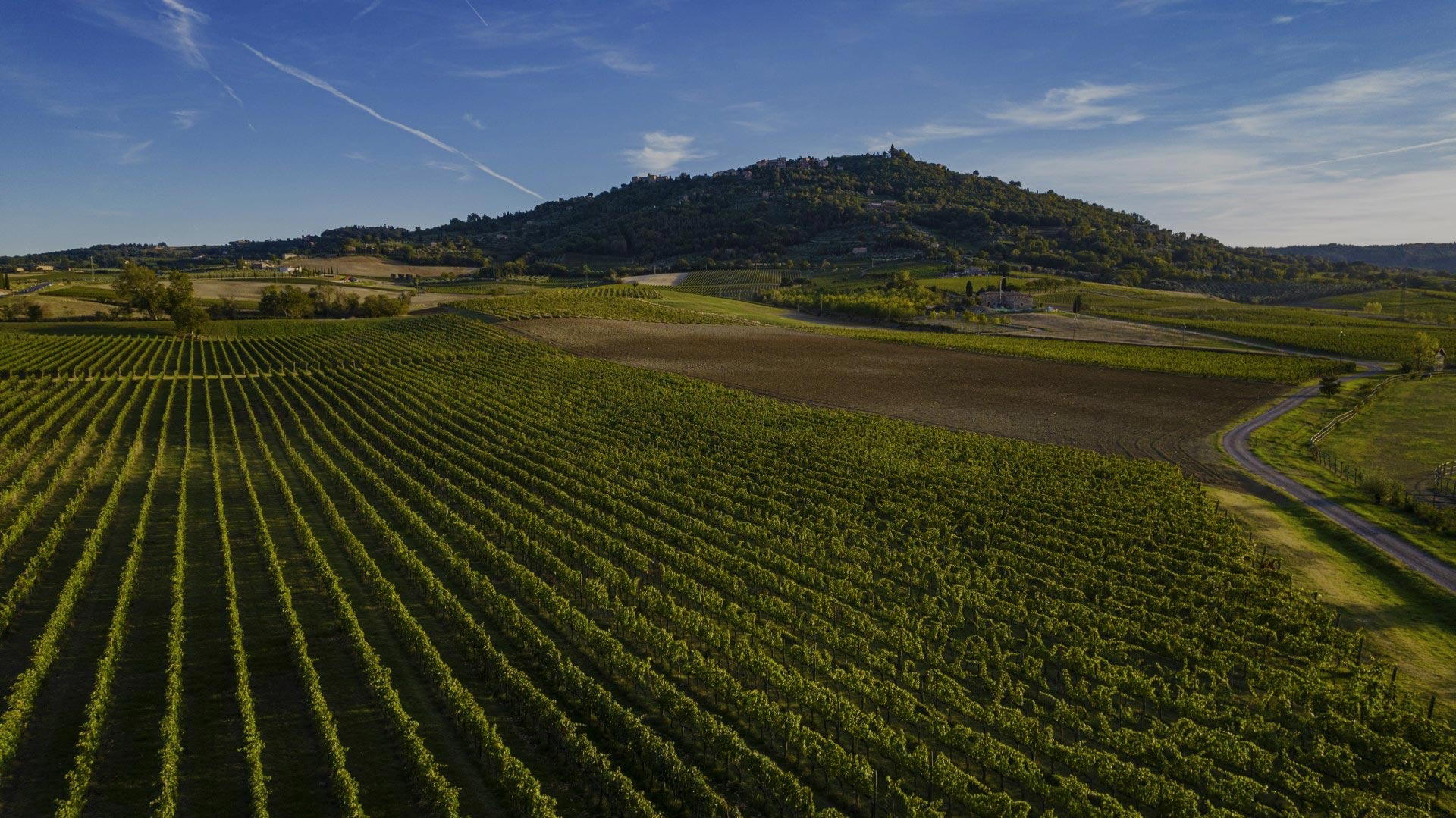
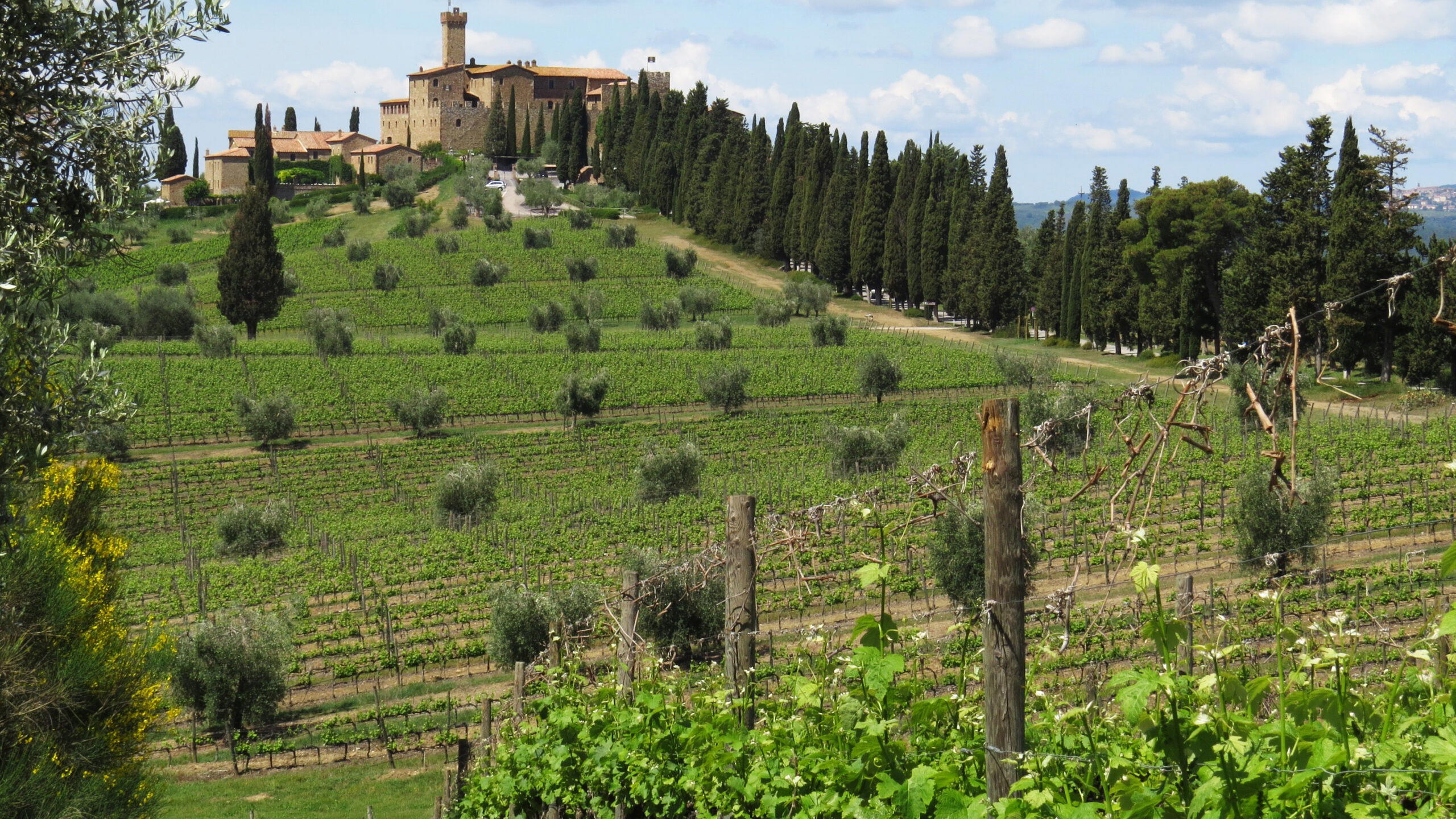
The atmosphere descriptors point toward a classic, rustic, scenic, and well-known Tuscan wine-estate feel. That suggests a setting better suited to travelers who want agricultural texture and Brunello context than to those looking for a high-energy social scene. The appeal is in the estate character: vineyards, Montalcino, Sangiovese, and the broader sense of Tuscan wine culture.
Its strongest signals are more fundamental: a traditional Tuscan wine estate, a focus on Brunello di Montalcino, terroir-driven Sangiovese, estate vineyards in Montalcino, and a connection to coastal Tuscany. Those are the details a serious wine traveler can responsibly use when deciding whether the estate fits an itinerary.
In practical terms, the winery is best framed as a Montalcino stop for visitors who want a grounded Brunello experience rather than a heavily scripted luxury narrative. Keep expectations tied to the essentials, confirm current visit details directly, and treat the estate as part of a wider exploration of Montalcino’s wine landscape.
Recognition history
Dated appearances from independent guides and award organizations, with the underlying list record or original source where available.
Falstaff Winery - Listed
Falstaff
Continue exploring
More in Montalcino
Wineries in Montalcino
Browse all →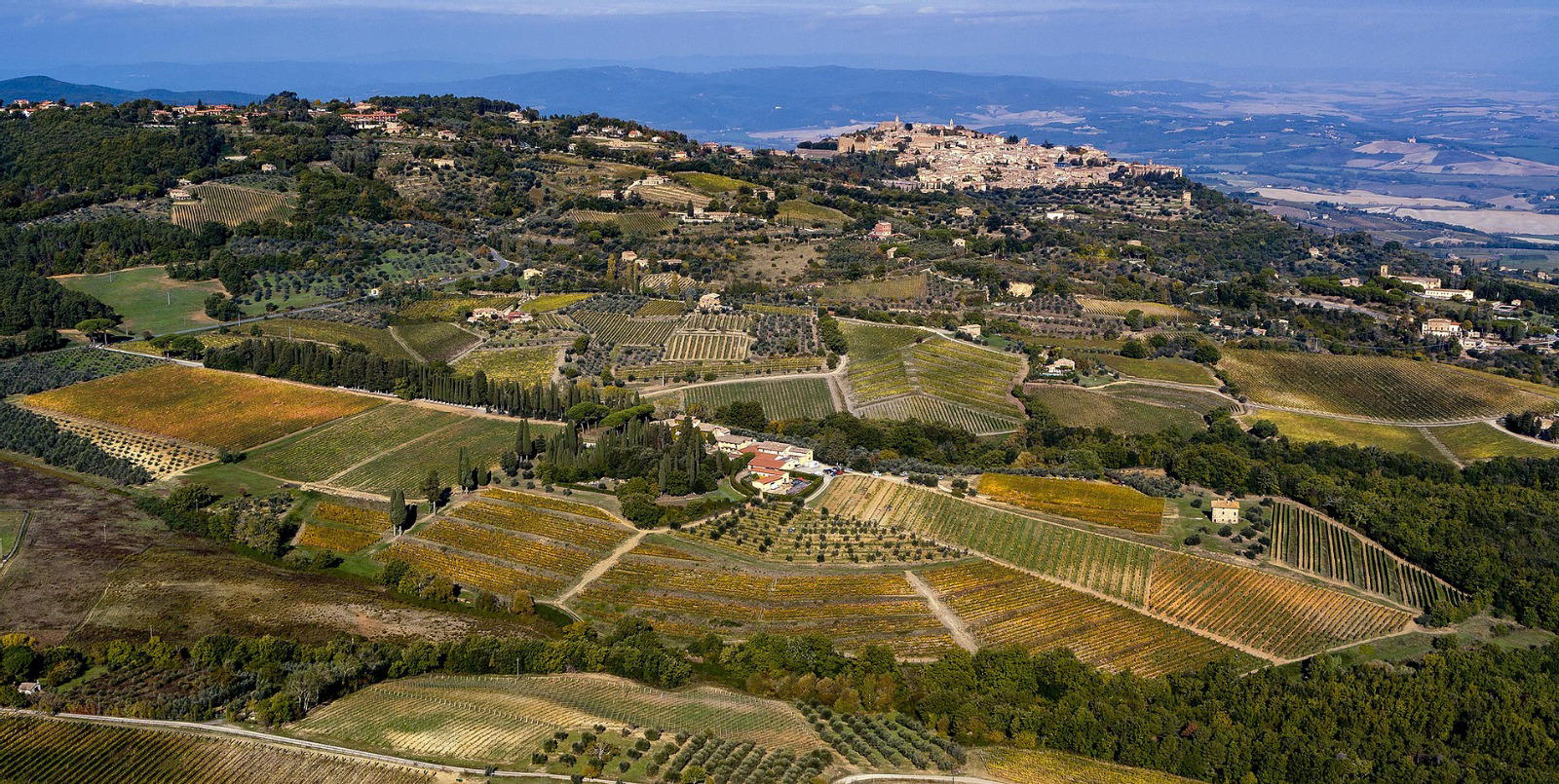
Bars in Montalcino
Browse all →
Restaurants in Montalcino
Browse all →
At a Glance
- Classic
- Rustic
- Scenic
- Well Known
- Romantic Getaway
- Wine Education
- Solo Exploration
- Estate Grounds
- Vineyard
- Brunello Di Montalcino DOCG
- Sangiovese
- Cabernet Sauvignon
- Merlot
- Vermentino
- Still Red
- Still White
Traditional Tuscan wine estate focused on Brunello di Montalcino, with a classic agricultural feel and emphasis on terroir-driven Sangiovese from estate vineyards in Montalcino and coastal Tuscany.