Fattoria Bellosguardo

Falstaff Winery - Listed
Fattoria Bellosguardo is an organic Tuscan wine estate in Castiglion Fibocchi, shaped by Valdarno di Sopra’s hill country, native grape revival, olive groves, woods, and a small lake. The draw is not cellar spectacle but agricultural continuity: Foglia Tonda, Colorino, Sangiovese and other varieties grown within a quiet estate model that keeps the land visibly in the glass.

Pearl is the En Primeur Club membership app — saves, bookings, and concierge access live there. Same editors, same standards.
- Address
- Castiglion Fibocchi, Tuscany, Italien
- Directions
- Get directions

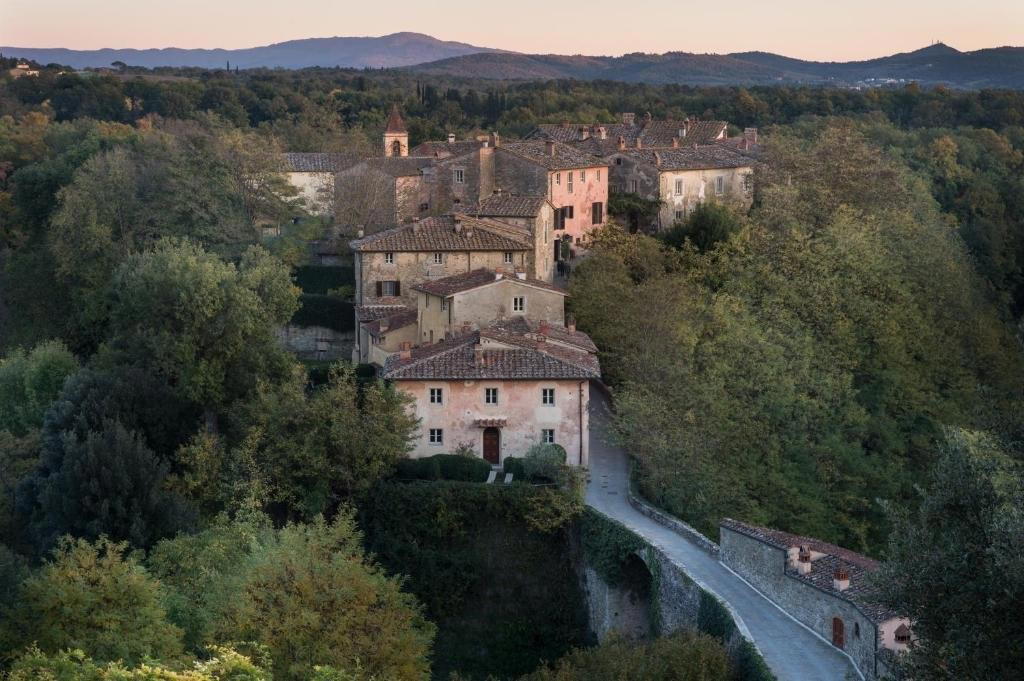
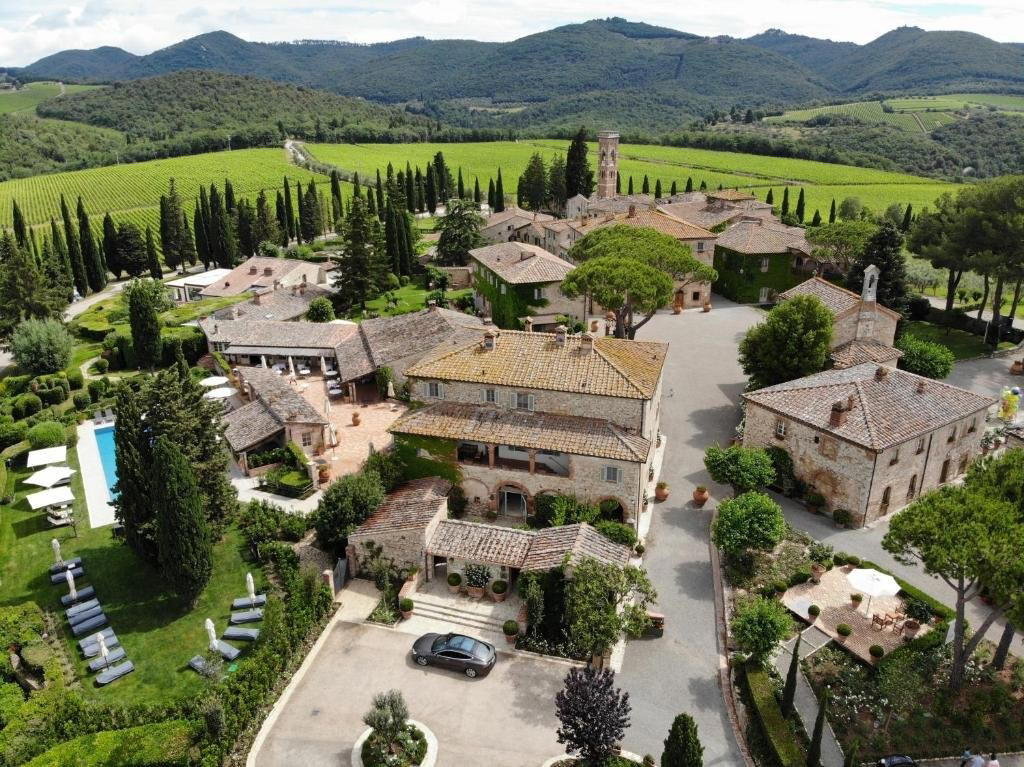
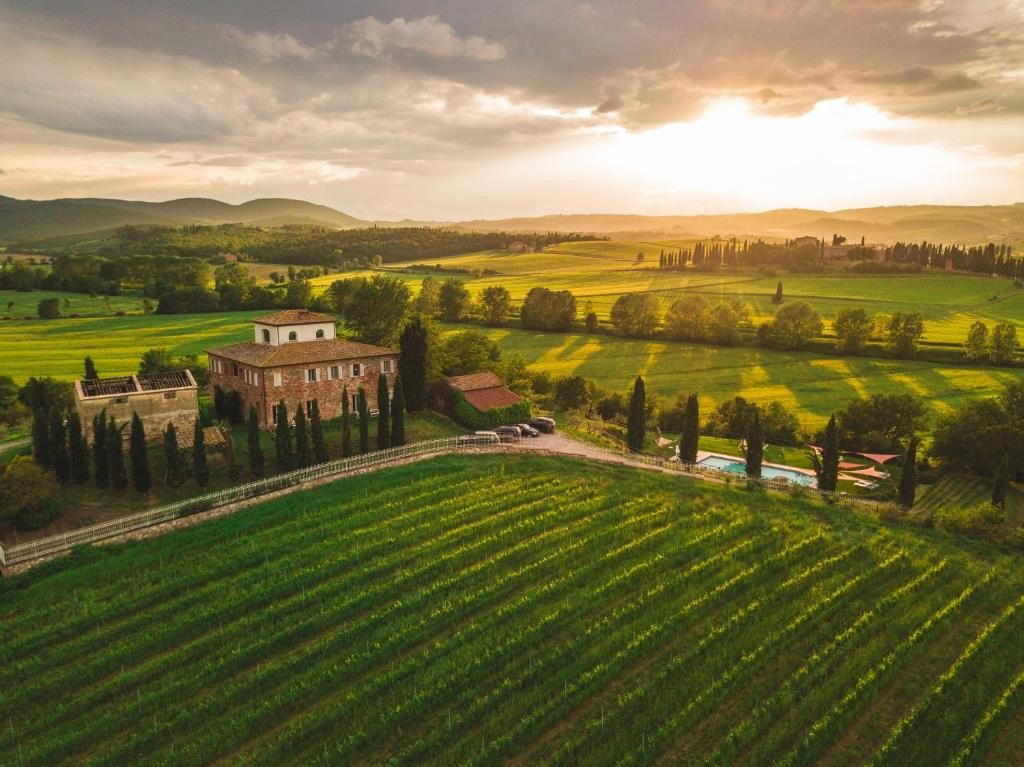
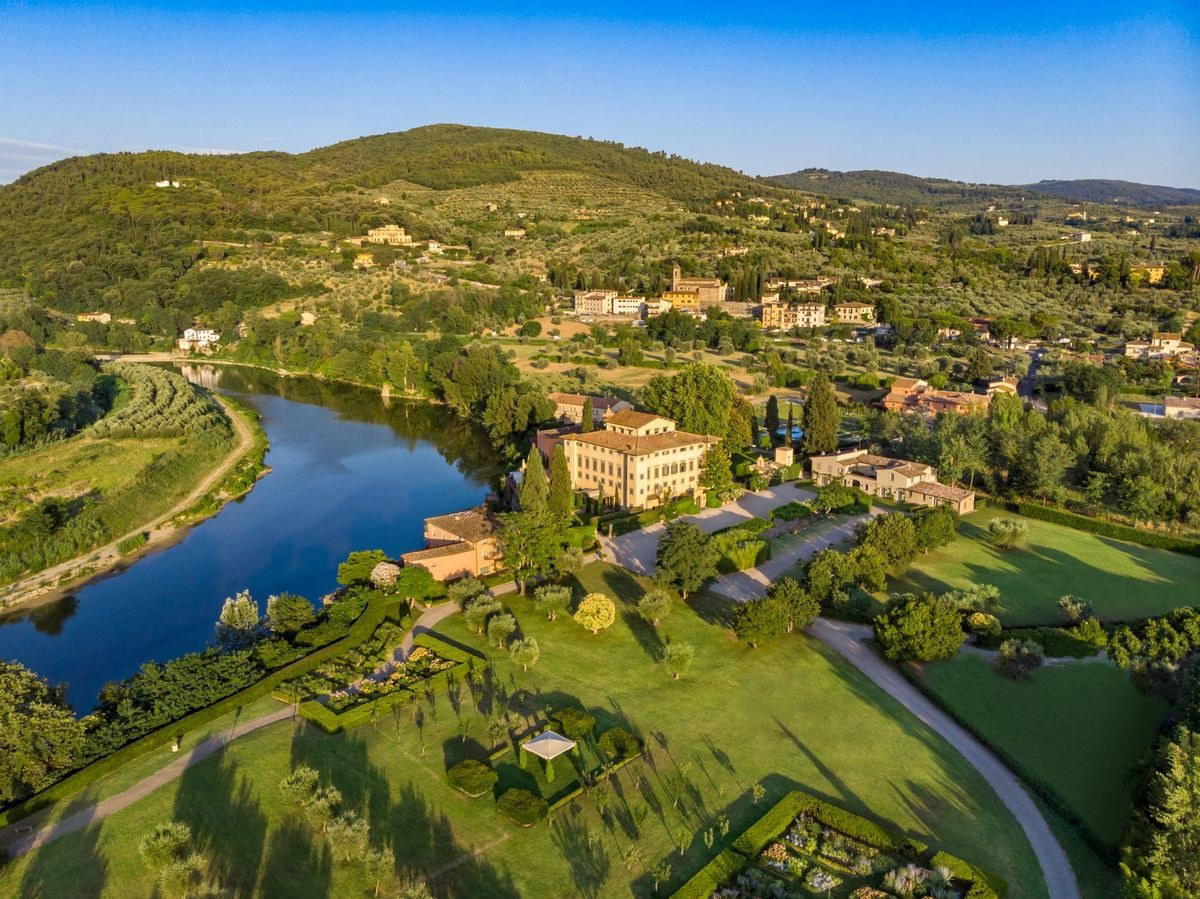
The approach to Fattoria Bellosguardo reads as rural Tuscany before it reads as wine tourism: vineyard rows, olive trees, wooded ground and water on the property rather than a showroom built around branded hospitality. In Castiglion Fibocchi, that matters. Valdarno di Sopra has a long wine history, but it does not perform with the same global shorthand as Chianti Classico or Montalcino. Its interest sits in the folds: native grapes, mixed farming, altitude, family continuity and the agricultural patience of estates that have not been flattened into a single export image.
Fattoria Bellosguardo belongs to that slower register. The estate covers more than 100 hectares across vineyards, olive groves and forest, and its production is organic. The vineyard mix is the first serious clue to its point of view: Sangiovese and Canaiolo sit alongside Cabernet Sauvignon and Merlot, but the more revealing names are Foglia Tonda and Colorino del Valdarno, varieties tied to regional memory rather than international recognition. For drinkers used to reading Tuscany through famous appellations and collector labels, this is a useful corrective: Valdarno’s identity can be less about trophy bottles and more about the recovery of local genetic material.
Valdarno di Sopra, read through native grapes and mixed farming
Valdarno’s historical claim is stronger than many travelers realize. In 1716, Granduca Cosimo III de’ Medici included Valdarno in the official delimitation of key Tuscan wine zones, alongside better-known names such as Chianti, Pomino and Rufina. That history does not automatically make every modern bottle compelling, but it does explain why the area deserves more attention than it receives from travelers who drive through eastern Tuscany with only the famous labels in mind.
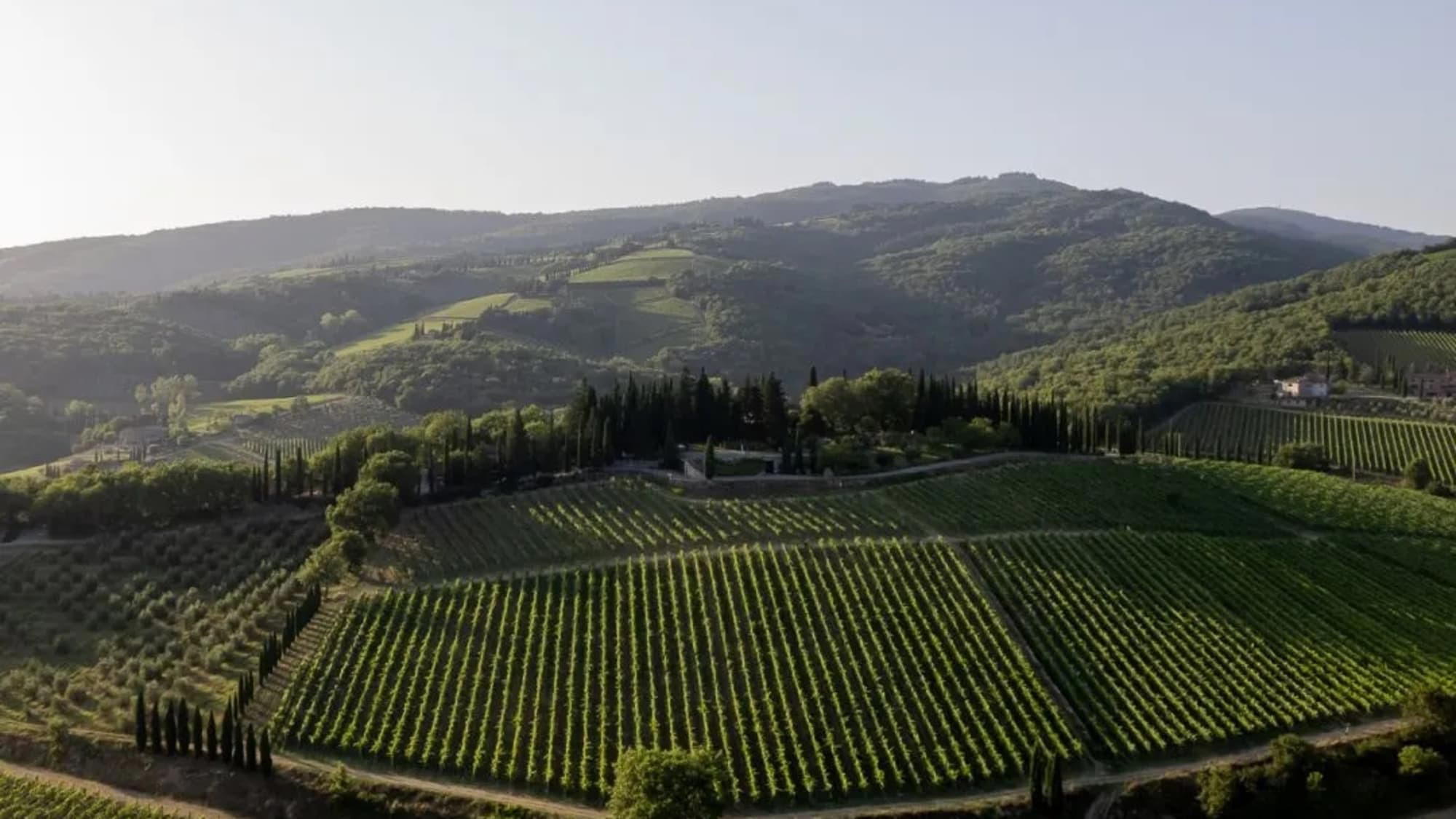
The Pratomagno foothills shape the estate’s agricultural logic. Hillside Tuscan wine is rarely just about grape variety; exposure, woodland, olive groves and elevation all play into how an estate behaves. Here, the broader property is part of the argument. Vines are not isolated from the rest of the farm. Olive cultivation and forested land frame the wine program, giving the estate the feel of a working Tuscan holding rather than a tasting room attached to a vineyard. That distinction is not cosmetic. In a region where wine tourism can drift toward stagecraft, mixed farming keeps the experience close to the land that produces it.
The grape list also places Fattoria Bellosguardo in a more specific conversation than “Tuscan red wine.” Foglia Tonda and Colorino del Valdarno point toward revival rather than fashion. Sangiovese remains the regional spine, but the local varieties give the estate a reason to exist beyond familiar Tuscan grammar. Trebbiano Toscano and Malvasia Bianca add a white-wine thread that suits the older, broader model of Tuscan estates, where production historically served a household and a farm economy before it served a global category.
A rustic estate experience without cellar theatrics
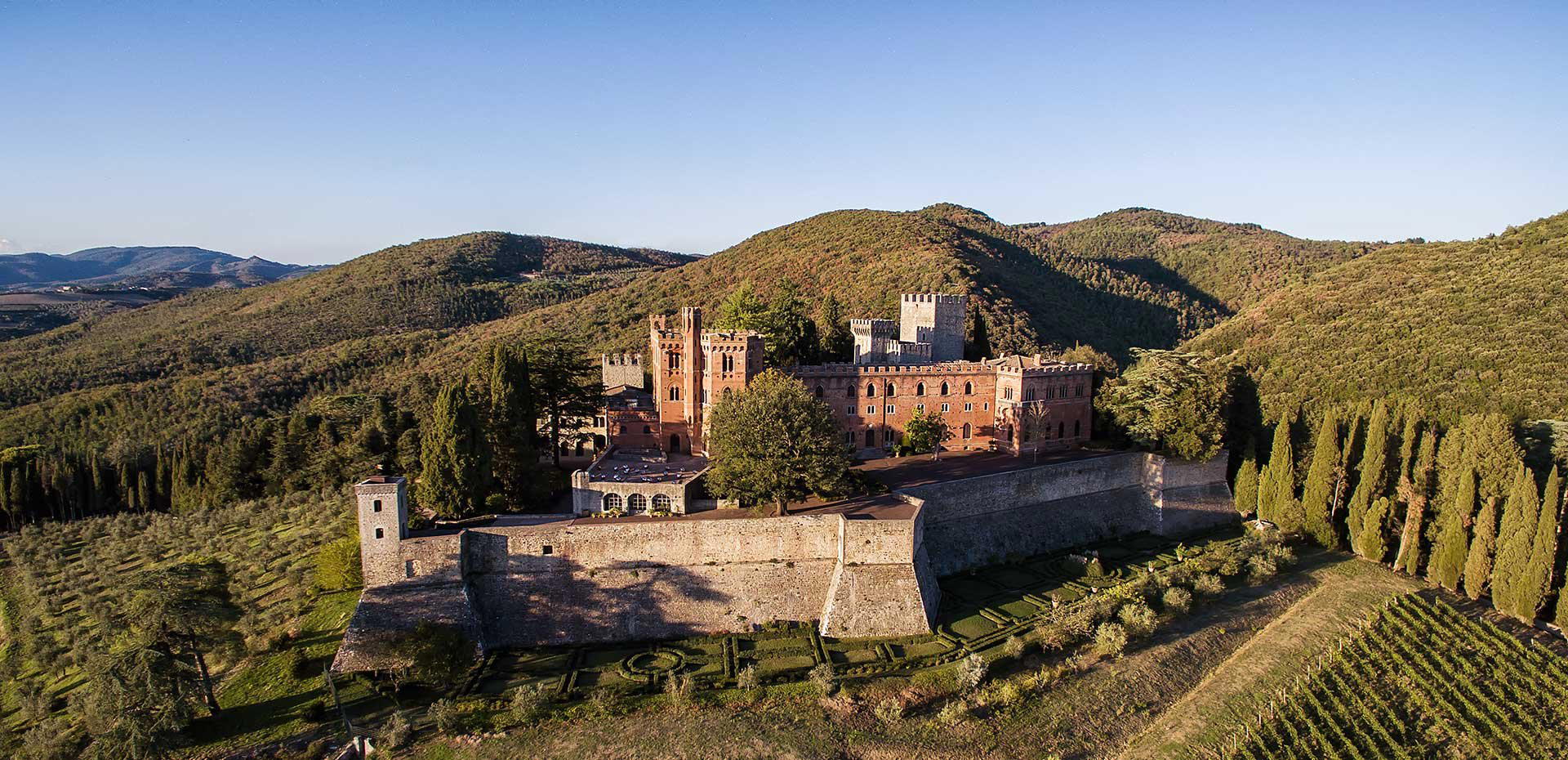
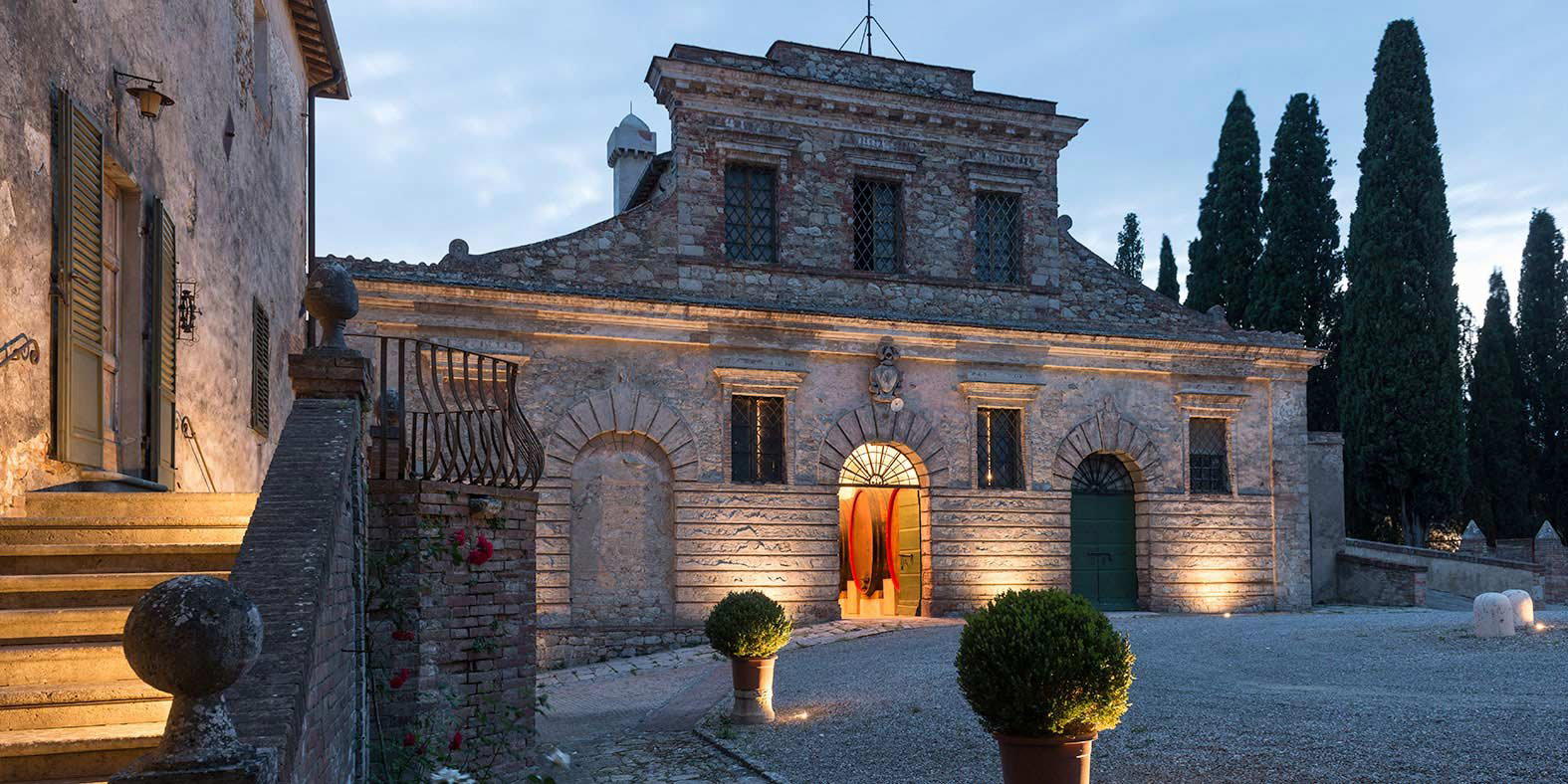
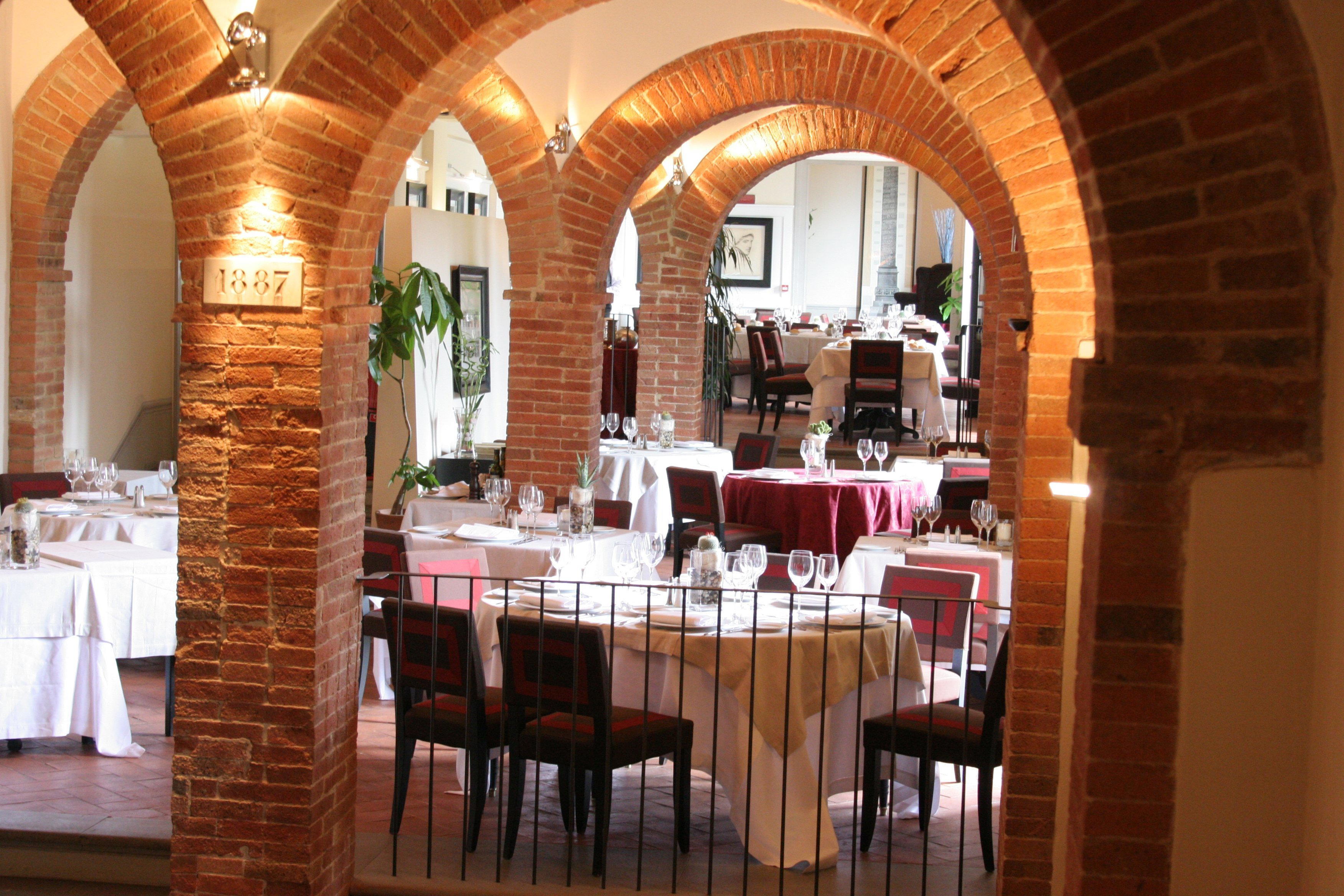
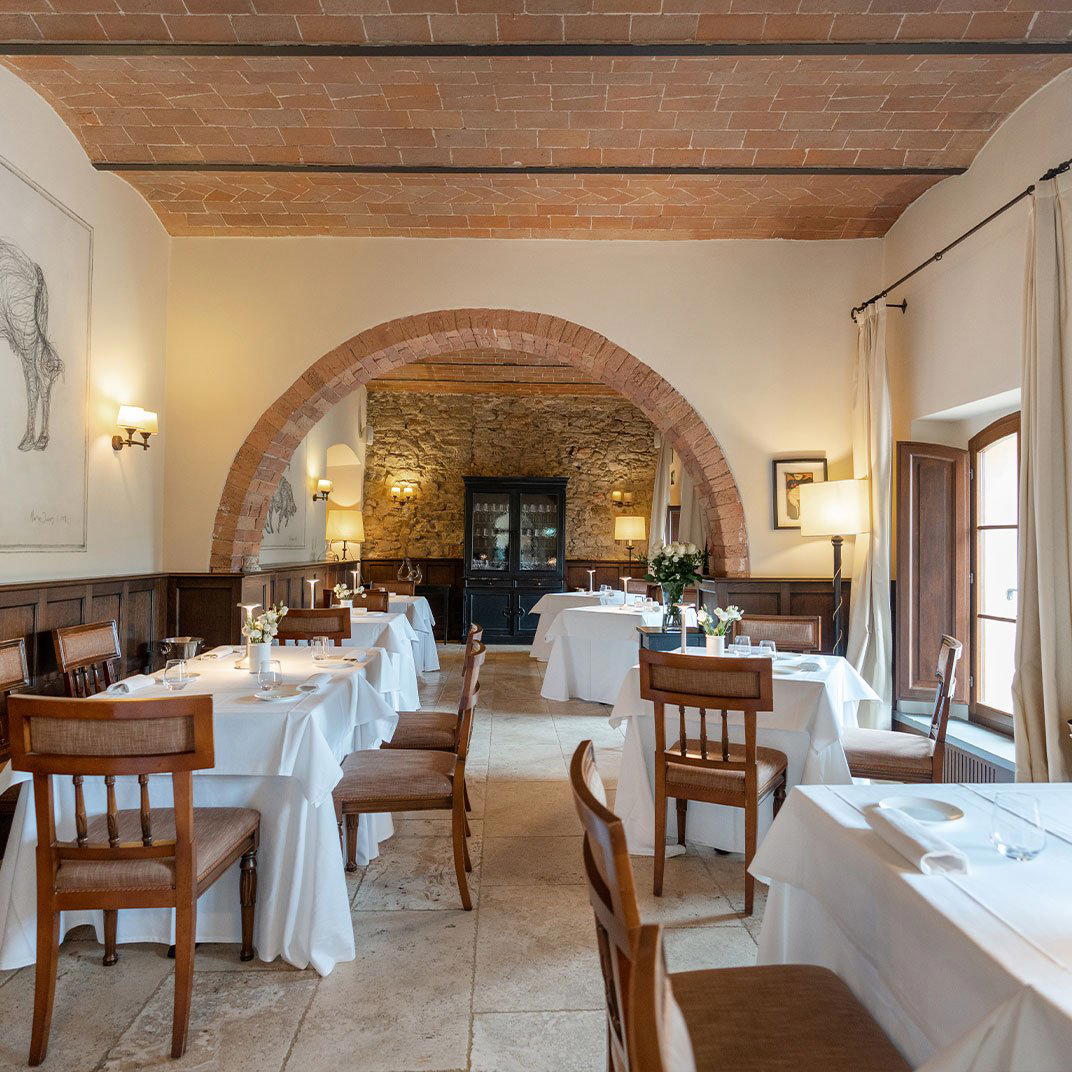
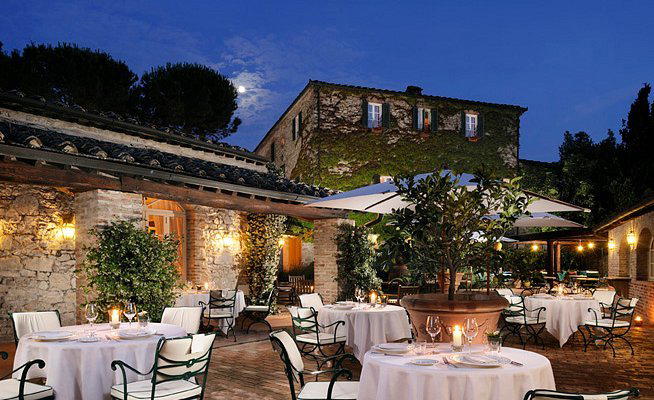
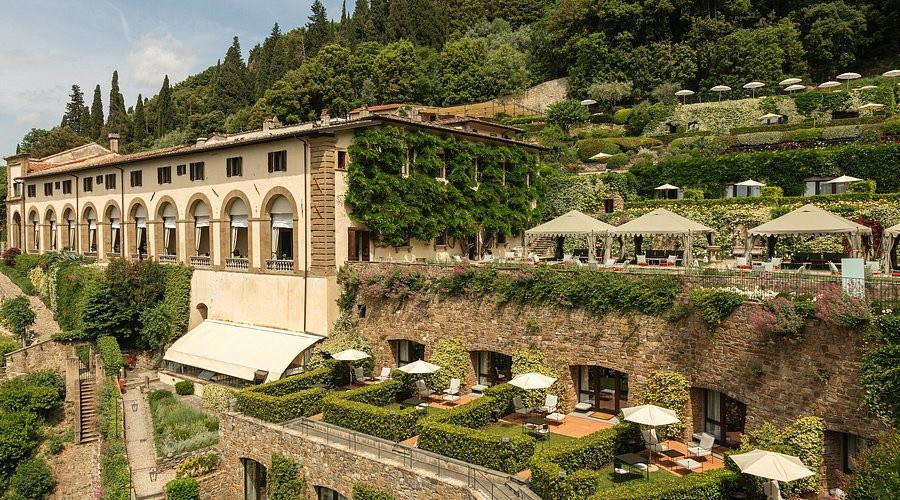
Hospitality style is better understood as quiet estate immersion than polished luxury performance. Visitors describe the property as peaceful and relaxing, with vineyard, garden and water views; those details matter because the strongest version of this kind of visit depends on setting as much as formal tasting architecture. The small lake, olive groves and wooded land are not background scenery. They are the context for wines that make more sense when read as part of an agricultural estate.
That also defines who will get the most from it. This is a stronger choice for travelers interested in organic farming, Valdarno’s less obvious wine identity and native Tuscan varieties than for those chasing a trophy-cellar itinerary. The estate’s public recognition is modest but concrete: a 5.0/5 visitor rating from 6 reviews on Winetourism.com, organic producer status and a family line that reaches across four generations. Riccardo Gagliardi, a professional cyclist who won the Giro d’Italia in 1925, acquired the property after World War II; the estate is now associated with later generations of the Gagliardi family, including Niccolò and Gilberto. The family history is not the whole story, but it gives useful context to the continuity of farming here.
One named release, Sortito 2016, connects the estate’s modern wine work to a more experimental thread, with Niccolò and Riccardo Gagliardi involved alongside an oenologist named Federico. The more important point is not a single bottle, but the estate’s split personality in the better sense: rooted in local varieties, open to modern cellar collaboration, and still framed by the practical rhythms of an organic farm.
How to place it in a Castiglion Fibocchi wine itinerary
Castiglion Fibocchi rewards a narrower, more intentional itinerary than the better-known Tuscan wine corridors. Fattoria Bellosguardo works well as the estate stop for travelers who want Valdarno di Sopra explained through terrain and agriculture rather than brand hierarchy. Build the day around fewer appointments and allow the surrounding countryside to do some of the work; this is not a place to reduce to a quick pour and a photograph.
For wider planning in the area, EP Club’s local rails are useful for separating wine from the rest of the trip: see Our full Castiglion Fibocchi wineries guide, Our full Castiglion Fibocchi restaurants guide, Our full Castiglion Fibocchi hotels guide, Our full Castiglion Fibocchi bars guide and Our full Castiglion Fibocchi experiences guide. Nearby winery pages in the same local planning orbit include Tenuta La Pineta and Tenuta Sette Ponti.
Readers mapping a broader Italian wine route can also compare the editorial coverage across 3GP SRL in Treviso, 47 Anno Domini in Trebaseleghe, A Mano Wine in Noci, a6mani in Fragagnano, Abbadia Ardenga in Torrenieri and Abbazia di Crapolla in Neapel. For cross-border context, see »der Steiner« Hans Steiner in Podersdorf am See and & Handwein in Mannheim.
Recognition history
Dated appearances from independent guides and award organizations, with the underlying list record or original source where available.
Falstaff Winery - Listed
Falstaff
Continue exploring
More in Castiglion Fibocchi
Wineries in Castiglion Fibocchi
Browse all →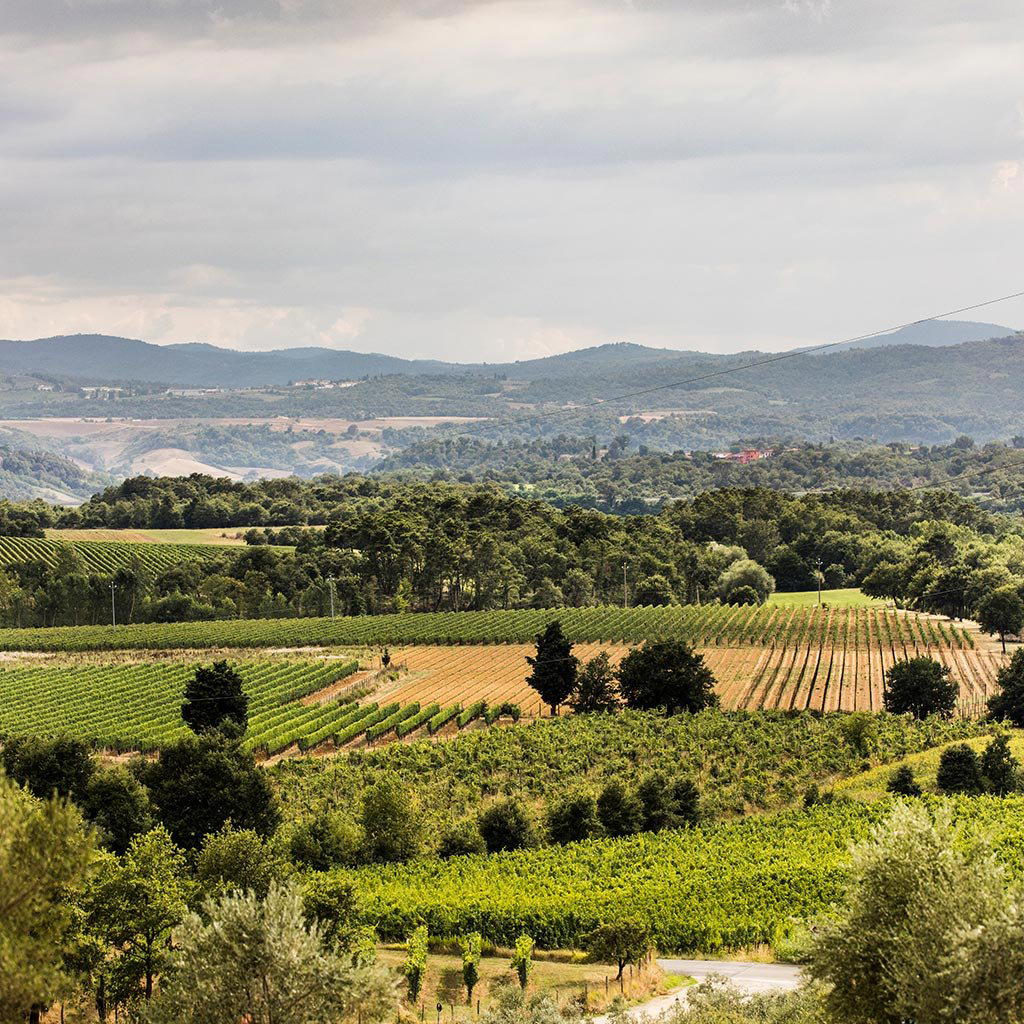
Bars in Castiglion Fibocchi
Browse all →
Restaurants in Castiglion Fibocchi
Browse all →
Details
- Scenic
- Rustic
- Quiet
- Wine Education
- Solo Exploration
- Special Occasion
- Group Outing
- Estate Grounds
- Vineyard Tour
- Historic Building
- Panoramic View
- Organic
- Vineyard
- Garden
- Waterfront
- Sangiovese
- Foglia Tonda
- Colorino
- Canaiolo
- Cabernet Sauvignon
- Merlot
- Still Red
- Still White
- Guided Tasting
- English
- Italian
A historic, rustic Tuscan estate with vineyards, olive groves, wooded land, and a small lake, described by visitors as quiet, peaceful, and relaxing with scenic views.