
Falstaff Winery - Listed
Carmignano’s appeal is its compactness: a small Tuscan DOCG where Sangiovese meets Cabernet rather than pretending Chianti is the only local grammar. Fabrizio Pratesi gives that tradition a family-estate reading in Seano, with organic vineyards, estate-grown fruit, red-wine focus, olive oil, and seated tastings framed by vineyard views rather than cellar-door theatre.

Pearl is the En Primeur Club membership app — saves, bookings, and concierge access live there. Same editors, same standards.
- Address
- Seano, Tuscany, Italien
- Directions
- Get directions

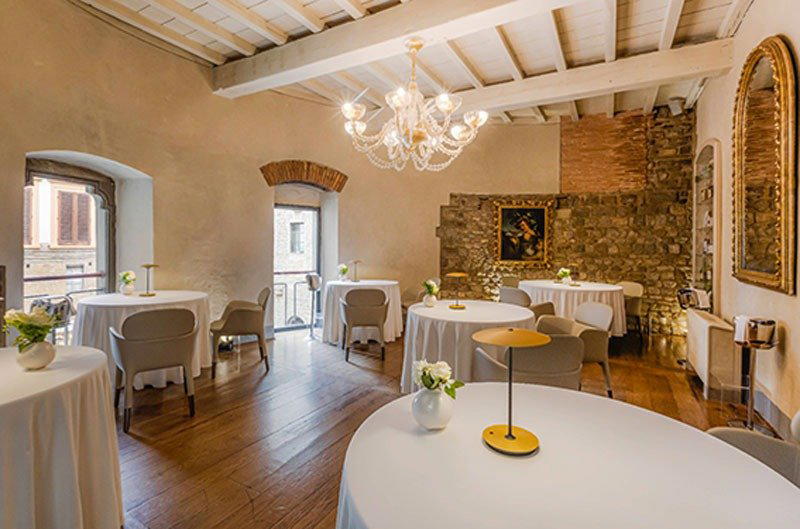
The room sets the tone before the first pour: glass walls, vineyard views, a fireplace, and the slower register of a family estate rather than a high-throughput tasting counter. In Seano, where the Carmignano appellation folds Tuscan red-wine history into a smaller footprint than better-known regional names, Fabrizio Pratesi is useful because it makes the place legible. The experience is not built around spectacle. It is built around a seated tasting, owner-guided hospitality, and wines that show why this corner of Tuscany has long treated Sangiovese as a starting point rather than the whole argument.
Carmignano matters because it complicates the usual Tuscan shorthand. The DOCG permits the historic presence of Cabernet varieties alongside Sangiovese, a practice often linked to the Medici-era introduction of French grapes in the area. That gives the reds a different frame from pure Sangiovese zones: structure, darker fruit registers, and a firmer architectural line can sit beside the grape’s acidity and savory edge. Fabrizio Pratesi works inside that language with estate-grown fruit, organic farming, and a portfolio that keeps the focus tight.
Carmignano in the glass: Sangiovese with a Tuscan-Cabernet accent
The estate’s production began in 1983, but the family’s agricultural roots in Carmignano reach back to 1875. That span matters less as romance than as context: in a small appellation, continuity often shapes what gets planted, blended, and poured for visitors. The core wines give a concise reading of the site. Locorosso is 100% Sangiovese under Toscana IGT, while Carmione and Il Circo Rosso sit in the Carmignano DOCG tradition with a blend of 70% Sangiovese, 15% Cabernet Franc, 5% Cabernet Sauvignon, and 10% Merlot. I Sassi di Lolocco, a 100% Merlot Toscana IGT, widens the estate’s red-wine vocabulary without turning the range into a catalogue.
The more instructive point is the blend. Carmignano is not merely Tuscany with international varieties added for softness; its identity depends on the tension between local acidity and Cabernet structure. At Fabrizio Pratesi, the named DOCG wines make that tension explicit, especially because the estate does not buy grapes. Estate-only sourcing narrows the lens to Seano and the surrounding vineyards, so the tasting reads as a study in one family’s land rather than a tour through purchased fruit from multiple zones.
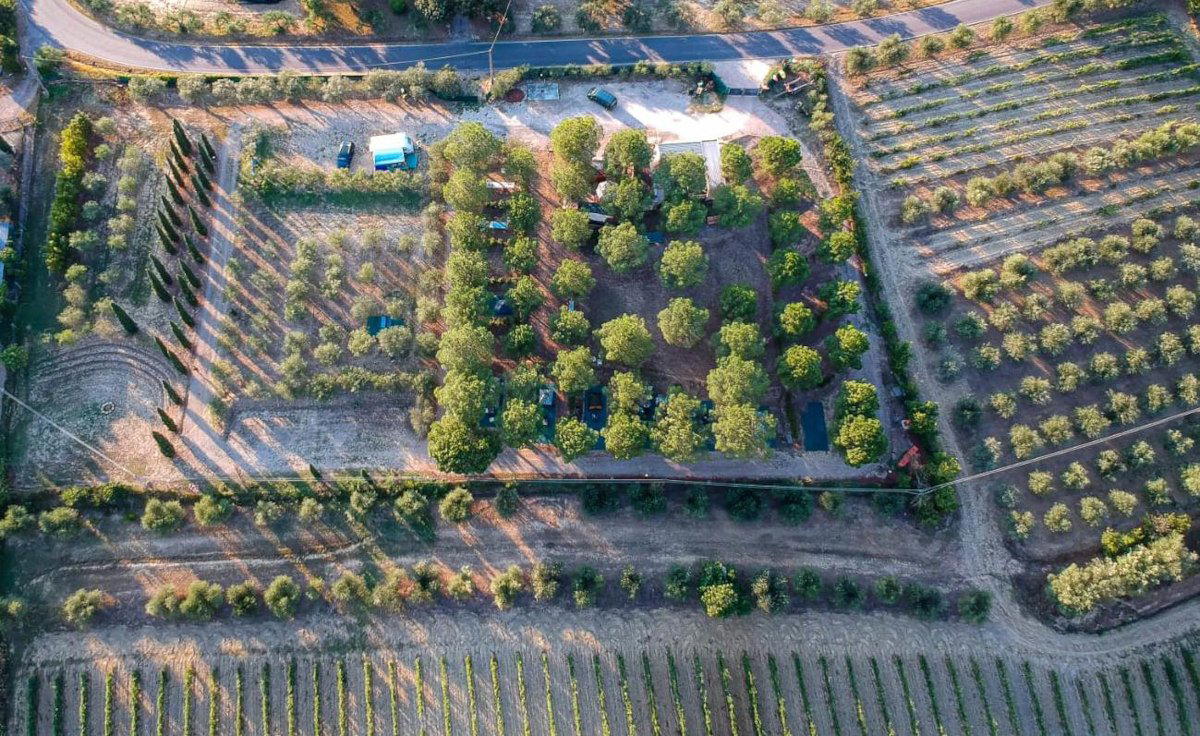
Organic viticulture and high-density planting add a contemporary layer to a historic appellation. In Italian wine tourism, sustainability claims can become vague quickly, but here the practical signal is clear enough: the estate describes its vineyards as organically cultivated and works with its own fruit. The olive oil production, based on Moraiolo and Frantoio olives, reinforces the agricultural breadth of the property without distracting from the red-wine focus.
A seated tasting built around place, not performance
The hospitality format suits the wines. Tastings are guided and seated, with the main experience built around Locorosso, Carmione, and Il Circo Rosso. The setting, a bright glass-walled lounge overlooking vineyards and Tuscan countryside, gives the visit a more composed rhythm than a standing bar pour. The noise level is conversational, the dress code is casual, and the visit type is by reservation, which fits the small-estate model.
Food is part of the format rather than an afterthought. Tastings can be paired with local appetizers or a traditional Tuscan lunch, and the tour duration is listed at 60 to 90 minutes. That timing is useful: long enough for the appellation story and the blend differences to register, short enough to pair with a wider day in the Prato and Carmignano area. The estate is also suitable for groups, with on-site parking and payment by cash, credit card, or debit card.
The strongest reason to plan the visit is educational. Carmignano can be difficult to understand from a bottle shelf because it sits between categories: historically Tuscan, legally DOCG, Sangiovese-led, but not bound to the monovarietal expectation that shapes many travelers’ idea of central Italian reds. A guided tasting here gives that hybrid identity a practical sequence: pure Sangiovese, DOCG blend, reserve expression, then the option to see how Merlot behaves in the same setting.
How to place it within a Seano wine day
Seano is not a city-break wine destination in the way Florence can be; its value is quieter and more specific. The draw is a working Carmignano estate where the visitor can connect soil, blend rules, farming choices, and hospitality in one compact stop. For travelers mapping a broader stay, the local planning pages are useful starting points: Our full Seano wineries guide, Our full Seano restaurants guide, Our full Seano hotels guide, Our full Seano bars guide, and Our full Seano experiences guide.
Readers comparing Italian winery formats beyond Tuscany can also scan other estate pages, from 3GP SRL in Treviso, 47 Anno Domini in Trebaseleghe, and A Mano Wine in Noci to a6mani in Fragagnano, Abbadia Ardenga in Torrenieri, Abbazia di Crapolla in Neapel, Abbazia Monte Oliveto in Asciano, Abbazia Santa Anastasia in Castelbuono, »der Steiner« Hans Steiner in Podersdorf am See, and & Handwein in Mannheim. The comparison is less about ranking than format: small family estate, guided seated tasting, organic vineyard work, and a clear appellation lesson.
The verdict is simple. Fabrizio Pratesi is strongest for travelers who want Carmignano explained through the glass rather than through a museum panel. The estate’s trust signals are concrete: DOCG wines, a 1983 start to wine production, estate-grown fruit, organic vineyard work, named blends, and a hosted tasting structure. In a region often flattened into postcard Tuscany, that specificity is the point.
Recognition history
Dated appearances from independent guides and award organizations, with the underlying list record or original source where available.
Falstaff Winery - Listed
Falstaff
Continue exploring
More in Seano
Wineries in Seano
Browse all →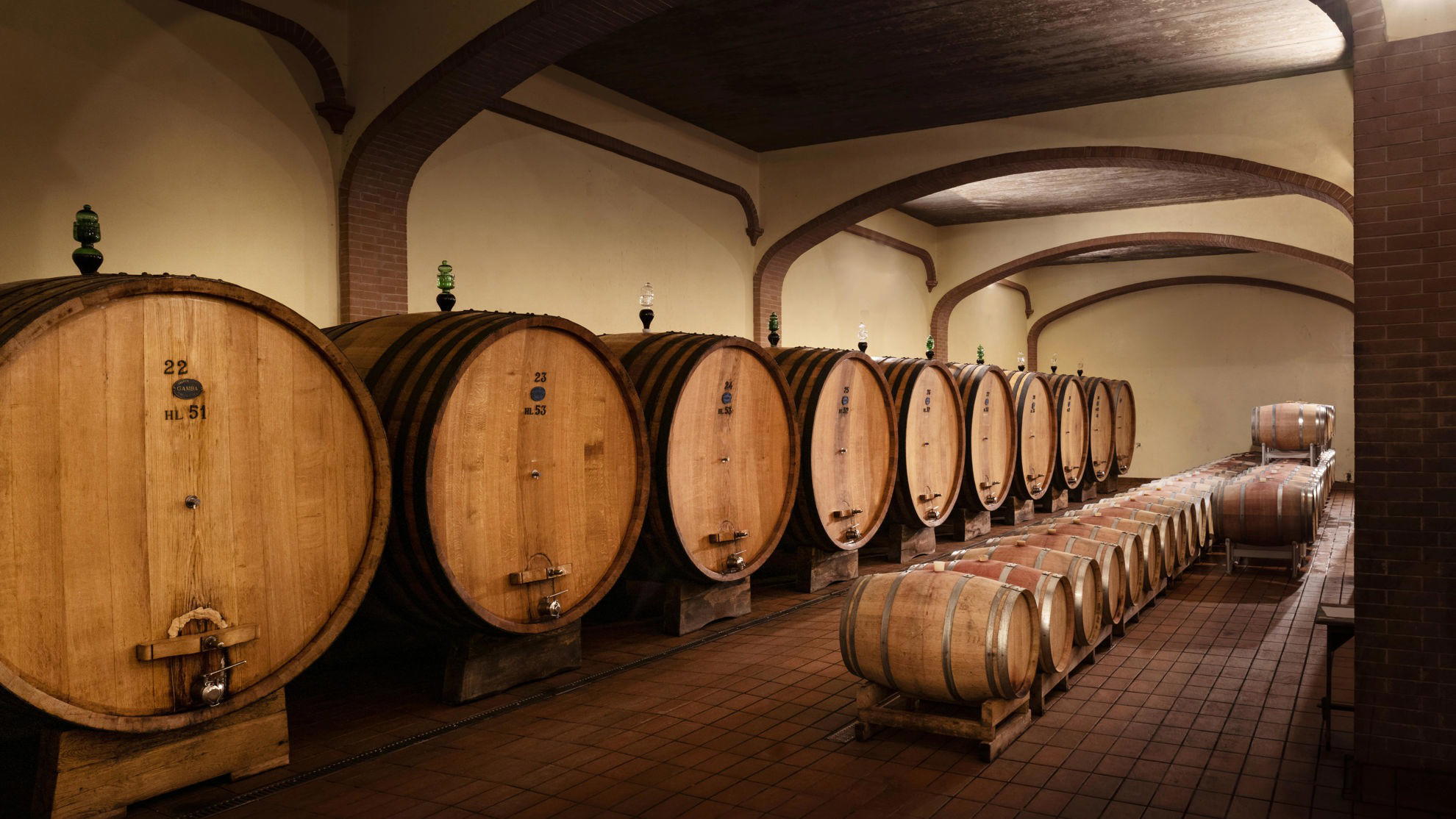
Bars in Seano
Browse all →
Restaurants in Seano
Browse all →
Details
- Scenic
- Elegant
- Cozy
- Romantic
- Classic
- Romantic Getaway
- Group Outing
- Wine Education
- Special Occasion
- Solo Exploration
- Estate Grounds
- Panoramic View
- Private Tasting
- Vineyard Tour
- Historic Building
- Organic
- Sustainable
- Vineyard
- Garden
- Mountain
- Sangiovese
- Cabernet Franc
- Cabernet Sauvignon
- Merlot
- Moraiolo
- Frantoio
- Still Red
- Still White
- Still Rosé
- Guided Seated Tasting
- Tasting With Traditional Tuscan Lunch
- Tasting With Local Appetizers
- Italian
- English
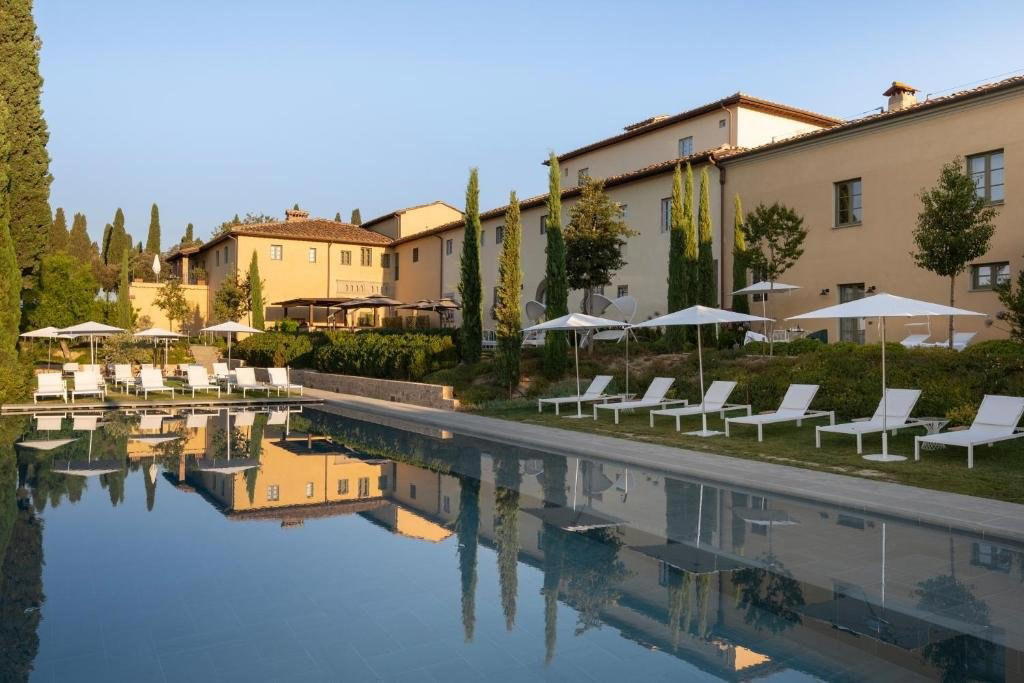
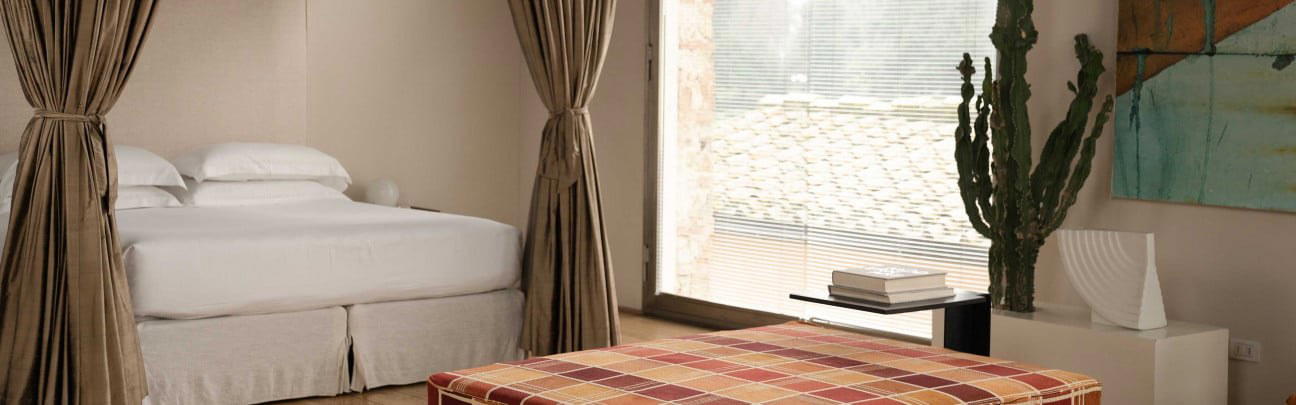
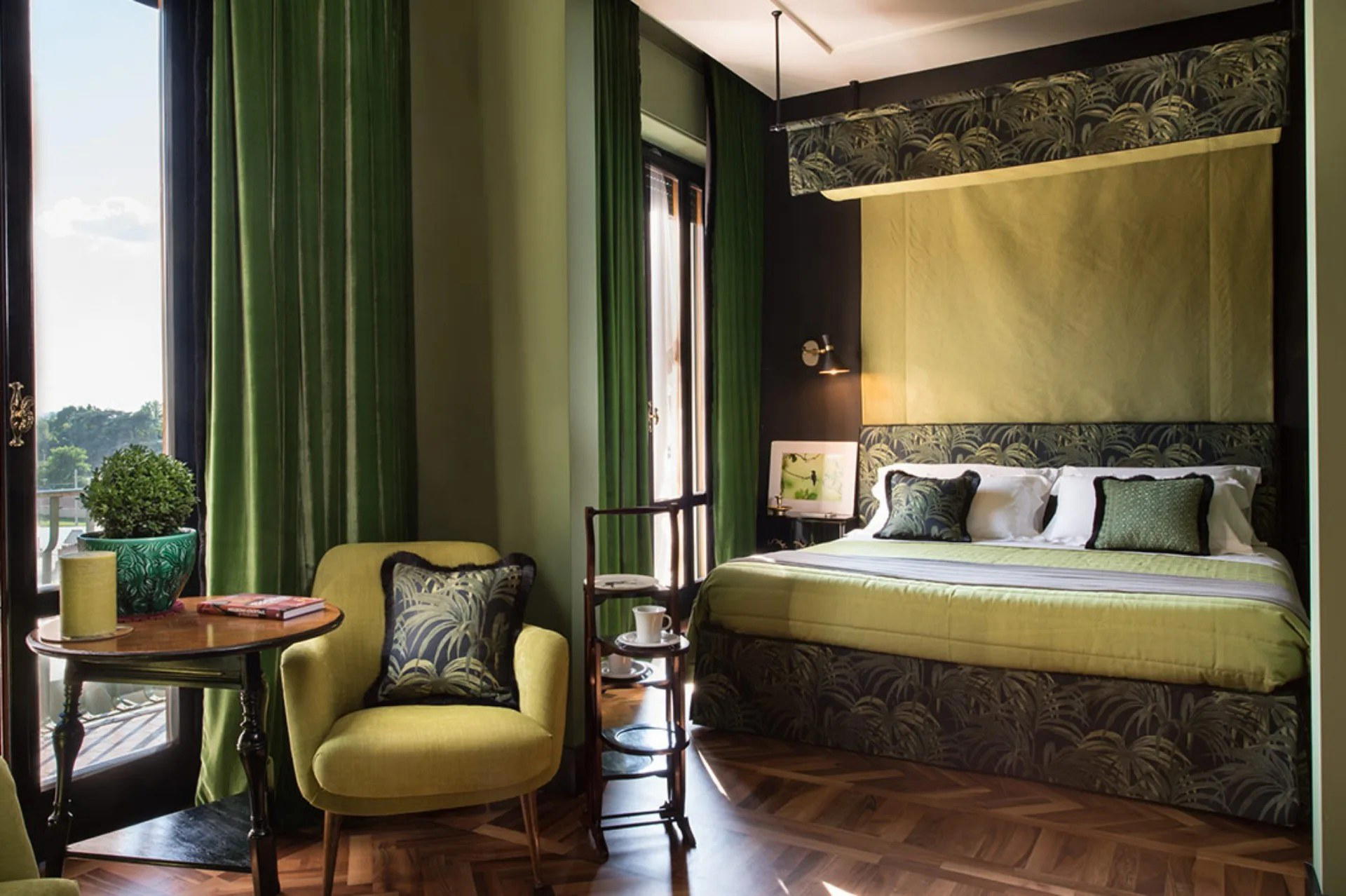
Bright, relaxed and personal, with tastings held in a spacious glass-walled lounge with a fireplace overlooking the vineyards and Tuscan countryside, creating an elegant yet cozy atmosphere guided by the owners themselves.